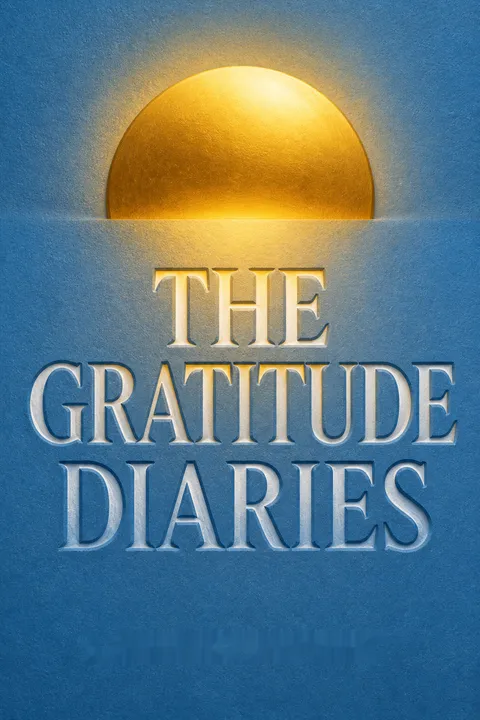


Key Takeaways
Practice gratitude as attention, not as a reward for getting what you want.
A different way to live. Kaplan begins with a familiar disappointment: New Year’s Eve arrives, but her life does not suddenly feel exciting. She has a loving family and a successful career, yet notices how easily she fixates on what is missing. Her yearlong experiment tests a different premise: the quality of life depends partly on how people attend to it, not only on what happens to them. In a survey she helped conduct, 94 percent of Americans agreed that grateful people lead more fulfilled lives, but fewer than half regularly expressed gratitude.
More than feeling cheerful. Kaplan distinguishes gratitude from happiness. A pleasant event can lift a mood briefly; gratitude asks people to notice and experience what is valuable, including amid difficulty. Research she discusses links gratitude with well-being, but the practical point is that noticing is an action, not an automatic response.
What's compelling is the shift from gratitude as a verdict on life to gratitude as a way of paying attention. That makes the practice available on ordinary days, rather than only after a stroke of good fortune. It also preserves agency without claiming that attitude controls circumstance. A useful boundary follows: attention can change the experience of a problem, but it cannot remove the problem itself. The distinction keeps gratitude from becoming a demand to call hardship a blessing.
Write one specific good thing down before the bad gets the last word.
Give the day a record. Kaplan’s old diaries preserve anger more vividly than joy, making her past look far bleaker than she remembers it. She starts a gratitude journal to correct that imbalance. Her friend Shana keeps the task deliberately small, writing one thing each night, even if it is as simple as enjoying a snack or being able to walk. Knowing she will write something changes what she notices during the day.
Train attention, not denial. Research Kaplan cites found benefits from recording three grateful items daily, or doing so several times a week, including better well-being and sleep. She eventually writes three times a week rather than making the journal a nightly chore. This fits the book’s central method: look for what was genuinely good, without pretending the irritating parts did not happen.
A journal can work as an attentional counterweight: the mind is quick to preserve danger and friction, while a deliberate record helps positive events remain retrievable. The practice is strongest when entries are concrete, because specificity makes a moment easier to recall than a general claim that life is good. The caution is equally important: a gratitude list should not become a performance of optimism. If the day was painful, naming one small source of support can be honest without requiring a cheerful summary.
Thank your partner for ordinary effort before familiarity turns it invisible.
Notice what has become background. Kaplan realizes she appreciates her husband in theory but often sees his shortcomings in daily life. Psychologists call the fading of attention to familiar things habituation. To counter it, she makes a point of expressing appreciation for ordinary acts, such as driving through snow, repairing things, or cooking. Her husband responds by thanking her for her efforts, and the tone between them begins to soften.
Appreciation is not surrender. In a survey Kaplan cites, 77 percent of men said they would value more love and affection from their wives, while fewer than half of women regularly thanked their husbands. She also describes appreciating her doctor-husband’s late-night patient call rather than responding with the usual resentment. Gratitude does not mean accepting every behavior; it means recognizing genuine care while still being able to raise a problem.
The relationship insight is practical because it targets the feedback loop, not a partner’s personality. Specific acknowledgment can make helpful behavior visible and invite reciprocal warmth. Yet appreciation should not be confused with keeping the peace at any cost. In a relationship marked by coercion or persistent harm, praise cannot substitute for safety, accountability, or boundaries. The useful test is whether gratitude helps both people see each other more accurately, rather than requiring one person to edit reality to preserve harmony.
Help children notice generosity without making gratitude another debt.
Model before demanding. Kaplan finds that parental reminders about camps, rides, or financial help can sound to teenagers like a bill coming due. Young adults may resent accepting support because dependence threatens their sense of independence. One researcher’s experiment illustrates the difference: children given a toy as payment for participating were less likely to share candy than children told another child had chosen to give them the toy.
Turn help outward. The second group’s response suggests that gratitude can prompt generosity beyond simple repayment. Kaplan recommends family rituals, sharing good moments at dinner, and letting children see needs outside their own circle. Actor Matt Damon describes bringing his young daughter to see poverty firsthand, following Morgan Freeman’s advice to let her observe rather than lecture her. The point is not to shame children for having support, but to help them recognize it and pass care along.
This section usefully separates gratitude from obligation. A child who hears every act of care entered into an emotional ledger may experience thanks as loss of autonomy, not connection. The more durable lesson is that help belongs to a web of relationships, and receiving it can lead to helping someone else. Exposure to hardship can widen perspective, but it should be handled with care: other people’s deprivation is not merely a teaching prop for privileged children.
Buy memories and shared experiences, not another temporary hit of novelty.
Possessions lose their charge. Kaplan buys cheerful bowls, towels, and sheets, then finds their appeal fading almost immediately. Behavioral economist Tom Gilovich’s research, as she presents it, finds that people generally draw more lasting satisfaction from experiences than from objects. A new car or phone becomes familiar; the anticipated excitement gives way to ordinary use. The hedonic treadmill describes this cycle of wanting, acquiring, adapting, and wanting again.
Let memories do the lasting. Experiences can become part of personal identity and are less easily measured against someone else’s possessions. Gilovich’s Disneyland example shows how memory reshapes an event: visitors complain about heat and lines during the trip, then recall the family outing more fondly afterward. But experiences can become another checklist, too. Kaplan’s friend treats Venice as a destination crossed off, rather than a place to savor. The value lies in living and remembering, not accumulating trips.
The distinction is not simply between buying things and buying experiences. It is between consumption that quickly becomes background and activity that creates connection, participation, or a durable story. That helps explain why an object tied to a meaningful practice can still matter, while an expensive trip can feel empty if treated as a status token. The advice is less about refusing possessions than asking what an expenditure enables: attention, relationships, skill, or only a brief rush of novelty.
Treat money as a tool, not a scoreboard for your worth.
Comparison distorts enough. Kaplan’s husband asks what amount would make her feel financially content, and she struggles to name one. Behavioral economists find that people judge income relative to those around them, so a raise can feel disappointing if peers earn more. In psychologist Paul Piff’s rigged Monopoly experiment, players given more money and advantages often credited their wins to skill rather than the initial advantage. The story captures how easily good fortune gets mistaken for proof of deservingness.
Remember the luck in success. Kaplan recalls receiving company stock options worth about $30,000, then refusing to sell after learning an executive received far more. The options became worthless. She concludes that envy had turned a real gain into a loss. Her response is not to abandon ambition, but to treat money practically, recognize the support and circumstances behind success, and consider sharing some of what one has.
Money is both a resource and a social signal, which is why comparisons can overpower its practical value. Kaplan’s examples expose a common attribution error: personal effort is visible from the inside, while luck, public infrastructure, and other people’s contributions are easier to overlook. Gratitude can correct that blind spot without denying hard work. It should not, however, be used to silence legitimate concerns about low wages or unequal opportunity. Perspective is valuable; it is not a substitute for fairness.
Make appreciation specific at work, where a paycheck cannot say thank you.
Recognition has practical force. In Kaplan’s survey, 81 percent of respondents said they would work harder for a more grateful boss, and 70 percent said appreciation would improve how they felt about themselves. Wharton professor Adam Grant describes a college fundraising call center where students became more effective after meeting a scholarship recipient who thanked them. Average donations rose from roughly $400 to more than $2,000.
Make thanks personal. Doug Conant, former CEO of Campbell Soup Company, wrote ten to twenty handwritten thank-you notes each workday. Employees later remembered those notes and sent him messages of support after a serious car crash. Kaplan’s career examples also show that gratitude need not mean complacency: an intern who welcomed routine tasks and expressed interest in learning stood out to colleagues. Appreciation is not a replacement for fair compensation, but it can make contribution visible and strengthen cooperation.
Workplace gratitude is most credible when it names a real contribution and comes from someone with power to recognize it. Generic praise can feel like corporate decoration, especially when workloads or pay remain unfair. Conant’s practice matters because it was sustained and reached employees at multiple levels. Recognition also has a civic dimension inside organizations: it reminds leaders that outcomes depend on people whose work is otherwise easy to take for granted. The strongest version combines appreciation with material fairness and clear standards.
Let nature and movement return attention to the body you already have.
Use the body as an entry point. Kaplan explores whether physical activity can evoke gratitude, but finds that her gym workouts feel focused on future results. A quiet run beside a river is different. Without headphones, she notices birds, trees, and the feeling of her muscles working. Research she cites found that people performed about 20 percent better on a short-term memory test after a nature walk than after a city walk. Other studies described in the book associate green views and forest walks with lower stress and better recovery.
Keep the health claim modest. Kaplan connects gratitude with stress and inflammation, and wonders whether her own months without migraines are related. She acknowledges that one person’s experience cannot establish a medical cause. Her practical lesson is to appreciate what the body can do and seek calming, restorative experiences, not to treat gratitude as a cure or substitute for medical care.
Nature gives the book’s attention practice a physical setting. The river walk reduces competing demands and makes ordinary sensations noticeable, from breathing to birdsong. That is a persuasive reason to try outdoor movement even without assuming a particular biological mechanism. The health discussion needs more restraint than the experiential advice: correlations among stress, emotion, and health do not show that gratitude prevents or treats disease. The sound takeaway is modest and still valuable: restoration can support well-being, while illness deserves appropriate care.
Eat with attention, and gratitude can guide choices without banning pleasure.
Slow the meal down. Kaplan’s self-designed Gratitude Diet aims to change how she eats, rather than impose a strict list of forbidden foods. She pauses to notice a meal, sits down instead of eating in the car, checks whether hunger is physical or emotional, and chooses food she genuinely enjoys. Cornell researcher Brian Wansink’s studies, as reported in the book, show how portions and surroundings shape consumption: people ate 73 percent more from bowls that secretly refilled, and a prompt to name something appreciated was associated with healthier food choices.
Make satisfaction count. Kaplan wants to savor a favorite cookie rather than mindlessly eat less-enjoyed snacks. She argues that gratitude can extend the time horizon beyond immediate comfort and make food feel less like an enemy. The aim is not to moralize eating, but to notice what is being eaten and how it feels.
This approach combines mindful attention with environmental design. Sitting down and pausing may interrupt automatic eating, while keeping tempting food out of immediate reach changes the choice architecture. The distinction between hunger and emotional need can also reveal whether food is being asked to solve loneliness or frustration. Still, weight and eating are affected by biology, resources, and health conditions as well as mindset. Gratitude can support a less punitive relationship with food, but it cannot guarantee weight loss or replace individualized nutrition advice.
Use gratitude in hardship without pretending the hardship was good.
Choose what remains possible. Kaplan distinguishes intentional gratitude, a deliberate practice of noticing support during difficult circumstances, from reactive gratitude, the mind’s spontaneous effort to find a tolerable meaning after events it cannot change. Her friend Jackie, whose three daughters died in a car crash, keeps a daily gratitude list while continuing to grieve. She credits friends, small acts of care, and the ability to run, not the tragedy itself.
Let grief and gratitude coexist. Kaplan also describes people in recovery using gratitude lists to remember what sobriety has restored, and a colleague who found new opportunities after losing a job. These stories do not imply that every loss is secretly beneficial. They show how attention to support, present abilities, or future choices can help people endure what cannot be undone.
This is the book’s most ethically important distinction. Gratitude is not a claim that suffering was deserved, necessary, or secretly good. It is a way to keep pain from monopolizing the whole field of attention. Jackie’s practice is powerful precisely because it leaves grief intact instead of prescribing a tidy recovery. In severe trauma, gratitude should remain an invitation, never an obligation imposed by observers. People need room to mourn, seek treatment, and accept support without having to demonstrate resilience.
Turn gratitude outward through concrete giving, not just private good feelings.
Make appreciation an action. Kaplan’s year moves from private journaling toward generosity. Hugh Jackman auctioned a shirt after a Broadway performance to raise money for charity. Runner Peter Sagal guided a blind marathoner, finding service more satisfying than chasing a faster time. Surgeon Andrew Jacono used his expertise to help people who could not afford reconstructive care. These examples show different ways to turn gratitude into participation.
Give without settling accounts. Kaplan describes #GivingTuesday as a community effort that uses social media to encourage generosity. She also recalls her father’s response when she offered to repay his help with college costs: he hoped she would support her own children in turn. Gratitude can travel forward rather than operate as a debt. Giving may benefit the giver too, but its value is not measured only by personal return.
The move from feeling to action protects gratitude from becoming a private mood or a form of self-congratulation. Giving can express connection, redistribute resources, or make another person’s work visible. It can also be small and local, rather than requiring celebrity-scale philanthropy. The healthiest account avoids treating generosity as a transaction that guarantees good fortune in return. Service is not a substitute for changing unfair systems, but it can create real help and strengthen the relationships through which collective change becomes possible.
Analysis
The book’s organizing experiment is also its strongest argument: gratitude is not presented as a personality trait one either possesses or lacks, but as a repeated act of noticing. The seasonal structure lets Kaplan test that idea against marriage, children, money, work, health, adversity, and giving. Its narrative engine is not a dramatic external transformation. The circumstances largely stay put; her interpretation and behavior change, and other people respond. That makes the book accessible, though its anecdotes sometimes carry more persuasive weight than its evidence can bear.
The most useful distinction is between reframing and denial. Kaplan’s examples show that appreciation can coexist with requesting a better hotel room, seeking fair treatment, grieving a death, or pursuing ambition. That distinction deserves emphasis because positivity can be misused to make people tolerate problems that should be addressed. Gratitude works best here as an additional lens, not the only permissible one.
The research also varies in strength. Survey findings and controlled studies can suggest associations or short-term effects; they do not prove every broad claim about happiness, relationships, immunity, or weight. Kaplan occasionally moves from plausible mechanisms to personal health interpretations, especially around migraines. Those passages are more convincing as accounts of her experience than as medical conclusions.
The durable contribution is behavioral and social. Recording a specific good event, thanking someone for a concrete act, savoring a meal, or giving help creates a moment of attention that would otherwise be lost to routine. Repeated moments can change what a person notices and how others feel recognized. The book’s best promise is therefore not that gratitude will make life fair or painless, but that it can prevent ordinary disappointments from becoming the only story a person remembers.
Review Summary
The Gratitude Diaries received mixed reviews, with an average rating of 3.94/5. Some readers found it inspiring and life-changing, praising Kaplan's writing style and research. However, many criticized her privileged perspective and excessive name-dropping. Critics felt the book was repetitive and lacked practical advice for average readers. Some appreciated Kaplan's exploration of gratitude in various life aspects, while others found it difficult to relate to her wealthy lifestyle. Despite these criticisms, many readers were motivated to start their own gratitude practices.
People Also Read





Glossary
Habituation
Familiarity dulls attentionHabituation is the tendency to respond less strongly to something after repeated exposure. Kaplan uses it to explain why a spouse, home, or new possession can stop feeling special once it becomes familiar. Gratitude offers a way to look again at what routine has pushed into the background.
Hedonic treadmill
Novelty resets desireThe hedonic treadmill is the cycle in which acquiring something desired brings a temporary lift, people adapt to it, and a new desire takes its place. Kaplan applies the idea to purchases such as luxury cars and fashion items. Continually raising the standard for what counts as enough can leave satisfaction permanently out of reach.
Intentional gratitude
Deliberate appreciation practiceIntentional gratitude is the conscious effort to identify and appreciate what remains good or supportive, especially during a difficult period. Kaplan describes people using lists, journals, or repeated reflection to sustain this practice. It does not require gratitude for the hardship itself, and it can coexist with sadness or grief.
Reactive gratitude
Meaning found after adversityReactive gratitude is Kaplan’s term for the mind’s response when circumstances cannot be changed: it searches for a more bearable interpretation or a possible benefit. She contrasts this spontaneous adjustment with intentional gratitude, which is deliberately practiced. Finding a redeeming perspective does not mean that the original event was good.
Experiencing self
Self in the presentThe experiencing self is the part of a person that lives through events as they occur. Kaplan uses Daniel Kahneman’s distinction to contrast immediate sensations and emotions with the later story a person tells about an event. A difficult experience can feel unpleasant in the moment even if it becomes a meaningful memory.
Remembering self
Self that shapes memoryThe remembering self is the part that selects and organizes experiences into a story about the past. Kaplan notes that later memory can soften or amplify how an event is judged, and that especially intense moments or endings can shape the overall account. Gratitude can help a person notice what was valuable in an experience after it has passed.
Embodied gratitude
Appreciation felt physicallyEmbodied gratitude is a form of appreciation experienced through the body, rather than only written or considered intellectually. Kaplan uses the term after technology researcher Linda Stone describes how genuine gratitude can coincide with a measurable reduction in a stress indicator. The idea emphasizes pausing, sensing, and emotionally experiencing appreciation.
Soft fascination
Gentle attention from natureSoft fascination is a term used by Rachel and Stephen Kaplan for the gentle, absorbing attention prompted by natural scenes such as clouds, leaves, or sunsets. Unlike demanding tasks, these sights can hold attention without overwhelming it. In the book, this helps explain why time in nature may feel restorative and leave room for reflection.
The Amazing Gratitude Diet
Mindful, appreciative eatingThe Amazing Gratitude Diet is Kaplan’s informal approach to eating that centers on attention and appreciation rather than calorie counting or food prohibition. It encourages pausing over meals, sitting down to eat, noticing whether food is answering hunger or another need, and choosing food that is genuinely satisfying. The book presents it as a personal experiment, not a clinical diet.
Vitamin G
Regular gratitude practiceVitamin G is Kaplan’s playful label for gratitude, modeled on the idea of taking a health-promoting vitamin regularly. She uses it while discussing the possibility that positive emotional states may counter stress responses. It is a metaphor for a repeated practice, not a nutrient, supplement, or established medical treatment.
FAQ
What's The Gratitude Diaries about?
- Personal Journey of Gratitude: The Gratitude Diaries by Janice Kaplan details her year-long experiment to live with gratitude, exploring its transformative effects on her life and relationships.
- Research and Insights: Kaplan integrates scientific research, highlighting gratitude's psychological and physical benefits, such as improved mental health and well-being.
- Practical Applications: The book offers practical advice and methods for incorporating gratitude into daily life, making it accessible for readers seeking personal growth.
Why should I read The Gratitude Diaries?
- Transformative Experience: The book inspires readers to adopt a grateful mindset, leading to significant improvements in happiness and life satisfaction.
- Relatable and Engaging: Kaplan's storytelling is filled with personal anecdotes that resonate with anyone looking to enhance their outlook on life.
- Research-Backed Benefits: It provides evidence-based insights into the benefits of gratitude, making a compelling case for its practice in daily life.
What are the key takeaways of The Gratitude Diaries?
- Gratitude Changes Perspective: Gratitude can shift focus from negative to positive aspects of life, enhancing overall happiness.
- Improves Relationships: Expressing gratitude strengthens personal and professional relationships, fostering a supportive environment.
- Health Benefits: Gratitude can lower stress levels, improve immune function, and enhance overall well-being.
What are the best quotes from The Gratitude Diaries and what do they mean?
- “Let us be grateful...”: This quote emphasizes recognizing and appreciating those who bring joy into our lives, highlighting gratitude's role in happiness.
- “Do not spoil what you have...”: From Epicurus, it reminds us to appreciate what we possess rather than yearning for more, encouraging contentment.
- “If you trade your expectations...”: This encapsulates the book's message that shifting from entitlement to gratitude can transform one's outlook on life.
How does Janice Kaplan practice gratitude in her daily life?
- Daily Gratitude Journal: Kaplan writes down things she is grateful for each day, focusing on positives and cultivating an appreciative mindset.
- Expressing Thanks: She consciously expresses gratitude to her family, strengthening relationships and reinforcing her own feelings of gratitude.
- Reframing Negative Situations: Kaplan reframes negative experiences by finding positives, such as lessons learned or support received.
What specific methods does Kaplan suggest for cultivating gratitude?
- Gratitude Journals: Writing down three things you are grateful for each day helps shift focus from negative thoughts to positive reflections.
- Gratitude Visits: Writing a letter to someone who positively impacted your life and reading it to them fosters deep connections and appreciation.
- Daily Affirmations: Incorporating daily affirmations of gratitude into your routine enhances mood and creates a positive environment.
How does gratitude affect relationships according to The Gratitude Diaries?
- Strengthens Bonds: Expressing gratitude fosters appreciation and connection, leading to deeper emotional ties with loved ones.
- Improves Communication: Gratitude encourages open communication and positive interactions, helping resolve conflicts and misunderstandings.
- Increases Happiness: Grateful individuals focus on positives, leading to more fulfilling and joyful connections.
What role does money play in gratitude as discussed in The Gratitude Diaries?
- Perspective on Wealth: Kaplan emphasizes that true happiness and gratitude come from experiences rather than material possessions.
- Gratitude for Enough: Appreciating what you have, regardless of financial situation, leads to greater satisfaction than constantly striving for more.
- Impact of Generosity: Spending money on experiences or helping others enhances feelings of gratitude, aligning with research on altruistic spending.
How does The Gratitude Diaries address the concept of entitlement?
- Entitlement vs. Gratitude: Kaplan discusses how entitlement hinders gratitude, making it difficult to appreciate what we have.
- Changing Mindset: Shifting from entitlement to gratitude involves acknowledging others' contributions and circumstances that aid success.
- Cultural Reflections: Kaplan notes societal attitudes toward wealth and success, encouraging gratitude to combat entitlement and foster positivity.
What challenges does Kaplan face in her journey of gratitude?
- Skepticism and Doubt: Initially, Kaplan grapples with skepticism about gratitude's transformative power, reflecting common doubts.
- Life’s Difficulties: She encounters challenges that test her commitment to gratitude, illustrating that the practice is not always easy.
- Balancing Expectations: Kaplan struggles to maintain a grateful mindset amidst everyday stresses, emphasizing the need for persistence.
How can I start my own gratitude practice after reading The Gratitude Diaries?
- Begin a Gratitude Journal: Write down three things you are grateful for each day to shift focus from negative thoughts to positive reflections.
- Express Gratitude to Others: Make a conscious effort to express thanks to those around you, strengthening relationships and enhancing your own gratitude.
- Reframe Negative Experiences: Practice finding positives in negative situations to develop a more optimistic outlook and cultivate gratitude.
What is the overall message of The Gratitude Diaries?
- Gratitude as a Choice: Gratitude is a conscious choice that can lead to profound changes in one’s outlook and quality of life.
- Power of Perspective: How we perceive experiences significantly impacts happiness, and gratitude helps shift that perspective.
- Connection and Community: The book advocates for connection to oneself and others as a foundation for a fulfilling and grateful life.
About the Author
Other books by Janice Kaplan
Download PDF
Download EPUB
.epub digital book format is ideal for reading ebooks on phones, tablets, and e-readers.








