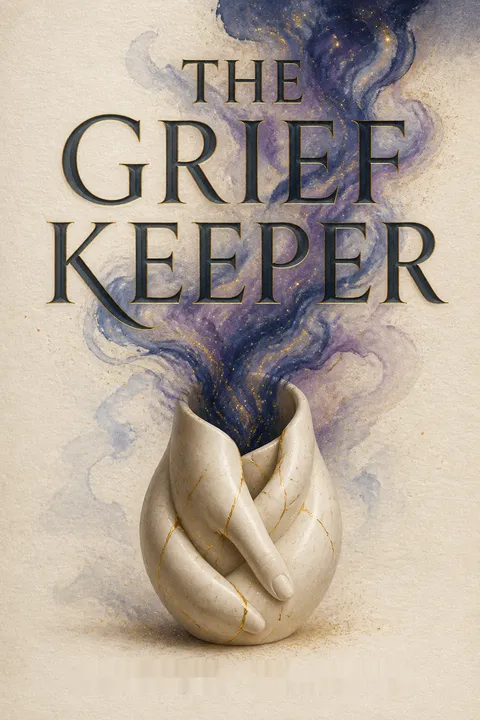


Plot Summary
The Interview’s Missing Key
Seventeen-year-old Marisol Morales faces a recorded asylum interview in a Pennsylvania detention center, determined to keep her twelve-year-old sister, Gabi, beside her. She describes gang threats, her father’s disappearance, and the death of her older brother, Pablo, following a story rehearsed with their aunt.
The interviewer questions why the family was targeted and whether the danger fits the legal grounds for asylum. Marisol presents letters from a former teacher and Mrs. Rosen, the wealthy employer who offered to support her in New York.
But Mrs. Rosen’s letter names only Marisol, because she did not yet know Gabi was also in danger. The interview ends without reassurance, and Marisol’s carefully memorized account has not secured the sisters a future.
The interview makes Marisol’s fluency both an asset and a trap. She has learned that the right words can open a legal door, yet the officer’s questions demand a coherent account of violence that Marisol has partly rehearsed and partly buried. Her insistence on speaking for Gabi reveals the family role she has assumed: she is not only a witness but her sister’s advocate. The mismatch between the letters and the sisters’ actual needs turns paperwork into a measure of who is visible and who has been left out.
A Kitchen Door Opens
Marisol learns that Mrs. Rosen has died, taking with her the future Marisol expected to find in New York. When another asylum meeting is scheduled, Marisol spots a kitchen worker propping open a back door and uses the brief opportunity to escape with Gabi. She hides Mrs. Rosen’s death from her sister and tells her they are still heading to the Rosen home.
On a roadside, Marisol accepts a ride from a woman named Indranie Patel, a government employee who admits she followed them from the center. Indranie drives them to Washington, where she promises a proposal that could keep the sisters in the country. Marisol has traded detention for another uncertainty, but Gabi is still with her.
Marisol’s escape is not a sudden rejection of hope. It is a calculation made after the person who embodied that hope has died. By concealing Mrs. Rosen’s death, she protects Gabi from despair while also making herself the sole keeper of the sisters’ plans. Indranie’s rescue complicates the familiar distinction between danger and safety: the woman offers shelter, but she has also been watching the girls. Marisol accepts because her choices are constrained, not because trust has suddenly become easy.
The Grief Transfer Offer
In Washington, Indranie and Dr. Peter Deng tell Marisol that her asylum request has been denied, then offer another route: a trial of Deng’s corticotropin transfer system, designed to shift traumatic distress from one person to another.
Indranie promises that successful participation will lead to legal status for Marisol, Gabi, and their mother. Marisol signs a stack of forms, including consent to an implant in her neck, because the experiment seems to be the only path to safety.
The device is explained through a receiver cuff for Marisol, a transmitter for a donor, and a separate machine to complete the transfer. A preliminary test lets Marisol feel a soldier’s panic and an explosion. When a suicidal young donor is found, the team rushes the sisters to Virginia.
Consent here is shaped by an engineered scarcity of alternatives. Marisol is told that ordinary asylum has failed, so a dangerous experiment appears less like a free choice than a price she must pay to protect her family. The scientific language promises a clean exchange, as if pain were a transferable substance with predictable limits. Yet Marisol’s brief experience of the soldier’s terror already suggests that the technology reaches beyond neat categories. Indranie’s compassion and the project’s institutional power coexist, making her offer emotionally persuasive and ethically compromised.
The Girl Behind the Balcony
At the Warner estate, Marisol and Gabi meet Scott Warner’s daughter, Rey, after she tries to leap from a balcony. Rey is the intended donor, but she refuses to wear her transmitter cuff. Her twin brother, Riley, died in a concert bombing, and Rey clings to the grief because she fears relief would erase him. Indranie asks Marisol to persuade her, warning that the experiment may end if Rey refuses.
Marisol approaches Rey with food and the shared language of losing a brother, though she admits little about her own past. Their awkward first conversations turn toward Cedar Hollow, a television series both girls know. Rey finally accepts the cuff, partly because Marisol offers companionship rather than another demand to recover.
Rey’s refusal is not simple resistance to treatment. She experiences grief as the remaining bond to Riley, so removing its pain feels dangerously close to removing him. Marisol recognizes the fear without being able to solve it, and her most effective gesture is not a clinical argument but sitting with Rey over a familiar television show. This exchange also establishes a contrast between them: Rey gives pain visible expression, while Marisol has trained herself to function by concealing it. Their connection begins in that difference, not in an easy claim that they understand each other completely.
Cedar Hollow in Virginia
Once Rey wears the transmitter cuff, Marisol waits for the device to work while Rey’s moods rise and collapse. Rey briefly returns to laughter, takes Marisol and Gabi out, and brings them into her circle, but a substance supplied by her friend Pixie leaves her vomiting and distraught.
Marisol helps her back to bed, removes her boots, and stays beside her through the night. The next day, Marisol becomes dizzy and ill, yet the doctors cannot identify a conventional sickness.
Rey and Marisol continue watching Cedar Hollow, with Rey treating the characters as a private shorthand for their changing friendship. Marisol’s growing attachment makes the experiment feel less like a job, even as she remains unsure what the cuff is doing to either of them.
The early improvement is deliberately unstable. Rey’s laughter matters, but it does not prove that the device is working safely, and her episode after taking Pixie’s substance adds another source of uncertainty. Marisol responds to this instability by becoming a caregiver, repeating the protective role she has built around Gabi. The shared show offers a low-risk vocabulary for intimacy: they can borrow its characters before they can speak plainly about themselves. Yet the comfort of that ritual also makes Marisol more vulnerable to the trial’s concealed costs.
Riley’s Concert Returns
After Marisol and Rey sleep holding hands, Marisol relives the concert bombing through Rey’s memories. She sees Riley dying and falls into a catatonic state, unable to move or answer.
Indranie fears the cuff is malfunctioning and wants the experiment stopped, but Dr. Deng argues that the unexpected memory transfer proves the technology is working. He keeps Marisol’s cuff in place and increases the girls’ proximity, eventually moving Marisol into Rey’s room. Rey feels lighter and believes the treatment is helping both of them.
Marisol, meanwhile, sinks into exhaustion, panic, and depression, then hides the worst of it so Rey will not stop the trial. Their closeness has become both a source of comfort and the mechanism that intensifies Marisol’s suffering.
The trial’s central ethical failure becomes physical: Rey receives relief while Marisol absorbs the terror that relief displaces. Dr. Deng interprets a frightening breakdown as evidence of success, privileging the experiment’s potential over the person currently suffering. Indranie objects, but her protest cannot undo the power imbalance she helped create. Marisol’s silence repeats her familiar strategy of protecting others by making herself smaller. The irony is especially sharp because touch, ordinarily a sign of mutual care, now operates as the channel through which an unequal burden is passed.
The Picnic Breaks Open
As Marisol grows thinner and struggles to eat, she keeps her symptoms from Rey and tries to act well around Gabi. At a garden picnic, Rey’s friends tease her about the trial, and Gabi finally explains that Marisol is not sharing Rey’s grief equally: she is taking it and suffering for it. Marisol lashes out at Gabi, then leaves the estate in a haze of distress.
She heads toward the road and Lake Carter, unable to say whether she means to keep walking or disappear into the water. Indranie catches her before a passing car can strike her and brings her back. The moment exposes what Marisol has hidden from the people she loves, and her apparent control gives way to an immediate danger of its own.
Gabi’s disclosure breaks the arrangement Marisol has maintained: she cannot protect Rey by hiding the cost from everyone. Her anger at Gabi is less a rejection of the truth than panic at losing control over who knows it. The near accident makes the emotional harm materially urgent, while Indranie’s intervention offers a rare reversal of Marisol’s usual role as rescuer. The picnic’s social setting matters too. In front of Rey’s friends, Marisol is discussed as an instrument of treatment, and Gabi refuses to let that description erase her sister’s personhood.
The Cuffs Come Off
In the car, Indranie admits she went to the detention center seeking a trial participant and chose Marisol because the sisters were vulnerable and had escaped. She also confesses that Marisol’s asylum request had not been denied; she lied to make the experiment seem like their only chance. Marisol returns to the estate anyway, unable to leave Rey alone with her grief.
When Rey realizes that contact is hurting Marisol, she opens Marisol’s cuff and removes her own. They spend the night together without the devices, holding each other without a transfer. Indranie later confirms that the asylum case still has a strong chance, and Scott Warner agrees to suspend the experiment. Marisol’s safety no longer depends on continuing the procedure.
Indranie’s confession reframes the apparent rescue as a decision made under unequal power. Her motives include love for Rey and a sincere wish to help, but those motives do not cancel the deception or the danger imposed on Marisol. Marisol’s return is also morally complicated: she is no longer acting only from a bargain for legal status, but she still feels responsible for Rey. Removing the cuffs creates a new form of care, one that requires attention and consent instead of secret transfer. The experiment stops, but trust must be rebuilt through choices rather than promises.
A Kiss Without Borrowed Grief
With the cuffs removed, Marisol and Rey drive to Belle Isle and walk beside the James River. Rey asks Marisol to speak without constantly measuring each word; Marisol admits she needs time because fear has shaped how she talks and moves. She also reveals that she once dated a girl, a truth she has kept guarded after shame and rejection at home.
Rey does not treat this history as a reason to withdraw. As they explore a ruined factory and talk about the people they have lost, Marisol admits her feelings through a kiss. When they return, Rey confronts Indranie and Scott about using Marisol without explaining the cost. Scott ends the trial, and the girls begin to imagine a relationship built without medical machinery between them.
The river outing marks a shift from involuntary intimacy to chosen disclosure. Marisol’s halting speech is not a failure of intelligence; it is a survival habit formed under scrutiny and threat. Rey’s patience gives her room to risk a truth about desire without turning it into a test. Their kiss does not erase the experiment’s harm, and the confrontation afterward prevents romance from serving as a substitute for accountability. The relationship begins to become reciprocal precisely because the device that made their feelings physically legible has been removed.
The Party Behind the Door
When Gabi fails to return from what Marisol believes is Juliette’s birthday party, her fear turns immediately toward the violence they fled. Rey traces the girls to a party at Jake O’Brien’s mansion, where Marisol searches through crowded rooms. A locked game-room door and Gabi’s discarded motorcycle boots trigger the memory she has kept sealed: Antonio, the gang leader, had targeted Gabi, while Pablo failed to stop him until the last moment.
Antonio shot Pablo during the struggle. Marisol took the gun and killed Antonio, then fled with Gabi. The memory overwhelms her, but Rey brings her back to the present. They open the door and find Gabi safe, playing a video game. She had gone to the party, not been taken by the gang.
The false emergency and the true past collapse into one another because Marisol has never had the safety to process what happened. Her fear is not irrational; it is a learned expectation built from an actual attack in which Gabi was threatened and Pablo was killed. Still, the present contains a different outcome: Gabi has made a risky choice, but she is alive and reachable. Rey helps Marisol distinguish memory from evidence, while the discovery of Gabi forces the sisters’ relationship to change. Protectiveness can no longer mean assuming Gabi has no agency.
A Truth on Record
Months later, Marisol attends a new credible-fear interview with an immigration lawyer beside her. This time she gives the truth she could not fit into her earlier account: she and Gabi were threatened because Marisol is gay, and the danger to Gabi came from people trying to control what she might become.
The interview does not produce an instant ruling, but it puts the real source of fear into the legal record. Outside, Rey waits for Marisol and drives her away from the office. Scott and Indranie are exploring a congressional hearing on undocumented minors, and they ask Marisol to speak as an expert witness. The idea frightens her, yet she considers it, turning her hard-won story toward a public purpose.
The final interview changes the terms of Marisol’s self-presentation. Earlier, she shaped her account to match what she thought officials could recognize; now she names anti-gay persecution directly, despite the vulnerability that creates. The unresolved asylum process keeps the ending honest: institutional recognition is possible, not guaranteed. The proposed testimony extends the novel’s concern with who is allowed to define an immigrant’s experience. Marisol is no longer only the subject of other people’s decisions. She may choose to speak, while retaining the right to decide what that speech costs.
Analysis
The novel links grief to migration by asking who is allowed to carry pain and who has the power to decide where it goes. Marisol’s asylum case begins as a struggle to make her story fit an official template; the medical trial then turns that same pressure into a literal exchange, requiring her to absorb suffering in return for a chance at safety. In both systems, institutions convert vulnerable people into evidence or instruments. The difference is that Marisol’s feelings cannot be reduced to data without consequence.
The story’s central relationship complicates the fantasy of perfect empathy. The cuff lets Marisol experience something of Rey’s loss, but that access is neither fair nor equivalent to understanding. It harms Marisol, conceals the imbalance from Rey, and gives the researchers a reason to continue. Only after the devices are removed can the girls build intimacy through conversation, hesitation, and chosen touch. Their bond becomes more ethical not because either can fully know the other, but because each begins to respect what remains unknowable.
Marisol’s protectiveness toward Gabi is similarly double-edged. It has helped the sisters survive, yet it can turn care into control. Gabi’s friendships and her decision to attend a party force Marisol to recognize that keeping someone safe cannot mean keeping them still. The memory of Antonio’s attack reveals the rational source of Marisol’s fear, while the present-day search shows that fear may mistake possibility for certainty.
The ending offers no simple legal victory. Marisol tells the truth in a new interview and considers speaking publicly, but the asylum outcome remains unsettled. Her movement is from strategic silence toward chosen testimony, not from danger into guaranteed security. The novel’s hope is therefore practical and relational: people can refuse to make another person’s suffering the price of their own relief, and they can make room for a future without pretending the past has vanished.
Review Summary
The Grief Keeper is a powerful, thought-provoking novel that explores immigration, grief, and LGBTQ+ themes. Many reviewers praise its unique premise, beautiful writing, and complex characters. The story follows Marisol, a Salvadoran immigrant who agrees to take on another person's grief in exchange for asylum. Readers appreciate the book's exploration of mental health, trauma, and the immigrant experience. The slow-burn romance between Marisol and Rey is highlighted as tender and well-developed. While some found the ending abrupt, most reviewers highly recommend this emotional and timely debut novel.
People Also Read

Characters
Marisol Morales
The guarded older sisterSeventeen-year-old Marisol is an observant reader, an ambitious language learner, and the self-appointed guardian of her younger sister, Gabi. She prepares for danger by studying routes, rehearsing answers, and keeping her own feelings out of sight. Her protective instinct is loving, but it can make Gabi seem more fragile than she is and leave Marisol with no place to put her own needs. She is drawn to words because they can explain, translate, or sometimes conceal. Marisol’s attention to how people speak also makes her acutely aware of the judgments attached to accent, immigration status, and sexuality. She wants safety for her family, yet beneath that practical goal is a quieter wish to live without constantly treating tenderness as a risk.
Gabriela Morales
The irrepressible younger sisterTwelve-year-old Gabi is curious, funny, and more perceptive than Marisol’s protective habits allow. She loves cars, swimming, books, and finding ways to make people laugh, but she is also learning how to claim a life beyond the emergency that brought her to the United States. Her arguments with Marisol are not simply rebellion. They reveal a younger sister trying to be treated as a person with judgment, friendships, and desires of her own. Gabi notices what Marisol hides and sometimes acts before she can explain herself. Her confidence helps the sisters endure frightening circumstances, while her need for independence tests the assumption that love must mean constant supervision.
Rey Warner
The grieving twinRey is a teenager from a wealthy Virginia family who lives with the aftermath of a devastating loss. Sharp humor, defiance, and flashes of exuberance sit beside periods of withdrawal and despair. She resists being managed by adults, especially when they treat her recovery as a problem to solve rather than a process she must inhabit. Her bond with her twin brother shapes her sense of identity, and the fear that feeling better could mean forgetting him makes grief difficult to relinquish. Rey is perceptive about other people’s performances, though she can use jokes to avoid her own vulnerability. She values loyalty and directness, and she responds to Marisol’s guardedness with both impatience and genuine curiosity.
Indranie Patel
The conflicted advocateIndranie is a former immigration-services analyst who understands how to navigate government systems and how often those systems fail vulnerable people. She is warm, resourceful, and attentive to Marisol and Gabi, providing them with shelter and practical care. Her history as an immigrant informs her belief that people sometimes accept painful work to secure a future. That belief helps her empathize with the sisters, but it also lets her rationalize choices that cross ethical boundaries. Indranie is deeply invested in Rey’s well-being and struggles to separate love from the urge to control outcomes. Her polished calm often conceals fear, guilt, and a willingness to take risks on behalf of the people she loves.
Dr. Peter Deng
The ambitious scientistDr. Deng leads development of the corticotropin transfer system, a device intended to move trauma-related distress between people. He is intellectually confident and focused on measurable results, often explaining complex science without noticing whether Marisol understands. His commitment to the technology grows from a belief that it could relieve severe suffering. Yet he treats irregular results as opportunities to advance the trial, creating tension between scientific ambition and care for the participants. His professional certainty makes him an unsettling counterpart to Indranie, who more readily registers the human cost.
Scott Warner
Rey’s powerful fatherScott Warner is a wealthy pharmaceutical executive and Rey’s father. He is grieving within a family that has become difficult to reach, and he fears losing his daughter as well. His financial and political power helps make the experimental project possible, while his reluctance to confront its technical details exposes the distance between authority and responsibility. Scott’s care for Rey is real, but he is not always willing to look directly at what others are asked to endure in order to help her.
Pablo Morales
The complicated older brotherPablo is Marisol and Gabi’s older brother, once Marisol’s closest companion and her first guide to the world beyond their neighborhood. His confidence and hunger for belonging make him influential among local boys, but his choices strain his bond with Marisol. He is part of her memories of childhood, language, and family life, and his presence continues to shape how she understands loyalty and responsibility.
Antonio
The neighborhood gang leaderAntonio is an older neighborhood boy who becomes a powerful presence among Pablo’s friends. He is charismatic and socially commanding, able to make cruelty look like teasing and authority look like protection. His influence reaches into the Morales family’s private life, where younger people have fewer safe ways to resist him. Antonio represents the danger of power exercised through intimacy, not only through public violence.
Liliana
Pablo’s magnetic girlfriendLiliana is connected to Pablo and gradually becomes an important presence in Marisol’s private emotional world. Her beauty, warmth, and attention make Marisol feel seen, but that closeness is complicated by the expectations and prejudices surrounding them. Liliana’s choices reveal how fear can shape a person’s treatment of others, especially when social acceptance seems to depend on denying part of oneself.
Mrs. Rosen
The generous former employerMrs. Rosen once employed Marisol’s mother and encouraged the girls’ education, especially their English reading. She offers practical help from the United States and represents a possible bridge between the Morales family and a safer life. Her generosity is personal rather than abstract: she remembers Marisol’s intelligence and makes room for her in her own home. The sisters’ hopes depend heavily on that offer.
Tía Rosa
The distant family protectorTía Rosa is the sisters’ aunt and one of the adults helping them navigate danger and migration. She prepares Marisol for the asylum process and urges her to tell a persuasive account. Her advice offers structure when the family is scattered, though it also teaches Marisol to shape painful experiences for officials who may not understand them.
Olga Borges
The household’s steady caretakerOlga helps care for the Warner household and welcomes Marisol and Gabi into the carriage house. Practical, observant, and affectionate, she offers food, routine, and protection without demanding that the girls explain themselves. Her humor and gentle firmness give Marisol a glimpse of care that does not depend on a contract or experiment.
Pixie
Rey’s volatile friendPixie is Rey’s longtime friend, quick with jokes and fiercely attached to the people she loves. She can be generous, but her grief and jealousy make her careless with Marisol and with Rey’s fragile recovery. Pixie’s sharp social instincts sometimes protect Rey, while her impulsiveness can deepen a crisis.
Juliette Guinto
Gabi’s first American friendJuliette is a school friend who helps Gabi find a place among her new classmates. Her friendship gives Gabi a taste of ordinary adolescence, with shared plans and invitations that have little to do with survival. Through Juliette, Marisol must confront how difficult it is to protect her sister without controlling every choice.
Dr. Liz Vizzachero
Rey’s cautious therapistDr. Vizzachero is Rey’s clinician, attentive to her mental health and wary of the experimental treatment. She asks direct questions about trauma and encourages recovery through established care. Her caution puts her at odds with the project’s urgency, even as Rey resists her authority and the routines surrounding treatment.
Manolo Borges
The quiet groundskeeperManolo is Olga’s husband and the Warner estate’s gardener. His steady presence helps maintain the grounds and offers Marisol and Gabi small moments of ordinary routine during an unsettled period.
Traci
Indranie’s capable assistantTraci assists Indranie, drives the sisters when needed, and helps manage the practical demands of their sudden relocation. Her competence makes her a useful part of the network surrounding the trial.
Irene Sagasti
Marisol’s immigration lawyerIrene Sagasti represents Marisol during a later asylum interview. She helps turn Marisol’s account into a legal claim without speaking in her place, giving Marisol professional support as she names the danger she faced.
Arun Guinto
Juliette’s vigilant fatherArun Guinto is Juliette’s father. When he arrives at the Warner home looking for his daughter, his concern helps reveal that the girls’ evening plans have gone awry and prompts the search for Gabi.
Plot Devices
Corticotropin transfer system
A machine for moving griefDr. Deng’s system uses an implanted transmitter and receiver, paired with a cuff, to move trauma-related distress from a donor to a recipient. The intended result is relief for the donor, while the recipient temporarily bears the emotional burden. Marisol’s trial with Rey exposes the difference between a tidy scientific model and a lived experience: memories and sensory impressions cross with the feelings, and physical closeness intensifies the transfer. The device gives the plot its central ethical dilemma, because treatment for one person depends on another person absorbing pain. Its consequences become visible through Marisol’s illness and Rey’s improved mood.
The asylum process
A gate controlled by evidenceMarisol’s interviews, letters, and legal status frame the sisters’ practical struggle to remain in the United States. The process rewards testimony that fits official categories, placing pressure on Marisol to turn a complicated history into a legible account. Mrs. Rosen’s support and the teacher’s letter offer evidence, but they do not guarantee recognition. Indranie exploits Marisol’s fear by falsely saying the first asylum request has been denied, then the later interview gives Marisol a chance to describe the actual anti-gay danger. The legal thread keeps the medical trial from being a private choice: it is bound to the sisters’ need for safety.
Cedar Hollow
A borrowed language for intimacyThe television series Cedar Hollow is a favorite Marisol learned to watch at Mrs. Rosen’s home. Its familiar episodes give Marisol a way to share time with Rey before either girl can speak openly about grief or attraction. They assign each other the roles of Amber and Aimee, turning the show into a private shorthand for teasing, closeness, and disagreement. The series also embodies Marisol’s imagined version of America, one shaped by television rather than lived experience. Its Canadian origin gently punctures that fantasy, while its continued importance shows how stories can still create genuine connection even when the world they depict is not real.
La Mala Suerte
A name for repeated dangerMarisol imagines bad luck as a force that arrives without regard for what her family deserves. The idea helps her organize losses and frightening accidents, from her father’s disappearance to the sisters’ migration and Gabi’s temporary disappearance. When danger appears, Marisol often interprets it as another turn of the same cruel pattern, which can make her feel powerless before she knows what has happened. The novel gradually tests that belief against concrete choices: people exploit, protect, betray, and help one another. Bad luck remains part of Marisol’s emotional vocabulary, but it does not fully explain the decisions that shape her life.
FAQ
Synopsis & Basic Details
What is The Grief Keeper about?
- Seeking asylum, facing experiment: The Grief Keeper follows Marisol, a seventeen-year-old fleeing El Salvador with her younger sister Gabi, as they seek asylum in the United States. To avoid deportation, Marisol agrees to participate in a medical experiment involving the transfer of grief, a decision that tests her resilience and the bond with her sister.
- Grief transfer, ethical dilemmas: The core of the story revolves around the corticotropin transfer system (CTS), a biomedical device designed to alleviate trauma by transferring stress factors from one person to another. This raises ethical questions about the exploitation of vulnerable individuals and the potential consequences of manipulating emotions.
- Sisterhood, sacrifice, survival: At its heart, The Grief Keeper is a story about the unbreakable bond between sisters and the sacrifices one is willing to make for the other. Marisol's journey is a testament to the strength of the human spirit in the face of adversity, exploring themes of immigration, identity, and the search for belonging.
Why should I read The Grief Keeper?
- Timely, relevant themes: The novel tackles pressing contemporary issues such as immigration, asylum seeking, and the psychological impact of trauma, offering a nuanced perspective on these complex topics. It encourages empathy and understanding for those seeking refuge and highlights the challenges they face.
- Compelling characters, emotional depth: Villasante crafts relatable and emotionally resonant characters, particularly Marisol and Rey, whose struggles with grief and identity are deeply explored. The novel delves into the complexities of human relationships and the power of connection in overcoming adversity.
- Unique premise, thought-provoking questions: The Grief Keeper presents a unique and thought-provoking premise with its exploration of grief transfer technology. It raises ethical questions about the manipulation of emotions and the potential consequences of scientific advancements, prompting readers to consider the boundaries of empathy and sacrifice.
What is the background of The Grief Keeper?
- El Salvador's gang violence: The story is rooted in the socio-political context of El Salvador, where gang violence and extortion are pervasive issues that force many to seek asylum in other countries. The novel sheds light on the realities faced by those fleeing violence and the difficult choices they must make to survive.
- US immigration policies: The Grief Keeper critiques the complexities and often dehumanizing aspects of the U.S. immigration system, particularly the asylum process. It exposes the challenges faced by asylum seekers, including detention, credible fear interviews, and the constant threat of deportation.
- Medical ethics, PTSD research: The novel touches upon the field of biomedical research and the ethical considerations surrounding human experimentation, particularly in the context of PTSD treatment. It raises questions about the potential for exploitation and the importance of informed consent in medical trials.
What are the most memorable quotes in The Grief Keeper?
- "We believe in luck. The good kind and the cruel. The kind that graces and the kind that cripples. The kind that doesn't care what you deserve.": This quote, appearing early in the novel, establishes the theme of luck and its arbitrary nature, highlighting the characters' vulnerability to forces beyond their control. It foreshadows the challenges Marisol and Gabi will face and the unpredictable nature of their journey.
- "Priceless means it's so valuable, you can't pay for it. You can't replace it. Ever. Like you, I think, then wish I hadn't.": This quote reveals Marisol's deep love and protectiveness towards Gabi, emphasizing the irreplaceable value of their sisterhood. It also hints at Marisol's internal struggles and her fear of failing to keep Gabi safe.
- "It's not real, Marisol. It's just part of the test.": This quote encapsulates the dehumanizing nature of the grief transfer experiment and the blurring of boundaries between reality and manipulation. It highlights the psychological toll on Marisol and the ethical concerns surrounding the exploitation of vulnerable individuals in scientific research.
What writing style, narrative choices, and literary techniques does Alexandra Villasante use?
- First-person perspective, emotional intimacy: Villasante employs a first-person narrative, allowing readers to intimately experience Marisol's thoughts, feelings, and struggles. This creates a strong emotional connection with the protagonist and enhances the impact of the story's themes.
- Bilingualism, cultural authenticity: The novel seamlessly integrates Spanish words and phrases into the narrative, reflecting Marisol's cultural background and adding authenticity to her voice. This bilingualism enriches the reading experience and provides insight into the character's identity and perspective.
- Symbolism, recurring motifs: Villasante utilizes symbolism and recurring motifs, such as the image of the wolf and the concept of luck, to deepen the story's meaning and create thematic resonance. These literary devices enhance the reader's understanding of the characters' inner lives and the challenges they face.
Hidden Details & Subtle Connections
What are some minor details that add significant meaning?
- Mrs. Rosen's Mahjong tiles: Mrs. Rosen's Mahjong game with Marisol's mother is more than just a pastime. It symbolizes the blending of cultures and the attempt to find order and strategy in a world often governed by chance, mirroring Marisol's own efforts to navigate the unpredictable asylum process.
- The "Cedar Hollow" show: The American TV show "Cedar Hollow" represents Marisol's idealized vision of America and her desire for acceptance and belonging. However, the show's often unrealistic portrayal of life contrasts with the harsh realities she faces, highlighting the gap between her dreams and her experiences.
- Gabi's drawings of cars: Gabi's fascination with cars, particularly fast and expensive models, symbolizes her longing for freedom and escape from their difficult circumstances. It also reflects her resilience and ability to find joy and inspiration even in the midst of hardship.
- The recurring image of water: Water appears in various forms throughout the novel, from the dangerous river crossing at the border to the reflecting pool at the Warner estate. It symbolizes both the potential for cleansing and renewal and the ever-present threat of drowning in grief and despair.
What are some subtle foreshadowing and callbacks?
- Marisol's fear of gambling: Marisol's father's gambling addiction and her fear of repeating his mistakes foreshadow her own risky decision to participate in the grief transfer experiment. It highlights her willingness to gamble with her own well-being for the sake of her sister's safety.
- Antonio's comment about Marisol's beauty: Antonio's early comment about Marisol's future beauty foreshadows the later threat he poses to her and Gabi. It establishes his predatory nature and the danger he represents to their family.
- The recurring phrase "What is the worst thing that can happen?": Marisol's repeated use of this phrase when making decisions foreshadows the increasingly difficult choices she faces and the escalating risks she takes to protect Gabi. It also highlights her pragmatic approach to survival and her willingness to accept negative consequences if it means ensuring her sister's safety.
What are some unexpected character connections?
- Indranie's immigrant background: Indranie's own experience as an immigrant from India adds a layer of complexity to her character and her motivations for helping Marisol and Gabi. It suggests a deeper understanding of the challenges faced by asylum seekers and a personal connection to their plight.
- Rey's connection to Cedar Hollow: Rey's fondness for the American TV show "Cedar Hollow," which Marisol also loves, creates an unexpected bond between them despite their different backgrounds. It reveals a shared longing for connection and a desire for escape from their respective realities.
- Olga's past and her empathy: Olga's past as an immigrant and her connection to Rey's family create a sense of shared history and understanding. Her empathy towards Marisol and Gabi stems from her own experiences and her desire to protect them from harm.
Who are the most significant supporting characters?
- Indranie Patel: As a former USCIS analyst, Indranie possesses insider knowledge of the immigration system and a genuine desire to help Marisol and Gabi. However, her involvement in the grief transfer experiment raises ethical questions and tests her loyalty to the sisters.
- Rey Warner: As the donor in the grief transfer experiment, Rey's emotional state directly impacts Marisol's well-being. Her struggles with grief and her eventual connection with Marisol are central to the story's exploration of trauma and healing.
- Olga Borges: As the Warner family's housekeeper, Olga provides a sense of stability and normalcy for Marisol and Gabi. Her kindness and empathy offer a respite from the challenges they face and her knowledge of the Warner household proves invaluable.
Psychological, Emotional, & Relational Analysis
What are some unspoken motivations of the characters?
- Marisol's guilt and responsibility: Marisol feels immense guilt over her brother Pablo's death and a deep sense of responsibility for Gabi's well-being. These emotions drive her every decision and fuel her determination to protect her sister at all costs.
- Rey's desire for connection and escape: Rey longs for connection and understanding after the loss of her twin brother. She seeks solace in her friendship with Marisol and in the hope that the grief transfer experiment will alleviate her pain.
- Indranie's ambition and desire for redemption: Indranie is driven by a desire to advance her career and make a difference in the world. However, her involvement in the grief transfer experiment also stems from a need for redemption and a desire to atone for past actions.
What psychological complexities do the characters exhibit?
- Marisol's survivor's guilt and anxiety: Marisol grapples with survivor's guilt and anxiety, constantly fearing for Gabi's safety and questioning her own ability to protect her. She represses her own emotions to focus on Gabi's needs, leading to internal conflict and psychological strain.
- Rey's depression and self-destructive tendencies: Rey exhibits symptoms of severe depression and self-destructive tendencies, stemming from the trauma of losing her twin brother. She struggles with feelings of hopelessness and isolation, making her resistant to help and prone to risky behavior.
- Indranie's ethical compromises and moral ambiguity: Indranie faces ethical dilemmas as she navigates the complexities of the grief transfer experiment and her role in the U.S. immigration system. She makes compromises that blur the lines between right and wrong, raising questions about her moral compass and the consequences of her actions.
What are the major emotional turning points?
- Mrs. Rosen's death: The death of Mrs. Rosen, who promised to help Marisol and Gabi, is a major turning point that shatters their hopes and forces them to make a desperate decision to escape the detention center. It underscores the fragility of their situation and the lack of reliable support.
- Marisol experiencing Rey's grief for the first time: Marisol's initial experience of Rey's grief is a pivotal moment that reveals the true cost of the grief transfer experiment. It highlights the intensity of Rey's trauma and the potential for the experiment to overwhelm Marisol's mental health.
- The revelation of Indranie's deception: The revelation that Marisol's asylum request was never denied is a major turning point that shatters her trust in Indranie and forces her to question everything she thought she knew. It underscores the power dynamics at play and the vulnerability of asylum seekers in the U.S. immigration system.
How do relationship dynamics evolve?
- Marisol and Gabi's sisterhood: The sisters' bond is tested throughout the novel, but ultimately strengthens as they face adversity together. Marisol's protectiveness and Gabi's resilience create a dynamic of mutual support and unwavering love.
- Marisol and Rey's connection: The relationship between Marisol and Rey evolves from a transactional agreement to a genuine connection based on empathy and shared experiences. They find solace and understanding in each other, offering a glimmer of hope amidst their respective struggles.
- Marisol and Indranie's trust: The relationship between Marisol and Indranie is built on trust and mutual respect, but it is ultimately fractured by Indranie's deception. Marisol is forced to re-evaluate her perception of Indranie and question her motivations.
Interpretation & Debate
Which parts of the story remain ambiguous or open-ended?
- The long-term effects of the grief transfer experiment: The novel leaves open the question of the long-term effects of the grief transfer experiment on both Marisol and Rey. While they find a measure of healing and connection, the potential for lasting psychological consequences remains uncertain.
- The future of Marisol and Gabi's asylum case: While Indranie promises to help Marisol and Gabi secure asylum, the novel does not provide a definitive resolution to their immigration status. The ending leaves open the possibility of continued challenges and uncertainties in their future.
- The nature of Rey's recovery: While Rey experiences a period of relative stability and happiness, the novel acknowledges the ongoing nature of her grief and the potential for future struggles. The extent of her long-term recovery and her ability to cope with her loss remain uncertain.
What are some debatable, controversial scenes or moments in The Grief Keeper?
- Marisol's decision to participate in the grief transfer experiment: Marisol's decision to participate in the grief transfer experiment is ethically complex and open to debate. Some readers may view it as a selfless act of sacrifice for her sister, while others may question the morality of risking her own mental health for the sake of securing asylum.
- Indranie's deception and manipulation: Indranie's deception and manipulation of Marisol raise ethical concerns about the exploitation of vulnerable individuals in the name of scientific progress. Some readers may view her actions as justified by her desire to help Rey, while others may condemn her for violating Marisol's trust and agency.
- The romantic relationship between Marisol and Rey: The romantic relationship between Marisol and Rey may be viewed as controversial by some readers, particularly given the power dynamics at play and the potential for exploitation. However, others may see it as a genuine connection that offers both characters a path toward healing and self-discovery.
The Grief Keeper Ending Explained: How It Ends & What It Means
- Experiment suspended, uncertain future: The grief transfer experiment is ultimately suspended, leaving Marisol and Rey to navigate their relationship without the artificial bond of shared trauma. This ending underscores the importance of genuine connection and the limitations of scientific solutions to complex emotional problems.
- Hopeful connection, lingering questions: Despite the challenges they face, Marisol and Rey find solace and understanding in each other's company. Their relationship offers a glimmer of hope for the future, but the novel acknowledges the ongoing nature of their struggles and the uncertainties that lie ahead.
- Focus on agency, self-discovery: The ending emphasizes the importance of agency and self-discovery in the healing process. Marisol and Rey must learn to define themselves and their relationship on their own terms, free from the influence of external forces and societal expectations.
Download PDF
Download EPUB
.epub digital book format is ideal for reading ebooks on phones, tablets, and e-readers.








