

Plot Summary
Prologue
In 1919, Cathleen Moore leaves her Irish home for South Africa, where she expects to marry Edward Harrington after years of separation. Her sister Ada cries as Cathleen climbs into the pony trap, while her parents hide their grief behind practical silence.
Cathleen fixes the departing landscape in memory: gulls above the cliffs, waves against the shore, smoke and lilac in the air. She knows emigration will sever her from the people she loves, but goes anyway, carrying Ireland as an inward home.
Cathleen’s departure gives the novel its first measure of exile: leaving is both a chosen act and a permanent loss. Her careful attention to ordinary sensory details becomes a way to preserve what geography will take from her. That habit anticipates the book’s diaries, music, and remembered landscapes, all of which let characters carry one home into another. Her decision also establishes a pattern that later repeats across generations: people leave for survival or possibility, while those who remain must learn to live with absence.
Born Into Cradock House
Ada is born in 1930 at Cradock House, where her mother, Miriam, works for Edward and Cathleen Harrington. Cathleen brings Miriam indoors for the birth and gives the child her sister’s name, an early kindness Ada remembers as proof that the house belongs to her too. Yet she is barred from the family’s stoep chairs and from the town school.
Edward resists Cathleen’s efforts to secure Ada an education, fearing that learning will create expectations. Cathleen teaches her letters discreetly at the dining table, while Ada secretly reads the Irish woman’s diary. Shop signs teach her numbers, and Philip, the Harringtons’ cheerful son, explains them. The house offers affection, but its thresholds still mark who may belong.
Ada’s childhood makes belonging tangible through stairs, furniture, and familiar routines, then exposes how fragile that belonging is when it depends on a household’s private permission. Cathleen’s teaching gives Ada more than literacy: it grants her a way to interpret a world whose rules are kept from her. Edward’s objection is not simply personal prejudice; it is anxiety that education will disturb an arrangement built on service. The tension between intimate care and structural exclusion becomes the novel’s central domestic contradiction.
The Piano Goes To War
After Ada shows that she understands Rosemary’s piano lessons better than Rosemary does, Cathleen invites her to learn at the family’s German-made Zimmerman piano. The lessons open a world of composers, countries, and imagined landscapes beyond Cradock.
Ada and Philip remain close: he answers her questions and shares his growing fear that war may require him to kill. When his enlistment sends him to North Africa, Ada asks to accompany the Harringtons to the station. Philip embraces her before boarding, a gesture that draws Edward’s disapproving attention.
The war empties the house of its easy music and laughter. Ada plays for Cathleen and Edward as radio reports describe distant bombings, while Philip’s departure leaves her wondering whether courage can protect anyone from what comes next.
The piano begins as a gift from Cathleen, but becomes Ada’s instrument for imagining lives beyond the limits set around her. Its music provides a language for emotional knowledge she has not yet acquired in ordinary speech. Philip’s farewell brings that education into contact with racial hierarchy: the affection between them is visible in public, and Edward’s response shows that private warmth does not dissolve social boundaries. War intensifies the household’s fear while making Ada’s musical role more necessary.
Sidi Rezegh Returns
Philip comes home from North Africa physically wounded and psychologically shattered by the ambush at Sidi Rezegh. He stays in a darkened bedroom, tormented by memories of dead comrades, sand, gunfire, and thirst. Ada tends him, shaves him, reads aloud, and plays music when nightmares leave him crying. A doctor declares his body healed and urges him to work, but Philip collapses under the dismissal.
He eventually walks through the garden and into town with Ada, startled by ordinary sounds and beauty. By the river, he tells her that he has loved her; Ada mistakes the confession for familial affection. Soon afterward, he falls from an upstairs window and dies. Ada is left with grief and a question she cannot answer about what he meant.
Philip’s return refuses the comforting distinction between a wound that can be seen and one that cannot. The doctor’s insistence on physical recovery treats suffering as a failure of will, while Ada recognizes its persistence through the details of Philip’s body and habits. Her care offers attention rather than cure, a form of intimacy that briefly lets him re-enter the world. His confession exposes how differently the two understand their bond, and his death fixes that misunderstanding into permanent loss.
The House Loses Its Children
At Philip’s funeral, Cathleen seats Ada beside the Harringtons, but the minister names only the family’s white members. Cathleen squeezes Ada’s arm, acknowledging the grief the congregation refuses to recognize.
Rosemary, meanwhile, returns from Johannesburg after an undisclosed scandal, then leaves Cradock again without offering her parents the support they need. Miriam dies while polishing silver, and Edward refuses Cathleen’s wish to attend her funeral in KwaZakhele.
Ada travels alone with her mother’s coffin and buries her among strangers, using money Edward provided. Soon afterward, Cathleen goes to Johannesburg to help Rosemary. Ada remains in the house with Edward, who has rarely treated her as a daughter, while the woman who taught and protected her is far away.
The deaths and departures strip away Ada’s sources of attachment one by one, while public rituals reveal the limits of the family language that once comforted her. Cathleen’s small gesture at the funeral is meaningful precisely because the minister’s formal account excludes Ada. Miriam’s burial makes that exclusion material: Ada must cross distance without the kinship network that should accompany her. When Cathleen leaves, the home’s protective intimacy is replaced by dependence on Edward, a shift that makes Ada especially vulnerable.
Edward’s Nighttime Visits
With Cathleen away, Edward begins coming to Ada’s room at night. Ada is lonely and emotionally indebted to the household, and she believes she cannot refuse the man who provides her home and livelihood.
She submits without mistaking the situation for freely chosen love, then continues serving him as if nothing has changed. When her body changes, she seeks help from a doctor in the township rather than risk disclosure to Dr Wilmott or the Harringtons. He confirms that she is pregnant and explains that the child will be mixed-race.
Apartheid is tightening around the country, and Ada fears the child will be rejected by both black and white communities. Before Cathleen’s scheduled return, Ada packs her few possessions and leaves Cradock House.
The novel locates the encounter within an unequal relationship, not a romance: Edward controls the home, money, and social authority on which Ada depends. Her sense of duty has been trained by years of service, making compliance feel like the only survivable choice. The pregnancy then turns a hidden abuse of power into a visible challenge to racial classification. Ada’s departure is both self-protection and an attempt to shield the Harringtons, showing how oppression recruits its most vulnerable people into managing the consequences of others’ actions.
Mary Finds a Piano
Ada crosses the Groot Vis and asks her aunt for shelter. The older woman allows her to sleep on the floor only if she works beside her washing clothes on the riverbank. Among the washerwomen, Ada meets Lindiwe, who wants to learn to read, and begins teaching her letters.
A blind woman tells Ada that a nearby school has a piano but no music teacher. Ada approaches its headmaster, Shepherd Dumise, and wins work by playing Chopin on the dusty, damaged instrument.
She gives him the name Mary Hanembe, concealing the identity on her Pass and the link to Cradock House. The job offers wages and a future beyond domestic service. It also puts Ada among educated colleagues whose questions about her past and pregnancy threaten her carefully maintained disguise.
Ada converts the knowledge given to her by Cathleen into a livelihood, and the movement from pupil to teacher marks a real shift in agency. Yet she can enter this new role only by inventing a name, making self-determination inseparable from concealment. The school’s broken piano echoes her precarious circumstances, but also demonstrates that skill can survive poor conditions. Lindiwe’s desire to read gives Ada a reciprocal friendship, one grounded not in patronage but in shared learning.
Dawn Enters the Township
Ada gives birth to a girl, Dawn, in her aunt’s cramped hut, helped by a township doctor and Poppie, a kindly neighbor. The baby’s pale skin shocks her aunt, who blames Ada and orders her out. Lindiwe takes Ada and Dawn in, while at school Silas accuses Ada of betraying black people and Dumise struggles to protect her position.
Ada returns to teaching with Dawn tied to her back; the pupils become unexpectedly attentive when they see the child. Their music lessons grow from dancing to stories about composers and songs they can sing. When Dawn develops a dangerous fever, Ada carries her across the river to obtain medicine from a chemist, who treats the child despite seeing her mixed-race features.
Dawn’s arrival makes racial ideology intimate and immediate: people who have accepted Ada judge her through the child’s appearance. Her body becomes evidence that others use to decide whether Ada belongs. The classroom complicates that verdict. The pupils’ attention to Dawn becomes a bridge into deeper teaching, while the chemist’s practical compassion briefly interrupts the expected pattern of rejection. Ada’s mothering is shaped by constant negotiation, but she also begins to turn inherited knowledge into a public resource.
Cathleen Finds Ada
Cathleen returns from Johannesburg and discovers Ada playing at Dumise’s school. After the shock of seeing Dawn, she visits the crowded hut where Ada lives and asks her to come back to Cradock House.
Ada fears Edward and the law, but Cathleen accepts responsibility for her husband’s actions and promises to protect mother and child. Ada returns with Dawn, living in the renovated kaia rather than the main house because racial laws forbid their residence there. Edward agrees to provide support but refuses to acknowledge Dawn openly.
In the garden, Ada sees his disgust toward his own daughter and understands that Cathleen’s welcome cannot restore the family that existed before. Still, the piano, familiar rooms, and Cathleen’s companionship draw Ada back.
Cathleen’s return changes the moral terms of the story: she refuses to make Ada carry Edward’s wrongdoing alone. Her offer is not a simple restoration, however, because the law dictates where Ada and Dawn may sleep and Edward continues to withhold recognition. The separate kaia embodies the compromise between care and segregation. Ada chooses it for both practical safety and emotional belonging, but now sees that the house can shelter her without granting her daughter equal status.
Rose Calls the Police
Rosemary returns to Cradock with her young daughter, Helen, and treats Dawn as an unwelcome presence in the family home. She later reports the arrangement to the police, who enter the kaia at night looking for Dawn and the identity of her father.
Cathleen deflects their questions by claiming ignorance, preventing an immediate arrest. The raid leaves Dawn alert to the danger surrounding her and suspicious of the adults’ evasions. At thirteen, she chooses to leave the kaia and live with Lindiwe in the township, where she feels less constrained by the color of her skin.
Ada lets her go despite fearing the violence and political unrest gathering across the river. Lindiwe becomes a second mother, while Dawn’s absence opens a painful distance between her and Cradock House.
Rosemary’s hostility turns family conflict into legal danger, demonstrating how private resentment can activate the state’s racial machinery. Cathleen’s lie protects Dawn, but it also deepens the secrecy that shapes the girl’s identity. Dawn’s move is not merely rebellion; it is an effort to find a community where she can define herself rather than be managed as a risk. Ada’s decision to let her go marks a difficult maternal adjustment from protection through closeness to protection through trust.
Dawn Dances Across the Divide
Cathleen arranges a concert at her white school and invites Ada to play, despite the barriers imposed by segregation. Ada performs Chopin and then township jazz; Dawn, now a teenager, appears from the back and dances.
The audience applauds, but the performance makes her identity impossible to ignore. Soon officials visit Cradock House to investigate Edward for violating the Immorality Act and ask to question Dawn. Ada runs to the township, fearing her daughter will resist the police.
Dawn decides to leave for Johannesburg, hoping to escape scrutiny and find work through dancing. On the morning she departs, Edward suffers a fatal heart attack. His death removes him from prosecution, but it does not bring Dawn back or resolve the damage between the household’s survivors.
The concert briefly makes artistic recognition possible across a racial boundary, but public admiration does not neutralize the law waiting outside the hall. Dawn’s dance insists on a self she has made from both sides of her inheritance, while the officials reduce her to evidence in a case against Edward. Her departure protects others as much as it pursues her own future. Edward’s death ends the legal threat at its source, yet arrives too late to undo the separation it helped cause.
Ada Challenges the Superintendent
After Edward’s funeral, Ada turns her attention to the planned removal of Black residents to Lingelihle. She offers her savings toward compensation and warns the Superintendent that she has written letters to local and overseas newspapers.
The threat gets her arrested on charges of acting against the state, though she insists she acted alone. Cathleen and a reporter press the authorities for her release; after days in a cell, Ada is put out of jail, injured and weakened.
The promised compensation is eventually agreed, although Ada cannot know whether her intervention caused it. Prison leaves lasting damage in her hand and arm. She returns to Cradock House shaken, newly visible to activists who want her to become a symbol, even as she longs only to teach and play.
Ada’s campaign grows from her practical understanding of negotiation, but the state answers her with detention and physical intimidation. Her willingness to risk herself contrasts with the armed politics of Jake and the urgency of younger activists, without making her method certain or triumphant. The uncertain link between her threat and the eventual compensation matters: the episode resists a clean hero narrative. Ada acts from responsibility, then must live with consequences that exceed her control.
The Great Flood Takes Cradock
Heavy rain swells the Groot Vis until debris blocks the bridge and water surges through Cradock. The flood ruins much of Bree Street, damages the jail, and buries Ada’s township school and the settlements on the riverbanks beneath mud.
The old community is forced toward Lingelihle, making the political relocation unavoidable by a natural disaster. Cathleen had helped rescue books and furniture from a neighbor’s flooded home; afterward, she remains in bed, exhausted and unwell.
Ada persuades the doctor to visit, but Cathleen dies before her estranged daughter, Rosemary, can rebuild their relationship. Helen returns with her mother, and Ada mourns the woman who had taught her, forgiven her, and made a home for her inside a divided household.
The flood changes the force of displacement: what law and government had planned, the river completes with devastating speed. Nature does not erase political inequality, but it rearranges the town’s physical map and destroys institutions that had held a community together. Cathleen’s death soon afterward removes Ada’s last intimate ally in the house. The loss is personal and civic at once, as the school, the neighborhood, and the woman who made Ada’s education possible disappear within the same period.
Cathleen Leaves Ada a Key
At the reading of Cathleen’s will, Rosemary inherits most of her mother’s liquid assets, while Ada and Dawn receive money of their own. Cradock House is placed in trust for Helen until she turns twenty-five, and Ada is allowed to remain in the kaia as caretaker. The arrangement prevents Rosemary from immediately selling the home.
Cathleen’s first diary also passes to Ada, along with a letter confirming that she understood Philip loved Ada and regretted not helping them find a life together. The letter releases Ada from some of the blame she has carried, though it cannot change the past. Cathleen’s final decisions use money, property, and memory to give Ada security and publicly affirm the family bond others had denied.
Cathleen’s will is both practical protection and a moral statement. By placing the house in Helen’s trust, she prevents Rosemary from controlling a place that carries a history Rosemary has rejected. The bequests acknowledge Ada and Dawn as family without pretending that inheritance can repair every injury. The diary letter finally names Philip’s love, correcting Ada’s lifelong misunderstanding and Cathleen’s own earlier inaction. Written testimony becomes a form of care that survives the writer.
Dawn Sends Her Son Home
Dawn returns from Johannesburg for a brief visit, dressed for her dancing life and glad to see Ada and Lindiwe. She leaves again, assuring Ada that dancing provides enough money, but does not explain the instability of her circumstances. Years later, ill with an incurable disease, she sends her three-year-old son, Thebo, to Cradock with her coffin and a letter asking Ada to raise him.
Ada buries Dawn in the open cemetery near the railway and brings Thebo into her care. He carries Dawn’s pale skin and blue eyes, renewing Ada’s fears about how the world will classify him. She teaches him piano in the old house, entering it secretly after the estate’s lawyers lock it. Music gives grandmother and grandson a shared beginning.
Dawn’s return and final letter reverse the earlier pattern of separation: this time she chooses to send her child toward the home she once left. Her request entrusts Ada with a future she could not secure for herself. Thebo’s appearance revives the novel’s questions about racial categories, but Ada meets them with learned caution rather than the innocence she once had. Teaching him piano turns inheritance away from skin alone and toward a practice of attention passed between generations.
Helen Opens the Locked House
As political violence deepens, Ada continues unofficial music lessons and guards Cradock House after lawyers change its locks. Her body bears the injuries of prison, and the struggle costs lives, including those of the Cradock Four, while Thebo grows under her protection. One day Helen returns and finds Ada and Thebo inside the house.
The political order has changed: apartheid laws are gone, Mandela is free, and the barriers that once separated families and schools have been dismantled. Helen restores Cradock House, takes responsibility for Thebo, and enrolls him at the school that once refused Ada. Ada resumes her place in the home and teaches her grandson at the Zimmerman piano, bringing classical music and township rhythms together.
The ending does not pretend that political change restores the people or years lost; Jake, Dawn, and Cathleen remain absent. Instead, Helen’s return alters the house’s function. It becomes a place that can hold Black and white histories without forcing Ada into the servant’s quarters or Thebo into secrecy. The piano’s repertoire joins traditions once separated by law, while the school’s acceptance corrects a rejection that shaped Ada’s childhood. Repair is real, but it is built from memory rather than erasure.
Analysis
The novel’s central conflict is not simply a romance divided by race, but a system that converts private relationships into public danger. Ada’s attachment to Cradock House is real, yet the home’s affection depends on unequal labor and conditional access. Her deepest confusion arises when a lifetime of being told that service is duty makes it difficult to recognize that she has the right to refuse Edward. The narrative treats this not as a personal flaw but as the psychological result of dependence, isolation, and limited choices.
Music offers a counter-language. Ada first receives it from Cathleen, then uses it to teach children who have been denied resources and to connect classical forms with township rhythms. Music cannot repeal the laws or erase the divisions between audiences, but it creates brief relations based on listening rather than classification. The piano also carries grief: Ada plays for Philip, Cathleen, and finally Thebo, turning memory into practice that can be inherited.
The book is equally attentive to the costs of protection. Ada hides Dawn’s parentage, leaves the household, returns for shelter, and later lets her daughter go. Each decision preserves one kind of safety while risking another. Dawn’s mixed identity makes the limits of parental control especially clear: love can offer a home, but cannot decide where a child will feel recognized. The closing hope comes through changed laws and restored access, yet the dead and years of separation remain irrecoverable. The novel’s answer is therefore neither easy reconciliation nor despair. It is that justice requires material change, while tenderness and education help people live long enough to make and inherit it.
Review Summary
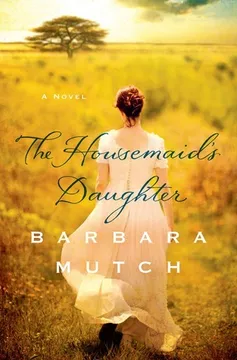
The Housemaid's Daughter is a captivating novel set in South Africa during apartheid. Readers praise the beautifully written story of Ada, a black housemaid's daughter, and her relationship with her white employers. The book explores themes of friendship, family, and racial tensions. While some found Ada's character underdeveloped, many appreciated the vivid descriptions of South African landscapes and culture. The novel's portrayal of apartheid's impact on individuals and society resonated with readers, though some felt certain aspects were toned down. Overall, it's considered a moving and thought-provoking read.
People Also Read

Characters
Ada Mabuse
The housemaid’s daughterBorn in Cradock House to Miriam, Ada grows up between intimate inclusion and rigid racial boundaries. She is observant, patient, and hungry for words, music, and knowledge; she learns by watching, listening, and making careful use of whatever access she receives. Her attachment to Cathleen and Philip is genuine, but her understanding of duty often makes it difficult for her to recognize her own rights. Ada’s musical gift and teaching instinct connect her to people beyond the Harrington household. Her central psychological tension lies between the wish to belong and the need to protect herself and those she loves.
Cathleen Harrington
Ada’s musical mentorAn Irish immigrant and Edward’s wife, Cathleen brings a strong musical life and a habit of private reflection to Cradock. She teaches piano, writes in diaries, and notices capacities in Ada that the surrounding society prefers to overlook. Her kindness is not abstract: it appears in lessons, shared rooms, and practical acts of care. Yet Cathleen is also constrained by marriage, class, and the racial order she lives within. Her desire to nurture Ada and her own children sometimes conflicts with her fear of disrupting the household’s fragile arrangements.
Miriam
Ada’s devoted motherMiriam works for the Harringtons from young adulthood and raises Ada with thrift, discipline, and a deep sense of duty. She is practical rather than demonstrative, wary of risks she cannot control, and protective of her daughter’s place in the household. Her silence about Ada’s father leaves a question that Ada carries into adulthood. Miriam’s labor sustains the home, while her careful judgments reflect a woman who has learned to survive without the protections others take for granted.
Edward Harrington
The guarded household masterEdward owns and directs the household in which Ada and Miriam work. Reserved and status-conscious, he is attentive to social propriety and wary of changes that might unsettle the racial hierarchy around him. He has a long marriage to Cathleen and a complicated relationship with his children, showing tenderness selectively. His authority shapes the daily conditions of the house, even when he remains silent. Edward’s guardedness makes him difficult for Ada to read and gives his approval or disapproval unusual weight in her life.
Philip Harrington
Ada’s boyhood confidantCathleen and Edward’s son, Philip is energetic, generous, and naturally curious. As a child, he explains numbers and answers Ada’s questions without making her feel foolish, establishing a bond based on shared attention. He is less guarded than his father and more open to admitting uncertainty, especially when confronted with the prospect of war. His affection for Ada grows within a household and society that give them unequal standing. Philip’s warmth and intellectual openness make him one of the people who most strongly shapes Ada’s sense of possibility.
Rosemary Harrington
The restless Harrington daughterRosemary is beautiful, self-absorbed, and quick to pursue the life she imagines elsewhere. She resists piano lessons and often treats household staff as extensions of her comfort rather than as people with independent inner lives. Her relationship with Cathleen is strained by opposing temperaments: Cathleen seeks connection, while Rosemary guards her freedom and status. She has an instinct for charm and for securing attention, but little patience for obligations that do not serve her immediate desires.
Dawn
Ada’s daughter and dancerAda’s daughter grows up with a mixed-race identity that places her between the categories imposed by apartheid. She is physically expressive, bold, and drawn to the energy of township life, especially music and dance. Her attachment to Ada is tender, but she resists being protected at the cost of choosing her own direction. Dawn’s changing presentation across different communities reflects the pressure to prove belonging where others see only difference. She inherits both the family’s musical world and the social conflict that surrounds it.
Lindiwe
Ada’s steadfast township friendA washerwoman and ambitious reader, Lindiwe is practical, perceptive, and generous without being sentimental. She becomes Ada’s friend through shared work and lessons, then offers shelter when Ada and Dawn are rejected elsewhere. Lindiwe reads people shrewdly, understands the value of money and exchange, and acts decisively when danger approaches. Her loyalty does not erase her own needs or political judgment. She is one of the few people who can challenge Ada while still making her feel accompanied.
Auntie
Miriam’s wary sisterAuntie lives in a crowded township hut and earns money by washing clothes in the Groot Vis. She is blunt, resourceful, and protective of the little she has, so help from her always comes with conditions. Her judgment of Ada reflects both moral convention and the pressure of scarcity. She understands the practical costs of taking in another person, but has little patience for explanations that do not improve survival.
Shepherd Dumise
The cautious headmasterThe headmaster of the township school, Dumise gives Ada a chance to teach music despite her lack of formal training. He is measured, attentive to institutional risks, and more compassionate than many of his colleagues. His caution is not cowardice so much as an effort to keep a fragile school functioning under hostile rules. He recognizes that Ada’s talent can reach students in ways conventional lessons cannot.
Silas
The uncompromising deputyA history teacher and deputy head, Silas favors confrontation and public protest against racial restrictions. He sees Ada’s silence about Dawn’s parentage as a betrayal of the Black community, and his suspicion reflects the difficult moral pressures imposed on people resisting apartheid.
Dina
The outspoken teacherA young teacher known for her changing, colorful turbans, Dina is politically outspoken and rejects the deference demanded by white authority. She challenges Ada to see that education need not mean submission. Her glamour and directness make her influential with students, while her compassion allows her to support Ada despite their differences.
Sipho Mhlase
The quiet numbers teacherA reserved mathematics teacher at the township school, Sipho observes more than he says. He values Ada’s musical skill and later advises her to save for illness and old age. His practical concern offers a steady counterpoint to the school’s more heated political arguments.
Veronica
The protective reading teacherAn older teacher with a craggy face and a watchful manner, Veronica teaches younger children to read and keeps chickens behind the school. She is cautious about political danger, but remains part of a staff whose survival depends on care as much as courage.
Jake
Lindiwe’s elusive brotherLindiwe’s brother, Jake, moves quietly through township life and brings food, news, and political connections. He is observant and charismatic without seeking the center of attention. His interest in organized resistance places him at a distance from Ada’s preference for protecting her child through quieter means. To Ada, he is also a rare male friend who offers kindness without demanding that she explain herself.
Helen Harrington
Rosemary’s thoughtful daughterHelen is Rosemary’s daughter and Cathleen’s granddaughter. She is quieter and more empathetic than her mother, with an independent moral outlook despite growing up within white privilege. Her early kindness toward Ada and curiosity about Dawn suggest a capacity to question the assumptions surrounding her family.
Mrs Pumile
The outspoken neighborA neighboring domestic worker, Mrs Pumile is talkative, shrewd, and alert to the hypocrisies of the households around her. She offers gossip and warnings with equal force. Her sharp humor makes her a practical observer of class and racial boundaries.
Dr Wilmott
The Harrington family doctorDr Wilmott attends the Harrington family across decades, delivering Ada and treating Philip. He represents the professional authority of white Cradock, though his judgments about illness reveal the limits of conventional medical understanding.
Reverend Calata
The township’s moral leaderThe respected minister at St James School and church, Reverend Calata advocates discipline, community care, and measured resistance. His influence gives the township an organized civic voice, even as the authorities restrict his ability to act publicly.
The township doctor
A healer beyond the riverA mission-supported doctor treats poor patients in a crowded, modest home. He assists Ada through pregnancy and childbirth and treats Dawn when medicine is urgently needed. His bedside manner is kind, but he cannot shield patients from the social consequences of their circumstances.
Plot Devices
Cathleen’s diaries
A private second voiceCathleen’s diaries give the narrative a parallel record of the Harrington household, including feelings she does not voice in front of Edward or Ada. Ada secretly learns to read through the diary, so the object first provides literacy and later carries a more personal account of Cathleen’s understanding. The diaries complicate the gap between what characters know and what they can say. They also let private memory survive when social convention has silenced the people who lived it.
The Zimmerman piano
Music carries belongingCathleen’s piano teaches Ada music, geography, and a way to express feeling when ordinary speech fails. Ada later uses a broken township piano to earn work, then teaches students through classical pieces, jazz, and songs. The instrument links Cradock House to the township without making the two worlds identical. Across generations, learning music becomes a form of care and a means of passing knowledge beyond formal schooling.
The Groot Vis
A living racial boundaryThe river divides white Cradock from township communities, shaping Ada’s journeys to work, school, family, and safety. Its drifts make crossing possible when the water is low, while floods can erase bridges, homes, and institutions. The river’s shifting physical force mirrors the instability of the boundary people impose on one another. It is never only a symbol: characters must cross it, wash in it, and reckon with its floods.
Passes and identity papers
Bureaucracy polices movementPass documents turn race into a daily administrative test, determining where people may live, travel, and work. Ada’s valid identity paper cannot protect her from the broader laws governing mixed-race relationships, and her borrowed name at school places her at risk of exposure. The papers make political power concrete: a person can be arrested not for a specific harm but for being in the wrong place without official permission.
Mary Hanembe
A name conceals a pastAda adopts the name Mary Hanembe to obtain work at the township school without revealing her connection to Cradock House. The alias helps her build a professional life, but it also complicates her security because her Pass and history bear another name. As Ada’s teaching becomes known across the river, the disguise grows harder to maintain. The false identity shows how survival under discriminatory rules can require self-concealment even when a person has done nothing wrong.
Download PDF
Download EPUB
.epub digital book format is ideal for reading ebooks on phones, tablets, and e-readers.








