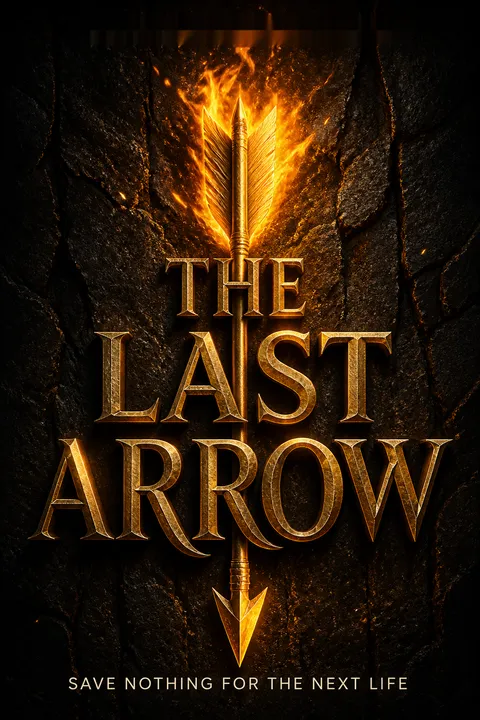


Key Takeaways
Treat average as a choice about effort, not a verdict on worth.
The insult became fuel. McManus recalls a childhood spent behind his gifted brother: he earned poor grades, sat low on the team roster, and was often picked last. Years later, his estranged stepfather called him average in front of his son. The deepest sting was not the insult itself, but the fear that it described him accurately. McManus came to distinguish innate traits from chosen conduct. He could not control his starting advantages, but he could choose to develop what he had been given.
Aim beyond applause. The point is not to become famous or to demand perfection from yourself or others. It is to resist the easy path of underusing your abilities, and to put those abilities to work for other people. McManus describes this as refusing to underestimate what God might do through an ordinary person.
The distinction between a fixed verdict and a changeable pattern is psychologically useful: an identity label can become a ceiling, while behavior remains open to revision. The book also makes a valuable move from achievement for status to development for service. That shift keeps ambition from becoming a ranking contest. Still, calling mediocrity a choice can understate unequal access, illness, caregiving, or other constraints. A fair reading treats agency as meaningful within circumstances, not as proof that everyone has equal control over outcomes.
Spend your gifts in this life; do not preserve them for a safer one.
The arrows are for use. The book's central image comes from 2 Kings 13. The dying prophet Elisha tells King Jehoash to take arrows and strike the ground. The king strikes three times, then stops. Elisha says the king's victory over Aram will therefore be partial, not complete. McManus reads the moment as a failure of resolve: the king stopped before anyone told him to stop.
Release what you carry. The image of the last arrow means using the abilities, opportunities, and responsibility entrusted to you rather than keeping them untouched for some imagined later chance. McManus contrasts an arrow sent beyond the archer's reach with one used to strike the ground: some outcomes cannot be controlled, but effort and response remain ours. The aim is to reach life's end without leaving essential work undone.
The arrow image is memorable because it joins two kinds of agency: release what cannot be controlled, and keep working where action is possible. That resembles the distinction in many decision-making disciplines between setting a direction and adapting to feedback. The biblical episode, however, should not be treated as a universal formula that more effort guarantees victory. Its power here is interpretive and moral, not predictive. Persistence matters, but wisdom also includes knowing when a battle is harmful, futile, or no longer yours to fight.
Give urgency to what matters before crisis supplies a deadline.
Time does not announce itself. McManus argues that important work often lacks the pressure of an external deadline, so people postpone it while tending to whatever feels immediately urgent. He distinguishes passion, the force that draws a person toward something, from urgency, the recognition that it matters now. His own cancer diagnosis, which came while he was completing the book, sharpened his awareness that life is finite. He says the illness might shape how he dies, but should not dictate how he lives.
Risk is not the point. The book also tells of surfer Mick Fanning returning to the water six days after a shark attack, then encountering another shark. Fanning's attachment to surfing mattered more than fear alone. McManus uses the story to ask where fear has made people retreat from meaningful commitments, not to recommend ignoring danger. Urgency is a reason to act on what matters, not an excuse to gamble with life carelessly.
A felt deadline can cut through procrastination because it changes the perceived cost of delay. The book's cancer frame gives this argument unusual credibility: urgency is not merely a productivity trick when mortality has become personal. Yet fear is not always an obstacle to overcome. It can carry information about genuine danger, while rest and restraint can also protect a calling. The useful question is not whether fear should be defeated, but whether it is warning against a real hazard or simply defending familiar comfort.
Leave old identities behind without dressing betrayal as a fresh start.
A future may require departure. McManus tells how his mother, Alby, escaped an abusive marriage and seized an unexpected chance to work for Pan Am. A chef helped with the money she needed to go. She left her young sons with their grandparents temporarily, not because she was abandoning them, but because she was trying to build a safer future for them. The biblical Elisha makes a similarly decisive break: after Elijah calls him, he kills his oxen and uses the plow wood to cook their meat, leaving his farming life behind.
Do not burn people. McManus separates letting go of a past identity from scorched-earth behavior. A friend claimed that leaving his wife was necessary for his future, but his affair and departure caused deep harm. The future, the book insists, cannot justify violating character. Some parts of the past can become useful material; what must be released is what keeps a person trapped or misdirected.
The stories distinguish liberation from mere novelty. Leaving an abusive relationship can be an act of protection, while abandoning an obligation for self-advancement can be harm disguised as courage. This aligns with a useful distinction between escaping coercion and avoiding accountability. The past is not simply baggage: relationships, skills, and commitments may remain part of a good future. The stronger test is whether a departure serves a defensible purpose and respects the people affected, rather than whether it feels bold.
When purpose calls, move before certainty has finished its paperwork.
Action opened the route. Four days before the 2014 World Cup final, McManus was invited to travel to Rio. He had no ticket, hotel, or Brazilian visa. He accepted anyway. A FIFA invitation helped him obtain the visa at the last moment, and a newly married couple in Rio offered him a place to stay with their family. What began as an almost impossible plan became a trip and a chance to speak with the hosts about faith.
Decide your yeses early. McManus connects this willingness to act with Elisha's refusal to remain behind when Elijah traveled from Gilgal to Bethel, Jericho, and the Jordan. Elisha had decided that following mattered before each fresh invitation to stop. The advice is not to say yes to every impulse. Clear commitments and priorities make it possible to decline distractions and move when an opportunity genuinely fits the direction of one's life.
The Rio story shows how action can reveal resources that planning alone cannot uncover: social ties, institutional help, and improvisation became visible only after the decision to go. That is a practical antidote to waiting for perfect certainty. But vivid success stories can hide the attempts that fail, and last-minute risk is not equally affordable to everyone. The wiser principle is bounded boldness: decide what matters in advance, then accept uncertainty in service of that purpose while protecting essential responsibilities.
Turn unexpected abundance into provision for people beyond yourself.
The discovery was not the ending. In a biblical story, four lepers sit outside a city during famine and war. With death likely if they stay, they approach the enemy camp, where they find it abandoned. They eat, drink, and take valuables, but then recognize that keeping the news to themselves would leave the starving city without help. They return to tell the people inside. McManus sees this as a change from receiving provision to becoming a source of it.
Use capacity for others. The lesson is not that prosperity means private wealth, or that every person will receive material abundance. McManus argues that gifts and resources are entrusted for service. He connects the lepers' choice to his encounters with people in crisis, including Syrian refugees, whose needs made comfortable inaction harder to defend. What comes to one person can create a future for others when it is shared responsibly.
This is one of the book's strongest correctives to self-improvement as an end in itself. It asks what increased capacity is for, not merely how to acquire more of it. The lepers' turn from hoarding to informing the city also resembles a basic principle of public goods: private benefit can become collective survival when knowledge and resources circulate. The challenge is to pair generosity with sound systems. Individual giving can matter, but it cannot substitute for durable humanitarian support or fair institutions.
Defend the future you believe in, not the comfort of the past.
A field became a decision. McManus retells the story of Shammah, one of Israel's warriors. When the Philistines attack a field of lentils, the other soldiers flee. Shammah stays and fights, and the text attributes the victory to God. For McManus, the field stands for the point at which a person decides what is worth defending. He extends the idea to Nabil and Mimi, a Christian couple in Beirut who built a home in a religiously divided area so they could live among and serve their Muslim neighbors.
Stand for something living. The book contrasts fighting for a hopeful future with fighting to keep the past unchanged. McManus challenges the idea that faith requires resistance to every new possibility, arguing that human choices help shape what comes next. Taking a stand is therefore not clinging to a position out of fear. It means choosing a purpose and accepting the risk of acting on it.
The image of one person remaining in the field captures how a visible act of courage can alter a group's sense of what is possible. The Beirut example gives that courage a relational dimension: the couple's stand was not against their neighbors, but for a shared life with them. Still, standing firm is not inherently virtuous. Conviction can harden into stubbornness, and some inherited practices deserve protection. The critical question is whether a stand safeguards human dignity and a constructive future, or merely preserves familiar power.
Treat sustained achievement as a team sport, not a solo performance.
Great work has a cast. Television producer Mark Burnett, behind shows including Survivor, The Apprentice, and Shark Tank, credits his repeated success to a trusted team he has worked with over time. McManus uses this to challenge the myth that remarkable achievement belongs to one exceptional individual. He also points to Jonathan's loyalty to David and Ruth's decision to bind her future to Naomi's: significant lives are shaped by people who choose to stand with one another.
Find people who move with you. McManus calls this group a tribe: people joined by shared purpose and mutual commitment, not simply background or proximity. In one example, a fitness community grew into a wider staff health effort at his church. Twenty participants lost a combined 177.8 pounds, and McManus says the shared effort also strengthened their bonds. The broader point is practical: relationships can expand what people are able to sustain together.
The book treats relationships as infrastructure, not decoration. Trusted teams distribute expertise, keep commitments visible, and help people persist through setbacks. That account complements the familiar image of the lone achiever without erasing individual talent: skill still matters, but coordination determines whether it can be sustained. A tribe also needs boundaries. Loyalty can become conformity, and a close group can exclude outsiders or silence dissent. The healthiest community combines shared purpose with enough trust to disagree, revise plans, and welcome new members.
Ask for what you truly need, not the smallest answer you can accept.
Name the desire plainly. In a Gospel story, two blind men call to Jesus for help. He asks what they want, and they answer that they want to see. McManus treats the question as an invitation to say what is genuinely needed rather than retreat into vague modesty. He pairs this with the story of a widow threatened with losing her sons to creditors. She has only a small amount of oil; Elisha tells her to gather empty jars, and the oil continues until there are no jars left.
Make room to receive. For McManus, asking boldly is not a license for greed. The widow's provision meets a concrete need, and the book frames desire as something shaped by devotion to God. He warns that people may request a token solution when they need to name the deeper hope. The practical challenge is to distinguish a meaningful ambition from a demand for status, then ask for the courage and help required to pursue it.
Naming a goal can turn diffuse longing into something that can be evaluated and acted upon. The widow's jars make that process tangible: preparation matters because a person needs a way to receive and use what becomes available. The theological emphasis on asking big is energizing, but it should not be confused with a guarantee that prayer produces the requested outcome. The stronger interpretation is that clear desire helps focus effort, while faith can support action without promising control over every result.
Practice faithfully in obscurity so an unexpected platform finds you ready.
Small work was preparation. For years, McManus preached to small congregations and served people in South Dallas, including communities often ignored by more comfortable churches. In 1988, he was unexpectedly asked to speak at a large event before nearly twenty thousand people. The event director had previously heard him preach to a small group studying English as a second language. Though the director could not understand the language, he remembered the care and intensity in the room.
Readiness precedes recognition. McManus had arrived only to volunteer backstage, tired and reluctant to go. His wife urged him to honor his commitment. The unexpected speaking opportunity became possible because years of practice had already formed his habits and skill. The book closes by urging readers not to wait passively for a defining moment. Faithfulness in ordinary assignments is valuable in itself, and it can also prepare someone to respond when a larger responsibility appears.
This ending reframes preparation as accumulated practice rather than private visualization of future success. Repeated work with small audiences gave McManus experience that a sudden invitation could not supply. That is consistent with how expertise develops through practice and feedback, though opportunity also depends on access and timing. The story is most useful when it discourages contempt for humble tasks, not when it implies every modest role is a hidden audition. Work deserves care because people matter, whether or not a larger stage follows.
Analysis
The Last Arrow is a Christian memoir and call to action organized around one biblical scene: a king stops striking arrows before the prophet tells him to stop. McManus turns that unfinished gesture into a question about the life a person is leaving unused. The book's repeated images of arrows, fire, fields, and journeys give its many anecdotes a coherent direction: act decisively, release what obstructs the future, and direct personal capacity toward other people.
The narrative is strengthened by its range. A painful judgment from McManus's stepfather introduces the fear of being ordinary; his mother's escape from an abusive marriage gives leaving the past moral weight; a last-minute trip to the World Cup makes readiness look adventurous; the lepers' discovery in an enemy camp turns survival into public service. The cancer diagnosis disclosed in the preface makes the argument about finite time personal rather than abstract. These stories make theology emotionally legible to readers who might otherwise find its claims distant.
Its central virtue is the refusal to equate faith with passivity. McManus repeatedly asks readers to act, prepare, take responsibility, and use resources for others. He also resists a narrow prosperity message: abundance is not merely something to possess, but something to circulate. The insistence that meaningful work depends on relationships further complicates the image of the solitary hero.
The book's rhetoric sometimes moves from agency to overstatement. Persistence does not ensure victory, and people do not face equal choices or risks. Stories of individuals who escape hardship or achieve extraordinary influence are vivid, but they cannot establish that those who remain constrained simply failed to try. McManus's own cautions help: choose which battles matter, do not betray others in the name of personal reinvention, and do not confuse courage with recklessness. Read through those qualifications, the book offers a forceful ethic of purposeful effort, not a promise of guaranteed outcomes. Its most useful test is not whether a life looks exceptional from the outside, but whether its gifts and opportunities were put to meaningful use.
Review Summary
The Last Arrow received mostly positive reviews, praised for its inspirational and motivating message about living life to the fullest. Readers appreciated McManus's personal stories and biblical insights. Critics found the theology questionable and writing style disjointed. Some felt it was self-centered or lacked depth. Overall, the book challenges readers to pursue their dreams, overcome fears, and live with purpose. It resonated particularly well with those seeking personal growth and spiritual inspiration, though some cautioned against its potential prosperity gospel leanings.
People Also Read







Glossary
The Last Arrow
Use what remainsMcManus's central metaphor for living without reserving one's abilities, opportunities, or responsibility for an imagined later life. It comes from Elisha's instruction to King Jehoash to strike the ground with arrows. The king stops after three strikes, and the prophet says the victory will be incomplete. The metaphor urges readers to continue faithfully until their part is finished.
9/11 moments
Crises that clarify valuesMcManus's label for moments of shock or uncertainty that make the difference between fear and faith visible. He connects the September 11 attacks with his decision to become a United States citizen and to keep traveling for speaking engagements. The term refers more broadly to experiences that confront people with life's uncertainty and force a choice about what matters.
tribe
Purpose-bound communityIn this book, a tribe is a group of people joined by shared purpose, commitment, and mutual support. It is not defined by common ancestry or identical life histories. McManus argues that meaningful work and sustained achievement are rarely solitary, and that people need both companions who support their growth and a willingness to support others in return.
burn list
Written release of painA personal exercise described through Natasha Ray's story. She wrote the people, painful events, and memories that continued to wound her on paper, then burned the pages as a symbolic act of releasing them. The practice represents a choice to stop carrying resentment and regret into the future. It is a metaphorical exercise, not a claim that writing alone resolves trauma.
Proof of Life
Evidence of fully livingMcManus borrows the phrase from a security form used before travel near a conflict zone. The form asked for private details that could verify a person was alive if taken hostage. He turns the phrase into a reflective question: what actions show that someone is living meaningfully, rather than merely continuing to exist? In the book, service and love provide evidence of that fuller life.
FAQ
What's "The Last Arrow: Save Nothing for the Next Life" about?
- Life's Urgency: The book emphasizes living life with urgency and purpose, encouraging readers to leave nothing undone and to live without regret.
- Facing Challenges: It discusses the importance of facing life's challenges head-on and not settling for mediocrity.
- Spiritual Journey: The narrative intertwines personal anecdotes with spiritual insights, focusing on the Christian faith and the belief in a purposeful life.
- Legacy and Impact: The author, Erwin Raphael McManus, stresses the importance of leaving a lasting impact and living a life that extends beyond oneself.
Why should I read "The Last Arrow"?
- Inspiration and Motivation: The book is designed to inspire readers to live their fullest lives and to motivate them to pursue their dreams without hesitation.
- Personal Growth: It offers insights into personal development and encourages readers to overcome fear and embrace their potential.
- Spiritual Insight: For those interested in Christian teachings, the book provides a spiritual perspective on living a meaningful life.
- Practical Advice: McManus provides practical advice on how to approach life’s challenges and make the most of every opportunity.
What are the key takeaways of "The Last Arrow"?
- Live with Urgency: Embrace every moment and live as if there is no tomorrow, ensuring you leave nothing for the next life.
- Overcome Fear: Do not let fear dictate your actions; instead, face challenges with courage and determination.
- Pursue Your Purpose: Understand and pursue your life's purpose with passion and commitment.
- Build a Legacy: Focus on creating a lasting impact that extends beyond your own life.
What are the best quotes from "The Last Arrow" and what do they mean?
- "May you die with your quivers empty." This quote emphasizes the importance of using all your potential and resources in life, leaving nothing undone.
- "You must never allow fear to keep you grounded." It highlights the necessity of overcoming fear to achieve your dreams and live fully.
- "The most spiritual thing you will do today is to choose." This underscores the power of choice in shaping your life and destiny.
- "If you want to go far, go together." It stresses the importance of community and collaboration in achieving greatness.
How does Erwin Raphael McManus define success in "The Last Arrow"?
- Beyond Material Wealth: Success is not measured by material wealth but by the impact and legacy you leave behind.
- Living Fully: It involves living life to the fullest, embracing challenges, and not settling for mediocrity.
- Purpose-Driven Life: Success is about understanding and fulfilling your life's purpose with passion and dedication.
- Community and Relationships: Building meaningful relationships and contributing to the well-being of others is a key aspect of success.
What personal experiences does Erwin Raphael McManus share in "The Last Arrow"?
- Cancer Diagnosis: McManus shares his experience of being diagnosed with cancer and how it reinforced his commitment to living fully.
- Family and Legacy: He discusses his relationship with his children and the legacy he hopes to leave for them.
- Career Challenges: The book includes anecdotes about his career and the challenges he faced in pursuing his purpose.
- Spiritual Journey: McManus reflects on his spiritual journey and how it has shaped his approach to life and challenges.
What is the significance of the title "The Last Arrow"?
- Symbol of Potential: The "last arrow" symbolizes using all your potential and resources before your life ends.
- Call to Action: It serves as a call to action to live with urgency and purpose, leaving nothing for the next life.
- Metaphor for Life: The title is a metaphor for living life fully and not holding back in the face of challenges.
- Legacy and Impact: It emphasizes the importance of leaving a lasting impact and ensuring your life’s work is complete.
How does "The Last Arrow" address the concept of fear?
- Overcoming Fear: The book encourages readers to overcome fear and not let it dictate their actions or limit their potential.
- Fear as a Barrier: McManus discusses how fear can be a barrier to achieving your dreams and living a full life.
- Courage and Determination: It emphasizes the importance of courage and determination in facing life's challenges.
- Fear and Faith: The narrative explores the relationship between fear and faith, encouraging readers to trust in their purpose and potential.
What role does faith play in "The Last Arrow"?
- Foundation of Purpose: Faith is presented as the foundation for understanding and pursuing one's purpose in life.
- Source of Strength: It is depicted as a source of strength and courage in facing life's challenges and uncertainties.
- Guidance and Direction: Faith provides guidance and direction, helping individuals make choices aligned with their purpose.
- Spiritual Growth: The book emphasizes the importance of spiritual growth and how it contributes to living a meaningful life.
How does "The Last Arrow" encourage readers to build a legacy?
- Impact Beyond Self: It encourages readers to focus on creating an impact that extends beyond their own lives.
- Living with Purpose: Building a legacy involves living with purpose and ensuring your actions contribute to the greater good.
- Inspiring Others: The book highlights the importance of inspiring and empowering others through your actions and choices.
- Lasting Contributions: It stresses the significance of making lasting contributions that will be remembered and valued by future generations.
What practical advice does "The Last Arrow" offer for personal growth?
- Embrace Challenges: Face challenges head-on and view them as opportunities for growth and development.
- Set Clear Goals: Know what you want in life and pursue it with determination and focus.
- Build Strong Relationships: Surround yourself with supportive and like-minded individuals who encourage your growth.
- Continuous Learning: Commit to continuous learning and self-improvement to maximize your potential.
How does "The Last Arrow" redefine the concept of success?
- Beyond Traditional Metrics: Success is not defined by wealth or status but by the fulfillment of one's purpose and potential.
- Personal Fulfillment: It involves achieving personal fulfillment and living a life aligned with your values and beliefs.
- Positive Impact: Success is measured by the positive impact you have on others and the world around you.
- Legacy and Contribution: It is about leaving a legacy and making meaningful contributions that endure beyond your lifetime.
About the Author
Other books by Erwin Raphael McManus

Download PDF
Download EPUB
.epub digital book format is ideal for reading ebooks on phones, tablets, and e-readers.








