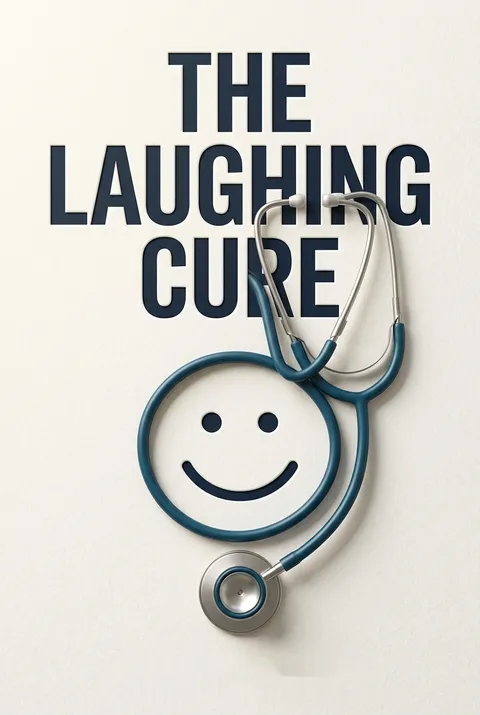


Key Takeaways
Use laughter as a health-supporting habit, not a cure.
A useful distinction. Brian King writes as both a psychologist and a stand-up comedian, joining personal stories to research on humor. His central claim is practical, not miraculous: laughter can make difficult days more bearable, lift mood, ease stress, and briefly reduce pain. It does not cure cancer, depression, or other illness, and it cannot replace medical care.
Support, not a shortcut. The book repeatedly returns to this boundary. A laugh may help someone cope with a diagnosis or tolerate discomfort, but it does not remove the cause. Think of humor as one resource in a wider toolkit, alongside treatment, social support, and changes that improve health. Its value is real even when its power is limited.
The book is strongest when it resists the tempting claim that laughter is a cure. That restraint matters in a wellness culture where a helpful practice can quickly be marketed as a substitute for care. Humor can support coping and make treatment feel more manageable, but the benefits described here are not a basis for delaying diagnosis or stopping medication. The distinction also preserves laughter's ordinary value. A practice does not need to cure disease to help someone feel less alone, less tense, or more able to face the day.
Notice the harmless surprise that turns a violation into a laugh.
The comic mismatch. Benign violation theory, or BVT, explains humor as a moment when an expectation is broken in a way that still feels safe. First, a person expects one outcome. Then something incongruous happens. Finally, the person recognizes that the surprise is not truly threatening. King illustrates this with a diner customer expecting sweet coffee and discovering that the sugar shaker has been salted.
A narrow balance. If the surprise feels dangerous, cruel, or personally painful, amusement may disappear. If nothing unexpected happens, there is no comic turn. Jokes use the same structure: a setup encourages one interpretation, and the punchline redirects it. The theory helps explain why the same incident can amuse one person and anger another.
BVT offers a useful lens because it makes humor less mysterious without pretending that everyone shares the same comic taste. The key variable is not simply surprise, but the audience's sense of safety and ability to reinterpret what happened. That connects comedy to threat perception: a joke can briefly activate concern, then resolve it as harmless. The limit is that safety is subjective and shaped by status, history, and context. A joke aimed downward may feel benign to its teller and hostile to its target. Understanding the mechanism is not the same as excusing the impact.
Change your body's expression, and give your mood a nudge.
The body feeds feeling. The James-Lange theory of emotion proposes that emotional experience is partly shaped by the brain's interpretation of bodily changes. King applies this idea to smiling and laughter: these behaviors can express happiness, but they may also contribute to feeling better. He describes a study in which participants held a pen in their mouths in different ways. One position activated muscles associated with a smile, and those participants found cartoons more amusing.
A small effect. King uses the demonstration to suggest a simple mood experiment, not a cure for serious distress. Smiling on command may feel artificial, and the reported effect is modest. Still, the larger point is that emotion is not always a one-way message from mind to body. Bodily state can feed back into experience.
This account usefully challenges the intuition that feelings must change before behavior can change. In practice, posture, movement, and facial expression can influence how an experience is interpreted, making small behavioral experiments worthwhile. Yet facial-feedback findings have been debated, and a pen-in-mouth exercise should not be treated as a dependable intervention for depression. The more durable lesson is reciprocal influence: bodily action and emotional appraisal interact. That model encourages curiosity rather than self-blame when a person cannot simply decide to feel cheerful.
Watch comedy with people when you want the laugh to land.
Laughter is social. King cites neuroscientist Robert Provine's observation that people are about thirty times more likely to laugh in social settings than when alone. The presence of others can make amusement easier to share, and laughter itself can spread through a group. King noticed this while producing comedy shows: a small audience seated close together often laughed more than the same number scattered around a room.
Shared attention matters. He also found that a comedy film watched alone at home could feel less funny than the same film in a crowded theater. The audience's responses helped shape the experience. This does not mean solo comedy is pointless, but it explains why watching with a friend or attending a live show can make humor more satisfying.
The social setting is not merely a container for comedy. Shared attention, synchronized reactions, and the feeling of belonging can amplify amusement. This resembles emotional contagion, the ordinary process by which one person's expression influences another's mood. The point has practical value for people using comedy to brighten a difficult day: inviting someone else may change the experience more than choosing a different show. Still, a crowd is not automatically comforting. Social pressure can inhibit laughter, and some people prefer private humor. The aim is connection, not compulsory group mirth.
Use humor to soften stress without pretending every threat is harmless.
Stress has a cost. The book describes stress as a short-term response that prepares the body to act, but prolonged activation can burden mood, sleep, blood pressure, and other aspects of health. King argues that laughter can help the body settle, in part through changes in stress-related hormones and blood-vessel function. He also suggests humor can help people reinterpret minor frustrations instead of escalating them.
A story with limits. During a street robbery, King says he stayed unusually calm and negotiated to keep his identification while surrendering his cash. He speculates that earlier experience solving problems and defusing tension helped him feel capable. The story illustrates perceived control, not a rule for confronting danger. In a genuine emergency, safety takes priority over trying to be funny.
The distinction between changing a situation and changing its appraisal is valuable. A frustrating delay may become less consuming when a person can see its absurdity, while humor can interrupt rumination long enough to restore perspective. But the robbery story also shows why coping anecdotes need careful boundaries: calm negotiation worked in that instance, yet humor or composure cannot reliably make a dangerous encounter safe. Stress reduction is best understood as one support for judgment, not proof that external threats are imaginary or controllable.
Let laughter ease pain briefly while proper treatment addresses its cause.
Temporary relief. King recounts journalist Norman Cousins's claim that watching comedy gave him periods of pain relief during a serious illness. Cousins's exact diagnosis is uncertain, so his recovery cannot establish that laughter cured him. King points instead to research using the cold pressor test, in which volunteers place a hand in cold water until it becomes painful. In one set of studies, laughter raised participants' pain threshold, especially when they laughed with others.
More than one route. Researchers have proposed that laughter may affect endorphins, the body's naturally produced pain-modulating chemicals. It can also distract attention from discomfort and reduce anxiety around it. These effects may be useful for coping, including in settings such as dental care, but they are temporary and do not replace evaluation or treatment of persistent pain.
Pain is both a bodily signal and an experience shaped by attention, expectation, and distress. Humor may help on more than one of those fronts: it can redirect focus, reduce tension, and create a moment of relief. That makes it a plausible complement to pain care. The evidence described, however, supports modest changes in pain sensitivity, not a general treatment for chronic pain or a cure for disease. Cousins's story is compelling precisely because it raises the right question, but controlled studies, not an uncertain diagnosis, are needed to answer it.
Make room for play after adulthood, not only before it.
Play is not childish. King recalls his grandfather, who lived with serious illness and spent part of each day laughing at cartoons. His grandmother saw the programs as a waste of time, while King came to view them as a source of pleasure and routine. The example captures the book's argument that adults need not abandon playful interests simply to appear mature.
Practice can help. Laughter yoga, a group practice that combines breathing, clapping, and intentional laughter, is one way to exercise the behavior even when no joke comes to mind. Participants often begin with deliberate laughter that becomes spontaneous. King notes research suggesting possible benefits, but laughter is not a substitute for physical exercise, and claims about health effects should remain measured.
The grandfather's cartoons make a persuasive case for ordinary pleasure: a small daily ritual can preserve engagement and provide relief without pretending to reverse illness. Play also creates low-stakes opportunities for attention, movement, and shared feeling. This is a useful corrective to the idea that adulthood requires constant seriousness. At the same time, laughter should remain an invitation rather than an obligation. People who are grieving, in pain, or simply not amused should not be pressured to perform cheerfulness. Play helps most when it feels chosen.
Build trust through shared laughter, but never force a joke.
Humor connects people. King links laughter with oxytocin, a hormone involved in social bonding, and argues that shared amusement can help strangers become friends and coworkers feel closer. He recalls enjoying one fast-food job largely because colleagues joked and formed friendships, while a more impersonal workplace felt far less satisfying. He also describes comedian Yakov Smirnoff's relationship advice as a reminder to give a partnership attention, enjoyable experiences, and time.
Attraction is not universal. King cites cross-cultural survey findings in which women, on average, ranked a man's sense of humor as a more important partner trait than men did in women. This is a group pattern, not a rule for individuals. Humor can invite connection, but it can also exclude or wound when the joke depends on someone else's discomfort.
Shared laughter can function as a small act of trust: it signals that two people recognize a situation similarly and feel safe enough to enjoy it together. That helps explain why humor matters at work and in intimacy, not just onstage. Yet laughter is not a reliable proxy for consent or closeness. People may laugh from politeness, nervousness, or unequal power, and broad sex differences do not determine an individual's preferences. The strongest relational use of humor is responsive: it notices the other person's boundaries instead of demanding that they laugh.
Pair humor with professional care when distress becomes a disorder.
Support has boundaries. King discusses depression and anxiety as conditions that can involve persistent negative thinking, withdrawal, and stress. He recommends humor as one possible aid, including exposure to comedy and laughter exercises, while also describing cognitive behavioral therapy and medication as established forms of care. A therapist may suggest comedy that fits a person's interests, but it is an addition to treatment, not a replacement.
Agency without blame. The book sometimes gives behavioral choices too much responsibility for mental illness. Its more useful point is that habits and social isolation can influence well-being, and that small actions may support recovery. A diagnosis is not a personal failure or simply a choice. Serious, persistent distress deserves professional assessment, and a person should not stop prescribed treatment in favor of laughter.
This is the point where the book's practical optimism needs its clearest guardrail. Behavior can shape mood, and social connection or enjoyable activity may support recovery, but psychiatric disorders arise through interacting biological, psychological, and social factors. Calling them chosen risks turning a possible intervention into blame. The careful version preserves agency without implying total control: people can try helpful practices while clinicians assess symptoms and provide appropriate care. Humor may make treatment more humane, but its presence should never be used to judge whether someone is ill enough to need help.
Analysis
The book's distinctive strength is its double perspective. King treats comedy as craft and laughter as a bodily and social event, then tests both against a working psychologist's interest in behavior. That structure makes the science memorable: an explanation of expectation and surprise sits beside a comedian's failed jokes, a patient's coping story, or the audience dynamics of a small show. The result is less a clinical manual than an accessible case for preserving humor as part of ordinary life.
Its central claim is most convincing at the level of coping. Laughter can shift attention, create social connection, and make a hard moment feel more manageable. The book also offers useful mechanisms, including bodily feedback and the reappraisal of a perceived threat. But mechanisms do not prove broad medical outcomes. Many findings discussed are short-term, correlational, or based on limited studies. A temporary change in pain threshold or stress markers does not establish prevention or treatment of serious disease. The book is at its most responsible when it makes this distinction explicit.
The sharper concern is the tendency to describe depression, anxiety, or weight as products of poor choices. That framing overstates individual control and can add shame to conditions shaped by biology, environment, and circumstance. A more defensible interpretation is that behavior can influence some symptoms and coping patterns, while not explaining or curing every disorder. This qualification strengthens rather than weakens the book's advice: laughter, social contact, and play are worthwhile practices, but their value does not depend on being curative. The lasting contribution is to make humor a legitimate part of care and daily life, without asking it to do a doctor's job.
Review Summary
Readers generally enjoyed The Laughing Cure, praising its accessibility and insights into the science of laughter. Many found the author's writing style engaging and appreciated the blend of humor and psychology. Some readers particularly valued the book's discussion of laughter's health benefits and stress-reduction techniques. A few critics noted the author's occasionally offensive humor or wished for more in-depth scientific content. Overall, most reviewers found the book informative, entertaining, and a useful reminder to incorporate more laughter into their lives.
Glossary
Benign violation theory
Safe surprise creates humorA theory that humor occurs when an event violates an expectation or norm while also seeming harmless. The person must notice the mismatch and feel sufficiently safe to reinterpret it as nonthreatening. If the event feels genuinely dangerous or offensive, it may provoke distress rather than amusement.
James-Lange theory of emotion
Body changes shape feelingA theory of emotion associated with William James and Carl Lange. It proposes that the brain interprets bodily changes caused by a stimulus as part of the emotional experience. In King's discussion, this helps explain why smiling and laughter may contribute to positive feelings as well as express them.
Laughter yoga
Intentional laughter in groupsA practice developed by physician Madan Kataria that combines breathing, clapping, and deliberate laughter, often in a group. Sessions may begin with laughter that feels forced and develop into spontaneous laughter. The book presents it as a way to practice laughing, not as a substitute for medical treatment or exercise.
Humor therapy
Comedy used to support careA broad term for practices that use humor or laughter to support well-being or treatment. In the book, it often means regularly engaging with comedy, sometimes selected to match a person's interests or circumstances. It is presented as a complement to therapy and medical care, not a cure for illness.
GIFT
Importance, fun, and timeYakov Smirnoff's shorthand for giving a relationship importance, fun, and time. The idea emphasizes actions a person can offer rather than trying to control what a partner gives in return. It is presented as a simple way to keep attention and enjoyable shared experiences active in a relationship.
Cognitive behavioral therapy
Changing thought and behavior patternsA form of psychotherapy that helps people identify and modify unhelpful patterns of thought and behavior. King discusses it as a treatment for emotional disorders, including depression and anxiety. The book presents humor as a possible support for well-being, not a replacement for this or other professional care.
FAQ
What's The Laughing Cure about?
- Exploration of Laughter's Benefits: The Laughing Cure by Brian King examines how laughter can heal both emotionally and physically, using insights from psychology and comedy.
- Personal Journey: King shares his experiences as a psychologist and comedian, offering anecdotes and research to highlight laughter's importance in daily life.
- Practical Advice: The book provides tips on incorporating more laughter into life, emphasizing its role in stress management and well-being.
Why should I read The Laughing Cure?
- Health Benefits: The book details how laughter can reduce stress, alleviate pain, and boost immune function, encouraging readers to prioritize humor.
- Engaging Writing Style: King’s humorous and relatable writing makes complex concepts accessible and enjoyable, with engaging anecdotes.
- Practical Applications: Readers receive actionable advice on cultivating humor and incorporating laughter into daily routines to enhance life quality.
What are the key takeaways of The Laughing Cure?
- Laughter is Medicine: Laughter is a vital component of health, acting as nature’s stress management tool.
- Humor and Relationships: Laughter strengthens social connections and relationships, essential for emotional well-being.
- Coping Mechanism: Laughter serves as a defense against pain and stress, helping navigate life's challenges.
What are the best quotes from The Laughing Cure and what do they mean?
- “We don’t laugh because we’re happy, we’re happy because we laugh.”: Suggests that physiological responses like laughter can influence emotions.
- “A joyful heart is good medicine, but a crushed spirit dries up the bones.”: Highlights the healing power of joy and maintaining a positive outlook.
- “Laughter is the best medicine.”: Reinforces the idea that laughter can significantly improve mental and physical health.
How does Brian King define humor in The Laughing Cure?
- Broad Definition: Humor is the tendency of experiences to elicit laughter or amusement, covering a wide range of stimuli.
- Involvement of Senses: Humor can be experienced through sight, sound, and even taste, making it multifaceted.
- Cognitive Recognition: Humor involves recognizing a benign violation, where expectations are subverted non-threateningly.
What is the Benign Violation Theory (BVT) mentioned in The Laughing Cure?
- Theory Overview: BVT suggests humor arises when a situation violates expectations benignly, making it funny.
- Cognitive Processing: Our brain processes humor by recognizing discrepancies between expectations and reality, leading to laughter.
- Universal Application: BVT can explain most humor instances, providing a robust framework for understanding laughter.
How does laughter impact our physical health according to The Laughing Cure?
- Pain Relief: Laughter releases endorphins, natural painkillers, reducing pain sensitivity and anesthesia needs.
- Stress Reduction: Laughter lowers cortisol levels, promoting relaxation and overall health.
- Immune System Boost: Laughter improves immune function, helping maintain health and prevent illness.
What role does social interaction play in laughter as discussed in The Laughing Cure?
- Increased Likelihood of Laughter: We are thirty times more likely to laugh socially, emphasizing community's role in humor.
- Shared Experiences: Laughter is often communal, enhancing emotional bonds with others.
- Emotional Support: Social laughter provides emotional support, alleviating isolation and boosting mental health.
How can I incorporate more laughter into my life based on The Laughing Cure?
- Practice Humor: Learn to tell jokes and recognize humor in daily life to develop a positive outlook.
- Engage with Comedic Content: Watch comedies, attend performances, or try laughter yoga to increase humor exposure.
- Surround Yourself with Funny People: Spend time with those who make you laugh to enhance happiness and well-being.
How does The Laughing Cure address the connection between humor and emotional disorders?
- Preventative Measures: Humor promotes resilience and coping strategies, preventing emotional disorders.
- Coping with Depression: Laughter alleviates depression and anxiety symptoms, offering a temporary escape from negativity.
- Behavioral Choices: Engaging with humor influences mental health, with laughter as a tool for managing challenges.
What methods does Brian King suggest for incorporating laughter into daily life?
- Watch Comedic Material: Regularly watch comedies or funny movies to improve mood and reduce stress.
- Engage in Laughter Yoga: Combines laughter exercises with yoga breathing to reconnect with laughter.
- Surround Yourself with Humor: Seek humorous people and environments to enhance personal joy and laughter.
How does The Laughing Cure address the importance of not taking life too seriously?
- Encourages Playfulness: Maintaining playfulness helps navigate challenges and leads to greater happiness.
- Humor as a Defense Mechanism: Humor defends against life's difficulties, aiding in coping with adversity.
- Life is Short: Embrace laughter and joy to enhance life quality, as life is unpredictable and often short.
Download PDF
Download EPUB
.epub digital book format is ideal for reading ebooks on phones, tablets, and e-readers.








