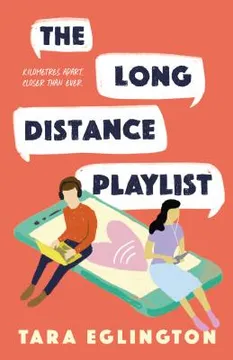


Plot Summary
The Party Betrayal
Fifteen-year-old Isolde Byrne has built her days around ballet, convinced that one failed audition has left her running out of time to reach a professional school. She skips a party to rest before auditions for Sleeping Beauty, though her boyfriend, Aidan, goes without her. When worry about being left out finally sends her to the party, she finds him kissing Steffanie, another dancer.
Isolde runs before she can confront them. Aidan later admits he had been reconsidering their relationship and blames her intensity and focus on ballet, making his betrayal feel like evidence that she is difficult to love. The cast list then gives Steffanie the Aurora role Isolde wanted, while Isolde must perform as the fairy who blesses the new couple.
The opening ties Isolde's romantic and professional injuries to the same fear: that devotion can make her replaceable. Ballet has taught her to interpret sacrifice as proof of seriousness, while Aidan's explanation turns that discipline into a supposed defect. The casting sharpens the wound by making her perform the emotional service of blessing the pair who displaced her. Her flight from the party is not simply heartbreak; it is the collapse of a system in which effort seemed capable of securing love, recognition, and control.
Taylor's Missing Leg
The novel's parallel story follows Taylor Hellemann, Isolde's childhood friend in Queenstown. Fifteen months earlier, he went to a party after hearing that snowboard star Travis Rice might attend.
On the drive home, black ice sent the car spinning into a truck; the impact crushed Taylor's right leg, and surgeons amputated below the knee. His girlfriend, Natalia, initially promised to stay, then ended their relationship as he began rehabilitation. When Taylor discovered she was dating another man, he lashed out online, exposing his amputation to strangers and drawing a torrent of abuse.
Before the crash, Isolde and Taylor had also stopped speaking after a furious argument about Natalia. Injured, rejected, and ashamed, Taylor withdrew from the friend who had once known him best.
Taylor's injury changes more than his physical capacity. It disrupts the identity he built around fearless performance and makes other people's attention feel like a verdict on his body. Natalia's departure intensifies that exposure, while the online backlash converts private grief into public spectacle. His silence toward Isolde is therefore both self-protection and a costly form of control: he avoids being seen at the very moment he most needs a witness. The novel places his withdrawal beside Isolde's, establishing two young people who have mistaken isolation for a way to contain pain.
Playlists Across the Tasman
Isolde's mother tries to arrange a consoling video call with Taylor, but Isolde resents being managed while she is still raw from Aidan's betrayal. Her father instead takes her to an opera, where an email from Taylor reaches her.
He apologizes for their old fight without demanding forgiveness and offers a playlist meant to let her be angry rather than rush toward recovery. Isolde writes back about why the breakup has made her distrust her own judgment.
Taylor shares how Natalia left after his accident and how his angry online post turned into public humiliation. Their messages become a place where neither has to perform being fine. He sends chocolate and makes more playlists, and Isolde slowly begins answering him with the honesty she had withheld.
The playlist is a modest but precise form of care: Taylor does not prescribe a feeling, he curates company for one. That distinction matters to Isolde, who is surrounded by adults trying to hurry her out of grief. Their exchange also corrects a one-sided friendship pattern. Taylor initially presents himself as her breakup counselor, but Isolde asks him to speak about his own injury and loss. Their renewed bond begins not with a grand reconciliation but with reciprocal attention, a form of intimacy that respects timing and refuses to treat apology as instant repair.
The Leg Is His Story
As Isolde tries to rebuild her confidence, she confesses to Taylor that ballet has crowded out friendships and made her fear she has become boring. He reminds her that their lifelong conversations contradict Aidan's judgment, but her doubts remain. In Queenstown, Taylor faces a different test at his parents' Halloween party, an event he has avoided since his accident.
When a drunk guest demands to see his missing leg and touches him, Taylor invents an absurd story about flesh-eating bacteria and sends the man recoiling. Laughing with his friend Finn afterward, Taylor recognizes that he can decide what to disclose and how to frame his own body. He returns to the party less anxious, having reclaimed a small piece of social ground.
The scene turns a boundary violation into a moment of agency without pretending the violation was harmless. Taylor's joke is not a universal cure for stigma; it is a tactic he chooses in a situation where the stranger has denied him ordinary control. That choice counters the assumption that disability makes him an object of public explanation. Isolde's parallel worry about being one-dimensional is also answered through a relationship rather than reassurance alone: Taylor knows her beyond ballet because their shared history contains evidence of her complexity.
A Screen Goes Dark
When Taylor video-calls Isolde during an intermission in her Sleeping Beauty performance, he has removed his prosthesis and arranged the camera so his legs stay hidden. A sheet slips, but Isolde's attention has actually caught a photograph of Natalia beside him.
She ends the call quickly, and Taylor assumes she recoiled from his stump. In a late-night phone conversation, Isolde explains the photograph triggered anger at Natalia, not disgust at Taylor.
Their talk opens into harder truths: Isolde fears her parents no longer like each other, while Taylor recalls his father's cancer and the years his family lived through failed treatments before remission. They fall asleep on the call. The next day, Isolde completes a performance that had begun to feel emotionally impossible.
The misunderstanding exposes how trauma supplies its own captions. Taylor sees a familiar rejection in Isolde's glance because Natalia's reaction has become the template through which he reads every uncertain look. Isolde, meanwhile, is not reacting to his body at all, but to a reminder of romantic deception. Their repair depends on asking rather than assuming, then allowing the conversation to move from the immediate mistake toward the fears underneath it. The dark, disembodied call offers safety, but it also marks a threshold: they can now name pain without requiring the other to fix it.
Midnight, Without a Kiss
On New Year's Eve, Taylor remembers how his feelings for Isolde began: a borrowed lip balm on a ski lift made him notice her differently, and a childhood promise about marrying his best friend returned with new force. At midnight, he leads her away from their families, takes her hand, and nearly kisses her. Fear that romance could destroy their friendship stops him; he hugs her instead.
Isolde reads the same moment as a near-confession and hopes he will choose her eventually. In the present, Taylor sends her a photograph of her as a child among lupins, an image that reminds her of the joy she once found in dancing. She realizes she has not thought about Aidan for a week, and her attention begins to turn toward the future again.
The almost-kiss is a formative refusal, not a lack of feeling. Taylor protects the friendship by preventing it from changing, but that protection leaves both teenagers to interpret the same gesture privately and incorrectly. Their childhood memories give the romance a long history without making it inevitable: familiarity can nourish trust, yet it can also make risk feel unusually expensive. The lupin photograph functions differently, returning Isolde to a self that existed before heartbreak and professional pressure narrowed her identity. Remembering joy becomes the first step toward choosing what she wants, rather than merely recovering from what she lost.
The Playlist Gives Him Away
Taylor sends Isolde a thoughtful bouquet of purple wildflowers for Valentine's Day, drawing on her love of flowers and their private memories. In April, local shop worker Ellie asks him to go stargazing.
Taylor accepts, but during their date he finds himself thinking about how he will describe Saturn to Isolde. He tells Ellie afterward that he has feelings for someone else. Finn then posts a screenshot of Taylor's private playlist, titled for the girl he cannot stop thinking about.
Isolde sees it and believes the playlist concerns Ellie, so she withdraws rather than risk asking. Taylor realizes the playlist is about Isolde, but he cannot tell whether she has seen it. Their intimacy deepens, yet the unspoken truth creates a silence that neither knows how to cross.
The playlist makes private feeling visible while remaining ambiguous enough to deepen confusion. Taylor's date with Ellie is not a romantic rival plot so much as a diagnostic test: he discovers his attention has already chosen Isolde before he has admitted what that means. Isolde's withdrawal reflects the cost of earlier misreadings, especially the New Year's near-kiss; she would rather preserve hope at a distance than ask for an answer that could end it. Their digital closeness creates both connection and risk, since a shared medium can carry emotion without guaranteeing that sender and recipient understand it alike.
The Silence Before Queenstown
Isolde's parents, Louise and Patrick, grow increasingly distant, and Taylor's suggestion that they might separate lands as an accusation rather than comfort. Isolde tells him he cannot understand because his family seems perfect; Taylor is hurt, and their calls stop.
Isolde sees photographs of Taylor passing his driving test but cannot bring herself to call before leaving for Queenstown. The night before the trip, she overhears her parents agree to postpone a difficult conversation until after the wedding. Shaken, she phones Taylor.
He stays with her through the night, and their earlier quarrel recedes as she admits how frightened she is. The next day, she boards the plane with her parents, carrying the knowledge that their family may soon change and the relief of having Taylor back beside her.
The argument shows how accurately perceived danger can still be badly timed. Taylor recognizes signs of marital collapse, but his bluntness collides with Isolde's need to believe there is still time to prevent it. Her accusation that his family is perfect overlooks his own histories of cancer, injury, and loss; his response, however, cannot make her ready to hear him. The late-night call repairs the relationship through presence rather than winning the argument. Isolde does not need a prediction or solution. She needs someone to stay while the feared possibility becomes real.
A Wedding Under Snow
In Queenstown, Taylor meets Isolde at the airport and greets her with the embrace they have been postponing for years. He takes her for a drive to Glenorchy when her parents' careful politeness makes the coming separation impossible to ignore. At her sister Violetta's wedding, Isolde and Taylor watch Louise and Patrick hold hands during the ceremony, a glimpse of the marriage Isolde fears they have lost.
That night, Taylor dances with her while the first snow falls. The weather traps the families together the next morning, and Taylor invites Isolde to ski at Cardrona. She tells him she may quit ballet after returning home, wanting to live more fully while her family is coming apart. Taylor listens, then agrees to take her to the mountain.
The wedding places two models of love in the same frame. Violetta and Jack make a public commitment, while Isolde watches her own parents enact tenderness that may no longer be sustainable. Snow gives the celebration an almost suspended quality, but it cannot erase the family crisis waiting at home. Isolde's decision to reconsider ballet is not yet a settled rejection of dance; it is a protest against having sacrificed every other source of meaning. Taylor's response matters because he does not reflexively defend her ambition. He listens to the person behind the goal.
The Mountain Opens Again
At Cardrona, Taylor faces a challenge more intimate than the slopes: fitting his prosthetic foot into a snowboard boot while Isolde watches. She looks at him directly, asks what he needs to do next, and helps when he invites her.
Her ordinary curiosity replaces the disgust he fears. They spend the day learning together, falling on beginner runs and laughing, until Taylor feels the pleasure of riding without measuring himself against his former career. The next day, a clump of snow interrupts a moment when he is about to kiss her.
On a helicopter trip to Aoraki Mount Cook, the pair share the view of the glacier and mountains. At dusk, Taylor finally kisses Isolde; she kisses him back, turning years of guarded affection into a choice they make together.
The ski shop is the emotional hinge of Taylor's return to the mountain. Isolde does not pretend his body is unchanged, nor does she treat the difference as a spectacle. By asking permission and participating in the practical task, she makes intimacy concrete and collaborative. Boarding then shifts from proof of lost ability to an activity that can still offer pleasure. The kiss at Mount Cook follows this renewed bodily trust, but it is not a reward for overcoming disability. It is a mutual decision made by two people who have learned to see each other without requiring either to become their former self.
The Crash Finally Spoken
After their first date, Taylor and Isolde lie together on his trampoline and talk about the accident in detail for the first time. He describes being trapped in the wreckage, believing he would die alone, then waking beneath the night sky as rescuers treated him.
Isolde grips his hand without turning away. When she returns to Sydney, she chooses to audition for the National Ballet School, not because acceptance defines her worth but because she wants to finish what she began.
Her parents' separation becomes official in July, and Violetta flies home to support her and Louise. From Queenstown, Taylor calls his former coach and begins training for adaptive snowboarding. As Isolde asks for something hopeful, Taylor tells her he loves her; she returns the feeling over the phone.
Taylor's account gives the accident a human scale beyond the fact of amputation: the trapped body, the distorted senses, and the belief that rescue may not come. Isolde's response is valuable precisely because she does not convert the story into inspiration or reassurance. Meanwhile, her audition decision separates commitment from self-erasure. She can honor ballet without making it the only reason to live. The parents' separation and Taylor's return to training unfold in parallel, each demanding a new arrangement rather than a restoration of the old one. Their confession of love offers attachment, not a cure for either crisis.
Two Futures Take Shape
Isolde completes her Sydney audition with steadier focus than the previous year, then waits while her family's routines unravel. When the National Ballet School offers her a place in its Level 5 program, she accepts, and Louise proposes moving with her to Melbourne rather than sending her to board alone.
The acceptance changes ballet from an all-consuming wager into one part of a fuller life. Taylor, meanwhile, trains with Joe and adaptive snowboarder Liam, receives an SB LL2 sport classification, and learns that he can pursue competition with equipment designed for action sports.
His return is not a promise to recover his former career; it is a new athletic path built around what his body can do now. Both teenagers have chosen demanding futures, but neither is surrendering the rest of life to reach them.
The novel makes achievement meaningful by refusing to treat it as a clean reversal of loss. Isolde's acceptance does not erase her failed audition, her parents' separation, or the strain ballet once imposed. Instead, her mother's willingness to move and her changed understanding of dance make the opportunity livable. Taylor's classification likewise opens a route, not a guarantee of victory. Adaptive sport is presented through coaching, equipment, and training rather than a simple triumph narrative. Both characters regain agency by revising the terms of ambition: the goal remains important, but it no longer gets to consume every relationship or define their entire worth.
They Choose the Distance
After Isolde accepts her place, she and Taylor confront what their relationship will require. She will study in Melbourne for years; he is returning to snowboard training and may travel for competitions. Their earlier plans to backpack together must change, and neither can promise easy proximity.
Isolde remembers her mother explaining that she once ended an engagement because she feared distance would prove a lack of love, then chose not to repeat that fear. On September 2, Isolde mails her acceptance and sends Taylor a playlist that makes her decision clear: she wants to try.
Taylor is preparing for his first adaptive Snowboard Cross qualifier, and Isolde flies to Queenstown to support him. The story ends before the result; what is settled is their willingness to pursue love and ambition without pretending either comes with guarantees.
The ending rejects both romantic certainty and the idea that a relationship must be abandoned to protect individual ambition. Isolde's mother's history gives the choice a generational echo, but Isolde does not simply correct her mother's past; she makes a decision with fuller knowledge of its costs. The playlist returns as their shared language, now serving not as consolation but as commitment. Taylor's competition remains unresolved, preserving the book's emphasis on process over outcome. Their promise is therefore less a guarantee of permanence than an ethic: keep choosing one another while allowing each person to become more than the relationship.
Analysis
The novel's central conflict is not whether Isolde and Taylor love one another, but whether each can remain a whole person while loving someone whose life is governed by distance, injury, discipline, and ambition. Their parallel sports make that question physical. Ballet trains Isolde to suppress pain in pursuit of a polished performance; snowboarding once allowed Taylor to silence fear through danger. When their old methods stop working, both must distinguish commitment from self-erasure. Isolde's decision to audition without making acceptance the sole measure of her worth and Taylor's return to snow through adaptive training are complementary acts of revision.
The book also examines how people interpret one another through prior wounds. Taylor assumes Isolde's hurried goodbye means she rejects his body; Isolde assumes his playlist points to another girl. Neither conclusion is irrational, because each draws on an earlier betrayal or misreading, but both become damaging when left untested. Their digital intimacy helps them speak across distance while also making ambiguity easy to preserve. Trust grows when they ask for clarification, share experiences without demanding a fix, and treat consent as ordinary care.
Family life supplies a less idealized counterpoint to the romance. Vi's wedding presents a deliberate beginning, while Isolde's parents' separation reveals that affection cannot always sustain a marriage. Louise's past with Tobi further complicates the idea that a single decision determines a whole life. The young couple cannot know whether their relationship will last, and the ending refuses to manufacture certainty. Instead, their commitment is a practice: pursuing ballet and adaptive snowboarding, making room for distance, and choosing not to let fear make the decision in advance. The novel's hope lies not in guarantees, but in the possibility of living fully without knowing what comes next.
Review Summary
The Long Distance Playlist receives generally positive feedback, averaging 3.83/5. Readers frequently praise its unique multi-format structure blending emails, chats, playlists, and prose, calling it refreshing and engaging. The friends-to-lovers romance between Isolde and Taylor is widely described as sweet and charming. Disability representation earns consistent appreciation. Common criticisms include pacing issues, an abrupt ending, predictable plot, excessive miscommunication-driven drama, and some feeling the email format felt unrealistic for teenagers. Most reviewers recommend it particularly for younger YA readers seeking a lighthearted, heartwarming story.
Characters
Isolde Byrne
The relentless ballerinaIsolde is a disciplined fifteen-year-old dancer whose ambition shapes her schedule, friendships, and sense of worth. She is observant, private, and emotionally intense, often treating vulnerability as something to contain until it spills out in anger or tears. Her focus gives her stamina and artistry, but it also leaves her afraid that she has become one-dimensional and that any pause will cost her future. Family traditions and memories of Queenstown matter deeply to her, even when she resists admitting how much she needs other people. She values loyalty and honesty, expects apologies to carry real accountability, and gradually learns that pursuing a dream need not require abandoning every other part of herself.
Taylor Hellemann
The injured snowboarderTaylor is a funny, impulsive Queenstown teenager who once built his identity around fearless snowboarding. After a life-changing crash and amputation, he struggles with grief, social anxiety, and the feeling that strangers see his injury before they see him. He uses humor to take control of awkward encounters, while playlists and long messages let him express feelings he cannot always manage face to face. His loyalty to family and friends is profound, but fear of rejection can make him retreat or disguise what he wants. Taylor's challenge is not simply returning to a sport; it is discovering how to pursue challenge and intimacy without demanding that his new life imitate the old one.
Ana Zhang
Isolde's candid confidanteAna is Isolde's close friend, a fellow dancer who has moved away but stays present through messages and calls. She offers blunt encouragement, notices Isolde's romantic feelings before Isolde is ready to name them, and provides a channel for the frustration Isolde cannot share in class. Ana's directness can become teasing, but it comes from affection and a desire to keep her friend from retreating into work and heartbreak.
Finn Williams
Taylor's loyal wingmanFinn is Taylor's closest local friend, quick to joke and quicker to notice what Taylor is avoiding. He nudges Taylor toward parties, dating, and honesty, though his matchmaking enthusiasm sometimes overwhelms good judgment. His loyalty shows in practical companionship, including helping Taylor navigate social situations and sharing ordinary time without making the injury the center of their friendship.
Aidan McNeil
Isolde's first boyfriendAidan is a talented dancer and Isolde's first serious boyfriend. He shares her ballet environment but wants a lighter, less intense relationship, and he handles that mismatch poorly. His choices force Isolde to question her judgment and her belief that saying what she feels will be met with the same honesty.
Steffanie Williams
The rival cast as AuroraSteffanie is a dancer at Isolde's school who becomes closely involved with Aidan. She wins the lead role Isolde had hoped to earn, making her presence in rehearsals a repeated reminder of Isolde's heartbreak and professional disappointment.
Violetta Byrne
Isolde's protective sisterVioletta, usually called Vi, is Isolde's older sister, a Cambridge student planning her wedding with Jack. Practical and affectionate, she is often caught between her mother's wedding plans and her own wish to keep the event personal. She sees the strain in her family and tries to guide Isolde toward compassion without denying the hurt around them.
Louise Byrne
The family organizerLouise is Isolde and Violetta's mother, a successful finance executive who relies on planning and responsibility to keep family life functioning. Her control can feel overwhelming to Isolde, especially when work and wedding logistics dominate conversation. Under that competence is a woman carrying financial and emotional burdens, trying to support her daughters while confronting a difficult marriage.
Patrick Byrne
Isolde's devoted fatherPatrick, often called Dad by Isolde, is an opera enthusiast and former marketing executive who turns setbacks into opportunities to pursue his artistic interests. He is affectionate, playful, and especially attentive to Isolde's ballet life, helping with costumes, practice, and the rituals around performances. His humor comforts his daughters, though his preference for lightness can clash with Louise's need for structure.
Maia Hellemann
Taylor's steady motherMaia is Taylor's mother, a warm and resourceful parent who has weathered her husband's serious illness and her son's injury. She supports Taylor without reducing him to either experience and maintains a close bond with Louise and the Byrne family. Her home is one of the places where Isolde feels welcomed and able to breathe.
Tobi Hellemann
The musician fatherTobi is Taylor's father, a former rock musician whose humor, guitar playing, and elaborate parties give the Hellemann home its loose, welcoming spirit. His serious illness reshapes family life, but he remains an affectionate father who encourages Taylor's ambitions and shares music as a way of bringing people together.
Natalia
Taylor's distant exNatalia is a model Taylor dated while pursuing snowboarding overseas. Their relationship spans distance and unequal expectations, and Taylor invests deeply in it. Her response to his injury becomes part of why he fears being seen differently, though her role in his life is filtered through his memories and the pain of rejection.
Ellie
The chocolate-shop workerEllie is a Canadian who works at a Queenstown chocolate shop and later meets Taylor through his friend Finn. She is warm, direct, and interested in him without making his prosthesis the defining fact about him. Her brief connection with Taylor helps him recognize the feelings he has been avoiding elsewhere.
Joe
Taylor's former coachJoe coached Taylor during his competitive snowboarding years. He recognizes Taylor's potential on the mountain and later helps him explore a return through adaptive competition, offering expertise without assuming Taylor must choose that path.
Liam Lawson
The adaptive athleteLiam is an experienced adaptive snowboarder whose above-knee prosthesis is designed for action sports. He explains the equipment and competitive possibilities to Taylor from lived experience, making a future in the sport feel concrete rather than theoretical.
Claire
Taylor's careful counsellorClaire is Taylor's counsellor, helping him identify social anxiety and approach difficult situations gradually. Her structured methods give him useful language, though Taylor sometimes resists exercises that seem disconnected from the loss of snowboarding.
Jack
Violetta's thoughtful fiancéJack is Violetta's fiancé, a quiet presence in the Byrne family's wedding preparations. His relationship with Vi represents a new household being formed, while their shared decisions help Vi maintain her own ideas amid family expectations.
Plot Devices
Playlists and messages
A bridge across distanceEmails, instant messages, video calls, and carefully themed playlists form the practical structure of Isolde and Taylor's renewed friendship. Because they live in different countries, they use songs to offer comfort, share memories, and say what ordinary conversation cannot yet hold. The device also creates uncertainty: a private playlist is exposed by Finn, and Isolde misreads its meaning because Taylor has not explained it. Over time, their digital exchange becomes a record of growing trust. The final playlist carries a decision rather than a consolation, linking their shared language to the future they choose.
The prosthesis
A test of bodily agencyTaylor's prosthesis is both essential equipment and a focal point for other people's assumptions. It shapes how he walks, socializes, and boards, while also making him anticipate scrutiny. The story treats it materially, through socket discomfort, boot fitting, and the limitations of a standard foot on snow. Encounters with Ellie, an intrusive party guest, Isolde, and adaptive athlete Liam show different ways people can respond. The prosthesis is never a simple symbol of triumph; Taylor's relationship to it shifts through use, discomfort, self-definition, and the possibility of specialized sport equipment.
Ballet and snowboarding
Parallel forms of disciplineIsolde's ballet and Taylor's snowboarding give their separate lives a shared vocabulary of practice, physical risk, and flow. Both understand the difference between doing a movement mechanically and reaching a state where body and attention work together. Their sports also expose the costs of ambition: Isolde sacrifices time and relationships, while Taylor ties his identity to a competitive career that injury interrupts. Returning to the mountain and reconsidering ballet allow each teenager to revise what dedication means. Neither has to discard a passion, but both must stop treating a single pursuit as the measure of an entire life.
Echoing family romances
A warning across generationsThe Byrne and Hellemann parents' histories complicate the teenagers' ideas about love. Louise and Tobi once broke up because distance and competing ambitions frightened them, yet they remained friends; Louise and Patrick built a marriage that later became strained. These histories give Isolde and Taylor models of both endurance and loss, but no formula for predicting their own future. Wedding traditions, old photographs, arguments, and shared songs make family memory tangible. The echoes help Isolde recognize that fear can make people decide too early, while reminding both teenagers that love does not guarantee a painless or permanent outcome.
Download PDF
Download EPUB
.epub digital book format is ideal for reading ebooks on phones, tablets, and e-readers.








