


Key Takeaways
Stop performing for God; pray as someone already welcomed.
Prayer is not a performance. Jesus rejects prayer designed to impress other people or to force God’s hand with elaborate speech. The Father, he says, already knows what people need. Prayer begins not with persuasion but with trust: the person praying is addressing someone attentive and favorably disposed toward them.
Jesus prays this life first. The book’s central claim is that the Lord’s Prayer describes Jesus before it gives his followers a script. He lives its dependence, mercy, and obedience, then invites others to pray alongside him. The prayer is therefore both a pattern for speaking and a way into Jesus’ relationship with God.
The shift from performance to trust changes the question from “Did I pray correctly?” to “What kind of relationship does this prayer teach me to inhabit?” That makes the prayer less like a transaction and more like a repeated act of orientation. The idea also explains why familiar words can remain useful: their purpose is not novelty but formation. Still, the assurance of divine attention may not feel emotionally available to everyone, especially those shaped by neglect or spiritual coercion. The book’s emphasis on God’s welcome is most powerful when communities embody that welcome rather than merely asking people to believe it.
Pray “Our Father” as Jesus’ invited family, not a claim of male divinity.
The plural word matters. The opening address does not leave each person alone before God. By teaching his followers to say “Our,” Jesus invites them to join the relationship he has with the Father. In Christian terms, they become adopted children and Jesus’ siblings, sharing in a closeness that is his by nature and theirs by invitation.
Father is a metaphor, not biology. The book stresses that God is not male, while recognizing that the word can carry pain because human fathers and patriarchal systems can be abusive. Christian use of the name must therefore be measured against Jesus’ self-giving love. “In heaven” also signals that God is not a human father or a being confined to a place.
This reading treats religious language as relational rather than literal: “Father” names a particular bond, but does not make God a magnified human male. The distinction is important because metaphors can comfort one person and wound another, depending on lived experience. The book does not solve that tension by discarding the inherited language; it argues that the life of Jesus should govern how the metaphor is understood. That gives the prayer an ethical test: any appeal to divine fatherhood that legitimizes domination contradicts the model it invokes. The word’s pastoral force depends on that test being taken seriously.
Make God’s name credible through mercy, not religious display.
Holiness is already God’s. To “hallow” means to honor as sacred or set apart. The prayer does not make God’s name holy; it asks that its holiness be recognized and displayed. In Exodus, God gives Moses a name associated with divine freedom and existence, while remaining beyond human comprehension. The name offers real access without reducing God to something people can control.
Conduct shapes reputation. The book links reverence for God’s name to public behavior. It recalls Polycarp, an early Christian who refused to call the Roman emperor Lord, and a Christian apology campaign directed toward LGBT people who had encountered only condemnation from Christians. In both cases, what believers do affects how others understand the God they proclaim.
The petition joins worship to reputation: a community’s treatment of vulnerable people can either make its account of divine mercy visible or render it implausible. This is a demanding standard because good intentions do not erase the effects of public conduct. The examples also show that honoring a sacred name can require resistance to political authority or repentance for religious harm. The idea is not that human behavior determines God’s character. Rather, behavior determines whether observers encounter a credible witness to the character the community claims God has revealed.
Pray for God’s healing rule, even while its victory remains unfinished.
Kingdom means active rule. The Greek word translated as “kingdom” can mean kingship or reign, not simply a territory. Jesus announces God’s rule through healing, liberation, and the expulsion of demons. Unlike rulers who gain power through violence and extraction, this reign restores people who have been oppressed or damaged.
The signs are real but incomplete. Jesus compares God’s reign to a mustard seed and yeast: small beginnings that spread beyond immediate visibility. The book also uses the Allied landing at Normandy as an analogy. The invasion secured a decisive foothold before Nazi Germany surrendered, but terrible suffering continued in the intervening months. Jesus’ resurrection is presented as the decisive beginning of God’s victory, while people still wait for suffering and death to end.
This framework gives hope a disciplined form. It neither treats present injustice as permanent nor pretends that every sign of progress means the struggle is over. The distinction between decisive beginning and completed victory can help communities keep working without demanding instant success. It also guards against identifying any political movement or leader with God’s reign: the book’s test is healing and liberation, not mere possession of power. The analogy has limits, since historical wars and religious claims are not interchangeable, but it clarifies the emotional reality of waiting after a turning point.
Ask for a world unlike this one, trusting God through suffering.
Prayer challenges the status quo. To ask that God’s will be done on earth is to refuse the idea that disease, hunger, exploitation, and violence are simply normal. The petition imagines earthly life becoming more like the peace and wholeness associated with heaven. It is not resignation; it is a request for change grounded in the belief that the world ought to be otherwise.
Gethsemane complicates the request. Before his arrest, Jesus prays for the suffering ahead to pass, yet submits to the Father’s will. The book reads his crucifixion not as evidence that suffering is good, but as God’s confrontation with the world’s evil from within. It also argues that prayer does not manipulate God. Asking can reshape what people desire and prepare them to participate in the change they seek.
The petition links grief to moral imagination: seeing suffering as intolerable is already different from treating it as background noise. The account of Gethsemane prevents a simplistic promise that faith will produce an easy life, while making the theology more difficult. If suffering is described as part of God’s saving purpose, listeners may wrongly infer that victims should accept preventable harm. The strongest reading keeps the two claims distinct: God can be present in suffering, and human beings remain responsible for resisting the conditions that cause it.
Receive daily bread as gift, not proof of self-sufficiency.
Dependence is ordinary human life. The petition asks for bread today, not a guarantee of permanent independence. The book uses the image of a television that stops displaying images the moment its power is cut off: creation, it argues, depends continually on God rather than merely receiving an initial spark. The Israelites’ wilderness manna likewise taught them to rely on provision they could not manufacture or store as a substitute for trust.
Bread also points to Jesus. In John’s Gospel, Jesus calls himself the bread that gives life and describes his flesh as food for the world. This is why many churches pray the Lord’s Prayer before Communion. In the Eucharist, bread and wine are received as signs of Christ’s life given to the faithful. The request joins physical need, humility, and spiritual nourishment.
The petition resists the illusion that competence equals independence. Even the food that reaches a table depends on bodies, land, labor, and systems beyond any one person’s control. The book’s theological account intensifies that insight by treating existence itself as received. Its challenge to the wealthy is especially sharp: gratitude becomes shallow when provision is mistaken for personal entitlement. Yet dependence should not be confused with passivity. Asking for bread can coexist with the practical work of feeding people and changing the conditions that leave them hungry.
Confess your continuing need for mercy, then forgive from mercy received.
Sin is broader than rule-breaking. The book describes it as failures of love in both action and omission. Augustine tests claims of innocence against the commands to love God wholly and to love one’s neighbor as oneself. Even people who have overcome particular habits still fall short of that measure, which is why confession remains part of ordinary Christian worship.
Forgiveness is not a bargain. “Forgive us as we forgive” can sound as if God’s pardon must be earned. Calvin’s reading reverses that order: God’s forgiveness is the source that makes human forgiveness possible, not a reward for it. The petition asks people to receive mercy and to become the kind of people who extend it. Jesus’ death, recalled in the Communion service, is presented as the basis for confidence in pardon.
Regular confession can weaken moral superiority by reminding people that wrongdoing is not confined to an easily marked group of villains. That is a valuable corrective to self-exoneration, especially when harm comes through everyday choices rather than dramatic crimes. The same framework needs care, however: a universal account of sin must not flatten differences in power, intention, or consequence. Calling everyone flawed should deepen accountability, not give perpetrators a way to evade responsibility. The petition’s sequence is most coherent when received mercy produces repair, truth-telling, and forgiveness without demanding that victims reconcile unsafely.
Seek shelter from ultimate evil without expecting a trial-free life.
Trial is not the same as temptation. The Greek term peirasmos can refer to testing or temptation. The book distinguishes God’s refining of faith from the devil’s enticement toward evil. In Matthew, the Spirit leads Jesus into the wilderness, where the devil tempts him; near the end of the Gospel, Jesus asks his disciples to pray not to enter the time of trial. The prayer is not a promise that believers will avoid hardship.
Jesus bears the deepest trial. The book reads Gethsemane and the cross as Jesus entering the full force of human evil. His followers may still face persecution and suffering, but the ultimate trial is understood as one he has endured on their behalf. Their request for protection rests on that claim, not on a guarantee of safety in every circumstance.
The distinction between testing and enticement can help believers avoid imagining God as malicious, while acknowledging that hardship can expose and strengthen commitments. But the language of suffering as refinement carries risk when spoken to people facing abuse, persecution, or trauma. No outside observer should use it to explain another person’s pain or discourage escape from danger. The more careful implication is modest: suffering need not prove divine abandonment, and a community should offer concrete protection rather than turning endurance into an obligation.
Treat evil as both personal and systemic, then seek deliverance.
Evil can exceed individual intent. The book opens this petition with the Rwandan genocide, where Canadian general Roméo Dallaire confronted organized mass murder and the world’s failure to stop it. Such events, it argues, call for more than abstract talk about private wrongdoing. The biblical image of the Evil One names evil as an active force, while modern examples show how social systems can shape behavior without conscious intent.
Racism illustrates that power. A study described in the book found that participants were more likely to misremember a tool as a gun after briefly seeing a Black face than a white face. The point is not that individuals are helpless, but that good intentions alone may not undo learned patterns. The petition asks God for deliverance, and the book connects that hope to Jesus’ defeat of death and the devil, a victory not yet fully visible.
This account refuses the comforting fiction that harmful systems consist only of openly hateful individuals. It also resists the opposite mistake, treating structural forces as so powerful that nobody can act. The image of evil as both personal and systemic gives a language for the gap between intention and impact, while the prayer makes dependence on transformation explicit. A theological appeal to deliverance should intensify practical resistance, not replace it. Naming a force beyond the self is useful only if it helps people recognize complicity and work against the institutions through which harm is reproduced.
Let prayer’s final destination be God, not only what God provides.
Praise outlasts the requests. The doxology names God’s reign, power, and glory, shifting attention from the needs just named to the one addressed. The book draws a distinction between valuing what Christ gives, such as forgiveness and healing, and valuing God as the ultimate good those gifts make possible. It imagines a future in which bread, pardon, and rescue no longer need to be requested because suffering and death have ended.
A painting makes the prayer visible. In the closing reflection, the author describes praying before Rembrandt’s painting of the prodigal son returning to a forgiving father. The father’s hands on the kneeling son become an image through which each petition takes on a face: welcome, provision, pardon, protection, and generous rule. “Amen” is the prayerful assent to that hoped-for reality.
The ending offers a useful check on religious instrumentalism. If prayer is only a method for obtaining relief, praise can seem like an unnecessary flourish; here it identifies relationship as the deeper goal. The Rembrandt image gives that abstraction emotional weight, turning a sequence of requests into a scene of homecoming. At the same time, praise should not be used to make unresolved suffering disappear rhetorically. The book’s strongest ending holds both realities together: gratitude for divine presence now, and an unfinished hope for the world’s repair.
Analysis
The book’s most important interpretive move is to read the Lord’s Prayer as more than a compact list of devotional requests. Each line describes a posture Jesus enacts and then shares with his followers. That move gives the prayer a narrative arc: belonging makes reverence possible; reverence opens toward a different social order; dependence, repentance, and protection become practices within that order; praise names its destination. The sequence matters because it prevents the petitions from becoming isolated techniques for getting results.
The book also treats prayer as a way of seeing. Hunger is not simply a private inconvenience but evidence of human dependence. Forgiveness is not a prize for moral achievement but a gift that should alter how people treat others. The request for God’s reign contests the assumption that current arrangements are inevitable. In this sense, the prayer forms both inward desire and public judgment. The examples of Polycarp, the Marin Foundation, Rwanda, and racial bias show how the theology is meant to reach beyond private spirituality.
Its central claims, however, belong to a distinctly Christian account of God, Jesus, and resurrection. Readers who do not share those commitments may still find value in the ethical attention to dependence, complicity, and hope, but the book does not establish its theological premises through neutral argument. A second tension concerns suffering. The account of Jesus entering suffering can sustain people who feel abandoned, yet language about trials refining faith can be misused to sanctify avoidable harm. Responsible application must pair spiritual meaning with protection and intervention.
The book’s lasting contribution is its refusal to make prayer either an escape from the world or a device for controlling God. The prayer is a practice of asking for a changed world while learning to live as though mercy, provision, and liberation are already its true measure. Its comfort is therefore inseparable from its demands.
Review Summary
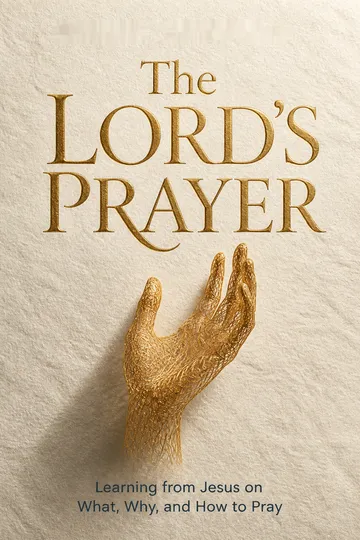
The Lord's Prayer by Wesley Hill receives high praise from reviewers for its insightful, accessible exposition of Jesus' model prayer. Readers appreciate Hill's theological depth, pastoral sensitivity, and ability to connect the prayer to contemporary issues. Many find the book helpful for personal devotion, small group study, and sermon preparation. While some note its brevity and occasional politically charged applications, most commend Hill's ecumenical approach and the book's beautiful presentation. Reviewers consistently recommend it as a valuable resource for understanding and praying the Lord's Prayer.
People Also Read









Glossary
Pater Noster
The Lord’s PrayerA Latin name for the Lord’s Prayer, meaning “Our Father.” The phrase takes its name from the prayer’s opening words and is used across Christian traditions. In this book, the prayer is treated as both a model Jesus gives his followers and a portrait of the relationship with God that Jesus embodies.
Basileia
God’s active reignThe Greek word commonly translated as “kingdom” in the Gospels. The book emphasizes that it can mean kingship or rule, not merely a territory. Jesus’ announcement of God’s basileia therefore points to God actively restoring and liberating the world through his ministry, with the full completion of that reign still awaited.
Peirasmos
Testing or temptationA Greek term used in the Gospels for trial or temptation. The book uses it to examine the prayer asking for deliverance from the time of trial. Its meaning can include both the testing of faith and enticement toward evil, so the context matters when interpreting the petition.
Eucharist
Christian CommunionThe Christian rite in which bread and wine are received as signs of Christ’s body and blood. The book connects the Eucharist with the petition for daily bread because churches often pray the Lord’s Prayer just before Communion. In that setting, the request for sustenance is joined to the reception of Christ’s life given for the faithful.
Doxology
A statement of praiseA form of praise that names God’s glory, power, or reign. The book treats the closing words about the kingdom, power, and glory as a shift from asking for particular gifts to honoring God as the ultimate good. It presents praise as the fitting end of the prayer and the horizon of Christian hope.
Original sin
Humanity’s pervasive brokennessA Christian theological account of sin as a condition deeper than individual misdeeds. In the book’s discussion, it explains why people continue to need forgiveness even after baptism or real moral growth. Sin includes failures to love fully, including harms committed through ordinary choices and responsibilities neglected.
Already-but-not-yet
Victory begun, completion awaitedA theological description of God’s reign as genuinely inaugurated through Jesus’ life, death, and resurrection, while not yet fully visible or complete. The book compares this to a decisive military foothold secured before the final surrender: the outcome is understood as settled, although suffering continues during the interval.
Download PDF
Download EPUB
.epub digital book format is ideal for reading ebooks on phones, tablets, and e-readers.








