

Plot Summary
Prologue
Molly remembers a story her grandmother told about a maid who tries on three discarded pairs of shoes. Each carries her into the life of its former owner: a lonely stable boy, a belle abandoned by a prince, and a rich woman who feeds on other people’s unhappiness.
The maid returns to her own life with a clearer sense of what she has and what matters. Her grandmother’s lesson is that love, even when it comes from only one person, can make a hard life worth living.
The shoes make empathy physical: the maid does not merely imagine other lives, she briefly inhabits their loneliness and cruelty. Yet the story is not a simple argument for accepting hardship. The maid’s return to her own life matters because she can now distinguish material comfort from emotional connection. The parable also introduces the book’s recurring habit of disguising painful history as a fairy tale. Its lesson will prove both comforting and incomplete: love sustains people, but it does not erase injustice or make the past harmless.
The Egg in Molly's Box
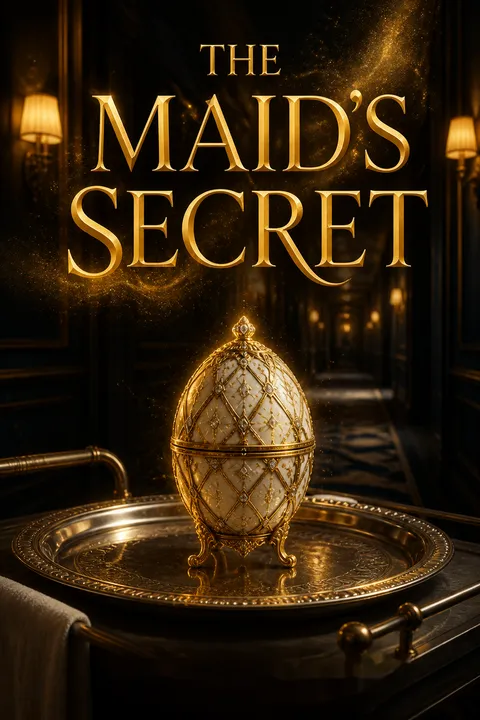
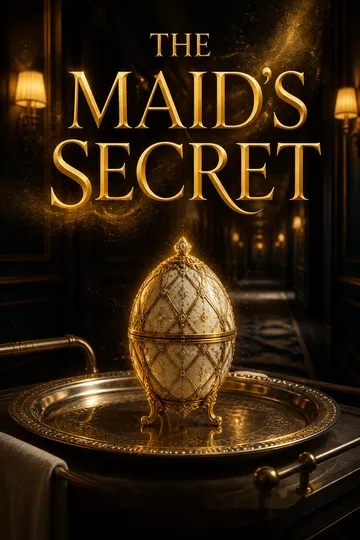
Molly Gray, head maid at the Regency Grand, brings her late grandmother’s keepsakes to a televised appraisal, including an ornamental egg she had thought worthless. Appraisers Baxley Brown and Thomas Beagle identify it as a unique Fabergé prototype, its jewels and gold making it worth millions.
Molly faints beneath the cameras, overwhelmed by the sudden attention and the news that her heirloom could change her and fiancé Juan Manuel’s strained finances. The egg had come to her years earlier from a gardener clearing the mansion where Molly and her grandmother once worked. What looked like a sentimental trinket has become a public spectacle, and Molly’s private family history is suddenly an object of worldwide interest.
The appraisal turns the book’s central metaphor into a material fact: value can remain hidden in an object everyone has dismissed. But the discovery does not simply reward Molly. It converts her into a spectacle, exposing the distance between what she knows about the egg and what the audience wants her to represent. Her faint is a bodily refusal of instant celebrity, not a response to greed. The moment also raises the novel’s central question of ownership: whether possession, provenance, memory, or law gives an object its true value.
A Fortune Becomes a Trap
After the appraisal goes viral, strangers crowd Molly at work, callers flood her phone, and guests interrupt her cleaning for photographs. A man in a trench coat tries to obtain her address at the hotel, while Cheryl, a coworker, sells Molly’s image and contact details online.
Juan supports Molly but begins imagining a larger wedding and a better home; their landlord, meanwhile, gives them eight weeks to buy their apartment or lose it to a condominium sale. Brown and Beagle urge Molly to auction the egg, and she agrees because she wants the attention to end. The first sale is scheduled at the Regency Grand, turning a family keepsake into a high stakes public event.
Molly experiences wealth first as a loss of boundaries. People who formerly passed her without noticing now treat access to her as a perk, while her coworker converts recognition into profit. Juan’s hopeful plans are understandable, but they reveal how quickly a windfall can become a script written by other people. The apartment threat makes the pressure concrete: money might secure a home, yet the promise arrives before the money exists. Molly’s choice to sell is less an embrace of riches than an attempt to recover her ordinary life.
The Auction Ends Empty
At the live auction, Brown raises the bidding to ten million dollars, and the gavel falls on a winning offer. As the lights rise, Juan spots that the egg has vanished from its display case. Detective Stark seals the tearoom and examines the stage, where the case had been placed over a central vacuum outlet.
Molly and Angela trace the outlet to the greenroom and the system’s collection canister, but find no egg there. Instead, a typed card warns Molly that she will die if she finds it. The sale is void because the work cannot be delivered, leaving Molly with neither the promised fortune nor an explanation for the theft. A hidden feature of the hotel has become the first physical clue.
The theft reverses the appraisal’s fantasy of sudden security. The egg is both extraordinarily valuable and physically vulnerable, while Molly is left holding the risk without the reward. The vacuum system is a particularly apt clue in a hotel where cleaning is usually invisible: the machinery that removes dirt has become a route for removing treasure. The threat’s focus on Molly is unsettling because she is not the investigator or the auctioneer. Her work has made her the person who knows the hotel’s overlooked spaces, placing her at the center of a crime she did not choose.
A Mother in the Alley
A black car follows Molly on her walk home and corners her in an alley. Its driver is Maggie, the estranged woman who once visited Molly as a child and stole the rent money from the table. Maggie says she used to work at the Grimthorpe mansion, knew the egg there, and recently shared information about Molly with a dangerous former employer.
She warns that a hired gang stole the egg and may kill Molly if it is found, then asks Molly for money. Molly refuses, shaken by the familiar mixture of alarm and self-interest. At home, she tells Juan, Angela, Detective Stark, and retired doorman Mr. Preston what happened. Mr. Preston gives her Flora’s locked diary, and Molly opens it with her grandmother’s old key.
Maggie’s warning is difficult to separate from the harm she has already caused. Molly must weigh genuine danger against a history that has taught her not to trust this woman’s motives. The request for money undercuts the possibility of uncomplicated reconciliation, forcing Molly to protect herself without denying Maggie’s vulnerability. The diary shifts the search from external evidence to inherited memory. Its lock makes the family past tangible, while the key that Molly had treated as figurative proves to have a literal function. To understand the egg, she must finally hear what her grandmother withheld.
Flora's Golden Cage
The diary takes Molly back to her grandmother’s youth, when Flora Gray lives at Gray Manor under parents who prize status and appearance over her education. At seventeen, Flora persuades them to let her prepare for university exams, despite their belief that a girl’s future should be marriage. At school she meets John Preston, son of her family’s butler, and initially treats him with the class prejudice she has learned at home.
He challenges her vanity, offers to study together, and reminds her of a childhood kindness she had forgotten: he once repaired her torn storybook and left it in a tree hollow. Flora’s ambition gives her a glimpse of freedom, but her home and schooling remain governed by the same rigid hierarchy.
Flora’s privilege is real, but it cannot protect her from the gendered limits her parents impose. Her education becomes an early test of whether she can imagine a self beyond the role assigned to her. John’s presence exposes another contradiction: she receives tenderness from workers while repeating the contempt of her own household. His repaired book is an intimate counterexample to the family’s transactional view of care. Flora’s recollection also clarifies how later choices will be shaped by a deep hunger for approval, not simply by attraction or ambition.
The Wrong Heir
At a Workers’ Ball, Flora reconciles with John and dances with him, feeling the ease of a closeness built over years. But her parents introduce her to Algernon Braun, the glamorous son of financier Magnus Braun, whose family hopes to join its fortunes with the Grays.
Flora becomes enthralled by Algernon’s attention, though Mrs. Mead hears a troubling account of his behavior toward another young woman. Flora dismisses the warning and lets her parents’ approval overrule her unease.
On their first date, Algernon pushes past her hesitation until Mrs. Mead and John interrupt at the drive-in. Flora is relieved, but later returns to the relationship. After the Brauns offer a Fabergé egg as a betrothal gift, she accepts Algernon’s proposal, while John’s education and her own ambitions slip from view.
Flora mistakes being chosen by a powerful family for being loved by one. Algernon’s glamour works partly because it offers what her parents have withheld: visible approval and a sense that she can secure their affection. John, by contrast, knows her without turning her into an asset, but his familiarity feels less intoxicating than the social elevation she has been taught to crave. The warnings are not absent; Flora actively refuses their meaning. The engagement therefore grows from a psychological bargain in which belonging is purchased at the cost of her own judgment.
A Shot in the Woods
During a hunt at Gray Manor, Mrs. Mead rushes into the woods after learning that Algernon has cornered Penelope, a maid he recognizes from a household where art once went missing. A gunshot kills Mrs. Mead, and the Brauns protect Algernon as police question the hunters. At the funeral, Penelope tells Flora that Algernon assaulted and threatened her, and that Mrs. Mead had gone to confront him.
Flora ends the engagement, but her parents refuse to believe her and Reginald Gray tries to force her to obey. Flora escapes to John beneath the old oak tree. He comforts her, gives her Mrs. Mead’s locked diary, and Flora finally admits that she loves him. They choose each other, even as grief and the danger surrounding Algernon remain unresolved.
Mrs. Mead’s death makes the cost of ignored testimony impossible to keep abstract. Flora’s parents protect the powerful because doing so preserves their financial hopes, while the vulnerable people around them have already supplied credible warnings. Penelope’s account breaks Flora’s enchantment, but recognition arrives after irreversible harm. Her choice of John is therefore not a convenient romantic correction. It marks a shift from seeking approval within an unjust system to trusting those who have shown care through action, even when that choice threatens her place in her family.
The Birth House and the Egg
Flora becomes pregnant, and John proposes marriage, but she fears that staying with him will cost him the university future she once abandoned. After Reginald discovers the pregnancy, he expels John and Uncle Willy and strikes Flora. She tells John to settle elsewhere and promises to join him, then lets her mother send her to a rural birth house instead.
There, the girls are forced to labor, and Flora witnesses a young mother die in childbirth. She escapes, only to find Gray Manor sold and her parents gone. The new owner, Mrs. Peterson, hires her as a maid. Flora gives her the Fabergé to sell; Mrs. Peterson passes it to a writer, J. D. Grimthorpe, and pays Flora only a small sum.
Flora’s decision to leave John is an act of love shaped by the same class system that has narrowed her choices. She believes sacrifice will protect his future, but the separation instead leaves her isolated and dependent on people who exploit her labor and property. The birth house makes respectable family control visible as an institution that disciplines poor and unmarried women while profiting from their work. The egg changes hands through this same unequal world. Its history is not a clean chain of rightful ownership, but a record of power, secrecy, and survival.
A Daughter Raised in Secret
After escaping the birth house, Flora returns to the city, gives birth to Maggie, and raises her while working as a maid. John later finds them, but he has married Mary; the two women become friends, and John and Mary quietly help Flora when they can. Maggie grows up, struggles with addiction, and leaves her own daughter Molly in Flora’s care.
Flora raises Molly, secures her a job at the Regency Grand through John, and keeps her past hidden behind stories and household sayings. Near the end of her life, she gives John the diary and key for Molly to receive when she is ready. In the present, Molly reads enough to understand that the egg’s history is entangled with the families of the appraisers.
Flora’s life becomes a chain of care passed between women who have been failed by their families: Mrs. Mead nurtures Flora, Flora raises Maggie and then Molly, and Mary supports Flora without treating her as a rival. The secrecy surrounding this care has two faces. It protects Molly from painful history, but it also deprives her of the context that might help her understand herself. The diary’s delayed arrival reflects Flora’s recognition that truth needs both a recipient and a moment when the recipient can bear to act on it.
The Trolley's Second Secret
While Molly stays home for safety, Mr. Snow summons her back to the hotel: the Fabergé has appeared inside her housekeeping trolley, hidden among neatly stacked toilet paper. Angela and Lily found it after a spilled drink forced them to dismantle the stack. Detective Stark concludes that someone planted it deliberately, then discovers a second message ordering Molly to sell the egg or die.
The return does not resolve the theft; it makes the threat more specific. Molly and Stark consult Brown and Beagle, who confirm that art is sometimes returned after a theft but cannot explain this case. Reading Flora’s diary, Molly connects the Brauns to the Beagle family and proposes a staged auction to expose whoever is manipulating the sale.
The egg’s return turns an apparent recovery into a new form of coercion. Whoever placed it in Molly’s trolley knows her routines and wants her to act publicly, while the paired threats make both refusal and compliance seem dangerous. Molly’s work knowledge again becomes evidence: the trolley’s arrangement and the vacuum system matter because she understands the hotel from the inside. Her decision to stage another sale shows a change from passive exposure to deliberate participation. She uses the machinery of celebrity and appraisal as bait, rather than allowing those forces to dictate her choices.
The Diary Names the Line
Molly traces the family names in Flora’s diary: Magnus and Algernon Braun stole the egg from a baron, while Beagle’s grandfather was a baron and art collector. Baxley Brown is descended from Algernon, and Thomas Beagle from the baron. The diary also explains how the egg passed from Flora to the Petersons, then to Grimthorpe, before Jenkins gave it to Molly.
Detective Stark believes the appraisers may be hiding a connection but cannot question them without evidence. Angela proposes a sting: Molly will offer the egg for sale again, while police and hotel staff secretly monitor the building. They arrange a private auction, create a false anonymous buyer, and hide cameras and microphones around the Regency Grand.
The diary makes family history function as investigative evidence, but its force comes from what institutions have failed to preserve. The public record cannot explain the egg’s movement; a woman’s private account can. The revelation also complicates inherited guilt. Baxley and Thomas are connected to the old theft through descent, yet their present choices remain their own. The sting tests that distinction by placing them under observation. Molly is no longer only the subject of other people’s stories. She helps construct the conditions under which hidden motives can become audible.
The Bee in Handcuffs
At the private auction, Juan holds the egg while bidding rises to thirteen million dollars, with Angela posing as the winning buyer. Molly joins Detective Stark and Speedy in the hidden surveillance suite, where they hear Brown and Beagle enter the greenroom. Their microphone cuts out, so Molly and Angela use the vacuum outlet beneath the stage to listen through the floor.
Thomas admits that he hired a criminal gang to steal the egg after recognizing it as his grandfather’s property. He returned it when he found the baron’s bill of sale, intending to sell it later for more. Stark arrests him on the recorded confession and threats. Baxley is devastated, but the bill of sale means the egg legally belongs to Thomas’s family.
The climax joins the book’s two systems of hidden knowledge: Molly’s practical familiarity with the hotel and Flora’s private record of the past. The vacuum port that concealed the first theft now carries the truth that exposes it. Thomas’s motive is not simply greed; he claims to be protecting his husband’s reputation, then repeats the family’s old pattern by treating the egg and its history as instruments for profit. Baxley’s shock prevents inherited wrongdoing from becoming an easy moral verdict. The evidence condemns Thomas’s choices, while the legal claim complicates the satisfaction of recovery.
A Wedding Without Windfall
Thomas pleads guilty and transfers the egg to Baxley as compensation; Baxley sells it to a museum rather than return it to private circulation. He gives Molly and Juan five hundred thousand dollars as a wedding gift, with no conditions. Their apartment is still lost to redevelopment, so Molly and Juan plan to stay with Mr. Preston while they search for a home.
Mr. Snow hosts their wedding at the Regency Grand, Molly wears a repaired vintage dress, and Flora’s Claddagh ring joins them. Cheryl improves after Molly offers her a place at the wedding and insists on better work. Maggie remains absent. The book closes with Molly surrounded by chosen family, a future secured not by the egg’s price but by the people who stand beside her.
The resolution refuses the easy equation between treasure and happiness. Molly does receive substantial money, but not from selling the egg, and it does not restore the apartment she loves. Security arrives through Baxley’s act of repair, Mr. Snow’s generosity, and the community’s practical care. Molly’s decision to include Cheryl also extends the novel’s moral logic beyond punishment: accountability can create a route back into belonging. The rings carry distinct histories into the marriage, turning inheritance into a shared obligation rather than a private possession.
Analysis
The novel tests the idea of value across objects, labor, family, and love. The Fabergé egg carries a price in the millions, but its history is produced by people who can conceal theft, rewrite ownership, or force poorer people to accept a fraction of what they are owed. Molly’s work as a maid gives her intimate knowledge of the hotel’s overlooked spaces, while Flora’s diary preserves a history that powerful families have had reason to bury. Together, those forms of knowledge solve a crime that professional expertise alone cannot explain.
The book also distinguishes care from possession. Flora’s parents treat her future as a business asset, and Algernon treats other people’s consent as an inconvenience. By contrast, John, Mary, Mrs. Mead, Juan, and Molly’s colleagues express love through sustained acts of help. That care is not flawless or uncomplicated: Flora’s secrecy protects Molly but also leaves her without crucial knowledge, and Molly’s instinct to include Cheryl must be balanced with consequences for Cheryl’s behavior. The story’s ethic is therefore not that love excuses harm. It is that accountability and generosity can coexist. Molly’s public transformation into a celebrity threatens the very traits that make her distinctive. The crowd wants a charming rags to riches figure, while Molly wants privacy, meaningful work, and a home with Juan. She does not become valuable when the egg is appraised; rather, the appraisal forces others to notice a worth that was already present. The ending refuses to make wealth the final measure of success. Molly and Juan still face displacement, but their future is supported by a network of people who choose to show up. The treasure that endures is not the object or its price, but the knowledge that care can be inherited, offered, and renewed.
Review Summary
The Maid's Secret receives mixed reviews, with many praising Molly's endearing character and the dual timeline exploring Gran's backstory. Some readers found it a satisfying conclusion to the series, enjoying the mystery and heartwarming elements. However, others felt disappointed, citing a departure from previous books and less focus on Molly. The story revolves around a valuable Faberge egg, a TV show filming at the hotel, and revelations from Gran's past. Overall, opinions varied on the balance between past and present narratives and the effectiveness of the mystery plot.
People Also Read






Characters
Molly Gray
The observant hotel maidMolly is the Regency Grand’s head maid and special events manager, a meticulous worker who trusts routines, direct language, and careful observation. She can miss figurative meanings while noticing details other people overlook, a combination that makes her both socially vulnerable and unexpectedly perceptive. Her grandmother’s teachings shape how she thinks about work, love, fairness, and possessions. Molly values her fiancé, her colleagues, and her modest home more than status, but sudden fame forces her to defend those values in public. Her determination to return to ordinary life is not a rejection of ambition; she wants a life she has chosen, in which generosity and competence matter more than spectacle.
Flora Gray
Molly's storytelling grandmotherFlora is Molly’s grandmother, a former heiress who becomes a maid and later raises Molly. She is intelligent, literary, and shaped by both privilege and deprivation. As a young woman, she longs to study and write, yet she has been trained to seek approval from parents who prize wealth and social rank. Her stories and sayings are attempts to pass hard won knowledge to Molly without exposing her to every wound at once. Flora’s account reveals a person capable of shame, prejudice, sacrifice, and deep tenderness. She is not an effortless moral guide; her wisdom comes from mistakes she understands only after living through their consequences.
Juan Manuel Morales
Molly's steady fiancéJuan is a pastry chef at the Regency Grand and Molly’s devoted fiancé. Warm, optimistic, and physically affectionate, he often meets uncertainty by imagining the good things a new opportunity might make possible. His hopes for a larger wedding and a more secure home come from years of financial strain, not vanity. He also knows when Molly needs reassurance rather than advice, and his loyalty holds firm through the egg’s theft, public attention, and danger. Juan’s cooking, humor, and daily rituals offer Molly a form of stability that no appraisal can measure. His partnership is built on mutual care rather than rescue or control.
John Preston
The loyal hotel doormanJohn is the retired doorman of the Regency Grand and one of Molly’s most trusted elders. In his youth, he is the son of a household servant, intelligent and proud of his background, with a strong belief in education and fairness. He is patient with Flora even when she treats him unjustly, and his care tends to appear in practical acts rather than displays. As an older man, he remains reserved and attentive, carrying family history that Molly has not fully understood. He provides continuity between the hotel, Flora’s past, and Molly’s present, while his quiet loyalty stands in sharp contrast to the status seeking behavior surrounding the Fabergé.
Maggie Gray
The absent motherMaggie is Molly’s estranged mother, a woman whose early life was marked by instability and addiction. She is difficult to trust because affection and self-interest have often arrived together. Her appearances unsettle Molly’s carefully ordered sense of family, and her history links the present danger to events at the Grimthorpe mansion. Maggie is neither a simple villain nor a dependable source of comfort. Her choices have lasting consequences for both Molly and Flora, and her struggle to explain herself reveals how pain can be real without excusing the harm it causes.
Angela
The fiercely loyal friendAngela works as a bartender at the Regency Grand and is Molly’s closest friend. Blunt, energetic, and fiercely protective, she is quick to challenge anyone who exploits Molly, including coworkers and television producers. Her practical intelligence emerges beneath her jokes, especially when she helps organize the search for the egg and proposes the auction sting. Angela dreams of joining the police, and the investigation gives her a chance to exercise the instincts she believes she has. Her friendship is affectionate but not indulgent; she pushes Molly to recognize danger while respecting her right to choose.
Detective Stark
The unsentimental investigatorDetective Stark investigates the Fabergé theft and is familiar with the Regency Grand from an earlier case. She is direct, skeptical, and impatient with theatrical explanations, preferring evidence that can withstand scrutiny. Her professional caution sometimes makes her underestimate how much Molly and Angela can contribute, but she gives them room to help when their knowledge proves useful. Stark’s steady attention to procedure contrasts with the chaotic celebrity and auction machinery around her. She treats Molly as a victim and a witness, not merely as a curious bystander.
Baxley Brown
The celebrated art appraiserBaxley Brown is one half of the television appraisal duo Brown and Beagle. Tall, polished, and comfortable performing for an audience, he knows how to turn expertise into entertainment. His identity is shaped by a prestigious family history and by his desire to distinguish his own professional conduct from older family dealings. Baxley enjoys the rewards of celebrity and commerce, but he is also capable of loyalty and moral discomfort. His relationship with Thomas Beagle makes the divide between public charm and private trust especially consequential.
Thomas Beagle
The sharp eyed appraiserThomas Beagle is the smaller, quick witted half of the appraisal team and Baxley’s husband. He brings an expert eye to jewels, provenance, and historical detail, while his theatrical humor helps make the television show popular. His attachment to family history is intense, and he is deeply concerned with the reputation inherited from earlier generations. Thomas can be perceptive about objects yet less honest about what his own motives demand. His polished performance makes it difficult for others to know where professional confidence ends and private calculation begins.
Algernon Braun
The privileged suitorAlgernon is the son of financier Magnus Braun and a favored member of the wealthy social world Flora inhabits. Handsome, bold, and practiced at making people feel singled out, he attracts Flora at a moment when she is desperate for her parents’ approval. He treats rules as obstacles for other people and expects his family’s influence to soften consequences. Algernon embodies the glamour that Flora has been taught to mistake for security. His public charm and private entitlement make him a dangerous judge of what he believes others owe him.
Margaret Mead
The household's true caretakerKnown as Mrs. Mead, Margaret is Flora’s nursemaid and a source of warmth, discipline, and practical wisdom. She is the sister of William Preston and the aunt of John, and she cares for Flora beyond the limits of her paid role. Her kindness does not make her passive: she notices danger, defends vulnerable workers, and speaks plainly when powerful people would prefer silence. Mrs. Mead’s kitchen and cottage offer Flora an alternative model of home, one built on labor freely shared and affection given without calculation.
William Preston
The steadfast family butlerWilliam, whom Flora calls Uncle Willy, serves the Gray household while remaining closely connected to his sister Margaret and son John. A former caretaker with a practical knowledge of land and labor, he carries himself with dignity despite the hierarchy that confines him. He is protective without being sentimental and takes responsibility for the people who depend on him. His presence reveals how the Gray family’s public generosity can coexist with private condescension toward the workers who sustain its home.
Reginald Gray
The collapsing patriarchReginald is Flora’s wealthy father, head of Gray Investments, and the force who governs Gray Manor. He believes money confers authority and that family standing should determine a daughter’s future. His affection for Flora can be genuine, but it is conditional on her serving the family’s interests. As financial trouble threatens his firm, his dependence on alliances exposes the fragility beneath his command. Reginald represents a social order that mistakes control for care and benevolence for a debt owed by those it employs.
Audrey Gray
The status bound motherAudrey is Flora’s mother, a socially ambitious woman who measures security through beauty, marriage, and proximity to wealth. She is herself constrained by her marriage and her dependence on the Gray name, but she passes those limits on to her daughter as advice. Her tenderness appears inconsistently, making Flora hunger for approval even when Audrey’s attention is damaging. Audrey illustrates how people harmed by a hierarchy may still protect and reproduce it when their own status depends on its survival.
Penelope
The frightened maid in trainingPenelope is a young maid in training at Gray Manor, inexperienced in the household’s complicated service routines. Her earlier employment placed her near the world of wealthy art collectors, and she carries knowledge she is afraid to share. Flora’s parents regard her as disposable help, while Mrs. Mead recognizes her need for protection. Penelope’s limited power makes her testimony precarious, but her willingness to speak becomes an important measure of whether Flora can trust what she sees rather than what her family wants her to believe.
Cheryl
The unreliable coworkerCheryl is a maid at the Regency Grand whose shortcuts, pilfering, and self promotion frustrate Molly and her colleagues. She is often more interested in her phone or a quick advantage than in the work assigned to her. Beneath her antagonism lies a sharp awareness of being excluded, though she expresses that hurt through behavior that gives others reason to distrust her. Cheryl provides a difficult test of Molly’s leadership: compassion does not remove the need for boundaries, and inclusion requires responsibility from both sides.
Mr. Snow
The exacting hotel managerMr. Snow manages the Regency Grand and supervises Molly’s work. Formal and attentive to the hotel’s reputation, he can initially assume that money will change an employee’s loyalty. He also respects Molly’s competence, relies on her judgment, and tries to protect the staff when the appraisal turns into a media circus. His relationship with Molly shifts between managerial caution and genuine care, reflecting the hotel as both a workplace governed by rules and a community capable of generosity.
Speedy
The eager young doormanSpeedy is the Regency Grand’s young doorman, energetic, gangly, and devoted to film and video production. His fast speech and malapropisms often leave Molly uncertain what he means, but his enthusiasm is sincere. He hopes to work in the film industry and treats the television shoot as a rare opportunity to learn. His technical confidence later makes him useful in the investigation, showing that his distracted manner does not mean he lacks skill or commitment.
Jenkins
The Grimthorpe gardenerJenkins worked as a gardener at the Grimthorpe mansion and knew Molly when she was a child. After the owners died, he offered Molly the ornament she had admired, believing it to be worthless. His practical kindness unintentionally carries an old household secret into her present life.
Serena Sharpe
The mansion's new inheritorSerena is connected to the Grimthorpe estate through her mother and later oversees the clearing of its contents. She appears publicly after the egg’s appraisal and recognizes that Molly has a fair claim to what was given to her. Her perspective adds a rare note of fairness to a world where family property and ownership are often disputed.
Percival Peterson
Flora's sharp tongued classmatePercival is a wealthy schoolmate who initially mocks Flora and John, then tries to ingratiate himself with Flora once he learns her family name. He is socially nimble but academically uncertain, and his shifting manner exposes how readily status changes the way people behave.
Mrs. Peterson
The new manor ownerMrs. Peterson buys Gray Manor after the Gray family’s financial collapse and offers Flora work when she returns pregnant and homeless. Her practical kindness gives Flora a temporary foothold, though her household later becomes part of the egg’s complicated passage between owners.
Amelia
Flora's kind bunkmateAmelia is one of the young women Flora meets at the birth house. Gentle and curious, she listens to Flora describe Gray Manor and treats her with warmth despite the differences in their backgrounds. Her experience forces Flora to see how little protection the other women have.
Mrs. Lynch
The birth house matronMrs. Lynch runs the rural birth house where Flora is sent. Stern and mercenary, she turns the residents’ labor into income while offering them little comfort or control. Her institution exposes the harsh conditions imposed on unmarried pregnant women.
Mary Preston
John's generous wifeMary is John’s wife, a warm and generous woman who befriends Flora despite the history between them. She supports Flora and her daughter without making the help feel like a debt. Mary’s presence offers a model of love that does not depend on possession, rivalry, or public recognition.
Plot Devices
The Fabergé egg
Inheritance and disputed ownershipThe jewel encrusted egg links Molly’s present life at the Regency Grand to Flora’s concealed history. Its changing owners expose the distance between sentimental attachment, legal title, and the power to keep or sell a valuable object. Molly regards it as a reminder of her grandmother, while appraisers and thieves see money, provenance, or a family claim. Each transfer reveals another layer of social history, making the egg both the mystery’s central object and a measure of how people behave when they believe something valuable is within reach.
The locked diary and key
A past withheld until readinessFlora’s diary is locked with the old key Molly has kept since childhood. Its entries recount the family history Flora concealed, connecting her choices to Molly’s present danger. The diary serves as both a personal inheritance and a source of evidence: its intimate account supplies context that public records and appraisers cannot. Its delayed opening also gives Molly a choice about when to confront the past, turning inherited knowledge into something she must actively accept and use.
The hotel vacuum system
A hidden route and listening postThe Regency Grand’s central vacuum outlets are installed to make cleaning easier, but the stage outlet sits beneath the egg’s display case. The system provides a concealed route used in the theft and leaves investigators a clue in the collection canister. Later, Molly recognizes that sound can travel through the same infrastructure, allowing her and Angela to listen to the appraisers in the adjoining greenroom. A mundane tool from Molly’s work becomes the mechanism that first hides the crime and eventually helps expose it.
The staged auction
A lure for hidden motivesAfter the egg is returned with a threat demanding its sale, Molly agrees to a second private auction as part of Detective Stark’s sting. The bidding appears genuine, but Angela poses as the anonymous buyer while hidden cameras and microphones monitor the hotel. The auction draws Thomas Beagle into the greenroom with Baxley Brown, where their private conversation reveals why the theft and return occurred. The device turns the public spectacle that once overwhelmed Molly into a controlled investigative trap.
Flora's parables and sayings
Lessons carrying hidden historyFlora teaches Molly through stories about maids, princes, discarded shoes, and household objects, as well as through short sayings about love, value, and caution. Molly first treats these as useful rules for daily life, but the diary reveals how they grew from Flora’s own experiences. The stories let Flora speak indirectly about class, grief, and choices she could not explain to a child. They also shape Molly’s habits of interpretation, helping her connect small details while sometimes leaving her too ready to accept a lesson without knowing its origin.
FAQ
Synopsis & Basic Details
What is The Maid's Secret about?
- Maid discovers priceless treasure: Molly Gray, a meticulous maid at the Regency Grand Hotel, lives a quiet life until a golden egg she inherited from her grandmother is revealed on a TV show to be a priceless Fabergé prototype worth millions.
- Sudden fame brings chaos: Thrust into the spotlight, Molly's life is turned upside down by media attention, opportunists, and threats, forcing her to grapple with the true cost of wealth and visibility.
- Unlocking family secrets: A mysterious diary left by her late grandmother, Flora Gray, reveals a hidden history of privilege, lost love, betrayal, and sacrifice, connecting the egg to a generational saga of class, deception, and resilience.
Why should I read The Maid's Secret?
- Intriguing blend of genres: The novel masterfully combines a cozy mystery, a family saga spanning generations, social commentary on class and fame, and a touch of romance, offering a rich and layered reading experience.
- Deep dive into character and theme: Beyond the central mystery of the Fabergé egg, the story provides a profound exploration of empathy, inheritance (both material and emotional), the nature of true value, and the enduring power of love and forgiveness.
- Unique narrative voice: Told through Molly's distinct, literal-minded perspective interwoven with her grandmother's poignant diary entries, the narrative offers fresh insights into human nature and societal dynamics, making for a compelling and thought-provoking read.
What is the background of The Maid's Secret?
- Set in a grand hotel: The primary contemporary setting is the opulent Regency Grand Hotel, a character in itself, with its Art Deco splendor, hidden corridors, and diverse staff, serving as a microcosm of society and a stage for dramatic events.
- Explores class and social mobility: The story delves into the historical context of class divisions in England, contrasting the lives of the wealthy elite (like the Grays and Brauns) with those in service (like the Prestons and Mrs. Mead), and examining the challenges of social mobility across generations.
- Critiques reality TV and fame: The plot is catalyzed by a popular reality TV show, "Hidden Treasures," which brings the world of celebrity and media scrutiny into Molly's quiet life, highlighting the superficiality and invasiveness of modern fame.
What are the most memorable quotes in The Maid's Secret?
- "All that glitters isn't gold.": This recurring phrase, a favorite of Molly's gran, serves as a central theme, cautioning against valuing superficial appearances or material wealth over true substance and character, particularly relevant to the Fabergé egg and the wealthy families in the story.
- "Beauty is in the eye of the beholder.": Another of Gran's sayings, this quote emphasizes subjective value and perspective, initially applied to Molly's sentimental attachment to her grandmother's seemingly worthless trinkets, but gaining deeper meaning in the context of hidden treasures and overlooked people.
- "Love cannot be stolen. Not by anyone.": From Gran's final diary entry, this powerful statement encapsulates the ultimate theme of the novel, asserting that while material possessions and even life itself can be taken, the intangible treasure of love is invulnerable and endures beyond all loss.
What writing style, narrative choices, and literary techniques does Nita Prose use?
- Distinctive first-person narration: The novel is primarily told from Molly's perspective, characterized by her literal interpretation of language, meticulous attention to detail, and earnest, often naive, voice, which provides both humor and poignant insight into her experiences.
- Epistolary structure via diary entries: Interspersed throughout Molly's narrative are chapters from her grandmother Flora's diary, written in a more formal, reflective, and emotionally complex voice, creating a dual timeline that reveals parallel themes and historical context.
- Symbolism and recurring motifs: Prose employs rich symbolism, particularly with the Fabergé egg (representing inheritance, value, and danger) and shoes (representing empathy and perspective), along with recurring phrases and objects that weave together the past and present narratives.
Hidden Details & Subtle Connections
What are some minor details that add significant meaning?
- The vacuum port's crucial role: The seemingly mundane detail of the central vacuum system's outlet on the tearoom stage becomes the ingenious method used for the egg's theft, highlighting how everyday objects can be repurposed for unexpected, even criminal, ends.
- Cheryl's seemingly random pilfering: Cheryl's habit of taking small, seemingly worthless items from guests (like the rock star's underwear) foreshadows the idea that value is subjective and that even minor acts of dishonesty can have consequences, contrasting with the high-stakes theft of the egg.
- The specific items in Molly's shoebox: Beyond the egg, Molly brings her gran's teacup (symbolizing simple comforts and hidden history), souvenir spoons (representing unfulfilled dreams of travel), and a Swarovski swan (a small, delicate beauty), each hinting at different facets of Gran's life and values beyond the grand narrative.
What are some subtle foreshadowing and callbacks?
- Gran's story about the magical shoes: The opening parable foreshadows the novel's central themes of empathy, perspective, and finding value beyond appearances, setting up the idea that understanding others' lives (walking in their shoes) is key to appreciating one's own.
- The recurring phrase "All that glitters isn't gold": This quote, initially a simple piece of wisdom from Gran, subtly foreshadows the deceptive nature of wealth and status (represented by the golden egg and the wealthy families) and the hidden darkness beneath a glittering surface.
- Algernon's recognition of Penelope: The brief, unsettling moment when Algernon recognizes Penelope at the manor tea, coupled with her dropping the teacup, subtly foreshadows their shared, traumatic past and provides the crucial link that explains Mrs. Mead's fatal intervention.
What are some unexpected character connections?
- Mr. Preston's dual identity: The revelation that the hotel doorman, Mr. Preston, is Molly's grandfather and Flora's lost love, John, is a major unexpected connection, linking the contemporary hotel setting directly to the historical family saga and highlighting the enduring nature of their bond.
- The Bees' family lineage: The discovery that Baxley Brown is the descendant of the Braun family (Flora's cruel in-laws-to-be) and Thomas Beagle is the grandson of Baron Beagle (from whom the egg was likely stolen) creates a shocking, generational connection between the celebrity appraisers and Molly's family history.
- Penelope's link to the Baron: The seemingly minor character of Penelope, the maid-in-training, is revealed to have previously worked for Baron Beagle, providing crucial testimony that connects Algernon Braun to the theft of art from the Baron's estate, indirectly linking her to the egg's history.
Who are the most significant supporting characters?
- Mrs. Mead: Flora's nursemaid and John's aunt, Mrs. Mead is a pivotal figure representing unconditional love, resilience, and quiet strength, whose tragic death serves as a catalyst for Flora's escape and whose legacy of kindness and wisdom is passed down through generations.
- Penelope: Initially a minor character, Penelope's traumatic past with Algernon Braun and her connection to Baron Beagle's estate make her testimony crucial to uncovering the truth behind Mrs. Mead's death and the egg's provenance, highlighting the significance of seemingly insignificant lives.
- Speedy: The enthusiastic young doorman, Speedy, provides comic relief but also proves to be a surprisingly valuable ally due to his tech skills, which are essential for the sting operation, demonstrating that helpfulness and loyalty can come from unexpected sources.
Psychological, Emotional, & Relational Analysis
What are some unspoken motivations of the characters?
- Gran's protective secrecy: Flora's decision to keep her past hidden from Molly, saying "Let sleeping dogs lie," is motivated by a deep desire to shield Molly from the pain and shame she experienced, believing that burying the past is the only way to protect her granddaughter.
- Algernon's need for control: Algernon's predatory behavior and threats towards Penelope and Flora are driven by a need for dominance and control, stemming from a sense of entitlement and a fear of exposure for his past crimes, revealing a deep-seated insecurity beneath his charming facade.
- Beagle's loyalty to family reputation: Thomas Beagle's decision to steal and return the egg is primarily motivated by a fierce, albeit misguided, loyalty to his grandfather's legacy and a desperate attempt to protect his family's (and his own) reputation in the art world from the taint of theft.
What psychological complexities do the characters exhibit?
- Molly's struggle with identity and visibility: Molly's journey explores the psychological impact of sudden fame on someone accustomed to invisibility. Her literal-mindedness and discomfort with attention highlight the internal conflict between her desire for a simple life and the external pressures of celebrity, leading to anxiety and a questioning of her own worth.
- Flora's internal conflict and self-deception: Flora's diary reveals her complex psychological state, torn between her genuine love for John and her desperate need for her parents' approval, leading her to deceive herself about Algernon's true nature and make choices driven by fear and societal pressure rather than her heart.
- Maggie's cycle of trauma and regret: Molly's mother, Maggie, exhibits the psychological complexities of addiction and unresolved trauma. Her fleeting reappearance and confession reveal a life haunted by regret and a struggle for redemption, highlighting the intergenerational impact of the past.
What are the major emotional turning points?
- Molly's fainting spell on stage: Molly's physical reaction to the news of the egg's value is a major emotional turning point, symbolizing the overwhelming shock and anxiety that sudden wealth and public attention trigger in her, marking the end of her invisible life.
- Flora's realization about Algernon and Penelope: Penelope's confession about Algernon's assault and threat is a critical emotional turning point for Flora, shattering her self-deception about her fiancé and her family's values, leading to her decision to break the engagement and escape the manor.
- Molly reading Gran's diary: Discovering and reading Gran's diary is a profound emotional turning point for Molly, providing her with a deep understanding of her family history, her grandmother's sacrifices, and the true meaning of love and resilience, transforming her perspective on her own life and inheritance.
How do relationship dynamics evolve?
- Molly and Juan's partnership under pressure: Molly and Juan's relationship evolves from a simple, loving partnership to one tested by external pressures of fame, wealth, and danger. Their bond is strengthened by mutual support and unwavering love, proving resilient against the chaos.
- Flora and John's enduring connection: Flora and John's relationship is a central dynamic, evolving from childhood friendship to forbidden love, separation due to class and circumstance, and eventual reunion, demonstrating that true connection can withstand time and hardship.
- Molly and her mother's complex bond: The relationship between Molly and her estranged mother, Maggie, is marked by absence and unresolved pain. Maggie's brief reappearance offers a glimpse into her struggles and motivations, highlighting the complexities of forgiveness and the lasting impact of maternal relationships.
Interpretation & Debate
Which parts of the story remain ambiguous or open-ended?
- The full extent of Maggie's current life: While Maggie reappears and confesses some of her past, her current circumstances, her level of recovery from addiction, and her future remain largely ambiguous after she drives away, leaving her fate uncertain.
- The specific details of Algernon's other crimes: Although Algernon is strongly implicated in assaulting Penelope, stealing from the Baron, and possibly causing Mrs. Mead's death, the narrative doesn't provide explicit, legally proven details of these events, leaving some aspects open to interpretation based on testimony and circumstantial evidence.
- The long-term impact of the sting on the art world: While Beagle is arrested and Brown aims for a new start, the broader implications of exposing the Braun/Beagle family's history of art theft on the high-end art world and auction houses are left open-ended, suggesting that such corruption may be deeply ingrained.
What are some debatable, controversial scenes or moments in The Maid's Secret?
- Flora's decision to leave John and the baby: Flora's choice to send John away and go to the birth house, believing she is protecting his future, is debatable. Some readers might see it as a selfless sacrifice, while others might view it as a tragic mistake driven by fear and internalized class prejudice, questioning if it was truly the "best thing" for everyone involved.
- Maggie's request for money from Molly: Maggie's appearance and immediate request for money after claiming to warn Molly about danger is controversial. It raises questions about her true motives – was she genuinely trying to protect her daughter, or was the warning a manipulative tactic to get funds?
- The Petersons' role in selling the egg: The Petersons' actions in taking the Fabergé from a pregnant, vulnerable Flora and selling it to the Grimthorpes, potentially keeping a large portion of the proceeds, could be seen as exploitative, sparking debate about their perceived kindness versus their opportunistic behavior.
The Maid's Secret Ending Explained: How It Ends & What It Means
- The Fabergé egg's fate: The egg is ultimately sold by Baxley Brown to a museum after Beagle signs over ownership. This means the egg, which caused so much turmoil, finds a public home, symbolizing that its history is no longer hidden and its value is shared, not hoarded.
- Molly and Juan's financial future: While the egg doesn't make them multimillionaires as initially expected, Baxley Brown gives Molly a substantial check ($500,000) as amends for his family's past actions. This means Molly and Juan gain significant financial security, allowing them to buy their apartment and achieve their modest dreams of homeownership, a more grounded form of wealth than the egg promised.
- The triumph of love and community: The novel concludes with Molly and Juan's wedding at the Regency Grand, surrounded by their chosen family of friends and colleagues. This signifies that despite the chaos and threats, their love endures and is celebrated by a supportive community, reinforcing the theme that relationships and belonging are the most valuable treasures, as Gran's diary ultimately revealed.
Molly the Maid Series
Download PDF
Download EPUB
.epub digital book format is ideal for reading ebooks on phones, tablets, and e-readers.








