

Plot Summary
Aphra Makes a Murdering Poppet
At eight, Aphra lives in the woods with Zillah and Damaris, the healers who found her as a baby beside the river. After Rufus Goode attacks her near a black pool, Zillah teaches Aphra to shape a clay figure using his hair and a red bloodstone.
The charm gives Aphra a spirit thread to the man, letting her direct pain into him. She imagines tearing out the poppet’s heart, then discovers that her anger can travel farther than she understood. The people caring for Aphra fear she has gifts beyond their own, but they have already shown her how to use them.
Aphra’s first exercise of power grows from an adult’s failure to protect her. The poppet makes revenge feel like a form of justice, while Zillah’s instruction gives a child’s rage a procedure and a tool. Yet the women’s care is compromised: they teach Aphra to use a dangerous art while recognizing that she may exceed their control. Her origin therefore refuses a clean division between protection and harm. The same household that offers refuge also equips her to answer violence with violence.
The Balefire Answers Back
At Beltane, Aphra asks the ancient hawthorn for a branch, but its thorns slash her face and refuse to break. Later, as the three women dance near their balefire, Aphra’s skirt catches and her thigh burns badly. Zillah treats the wound with honey and milk, while insisting Aphra send the pain into the poppet rather than cry out.
Soon Damaris reports that Goode’s heart has burst. Aphra had felt the spirit thread snap, and the news confirms that her charm killed him, not merely sickened him. She keeps the bloodstone as proof of what she can do, while the women’s unease replaces their pride.
The scene links two limits on Aphra’s power: the hawthorn refuses her, while the poppet obeys. That contrast matters because her magic is not simple mastery over nature. It works through particular connections, especially the intimate bond she has made with Goode. Zillah’s demand that Aphra convert pain into force also establishes a damaging discipline: endurance becomes a measure of worth, and suffering becomes usable fuel. Aphra learns not only that she can harm someone, but that grief and pain can be made to serve her will.
The Cottage Burns Twice
At ten, Aphra watches from the loft as villagers burn the cottage with Zillah and Damaris inside. She searches the woods for them, but men return later to burn the remains again so the women cannot rise through magic. The fire consumes Aphra’s home and bloodstone, and she begins living by foraging, stealing clothes, trapping animals, and moving before anyone can catch her.
She learns more of her craft from the Bonesman Micah and his apprentice, Absalom, while the spirits of dead children gather around her. Years of hunger and flight teach Aphra to trust neither shelter nor kindness for long.
Aphra’s survival begins with a double loss: the women who raised her are killed, and the object that anchored her earliest power disappears in their ashes. The villagers’ repeated burning shows fear trying to become certainty through ritual, a grim mirror of the protection spells they distrust. Aphra responds by making herself difficult to locate and emotionally difficult to reach. Her growing expertise is not a simple coming-of-age triumph. It is the adaptation of a child who has learned that moving on is safer than needing anyone.
The Bloodstone Returns
At sixteen, Aphra is caught as a vagrant and nearly branded, but the blacksmith recognizes her and refuses to carry out the punishment. Twelve years after the cottage burned, she finds her bloodstone in the clearing and crosses the river. During a fever, she reaches All Hallows churchyard and collapses outside its forbidden ground.
Cain Lankin, a disfigured man living alone in the marsh, finds her and nurses her back to health. Aphra discovers that Lankin cannot cross water, a fear rooted in the beatings and attempted drownings he suffered as a boy. The people who shunned her leave her to die; Lankin, himself feared, gives her shelter.
The bloodstone’s recovery reconnects Aphra to the child she was, but her meeting with Lankin shifts the story’s moral center. Both have been made outsiders by other people’s cruelty, yet Lankin’s response to Aphra is practical care rather than judgment. His terror of water also makes the marsh a prison, not merely a backdrop. The lychgate marks a threshold between worlds, while the social boundary around the churchyard keeps Aphra from refuge. Her entrance into Lankin’s life begins as an act of survival and becomes an attachment neither can easily escape.
A Child in the Marsh
Aphra and Lankin share the marsh hut for months, and she becomes pregnant, hoping to give their child the tenderness neither parent received. The baby is stillborn, and Lankin disappears during the birth. A local woman finds Aphra feverish and takes her to Guerdon Hall, where Sir Edmund needs a wet nurse for his infant son, John.
In the kitchen, servants boast about tormenting Lankin and letting dogs kill the coney he carried. Aphra understands that the creature they mocked has lost both his food and the child he had with her. She accepts work in the hall, but grief follows her inside.
The stillbirth makes Aphra’s longing for family inseparable from loss. Her desire to mother a child does not erase her own history; it sharpens it. Guerdon Hall then turns private grief into classed and gendered power: servants repeat the master’s cruelty as entertainment, while Aphra depends on the household that has harmed Lankin. Becoming John’s nurse places her close to a possible source of hope and revenge at once. The infant is both a child who needs care and an heir embedded in the family that has made Aphra powerless.
The Heir's Blood
Sir Edmund repeatedly forces his attentions on Aphra, while Kittie Wicken, another servant, suffers under his abuse and becomes pregnant. Aphra plans to cure Lankin’s leprosy with blood from the innocent infant John, collected in silver and used in an ancient charm. She also prepares a reckoning for Edmund.
On Lammas night, Lankin enters the kitchen through the log shaft, and Aphra begins the ritual with a silver dagger and bowl. Kittie interrupts; Lankin drinks before Aphra completes the words. John dies, Lankin kills Lady Ygurne with the dagger, and Aphra is arrested. The incomplete spell leaves its intended healing uncertain and makes the violence irreversible.
Aphra’s plan combines compassion with coercion. She wants to save Lankin, but chooses an infant’s blood without consent and makes Kittie a hostage when the ritual goes wrong. Her history of being acted upon does not prevent her from reproducing that structure of power. The charm’s failure is not just a supernatural technicality: Lankin’s impatience and Aphra’s desperate control collide, destroying the possibility of a cure. The result exposes the moral cost of treating love as permission to use another person’s body.
A Curse Survives the Fire
Imprisoned in All Hallows’ belfry, Aphra refuses to blame Lankin in exchange for mercy. She learns that Sir Edmund has already taken another wife and is seeking another heir. Before her execution, she vows that every future generation of Guerdons will suffer until the family line ends.
At the stake, she sees Lankin watching from the marsh, weakened by the unfinished spell. The north wind scatters her burned remains before they can be burned a second time, leaving her spirit uncontained. Aphra’s curse and Lankin’s lingering presence become part of the land around Guerdon Hall, where generations will try to keep them out.
Aphra’s refusal to save herself by accusing Lankin preserves one relationship even as she turns her pain into a threat against an entire lineage. The curse gives her a form of agency at the moment when the law has stripped away every ordinary choice. But it is also a continuation of the same logic that shaped her first poppet: injury answered through a bond that reaches beyond the original offender. The wind’s intervention leaves the curse without a settled ending. The past remains active because nobody can finish the ritual that would contain it.
The Hall Opens Again
In 1962, sixteen-year-old Cora Drumm moves back into Guerdon Hall with her eight-year-old sister, Mimi, and their father, Harry. The sisters carry memories of an earlier encounter with the marsh creature, though Cora tries to keep Mimi close and avoid speaking about it.
Harry wants to modernize the neglected house, and builders remove its protective trees, old charms, and objects hidden in chimneys and walls. Cora feels that the hall still holds its former dangers, while her new school and isolated home offer little comfort. The family’s return brings the last Guerdon descendants back within reach of the curse, just as the barriers around the house are dismantled.
Modernization is not neutral in this story. Harry treats the hall as a property problem, while its hidden objects form a protective system whose meaning he does not know. The house therefore embodies a conflict between visible improvement and inherited knowledge: the new wallpaper and heating cover, then expose, a history that the family has not processed. Cora’s reluctance is grounded in experience rather than superstition, but silence leaves her isolated. The return begins because the family needs a home, even as their repairs make the old house newly vulnerable.
Twigs at the Door
Aunt Kath becomes frightened by unexplained noises, strange women, and a bundle of twigs tied to the front door. She leaves for London, and Harry hires Ange Russell to look after the girls. Cora discovers broken pottery, hair, nails, and other foul material in the barn, then learns from Gideon Wragge that the objects were witch bottles designed to trap witches.
Wragge also explains that the cut trees and removed charms once protected the hall. Mimi recognizes the women as wardens from Saint Lazarus Hospital and secretly marks the doors with a protective sign. Cora sees Mimi’s secrecy as another family silence, not yet as evidence of a gift.
The signs of danger arrive through domestic objects rather than open attack: twigs, chalk, broken pottery, and a changed garden. Their meaning depends on local knowledge, and the adults who possess it either leave or withhold it. Mimi’s mark is an attempt to protect the family, but Cora initially reads it through the strained habits of an older sister who has taken responsibility for everything. Wragge’s account changes the renovation from background detail into cause. The danger grows because practical choices have removed protections that were never understood as protections.
Ange's Needlework Turns Dangerous
Cora reconnects with Roger Jotman, her childhood friend, and steals a county history volume from her school to trace Aphra’s story. Its letters reveal the historical killings and the Guerdon curse; they also show that Cora’s mother, Susan, is alive in an institution, despite the family’s claim that she is dead.
Meanwhile, Harry is stabbed during a fight in London. Cora finds a cloth doll in Ange’s room, made with Harry’s hair and shirt fabric, with pins placed where his wounds are. The discovery turns her suspicion into an urgent fear: Ange’s sewing can transmit harm across distance, and the same kind of dolls may be intended for Cora and Mimi.
The historical archive gives Cora a language for events that her family has treated as unspeakable, while also exposing how little she knows about her mother. The poppet makes that archive immediate: old magic is not merely a record of the past but a method operating in the present. Cora’s discovery of the doll does not make her omniscient; she still has to infer who is acting through Ange and how the spell works. Her trust in Roger becomes crucial because knowledge now needs to be shared, not hoarded.
The Wardens at Hilsea
Cora, Mimi, and Roger reach Saint Lazarus through deep snow and meet Mrs. Lailah Ketch and her niece Iris Jewel. Ketch explains that Aphra’s spirit has entered Ange, a vulnerable woman with her own history of bereavement, and that Mimi can perceive the spirit world.
She identifies the poppet as the link to Harry and warns that only a blood relative can sever its thread. The group buries Harry’s doll beneath the roots of a hawthorn in a churchyard, where the connection breaks. But the storm prevents Ketch and Jewel from accompanying them back to Guerdon Hall, and Aphra remains free to act through Ange.
Ketch and Jewel provide a counter-model to the secrecy that has governed the family: they explain their methods, acknowledge uncertainty, and include Mimi’s perceptions rather than dismissing them. Yet their help is not a complete solution. The blood relationship is both a vulnerability Aphra exploits and the means by which Cora can resist her. Mimi’s sensitivity carries responsibility she did not choose, so Cora’s insistence on taking the ritual work herself becomes an act of protection. Knowledge helps, but weather and time still constrain what the characters can do.
A Bottle from Blood
As the flood storm closes in, Cora, Roger, and Mimi return to the hall and find that Ange has made poppets from their clothes and hair. Before leaving, Cora had seen Ange’s doll of Harry and heard that he might not survive his injuries. In the barn, Cora cuts her hand on a rusted nail from one of the broken witch bottles.
She and Mimi put Cora’s blood, the girls’ hair and nails, iron, and glass into an old ginger-beer bottle, trying to recreate the protective charm. The bottle is a desperate safeguard rather than a sure answer. Rising water breaks into the barn, forcing them back toward the house.
The improvised bottle shows the protagonists turning inherited knowledge into collaborative action. Cora supplies blood, Mimi contributes her own body and perception, and Roger helps assemble the materials. None of them has the authority or experience of Ketch and Jewel, so the ritual feels less like mastery than a wager. Its physical ingredients matter: a broken nail causes Cora’s wound, and that wound becomes part of the charm. The storm compresses decision time, making the children’s willingness to act for one another more important than certainty.
The Hall Underwater
Inside the darkening hall, Aphra uses Ange and the poppets to strike at Cora and Mimi. Roger tears a doll from Ange’s grasp as Mimi begins to choke, and the three take refuge in Aunt Ida’s old kitchen. When Aphra lunges through Cora’s coat, the witch bottle traps her.
Roger throws it into the fire, separating Aphra from Ange, while Cora and Mimi pull the weakened woman away from the rising water. The storm tears open the house, and a flood surges through the rooms. Roger carries Ange, while Cora and Mimi struggle across the submerged bridge; the wave knocks them apart, but all reach higher ground as Guerdon Hall collapses.
The climax makes the house’s architecture both refuge and trap. The old kitchen hides the sisters, while the opened hall and broken chimney admit water and danger. Aphra’s attack on the dolls reduces people to vulnerable material connections, but the bottle reverses that logic by giving the spirit a container. Saving Ange after extracting Aphra matters: the story distinguishes a person from the force using her body. The flood then destroys the physical site of inherited harm, though survival comes through coordinated care rather than a clean, triumphant victory.
The Last Guerdon Spell
The Jotmans shelter the sisters after the flood, and news arrives that Harry has taken a turn for the better. Ange is alive but gravely ill and is transferred for specialist care. Before dawn, Roger and Cora return to All Hallows and bury the two dangerous poppets beneath the roots of the elder over Ida’s grave.
Mimi later goes back alone, finds the Aggie doll carrying Aphra’s presence, and pushes it deeper beneath the hawthorn at the lychgate. The roots tear the doll apart, releasing Aphra’s dying lights and ending her hold on the living. At sunrise, Cora and Roger stand together, with the family’s future no longer confined to the ruined hall.
The ending offers no restoration of the old household. Guerdon Hall is gone, Harry is recovering elsewhere, and Ange’s future remains uncertain. What changes is the characters’ relationship to the past: Cora and Roger act together, while Mimi makes a final choice of her own. Her return to the lychgate resolves the supernatural threat through recognition rather than force alone. Aphra’s release is not a vindication of her violence, but it ends the cycle in which her suffering keeps reproducing itself through the Guerdon line. Dawn marks possibility, not a guarantee that grief has vanished.
Analysis
The novel treats inheritance as more than blood or property. Guerdon Hall passes from one generation to another with its buried defenses, concealed records, and unresolved harms intact. Harry sees a dilapidated house to modernize; Cora gradually learns that its old architecture also stores practical knowledge about survival. The horror begins when renovation removes protections without replacing the understanding behind them.
Aphra’s story complicates the distinction between victim and aggressor. She is abused, dispossessed, and denied ordinary forms of justice, yet she answers those injuries by using other people’s bodies as instruments. Her magic makes private pain effective, but it cannot make revenge restorative. The repeated use of dolls sharpens this point: hair, cloth, and blood turn relationships into channels of control. The novel’s supernatural rules give emotional attachment a physical cost. The Drumm sisters inherit different responses to danger. Cora tries to protect Mimi by controlling information and movement; Mimi observes, keeps secrets, and develops a perception Cora cannot share. Both strategies are understandable, and both become inadequate when the threat requires cooperation. Their progress depends on learning to exchange knowledge without making the younger sister merely an object of protection. Roger and the wardens help by listening, explaining, and acting alongside them.
The novel also asks what care looks like when certainty is impossible. Ange’s tenderness is real even when she becomes vulnerable to a force using her, and the characters must separate the person from the danger without dismissing either. The ending does not repair every loss: the hall is destroyed, the family remains marked by grief, and Ange is seriously ill. Instead, Cora and Mimi break the immediate cycle through shared action. The sunrise offers a future they must build elsewhere, not a promise that history has been erased.
Review Summary
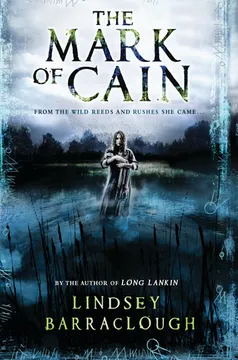
Reviews for The Mark of Cain are generally positive, averaging 3.83/5. Most readers praise the atmospheric, gothic writing and creepy folklore elements. Many found the historical flashbacks featuring Aphra Rushes compelling, with her backstory evoking unexpected sympathy. Common criticisms include slow pacing, loose plot threads, and the sequel feeling unnecessary compared to its predecessor, Long Lankin. Several readers noted the modern sections felt less engaging than the historical ones, while others appreciated the returning characters and authentic 1960s setting.
Characters
Cora Drumm
The wary family protectorCora is a sixteen-year-old East End girl who returns with her family to the isolated Guerdon Hall. She is protective of her younger sister, Mimi, partly because an earlier encounter with the house’s danger left her afraid of losing Mimi. Cora meets new threats with skepticism and practical attention, but she also hides her own fear and tries to carry family burdens alone. Her working-class speech and outsider status make her feel conspicuous at school and in the country village. Her curiosity about the hall’s history gradually becomes a form of responsibility: she learns to ask for help, trust Roger, and treat Mimi as a partner rather than someone to guard from every truth.
Aphra Rushes
The vengeful cunning womanAphra is a girl found beside a river and raised by two women who teach healing and magic. Childhood violence, the loss of her home, and years as a hunted outsider shape her distrust and her appetite for retaliation. She can see spirits, form magical bonds through personal objects, and enter the bodies of the dying. Yet she is not defined only by cruelty: she longs for family and feels genuine attachment to Lankin. Her central psychological conflict is the conversion of helplessness into control. Aphra’s spells promise to answer the injuries done to her, but each act of vengeance risks repeating the violation that first formed her.
Mimi Drumm
The quiet sensitiveMimi, Cora’s eight-year-old sister, is observant, guarded, and more comfortable drawing than explaining what she knows. Cora’s protectiveness has narrowed her social world, but Mimi’s silence is not emptiness; she notices things Cora misses and holds knowledge she is not ready to share. Her drawings, marks, and attention to the spirit world become ways of communicating when ordinary speech feels unsafe. Mimi’s relationship with Cora is loving but strained by Cora’s need to manage every danger. Her quiet courage grows when she is allowed to make choices and contribute her own understanding.
Roger Jotman
Cora's steadfast childhood friendRoger is Cora’s childhood friend, now an adolescent growing into a thoughtful and dependable young man. He shares the memory of what happened at Guerdon Hall years earlier, although the family’s silence has left those experiences difficult to discuss. Roger is observant, practical, and willing to act before he fully understands the danger. His affection for Cora is complicated by embarrassment and the awkwardness of their changed ages, but it does not diminish his loyalty. He gives Cora something more useful than easy reassurance: a witness who remembers, listens, and helps her carry out decisions.
Ange Russell
The lonely household helperAnge is a middle-aged widow hired to care for Cora and Mimi after Aunt Kath leaves. She is sociable, quick with a joke, and tender toward Mimi, especially through sewing and small domestic kindnesses. Her cheerful manner covers grief over a dead husband and baby, as well as declining health. Ange wants a place where she is useful and welcome, which makes her generous but also emotionally vulnerable. Her warmth gives the sisters a glimpse of a more settled household, while her private sorrow makes her character more than a convenient caretaker.
Cain Lankin
The feared marsh dwellerLankin is a tall, disfigured man who lives in a hut among the marsh channels. As a boy, he was bullied and repeatedly forced into water, leaving him unable to cross streams or pools. People around Guerdon Hall treat him as a monster, but he shows Aphra practical compassion when she is feverish and alone. His physical isolation and limited speech make him difficult for others to understand. Lankin’s history asks readers to distinguish a frightening appearance from the cruelty that produced it.
Zillah
Aphra's stern first teacherZillah is one of the two healers who raise Aphra in a woodland cottage. She is practical, protective, and experienced in charms, but she teaches Aphra to endure pain by turning it into magical force. Zillah sees Aphra as part of a larger spiritual order and believes the child has been meant to join her household. Her care is real, though her methods carry risks she cannot fully control.
Damaris
The wary woodland healerDamaris lives with Zillah and helps raise Aphra, sharing the work of healing and charm-making. She is more openly uneasy about teaching Aphra dangerous practices and recognizes that the girl’s abilities may exceed their own. Her caution is mixed with affection: she wants to protect Aphra but cannot undo the lessons already given. Damaris represents the limits of good intentions when adults train a child in powers they do not understand.
Harry Drumm
Cora and Mimi's fatherHarry moves his daughters from London to Guerdon Hall, hoping the inherited property can give them a more secure and prosperous life. He is proud, impulsive, and often absent, and he does not understand the history that makes the house dangerous. His choices can leave Cora feeling responsible for the household, even though she is still a child. Harry’s affection for his daughters is real but inconsistently expressed, shaped by his own troubles and by his failure to speak openly about their mother.
Susan Drumm
The absent motherSusan is Cora and Mimi’s mother, confined to an institution after years of severe psychological distress. Her illness is connected to a childhood loss at Guerdon Hall, though the family has kept the truth from her daughters. Susan’s absence shapes Cora’s sense of abandonment and Mimi’s fragile attachment to family. She is not simply a mystery to solve: her experience shows how unspoken trauma can persist inside a household long after the original event.
Mrs. Lailah Ketch
The experienced protective wardenMrs. Ketch is one of the wardens at Saint Lazarus Hospital and a traveler who has studied spiritual practices in many places. She is direct, discerning, and willing to share what she knows, while acknowledging that protective work cannot guarantee success. Her knowledge of the Guerdon curse gives Cora a way to understand the objects and signs appearing at the hall. Ketch’s approach contrasts with the secrecy of the local families: she believes protection works best when people understand what they are doing.
Iris Jewel
The silent herbalistIris is Mrs. Ketch’s niece and fellow warden at Saint Lazarus. She is observant, reserved, and skilled with herbs and practical protective work. Her silence does not make her passive; she communicates through decisive actions and careful attention to people around her. Iris treats Mimi’s perceptions seriously and helps the children navigate a crisis without pretending that every outcome is certain.
Gideon Wragge
The keeper of old loreWragge is an elderly resident of Saint Lazarus who helps with work at Guerdon Hall. He remembers local beliefs about witch bottles, protective trees, and the Lankin stories, though he is reluctant to burden Cora with what he knows. His warnings are shaped by lived memory rather than scholarly confidence. By explaining the purpose of the discarded objects, he connects the builders’ changes to the danger now gathering at the house.
Sir Edmund Guerdon
The entitled manor lordSir Edmund is the lord of Guerdon Hall, a status-conscious man who expects servants and women to submit to his will. His appetite for control reaches into his household, where people around him fear challenging his behavior. He treats both Aphra and Lankin with contempt, helping create the conditions for the violence that follows. Edmund embodies the power of a respected social position when those beneath it have few ways to resist.
Lady Ygurne Guerdon
The secluded manor wifeYgurne is Sir Edmund’s pale, withdrawn wife and the mother of his infant son, John. She remains largely confined to her rooms after childbirth, isolated from the servants and the events unfolding below. Her dependence on her husband’s household leaves her with little influence over the people who care for her.
Kittie Wicken
The frightened laundry maidKittie is a young servant at Guerdon Hall, timid around Sir Edmund and compassionate toward Aphra. Her vulnerability reflects the narrow choices available to women in the household, while her attempts to protect herself and others make her an important witness to its abuses. Kittie’s fear sometimes keeps her from speaking plainly, but it does not erase her capacity for kindness.
Ida Guerdon Eastfield
The family guardianIda is Cora and Mimi’s aunt and the former keeper of Guerdon Hall. Her family history links the girls’ childhood experiences to the old curse, and her home preserves traces of the protective practices later removed by renovation. For Cora, Ida remains a source of affection and a rare point of continuity in a family marked by silence.
Mrs. Jotman
Roger's generous motherMrs. Jotman is Roger’s warm, practical mother. She offers Cora and Mimi food and shelter without demanding that they explain every family difficulty, and her household provides a contrast to the lonely rooms of Guerdon Hall.
Plot Devices
Poppets and spirit threads
A body-linked magical weaponA poppet is a small figure made with something belonging to its target, such as hair, clothing, or a nail. That material creates a spirit thread between maker and victim, allowing pain or injury to travel across distance. Aphra first uses a clay figure against Rufus Goode, then later relies on cloth figures to reach the Drumm family. The device turns ordinary scraps into a record of intimacy and violation: each doll contains evidence of the person it represents. Its use can be challenged when blood relatives break the connection or when a stronger protective charm interrupts it.
The bloodstone
A heart for magical bondsThe small red stone with a hole through its center becomes Aphra’s recurring magical anchor. Zillah teaches her to place it inside a poppet as a heart, and Aphra keeps it after the first successful curse. The stone later resurfaces in the marsh and becomes part of the link Aphra uses in her work. Its recurrence binds Aphra’s childhood to her adult acts, while its placement in a charm makes the object a compact, physical version of memory and intent.
Witch bottles and house wards
Protection hidden in plain sightThe old residents of Guerdon Hall used witch bottles, protective trees, marks, and hidden objects to keep hostile magic from entering the house. Bottles held personal materials such as hair and nails alongside iron and broken glass, while charms could be concealed under thresholds or inside chimneys. The modern renovation removes or destroys these defenses because Harry wants a more contemporary home. Their loss explains why the haunting intensifies and gives Cora, Mimi, and Roger materials they can use to resist Aphra.
The lychgate and hawthorn
A threshold between worldsThe lychgate at All Hallows stands where land, water, and the spirit world seem unusually close. Aphra experiences it as a place of ancient power, and the churchyard’s trees become part of the struggle to contain or release supernatural forces. The hawthorn’s roots ultimately provide a way to destroy the spirit presence attached to a poppet. The setting makes boundaries concrete: crossing a gate, entering consecrated ground, or burying an object can alter who has access to the living world.
Aphra's curse
A grudge across generationsBefore her execution, Aphra directs a curse at the Guerdon family and its future descendants. The curse gives her a reason to persist beyond her own lifetime and connects the historical plot to Cora and Mimi’s return to the hall. Its force depends on the survival of the family line and on the weakening of protections that once guarded the house. The curse is not merely a prophecy: it gives Aphra’s personal history a continuing claim on people who were born centuries after her.
Download PDF
Download EPUB
.epub digital book format is ideal for reading ebooks on phones, tablets, and e-readers.








