Plot Summary
Birthday Fractures and Family Pain
Merrick's earliest memory is a birthday morning filled with warmth from his mother, Ayana, and the promise of a magical day. But the illusion of safety is broken when his father, Vicsin, arrives with devastating news: he's leaving Ayana for another woman, Heildee, who is pregnant. The family's world collapses. Merrick, only four, is overwhelmed by his mother's pain, feeling it as his own—a foreshadowing of his empathic magic. This is the last time he sees his mother truly smile. The trauma of abandonment and the first taste of adult betrayal mark the beginning of Merrick's lifelong struggle with emotional wounds and the burden of feeling others' suffering as if it were his own.
Drowning, Magic, and Isolation
Years later, Merrick and his companions are thrust into peril when a magical mishap drops them into a freezing ocean. Merrick clings to Era, a woman he loves but cannot have, and together they fight the waves to reach a mysterious, hidden island. The rest of their group is missing. Forced to rely on each other, they seek shelter in a cavern as a storm rages outside. The cave becomes both sanctuary and prison, amplifying their fears and vulnerabilities. As they struggle to survive, the boundaries between magic and reality blur, and the emotional distance between Merrick and Era is tested by their physical closeness and the secrets they keep from each other.
Cavern Fears and Confessions
Inside the cave, Era's terror of the dark surfaces, rooted in childhood trauma. Merrick, whose magic lets him feel others' emotions, is overwhelmed by her panic. He comforts her, and in the safety of the firelight, Era confides the horrors of her upbringing: addiction, violence, and abuse at the hands of her mother and stepfather. Locked in closets, witnessing her sisters' suffering, Era's fear of darkness is a symbol of her powerlessness. Merrick listens, his empathy deepening their bond. The cave becomes a crucible for honesty, where both are forced to confront the pain that shaped them, forging intimacy through shared vulnerability.
Erabella's Childhood Shadows
Era's memories are a tapestry of suffering. Her mother and stepfather's addiction to thiloxal turns their home into a battleground. Her eldest sister, Vera, is repeatedly abused, while Mabel, the middle sister, is beaten for trying to protect them. Era, the youngest, is often locked away, forced to listen to the violence and violation. The outside world sees a perfect family, but inside, the girls are prisoners. Era's only solace is fantasy—the hope that one day, someone will rescue her. These experiences leave her with deep scars, shaping her fear of the dark and her desperate need for love and safety.
Survival, Shelter, and Secrets
Merrick and Era's struggle for survival in the cave is a dance of dependence and restraint. Era's practical skills—fire-making, foraging—contrast with Merrick's magical abilities. Their teamwork is laced with sexual tension, memories of stolen kisses, and the guilt of Era's marriage to Silas. As they build a fragile shelter against the storm, their emotional walls begin to crumble. The cave's enforced intimacy brings their desires to the surface, but also their fears: of betrayal, of not being enough, of repeating the mistakes of their parents. The storm outside mirrors the turmoil within, as both yearn for connection but are haunted by the past.
The Valley's Illusions
When the storm passes, Merrick and Era find themselves trapped in a surreal, shifting landscape. The cave's exit is gone, replaced by endless snow and a blizzard that threatens their lives. They stumble upon a locked cabin, barely surviving the cold. Inside, time behaves strangely—food replenishes, days blur, and they are isolated from the world. The cabin becomes a stage for the Valley's true purpose: to force them to confront the realities they refuse to accept. Each key to escape is earned by reliving and confessing their deepest traumas. The Valley is both prison and therapist, demanding honesty as the price of freedom.
Trapped in Time's House
Merrick and Era settle into a routine in the cabin, their days marked by the tally of "Days Lost" on the wall. The enforced proximity intensifies their longing, but also their restraint—Era's guilt over her marriage, Merrick's fear of rejection. They search for keys, both literal and metaphorical, hidden in memories and confessions. The house is a crucible for their relationship, testing their ability to be honest with themselves and each other. As time stretches, the threat of forgetting—of losing themselves and each other—looms, making every moment precious and every secret dangerous.
Love, Guilt, and Temptation
The cabin becomes a pressure cooker for Merrick and Era's forbidden love. Their physical attraction is undeniable, but Era's loyalty to Silas and Merrick's fear of causing pain keep them apart. When they finally give in to their desires, the experience is both ecstatic and fraught with guilt. Their intimacy is a rebellion against the roles they've been forced into—Era as dutiful wife, Merrick as the broken son. But the Valley demands more than passion; it requires truth. Each confession brings them closer to escape, but also exposes the wounds that threaten to tear them apart.
Keys of Memory and Truth
Each key to the cabin's exit appears only after Merrick or Era confronts a painful memory: Era's abuse, Merrick's mother's suicide, the loss of Lena's child, the guilt of survival. The Valley's magic is relentless, forcing them to relive their worst moments and accept the parts of themselves they most despise. The process is agonizing but transformative, forging a bond between them that is deeper than desire. As they collect the keys, they realize that freedom is not just escape from the cabin, but from the lies they tell themselves and each other.
Zinnias and Mother's Goodbye
Merrick's most painful confession is the day he found his mother's body, hanging in her room, clutching a vase of zinnias he'd picked for her. The suicide note—"I love you, Merrick. I'm sorry for being so broken."—haunts him. He is consumed by guilt, believing he could have saved her if only he'd known how to use his magic to project comfort. The memory is a crucible of self-blame and rage, culminating in a violent outburst against his father. Only through Era's compassion does Merrick begin to accept that he was a child, not responsible for his mother's pain.
Sins, Suffering, and Survival
Era's final confession is the darkest: the day she killed her mother. Driven by years of abuse and the need to protect her sisters, Era stabs her mother in a frenzy, only to accidentally disfigure Mabel with acid in the chaos. The act is both liberation and damnation, freeing her from her abuser but branding her with guilt. The Valley demands this truth as the final key to freedom. Era's shame is overwhelming, but Merrick's acceptance offers a path to forgiveness. Together, they learn that survival sometimes requires impossible choices, and that love can grow even in the shadow of sin.
Reunion, Rejection, and Regret
After forty-three days, Merrick and Era finally escape the Valley, only to find that for their friends, only an hour has passed. The reunion is bittersweet—Era returns to Silas, Merrick is left adrift. The intimacy and honesty of the Valley are replaced by the old roles and secrets. Both are haunted by what they shared and what they must now hide. The pain of rejection is acute, as is the fear that the love they found was only possible in isolation. The world outside is unchanged, but they are not, and the cost of their transformation is the loss of innocence.
Betrayal, Ballrooms, and Revelations
Back in society, the web of secrets unravels. At a grand ball, Era discovers that Silas and Lena have a history—and feelings—for each other. Merrick's knowledge of this betrayal, and his failure to tell Era, is revealed, shattering her trust. The pain of being lied to by both her husband and her lover is overwhelming. In a fit of rage and heartbreak, Era lashes out at both, feeling more alone than ever. The fantasy of love and rescue is replaced by the reality of human frailty and the impossibility of perfect happiness.
Forgiveness, Farewells, and Fate
In the aftermath of betrayal, forgiveness becomes the only path forward. Silas confesses the abuse he suffered at his father's hands, explaining his emotional distance. Era and Merrick struggle to reconcile their love with the pain they've caused each other. The threat of death and the loss of friends force them to confront what truly matters. As the group faces new dangers, the lessons of the Valley—honesty, vulnerability, and the courage to love—become their only hope for survival. The price of freedom is the willingness to accept both the darkness and the light within themselves.
The Weapon and the King
The group's quest leads them to the heart of the conflict: King Ulric, a necromancer and the true architect of the Undead plague. His power is rooted in ancient magic and the corruption of souls. Era, marked by her own darkness, becomes a pawn in his schemes. The revelation that the Weapon is not just an object but a person—someone shaped by suffering and survival—raises the stakes. The battle is not just for the world, but for the souls of those who have been broken by it. The lines between victim and villain blur, and the true cost of power is revealed.
Erabella's Final Confession
Era's ultimate confession is the murder of her mother and the accidental maiming of her sister. The act, born of desperation and the need to protect, is both her greatest shame and her greatest act of love. The memory is a crucible of guilt, forcing Era to accept that she is both victim and perpetrator. The Valley's final test is not just survival, but the willingness to live with the consequences of one's actions. Only by embracing her own darkness can Era hope to find redemption and the possibility of a future with Merrick.
The Price of Freedom
The journey's end is marked by loss—of innocence, of friends, of the fantasy of rescue. Merrick's apparent death, the capture of the group, and Era's enslavement by Ulric are the final blows. Yet, in the depths of despair, the seeds of hope remain. The lessons of the Valley—the necessity of truth, the power of love, and the courage to face one's own darkness—offer a path forward. Freedom is not the absence of pain, but the willingness to live with it, to forgive oneself and others, and to keep moving toward the light.
Aftermath and New Beginnings
In the aftermath, the survivors are scattered, wounded, but not defeated. Merrick, saved by mysterious powers, awakens in a new realm, surrounded by beings of myth. Era, enslaved by Ulric's magic, clings to the hope of rescue and redemption. The story ends not with a tidy resolution, but with the promise of new beginnings. The journey through pain and loss has forged bonds that cannot be broken, and the possibility of healing—though hard-won—remains. The memories of Merrick and Era are not just a record of suffering, but a testament to the resilience of the human heart.
Characters
Merrick Astair
Merrick is the emotional core of the story—a Mage whose gift is both a blessing and a curse. He feels the emotions of others as his own, making him deeply compassionate but also vulnerable to overwhelming pain. Abandoned by his father and traumatized by his mother's suicide, Merrick grows up believing he is broken and unworthy of love. His journey is one of learning to accept his own darkness and to forgive himself for the things he could not control. His love for Era is transformative, offering him a glimpse of happiness, but also forcing him to confront the limits of his own power to save others. Merrick's development is marked by increasing self-awareness, the courage to be vulnerable, and the hard-won understanding that survival sometimes means living with guilt and grief.
Erabella Dreason (Maulore)
Era is a survivor of unimaginable abuse—her childhood marked by addiction, violence, and betrayal. She clings to fantasy as a means of escape, longing for a prince to rescue her. Her marriage to Silas is a pragmatic choice, a bid for safety rather than love. Era's greatest fear is the darkness—both literal and metaphorical—that has always surrounded her. Her relationship with Merrick is a lifeline, offering her the love and acceptance she has always craved. But her past is a heavy burden, and her ultimate confession—the murder of her mother and the accidental maiming of her sister—forces her to confront the complexity of her own soul. Era's arc is one of moving from victimhood to agency, learning that forgiveness—of herself and others—is the only path to freedom.
Silas La'Rune
Silas is a man shaped by violence—abused by his father, King Ulric, and forced into a role he never wanted. His marriage to Era is a political arrangement, but his heart belongs to Lena, the Supreme of Ames. Silas's emotional distance is a defense mechanism, a way to survive the horrors he has endured. His journey is one of reckoning with his own capacity for love and cruelty, and the realization that true connection requires vulnerability. Silas's relationship with Era is marked by mutual respect and gratitude, but ultimately, he is unable to give her the love she deserves. His arc is a tragic one, defined by the struggle to reclaim his humanity in the face of overwhelming darkness.
Lena Daelyra
Lena is a powerful Mage, marked by loss and the burden of leadership. Her love for Silas is both a source of strength and a cause of suffering, as their relationship is forbidden and fraught with danger. Lena's past is filled with trauma—the loss of her child, the weight of responsibility for her people, and the constant threat of death. She is both a healer and a warrior, capable of great compassion and fierce determination. Lena's arc is one of learning to trust others, to share the burden of leadership, and to accept that love is not always enough to save those she cares about.
Mabel Dreason
Mabel is Era's middle sister, fiercely protective and willing to do whatever it takes to save her family. Her plan to kill their stepfather is born of desperation, and the accidental disfigurement she suffers is a lasting reminder of the cost of survival. Mabel's relationship with Era is complex—marked by love, resentment, and shared trauma. She is both a victim and a fighter, her strength a testament to the resilience of those who endure abuse. Mabel's fate is a haunting presence in Era's life, a symbol of the price paid for freedom.
Vera Dreason
Vera is the eldest of the Dreason sisters, bearing the brunt of their stepfather's abuse. Her suffering is both physical and psychological, and her eventual marriage is a means of escape rather than fulfillment. Vera's relationship with her sisters is one of mutual dependence and shared pain. She is a reminder of the ways in which trauma can shape—and sometimes destroy—lives. Vera's story is a cautionary tale, but also a testament to the strength of those who endure.
Vicsin Astair
Vicsin is Merrick's father, whose abandonment of his family sets the stage for much of the story's suffering. His choices are selfish, but not without complexity—he, too, is a man shaped by his own wounds and limitations. Vicsin's relationship with Merrick is marked by anger, resentment, and a longing for reconciliation that is never fully realized. He is both villain and victim, a symbol of the ways in which generational trauma is passed down.
Ayana Astair
Ayana is Merrick's mother, whose struggle with depression and abandonment ends in suicide. Her love for Merrick is genuine, but her pain is overwhelming. Ayana's death is the defining trauma of Merrick's life, shaping his sense of self and his relationships with others. She is both a cautionary figure and a source of enduring love, her final note—"I'm sorry for being so broken"—a haunting refrain throughout the story.
Elowen Astair
Elowen is Merrick's younger half-sister, born of his father's second marriage. Initially resented by Merrick, she becomes a symbol of innocence and the possibility of healing. Her gift for taking away pain is both literal and metaphorical, offering comfort to those around her. Elowen's relationship with Merrick evolves from estrangement to genuine affection, a sign that even the most broken families can find moments of connection.
King Ulric
Ulric is the story's primary antagonist—a necromancer whose power is rooted in the corruption of souls. His cruelty is both personal and political, shaping the destinies of Silas, Era, and the world at large. Ulric's manipulation of Era, his orchestration of the Undead plague, and his willingness to sacrifice anyone for power make him a formidable enemy. Yet, his character is not without depth—his actions are driven by a twisted logic and a belief in his own righteousness. Ulric is a reminder that evil is often born of pain, and that the line between victim and villain is not always clear.
Plot Devices
The Valley of Awakening
The Valley is the central plot device—a magical realm that traps Merrick and Era, forcing them to confront their deepest traumas and secrets. Time behaves strangely, and escape is only possible through confession and acceptance of painful truths. The Valley serves as both antagonist and therapist, its magic designed to "show you the realities you refuse to accept." Each key to freedom is earned by reliving and sharing a formative wound. The Valley's structure is episodic, with each memory unlocking a new stage of the journey. Foreshadowing is woven throughout, as early traumas are revisited and reinterpreted in light of new experiences. The Valley's ultimate lesson is that freedom requires honesty—with oneself and with others—and that healing is only possible through vulnerability.
Empathic Magic
Merrick's gift as an Empath is both a plot device and a metaphor for the story's themes. His ability to feel others' emotions drives much of the interpersonal drama, making him both a healer and a victim. The magic is used to heighten intimacy, to reveal hidden truths, and to force characters to confront feelings they would rather avoid. It also serves as a source of conflict—Merrick's inability to save his mother, his fear of overwhelming Era, and his struggle to set boundaries. The magic is a double-edged sword, offering both connection and pain.
Locked Rooms and Keys
The recurring motif of locked doors and hidden keys mirrors the characters' internal struggles. Each key is earned through confession, symbolizing the idea that the only way out of suffering is through it. The locked cabin, the blizzard, the endless days—all are metaphors for the ways in which trauma traps us, and the difficulty of finding a way forward. The keys are both literal and symbolic, representing the power of truth to unlock new possibilities.
Nonlinear Time
Time in the Valley is fluid—days stretch into weeks, while only hours pass in the outside world. This distortion reflects the experience of trauma, where time can feel both endless and nonexistent. The nonlinear structure allows for the gradual revelation of secrets, the layering of memories, and the blurring of past and present. The effect is disorienting but purposeful, emphasizing the idea that healing is not a linear process.
Dual Narration
The story alternates between Merrick and Era's points of view, offering insight into their inner worlds and the ways in which their experiences mirror and diverge. This dual narration allows for a richer exploration of themes—abandonment, guilt, love, and forgiveness—and creates a sense of intimacy with both characters. The shifting perspectives also heighten dramatic irony, as the reader is often privy to secrets that the characters keep from each other.
Analysis
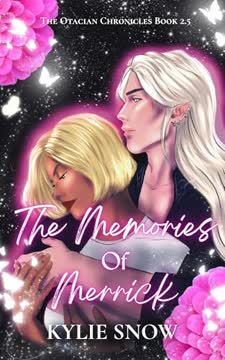
Kylie Snow's The Memories of Merrick is a raw, unflinching exploration of trauma, survival, and the redemptive power of love. At its heart, the novel is about the ways in which childhood wounds shape adult lives, and the difficulty of breaking free from cycles of pain. The Valley of Awakening serves as both a literal and metaphorical crucible, forcing characters to confront the truths they most fear. The story's magic system—rooted in empathy and emotional connection—underscores the central message: that healing is only possible through honesty, vulnerability, and the willingness to forgive oneself and others. The novel does not offer easy answers or tidy resolutions; instead, it insists that freedom is a process, not a destination, and that the price of survival is the courage to face one's own darkness. In a world where fantasy often serves as escape, The Memories of Merrick uses fantasy to illuminate the hardest truths of reality, offering hope not in the promise of rescue, but in the possibility of transformation.
Last updated:
Review Summary
The Memories of Merrick receives overwhelmingly positive reviews (4.37/5) for exploring the missing 43 days from The Sins of Silas. Readers praise Kylie Snow's emotional depth and character development, particularly appreciating new insights into Merrick and Era's traumatic backstories. Many reviewers changed their opinions about Era after understanding her perspective. The novella features forced proximity, trauma healing, forbidden romance, and spicy scenes. Readers emphasize it's essential to the plot, not skippable. The ending left fans desperate for book three, releasing in 2027. Some critique it as unnecessary or prefer waiting for the next main installment.