

Key Takeaways
Set boundaries with a sick parent without mistaking distance for indifference.
Love and fear coexist. Mira and her sister spend years hiding their addresses and changing their names to stay out of reach of their schizophrenic mother. Her calls and visits can bring threats, frightening accusations, and emergencies, yet Mira still sends gifts and letters. When the hospital finally reconnects them after seventeen years apart, she wonders whether she can forgive her mother, then reverses the question: perhaps her mother must forgive her for leaving.
Distance can protect care. Mira does not return to her mother’s life without conditions. She seeks a supervised setting and a third party because she knows that a reunion without support could become unsafe. Her story refuses the comforting idea that love requires unlimited access. Sometimes remaining connected means deciding what contact can be endured.
What's striking is the refusal to treat family loyalty as an unlimited claim on a child's life. This aligns with trauma-informed care, which distinguishes compassion from exposure to repeated harm. A boundary can preserve the possibility of tenderness by reducing the conditions that provoke fear and crisis. The memoir also complicates easy judgments: distance may protect the adult child, while leaving a seriously ill parent vulnerable. That tension cannot be solved by praising either self-sacrifice or independence. It calls for support that does not force relatives to become the entire care system.
A child in crisis learns vigilance before she learns what safety feels like.
Childhood becomes surveillance. Mira grows up monitoring her mother’s moods, avoiding rooms where she hears strange voices, and trying not to provoke the violent grandfather who also lives nearby. When her mother’s nighttime interrogations intensify, Mira and her sister push a heavy dresser against their bedroom door. They learn to listen for danger, keep secrets, and make themselves unobtrusive.
The adaptations endure. The sisters manage meals, medication, and emergencies while still children. Mira describes being quick to answer a ringing phone and feeling responsible for rescuing her mother, even after leaving home. This is not simply a tale of resilience. The same alertness that helps a child navigate an unpredictable household can later make rest, trust, and ordinary choices difficult.
The memoir shows how a child can become highly capable in emergencies while remaining deprived of dependable safety. Developmental psychology helps explain the apparent contradiction: vigilance can be an intelligent adaptation to an unstable environment, not a character flaw. Yet adaptations have costs when they persist after the immediate danger changes. The dresser is both a practical defense and an image of childhood responsibility made literal. The account also cautions against defining resilience as successful endurance. Survival skills deserve respect, but the conditions that demanded them deserve scrutiny.
Build a memory palace, but let its rooms change with the truth.
Memory needs places. After a 1999 car crash leaves Mira with lasting cognitive problems, she relies on written reminders, objects, drawings, and sensory cues. She builds an imagined memory palace, a structure for recalling experiences by attaching vivid images to locations in the mind. The technique has an old history: Matteo Ricci taught it in China, drawing on the story of Simonides, who remembered where guests sat in a collapsed hall so their bodies could be identified.
The palace stays revisable. Mira does not expect images to preserve the past exactly. A photograph, fossil, or painting can call up one recollection, which leads to another, while details shift or conflict. Her mother’s storage unit becomes a physical archive of journals, childhood books, and family objects. The palace offers orientation, not proof that memory is fixed.
The memory palace works here both as a mnemonic device and as a model of autobiographical thought. Cognitive science treats remembering as reconstruction: cues help retrieve material, but retrieval is not a neutral replay. Mira’s image-based approach is especially apt for someone whose verbal processing has been injured. Still, vividness should not be confused with accuracy. The memoir’s strength is that it keeps the distinction visible, using images to organize uncertainty rather than claim that art can certify what happened.
Art cannot cure psychosis, but it can preserve a self beyond it.
Making remains possible. Mira’s mother was a gifted pianist before schizophrenia derailed her life. Even while homeless, she studies geology, plants, languages, and art, filling notebooks with definitions and drawings. Mira, too, finds refuge in painting, music, museums, and close observation of birds. As a child, she makes pictures for her mother, hoping they might comfort her; the pictures cannot stop the illness.
Attention becomes a form of continuity. Mira’s work does not offer a miraculous recovery. It gives the sisters a language they share, and gives Mira a way to build a life that is not only organized around crisis. Her mother’s artistic and intellectual curiosity remains visible in diaries and drawings, even when psychosis shapes much of what she says and believes.
The memoir’s treatment of art avoids two familiar errors: presenting creativity as a cure, or reducing an ill person to symptoms. Making and noticing can support identity without repairing the biological and social conditions of illness. This distinction matters in disability narratives, where achievement is often used to imply that suffering has been overcome. Here, a piano lesson, a sketch, or a bird’s name has value without needing to redeem anyone. Art offers connection and form, not a substitute for clinical care or safe housing.
A checkbook proves competence at banking, not the ability to live safely.
Small tasks mislead. When Mira and Natalia seek legal guardianship for their mother, a judge rejects the case because she can balance a checkbook, buy cigarettes, and use correct change. Those abilities do not address her homelessness, blindness, serious illness, incontinence, or long history of suicide attempts and hospitalizations. The court treats a few visible transactions as evidence that she can manage the much larger demands of daily life.
Function is not one thing. A person may handle a familiar routine yet be unable to secure medical treatment, maintain housing, or assess serious danger. Mira’s family faces the gap between legal definitions of competence and the practical question of whether their mother can remain safe. The memoir shows how a narrow assessment can leave both the ill person and relatives without workable protection.
This case exposes a measurement problem: institutions often prefer observable, standardized tasks to messy judgments about a person's whole life. Functional capacity is domain-specific, however. Managing cash for a familiar purchase says little about navigating medical decisions, housing, or risk. The answer is not to equate mental illness with incapacity, which would erase autonomy. It is to assess support needs in context and offer less restrictive help before a crisis. The memoir’s example makes that distinction concrete: respect for agency requires more than a quick test of routine skills.
When family care collapses, neighbors and public services become lifelines, not extras.
Care is distributed. Across the years, neighbors Ruth and Army Armstrong help Mira’s mother during emergencies, while doctors, social workers, and shelter staff repeatedly try to keep her safe. Later, Mental Health Services for Homeless Persons helps her find shelter and maintain contact with her daughters. At the end of her life, women from the Community Women’s Shelter visit, care for her, and describe how she welcomed them when they were vulnerable.
Goodwill cannot replace infrastructure. The family encounters short hospital stays, closed programs, failed guardianship efforts, and housing that is difficult to secure. Neighbors fill some gaps, but they cannot provide a stable substitute for coordinated mental-health care and housing. Mira’s account gives public systems a central role: the family’s limits are real, and so is society’s responsibility to make support available.
The memoir resists the private-family framing of mental illness. Neighbors and shelter residents matter not because they are endlessly selfless, but because care becomes more sustainable when it is shared. This connects to the social model of disability, which asks how environments and institutions create or reduce barriers. Personal kindness can avert immediate harm, but relying on it alone makes safety accidental and uneven. The account also avoids portraying services as uniformly helpful. It asks for durable, humane systems while recognizing the imperfect people who work within them.
Guilt measures attachment, not whether you have done enough.
Leaving has a cost. Mira leaves Cleveland to study art, work in museums, and build a life of her own. Her mother repeatedly asks her to come home, and Mira often feels responsible for what happens when she is gone. Her sister, Natalia, makes a different choice, protecting herself by limiting contact. Neither path feels clean: both daughters carry worry, guilt, and the knowledge that they cannot cure their mother.
Duty has limits. During their final reunion, Mira can be present because her mother is in a supervised hospice setting. She holds her, finds small gifts, and sits with her as she dies. The memoir does not claim that this erases years of separation. It shows instead that a person can love a parent deeply and still be unable to provide constant care.
Guilt is emotionally persuasive because it turns an impossible situation into a personal verdict: if the child feels bad, perhaps the child should do more. But feeling responsible does not establish that one person has the capacity to meet every need. Care ethics offers a useful counterweight: responsibility is relational and real, yet it must account for vulnerability on both sides. The memoir does not absolve the daughters or condemn them. It makes room for a more honest question: what care can be given without destroying the caregiver?
Tell family history as layered evidence, not a courtroom transcript.
The archive complicates memory. In her mother’s storage unit, Mira finds family photographs, diaries, and books. Two childhood books she remembers as gifts from her absent father bear inscriptions in Mira’s own adolescent handwriting. A memory that had seemed to prove paternal love is revealed as something more uncertain. She and her sister also remember parts of childhood differently, including whether their father’s dogs were present in one vivid scene.
Uncertainty belongs in the story. Mira often marks what she cannot know, what might have happened, and what she may have misremembered. Her mother’s psychosis further complicates the family’s shared account, since the person who might have supplied early memories could not always distinguish dreams from events. The memoir’s honesty comes from showing the seams in recollection, not pretending they can all be repaired.
This approach resembles responsible historical practice: distinguish documents, testimony, inference, and speculation instead of forcing them into one seamless account. Family memory is especially vulnerable to repetition, omission, and reinterpretation, but uncertainty does not make every version equally reliable. The inscriptions and journals provide evidence while leaving motive and meaning open. That balance is ethically important in memoir about illness, where a narrator can unintentionally convert a loved one into a case study. Acknowledging the limits of knowledge protects both the truth and the person being remembered.
At the end, care is often ordinary presence, not rescue.
Small acts carry the reunion. In hospice, Mira and Natalia give their mother soft clothes, play familiar music, and sit beside her. They hold her as she walks back from the bathroom, a physical closeness they have not shared in seventeen years. Their mother asks for a hot dog and, on New Year’s Eve, a pink drink; they try to meet these modest wishes even when circumstances make it difficult.
The ending is not a cure. Their mother dies after a brief period in hospice. Mira cannot restore the family home or return her to the life she imagined. She can help make the room welcoming, include her shelter friends, and stay through the last night. Afterward, she turns her attention to the shelter and to the people still living without secure care.
The final scenes give care a scale that is human rather than heroic. A familiar song, a warm room, or a hand offered for balance cannot undo psychosis, homelessness, or estrangement. They can reduce fear in a particular moment and affirm that the person is still worthy of attention. This is a useful corrective to narratives that measure compassion by dramatic rescue. Yet private tenderness should not become a substitute for better systems. The hospice room is possible because staff, friends, shelter workers, and family contribute different kinds of support.
Analysis
The Memory Palace is a memoir about a daughter, a mother with schizophrenia, and the fragile work of remembering a life that refuses to arrange itself into a clean lesson. Its narrative moves across decades, but it does not rely on chronology alone. Museum objects, birds, flowers, old letters, and the mother’s notebooks act as doors between childhood and adulthood. This form mirrors the book’s central problem: recollection is associative, partial, and changed by the act of retrieving it.
The memory palace is both a historical mnemonic technique and a metaphor for the narrator’s attempt to hold experience without claiming perfect recall. The memoir repeatedly tests its own evidence. Family books carry false-seeming inscriptions, sisters recall a scene differently, and the narrator distinguishes what she knows from what she imagines. That restraint matters. The book does not ask readers to accept every remembered image as documentary fact; it asks them to see how emotional truth and factual uncertainty can coexist. Its ethical center is the conflict between love and responsibility. The daughters are not portrayed as abandoning a parent casually, nor as saints obliged to surrender their lives. They try letters, money, guardianship, hospital care, and supervised housing, while also protecting their own futures. Their failures are personal, but the book insists they are also institutional. Courts mistake routine skills for safety, hospitals discharge a vulnerable woman, and public support proves inconsistent. Neighbors and shelter residents repeatedly supply what formal systems do not.
The memoir’s artistic motifs provide meaning without offering cure. Painting and music preserve a shared language, while the final hospice scenes give tenderness a practical form. The ending refuses both easy absolution and despair: the mother dies, the past remains unsettled, and the living still owe attention to people on the street. Its deepest achievement is this double vision. It honors a mother’s intelligence and suffering without denying the danger she caused, and it honors the daughters’ love without pretending love could have made them sufficient care providers.
Review Summary
The Memory Palace is a memoir by Mira Bartok about growing up with a schizophrenic mother. Reviews are mixed, with some praising the beautiful writing and poignant storytelling, while others found it disjointed and emotionally distant. Many readers appreciated the insight into mental illness and its impact on families. The book's structure, built around objects from her mother's storage unit, received both praise and criticism. Some found the ending moving, while others felt it lacked depth. Overall, reviewers acknowledged the difficult subject matter and Bartok's complex relationship with her mother.
People Also Read


Glossary
Memory palace
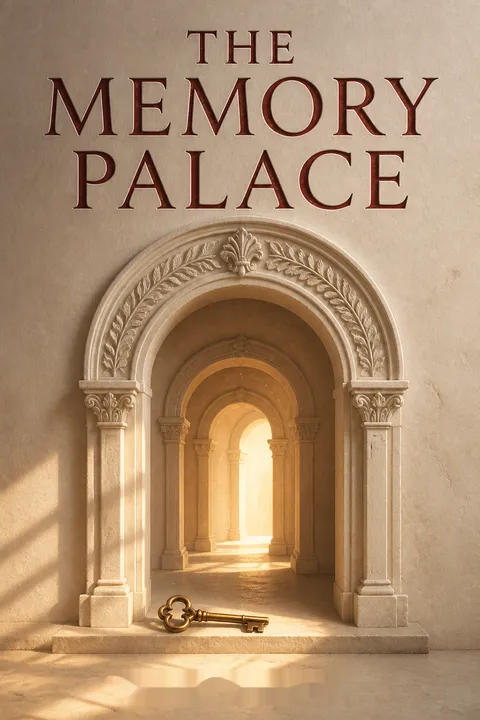
Image-based memory structureA mnemonic method in which a person imagines a familiar or constructed place and assigns vivid images to specific locations within it. Moving mentally through the place helps retrieve those images and the information attached to them. In the memoir, the technique also becomes a changing mental structure for holding memories without pretending they are permanent or exact.
Palimpsest
Layered trace of what remainsA manuscript page that has been scraped or washed so new writing can replace old writing, while traces of the earlier text remain. Mira uses the term for memory and for life after brain injury: past experience is not simply erased, but may survive as a faint, altered layer beneath what can currently be recalled.
Coup-contrecoup
Brain injury from impact and reboundA pattern of brain injury in which an impact makes the brain strike the inside of the skull at the point of contact and then rebound against the opposite side. Mira describes this mechanism after a truck collision and connects it to lasting problems with memory, language, concentration, and processing sensory information.
Diffuse axonal injury
Widespread disruption of nerve fibersAn injury in which rapid acceleration and deceleration can stretch or shear axons, the fibers that help nerve cells communicate. The resulting damage may be widespread and difficult to detect with routine imaging. In the memoir, a doctor uses this explanation to make sense of Mira’s persistent cognitive and sensory problems after her collision.
Kalachakra mandala
Tibetan sand palace designA highly complex Tibetan Buddhist mandala that represents a palace associated with the Kalachakra teachings. Monks construct it from colored sand according to a detailed design, then dismantle it in a ritual that emphasizes impermanence. Mira encounters the mandala as an image of ordered, temporary space and a possible way to contemplate suffering.
posters of intent
Protective art collagesThe name Mira’s mother gives to collages she makes from copied artwork, notes, and other images. She displays them against windows in shelters and motels, believing they can block radioactive gas and projected thoughts. The term captures both her creative practice and the paranoid beliefs that shape her experience.
Wunderkammer
Cabinet of collected wondersA cabinet or room of curiosities containing unusual natural and human-made objects, such as fossils, bones, shells, art, and artifacts. Mira uses the idea to describe collections that preserve fragments of a life. Her mother’s storage unit becomes a disorderly archive of possessions, journals, drawings, and family history.
FAQ
What's The Memory Palace about?
- Personal Memoir: The Memory Palace by Mira Bartók is a memoir that delves into her complex relationship with her mother, who suffered from paranoid schizophrenia. It explores themes of mental illness, trauma, and identity.
- Art and Healing: The narrative highlights how art serves as a healing tool for both Bartók and her mother, showcasing the transformative power of creativity amidst chaos.
- Journey of Self-Discovery: Bartók recounts her journey of self-discovery, navigating her mother's illness and her own artistic aspirations, while exploring themes of love, loss, and resilience.
Why should I read The Memory Palace?
- Compelling Narrative: The memoir is beautifully written with lyrical prose and raw honesty, drawing readers into Bartók's world and experiences.
- Insight into Mental Illness: It provides a deep understanding of the effects of mental illness on families, offering insight into the struggles and stigma surrounding mental health.
- Artistic Inspiration: For those interested in art, the book serves as an inspiring testament to the healing power of artistic expression, encouraging readers to find their own voice amidst adversity.
What are the key takeaways of The Memory Palace?
- Understanding Trauma: The memoir emphasizes the lasting impact of trauma on memory and identity, illustrating how childhood experiences shape one's understanding of self and art.
- Importance of Family Bonds: Despite challenges, the book highlights the enduring nature of familial love and connection, showing relationships as a source of strength.
- Art as a Lifeline: Bartók demonstrates how art can serve as a refuge and a means of processing complex emotions, reclaiming agency amidst life's chaos.
What are the best quotes from The Memory Palace and what do they mean?
- “How heavy is a dresser...”: This quote symbolizes the burden of responsibility Bartók felt as a child, representing fear and the struggle for control in an unpredictable environment.
- “I am still waiting.”: Reflects Bartók's longing for connection and understanding, signifying the ongoing nature of her journey and unresolved feelings about her mother's illness.
- “You have to laugh...”: Highlights coping mechanisms for dealing with pain, underscoring the importance of humor and resilience in facing life's challenges.
How does The Memory Palace address the theme of mental illness?
- Personal Experience: Bartók shares her firsthand experiences with a mother who had paranoid schizophrenia, providing a unique perspective on mental illness complexities.
- Impact on Family: The memoir explores how mental illness affects the entire family, reflecting on the emotional toll it takes on children and the need to be secret-keepers.
- Compassionate Understanding: Bartók fosters a compassionate understanding of mental illness, challenging stereotypes and encouraging empathy towards those affected.
What role does art play in The Memory Palace?
- Creative Expression: Art serves as a vital outlet for Bartók, allowing her to process emotions and experiences, reclaiming her identity amidst chaos.
- Connection with Mother: Creating art connects Bartók to her mother, a talented pianist, bridging their fractured relationship through shared creativity.
- Healing Journey: Art facilitates healing and self-discovery, providing Bartók with purpose and a way to navigate complex feelings about her past.
How does The Memory Palace explore the concept of memory?
- Fluid Nature of Memory: Bartók examines memory as a fluid and unreliable construct, reflecting on how trauma can distort memories and shape identity.
- Reconstructing the Past: The memoir is a journey of piecing together fragmented childhood memories and her relationship with her mother, using vivid imagery.
- Memory as a Palace: The memory palace metaphor represents the intricate and layered nature of recollections, symbolizing spaces where memories are stored.
What is the significance of the title The Memory Palace?
- Symbol of Recollection: Refers to the mnemonic device of a memory palace, symbolizing Bartók’s effort to navigate complex memories and experiences.
- Personal Sanctuary: Represents a personal sanctuary for exploring her past, confronting fears, and finding solace in her relationship with her mother.
- Journey of Discovery: Encapsulates Bartók's journey to understand her past and its impact on her present, signifying her quest for self-discovery.
How does The Memory Palace depict the relationship between Bartók and her mother?
- Complex Dynamics: The relationship is marked by love, fear, and confusion, with Bartók grappling with her mother’s mental illness while longing for connection.
- Moments of Clarity: Despite chaos, moments of clarity and tenderness highlight their deep bond, even amidst turmoil.
- Struggle for Understanding: Bartók seeks to reconcile feelings of anger and compassion, ultimately finding a way to honor her mother’s memory.
What are some of the challenges Bartók faces throughout The Memory Palace?
- Navigating Mental Illness: Bartók faces the challenge of growing up in an environment shaped by her mother’s mental illness, dealing with stigma and unpredictability.
- Balancing Responsibilities: As a child, she feels responsible for her mother’s well-being, creating isolation and pressure affecting her development.
- Finding Her Voice: Bartók struggles to find her own voice and identity amidst chaos, seeking to reclaim her narrative through art and writing.
How does The Memory Palace depict the experience of homelessness?
- Harsh Realities: Bartók portrays the harsh realities of homelessness through her mother's experiences, highlighting struggles for shelter, food, and safety.
- Emotional Toll: The emotional impact of homelessness is central, with Bartók grappling with guilt and helplessness regarding her mother's situation.
- Search for Belonging: Reflects the universal desire for belonging and stability, illustrating the longing for home amidst instability.
What insights does The Memory Palace offer about mental health services?
- Critique of Systems: Bartók critiques the inadequacies and failures of mental health services available to her mother, highlighting challenges in accessing care.
- Need for Compassionate Care: Emphasizes the importance of compassionate care, advocating for a humane approach considering individual complexities.
- Role of Community: Illustrates the significance of community support, with relationships at shelters and among social workers playing a crucial role.
Download PDF
Download EPUB
.epub digital book format is ideal for reading ebooks on phones, tablets, and e-readers.








