

Key Takeaways
Expect an awkward first year, not an instant brochure-perfect life
The transition is real. College is a rapid series of firsts: new classes, unfamiliar rules, strangers as roommates, and responsibility for daily choices. The book’s central advice is to expect some discomfort rather than treat it as proof that you chose the wrong school. The author’s own first attempt at college left him socially adrift. He transferred, then learned that settling in takes time and deliberate effort. In an older UCLA survey cited in the book, 66.6 percent of freshmen said they sometimes or often felt lonely or homesick.
Stay flexible, not passive. Friendship, academic confidence, and a sense of belonging may take months to develop. The goal is not to endure a bad situation indefinitely, but to give ordinary adjustment time while actively seeking help and connection.
What's useful here is the distinction between discomfort and evidence of failure. Transitions unsettle familiar routines, so early loneliness can coexist with a promising choice. That perspective counters the polished college imagery that encourages students to interpret normal struggle as personal inadequacy. Still, patience should not become a command to tolerate unsafe housing, discrimination, untreated illness, or serious financial harm. A sound approach pairs time with active observation: what is improving, what remains difficult, and what support could change the situation?
Build campus anchors before crisis: people to call and places to return
Create a support map. The book’s People, Places, and Patience approach asks students to identify supportive contacts, recurring campus communities, and enough time to settle in. It recommends having five people in one’s corner, including a professor, resident assistant, advisor, counselor, coach, or trusted peer. It also urges students to find several places where they can participate, such as an academic group, a sport, a cultural organization, or a faith community.
Ask before you are lost. A question about a class, dining plan, roommate conflict, or club can lead to both information and a helpful relationship. Campus websites, orientation leaders, upperclassmen, and student services can point students toward resources. The important idea is not hitting a quota; it is knowing where help and belonging can be found.
This is a practical model of social infrastructure. A person is less dependent on luck when support is distributed across peers, staff, and communities rather than concentrated in one roommate or distant family member. The idea also resembles social capital: relationships provide information, encouragement, and access to opportunities. Five contacts and three places are useful prompts, not universal requirements. A commuter, student with a disability, or student balancing work and caregiving may need a different map, but the principle of having multiple routes to support remains strong.
Join several real-world communities before your room becomes your whole campus
Participation creates familiarity. Clubs, intramural sports, service projects, academic organizations, campus jobs, residence hall events, and cultural or religious groups put students alongside the same people repeatedly. That repetition gives casual contact time to become friendship. The book encourages students to attend events alone if necessary, try more than one group, and start with interests they already enjoy. Living in a residence hall can make these encounters easier, especially during the first year, although it is not the only route to connection.
Choose groups carefully. Fraternities and sororities can offer friendship, leadership, service, and professional networks, but they can also bring cost, pressure, exclusion, and hazing. Ask about time demands, fees, academic expectations, and a group’s standing with the school. Never accept dangerous or degrading initiation practices as the price of belonging.
Repeated shared activity is a more reliable basis for friendship than trying to impress strangers in a single encounter. It lowers the pressure to perform because attention is focused on the activity, while familiarity accumulates in the background. This is especially useful for shy students and commuters. The book’s enthusiasm for residence halls and Greek organizations needs context, however: belonging is not restricted to residential or social systems, and some students will find stronger communities in work, cultural groups, or academic programs. The key is regular contact in settings that respect personal boundaries.
Make roommate boundaries explicit before resentment starts doing the talking
Agree on the ordinary things. Roommates do not have to become friends, but they do need workable agreements about noise, cleaning, guests, borrowed belongings, privacy, and sleep. The book’s Uncomfortable Rule encourages roommates to raise a concern soon after it happens, rather than silently collecting grievances until a small irritation becomes a blowup. For example, if a partner is effectively living in the room, describe the specific impact and ask to agree on limits.
Use the support system. If direct conversation fails, a resident assistant or residence life staff member can help mediate or explain room-change options. Secure doors and windows when leaving, protect valuables, and document theft or serious problems. If a roommate may be in immediate danger, involve campus professionals or emergency services rather than trying to manage the crisis alone.
A shared room is a small negotiation system, and implicit expectations are especially fragile when people have different habits, cultures, or ideas about privacy. Naming agreements early makes later feedback less like a personal attack. Conflict research often distinguishes a disagreement from the way it is handled: respectful, specific discussion can preserve a relationship even when preferences differ. The advice to speak quickly is most useful when paired with safety and power awareness. A student facing intimidation or abuse should not be expected to resolve the matter through a private conversation.
Use technology to open doors, not to live somewhere else
Online contact can become a hiding place. The book calls technology’s pull away from campus life the Fifth Wall. Texting, social media, games, and constant contact with people at home can soothe loneliness, but may also keep students from meeting nearby peers, joining activities, or learning campus routines. The author recommends using online networks to find groups and start conversations, then making contact in person.
Remember the missing context. Social posts often show celebrations, good grades, and polished moments, not awkward nights, disappointing exams, or isolation. Comparing one campus’s highlight reel with another student’s private reality can make a normal adjustment feel uniquely bad. Think carefully before posting location, intimate images, or details that compromise privacy. Digital connection is most useful as a bridge to people and resources, not a substitute for them.
The distinctive insight is not that technology is inherently harmful, but that it can make avoidance unusually comfortable. Digital media can maintain valuable long-distance ties and help students locate communities they might not discover otherwise. The tradeoff is that low-friction contact can crowd out the slower work of becoming known locally. The book’s warning about headline-style social feeds remains relevant, though technology can also be a genuine source of support, especially for isolated or marginalized students. The practical test is whether online activity expands a student’s options or narrows daily life to a screen.
Treat class, office hours, and study partners as one system
College requires self-direction. Unlike high school, professors may not notice a student falling behind or contact family when classes are missed. The book advises attending regularly, reading the syllabus, taking and reviewing notes, using tutoring, and asking professors questions before a small confusion becomes a failing grade. Office hours are an opportunity for explanation and mentoring, not a punishment reserved for students in trouble.
Make learning social. Study groups let students compare notes, explain difficult material, and prepare together. The book cites a survey in which 91.9 percent of freshmen reported sometimes or often studying with other students, while also noting that class-skipping was common. Students should check attendance rules and use old exams or shared materials only when permitted. Academic advisors can help with course choices, deadlines, dropping a class, and planning toward graduation.
The advice links everyday behaviors to institutional visibility. A professor who recognizes a student can respond more effectively, while an advisor who knows a student before a crisis can help navigate rules and deadlines. Study groups also make learning observable: explaining an idea exposes gaps that solitary rereading can hide. Yet attendance alone is not a measure of learning, and office hours vary in usefulness. Students should combine the book’s habits with course-specific evidence, such as feedback, assessment results, and clear communication about accommodations or competing responsibilities.
Explore majors by trying work, not by guessing your whole future
Treat the major as a hypothesis. The book urges students not to choose a field solely to satisfy family expectations or maximize income, and not to panic if their interests change. Introductory electives, internships, part-time jobs, conversations with professionals, and academic organizations can reveal what a field is actually like. A student who thought computer programming was the right path discovered a stronger interest in writing after trying college courses.
Change with a plan. A major change may affect graduation time, so discuss credits and requirements with an advisor. The same caution applies to transferring: identify what is wrong and what would be different elsewhere before leaving. Problems rooted in isolation or avoidance can travel to a new campus. Community college may be a lower-cost route to a four-year degree, while commuters may need to schedule campus involvement deliberately rather than treating school as only a place to attend class.
The book presents education as exploration rather than a one-time identity test. That fits the reality that students often know a field by its reputation before they know its daily work. Trying a course or job is a form of low-cost information gathering, and changing direction can be an intelligent response to new evidence. Exploration still benefits from practical constraints: credit transfer, aid, debt, family obligations, and labor-market realities matter. The best decision is neither pure passion nor pure salary calculation, but a choice informed by experience and a clear account of its costs.
Say what you want while sober, and leave room for no
Clarity beats fantasy. The book warns that an imagined relationship can consume attention before two people have even had an honest conversation. It encourages students to express interest directly, accept that another person may not reciprocate, and avoid treating rejection as proof of personal worthlessness. Being single is also a legitimate choice, not evidence of missing out. New relationships should add to a student’s life rather than replace friends, interests, and personal boundaries.
Do not confuse a hookup with a promise. The book describes hookups as encounters that may be intimate without carrying shared expectations. If someone wants dating, exclusivity, or a slower pace, they should say so before becoming physically involved. Long-distance relationships may work for some couples, but maintaining one should not prevent a student from building a life where they study and live.
Direct communication is valuable because ambiguity often lets each person project a different relationship onto the same encounter. Naming intentions does not guarantee agreement, but it gives both people better information and makes consent and boundaries easier to discuss. The emphasis on handling rejection also connects to emotional resilience: a declined invitation is painful, but it is not a comprehensive verdict on someone’s desirability. A useful qualification is that disclosure should be paced to the situation and safety. No one owes another person romantic access, intimate details, or continued friendship after a boundary is set.
Treat consent and sexual health as conversations, not assumptions
Pause when consent is unclear. The book stresses that sex requires clear agreement from everyone involved, and that intoxication can undermine a person’s ability to give meaningful consent. Either person can change their mind. If a partner is unsure, incapacitated, or unable to communicate, stop. The book also urges students to discuss contraception, pregnancy possibilities, and sexual history before sex, and to use campus health services for testing and advice.
Respond without blame. Sexual assault is never the survivor’s fault. If someone is assaulted, the book recommends telling a trusted person and contacting medical, counseling, or campus support. Bystanders can intervene by addressing the situation, distracting people, finding others to help, or checking in afterward. Its cited statistics and service listings come from an older edition, so readers should verify current local resources and medical guidance.
The strongest contribution is treating consent as an ongoing interaction rather than a box checked once. That approach protects agency and makes stopping an ordinary, acceptable response to uncertainty. Sexual health also becomes safer when it is discussed before a high-pressure moment, rather than left to guesswork. Care is needed with simplified slogans: intoxication affects capacity in context, and legal definitions vary by jurisdiction. None of that changes the practical rule that pressure, silence, or inability to respond is not a sound basis for proceeding. Survivor support should center the person’s choices and immediate safety.
Don't let imagined drinking norms choose your nights or your risks
The party stereotype is misleading. The book cites a 2014 survey in which about one-third of students reported no alcohol use in the previous month, despite students estimating that nearly everyone drank. These figures are historical, but they illustrate how perceived norms can pressure people to drink. Students can decline, leave, or choose friends and activities that do not revolve around alcohol. The book also warns that drinking can increase poor decisions, missed classes, unsafe sex, and driving risk.
Protect one another. If someone is unresponsive, vomiting, or otherwise in danger, do not assume they can sleep it off; seek emergency help. Never drive after drinking, and arrange a sober ride. The book advises avoiding recreational drugs and not sharing prescription medication, which can carry health, academic, and legal consequences. When a person’s use is disrupting school or safety, seek professional support.
Perceived norms matter because people often use guesses about what others do to decide what is acceptable for themselves. Correcting those guesses can make refusal feel less socially costly. The chapter’s most durable advice is not simply abstinence, but the combination of choice, harm prevention, and readiness to get help. Its statistics and legal discussion reflect the period of publication, and drug laws and medical guidance change. Readers should consult current campus health services and local law rather than treating an older handbook as a current clinical or legal authority.
Get help early when distress, assault, or substance use threatens safety
Struggling is not a character flaw. The book describes homesickness, depression, eating disorders, addiction, and crises involving roommates as realities that students may conceal. Changes in sleep, appetite, motivation, attendance, or a friend’s safety deserve attention. Students can contact campus counseling, health services, disability support, a trusted professor, or another qualified professional. Students taking prescribed medication should consult a clinician before changing or stopping it.
Do not carry emergencies alone. If a person may hurt themselves or someone else, or is medically unresponsive, involve emergency services or campus professionals immediately. A friend can listen and help make contact, but is not a substitute for clinical care. Students can also support one another by checking in directly, taking signs of danger seriously, and connecting someone with trained help.
This section treats help-seeking as a practical skill rather than a last resort. That framing matters because shame and self-reliance can delay care precisely when concentration and judgment are impaired. A campus often offers several entry points, so a student need not diagnose a problem before asking for assistance. At the same time, informal support has limits. Peers should not be made solely responsible for a friend’s crisis, and institutions differ in confidentiality and services. Asking what support is available, and what privacy rules apply, can make the first step less intimidating.
Make money and transfer decisions with information, not panic
Learn the actual costs. The book advises students to talk with financial aid staff about grants, scholarships, work-study, loans, and payment deadlines, then understand what borrowing will require after graduation. It also recommends tracking spending, avoiding unpaid credit-card balances, and using lower-cost options for books when suitable. A job can provide income and practical experience, but hours should be balanced against coursework.
Build a decision before the emergency. Students considering a transfer should compare academic fit, finances, accepted credits, and the social or personal changes they expect. Commuters can plan to stay on campus, join groups, and use student services; community college can be a sensible lower-cost route when credits transfer. The book’s No-Regret Rule asks what feels right given one’s present circumstances, while accepting that a choice may look different with time.
Financial literacy belongs in a college survival guide because debt and missed deadlines can narrow choices long after a semester ends. The book correctly emphasizes asking specialists and people who have navigated local systems, though its financial figures and references are dated and should not be used as current estimates. The same informational discipline improves transfer decisions: compare actual credit evaluations and aid offers rather than relying on reputation or fear. A no-regret mindset is most useful when it means making a reasoned choice with available evidence, not pretending every outcome can be controlled.
Analysis
The book is best understood as a transition guide told through a lively collage of student experiences, advice-column exchanges, campus resources, and practical warnings. Its organizing insight is that college does not become manageable through a perfect plan or a naturally confident personality. Students need time, recurring communities, supportive people, and the willingness to ask questions. That is why small social actions, such as attending a club alone or introducing oneself to a professor, sit beside major subjects like finances, sexual health, and mental illness.
The book’s breadth is both its strength and its limitation. It makes often-hidden problems discussable, and its humor lowers the barrier to topics students may otherwise avoid. Stories about awkward roommates and missed classes make transition concrete, while student testimony counters the polished image presented by college marketing. But a compendium spanning relationships, drugs, assault, credit, and academic policy cannot offer specialist guidance on every issue. The sixth edition also relies on many statistics, legal descriptions, and web resources from an earlier period. Readers should treat these as historical context, not current medical, legal, or financial authority.
Some advice reflects a blunt, dated style, especially around sexual reputation, gender, and risk. The most durable principles are more respectful and precise: consent must be freely communicated, assault is never the survivor’s fault, and a student’s choices deserve support rather than shame. Likewise, safety advice should not imply that people can prevent assault by behaving perfectly. Responsibility rests with perpetrators, while institutions and bystanders have roles in prevention and response.
At its best, the book reframes college as an environment students can shape. Belonging is built through repeated contact, support is found by asking, and a difficult first month is not a final verdict. The reader’s task is neither to follow every prescription nor to perform an ideal college life. It is to build a workable life with options, boundaries, and reliable help.
Review Summary
The Naked Roommate receives generally positive reviews, with readers praising its practical advice and humor for college-bound students. Many find it helpful for first-generation college attendees and appreciate its comprehensive coverage of topics like roommates, campus life, and social issues. Some criticize its repetitiveness and outdated information. Parents and students alike recommend it as a valuable resource, though a few readers feel the advice is obvious or anxiety-inducing. Overall, most reviewers consider it an informative guide for navigating the college experience.
Glossary
People, Places, and Patience
A transition support planThe book’s approach to settling into college. People are supportive contacts who can offer guidance; places are campus groups or activities that create connection and routine; patience is the time allowed for adjustment and relationships to develop. Together, they help students respond to discomfort with connection and action rather than isolation or panic.
The Fifth Wall
Digital isolation barrierThe author’s term for the way digital devices and online relationships can separate a student from immediate campus life. Technology can help students find information and people, but relying on it as a refuge may reduce face-to-face contact, participation, and local support. The concept encourages using digital tools as a bridge rather than a replacement for in-person connection.
The Uncomfortable Rule
Prompt roommate communicationA proposed roommate agreement to discuss a behavior that makes someone uncomfortable soon after it occurs, rather than staying silent until resentment builds. The aim is to make direct conversation a shared expectation and turn potential confrontations into specific discussions about boundaries, habits, and possible solutions.
Snow Globe Factor
Early-campus social turbulenceThe book’s image for the unsettled first weeks of college, when students are simultaneously learning campus routines, forming social groups, and adjusting to new expectations. The metaphor encourages students not to mistake early confusion or temporary friendships for a permanent judgment about their place at school.
Sexile
Roommate excluded by sexA slang term used in the book for being unable to enter a shared room because a roommate is having sex there. It illustrates why roommates should agree in advance about partners, privacy, room access, and signals, rather than assuming that one person’s romantic life takes precedence over the other’s use of the room.
The Universal Rejection Truth of Dating and Relationships
Rejection is normalThe author’s dating principle that some people will be interested in a person and many others will not, so rejection should be expected rather than treated as proof of unworthiness. The concept encourages people to express interest honestly, respect another person’s answer, and keep seeking relationships that are mutual.
Training in your thong
Practice self-acceptance and riskA recurring metaphor for becoming more comfortable with personal insecurities, values, and boundaries. The book uses it to encourage self-reflection, healthy efforts to change what can be changed, acceptance of what cannot, and gradual practice taking social or romantic risks without making another person’s approval the measure of self-worth.
The No-Regret Rule
Choose for present circumstancesThe author’s decision prompt: consider what seems right for one’s current circumstances and values, while recognizing that future understanding may change. It is intended to reduce paralysis over imperfect choices, not to promise that every decision will feel good forever or that consequences can be avoided.
FAQ
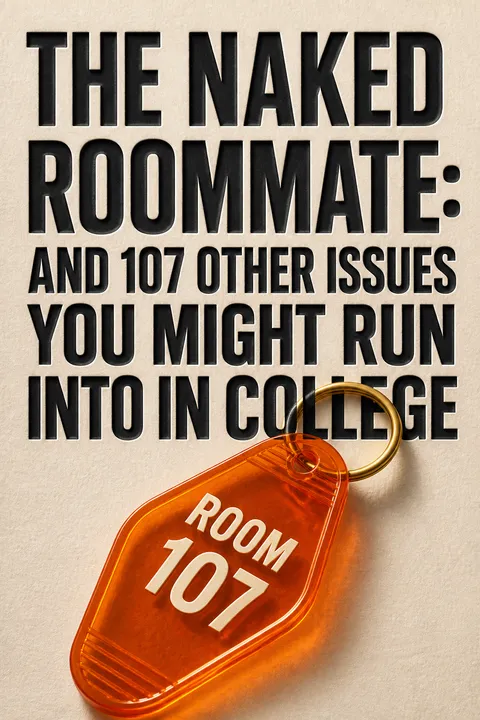
1. What is The Naked Roommate: And 107 Other Issues You Might Run Into in College by Harlan Cohen about?
- Comprehensive college survival guide: The book covers 107 real-life issues students face in college, including roommates, relationships, academics, finances, and mental health.
- Candid student stories: It features honest advice and stories from thousands of students and professionals across 400+ campuses, offering an uncensored look at college life.
- Focus on transitions: Cohen emphasizes the emotional, social, academic, and financial transitions students experience, helping them get comfortable with the uncomfortable.
- Resource-rich: The book includes definitions, hotlines, websites, and advice columns, making it a practical reference for navigating college challenges.
2. Why should I read The Naked Roommate by Harlan Cohen before or during college?
- Prepares for reality: The book helps set realistic expectations, reminding students that college rarely matches the brochure image and that surprises are normal.
- Practical, actionable advice: It offers tips for managing roommates, social life, academics, finances, and mental health, with pointers to campus resources.
- Supports emotional well-being: Cohen addresses homesickness, anxiety, and relationship challenges, encouraging students to seek help and build a support system.
- Empowerment through knowledge: By understanding risks and resources, readers can avoid common pitfalls and create a fulfilling college experience.
3. What are the key takeaways and main concepts from The Naked Roommate by Harlan Cohen?
- Communication and self-awareness: The book stresses the importance of saying what you think and doing what you feel, especially in relationships and risky situations.
- Find your people and places: Cohen encourages students to build a support network and get involved in diverse groups to avoid isolation.
- Expect the unexpected: Flexibility and patience are essential, as college life is full of surprises and challenges.
- Mistakes are growth opportunities: The author frames mistakes as necessary for personal development and learning.
4. What are the best quotes from The Naked Roommate by Harlan Cohen and what do they mean?
- “Expect the unexpected.” – College life is unpredictable, so flexibility and openness are key to thriving.
- “If you demand respect, you will command respect.” – Setting boundaries and communicating clearly leads to healthier relationships.
- “Love yourself first and you will always have love in your life.” – Self-love is foundational before seeking romantic relationships.
- “Asking for a little help does not make you weak.” – Seeking support for mental health or other struggles is a sign of strength, not weakness.
5. How does Harlan Cohen in The Naked Roommate advise students to handle roommate situations and conflicts?
- Set ground rules early: Open communication and establishing rules before problems arise can prevent conflicts.
- Respect differences: Roommates don’t have to be best friends, but mutual respect is essential for peaceful cohabitation.
- Seek help when needed: If issues escalate, talk to residence life staff, RAs, or counselors for mediation and support.
- Types of roommates: The book covers various roommate personalities, from the naked roommate to the noisy or messy one, and offers tailored advice for each.
6. What does The Naked Roommate by Harlan Cohen recommend for making friends and getting involved on campus?
- Find your three places: Join at least three different groups or activities (social, academic, spiritual) to build a diverse support network.
- Get involved early: Attend orientation, clubs, sports, and religious groups to meet people and explore opportunities.
- Go solo if needed: Don’t be afraid to attend events alone; many students are in the same position and open to new friendships.
- Use online resources: The book suggests using websites like www.NakedRoommate.com to connect with others.
7. How does The Naked Roommate by Harlan Cohen address academic success and managing coursework?
- Seven steps to success: Attend class, do homework, take notes, connect with professors, use tutoring, organize your time, and maintain a positive attitude.
- Professors as allies: Visit office hours and introduce yourself early; professors can offer extra help and recommendations.
- Study smart: Form study groups, use old exams legally, and review notes regularly instead of cramming.
- Balance is key: Manage your time to balance academics with social and extracurricular activities.
8. What advice does Harlan Cohen give in The Naked Roommate about relationships, dating, and hookup culture in college?
- Communication is crucial: Talk openly about expectations and boundaries before hooking up or dating to avoid confusion.
- Understand hookup culture: The book explains the ambiguity of college hookups and lists 17 types, stressing the importance of clarity.
- Self-love first: Cohen emphasizes loving yourself before seeking romantic relationships for healthier outcomes.
- Respect and consent: Always respect “NO” and prioritize honest, safe interactions.
9. How does The Naked Roommate by Harlan Cohen discuss sex, consent, and sexual health?
- Consent is mandatory: Clear, sober, enthusiastic “YES” is required from all parties before sex; if consent is unclear, don’t proceed.
- Safe sex practices: Use condoms consistently and get tested regularly; “no test, no getting in your pants.”
- STI awareness: The book educates about common STIs, their symptoms, and emotional impact, encouraging openness and responsibility.
- Sexual health resources: Provides information on campus health services and hotlines for support.
10. What guidance does Harlan Cohen provide in The Naked Roommate about drinking, drugs, and partying?
- Be responsible: Know your limits, avoid peer pressure, and understand the risks of excessive drinking and drug use.
- Avoid risky behaviors: Don’t mix alcohol with drugs or energy drinks, and never drink and drive or engage in unsafe sex under the influence.
- Seek help if needed: If you or a friend struggles with substance abuse, reach out to campus counseling or residence life staff.
- Know campus policies: Stay informed about rules and consequences related to alcohol and drugs.
11. How does The Naked Roommate by Harlan Cohen help students manage finances and avoid debt?
- Use financial aid wisely: Seek scholarships, grants, and loans early, and build a relationship with your financial aid advisor.
- Budget and track spending: Set a budget, use cash or low-fee checking accounts, and avoid overdraft fees and credit card debt.
- Part-time jobs: Consider working part-time for income and experience, but balance work with academic commitments.
- Financial literacy: The book offers tips on cheap eating, laundry, and managing credit cards responsibly.
12. What mental health and safety advice does Harlan Cohen offer in The Naked Roommate for college students?
- Recognize common struggles: The book discusses homesickness, depression, anxiety, eating disorders, and sexual assault as real issues.
- Seek support early: Use campus counseling centers, health services, and hotlines; asking for help is encouraged and normalized.
- Personal safety tips: Always lock doors, be aware of your surroundings, and never walk home alone late at night.
- Bystander intervention: Cohen encourages students to intervene safely if they witness potentially dangerous situations and to know their rights and resources.
Download PDF
Download EPUB
.epub digital book format is ideal for reading ebooks on phones, tablets, and e-readers.








