

Key Takeaways
Design your garden as a living system, not a decorative plot
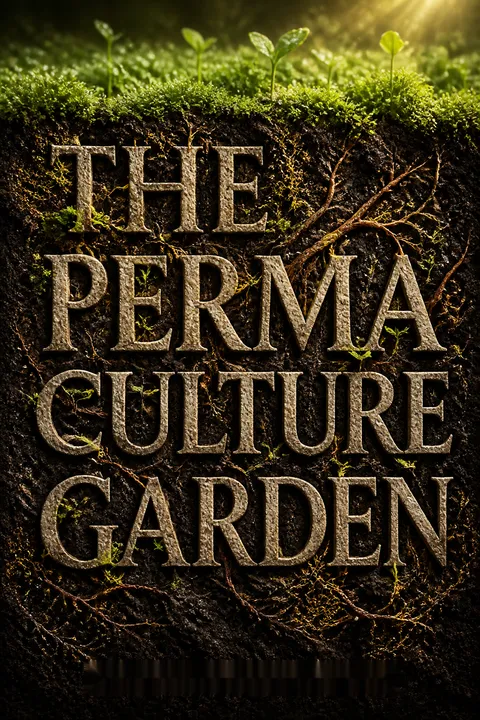
A different kind of garden. Permaculture is a design approach that studies how natural systems sustain themselves, then applies those patterns to places where people live and grow food. The term, coined by Bill Mollison in 1978, joins the ideas of permanent agriculture and permanent culture. Its aim is not simply to preserve untouched nature, but to create productive, regenerative gardens that care for both land and people.
Make abundance practical. Bell argues that even a small backyard can produce food and other useful yields while requiring less work than a conventional, intensively maintained plot. The garden becomes a personal response to environmental damage: a place to grow, observe, share, and reconnect daily life with living processes. The ambition is large, but the first step can be a window box.
The book's most useful move is to make ecological responsibility tangible. A garden is small enough to change directly, which can turn abstract environmental anxiety into practical participation. It also treats pleasure as part of sustainability, not a reward that must be earned after utility. The necessary qualification is scale: household gardens can demonstrate alternatives, build skills, and provide some food, but they cannot replace broader changes to agriculture, infrastructure, or land access. Their power lies in making a different relationship with resources visible and repeatable.
Make every square metre work across height, seasons, and relationships
Design in more than two dimensions. A garden is not just a flat map. Bell asks gardeners to use vertical layers, the changing seasons, and relationships among plants and animals. A tree can share space with shrubs, low herbs, and ground cover, while different crops occupy the same bed at different times of year. A bare winter plot, by contrast, leaves both space and soil life underused.
Edges create options. The places where habitats meet can support more kinds of life than uniform interiors. Bell illustrates this with ponds: the same water area can be shaped to create more or less shoreline. Curves, hollows, trellises, and layered planting similarly create differences in sun, shade, moisture, and shelter. The goal is not decoration alone, but useful variety.
This is a compact lesson in systems design: value comes not only from adding more area, but from creating more useful interactions within existing area. The same logic appears in well-designed buildings, where a shared boundary can serve several functions. Yet edges are not automatically beneficial. More boundary can also mean more exposure, upkeep, or competition between plants. The practical question is therefore not how to maximize complexity, but which transitions create useful conditions for this particular site and its gardener.
Read the site before you spend effort trying to remake it
Begin with what exists. Before planting or building, observe where the sun falls through the year, where wind funnels, where water collects, and where frost lingers. A slope can move water downhill, while a sheltered corner may protect delicate crops. Even weeds can offer clues about soil and past disturbance. Bell suggests that a new gardener might spend a year observing a plot before making major changes, especially if its history is unknown.
Turn constraints into clues. Rubble-filled ground may suit a rock garden; naturally acidic soil can support plants that prefer those conditions. A neglected shrub might be an effective windbreak, even if it looks untidy. Accepting the site's existing character often saves the work of forcing it into a design that fights its climate, soil, or shape.
Observation is a form of inexpensive experimentation. Instead of committing immediately to a costly intervention, the gardener gathers local evidence across seasons and adjusts decisions accordingly. This resembles adaptive management: act, watch the response, and revise. The challenge is that observation can become an excuse for indefinite delay. A small, reversible project can provide useful information without requiring a complete plan. The strongest approach pairs patient attention with modest tests, especially where weather, soil, or existing structures make outcomes uncertain.
Keep soil covered, fed, and undisturbed to build fertility
Feed the living ground. Bell treats soil as an active community, not an inert planting medium. Worms and other organisms break down organic matter, build humus, and help maintain the pores that hold air and water. Bare soil loses moisture and is exposed to erosion; repeated digging disrupts the organisms and structure that support fertility.
Use mulch as protection. Mulch is a cover placed over the soil, often made from straw, leaves, grass clippings, or chipped material. Organic mulch gradually feeds soil life as it breaks down. In sheet mulching, cardboard or other suitable layers suppress existing growth, then organic matter is added above to create a bed without first digging up the ground. Living ground cover, such as strawberries or clover, can eventually take over the protective role.
The key shift is from treating fertility as a product to buy toward treating it as a process to maintain. That changes the gardener's main task from repeatedly correcting soil to protecting the organisms that build it. The approach is especially compelling where digging and weeding have become routine burdens. It still requires judgment: some compacted or damaged ground may need initial repair, and a thick, damp mulch can create habitat that gardeners do not want. The aim is not a rigid ban on intervention, but less disturbance over time.
Let perennials and tree layers carry more of the workload
Build a durable framework. Perennial crops live for several years, so they do not need annual replanting. Their deeper roots can draw nutrients from below, while fallen leaves and prunings return organic matter to the surface. Bell recommends using trees, shrubs, herbs, and ground-cover plants as a lasting structure, with annual vegetables fitted into the remaining spaces.
Think like a woodland gardener. A forest garden is a managed planting that borrows the layered structure of a woodland for human use. Fruit trees may rise above shrubs, herbs, and low-growing crops, while climbers use vertical supports. In Bell's example of a fruit-tree guild, several compatible plants share the space around a tree, providing crops, ground cover, or support for beneficial insects. As trees mature, the planting beneath them must adapt to changing light.
Perennials shift labor from repeated establishment toward thoughtful selection and long-term care. They can also make a garden more resilient by spreading production across different heights and seasons. The tradeoff is that trees and shrubs are slow decisions: they occupy space, cast shade, and may outlast the gardener's original plan. Mature size, pollination needs, and local conditions matter as much as the appealing idea of a mini-forest. A diverse garden is not automatically a well-designed one; its parts still need to fit together.
Turn waste into fertility, and judge harvest against everything invested
Count the full return. Bell defines yield as what a system produces after accounting for what goes into it. A large crop may be a poor result if it required extensive digging, watering, weeding, or purchased inputs. A smaller harvest from a low-effort, soil-building bed may offer greater long-term value. Diversity also reduces reliance on a single crop that could fail.
Keep useful materials in circulation. Kitchen scraps, leaves, grass clippings, and woody prunings can become compost or mulch rather than rubbish. Legumes such as clover contribute nitrogen through associations with soil bacteria. Dynamic accumulators are plants that draw and store particular minerals, which can return to the soil when their leaves are cut or fall. The broader design principle is to find useful placements for outputs, while avoiding contaminated materials.
This is a garden-scale version of lifecycle accounting. It exposes a common blind spot: people often compare harvests while ignoring the labor, energy, and soil costs behind them. The approach is strongest when it includes every relevant input, rather than assuming that anything called natural is harmless or free. Reusing waste can reduce disposal and imported materials, but safety and suitability still matter. The book's standard is valuable because it asks not merely what grew, but whether the whole arrangement became more capable of producing again.
Slow, store, and reuse water where plants can reach it
Treat water as a design resource. Rain can be collected from roofs in barrels or tanks, while mulch and healthy, humus-rich soil help retain moisture where roots can use it. On a slope, a swale is a shallow trench along the contour that slows runoff and gives water more time to soak into the ground. Placing stored water high in the garden can make gravity useful for irrigation.
Reuse with care. Grey water is household wastewater from sinks, showers, or baths, rather than sewage. Bell describes reed beds, planted with wetland species, as biological systems for cleaning wastewater. Simple grey-water reuse can support irrigation, but soaps and other household products affect suitability. The book advises keeping untreated soapy water away from crops eaten raw and recommends professional guidance and attention to local rules for larger treatment systems.
Water design connects the household to the garden's wider hydrology. Capturing rain and slowing runoff can reduce dependence on treated supplies while helping soil retain moisture. The important distinction is between conserving water and assuming every reused source is safe for every purpose. Grey water varies with household products and use, and sewage treatment has higher health and regulatory stakes. The practical principle is to match water quality to its use, keep systems understandable, and seek qualified advice when a garden project becomes a sanitation project.
Start with a one-day bed, then let observation guide expansion
Make progress visible. Bell's small projects are designed to help beginners learn by doing. A paved yard can become productive with clean, repurposed containers filled with soil and organic material. An unwanted lawn can become a bed through sheet mulching: cover the vegetation with cardboard or similar material, add nutrient-rich organic matter, then finish with a carbon-rich layer such as straw or leaves. Planting may begin with robust seeds or established seedlings.
Build outward slowly. A neglected fruit tree can be the centre of a circular planting, with a mulched bed and useful plants arranged around it. Bell calls the compatible community a guild. These projects may look rough at first, and the first season's yields can be modest while the soil develops. Starting with a manageable patch makes it easier to see what works before repeating the method elsewhere.
A finished patch can teach more than an idealized master plan because it reveals the real workload, materials, and site conditions. The one-day project also creates a low-stakes prototype: the gardener can observe, adjust, and extend a design rather than betting the whole yard on untested assumptions. The limitation is that speed of construction is not the same as speed of ecological maturity. Soil improvement, tree growth, and useful plant relationships take time. Early results are best judged by learning as well as harvest.
Design for human life and shared use, not garden-show perfection
Make room for actual people. Gardens are places for food and flowers, but also for play, washing, storage, outdoor meals, and rest. Bell urges gardeners to picture friends and family using the space, rather than copying a manicured display plot. A path can also direct water; a shed wall can support climbing crops; a play structure might perform another useful job. The design should fit the people who live there, including children and anyone with limited mobility.
Share what one plot cannot provide. People without private gardens can use window boxes, allotments, or shared urban space. Bell describes a community-built water garden in London's Covent Garden that lasted about three years on a temporary site. Its short life did not erase its value as a place created and enjoyed together. Shared gardening can also turn local organic waste into shared compost and help neighbors learn what they can accomplish collectively.
This approach resists a narrow idea of productivity in which every square metre must yield food. A welcoming place to sit, play, or meet people is also a real return, and practical household functions belong in the design rather than being treated as visual failures. Shared gardens extend that logic beyond private property, but collaboration brings its own design problem: agreements about access, maintenance, and decisions. A garden can support community, yet shared ownership does not eliminate the need to distribute work fairly.
Analysis
The book's central achievement is to turn permaculture from a broad environmental ethic into a sequence of garden decisions. First observe the site, then place elements so they perform several jobs, protect soil, retain water, and make useful relationships more likely. Its recurring design test is systemic: what does an element need, what does it produce, and where can those outputs become another element's inputs? This lens links the practical chapters, from container gardens and swales to forest gardens and community composting.
The narrative moves from personal experience toward a larger social vision. Gardening is framed as both material work and a way of feeling connected to the living world. That pairing matters: the book does not ask readers to choose between beauty, usefulness, and pleasure. It argues that a diverse, productive garden can include all three, and that practical engagement is more empowering than passive concern about environmental decline.
Its strongest advice is also its most transferable: work with actual conditions rather than idealized plans. Sun, wind, slope, water, soil, household routines, available labor, and access all constrain what will thrive. The book therefore favors flexible designs, observation, low-input methods, and small projects that can be adapted as a gardener learns. Perennials, mulch, ground cover, and recycling organic matter are presented not as isolated tricks, but as mutually reinforcing ways to reduce recurring work and build fertility.
Some parts need careful interpretation. Numerical claims and resource comparisons reflect the book's period and should not be assumed to describe current conditions. Ecological methods are also site-dependent: a technique that saves effort in one climate or soil may create problems in another. Reusing water, managing human waste, and keeping animals require safety knowledge and sometimes professional or regulatory guidance. Nor can backyard production alone resolve the structural problems of food systems or land access.
The lasting value is a design habit: measure success by the health of the whole arrangement, including labor and enjoyment, rather than by a single season's crop. A garden becomes sustainable not because it looks wild, but because its parts increasingly support one another and the people who tend it.
Review Summary
The Permaculture Garden receives generally positive reviews, with readers praising its accessibility and comprehensive introduction to permaculture concepts. Many appreciate the practical advice, plant lists, and planning tips provided. Some readers find the book particularly useful for small-scale gardens. However, a few criticize the lack of in-depth information and the occasional assumptions about garden size. Despite being nearly 20 years old, readers note that the book's ideas remain relevant and inspiring. Overall, it serves as a motivating starting point for those interested in permaculture gardening.
People Also Read



Glossary
Permaculture
Regenerative design approachA design approach based on observing natural systems and applying their patterns to human places, including gardens, homes, and communities. In the book, the term refers to permanent agriculture and also suggests permanent culture. Its practical aims include productive systems that regenerate land, reduce unnecessary effort, care for people, and make useful outputs available within the system.
Forest garden
Layered, productive plantingA managed garden modeled on the layered structure of woodland. Trees form an upper level, with shrubs, herbs, ground-cover plants, and climbers arranged beneath or among them. The design uses vertical space and favors perennial crops, while selecting plants for useful yields and compatible growing conditions. It is not unmanaged wilderness, but a productive garden organized around woodland patterns.
Guild
Compatible plant communityA community of plants placed together because their needs, growth patterns, or functions can complement one another. In a garden guild, different species may occupy separate heights or seasons, provide ground cover, support pollinators, or contribute organic matter. The design begins with a chosen crop, then considers what could grow around it without creating harmful competition.
Dynamic accumulators
Mineral-storing plantsPlants described in the book as able to take up and store particular minerals, often from deeper or nutrient-poor soils. Their leaves and other plant material can be cut and used as mulch or compost, returning some of those nutrients to the surface layers. Bell gives comfrey, dock, and bracken as examples associated with different soil conditions and nutrients.
Green manures
Soil-feeding cover cropsPlants grown mainly to protect and improve soil rather than to provide a direct harvest. They cover ground that might otherwise be bare, add organic material when cut or left to die back, and can suppress weeds. Some, including legumes, also contribute nitrogen through associations with bacteria. The term can also describe plant material returned to the soil as a fertility input.
Sheet mulch
Layered no-dig bedA method for creating a growing bed by covering existing vegetation with layers that suppress it and build soil above it. Bell describes using cardboard or similar material, followed by nutrient-rich organic matter and a carbon-rich covering such as straw or wood chips. The layers gradually break down, reducing digging and weeding while adding organic matter. Early yields may be modest as the bed develops.
Swales
Contour water-catching trenchesShallow trenches made along a slope's contour to slow water moving downhill. By reducing runoff, a swale gives water more time to soak into the soil and can trap loose soil and organic matter. In a garden, swales may also serve as paths or planting locations for crops that benefit from wetter conditions. Their placement depends on the site's slope and water movement.
Minimum tillage
Reduced soil disturbanceAn approach that limits digging and other disturbance of soil after a bed is established. It aims to preserve soil structure, pore spaces, and the organisms that help break down organic matter and support plant growth. In the book, mulch, permanent beds, ground cover, and paths that prevent foot traffic help make reduced tillage practical. Initial soil repair may still be needed in some places.
FAQ
1. What is "The Permaculture Garden" by Graham Bell about?
- Practical guide to permaculture gardening: The book offers a comprehensive introduction to applying permaculture principles specifically to home and community gardens.
- Focus on sustainability and regeneration: It emphasizes creating gardens that are productive, self-sustaining, and regenerative for both the earth and the human spirit.
- Step-by-step design and techniques: Bell provides practical advice, design strategies, and real-world examples for transforming any space—urban or rural—into a thriving, low-maintenance ecosystem.
- Integration of ethics and culture: The book explores the cultural, ethical, and psychological importance of gardening, positioning it as a means to reconnect with nature and community.
2. Why should I read "The Permaculture Garden" by Graham Bell?
- Accessible for all gardeners: Whether you have a small urban yard or a larger plot, the book is written for beginners and experienced gardeners alike.
- Emphasis on minimal effort, maximum yield: Bell’s methods are designed to reduce labor while increasing productivity, making gardening more enjoyable and sustainable.
- Holistic and ethical approach: The book goes beyond gardening tips, encouraging readers to adopt a lifestyle that cares for the land, people, and future generations.
- Inspiration and empowerment: It provides motivation and practical steps for anyone feeling overwhelmed by environmental issues, showing how small-scale actions can contribute to global change.
3. What are the key takeaways from "The Permaculture Garden" by Graham Bell?
- Design with nature, not against it: Observe and mimic natural systems to create resilient, productive gardens.
- Maximize diversity and edge: Use patterns, vertical space, and succession planting to increase yields and ecological health.
- Minimize work through perennial crops and ground cover: Focus on perennial plants, mulching, and living ground cover to reduce maintenance and build soil fertility.
- Turn problems into assets: Reframe challenges as opportunities, using creative solutions like sheet mulching, greywater systems, and integrating animals.
- Gardens as community and culture: Gardening is a universal human activity that fosters connection, creativity, and healing.
4. How does Graham Bell define permaculture in "The Permaculture Garden"?
- Permanent agriculture and culture: Permaculture is derived from “permanent agriculture” and “permanent culture,” aiming for systems that are sustainable over the long term.
- Beyond conservation—regeneration: Bell describes permaculture as moving past mere conservation to actively regenerating environments and communities.
- Design based on natural systems: The approach is rooted in observing how ecosystems like forests function, then applying those principles to human-managed spaces.
- Ethical framework: Permaculture is guided by ethics—caring for the earth, caring for people, and sharing surplus.
5. What are the main principles and techniques of permaculture gardening according to Graham Bell?
- Observe and interact: Start by understanding your site’s unique resources—sun, wind, water, soil, and microclimates.
- Use patterns and edge: Design gardens with curves, layers, and varied edges to maximize productive space and biodiversity.
- Emphasize perennials and ground cover: Favor long-lived plants and continuous living cover to build soil and reduce labor.
- Integrate rather than segregate: Combine plants, animals, and features so they support each other (e.g., guilds, companion planting, integrating water systems).
- Minimize external inputs: Strive for closed-loop systems where waste is recycled and fertility is generated on-site.
6. How does "The Permaculture Garden" by Graham Bell suggest planning and designing a sustainable garden?
- Start with observation: Assess existing resources, microclimates, and natural patterns before making changes.
- Design for multiple dimensions: Use vertical space (trees, trellises), time (succession planting), and edge (curved beds, ponds) to increase productivity.
- Plan for year-round yield: Select plants and design layouts to provide food, fiber, and beauty in every season.
- Flexible and adaptive planning: Allow for ongoing learning and adjustment as you observe how your garden evolves.
7. What practical, one-day projects does Graham Bell recommend in "The Permaculture Garden"?
- Containers on concrete: Create productive gardens even on paved surfaces using recycled containers and homemade soil.
- Tree guilds: Build a circular bed around an existing or new tree, layering mulch and companion plants for mutual benefit.
- Sheet mulching lawns: Convert lawns to vegetable beds quickly using cardboard, organic matter, and mulch.
- Greywater reed beds: Set up simple water filtration systems to reuse household greywater for irrigation.
- Children’s gardens and play spaces: Design gardens that combine play, learning, and productivity for all ages.
8. How does "The Permaculture Garden" by Graham Bell address soil health and fertility?
- Soil as a living system: Emphasizes the importance of soil life—worms, microbes, fungi—in building fertility.
- Minimal tillage and mulching: Advocates for no-dig or low-dig methods, using organic mulches to feed soil organisms and retain moisture.
- Use of green manures and dynamic accumulators: Grow specific plants (e.g., comfrey, legumes) to fix nitrogen and mine minerals, then return them to the soil.
- Continuous ground cover: Keep soil covered with living plants or organic matter to prevent erosion and nutrient loss.
9. What are some key features and structures recommended in "The Permaculture Garden" by Graham Bell?
- Raised beds and terraces: Shape the land to improve drainage, access, and microclimates, especially on slopes.
- Greenhouses and living roofs/walls: Extend the growing season and increase productivity by using built structures creatively.
- Trellises and vertical gardening: Maximize small spaces by growing upwards with climbers and trained fruit trees.
- Water management systems: Incorporate ponds, swales, and rainwater harvesting to store and use water efficiently.
10. How does "The Permaculture Garden" by Graham Bell approach water management and use?
- Harvest and store rainwater: Use roofs, tanks, and ponds to collect and store water for dry periods.
- Greywater recycling: Treat household wastewater with reed beds or similar systems for safe garden irrigation.
- Design for water flow: Shape the land with swales and terraces to slow, spread, and sink water into the soil.
- Water as a yield: Use ponds and wetlands for food production (fish, plants), microclimate moderation, and wildlife habitat.
11. What is a forest garden, and how does Graham Bell recommend creating one in "The Permaculture Garden"?
- Multi-layered edible ecosystem: A forest garden mimics natural woodland, with trees, shrubs, herbs, ground cover, and root crops all producing food or useful materials.
- Start small and build up: Begin with a few trees and gradually add layers and diversity over time.
- Emphasize perennials and self-seeding plants: Choose species that require minimal replanting and maintenance.
- Integrate animals and water: Include elements like chickens, ducks, and ponds for pest control, fertility, and additional yields.
12. What are the best quotes from "The Permaculture Garden" by Graham Bell and what do they mean?
- “Pollution is just unwanted resources.” – Encourages readers to see waste as a potential asset, not a problem, and to design systems that reuse all outputs.
- “The garden is nature understood, and disciplined through care.” – Highlights the balance between wildness and human stewardship in permaculture.
- “Every liability is an asset if looked at from a different point of view.” – Promotes creative problem-solving and reframing challenges as opportunities.
- “Gardening is the peasant way of life, born in necessity, but grown through loving labour to a form of meditation, a communal bond, and a seasonal rhythm transcending the clockwork haste of a global society driven by technocracy.” – Emphasizes the deep cultural and spiritual value of gardening beyond mere food production.
- “The logical conclusion of the sustainable garden is that it becomes a forest garden.” – Suggests that the ultimate goal of permaculture gardening is to create self-sustaining, diverse, and abundant ecosystems modeled on natural forests.
Download PDF
Download EPUB
.epub digital book format is ideal for reading ebooks on phones, tablets, and e-readers.








