

Key Takeaways
Make praise your first response, not a bargaining chip for answers.
A change of focus. Omartian presents praise as prayer that turns attention from personal need toward God’s character. Her story gives this conviction its stakes: after an abusive childhood, years of depression, and a suicide plan, she accepted Jesus after a friend offered patient care and faith. In church, worship became part of the change she experienced. Later, during a paralyzing period of despair, she felt called to worship without asking for something in return. She describes regaining perspective and vision over time.
Not a transaction. Praise, in this account, is not a technique for forcing God to grant a request. The book’s central claim is that worship changes the worshiper and may also affect circumstances, while God remains free to answer in a different way or not as expected.
The strongest version of this idea is not that praise guarantees a desired result, but that it interrupts the assumption that a person’s immediate problem is the whole story. Directing attention toward a larger source of meaning can make room for steadier judgment and hope. The author grounds that shift in Christian devotion rather than a neutral technique, so its meaning depends on the reader’s beliefs. It is also important that praise not become a test of spiritual adequacy: a person in pain need not feel joyful, or perform worship perfectly, to deserve care.
Praise the God you believe in, because worship shapes who you become.
Attention forms character. The book argues that people grow toward what they admire and serve. Money, status, entertainment, or another person can become a practical center of life, shaping choices without offering the transformation Omartian attributes to God. In her Christian framework, praising God means remembering who God is: Creator and Father, loving and good, forgiving, present, and powerful. It also means remembering Jesus’s sacrifice, the Holy Spirit’s guidance, and the Bible’s direction.
Remember the attributes. Omartian describes a church gathering where people called out names for God, such as healer, redeemer, and deliverer. Hearing these descriptions renewed the congregation’s hope. The point is not to praise qualities as separate objects, but to use them as ways of recognizing and relating to God.
Worship functions here as a repeated practice of moral attention. What receives admiration tends to become a standard against which choices are measured, so the book’s warning about misplaced devotion extends beyond formal religion. Its distinctive claim is that God’s character, rather than an abstract ideal, provides the pattern. That can give believers a coherent compass. A useful question is whether the admired qualities are visible in conduct: praise of mercy, for example, carries weight when it changes how someone treats a vulnerable person.
Name God's character when pain makes goodness hard to see.
Remember under pressure. Omartian recounts months of severe abdominal pain that doctors could not explain. One night, her appendix ruptured; she reached emergency surgery just in time, and recovery required months of wound care. Through the ordeal, she repeated her belief that God remained good, even while she was suffering. She later understood the lasting scar as a reminder that she had survived and that the experience had changed her perspective.
Praise does not erase pain. The book recommends recalling specific aspects of God’s character, such as mercy, goodness, and care, when circumstances make those beliefs difficult to feel. The author interprets suffering through faith and trusts that it can serve a purpose. She does not claim that people can always know why hardship happens.
This story shows how a belief can act as an anchor without making pain imaginary. Recalling a valued conviction may help prevent a crisis from defining the whole meaning of a life. The scar is especially telling: an injury remains visible, but it can also signify survival. The more difficult question is how to speak of purpose without implying that suffering was deserved or necessary. The book’s emphasis on trust can comfort, but it should leave room for grief, uncertainty, and practical efforts to prevent or treat harm.
Praise can sustain faith without promising the answer you requested.
Faith through uncertainty. Omartian tells of Joni Eareckson Tada, who became quadriplegic after a diving accident. Despite fervent prayers for physical healing, she did not regain the ability to walk. In a period of despair, praise helped her find hope and a sense of purpose. The author presents Tada’s continued life and work as a testimony to sustaining faith, not as the simple resolution of her disability.
Keep asking, keep trusting. The book urges readers to pray persistently, but says prayer does not give people control over God’s response. It also recounts King Jehoshaphat facing a threatening army and leading his people in worship, trusting God rather than relying only on their own strength. These stories frame praise as a way to meet danger and uncertainty, not a guarantee of escape.
The distinction between consolation and cure is essential. A religious practice may help someone endure what cannot be changed, while still leaving the loss real. Tada’s story avoids the easy claim that sufficient faith always produces physical healing, and the author explicitly recognizes that prayers may not be answered as requested. Yet accounts of deliverance can still create pressure to interpret survival as proof of faith and ongoing illness as failure. A compassionate reading refuses that inference and treats worship as one source of support, not a verdict on someone’s condition.
Seek God's presence as the gift, not merely a route to gifts.
Relationship before requests. Omartian defines prayer as communication with God and gives worship a central place because it focuses attention on God rather than on the worshiper’s needs. She compares the desire for God’s presence to the longing for closeness in a loving relationship. The biblical figure Moses expresses this priority by refusing to move forward without God’s presence.
Practice alone and together. The author values congregational worship, describing how singing with other believers can renew and encourage people. But group worship cannot replace personal connection. Worship may involve music, spoken praise, prayer, or quiet attention. The aim is not to create a dramatic feeling on demand, but to seek God for God’s sake and let that relationship shape daily life.
This emphasis protects devotion from becoming a spiritual vending machine: the relationship is not valuable only when it produces a desired outcome. The contrast also clarifies why communal and private practices serve different needs. A group can lend rhythm and belonging, while solitude allows attention to become personal and less performative. The author’s language of intimacy is compelling for readers who experience faith relationally. Others may find the emotional analogy less accessible, which makes room for quieter forms of devotion that do not depend on strong feelings.
Pair praise with Scripture, prayer, and appropriate help when distress persists.
Interrupt the spiral. Omartian describes negative thoughts as a runaway process that can intensify sadness, fear, and despair. Her response is to turn toward God through praise, prayer, and Scripture, using biblical teachings to challenge thoughts that conflict with her faith. For anxiety, she recommends praying about specific fears and giving thanks while seeking peace, rather than pretending there is nothing to fear.
Do not confuse distress with failure. The author distinguishes emotional pain from clinical depression and explicitly says readers should not stop prescribed medication without consulting a doctor. She notes that counseling, prayer partners, and other forms of support can matter. Praise is presented as a spiritual practice that helped her, not as a universal replacement for professional care.
The book is at its most responsible here because it resists treating every mental-health problem as a defect of faith. Its practical combination of attention, language, and prayer can offer a structure for moments when thoughts feel overwhelming. At the same time, spiritual practice and clinical treatment address different aspects of distress, and one should not be used to discredit the other. The key safeguard is already implicit in the author’s caution: seeking medical care is compatible with prayer, and needing help is not evidence of spiritual failure.
Ask for direction, then surrender the timetable and outcome.
Seek wisdom in context. The book encourages readers to ask God for guidance through Scripture, prayer, and praise, especially when facing consequential decisions. Omartian recalls resisting her husband’s proposed move from California to Tennessee. After months of prayer, she felt clear about the decision while worshiping during a visit. The move proved difficult, but that conviction helped the couple stay committed to it.
Direction is not a promise of ease. Omartian says God’s will may involve discomfort and that people should ask for wisdom rather than assume their first preference is the right one. She recommends praying specifically, then remaining open to a changed understanding. Worship, in this account, makes a person more receptive to guidance; it does not make every inner impression automatically correct.
The move illustrates how a decision can feel clearer when fear and preference are no longer the only voices in the room. The practice is most useful when paired with reflection, consultation, and attention to consequences, particularly because private certainty can be mistaken. The book’s openness to difficulty also challenges the idea that a good choice must feel comfortable. Its more modest insight is that devotion can help people ask what matters beyond immediate relief, while responsible discernment still requires more than a powerful feeling.
Let gratitude soften resentment, then take responsibility for repair.
Forgiveness can uncover hidden hurt. Omartian describes realizing, in counseling, that she resented her father for not protecting her from her mother’s abuse. She had not recognized this as unforgiveness until she asked God to show her what she was carrying. Naming and releasing the grievance helped her feel closer to God and more at peace.
Restoration takes human action. In another story, a close relationship remained broken for years. Omartian prayed for the other person and tried to see the conflict from both perspectives. When they unexpectedly met, both apologized, discussed what had gone wrong, and rebuilt the relationship. Praise is meant to soften the heart and help a person release control, but the story’s reconciliation also required honest conversation and accountability.
The link between gratitude and forgiveness is psychologically plausible as a change in perspective: remembering one’s own dependence and vulnerability can make another person less easy to reduce to an offense. The book also gives repair a concrete form through apologies and conversation. Forgiveness, however, need not mean denying damage, removing boundaries, or restoring unsafe access. Its value lies in loosening the grip of resentment on the injured person, while choices about contact and reconciliation remain sensitive to the facts of each relationship.
Interrupt temptation at its first thought, before desire becomes action.
Notice the beginning. Omartian uses the story of King David and Bathsheba to show how a chain of harm can begin with a choice to keep looking and entertaining desire. David’s adultery led him to cover up his actions, including arranging for Bathsheba’s husband to die in battle. The author argues that the crucial moment to respond is early, before a thought is deliberately fed and becomes behavior.
Choose a different response. Her practical counsel is to acknowledge temptation honestly, turn to God, recall Scripture, and ask for help rather than hide or excuse it. She connects obedience with love for God, while emphasizing that guilt should not drive a person away from prayer. Confession and renewed attention are presented as ways to resist the pull of the flesh.
This account is useful because it treats harmful action as a process, not a sudden mystery. Recognizing the early steps creates more opportunities to choose differently. A necessary distinction is that unwanted thoughts can arise without being chosen or endorsed; moral responsibility concerns what a person does with them, not their mere appearance. The author’s approach works best when it encourages honest self-awareness rather than obsessive monitoring. Its central practical insight remains strong: do not wait until a pattern has gathered momentum before seeking support.
Keep praise alive in peaceful seasons, not only during emergencies.
Gratitude needs practice. Omartian compares a good period in life to reaching a mountain summit: refreshing, but not permanent. She observes that people often pray, read Scripture, and worship more when life is difficult, then become less attentive when circumstances improve. In her reading of Israel’s history, the people repeatedly sought God in trouble and forgot him in times of security.
Use calm to prepare. The author recommends continuing worship, prayer, and engagement with Scripture when life is going well. This keeps gratitude from becoming merely an emergency response and helps people remain grounded when trouble returns. Praise in this sense includes noticing provision, remembering what matters, and refusing to assume that success is entirely self-made.
The book’s closing emphasis is less about anticipating disaster than building a durable practice of attention. Gratitude can counter the tendency to treat good fortune as normal and invisible, while regular reflection can keep values from being dictated by crisis. The mountain image also prevents a false promise of permanent ease: peaceful stretches are real, but they are part of a changing life. A balanced practice should not turn calm into suspicion or constant readiness for catastrophe. It can simply make room to notice what is good while it is present.
Analysis
The book is a devotional argument presented through testimony. Its organizing claim is that praise is not merely musical expression or a preface to asking for help. It is a way of attending to God, remembering divine character, and placing personal circumstances inside a larger Christian story. The structure moves from reasons to praise God, such as creation, love, forgiveness, and presence, to situations in which praise is difficult, including anxiety, illness, conflict, temptation, and grief. Omartian’s autobiographical episodes make the abstract claims emotionally legible: abuse, suicidal despair, a medical emergency, a painful relocation, and the death of a close friend become occasions for describing how worship shapes her response.
The adaptation’s central distinction is between praise as relationship and praise as leverage. The author repeatedly rejects the idea that worship forces God to deliver a specific result. She acknowledges unanswered prayer, continuing illness, and circumstances that remain painful. At the same time, the book sometimes uses expansive language suggesting praise reliably changes situations or releases divine power. That rhetoric is strongest when read as a statement of faith and personal experience, not as a predictable causal law. The narrative offers testimony, not comparative evidence that worship alone produces external change.
A useful contemporary reading separates three effects that the text often places together: spiritual communion, changes in attention and emotion, and changes in external events. Believers may understand all three as God’s action, while readers outside that tradition may recognize the first two as meaning-making and emotional orientation. These readings need not be collapsed into one another. The book itself supplies an important safeguard by affirming that healing, provision, and reconciliation do not always arrive on the requested schedule.
Its most durable practical contribution is a repeatable response: name what is happening, recall what one believes about God, pray and praise without pretending the pain is absent, and take appropriate action. That pattern preserves the book’s devotional center while avoiding the harmful inference that suffering persists because a person failed to praise enough.
Review Summary
The Prayer That Changes Everything® receives high praise from readers, with an average rating of 4.51/5. Reviewers appreciate Omartian's simple yet profound writing style, biblical insights, and personal experiences. Many find the book inspiring, life-changing, and a valuable resource for strengthening their prayer life and relationship with God. Readers highlight the book's organization, practical applications, and emphasis on praising God in all circumstances. Some criticisms include editing issues and occasional out-of-context Bible verse usage. Overall, the book is widely recommended for its powerful message and impact on readers' spiritual lives.
People Also Read




Glossary
hidden power of praise
Praise as spiritual transformationOmartian’s name for the spiritual effects she associates with worshiping God. Praise directs attention toward God’s character, deepens the worshiper’s relationship with God, and can change the worshiper’s outlook, conduct, and experience of circumstances. The book presents this as a gift of relationship, not a method for compelling God to grant a particular request.
B.A.T.T.L.E.
Worship during spiritual conflictAn acronym used in the book for “Bringing Attention To The Lord’s Excellence.” It describes worship as a response to spiritual opposition: instead of letting a perceived enemy dominate attention, the worshiper focuses on God’s character and seeks God’s help. The author places this within a Christian understanding of spiritual warfare, alongside prayer and Scripture.
FAQ
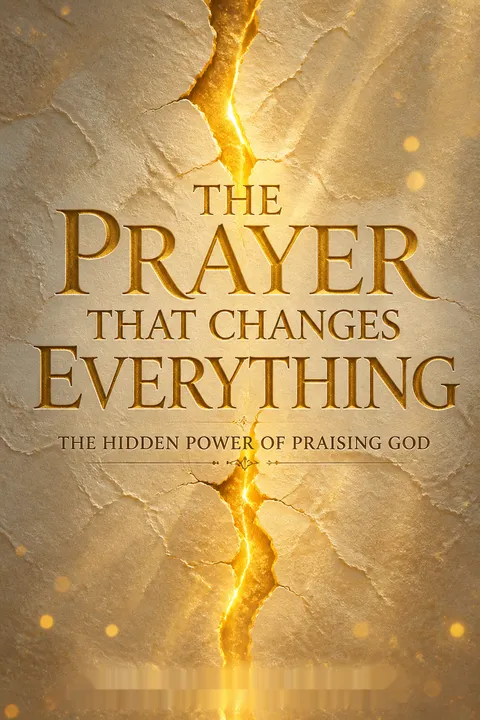
1. What is The Prayer That Changes Everything®: The Hidden Power of Praising God by Stormie Omartian about?
- Core focus on praise: The book explores the transformative power of worship and praise as a form of prayer that can change every aspect of a believer’s life.
- Relationship with God: It emphasizes developing a close, intimate relationship with God through worship, prayer, and understanding His nature.
- Life transformation: Stormie Omartian shares personal stories and biblical truths to illustrate how praise brings about change in hearts, circumstances, and lives.
- Practical structure: The book is divided into sections that offer reasons to praise God and times when praise is crucial, providing actionable guidance for readers.
2. Why should I read The Prayer That Changes Everything® by Stormie Omartian?
- Experience life change: The book promises peace, joy, fulfillment, and purpose through a deeper relationship with God, accessible by learning to praise Him effectively.
- Accessible teaching: Omartian demystifies prayer and worship, making them approachable for readers of all spiritual backgrounds and experiences.
- Biblical foundation: The content is deeply rooted in Scripture, offering numerous Bible verses and teachings to support the power of praise.
- Personal testimony: The author shares her journey from pain and despair to freedom and purpose, demonstrating the real-life impact of praise and worship.
3. What are the key takeaways from The Prayer That Changes Everything® by Stormie Omartian?
- Praise invites God’s presence: Worship opens the door for God’s presence to dwell with us, bringing transformation and change.
- Praise is a lifestyle: Worship and praise should be ongoing attitudes, not just occasional acts, aligning us with God’s purposes.
- Praise conquers challenges: Praise is a powerful weapon in spiritual warfare, helping believers overcome anxiety, doubt, and adversity.
- Forgiveness and guidance: Praising God enables forgiveness and opens channels for His wisdom and will to be revealed in our lives.
4. How does Stormie Omartian define prayer, worship, and praise in The Prayer That Changes Everything®?
- Prayer as communication: Prayer is simply communicating with God in a love relationship, marked by sincerity rather than eloquence.
- Praise as purest prayer: Praise and worship are the purest forms of prayer, focusing entirely on God with love, reverence, and thankfulness.
- Worship as surrender: Worship is described as lifting our hearts, hands, and voices to God in love and surrender, acknowledging His greatness.
- Praise as a spiritual weapon: Praise is a declaration of God’s greatness that invites His presence and repels the enemy.
5. What are the main reasons to praise God according to The Prayer That Changes Everything® by Stormie Omartian?
- God as Creator and Father: Praise God for creating everything and for being a loving, caring Father.
- God’s love and forgiveness: Praise Him for His unconditional love and complete forgiveness of our sins.
- Holy Spirit and God’s Word: Praise God for the gift of the Holy Spirit and for His living, powerful Word.
- God’s goodness, power, and presence: Praise Him for His perfect goodness, holiness, power, and constant presence in our lives.
- Purpose and redemption: Praise God for giving our lives purpose and for redeeming and restoring what is lost.
6. When is praise especially crucial according to The Prayer That Changes Everything® by Stormie Omartian?
- In trouble and negative emotions: Praise shifts focus to God’s power and peace during fear, anxiety, or discouragement.
- During sickness or weakness: Praise invites God’s healing and strength in times of physical or emotional frailty.
- Facing doubt or unanswered prayers: Praise sustains faith and trust in God’s timing and sovereignty.
- Relationship problems and forgiveness: Praise softens hearts, enabling forgiveness and reconciliation.
- In times of loss or well-being: Praise brings comfort in loss and keeps us humble and grateful when all is well.
7. How does worship and praise affect a believer’s relationship with God in The Prayer That Changes Everything®?
- Deepens intimacy: Worship draws us closer to God, allowing us to experience His love and presence more deeply.
- Transforms the heart: Praise softens and molds our hearts, making us more like God in character and purpose.
- Opens channels for blessings: Worship opens the way for God to pour out His Spirit, gifts, healing, and peace.
- Aligns with God’s will: Through worship, we become more aware of God’s purposes and are empowered to fulfill them.
8. What practical advice does Stormie Omartian give for dealing with negative emotions and anxiety in The Prayer That Changes Everything®?
- Immerse in God’s love: Receive and trust God’s unconditional love, allowing praise to open the channel for His love to flow into your heart.
- Combat negative thoughts: Use Scripture, prayer, and praise to take every thought captive and overcome negativity.
- Praise at the first sign: Immediately praise God when anxiety or fear arises, inviting His peace to guard your heart and mind.
- Replace self-focus with God-focus: Shifting attention from problems to God through praise brings emotional breakthrough.
9. How does The Prayer That Changes Everything® explain the role of praise in spiritual warfare and resisting the enemy?
- Praise repels the enemy: The devil hates worship and praise, as it reminds him of his defeat and weakens his power.
- Biblical examples: The book references King Jehoshaphat, who placed worshipers ahead of his army, showing praise as a strategic weapon.
- Part of spiritual armor: Praise is included in the spiritual armor that enables believers to stand strong against attacks.
- Stand in praise and trust: When under attack, believers are encouraged to worship and trust God to fight their battles.
10. What does Stormie Omartian say about maintaining faith and hope when prayers seem unanswered in The Prayer That Changes Everything®?
- Praise prevents discouragement: Praising God as a first response to disappointment keeps faith alive and prevents bitterness.
- Trust God’s timing: Unanswered prayers may be fulfilled in God’s perfect timing or in unexpected ways; praise helps us rest in His sovereignty.
- Praise releases power: Singing praise in the face of unanswered prayer releases God’s resurrection power for breakthrough.
- Focus on God’s will: Praising God, regardless of understanding, demonstrates trust in His wisdom and plans.
11. How does praise help in relationships and forgiveness according to The Prayer That Changes Everything® by Stormie Omartian?
- Softens hard hearts: Praise melts bitterness and hardness, enabling us to love others better.
- Opens channels of love: Worship connects us to God’s love, which overflows into our relationships, bringing peace and restoration.
- Empowers forgiveness: Praising God for His forgiveness gives us the capacity to forgive others and restores intimacy with God.
- Practical steps: The author suggests praying, praising, and releasing difficult relationships to God for healing and restoration.
12. What are the best quotes from The Prayer That Changes Everything® by Stormie Omartian and what do they mean?
- “Praise is the prayer that changes everything.” This highlights the book’s central message that worship and praise are powerful prayers that transform every area of life.
- “God inhabits the praises of His people.” (Psalm 22:3) This means God’s presence dwells where His people praise Him, making worship a gateway to experiencing His power.
- “The hidden power of praising God opens up the pathway by which all that He is affects all that we are.” Praise unlocks God’s influence in every part of our lives, transforming us from the inside out.
- “WORSHIP IS …coming before God and telling Him you love Him just because He is and that you want to simply be in His presence.” Worship is about valuing God for who He is, not just for what He gives.
- “We become like what or who we worship.” —Jack Hayford This quote emphasizes that worship shapes our character and destiny, urging us to worship God to become more like Him.
About the Author



Download PDF
Download EPUB
.epub digital book format is ideal for reading ebooks on phones, tablets, and e-readers.








