


Plot Summary
Prologue
After Cadance calls off their wedding the night before it is to take place, bestselling thriller writer Wyatt Preston retreats to his best friend Laurel’s couch and lets grief flatten his days. Then he learns that his late brother Clarke’s estate has left him part of the Rowley farm, and Laurel points out the other inheritance that matters more: Wyatt’s grandfather’s cabin goes to the first grandchild who marries.
Wyatt’s cousin Wallace is engaged and eager to claim it. Laurel proposes a trade: Wyatt can marry one of Clarke’s sisters and give her his farm share. The idea is reckless, but Wyatt leaves for Almond Bay to pursue it.
The prologue gives Wyatt two forms of loss at once. Cadance’s abrupt rejection makes him doubt his ability to be loved, while the cabin clause threatens a place tied to his childhood and grandfather. Laurel’s proposal turns grief into a practical scheme, but its logic is emotionally revealing: Wyatt tries to secure belonging through paperwork because his confidence in romantic commitment has just collapsed. The farm and cabin also establish parallel inheritances. Aubree will protect a legacy she has worked to sustain, while Wyatt wants to preserve a family refuge. Their bargain begins as an exchange of land, but both are already reaching for something that cannot be deeded.
Aubree Holds the Farm
Aubree Rowley runs the farm her late sister Cassidy built with her husband, Clarke, while helping her older brother Ryland care for Cassidy’s young daughter, MacKenzie. She has taken over farm operations after her younger sister Hattie assumes responsibility for the Almond Store, but the books show shrinking income despite increased production.
A nightmare of their abusive father leaves Aubree rattled and determined to keep working. At dinner, Hattie reports that Amanda, Aubree’s former best friend, has returned to town with Matt, the ex-boyfriend who once rejected small-town life.
Their marriage and expected child reopen the hurt of being left behind. Aubree insists she is fine, then retreats to her guest house, carrying the farm’s finances and her family’s needs alone.
Aubree’s competence is both a strength and a defense. She keeps the farm running, supports Ryland, and makes room for Mac, yet treats asking for help as a risk to her worth. Her father’s abuse persists not as a single memory but as an internal standard that she must prove herself useful. Amanda and Matt’s return compounds that pressure by making Aubree feel judged for choosing the life they once scorned. The farm becomes more than a business: it is evidence that she can preserve something her sister loved. Her insistence that she is fine signals the cost of that role, not its success.
Wyatt Arrives With Terms
Wyatt reaches Almond Bay intending to win over its residents before approaching Aubree. At the Rowley farmhouse, he meets MacKenzie, who barely knows her uncle, and reconnects with Ryland and Hattie.
Aubree treats his arrival as a threat to the farm, especially when he starts offering production ideas during a tour. He sees ways to use surplus potatoes and farm products more profitably, which irritates her because his suggestions are useful. After she rejects his help, Wyatt tells her the real reason he came: he needs to marry before Wallace can claim their grandfather’s cabin.
He offers his half of the farm in exchange for a year of marriage. Aubree refuses, unwilling to share her home or treat marriage as a transaction, and Wyatt begins trying to change her mind.
Their first conflict is not simply about attraction. Wyatt’s useful business ideas threaten Aubree’s claim to competence, while his legal ownership threatens the project through which she honors Cassidy. His proposal exposes the imbalance between what each person protects: Wyatt has money and mobility, Aubree has responsibility and a fragile sense of control. Yet he offers the land rather than trying to take the farm, and she recognizes that the offer could solve her own problem. Their antagonism therefore carries a moral question: can an agreement remain fair when one party is more emotionally exposed than the other? Both begin by mistaking control for safety.
A Boyfriend Made Public
Wyatt keeps appearing on the farm, helping with the chicken coop and offering Aubree muffins alongside relentless teasing. When he pushes her to become his wife, she continues to refuse. Then she runs into Amanda and Matt in town.
Amanda flaunts their marriage and pregnancy while implying Aubree is lonely and unhappy. Cornered, Aubree claims Wyatt is her boyfriend, and he backs her up with a convincing display of affection. The town quickly spreads the news, leaving Aubree unable to dismiss the lie.
Wyatt explains that their public relationship can make the cabin claim harder to challenge, while his farm share gives her something she wants. Aubree agrees to marry him for a year, provided he lives with her and respects limits on intimacy. Their business arrangement now has an audience.
Aubree’s false claim is an act of self-protection, but it also reveals how deeply Amanda’s judgment still reaches her. She does not announce a romance because she is ready for one; she does it because she refuses to be cast as a rejected, lesser woman. Wyatt turns that improvised defense into a workable public strategy. The bargain offers Aubree a route to secure the farm without accepting a handout, while giving Wyatt a credible marriage for his inheritance. Their consent is real, but it is made under pressure from grief, rivalry, and public scrutiny. The arrangement starts with agency and compromise entangled.
The Guest House Shrinks
Wyatt moves into Aubree’s small guest house, and the practical strain of sharing her room forces them to negotiate ordinary boundaries, from bedtime habits to whose side of the bed offers more protection.
He begins holding her at night after she admits affection feels unnecessary, and Aubree discovers she can fall asleep beside him without bracing for harm. Their staged dates become less mechanical: Wyatt takes her to dinner, shares her favorite cherry pie, and brings her to a drive-in screening of The Shining with the exact sundae she described.
He asks before pushing further, and their good-night kisses deepen by degrees. Aubree still resists naming what she feels, but she begins to seek his company and returns his affection rather than merely tolerating it.
Shared domestic space makes the bargain psychologically consequential. Wyatt’s care is expressed through small, repeatable acts: checking the locks, learning Aubree’s preferences, and offering touch without demanding disclosure. For Aubree, who learned to anticipate a father’s unpredictable anger, routine becomes a form of evidence. She can observe that Wyatt remains patient and consistent. Her growing comfort is not a sudden cure for trauma; it is a cautious bodily revision of what closeness might mean. The contrast between public performance and private tenderness also shifts the marriage’s center. The couple still calls their gestures necessary theater, even as those gestures begin to create genuine security.
A Proposal on Rails
At the End of Summer Jubilee, Wyatt expects to propose simply, but innkeeper Ethel has arranged dancers, confetti, and a kiddie train driven by railroad enthusiast Rodney. Aubree is drawn onto the dance floor by MacKenzie before Wyatt arrives in the train, tumbles out, loses his shoe, and nearly loses the ring.
He still gets down on one knee and asks Aubree to marry him. She says yes, and the town celebrates their engagement. The public performance gives them witnesses who can support the marriage if Wallace challenges it, but it also overwhelms Aubree, who never wanted a grand display.
Later, when Amanda mocks her reaction, Wyatt defends Aubree’s strength and contributions. Aubree finds the courage to answer Amanda herself, then kisses Wyatt outside.
The comic proposal is also a stress test of the couple’s public identity. Ethel’s elaborate production removes Aubree’s control over the occasion, yet Wyatt’s clumsy arrival prevents the spectacle from becoming a polished fantasy. Their shared embarrassment makes the engagement feel less like a performance of perfection and more like a scene they can survive together. Amanda’s later attack sharpens the stakes: she uses Aubree’s childhood and family position to shame her, but Wyatt’s defense helps Aubree answer in her own voice. The kiss that follows is not merely proof for the town. It marks Aubree’s first unprompted movement toward Wyatt after choosing to stand up for herself.
Two Dollars, Not Twelve
As wedding plans gather momentum, Aubree remains distressed by the farm’s unexplained financial shortfall. Wyatt persuades her to take a break and look through the accounts with him over lunch.
They find the source on the online shop: Cassidy had accidentally listed the almond extract at about three dollars instead of its twelve-dollar store price. The error explains how sales volume could rise while revenue fell. Aubree is relieved that she has not failed the farm, and Hattie helps correct the listing.
Wyatt later builds a professional website for the farm and store, including an account of Cassidy and Clarke’s work and Aubree’s stewardship. The tribute brings Aubree to tears. With the practical crisis answered and her efforts recognized, she tells beekeeper Echo that she is falling for Wyatt.
The pricing error gives Aubree’s anxiety a concrete cause, but its emotional force comes from what she feared it meant: that she was incapable of carrying Cassidy’s work forward. Wyatt helps without replacing her judgment. He finds the overlooked price, then creates a website that makes her labor visible rather than claiming credit for it. His support matters because Aubree’s self-worth has long depended on being useful without needing anything herself. Echo’s role as a confidante lets Aubree name the feeling she cannot yet risk confessing directly to Wyatt. The sequence links economic repair with emotional recognition, showing that practical competence and intimate care can reinforce rather than compete with each other.
Vows Beneath the Barn
Aubree wants a courthouse ceremony, but her siblings insist on witnessing the marriage, and wedding planner Maggie organizes a small barn celebration. Aubree chooses Cassidy’s wedding dress, carries a wildflower crown, and walks toward Wyatt with Ryland and Hattie beside her.
MacKenzie serves as flower girl, with her stuffed horse Chewy Charles in tow. After exchanging vows, Wyatt and Aubree kiss before their family and town.
At the reception, Wyatt reveals that he has arranged a flight and a honeymoon at the cabin, where his grandfather’s neighbor has prepared the house. The couple leaves Almond Bay as newlyweds, and Wyatt sends Wallace a photograph of their rings, making the marriage public to the cousin who could otherwise claim the cabin.
The wedding turns a legal strategy into a family event, whether or not the couple can yet agree on what it means. Aubree’s choice to wear Cassidy’s dress brings her sister’s presence into a ceremony founded on convenience, while Ryland and Hattie’s insistence reflects how much they need shared rituals after loss. MacKenzie’s participation makes the marriage legible to the family’s youngest member as a new bond, not only a contract. Wyatt’s photograph to Wallace serves the inheritance plot, but it also exposes the tension between public evidence and private truth. The ceremony is staged, yet its symbols carry genuine attachment that neither spouse can entirely dismiss.
Canoodle Opens the Door
At the cabin, Aubree and Wyatt stop treating intimacy as rehearsal and become lovers. The following morning, Aubree tells Wyatt that she has fallen for him and asks whether he feels the same. He admits he does and asks to date her without setting an end date on their marriage. They explore Canoodle together, and Wyatt explains how much the cabin means to him.
At a diner, however, an old friend mistakes Aubree for Cadance, the woman Wyatt had been engaged to. Wyatt calls Cadance an ex and avoids explaining the recent breakup. Aubree notices the evasion but lets the subject drop. Back in Almond Bay, the couple settles into shared affection, while the undisclosed engagement quietly leaves a gap in the trust they believe they are building.
Aubree’s confession is a major reversal: the woman who once treated affection as a liability now risks rejection because she wants a real relationship. Wyatt’s answer appears to meet her vulnerability, but his silence about Cadance creates asymmetry. He wants Aubree to trust his intentions while withholding the information most likely to complicate them. The cabin intensifies this contradiction. It is the object that prompted their bargain, yet it becomes the setting where they imagine a future together. The episode shows that intimacy can be sincere and still incomplete. Emotional openness requires more than tenderness; it also requires the difficult facts that complicate an appealing story.
The Past Walks In
Back in Almond Bay, Wyatt and Aubree discuss the future of their living arrangements and agree to preserve MacKenzie’s connection to the farmhouse. Then Cadance arrives with Wallace. Wallace tells Aubree that Wyatt was engaged to Cadance only two months earlier and claims the marriage to Aubree is a scheme for the cabin.
Cadance says she ended the engagement because Wyatt avoided deeper conversations and she could not trust him. Wyatt argues that she rejected him for lack of love, but Aubree hears the discrepancy as proof that he kept a major part of himself hidden.
Feeling used and foolish for falling in love, she leaves him outside The Cliffs and goes to The Almond Store, where Hattie finds her crying. The cabin bargain has become a personal betrayal because Wyatt’s silence denied Aubree the chance to choose with full knowledge.
The confrontation does not simply reveal an ex-fiancée. It exposes the difference between Wyatt’s account of himself and the way Cadance experienced him. His anger may be justified, but his unwillingness to discuss the past confirms Aubree’s fear that affection can conceal a lack of honesty. Wallace weaponizes a real omission, making a cruel accusation more effective because it contains enough truth to wound. Aubree’s response is not only jealousy; it is a defense of informed consent. She believed she was entering an unusual arrangement with a man she was learning to trust. The revelation forces her to reconsider whether his warmth has been a relationship or a performance.
A Marriage Under Strain
Aubree tells Ryland and Hattie that her marriage to Wyatt began as a trade: she would help him secure the cabin, and he would transfer his farm share to her. She refuses Ryland’s offer to buy the land for her, insisting she will honor the agreement, though she no longer trusts Wyatt romantically.
When Wyatt comes to the farmhouse, Ryland punches him for hurting his sister. Aubree stops the fight and tells her siblings she will remain married for the agreed year, while the personal relationship between her and Wyatt is over.
Ryland agrees to stay civil for MacKenzie’s sake but demands that Wyatt earn his place in the family. Wyatt accepts responsibility and tells Ryland and Hattie he loves Aubree, then agrees to prove his commitment through his actions.
Aubree’s decision separates the contract from the romance. She refuses both a free transfer and a protective rescue because she wants to retain authorship of her own choice, even while wounded. Ryland’s anger expresses the family’s history of men using power against the sisters, but Aubree stops him from deciding for her. Wyatt’s acceptance of blame matters more than a defense of his motives: he does not demand that love erase the harm. The scene also widens the stakes beyond the couple. MacKenzie connects Wyatt to the Rowleys, and continued family contact will depend on whether he can be trustworthy in ordinary, sustained ways.
Love Without a Deadline
Wyatt does not force a conversation after Aubree withdraws. At bedtime, he begins sharing the parts of himself he had hidden: his fear of disappointing others, his weeks of grief on Laurel’s couch, and his regret that he missed chances to support Clarke and Cassidy. He tells Aubree how he first noticed her years earlier and what their wedding meant to him, then promises he would give up the cabin rather than lose her.
Aubree listens without answering at first, but his steady honesty gradually breaks through her defenses. When he says he loves her and intends to prove it, she tells him she loves him too. They reconcile, and their marriage becomes a commitment they choose rather than a yearlong bargain they merely endure.
Wyatt’s repair work differs from his earlier charm because he stops trying to manage Aubree’s response. He offers details that make him less polished: grief, regret, and the shame behind his silence. That vulnerability meets Aubree’s central need, not for grand declarations but for truthful access to the person beside her. Her silence is not consent or forgiveness; it is time in which she evaluates whether his changed behavior is credible. When she eventually answers, she does not erase the betrayal. She chooses to continue with new terms, based on honesty and a future neither of them can guarantee. Love becomes an ongoing practice, not a shortcut around accountability.
A Home Takes Shape
In the epilogue, Aubree and Wyatt help Ryland move MacKenzie from the farmhouse into a Victorian house in town, a choice Ryland makes because the old home carries painful reminders of Cassidy’s illness. They plan to keep the farmhouse as Aubree and Wyatt’s home, renovate it together, and make room for Mac to visit.
Wyatt’s parents support the marriage, while Wallace’s attempt to challenge the cabin transfer fails because the marriage remains legally valid. At Five Six Seven Eight, Wyatt holds a book signing organized by Ethel and sees the town he once tried to impress as a community he genuinely belongs to. Aubree arrives beside him, and their affectionate partnership now rests on shared plans rather than a deadline.
The ending resolves the opening’s two inheritances by giving each a future rather than merely securing title. The cabin remains with Wyatt, the farm remains Aubree’s responsibility, and the farmhouse becomes a shared project. Ryland’s decision to move Mac is also an act of care: preserving Cassidy’s memory does not require making a grieving child live among painful reminders. Wyatt’s book signing offers a final measure of belonging. He first cultivated Almond Bay’s approval as leverage; now his place there comes through family ties, work, and affection. The couple’s permanence is not proven by a legal document alone, but by the ordinary choices they make for one another.
Epilogue
Wyatt and Aubree remain together, planning to make the Rowley farmhouse their lasting home. Ryland moves MacKenzie into a Victorian house in town because the old farmhouse carries memories of Cassidy’s final illness.
Wyatt’s parents welcome the marriage, and Wallace cannot overturn the cabin transfer while the marriage stands. At Ethel’s book signing, Wyatt sees the town that once served as a strategy become part of his real life. Aubree arrives beside him, and they share the future they once pretended to have.
The epilogue makes permanence visible through practical decisions. Ryland does not erase Cassidy by moving Mac; he gives his daughter a home that is not dominated by the final period of her mother’s life. Aubree and Wyatt, meanwhile, choose to renovate the farmhouse together, transforming inherited space into a shared project. Wyatt’s public identity also changes. The author who once used his reputation to win approval now belongs through reciprocal ties to the people around him. The cabin is legally secured, but the deeper resolution is that neither partner treats the other as a means to an end anymore.
Analysis
The novel builds its romance around two incompatible definitions of security. Aubree trusts work because work has measurable results: a functioning farm, a cared-for child, a repaired product line. Wyatt trusts planning because plans let him anticipate rejection and limit risk. Their marriage bargain appears to satisfy both systems. She can claim the land, and he can protect the cabin. But intimacy exposes what a contract cannot control: each begins to want the other beyond the stated terms. Aubree’s guardedness is not a decorative personality trait. It is an adaptation to an abusive home in which attention could become danger and dependence could become humiliation. Her difficulty accepting help makes sense as learned self-protection, not mere stubbornness. Wyatt’s secrecy has a related origin, though not an equivalent history. He is ashamed of failure and tries to preserve a lovable, capable image. When he withholds Cadance, he repeats the very condition that makes Aubree feel unsafe: a partner deciding what she can handle instead of letting her choose with full knowledge.
The farm and cabin work as material expressions of memory. Aubree wants to keep Cassidy’s enterprise alive, while Wyatt wants to preserve his grandfather’s retreat. Neither inheritance is simply property. Each gives its heir a way to remain connected to someone lost. Their eventual love does not erase those histories; it makes room for them without letting memory dictate every future choice. The website, financial correction, wedding, and plans for a shared home all turn care into observable action.
The story’s strongest emotional movement comes when Wyatt stops trying to win Aubree through charm and begins accepting responsibility for the truth he withheld. Aubree’s return to him is not a passive surrender to romance. She names what she needs, considers the harm, and chooses again after he demonstrates a willingness to be known. The resulting intimacy is less a reward for persistence than a practice of mutual agency. Their happy ending rests on the difference between being claimed by a bargain and being chosen with open eyes.
Review Summary
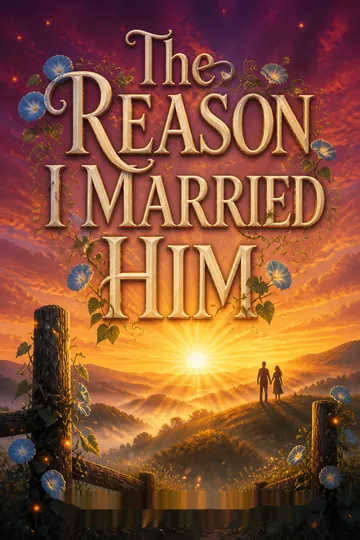
The Reason I Married Him received mixed reviews. Many readers enjoyed the humor, small-town romance, and marriage of convenience trope. Fans praised the chemistry between Wyatt and Aubree, with Wyatt's charming personality being a highlight. However, some found the book too long and slow-paced. Critics felt the characters lacked depth and the plot was predictable. The audiobook narration received positive feedback. Overall, the book was well-received by Meghan Quinn's fans but didn't impress everyone.
People Also Read










Characters
Aubree Rowley
Guarded farm stewardAubree is the middle Rowley sibling and the person carrying Cassidy’s farm forward. She is capable, observant, and fiercely protective of Mac and her family, but childhood abuse taught her to equate self-reliance with safety. Her practical competence often hides a fear of being judged inadequate, especially when she compares herself with her more openly affectionate sisters. She values the farm because it represents both Cassidy’s ambition and a life Aubree has chosen for herself. Her dry humor and stubbornness can make her seem cold, yet they also give her a way to resist other people’s assumptions. She wants respect more readily than rescue, and she is slow to trust anyone with her feelings.
Wyatt Preston
Thriller-writing bargain groomWyatt is a bestselling thriller author, Clarke’s younger brother, and a man who masks vulnerability with jokes, easy charm, and elaborate plans. He is generous and attentive, often noticing small needs others overlook, but his instinct to keep painful truths private can make his warmth feel incomplete. His career has trained him to build plots and anticipate reactions, a skill he first applies to winning a marriage bargain. Beneath the performance, he wants loyalty, family connection, and a place where he belongs. He admires people who challenge him and is drawn to Aubree’s intelligence and refusal to be managed. His central tension is learning that protecting himself from rejection can damage the intimacy he wants.
Ryland Rowley
Protective elder brotherRyland is Aubree’s older brother, a high-school math teacher and baseball coach who becomes guardian to his niece, MacKenzie. After their difficult childhood, he learned to show love by carrying responsibility: earning money, protecting his sisters, and making sure a household kept functioning. He can be blunt and quick to anger when he thinks someone threatens his family, but his protectiveness also comes from a long history of being forced into adult roles too young. Ryland struggles to make room for his own needs while parenting a grieving child. He values practical loyalty over grand assurances and wants Mac to have stability without being trapped in painful memories.
Hattie Rowley
Warmhearted shopkeeperHattie is the youngest Rowley sibling and the energetic new manager of The Almond Store. She is affectionate, curious, and emotionally direct, qualities that contrast with Aubree’s reserve. Her relationship with Hayes gives her a model of open romantic trust, and she often hopes her family can experience the same happiness. Hattie can be intrusive, especially when she is excited about someone else’s love life, but her curiosity comes from wanting to remain close to her sisters. She has her own history of hurt and knows the importance of support during difficult transitions. Her warmth makes her a bridge between Aubree’s private struggles and the wider family.
MacKenzie Rowley
Imaginative young nieceMacKenzie, usually called Mac, is Cassidy and Clarke’s young daughter and Ryland’s niece. Her imagination turns stuffed horses into characters and ordinary family life into games, giving the adults moments of levity even when grief weighs heavily on them. She is energetic, stubborn, and deeply attached to the people who care for her. Her needs shape the Rowleys’ daily decisions, from bedtime to where the family should live. Mac cannot fully explain her grief, but it appears in the places and routines she avoids. Her presence connects Wyatt to his late brother’s family and gives the adults a reason to build a stable, loving household around her.
Cassidy Rowley
The farm’s first dreamerCassidy is Aubree’s older sister, Mac’s mother, and the visionary who built the farm and The Almond Store with Clarke. She believed in creating a business around almonds and local products despite lacking traditional farming experience. Cassidy’s optimism and ambition shaped the family’s work, while her closeness with Hattie and her reliance on Aubree left deep emotional ties across the siblings. To Aubree, Cassidy represents both a beloved sister and a standard she fears she cannot meet. Her plans continue to influence the farm after she is no longer able to run it, making the land a living record of her imagination and effort.
Clarke Preston
Humanitarian older brotherClarke was Wyatt’s older brother, Cassidy’s husband, and Mac’s father. He was drawn to service and community work, and he shared Cassidy’s ambition to turn a farm into a family business. His relationship with Wyatt was affectionate but not especially close, partly because their interests and responsibilities led them down different paths. Clarke’s estate connects the Preston and Rowley families through the farm, giving Wyatt a reason to return to people he had allowed distance to grow between. His memory matters to both sides of the family, though they remember different parts of him.
Hayes Farrow
Musician and family allyHayes is a famous musician, Hattie’s partner, and a former close friend of Ryland. Their friendship broke under unresolved conflict before Hayes returned to Almond Bay and repaired the relationship. He is steady, observant, and comfortable offering practical support without making a show of it. Hayes understands the Rowley family’s history and gives Wyatt useful context about Aubree’s guardedness. His presence at family dinners and in town life helps turn a formerly fractured circle into a support network. He is also willing to speak plainly when he thinks someone may hurt a person he loves.
Laurel
Lawyer and loyal friendLaurel is Wyatt’s oldest friend and a lawyer who becomes his sounding board after Cadance’s rejection. She combines affection with clear-eyed pragmatism, helping him identify a legal route to the cabin and encouraging him to think through consequences. Laurel knows Wyatt well enough to question whether he is hiding pain behind a new plan, and she is willing to challenge his assumptions even when she helped create them. Her own experience of heartbreak makes her wary of emotional avoidance. She supports Wyatt without treating his choices as automatically wise.
Echo Alaska
Independent beekeeperEcho is a beekeeper from Texas who comes to Almond Bay seeking independence from a controlling family. She joins Aubree’s farm to manage bees and develop new products. Quietly perceptive and kind, Echo understands what it feels like to have one’s ideas overlooked and offers Aubree a nonjudgmental place to speak freely. She is practical as well as imaginative, proposing beeswax wraps and other ways to use farm resources. Echo’s friendship with Aubree is grounded in respect rather than authority, which lets her challenge Aubree gently when needed.
Wallace
Competitive Preston cousinWallace is Wyatt’s cousin and a man who treats family inheritance as an opportunity to win. He resents Wyatt and takes pleasure in making him feel threatened, especially where their grandfather’s cabin is concerned. Wallace has little apparent appreciation for the place’s history, which makes Wyatt fear he will alter or destroy it. He is calculating and provocative, often using personal information to destabilize others. His rivalry helps drive Wyatt’s marriage plan, but his influence depends on Wyatt reacting impulsively rather than calmly asserting what he values.
Cadance Clearwater
Coffee-company heiressCadance is heir to the Clearwater Coffee business, an ambitious entrepreneur proud of her family’s product. She is polished and persuasive, accustomed to presenting a confident face even when she feels uncertain. Her standards for a relationship include emotional openness, and she is sensitive to the difference between surface companionship and real trust. Her choices and expectations form part of Wyatt’s recent history, though she is not defined only by that relationship. The contrast between her guarded standards and Aubree’s fear of vulnerability raises questions about what honesty should look like between partners.
Amanda Berteaux
Aubree’s estranged friendAmanda was Aubree’s closest childhood friend, but their paths diverged as adults. She is socially polished and attentive to status, and she has a talent for finding the insecurities she once learned about through intimacy. Her return to Almond Bay unsettles Aubree because it revives both friendship and romantic betrayal. Amanda’s judgments reflect a belief that success should look ambitious and outward-facing, the very standard Aubree has rejected. She serves as a painful reminder that knowing someone well does not guarantee loyalty.
Matt
Aubree’s former boyfriendMatt once dated Aubree and ended the relationship because he wanted a different, more expansive life than the one she had chosen in Almond Bay. His decision left Aubree questioning whether her commitment to family and the farm made her less worthy of love. He is not as verbally confrontational as Amanda, but his earlier rejection shaped the standard against which Aubree measures herself. His presence in town makes old choices visible again and forces Aubree to confront the difference between his preferences and her own value.
Ethel
Innkeeper and impresarioEthel owns the Five Six Seven Eight Inn and is a former performer with a love of music and theatrical events. She is sociable, generous, and deeply invested in Almond Bay’s community life. Ethel enjoys connecting people and organizing celebrations, sometimes on a far grander scale than the people involved expect. Her enthusiasm makes her an important local ally to Wyatt, while her affection for the Rowleys gives her a personal stake in their happiness. She is also a reliable source of town news.
Maggie
Wedding planner friendMaggie is Hattie’s friend and a professional wedding planner. She is organized, imaginative, and enthusiastic about designing celebrations, even when a couple insists they want something simple. Her work helps translate the family’s affection into a ceremony that reflects the farm and its history. Maggie is confident in her craft and willing to improvise when time is short.
Parson
Steady head harvesterParson is the farm’s head harvester and a longtime employee hired by Clarke. He is hardworking, private, and devoted to model trains. His steadiness gives Aubree dependable support in the daily work of the farm, and his concern when she withdraws shows that the workers notice more than production figures.
Aggie
Vodka operations managerAggie manages the farm’s vodka production alongside her sister Esther. She is experienced, diligent, and an important source of operational stability as Aubree takes charge of the business. The sisters’ reliability gives Aubree room to focus on the farm’s long-term health.
Esther
Extract operations managerEsther manages almond extract production with her sister Aggie. She is hardworking and dependable, helping keep the farm’s products moving while Aubree oversees the larger operation. Her role is practical but essential to the family business.
Abel
Town doctor and friendAbel is Almond Bay’s doctor and pharmacist, as well as a friend of Hayes and the Rowley family. He is easygoing and helpful, offering Wyatt practical advice when farm work leaves him sore. His local ties show how readily the town turns ordinary services into personal support.
Rodney
Train museum enthusiastRodney runs Almond Bay’s model railroad museum and is intensely knowledgeable about trains. Eccentric, abrupt, and generous in his own way, he bonds with Wyatt through their shared interest in model railways. His enthusiasm becomes part of the town’s distinctive social fabric.
The Rowley father
Source of childhood fearThe Rowley siblings’ father was an abusive alcoholic whose violence and insults shaped how each child learned to survive. Ryland responded by protecting the family, while Aubree internalized a need to prove her worth through work. His influence remains present in their adult habits, even when they rarely speak about him.
Plot Devices
The marriage bargain
Land traded for loveWyatt needs to marry before his cousin can claim their grandfather’s cabin, while Aubree wants Wyatt’s share of the Rowley farm secured in her hands. Their agreement gives each a concrete reason to participate and forces them into public courtship, cohabitation, and a wedding. It begins as a transaction, but the shared routines make the arrangement emotionally unstable in a productive way. The device tests whether consent and affection can coexist when both people enter with practical motives. Its greatest pressure comes when real feelings develop before either has fully disclosed the past that shaped the deal.
The cabin clause
Inheritance with a deadlineWyatt’s grandfather’s will gives the family cabin to the first grandchild to marry. Once Wallace becomes engaged, Wyatt believes time is running out to protect a place he associates with his grandfather and childhood. The clause turns a sentimental attachment into an external deadline and motivates Wyatt’s proposal to Aubree. It also links the cabin to the farm: both are pieces of family history that their prospective owners fear losing. The legal condition eventually makes their public marriage important, since Wallace may challenge whether it is genuine.
The Almond Store legacy
Work made inheritance visibleCassidy and Clarke’s farm and shop give Aubree a daily responsibility that is also a memorial to her sister. Potatoes support vodka and almond extract, while bees and plans for eggs and other products offer new income. The farm’s accounting problem forces Aubree to confront her fear of failing Cassidy. When Wyatt helps identify the underpriced online extract and creates a fuller website, the business plot becomes a measure of whether support can strengthen Aubree’s agency rather than replace it.
Almond Bay gossip
The town becomes witnessIn Almond Bay, a shared pie, a public handhold, or a restaurant encounter quickly becomes common knowledge. Wyatt deliberately befriends local business owners, while the town’s gossip later helps make his relationship with Aubree appear credible to Wallace. The same close-knit network can comfort the Rowleys or intensify pressure, as when Amanda’s remarks spread and Ethel’s proposal plans become a public production. The town is not just a backdrop. Its residents act as witnesses, matchmakers, informal investigators, and a community the couple must learn to belong to honestly.
Nightly closeness
Trust built through routineWyatt’s nightly habit of checking the locks and holding Aubree creates a repeated, low-pressure form of care. Their good-night kisses gradually deepen, but the important change is that Aubree begins to relax into the routine and ask for his presence. This physical motif contrasts with her childhood experience of unpredictable anger and with her former relationship’s emotional distance. It also lets the story show trust as embodied before Aubree can easily explain it. After their conflict, Wyatt’s bedtime confessions reshape the same ritual from comfort into honest disclosure.
FAQ
Synopsis & Basic Details
What is The Reason I Married Him about?
- Fake marriage, real feelings: The story centers on Wyatt, a heartbroken author, and Aubree, a farm owner, who enter a marriage of convenience. Wyatt needs to secure a family cabin, and Aubree needs to protect her farm.
- Unexpected connections: As they navigate their fake relationship, they find themselves drawn to each other, blurring the lines between their agreement and their true feelings.
- Small-town charm and drama: Set in the quirky town of Almond Bay, the story explores themes of family, community, and the unexpected paths to love, all while navigating the challenges of a fake marriage.
Why should I read The Reason I Married Him?
- Emotional depth and humor: The book blends emotional depth with laugh-out-loud humor, creating a compelling and engaging read.
- Complex characters: The characters are well-developed, with relatable flaws and insecurities, making their journey of self-discovery and love all the more compelling.
- Unique premise: The marriage of convenience trope is given a fresh twist, exploring the complexities of love and relationships in a small-town setting.
What is the background of The Reason I Married Him?
- Small-town setting: The story is set in the fictional town of Almond Bay, a close-knit community with its own unique charm and quirks.
- Family legacy: The Rowley family's history and the legacy of their farm play a significant role in the plot, highlighting the importance of family and community.
- Author's style: Meghan Quinn's signature style of humor and emotional depth is evident, creating a lighthearted yet heartfelt story.
What are the most memorable quotes in The Reason I Married Him?
- "You're such a liar.": This quote, often used by Aubree to call out Wyatt's teasing, highlights their playful banter and the underlying tension between them.
- "I want to be with you, and if that means we're here in the guest house together, that's fine. If we move into the farmhouse, that's great too. I just want to be with you.": This quote reveals Wyatt's growing feelings for Aubree and his willingness to prioritize their relationship over his initial plan.
- "I'm not going to make them purchase it. I doubt they have the money. I don't need their money, and I don't need their farm. The whole thing really is an inconvenience.": This quote showcases Wyatt's initial disinterest in the farm, highlighting his focus on the cabin and setting the stage for his unexpected connection with Aubree.
What writing style, narrative choices, and literary techniques does Meghan Quinn use?
- Dual POV: The story is told from both Wyatt and Aubree's perspectives, allowing readers to understand their individual thoughts, feelings, and motivations.
- Humorous dialogue: Quinn's signature style of witty banter and humorous dialogue is evident, creating a lighthearted and engaging read.
- Emotional depth: Despite the humor, the story delves into deeper emotional themes, exploring the characters' vulnerabilities and insecurities.
Hidden Details & Subtle Connections
What are some minor details that add significant meaning?
- The imprint on Laurel's couch: The "permanent imprint" Wyatt leaves on Laurel's couch symbolizes his emotional stagnation and the depth of his heartbreak, which he must overcome.
- The melted chocolate chip on Wyatt's face: This seemingly random detail highlights Wyatt's disheveled state and his lack of self-care, emphasizing his emotional turmoil.
- The model train museum: The model train museum and its owner, Rodney, foreshadow Wyatt's connection to the past and his desire to preserve his family's legacy, mirroring Aubree's desire to preserve her sister's.
What are some subtle foreshadowing and callbacks?
- Wyatt's comments about the cabin: His early comments about the cabin foreshadow his desperation to secure it, which drives the plot and his relationship with Aubree.
- Aubree's dislike of small towns: Her comments about not wanting to be stuck in a small town foreshadow her internal conflict about her feelings for Wyatt and her desire to protect her farm.
- The mention of the Peach Society: The Peach Society, a group of influential women in town, foreshadows the community's involvement in Wyatt and Aubree's relationship and the pressure they face.
What are some unexpected character connections?
- Hayes and Ryland's past feud: The revelation of Hayes and Ryland's past feud adds depth to their present relationship and highlights the theme of forgiveness and reconciliation.
- Ethel's love for W.J. Preston's books: Ethel's admiration for Wyatt's books creates an unexpected connection and helps him gain acceptance in the town.
- Parson and Rodney's friendship: The friendship between Parson and Rodney, both seemingly introverted characters, adds a layer of depth to the small-town setting and highlights the importance of community.
Who are the most significant supporting characters?
- Laurel: As Wyatt's best friend, Laurel provides emotional support and a voice of reason, helping him navigate his heartbreak and his unexpected marriage.
- Hattie: Aubree's younger sister, Hattie, is a source of optimism and support, encouraging Aubree to embrace love and happiness.
- Ryland: Aubree's older brother, Ryland, is a protective figure, offering guidance and support while also challenging Wyatt's intentions.
Psychological, Emotional, & Relational Analysis
What are some unspoken motivations of the characters?
- Wyatt's need for validation: Wyatt's desire to secure the cabin is driven by a need for validation and a desire to prove his worth after being left at the altar.
- Aubree's fear of vulnerability: Aubree's guarded nature stems from her past experiences and a fear of being hurt again, making her hesitant to embrace her feelings for Wyatt.
- Wallace's jealousy: Wallace's actions are driven by jealousy and a desire to undermine Wyatt, highlighting his insecurity and lack of genuine connection to his family.
What psychological complexities do the characters exhibit?
- Wyatt's fear of rejection: Despite his charm and success, Wyatt struggles with a deep-seated fear of rejection, stemming from his past heartbreak.
- Aubree's self-doubt: Aubree's self-doubt and insecurities are rooted in her childhood experiences, making her hesitant to trust her own judgment and feelings.
- Ryland's overprotectiveness: Ryland's overprotective nature stems from his desire to shield his sisters from the pain he experienced growing up, highlighting his deep love and loyalty.
What are the major emotional turning points?
- Wyatt's confession of love: Wyatt's confession of love for Aubree marks a turning point in their relationship, forcing them to confront their true feelings.
- Aubree's vulnerability with Echo: Aubree's decision to confide in Echo about her feelings for Wyatt highlights her growing trust and willingness to be vulnerable.
- The confrontation with Cadance and Wallace: The confrontation with Cadance and Wallace forces Aubree to confront her insecurities and recognize the depth of her feelings for Wyatt.
How do relationship dynamics evolve?
- From suspicion to trust: The relationship between Wyatt and Aubree evolves from suspicion and animosity to trust and genuine affection.
- From fake to real: The fake relationship between Wyatt and Aubree becomes a catalyst for exploring their true feelings and desires.
- From guarded to vulnerable: Both Wyatt and Aubree learn to let down their guards and embrace vulnerability, allowing them to form a deeper connection.
Interpretation & Debate
Which parts of the story remain ambiguous or open-ended?
- The future of the farm: The long-term future of the farm and how Aubree will balance her personal life with her responsibilities remains open-ended.
- The extent of Wallace's interference: The extent to which Wallace will continue to interfere in Wyatt and Aubree's lives is left ambiguous, leaving room for future conflict.
- The long-term impact of Cadance's reappearance: The long-term impact of Cadance's reappearance on Wyatt's emotional state and his relationship with Aubree is not fully explored.
What are some debatable, controversial scenes or moments in The Reason I Married Him?
- The marriage of convenience: The ethics of entering a marriage of convenience, especially when feelings are involved, is a debatable topic.
- Wyatt's initial motivations: Wyatt's initial motivations for proposing to Aubree, driven by a desire to secure the cabin, can be seen as selfish and manipulative.
- Aubree's acceptance of the proposal: Aubree's decision to marry Wyatt, despite her initial distrust, can be seen as a sign of her desperation and vulnerability.
The Reason I Married Him Ending Explained: How It Ends & What It Means
- A new beginning: The story ends with Wyatt and Aubree embracing their new relationship, having moved past their initial agreement and into a genuine connection.
- A promise of commitment: The ending emphasizes their commitment to each other, both as a couple and as partners in life, leaving the reader with a sense of hope and optimism.
- Open-ended future: While the story concludes with their marriage, the future of their relationship and the challenges they may face are left open-ended, suggesting that their journey is just beginning.
Almond Bay Series
About the Author
Other books by Meghan Quinn










Download PDF
Download EPUB
.epub digital book format is ideal for reading ebooks on phones, tablets, and e-readers.








