

Plot Summary
A Dowry Without Consent
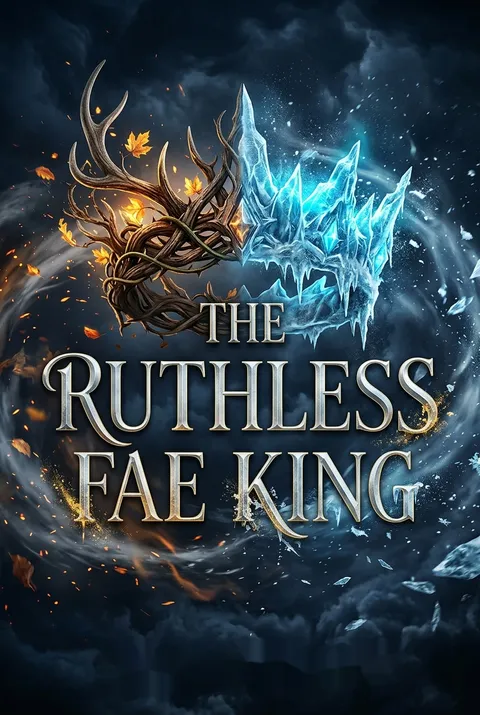
Madelynn Windstrong, the powerful princess of Fall, learns her father has promised her to Lucien Thorne, the feared king of Winter. She tries to enlist the charming courtier Maxwell to help her fail the required purity test, but he refuses to risk his life.
Her mother reminds her that refusing a reigning king would stain the family and threaten her younger sister Libby’s future. When Lucien arrives, Madelynn demands control of her own dowry and tells him she distrusts his reputation.
Instead of punishing her, he accepts her conditions, including land for her people and Piper’s place at court. He also admits that his uncontrolled Great Freeze killed dozens, including Madelynn’s grandmother. Though he offers to cancel the match, she agrees to proceed.
Madelynn’s first strategy is to make herself unacceptable, but Lucien’s willingness to hear her terms unsettles the simple story she has built around him. The dowry gives her a narrow form of agency within a system that treats marriage as a political transaction. Lucien’s confession complicates attraction with accountability: he does not deny the deaths or ask her to dismiss them. Her consent remains constrained by family reputation and law, so her decision is not uncomplicated romance. It is a choice made inside limited options, with the possibility of influence over a realm beginning to compete with her fear.
Snow in the Wind
Lucien refuses the healer’s demand to examine Madelynn physically, accepting her signed declaration of purity instead. Outside, she lifts a fallen tree with wind magic, and Lucien adds controlled snow to her swirling leaves; their powers create a display neither could make alone.
At the crowded betrothal dinner, he declines wine and treats the staff with unusual courtesy. Madelynn wonders whether his refusal signals a drinking problem, but has no evidence.
Before the tour begins, Lucien gives her his late mother’s snowflake ring, making their engagement tangible. Libby reacts to Madelynn’s departure with tears, while Piper promises to accompany her. Madelynn leaves Fall Court with her friend, the ring, and growing attraction she still distrusts.
The magic display gives the couple an experience of cooperation before they have built trust through conversation. Their elements do not erase their differences; they make a third thing together, which becomes a concrete model for partnership. Lucien’s refusal to permit an invasive examination also distinguishes respect from the coercive customs surrounding Madelynn’s body. The ring carries a different weight: it connects a proposed marriage to Lucien’s private grief, not merely royal exchange. Meanwhile, leaving Libby makes the cost of duty immediate. Madelynn is not simply moving toward a crown; she is being separated from the people who make home feel safe.
Spring’s Quiet Coup
On the engagement tour, Madelynn asks Lucien what makes him happy and learns he cannot remember feeling truly happy since his mother died. At Spring Court, her friend Princess Sheera privately warns that her parents and Summer’s ruler, Marcelle Haze, may seek to break away from Winter. She has also heard that Lucien plans to join a war against Queen Zaphira of Nightfall.
At dinner, Duke Barrett objects to the proposed conflict, and Lucien threatens imprisonment if the duke refuses a royal command. Madelynn calms the room, but she is left weighing the danger of war against the danger of a divided realm. Piper sees the political cost on both sides: loyal armies can save lives, but soldiers may die for a cause they do not believe in.
The tour turns courtship into political education. Madelynn discovers that Lucien’s private emptiness and his public authority coexist, while Sheera’s warning shows that affection cannot insulate her from factional conflict. Barrett’s objection is not merely disloyalty: it exposes the moral risk of demanding soldiers’ lives without persuading them of the cause. Lucien sees unity as a military necessity; the duke sees war as a cost imposed on his people. Madelynn’s diplomatic intervention postpones the clash but cannot settle its underlying question. Her future role as queen is already being tested as judgment, not ornament.
The King’s Manufactured Monster
As the carriage crosses toward Summer, Lucien explains that many stories of his cruelty were deliberately spread to deter anyone from challenging him after he became king at sixteen. The Great Freeze was real, though, and his guilt remains.
At Summer’s closed gates, guards deliver a petition from Marcelle to divide the fae realm, joining Summer and Spring in a new kingdom. Lucien’s anger brings snow and dark clouds, and he threatens to make the courts enemies. Madelynn steadies him, pointing out that another display of force would strengthen the separatists.
He agrees to enter Summer and hold a realm-wide vote later. When Lucien hints that he may challenge Marcelle, Madelynn jokes that Marcelle was her first kiss, provoking a flash of jealousy that lets her see his vulnerability beneath the kingly menace.
The revelation of Lucien’s manufactured reputation reframes fear as a political tool rather than a transparent record of character. It does not absolve him: the Freeze remains an actual catastrophe, and his failure to explain it has left others to interpret the silence. At the gate, Madelynn uses emotional regulation as political labor, helping Lucien avoid a response that would validate his opponents. Her joke about Marcelle reverses their power dynamic for a moment. Lucien’s jealousy is comic, but it also makes him legible as a person whose intimacy is threatened by the same instability that shapes his rule.
A Knee Before Summer
Passing a Summer cemetery marked for the Freeze victims, Lucien leaves the carriage and touches each gravestone, placing an ice rose at a child’s grave. Madelynn recognizes his grief and uses jokes to draw him back from it. At dinner, she urges him to apologize publicly.
Lucien acknowledges his responsibility and kneels before a widow who lost her husband; she accepts his apology, but Marcelle tries to turn the moment into proof that Lucien is unfit to rule. Madelynn answers with a controlled windstorm, forces Marcelle to kneel, and prevents the room from becoming a battleground. Lucien spares him. Outside, Lucien kisses Madelynn, and she realizes that defending him has become more than political duty.
The cemetery makes the Great Freeze visible as individual loss, correcting the abstraction of royal policy. Lucien’s ritual of touching each grave shows remorse, but remorse alone cannot repair the public silence that followed. His apology becomes meaningful because he accepts humiliation before the bereaved widow rather than controlling the encounter. Marcelle’s response exposes how easily vulnerability can be weaponized. Madelynn’s intervention is therefore double-edged: she protects Lucien, yet also uses the threat of violence to impose order. Their kiss follows a moral choice, binding attraction to the question of what kind of power each will exercise.
The Wound Beneath Winter
On the road to Winter, Madelynn and Lucien stop a farmhouse fire by combining wind and ice. At the palace, she meets Lucien’s drunken father, former King Vincent, who blames his son for his mother’s death and cuts his face with an icicle. Lucien does not retaliate. Madelynn confronts Vincent, restricts his access to the family, and gives him a choice between elven treatment and a remote cottage.
Lucien explains that a fight with Vincent triggered the Great Freeze, making him afraid to challenge his father again. He admits his love for Madelynn, and she returns it. They decide to marry within a week, then shorten the plan when news arrives that Zaphira’s machine has stripped a Winter soldier of his magic and she has consumed it.
Lucien’s restraint around Vincent is not evidence of indifference; it is a learned fear of what his own power can do when grief and anger overwhelm him. Madelynn recognizes that his public volatility and private submission have different histories. Her confrontation with Vincent creates safety, but also risks taking control of a family conflict that Lucien has endured for years. Their declaration of love follows this intervention, making intimacy inseparable from protection. The stolen-magic report abruptly widens the scale of their choices: a marriage that might have unfolded slowly becomes urgent because Zaphira’s technology turns captured people into weapons.
A Wedding Stolen
Lucien learns that Zaphira can absorb stolen magic and plans to seek allies, but he insists on marrying Madelynn before war begins. She rides home to gather her family and finds Marcelle in her father’s study with a second marriage contract. Her father has accepted Marcelle’s offer because he promises to keep Fall out of the coming war.
Marcelle says he will protect Madelynn, then clamps magic-inverting cuffs around her wrists and threatens her mother and Libby. He has already arranged for them to be away from the palace. Madelynn’s father does not stop him. Marcelle claims the marriage can be made legal before Lucien pays the dowry, and takes Madelynn away in a carriage. Piper escapes toward Winter to seek help.
The betrayal wounds Madelynn because it comes through the person she trusted to protect her, and because her father recasts surrender as responsibility for his people. Marcelle exploits the gap between legal form and meaningful consent: the contract may satisfy custom while the cuffs and threats destroy any real choice. The story makes political appeasement intimate, placing a daughter’s body inside the price of avoiding war. Piper’s flight preserves a counterline of resistance. While Madelynn is physically contained, someone who witnessed the abduction can still carry the truth beyond Marcelle’s control.
Queen in the Cuffs
Marcelle forces Madelynn through a hurried wedding and consummates the marriage against her will. After she fights back, he blinds her with sunlight and locks her away. A young attendant, Birdie, tells her that Spring, Summer, and Fall have separated from Winter and that Marcelle intends to threaten Madelynn’s family if she resists.
Madelynn decides to survive by pretending to accept her new role while looking for a way to recover her magic and kill Marcelle. Birdie secures her a separate room by claiming Madelynn has begun her monthly bleeding. On a supervised trip to town, Madelynn finds Piper’s hidden note: Piper is safe in Winter and is trying to get Madelynn’s mother and sister out through secret tunnels.
The forced marriage is presented as an assault on bodily autonomy, not as a romantic obstacle. Madelynn’s dissociation and grief give way to a survival plan, showing agency returning in a form shaped by danger rather than free choice. Her performance of compliance is not consent; it is tactical concealment under coercion. Birdie’s help matters because it restores a small degree of privacy and offers information without demanding trust she has not earned. Piper’s note links the isolated captive to a wider resistance. The separation of the courts raises the stakes from personal escape to the safety of an entire political alliance.
Wind Against the Sun
As Lucien’s freeze spreads through Summer and kills an elderly farmer, Marcelle finally removes Madelynn’s cuffs so she can clear the cold. She directs the Sun Guards to create fire, then uses their heat to warm the town while Lucien quietly withdraws his frost. With her magic restored, Madelynn hurls the guards aside and pins Marcelle against the palace wall.
Before she can decide how to finish him, Lucien arrives with the dragon king and kills Marcelle with a volley of ice. Madelynn claims authority over Summer’s people and tells them to join Winter against Zaphira. An archer shoots her in the stomach as the crowd gathers. Lucien kills the attacker and carries Madelynn away, leaving the newly freed queen gravely wounded.
Madelynn’s power returns first as an instrument of care: she protects ordinary people from the freeze even while plotting against Marcelle. That distinction prevents her rage from becoming identical to his coercion. Yet when Marcelle taunts her, her magic overwhelms the guards and pins him, revealing both her capacity and the danger of using power under trauma. Lucien’s intervention ends the immediate threat but also takes the final act of killing from her hands. The arrow then makes political authority physically costly. Her claim to rule is not secure merely because the usurper is gone; the crowd’s hostility turns rescue into a race against death.
Blood for a Second Chance
Madelynn loses consciousness in flight, and Lucien believes she has died until the elven healer Raife detects a faint heartbeat. Raife closes the wound but cannot replace her lost blood. Queen Kailani uses human medical equipment to transfer Lucien’s blood into Madelynn, risking unknown effects on their magic.
Madelynn wakes in Winter and accepts Lucien’s reassurance that the assault has not made her impure in his eyes. Piper and Madelynn’s mother arrive, reporting that Zaphira’s soldiers tried to abduct Libby.
Her mother saved the girl but exhausted her own magic, while Piper was injured. Lucien agrees not to kill Madelynn’s father at her request. The allied rulers begin preparing for war, and Madelynn decides to bring the separated courts back into the fight.
The transfusion turns intimacy into literal biological exchange, but its cost is uncertain rather than magically convenient. Lucien’s choice prioritizes Madelynn’s life over his own power, while her response refuses the purity code that Marcelle used to define her worth. The rescue of Libby confirms that Zaphira’s threat is not a distant strategic concern; it has reached the family home. Madelynn’s mother’s depleted magic also makes protection costly for those who are not rulers. By choosing to reunite the courts, Madelynn converts private survival into political action without pretending that the violence against her has been repaired.
Three Courts Turn Back
Madelynn and Piper fly to Spring with the dragon king. She lifts Duke Barrett into the air and demands his loyalty, then lowers him when Sheera’s mother persuades him that separation will not protect them from Zaphira. In Summer, Madelynn finds the court arguing over Marcelle’s death while his younger brother Mateo, newly freed from re-education, struggles to lead.
Madelynn explains that Marcelle forced her marriage and that Zaphira has already targeted her sister. Mateo accepts his responsibility, announces he will fight, and agrees to undo the separation. Summer’s people follow. With Spring and Summer committed to Winter, the fae can face Zaphira together, though Madelynn has had to use royal force to make the alliance possible.
Madelynn’s new authority is tested in two different registers. In Spring, she threatens Barrett but listens when Sheera’s mother offers a path back to cooperation. In Summer, she persuades through disclosure, giving Mateo facts that Marcelle’s propaganda concealed. These scenes distinguish coercion from leadership without making the distinction easy: fear moves people quickly, but truthful explanation gives them a basis for choosing. Mateo’s inexperience makes him both vulnerable and necessary, since his legitimacy can redirect a court that might otherwise avenge Marcelle. Madelynn is no longer only a bride negotiating for influence; she must now assemble consent under the pressure of imminent attack.
The Wall of Winter
Back at Winter’s battlefield, Madelynn learns that the blood transfer has weakened Lucien’s powers and the allied forces are losing ground to Zaphira’s magic-enhanced soldiers. Lucien spots her and asks her to use the Winter power now running through her blood to build a barrier. He teaches her to direct it through anger.
Madelynn draws on Marcelle’s assault and her fury at Vincent’s abuse, then sends wind, snow, and ice across the border. A wall rises roughly forty feet, forcing both armies apart and driving Nightfall’s fighters back long enough for the allies to regroup. Lucien fears he is now useless without his magic. Madelynn tells him his worth to her has never depended on power.
The wall is both a tactical defense and a physical expression of Madelynn’s accumulated anger. Lucien teaches her to access that force, but she selects the memory herself, turning trauma into action without suggesting that the trauma was necessary or beneficial. The shared blood that saved her has also altered the balance between them, temporarily reducing Lucien’s ability to protect his own people. His fear of uselessness echoes the old wound beneath his kingly identity. Madelynn’s reassurance shifts their bond away from admiration of strength toward recognition of personhood. The pause bought by the wall is temporary, so emotional resolution cannot substitute for the coming campaign.
A Wedding Before War
With the armies gathered, Madelynn and Lucien marry in Winter’s town square rather than wait for a grand ceremony. Their wedding joins fae, elves, and dragon-folk, and Lucien uses the gathering to explain that his father’s abuse and his mother’s death preceded the Great Freeze.
He accepts responsibility for losing control and apologizes to the people he harmed. The crowd responds by lifting the couple above them in celebration.
Later, Madelynn and Lucien go to their shared room and choose to begin married life with tenderness and mutual desire, replacing the memory Marcelle forced on her with an experience she freely chooses. Their private happiness lasts one night: the war remains, and the next morning brings new intelligence about Zaphira’s growing forces.
The wedding is not a retreat from war but a public act of reunification. By telling the truth about his father and his own failure, Lucien connects private vulnerability to political accountability, repairing the silence that had made the Freeze into legend. The crowd’s response offers a form of social recognition he could not command through fear. Madelynn’s chosen intimacy afterward matters because it restores agency over a body that was recently controlled by others. The scene does not erase her assault; it gives her a different memory made through consent. The contrast between one night of safety and the coming war keeps the resolution provisional.
The Wolves’ Missing Power
At the war council, a wounded Winter soldier reports that Nightfall’s troops can partially shift into wolf forms and that Zaphira has hundreds of wheeled machines that strip magic from captives, turning it into an elixir her soldiers drink. The revelation means her army can reproduce powers taken from several peoples. Lucien’s magic has returned, but he needs the reclusive wolf king Axil Moon to join the alliance.
Madelynn, Kailani, and Arwen volunteer to travel to Fallenmoore while the kings hold the front. Before departure, Lucien’s father Vincent admits he wants help for his drinking and agrees to go to an elven infirmary. The women take an old memory box belonging to the kings, hoping it will establish their authority with Axil.
The elixir clarifies the logic of Zaphira’s threat: the danger is not simply that she has stolen magic, but that technology lets her distribute it through an army. This converts individual abduction into industrialized power. The alliance must therefore expand beyond familiar political ties, making Axil’s participation strategically urgent. The women’s mission is not a domestic side errand; it is a diplomatic operation that leaves the battlefield’s defense to others. Vincent’s decision to seek treatment offers a quieter counterpoint to the war, showing that change begins with an admission of need, though it cannot undo the harm he caused.
Death Mountain’s Warning
Arwen carries Madelynn and Kailani over Archmere into Fallenmoore, where a pack of enormous wolves surrounds them. One wolf shifts into a woman and explains that the visitors must approach King Axil as equals, not supplicants; he may kill anyone he judges weak. She also warns that Arwen cannot approach in dragon form or the pack will shoot her down.
After Arwen changes back, the pack agrees to escort the three queens toward Death Mountain, where Axil lives. They learn that the wolf king can seize control of another person’s mind and render Madelynn’s wind magic useless. Lucien had described Axil as an old friend, but the pack’s rules make clear that securing his support will be dangerous. The story ends as the queens continue toward him.
The journey introduces a political culture that does not recognize the same signs of rank or safety as the fae courts. The pack evaluates the queens through posture, eye contact, and perceived dominance, making etiquette a survival skill rather than a decorative custom. Arwen’s dragon form, usually a source of protection, would instead provoke an attack, so the allies must adapt before they can negotiate. The warning about Axil’s mental power directly unsettles Madelynn’s confidence in her magic. Ending before the meeting preserves the uncertainty: the alliance needs the wolves, but access to their king may require the queens to surrender the assumptions that have protected them elsewhere.
Analysis
The novel links intimacy to governance by repeatedly asking whether power can be used without turning people into possessions. Madelynn begins inside a marriage system that prices her status, fertility, and magical strength, yet insists on negotiating terms and eventually exercises authority over the courts. Her choices are shaped by coercion, family loyalty, and the practical need to prevent mass harm. The story does not make those pressures disappear; it distinguishes moments of real consent from arrangements enforced by law or threat.
Lucien’s elemental magic makes emotion public. The Freeze is both a political catastrophe and the consequence of a grieving teenager trapped in an abusive household. His fabricated reputation protects his throne, but silence about the real disaster produces a second injury: the people he harmed are left with no explanation. His public apology matters because he accepts responsibility without claiming that his suffering cancels theirs. The novel thus treats vulnerability as a condition of legitimate rule, not merely a romantic virtue.
Madelynn and Lucien’s partnership is built through concrete acts of correction. She steadies his powers, challenges his choices, and helps him face the history he avoids; he respects her boundaries and gives her room to act. Yet their love does not solve the political crisis. Zaphira’s machines turn living beings into sources of military power, and the divided courts must decide whether fear will keep them separate or force them into cooperation. The story’s central tension is therefore not simply love against war. It is whether communities can build trust after harm, before an enemy makes their divisions irreversible.
Review Summary
People Also Read




Characters
Madelynn Windstrong
Wind-powered Fall princessMadelynn is Fall’s eldest princess, known for unusually strong wind magic, a sharp sense of justice, and a habit of speaking more plainly than court decorum permits. She loves her family and feels the pull of royal duty, but she also resists being treated as property in political arrangements. Her confidence in her magic is matched by a deep belief that power should protect ordinary people. As she faces competing loyalties, she must learn how to lead without confusing control with care. Her emotional openness, humor, and temper are not separate from her political identity; each can steady a room or unsettle it.
Lucien Thorne
Winter’s guarded kingLucien became king as a teenager after his father abdicated, leaving him to hold a dangerous throne while grieving his mother. His Winter magic responds to emotion, and his fear of losing control has shaped both his public reputation and his private silences. He is strategic, proud, and capable of frightening anger, but he also values consent, loyalty, and directness. His courtship of Madelynn reveals a man who wants affection yet struggles to believe he deserves it. The tension between his protective instincts and his need to trust others defines his relationships and his rule.
Piper
Loyal childhood companionPiper is Madelynn’s lady-in-waiting and closest friend, accompanying her beyond Fall even though leaving home means a personal sacrifice. She has little magical power, but strong practical judgment and a gift for reading people. Her humor softens Madelynn’s anxiety, while her advice helps her friend see political and emotional situations from more than one angle. Piper is also fiercely loyal, willing to act under pressure when Madelynn cannot protect herself. Her importance comes not from royal rank or elemental strength, but from the clear-eyed care that keeps Madelynn connected to her own values.
Marcelle Haze
Ambitious Summer princeMarcelle is Summer’s charismatic ruler, a former childhood acquaintance of Madelynn whose ambitions reach beyond his own court. He presents himself as a protector of his people and argues against entering a war he considers unnecessary. His confidence, political calculation, and personal interest in Madelynn make him a dangerous counterweight to Lucien’s authority. Marcelle’s public warmth can obscure how strongly he values control and status. He is not simply an opponent to a romance; his choices expose the way fear of war can be turned into a justification for reshaping laws and loyalties.
Madelynn’s father
Duty-bound Fall rulerMadelynn’s father governs Fall with a gentle temperament and a strong desire to protect his people. He loves his daughters, but his instinct to avoid conflict can leave him vulnerable to pressure from more forceful rulers. He believes that royal marriage and political bargains are part of his responsibility, even when they restrict Madelynn’s freedom. His character embodies the painful gap between intending to protect a family and making choices that expose it to harm.
Madelynn’s mother
Fall’s steady matriarchMadelynn’s mother is a loving and politically experienced presence who understands both court custom and the limits imposed on women within it. She encourages her daughter to see queenship as a position from which she might influence policy, even as she grieves the prospect of separation. Her fierce attachment to her children sits alongside her composure as a royal. She is protective, perceptive, and capable of great magical effort when her family is threatened.
Libby
Young wind-magic sisterLibby is Madelynn’s younger sister, an energetic child who loves archery and is beginning to discover her own wind magic. Born after her mother endured many miscarriages, she brings lightness and affection to the family. Madelynn’s closeness to Libby makes leaving Fall emotionally difficult and helps explain why threats against the child carry such force.
Sheera
Madelynn’s Spring confidanteSheera is a Spring princess and one of Madelynn’s oldest friends. Fashionable, warm, and outspoken, she is accustomed to sharing private worries with Madelynn. Her political loyalties are complicated by her family’s concerns about Lucien and the prospect of war. She cares about her friend but is also shaped by the fears and interests of her court.
Duke Barrett
Spring’s cautious dukeBarrett is Sheera’s father and a leading voice in Spring Court. He is wary of military commitments that could cost his people their lives, and he challenges Lucien’s authority when he believes the cause is unclear. His caution can look like defiance to a king who demands unity, but it arises from a ruler’s awareness of what war asks of ordinary families.
Birdie
Compassionate palace allyBirdie is a young Summer attendant assigned to Madelynn. She is gentle but not passive, and her sympathy for people treated unjustly outweighs her instinct to follow palace orders blindly. She pays close attention to what powerful people say around servants and uses that access to help Madelynn. Her courage grows from empathy rather than ambition.
Vincent Thorne
Wounded former kingVincent is Lucien’s father and the former Winter king. Grief and heavy drinking have damaged his judgment and his relationship with his son. He can be cruel, especially when he is intoxicated, yet his behavior also reveals unresolved pain and shame. Vincent’s struggle shows how family harm can persist across years when grief is neither named nor treated.
Mateo Haze
Young Summer heirMateo is Marcelle’s younger brother, a powerful but inexperienced young royal whose life has been shaped by decisions made above him. He has little preparation for leadership, yet retains a capacity to listen and make a difficult choice when presented with the truth. His youth makes him vulnerable to pressure, but also leaves room for him to define his own responsibilities.
Drae Valdren
Dragon king and allyDrae is the king of the dragon-folk, a physically imposing ruler whose ability to fly in dragon form gives him unusual reach across the realm. He is direct, battle-tested, and loyal to Lucien despite the strains of their history. Drae’s humor and practical thinking sit beside a willingness to risk himself for allies. He respects capable women and treats them as participants in decisions, not merely passengers.
Arwen Valdren
Dragon queen and warriorArwen is Drae’s wife and a dragon queen who takes an active role in dangerous missions. She is decisive, physically brave, and protective of her family, especially her young daughters. Arwen offers practical counsel and does not wait for permission to join a fight or a diplomatic journey. Her authority comes from experience as well as rank.
Raife Lightstone
Elven healer-kingRaife is the elf king and one of Lucien’s oldest friends. His healing magic makes him essential to the alliance, while his history with Lucien gives their friendship an unresolved edge. He is capable and blunt in emergencies, preferring action to ceremony. Raife’s marriage to Kailani and his work as a healer connect political leadership to care for the injured.
Kailani
Human-elven queenKailani is Raife’s wife, a queen with human and elven heritage and knowledge of human medicine. She is confident, resourceful, and willing to enter dangerous situations without waiting for a guard to approve. Her practical knowledge complements the magical healing traditions around her. Kailani is warm with allies but clear about her own strength and authority.
Queen Zaphira
Anti-magic Nightfall queenZaphira rules Nightfall and is determined to dominate the magical peoples of Avalier. Her inventive machines and willingness to experiment on captives make her threat different from a conventional invading monarch. She is strategic and patient enough to weaken her enemies before confronting them openly. The fear surrounding her rule comes from what her technology can do to the balance of power, as much as from her personal command.
Axil Moon
Reclusive wolf kingAxil is the king of the wolves in Fallenmoore and a former companion of Lucien, Raife, and Drae. He rules a secluded people with customs unfamiliar to the other courts. His power is associated with mental control, making him both a potentially valuable ally and a formidable figure to approach. The other rulers know him from their youth, but his present priorities remain uncertain.
Maxwell Blane
Fall’s charming courtierMaxwell is a wealthy, sociable Fall courtier known for his flirtation and lively parties. Madelynn trusts him as a friend, though his reputation makes him a poor candidate for her attempted escape plan. He offers practical help without taking a risk that could cost him his life.
Plot Devices
Emotion-linked elemental magic
Feelings shape the weatherThe rulers’ elemental powers respond to emotion. Madelynn’s anger can summon destructive wind, while Lucien’s grief and fury can turn the realm cold. This makes self-control a political skill as well as a personal one: a private crisis can alter the environment around whole communities. The magic also provides a visible measure of emotional strain, as snow, storms, and shifting air announce what characters cannot yet say. When Madelynn and Lucien combine their powers, the same system can produce cooperation rather than disaster.
Royal marriage customs
Law turns courtship into leverageDowries, purity declarations, and rules about royal marriage shape the characters’ options from the opening chapters onward. Madelynn can negotiate her own dowry, but the custom still treats marriage as a transfer between powerful families. The requirement that a royal marriage be consummated to count gives Marcelle a legal pretext for coercion. These customs are not background decoration: they create political consequences, determine who can claim legitimacy, and make Madelynn’s consent a contested part of the struggle for power.
The feared king’s reputation
Rumor shields a fragile throneStories of Lucien’s cruelty spread through the courts, leading many to believe he is irrational and dangerous. The reputation protects his young reign from challengers, but it also isolates him and allows real grievances, especially those connected to the Great Freeze, to harden into hatred. When Madelynn learns that many stories were manufactured, the revelation changes her understanding of him without erasing the actual deaths he caused. Reputation functions as both political armor and a barrier to accountability.
Magic-stripping machines
Stolen power arms armiesZaphira’s technology captures magical ability from fae and other peoples, concentrates it into an elixir, and allows her soldiers to take on the stolen powers. The machines make individual disappearances part of a larger military program, while the resulting enhanced troops threaten every court. Their existence changes the war from a question of territory into a contest over who can control and reproduce magic. Reports from captives and scouts gradually reveal the scope of the system.
The blood transfusion
A rescue blends two powersAfter Madelynn loses dangerous amounts of blood, Queen Kailani uses human medical equipment to transfer Lucien’s blood into her body. The procedure saves Madelynn, but its effect on fae magic is unknown. When she later produces ice as well as wind, the rescue has altered her abilities and creates new tactical possibilities. It also temporarily weakens Lucien, complicating the battlefield just as the alliance needs him. The device joins bodily survival, emotional commitment, and military consequence in a single intervention.
Kings of Avalier Series




About the Author







Download PDF
Download EPUB
.epub digital book format is ideal for reading ebooks on phones, tablets, and e-readers.








