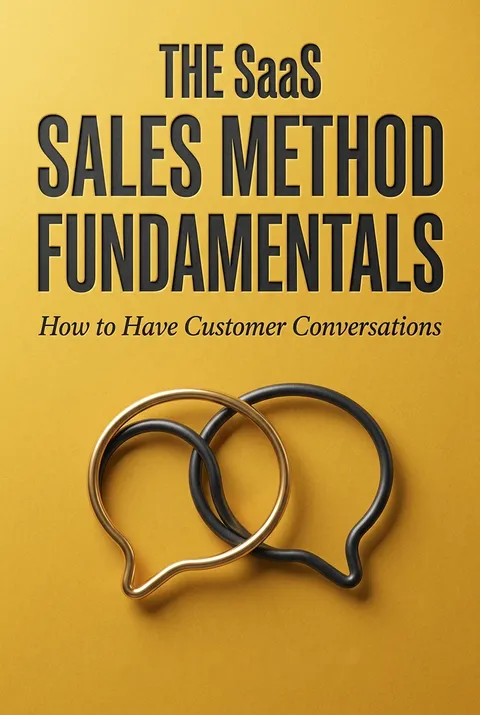


Key Takeaways
Diagnose the buyer’s real problem before you recommend a solution.
Understand before prescribing. The book’s central claim is that selling begins with the customer’s circumstances, not with a product pitch. A salesperson should learn what is happening, what is difficult, and why it matters before proposing a fix. The book compares this to a doctor assessing an injury before recommending treatment. In B2B sales, the stakes can reach beyond the purchase itself: buyers consider how a decision affects their work and professional standing, and sometimes their family’s future.
The medical analogy captures an important distinction: expertise is most credible when it improves the diagnosis, not merely the pitch. Questions can also give buyers room to articulate a need they had not yet framed clearly. But diagnosis is not automatically neutral. A seller has a commercial interest, so the process earns trust only when questions are genuinely open and the seller is willing to conclude that the product is not a fit.
Move from customer facts to pain, then quantify what solving it changes.
Build toward consequences. Situational questions establish facts about the buyer’s current setup. Pain questions uncover what is not working, while impact questions connect that difficulty to its business consequences. The book suggests asking only a few situational questions before moving deeper, since a long string of background questions can feel like an interrogation. For instance, learning that a team uses spreadsheets for expense reports is only the start. Asking how much time the process consumes, and what the team could do with that time back, reveals why a change might matter. The customer is not buying a symptom-free conversation; they are weighing the value of a better outcome.
This progression resembles problem definition in operations research: a process is not meaningfully improved until its costs or outcomes are visible. Quantifying impact can help a buying group compare the status quo with a proposed change. Still, precision should not be manufactured. Estimates such as time lost or revenue affected are useful when treated as hypotheses to verify, not numbers a salesperson inserts to make the problem sound larger.
Make listening observable by reflecting the customer’s own words and priorities.
Show your attention. The book’s TALKER method is a communication mnemonic covering vocal tone, questions, listening, notes, deeper inquiry, and restating what was heard. Its practical point is that listening should shape the next response. If a buyer says a feature is not useful right now, ask what benefit would matter or when the timing might change, rather than launching another feature pitch. Brief notes help preserve priorities and the buyer’s own descriptive language. Repeating a concise summary gives the customer a chance to correct misunderstandings before they harden into assumptions or a mistaken recommendation.
Reflective listening is valuable because it tests whether two people mean the same thing by words such as urgent, costly, or difficult. It also changes the seller’s role from question-collector to collaborator. The method’s observable signals, like note-taking and concise summaries, matter most when they are sincere. Mirroring a customer’s tone mechanically can feel theatrical, so the test is whether the behavior improves understanding rather than merely simulating rapport.
Research before outreach so a cold call arrives with context.
Prepare for relevance. The book’s WARM call method describes how to turn an unsolicited call into a more useful conversation: quickly explain who is calling and why, ask rather than launch into a pitch, connect the discussion to the buyer’s situation, and offer a helpful next step. Preparation can include reviewing the person’s role, company news, and industry. A prior email or thoughtful interaction on a professional network can give the call a natural point of reference. The purpose is not to prove how much research was done. It is to ask fewer generic questions and make the recipient’s reason for staying on the call clear.
Preparation reduces the attention cost imposed on a stranger. In communication, context helps a listener decide whether a message deserves further effort. This makes relevance more than a personalization trick: it is a way to respect scarce attention. The approach has a limit, though. Public information can be incomplete or outdated, and excessive familiarity based on online research may feel intrusive. Good preparation should guide a modest opening, not create false confidence about what the buyer needs.
Give each email a reason to matter before asking for time.
Trade value for attention. The book’s RRR email pattern means that a message establishes why it is relevant, offers something useful, and makes a request suited to the situation. A name and company name do not make a mass email genuinely relevant. Context should connect the recipient’s role or challenge to a comparable example, then offer a useful resource or insight. The request can simply ask whether the information applies, rather than demanding a meeting at once. The book notes that executives may receive more than 140 emails a day and cites 269 billion emails sent and received globally in 2017. Short, mobile-friendly writing is therefore a practical courtesy.
The pattern works because it lowers the cost of evaluating a message: the recipient can see why it concerns them, decide whether the offered material helps, and choose whether to continue. That is stronger than personalization based on superficial details. The book also recommends measuring engagement and testing subject lines, but opens and clicks are imperfect proxies for interest. A message that earns attention without helping the recipient is a successful interruption, not successful customer communication.
Use voicemail to earn attention for the email, not demand a callback.
Make the message useful. The book reports that only about 4 to 9 percent of voicemails receive a callback, so it gives the voicemail a different job: make the follow-up email more recognizable and worth opening. A prepared message briefly identifies the caller, refers to something relevant about the recipient, and offers a useful insight or example. It then signals that an email will follow. A vague pitch about the seller’s company, followed by a request for meeting time, puts the caller’s priorities first. The book’s sequence matters: research before calling, deliver a focused message, then follow through as promised.
This is a useful redesign of a low-response channel. Rather than judging a voicemail only by callbacks, the seller uses it as one part of a sequence and sets a clear expectation for the next touch. That is consistent with how people recognize messages across channels. The sequence must remain restrained: repeated calls and emails can turn helpful persistence into pressure. A low callback rate is not permission to intensify contact indefinitely.
Treat objections as requests for clarity, and rejections as boundaries.
Respond without cornering. The book distinguishes an objection, which may signal confusion or a need for more context, from a rejection, which may be a firm refusal or request to stop contact. When someone asks for information by email, the salesperson can ask what would be useful and tailor the response rather than sending generic material. When someone says they are not the right person, a respectful question about where to continue research may keep the exchange helpful. But a request to be removed from a contact list should be honored. Prepared responses can reduce nervous, reflexive pitching, provided they leave room for a genuine no.
The distinction helps salespeople avoid treating every negative response as the same problem. Some hesitation is informational; some is a limit on attention, and some is an explicit withdrawal of consent. That last category deserves special weight. A script that reframes every objection as an invitation to continue may produce short-term conversation while damaging trust. The strongest use of preparation is to make respectful responses easier, not to engineer a buyer into staying on the phone.
Use social and chat to help in the buyer’s channel, not broadcast.
Match the medium. The book presents social networks as places to notice what customers discuss, learn their professional language, and contribute useful observations without turning every interaction into a pitch. It separates low-pressure signals, such as a thoughtful comment, from direct messages that require more care. Messaging is different again: short, rapid exchanges reward direct answers and clear next actions. In live chat, answer the question first, introduce yourself, learn enough to understand the issue, then offer a relevant resource or recommendation. A salesperson should adapt formality and vocabulary to the customer rather than forcing every conversation into the same style.
Channel fit is a form of conversational competence. A detailed email dropped into rapid chat feels cumbersome; a string of abbreviations in a formal exchange can seem careless. The book’s emphasis on helping before selling also aligns with the idea that expertise is demonstrated through contribution. Social activity, however, is not automatically relationship-building. A public comment can be visible to many people, so it should be useful to the wider conversation, not merely a disguised attempt to reach one prospect.
Design meetings to move a buying group toward a specific next decision.
Protect the meeting’s purpose. The book recommends opening with an ACE structure: appreciate the attendees, confirm the available time, and agree on the meeting’s intended result. Then ask participants what they need from the discussion, prioritize the topics, and reserve time to agree on next steps. This matters because B2B decisions often involve several stakeholders, not one champion. Invitations should make the purpose, attendees, timing, dial-in details, and useful preparation easy to see. Afterward, send a concise recap of decisions and actions that the champion can share internally. The book calls this writing for the champion, not merely to the champion.
A meeting agenda is a small piece of coordination infrastructure. Stating the intended result and checking it at the end gives participants a shared reference point, while identifying the next decision can keep a multi-person process from dissolving into vague follow-up. This is especially useful when people have different priorities or are joining remotely. Structure should not become ceremony: a rigid script can crowd out new information. The best meeting design creates direction while leaving room to revise the goal when the group’s needs change.
Analysis
This book is best understood as an operating manual for customer conversations, not a theory of persuasion. Its chapters follow the work itself: research, initiate contact, listen, diagnose, meet, and preserve momentum. That sequence is the book’s strongest organizing idea. It replaces the familiar pressure to pitch early with a practical discipline: make the next interaction useful enough that a buyer has a reason to continue.
The most persuasive insight is that customer-centricity must show up in small, observable decisions. A salesperson researches before asking for attention, makes questions more specific as trust develops, records what the buyer says, and writes follow-up notes that can travel inside the buyer’s company. These behaviors are valuable not because they make a seller seem polished, but because they reduce the work imposed on the customer. The book’s channel-by-channel advice reinforces that principle: an email, voicemail, live chat, and meeting each have different limits and expectations.
The method also has important boundaries. Scripts and acronyms can help a new salesperson remember what to do under pressure, but they can make a conversation sound engineered if followed mechanically. The book’s advice to practice exact meeting language is a useful training device, not a substitute for noticing when the customer’s situation changes. More importantly, its objection-handling guidance is strongest when it clarifies the buyer’s needs and weakest if interpreted as a reason to keep pushing after a clear refusal.
The text was published in 2018, and some channel examples and timing recommendations reflect that moment. Its more durable contribution is the underlying test: does each interaction help the buyer understand a problem, evaluate a relevant option, or coordinate a decision? That test travels better than any particular platform, response-rate tactic, or script. The book is most useful when its frameworks are treated as scaffolding for judgment, rather than as formulas that guarantee access or agreement.
Review Summary
Readers find The SaaS Sales Method Fundamentals practical and insightful for modern B2B sales. The book offers valuable techniques for cold outreach and communication structure. However, some tactics are considered outdated or potentially harmful to customer relationships. The book primarily focuses on cold outreach rather than the entire sales cycle. While praised for its practicality and examples, it assumes a standardized tech B2B customer base. Overall, the book receives mixed reviews, with readers appreciating its insights but cautioning against some tactics that may negatively impact potential customers.
People Also Read








Glossary
TALKER
Customer-listening mnemonicA communication mnemonic for customer conversations across calls, email, and in-person meetings. It reminds sales professionals to manage vocal tone, ask questions, listen, keep notes, explore what a customer means, and summarize what they heard. Its purpose is to make attention and understanding visible, rather than treating questions as a route to a prepared pitch.
RRR
Customer-focused email patternA three-part approach to sales email. The message first establishes why it matters to the recipient, then offers something useful, and finally makes a request appropriate to the context. The approach favors specific relevance and useful material over generic personalization or an immediate demand for a meeting.
WARM
Prepared call structureA method for making an outbound call feel relevant rather than random. It directs the salesperson to quickly explain the caller’s identity and purpose, use questions instead of beginning with a pitch, connect the conversation to the buyer’s circumstances, and offer a useful way to proceed. Preparation and context are central to the method.
ACE
Meeting-opening structureA brief way to begin a customer meeting by acknowledging participants, confirming the time available, and agreeing on the intended outcome. It gives the group a shared understanding of what the meeting is for and creates a reference point for checking progress and deciding next steps.
PARLA
Customer-story structureA framework for sharing a customer example without turning it into a direct product pitch. It organizes the story around the problem encountered, the response chosen, the result, what was learned, and how that learning was applied. The book recommends using this kind of account to contribute useful insight in social conversations.
Situational questions
Questions about current circumstancesQuestions that establish factual context about a customer’s present situation, such as team size, locations, or tools in use. They help confirm research and determine what the customer understands about the problem. A few well-chosen questions can set up deeper discussion, but too many in sequence can make a conversation feel like an interrogation.
Pain Questions
Questions that uncover difficultiesQuestions used to identify challenges in the customer’s current work or process. They are most useful after the salesperson has established context and some trust. The book cautions against vague, familiar prompts and recommends questions tied to the specific situation, while avoiding an early jump to the seller’s product.
Impact questions
Questions about consequencesQuestions that explore what a customer’s difficulty means for their work or business, including time, costs, priorities, or other outcomes. They connect a stated problem to the value of resolving it. The book recommends asking them after the situation and pain are understood, since raising consequences too early can seem pushy.
Critical Event
Time-sensitive reason to actAn event or recurring moment that makes a customer’s problem especially important to address. The book gives examples such as a monthly process that repeatedly creates strain, or organizational changes that make an existing difficulty more urgent. Identifying the event helps explain timing without assuming that every problem requires immediate action.
TAB-based Presenting
Prepared browser-led presentationA way to guide a real-time customer conversation using browser tabs prepared in the order they will be needed. The sequence can include examples, product material, and shared notes, helping the salesperson respond to the customer’s questions without searching through unrelated windows. The book emphasizes testing the setup and keeping the display uncluttered.
FAQ
What's "The SaaS Sales Method Fundamentals: How to Have Customer Conversations" about?
- Focus on Communication: The book emphasizes the importance of effective communication in customer engagement, regardless of the technology used.
- Sales Skills Development: It aims to teach sales professionals what to say and how to say it through practice and application.
- Customer-Centric Approach: The book advocates for a customer-centric methodology, encouraging salespeople to understand and empathize with their customers.
- Part of a Series: This book is part of Winning by Design’s Sales Blueprints series, which covers various aspects of SaaS sales.
Why should I read "The SaaS Sales Method Fundamentals: How to Have Customer Conversations"?
- Improve Sales Conversations: It provides practical techniques to enhance your customer conversations, making them more effective and engaging.
- Learn from Experts: The book is authored by Jacco van der Kooij, a recognized expert in SaaS sales, offering insights from his extensive experience.
- Comprehensive Guide: It covers a wide range of topics, from email writing to voicemail and real-time messaging, making it a comprehensive resource for sales professionals.
- Actionable Advice: The book includes exercises and best practices that you can apply immediately to improve your sales performance.
What are the key takeaways of "The SaaS Sales Method Fundamentals: How to Have Customer Conversations"?
- Customer-Centric Communication: Always put the customer first by understanding their needs and tailoring your communication accordingly.
- Effective Questioning: Use open-ended and situational questions to uncover customer pain points and needs.
- Structured Email Writing: Follow the RRR (Relevance, Reward, Request) framework to craft impactful emails.
- Voicemail Strategy: Use voicemails to draw attention to your emails rather than expecting a callback.
What are the best quotes from "The SaaS Sales Method Fundamentals" and what do they mean?
- "Nobody cares how much you know... until they know how much you care." – This quote emphasizes the importance of empathy and understanding in building customer relationships.
- "Always Be Curious." – Encourages sales professionals to ask questions and seek to understand the customer's situation before offering solutions.
- "If I Had More Time... I Would Have Written a Shorter Letter." – Highlights the importance of concise and clear communication, especially in emails.
How does the book define customer-centric communication?
- Tone of Voice: Your tone is a powerful tool in communication, and understanding its impact can enhance your interactions.
- Ask Questions: Always be curious and ask questions to diagnose the customer's situation without immediately selling.
- Active Listening: Listen to understand, not just to respond, and mirror the customer's language to show comprehension.
- Note-Taking: Keep concise notes to remember what is important to the customer, not just to you.
What is the RRR framework for writing emails?
- Relevance: Demonstrate that you have researched the person or company and reference something similar to their context.
- Reward: Offer value, such as a link to valuable insights or a relevant blog post, to engage the recipient.
- Request: Include a clear call to action based on the situation, such as scheduling a meeting or asking for feedback.
How should one prepare for a voicemail according to the book?
- Research First: Perform basic research on the customer and their company to tailor your message.
- Identify Value: Determine something valuable you can offer the customer, such as insights or relevant data.
- Craft the Message: Structure your voicemail to lead with relevance and include a call to action, directing them to your email.
What are the key elements of a successful sales call as per the book?
- Warm Opening: Start with an energetic tone and address the customer's key questions: who you are, why you're calling, and what's in it for them.
- Ask Questions: Use thoughtful questions based on research to engage the customer and uncover their needs.
- Relevance and Value: Ensure the conversation is relevant to the customer and offer something of value to them.
- Next Steps: Clearly outline the next steps and ensure both parties are aligned on the follow-up actions.
How does the book suggest handling objections during sales calls?
- Develop Responses: Prepare responses to common objections like "Email me" or "Not now, I'm busy."
- Practice: Regularly practice your responses to objections to increase your confidence and effectiveness.
- Offer Value: When faced with objections, offer something valuable to keep the conversation going.
- Stay Relevant: Ensure your responses are relevant to the customer's situation and demonstrate your understanding of their needs.
What is the importance of follow-up after a meeting according to the book?
- Secure Progress: Follow-up is crucial to secure the progress made during the meeting and maintain momentum.
- Write a Summary: Create a concise summary of the meeting, outlining key observations and next steps.
- Verify with Champion: Contact your champion to verify the meeting's outcomes and ensure alignment on next steps.
- Make it Shareable: Write the follow-up in a way that can be easily shared within the customer's organization.
How does "The SaaS Sales Method Fundamentals" suggest using social media in sales?
- Social Selling: Use social media to build a network of like-minded professionals and share best practices.
- Passive Engagement: Engage with customers through likes, comments, and shares to maintain visibility.
- Active Engagement: Use direct messages and personalized content to engage customers actively.
- Avoid Cold Pitches: Refrain from using social media for cold pitches; instead, focus on building genuine relationships.
What role does real-time messaging play in sales according to the book?
- Instant Communication: Real-time messaging allows for quick, back-and-forth communication with customers.
- Customer Preference: Many customers prefer short, to-the-point messages over long emails.
- Tools and Platforms: Utilize tools like Intercom, Slack, and Zendesk for real-time customer interactions.
- Personalization: Use emoticons and personalized language to make the interaction more engaging and human.
About the Author

Download PDF
Download EPUB
.epub digital book format is ideal for reading ebooks on phones, tablets, and e-readers.








