

Key Takeaways
Use science to narrow choices, not to demand one perfect way to parent.
Evidence has layers. Parenting studies rarely control every difference among babies and families. A randomized trial can test cause and effect, but it may be impractical or unethical; observational studies can show patterns, but confounding factors may explain them. Systematic reviews compare many studies, while scientific consensus is stronger than any single result. The measles-vaccine autism scare illustrates why: one weak study was later contradicted by far more research and retracted.
Match certainty to the question. Repeated findings can guide medical decisions, while disputed evidence may leave room for families to choose differently. Correlation can be a useful clue, as studies of tummy sleeping and SIDS first showed, but it does not prove causation by itself. Science clarifies risks and benefits across groups; it cannot calculate every family's circumstances or remove all risk.
The book's most useful move is to teach readers how to judge evidence, rather than ask them to accept a list of parental commandments. This resembles good decision analysis: first separate what is known from what is uncertain, then ask which uncertainties matter to the decision at hand. The approach also limits a common error in health communication, where a confident recommendation can conceal a thin or indirect evidence base. Its caution has a boundary, however: uncertainty is not always a reason to treat options as equally supported. The strength and scale of evidence still matter.
Delay cord clamping when circumstances allow, especially for premature babies.
Minutes transfer blood. With the cord intact, blood continues to flow from the placenta to the baby after birth. In full-term infants, waiting two to three minutes can transfer about 75 to 100 milliliters of blood, adding roughly 40 to 75 milligrams of iron. In one trial, babies whose cords were clamped later had 88% more stored iron at six months than babies clamped immediately. That reserve matters because breast milk contains little iron and many babies are not yet eating enough solids to replace it.
Preterm benefits are clearer. Studies associate delayed clamping in premature babies with fewer transfusions and lower rates of serious complications, including bleeding in the brain and intestinal injury. For full-term infants, the potential jaundice risk remains debated, and resuscitation needs can affect what is feasible. The book's practical point is to discuss timing with the birth team, including what would happen if a baby needs urgent help.
This is a vivid example of how routine practice can outlast its original rationale. A short delay is not a new drug or elaborate intervention, but it can shift a meaningful amount of blood and iron to the newborn. The policy question is less simple than the physiology: birth teams must coordinate infant care, maternal care, and emergency procedures in real time. That makes advance discussion valuable, while also cautioning against treating a birth plan as a guarantee. The strongest case in the evidence presented here is for premature infants; the full-term balance is less settled.
Separate newborn safeguards with strong evidence from routines with narrower benefits.
Vitamin K prevents a rare catastrophe. Newborns start with very little vitamin K, which the body needs to form blood clots. Without the injection, late vitamin K deficiency bleeding can occur during the first six months; it is rare, but can cause brain hemorrhage, lasting injury, or death. A single injection at birth prevents nearly all such cases. A past cancer concern came from one disputed study; later research did not support a link. Multiple-dose oral plans exist in some countries, but they depend on reliable dosing and absorption.
Other procedures have different tradeoffs. Eye ointment was introduced when gonorrhea commonly caused blindness in newborns. Today, screening and antibiotics have changed the context, but universal prophylaxis still protects babies whose infection risk was missed. Newborn blood, hearing, and heart screenings can detect rare conditions when early treatment matters. Parents can ask what a procedure prevents, what its risks are, and whether it can wait until after an initial period of contact.
The distinction between an intervention's discomfort and its medical value is important, especially when a healthy-looking newborn makes a rare danger feel imaginary. Vitamin K is a strong case for prevention because the protective action is simple and the potential outcome severe. Eye prophylaxis raises a different question: a population-wide policy may protect infants whose prenatal screening failed, even when an individual family's risk is low. That tension is not resolved by calling a procedure either natural or intrusive. It is best addressed by clear explanations, honest risk comparisons, and attention to local policy.
Watch your newborn's signals before adding stimulation or enforcing a milestone.
Newborns arrive ready to learn. In the breast crawl, some healthy newborns placed skin-to-skin move toward the breast and begin feeding with little help. In one study, all 28 babies searched for the breast, about two-thirds found it, and just over half began nursing on their own. Touch, familiar voices, faces, and especially a mother's scent help babies orient themselves. These capacities are impressive, but a baby who does not complete the crawl has not failed a test.
Responsiveness matters more than a ritual. Newborns can be easily overwhelmed, and turning away may signal a need for a break. Skin-to-skin contact reduced crying during a heel stick by 82% in one trial. Research discussed in the book links sensitive, cue-following care with better stress recovery and attachment. The point is not to provide constant stimulation or follow a prescribed bonding practice, but to notice the baby's response and adjust.
The newborn is presented not as a passive bundle to be optimized, but as a person already gathering information through several senses. That framing fits developmental science's emphasis on interaction: a caregiver's response helps shape the conditions in which a child can explore. It also offers a useful correction to products that promise special stimulation, since ordinary human contact already provides rich input. The breast crawl is an evocative demonstration, but it should not become another performance standard. The study described is small and does not establish that completing the crawl improves later feeding or attachment.
Value breastfeeding's real benefits without turning feeding into a moral score.
Benefits are real, but bounded. Breastfeeding reduces the risk of common infant infections, with studies in developed countries reporting reductions ranging from 25% to 75%. A meta-analysis found that breastfeeding is associated with about half the risk of SIDS. Longer-term effects are less certain: the large PROBIT trial found fewer illnesses in infancy and a small cognitive benefit, but no clear reduction in later obesity or asthma. Observational studies can exaggerate effects because families who breastfeed often differ in income, education, work flexibility, and other ways.
The feeding story is personal. The author describes breastfeeding that came relatively easily, while her sister-in-law faced poor latch, low milk supply, and exhausting attempts to pump and supplement. Some mothers cannot produce enough milk, and pain, depression, trauma, work conditions, or inadequate support can make feeding harder. Formula is a safe alternative. Feeding by bottle can still be a repeated act of comfort, attention, and connection.
This section resists two distortions at once: dismissing breast milk's biological effects and inflating those effects into a verdict on maternal worth. That distinction matters because population-level health advantages do not predict one child's future, and they cannot account for every parent's health or resources. The discussion also exposes how public-health messages can become moralized when institutional goals are translated into slogans. Stronger support for breastfeeding need not depend on exaggeration. Clear information about benefits, barriers, and safe alternatives is more likely to preserve trust than portraying feeding as a test of devotion.
Make sleep safe first, then choose an arrangement your family can sustain.
Separate surfaces reduce hazards. The book's safest default is a baby on the back, on a firm, flat, empty crib or bassinet, in the parents' room for roughly the first six months. Loose bedding, pillows, sofas, and adult beds create more opportunities for suffocation or entrapment. Smoking exposure, alcohol or drug impairment, prematurity, and very young age make bed sharing especially concerning. Room sharing means sleeping in the same room on separate surfaces; bed sharing means sharing the same bed.
The evidence has a dispute. Case-control studies link bed sharing with SIDS, especially among infants younger than three to four months, though experts disagree about how much risk remains when other hazards are absent. Room sharing is consistently protective. If a parent might fall asleep while feeding, a sofa or chair is particularly dangerous; planning a safer feeding space is more realistic than assuming exhaustion can be controlled by willpower.
Infant sleep combines a high-stakes outcome with evidence that cannot be tested through ordinary randomized trials. That is fertile ground for polarized advice: one side emphasizes observed population risks, the other biological proximity and family experience. The practical distinction between room sharing and bed sharing helps make the debate less binary. Risk communication should also make clear that a relative increase in risk is not the same as a baby's absolute likelihood of harm. Still, uncertainty should not erase the consistent warning about couches, smoking, impairment, and soft bedding.
Expect night waking, and teach independent sleep only when it helps your family.
Waking is part of infant sleep. Newborns may sleep 16 to 18 hours in a day, but in short stretches, with day and night initially mixed together. Circadian rhythms, the body's roughly 24-hour timing system, usually strengthen over the first two or three months as babies experience bright, active days and dark, quiet nights. Even babies described as sleeping through the night wake briefly; some simply return to sleep without alerting their parents. Later wakings can return with illness, teething, or new skills.
Sleep habits can be shaped. Babies who learn to fall asleep without active rocking or feeding are more likely to settle themselves after ordinary night wakings. A brief pause before responding can give a calm baby a chance to resettle, while distress calls for care. Trials summarized in the book found that sleep training can improve sleep for many families, but not every baby responds. Gradual approaches, continued comfort, and changing course when needed remain options.
The distinction between waking and signaling is a powerful reframing: a parent may not need to eliminate every awakening to improve sleep. It also shifts the goal from making an infant conform to an adult schedule toward finding a workable family pattern. Sleep is partly learned and partly shaped by temperament, so advice cannot promise the same result for every child. The book rightly treats parental sleep deprivation as consequential, not as a badge of commitment. At the same time, a technique's average success does not determine whether it fits a particular household's values.
Vaccinate on schedule to protect your child and people who cannot be vaccinated.
Prevention changed childhood. Before measles vaccination, the United States recorded hundreds of thousands of cases in many years, with hundreds of deaths annually. The author's uncle Frankie died of measles encephalitis at six. Two MMR doses produce immunity to measles in about 99% of recipients, and vaccination sharply reduced disease. When vaccination clusters form, imported infections can spread: a 2008 San Diego outbreak infected 12 unvaccinated children and hospitalized an infant.
Protection is shared. Herd immunity means that widespread vaccination slows transmission, helping protect babies too young for shots and people who cannot receive them for medical reasons. Vaccine risks are monitored through trials and ongoing surveillance. The book's example of the first rotavirus vaccine shows the system detecting a rare bowel complication and withdrawing the product; later vaccines were tested in larger trials. The author argues that the evidence supports routine vaccination, not delaying doses without a demonstrated safety benefit.
Vaccination is a decision where individual intuition and collective consequences diverge. A needle and an unfamiliar ingredient are visible now; an infection prevented, or a vulnerable stranger protected, is invisible. The family story of Frankie gives that hidden cost a human face, while outbreak data show how choices cluster geographically and affect others. This is not a claim that vaccines have zero risk. Rather, it asks whether the known risks of vaccination are smaller than the risks of diseases and whether delaying a dose creates an avoidable period of vulnerability.
Start solids when development and nutrition call for them, not by slogan.
The calendar is a guide. Most babies should not start solids before four months, and the book favors beginning around four to six months when the baby can sit upright with head control, open for food, and swallow rather than push it back out. Studies comparing introduction at four and six months found similar growth, but babies exclusively breastfed to six months had lower iron stores. Breast milk's iron and zinc become insufficient for many babies by about six months, making complementary foods important.
Context changes the balance. In places without safe water or food storage, delaying solids can reduce exposure to infection. In developed settings, the illness difference appears smaller, while delaying certain foods well beyond six months has been associated with higher risks of some allergies and immune conditions. Those associations do not prove that timing alone causes disease. Watch the baby's readiness, continue milk feeds, and seek clinical advice if a baby is not progressing or has special nutritional needs.
The phrase complementary feeding captures an important idea: solids add to milk rather than abruptly replacing it. The book also shows why universal age rules can mislead when water safety, food handling, and nutritional status differ across settings. Developmental readiness offers a practical bridge between population guidance and the individual child. Yet readiness should not become a reason to overlook iron intake, especially for a breastfed baby who eats little. The strongest approach combines observation with nutrition awareness, rather than treating either the calendar or the baby's enthusiasm as the only signal.
Offer iron-rich variety, then let your baby decide how much to eat.
Prioritize the nutritional bottleneck. Iron and zinc are hard to supply in late infancy. Meat, fish, and egg yolk provide useful nutrients; meat's heme iron is absorbed more readily than iron in many plant foods. Fortified infant cereal is a practical alternative, particularly for breastfed babies who do not regularly eat meat. Pair plant sources or cereal with vitamin C to improve iron absorption, vary grains rather than relying daily on rice products, and wait until after the first birthday to use cow's milk as a regular drink. Avoid honey during the first year.
Let the baby participate. Responsive feeding means offering age-appropriate food, noticing hunger and fullness cues, and stopping when the baby signals enough. Pressure, bribery, or coaxing can weaken self-regulation and make mealtimes more fraught. Purees, finger foods, or a mix can work; the book finds little evidence that baby-led weaning is superior for every child. Offer new foods repeatedly without forcing them, and advance textures as the baby becomes ready.
Nutrition advice can easily turn a meal into a miniature optimization contest. This account offers a better division of responsibility: adults choose safe, nourishing options, while the child contributes appetite and pace. The nutrient details matter because a breastfed infant's needs change as birth iron stores are used, but the insistence on variety guards against elevating any single food into a cure-all. Restrictive approaches can create new gaps, and a theoretically ideal menu is useless if it becomes a source of coercion. Good feeding must be nutritionally adequate and relationally sustainable.
Analysis
The book's organizing insight is not that science can tell parents exactly what to do. It is that scientific reasoning can distinguish decisions with strong evidence from decisions where evidence remains incomplete, while helping families act without shame. This is especially valuable in infant care, where questions arrive under conditions of fatigue, high emotional stakes, and aggressive online certainty. The author's scientific training supplies methods, but the narrative makes those methods legible through real families: Olive's preventable bleeding, the author's contrasted breastfeeding experiences, and Frankie Green's death from measles.
The chapters demonstrate an uneven evidence landscape. Vitamin K prophylaxis and routine vaccination have strong support in the book's account. Delayed cord clamping has compelling benefits for preterm infants and promising benefits for term infants, with unresolved tradeoffs. Bed sharing and long-term breastfeeding outcomes show how observational designs can sustain disagreement when randomized trials are impractical. The strongest reading therefore resists both blanket skepticism and blanket certainty. Evidence quality, likely magnitude of benefit, personal context, and the cost of being wrong all belong in the decision.
The book also makes a valuable distinction between health outcomes and moral judgments. Breastfeeding can reduce some infant risks without making formula feeding a failure; responsive care matters regardless of feeding method. Sleep training can help some households without becoming a universal duty. Feeding recommendations can identify iron needs without requiring a perfect menu. These are not evasions of evidence. They are attempts to apply population findings to individual lives without pretending every family is interchangeable.
A limitation is that health recommendations and evidence can change, and the book was published in 2015. Its scientific-literacy lessons remain durable, but readers should check current clinical guidance before making medical decisions. Its nutritional preferences also carry values about what counts as an ideal diet, even when it acknowledges practical alternatives. The best use of the book is as a model of disciplined inquiry: learn what is known, inspect how it is known, and keep the baby's and family's actual circumstances in view.
Review Summary
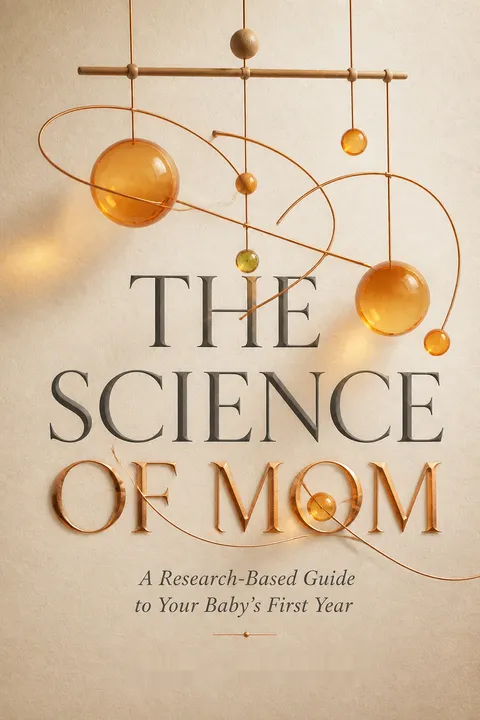
The Science of Mom: A Research-Based Guide to Your Baby's First Year is praised for its evidence-based approach to parenting decisions. Readers appreciate the author's unbiased presentation of scientific research on topics like feeding, sleep, and vaccines. The book is commended for its readability, comprehensive coverage, and non-judgmental tone. Many reviewers wish they had discovered it earlier in their parenting journey. While some found certain sections less relevant or repetitive, overall, the book is highly recommended for new and expecting parents seeking reliable, science-backed information.
People Also Read








Glossary
Triple Risk Model
Three converging SIDS risksA model for understanding sudden infant death syndrome (SIDS), proposing that deaths usually involve the convergence of three conditions: a vulnerable developmental period, an infant with intrinsic susceptibility, and an external stressor such as prone sleeping, smoke exposure, or soft bedding. It helps explain why a single risk factor does not predict every outcome.
vitamin K deficiency bleeding (VKDB)
Bleeding from low vitamin KA bleeding disorder that occurs when an infant has too little vitamin K to make normal blood-clotting proteins. It can appear during the first day, during the first week, or later in infancy. Late VKDB is uncommon but can cause severe brain hemorrhage. The book describes an intramuscular vitamin K dose at birth as highly effective prevention.
breast crawl
Newborn movement toward the breastA sequence of behaviors sometimes shown by a healthy newborn placed skin-to-skin on the mother's chest after birth. The baby may become alert, move toward the breast, explore the nipple, and begin suckling. Not every baby completes the sequence, and the book cautions against treating it as a test of feeding ability or bonding.
complementary feeding
Foods added alongside milkThe gradual introduction of solid foods while breast milk or infant formula remains an important part of an infant's diet. The foods complement milk by supplying nutrients that may become insufficient during later infancy, particularly iron and zinc for many breastfed babies. The process also helps the child learn tastes, textures, chewing, and self-feeding.
herd immunity
Community protection from transmissionIndirect protection that occurs when enough people in a population are immune to an infectious disease that transmission becomes less likely. Vaccination can protect people who cannot yet be vaccinated or cannot receive a vaccine for medical reasons. The protection depends on how easily a disease spreads and on whether susceptible people are clustered together.
responsive feeding
Following the child's feeding cuesA way of feeding in which the caregiver offers appropriate, nutritious foods and responds to the child's signals of hunger, interest, fullness, or refusal. The child participates actively rather than being pressured to finish a set amount. The book links this approach with preserving appetite self-regulation and making feeding a responsive interaction.
self-soothers
Babies who resettle without signalingA term used in infant-sleep research for babies who wake during the night but return to sleep without calling a parent. They may use a thumb, pacifier, or other comfort. The term does not mean that these babies never wake; it distinguishes their response to normal awakenings from babies who signal for help.
signallers
Babies who call after wakingA term used in infant-sleep research for babies who alert a caregiver when they wake at night, often by crying. The contrast with self-soothers concerns what happens after an awakening, not whether the infant wakes at all. Sleep practices and a baby's temperament can influence signaling, but the book does not treat either pattern as a moral judgment.
Promotion of Breastfeeding Intervention Trial (PROBIT)
Trial of breastfeeding supportA large study in Belarus that randomly assigned maternity hospitals and linked clinics to a breastfeeding-promotion program or usual care. It did not assign mothers to breastfeed or formula-feed. By increasing breastfeeding duration and exclusivity in the intervention group, it offered unusually strong evidence about possible outcomes, including infant illness and later cognitive measures.
bed sharing
Parent and baby share a bedThe book uses bed sharing specifically for an infant and at least one parent sleeping on the same bed surface. It distinguishes this from room sharing, in which the baby sleeps in the same room as a parent but on a separate surface. The distinction matters because hazards and research findings differ between these arrangements.
room sharing
Parent and baby share a roomAn infant sleeps in the same room as a parent but on a separate sleep surface, such as a crib or bassinet. The book distinguishes room sharing from bed sharing and describes room sharing as protective against SIDS in the evidence it reviews. It is presented as a way to keep the baby nearby while avoiding an adult bed's hazards.
FAQ
What's The Science of Mom about?
- Research-Based Guide: The Science of Mom by Alice Callahan is a comprehensive guide that uses scientific research to address common parenting questions during a baby's first year.
- Topics Covered: It covers topics such as infant sleep, breastfeeding, vaccines, and feeding practices, providing a well-rounded view of early parenting.
- Personal and Scientific: Callahan combines her personal experiences as a mother with scientific findings, making the information relatable and practical for new parents.
Why should I read The Science of Mom?
- Informed Decisions: The book empowers parents to make informed choices based on scientific evidence rather than anecdotal advice or internet myths.
- Balanced Perspective: Callahan encourages a nuanced understanding of parenting science, considering research limitations and family individuality.
- Supportive Community: It fosters a sense of community among parents seeking evidence-based information, offering support amidst conflicting advice.
What are the key takeaways of The Science of Mom?
- Evidence-Based Parenting: Understanding scientific research can help parents make better decisions, particularly in areas like sleep safety and nutrition.
- Individualized Approach: There is no one-size-fits-all in parenting; parents should feel empowered to follow their instincts.
- Controversial Topics: The book provides insights into issues like breastfeeding, vaccines, and sleep practices, helping parents align choices with their values.
How does The Science of Mom address infant sleep?
- Sleep Patterns: Newborns typically sleep 16 to 18 hours a day in short cycles, waking frequently for feedings, which is normal.
- Sleep Training: Various methods are discussed, with an emphasis on finding a balance that works for each family.
- Safe Sleep: Guidelines for creating a safe sleep environment are provided, including the importance of room sharing and the risks of bed sharing.
What does Alice Callahan say about breastfeeding in The Science of Mom?
- Breastfeeding Benefits: It offers numerous benefits, including reduced risks of infections and SIDS, and is uniquely suited to meet infants' nutritional needs.
- Challenges Acknowledged: Many mothers face difficulties like low milk supply or latching issues, and these challenges should not lead to feelings of failure.
- Support for All Methods: Callahan supports all feeding choices, whether breastfeeding or formula feeding, as both can provide love and nourishment.
What does The Science of Mom say about vaccines?
- Vaccination Importance: Vaccines are crucial for preventing serious diseases, with benefits far outweighing the risks.
- Vaccine Hesitancy: Common concerns are addressed, with evidence provided to counter fears about side effects.
- Public Health: Vaccines protect not just individual children but also communities, emphasizing the importance of herd immunity.
How does The Science of Mom help parents navigate conflicting information?
- Critical Thinking: Callahan encourages skepticism and critical evaluation of study quality and relevance to personal situations.
- Research Limitations: Understanding scientific consensus is emphasized over relying on single studies.
- Empowerment: A framework for understanding research empowers parents to make informed decisions aligned with their values.
What are some common newborn medical procedures discussed in The Science of Mom?
- Vitamin K Injection: Important for preventing VKDB (Vitamin K Deficiency Bleeding) in newborns, with risks of not administering it explained.
- Erythromycin Eye Ointment: Used to prevent eye infections, with historical context and current recommendations provided.
- Screening Tests: Various newborn screening tests are outlined, emphasizing their importance in early detection and intervention.
What does Alice Callahan say about the role of touch in newborn development?
- Importance of Touch: Touch is crucial for bonding and communication, soothing babies and helping them feel secure.
- Reflexes and Responses: Newborn reflexes like rooting and grasping are essential for feeding and bonding, showing instinctive responses to touch.
- Parental Interaction: Responsive touch from parents helps regulate stress levels and promotes safety and attachment.
What does The Science of Mom say about introducing solid foods?
- Timing is Key: Solid foods should be introduced around six months, as infants need additional nutrients like iron.
- Nutritional Needs: Offering a variety of nutrient-dense foods is important for meeting a growing baby's needs.
- Responsive Feeding: A responsive approach to feeding is encouraged, with attention to baby's cues and preferences.
What are the common misconceptions about vaccines discussed in The Science of Mom?
- Vaccines and Autism: The myth that vaccines cause autism is addressed, with extensive research disproving this claim.
- Immune System Overload: The belief that multiple vaccines overwhelm the immune system is dispelled, explaining the immune system's capacity.
- Vaccine Ingredients: Concerns about ingredients like aluminum and thimerosal are clarified, with reassurance about their safety.
What are the best quotes from The Science of Mom and what do they mean?
- Science as a Tool: "Science is a tool that can help us get closer to the truth in the midst of all this confusion," emphasizing evidence-based decision-making.
- Parenting Choices: "There’s plenty of room for parents to make different choices about how their baby eats and sleeps," highlighting individuality in parenting.
- Maternal Well-being: "A happy and healthy mom is much more valuable to her baby than any amount of breast milk," stressing the importance of maternal health.
Download PDF
Download EPUB
.epub digital book format is ideal for reading ebooks on phones, tablets, and e-readers.








