



Plot Summary
Ten Years After Michael
At seventeen, Charlie1 returns to Hurricane for a memorial and scholarship honoring Michael Brooks,4 her childhood friend4 who disappeared ten years earlier. Before meeting the others, she unlocks the house where she lived with her father, Henry,3 and finds its rooms and his mechanical toys preserved in decay.
One toy still falters through a fragment of Henry’s3 recorded affection; in the dim light, its familiar face looks less comforting than dead. At a diner, Charlie1 reunites with John,2 Jessica,7 and Carlton,8 while the rest of their old group is due the next day. Talk of their childhood turns to Freddy Fazbear’s Pizza, the restaurant Henry3 built. When they learn it may still stand beneath an abandoned mall, Charlie1 agrees to go see it.
Charlie’s return begins as a public act of remembrance, but her first detour is private: she enters the house that her aunt has maintained as if time could be kept from touching it. Henry’s toys embody the difference between preserving an object and preserving a relationship. The toys remain, but their failing motions cannot restore the father who made them. Charlie’s friends provide a contrasting kind of continuity. They have changed, yet their shared memories still organize them into a group, and the abandoned restaurant offers a place where that continuity can be tested.
A Pizzeria Under Concrete
Charlie,1 John,2 Jessica,7 and Carlton8 circle the unfinished mall and find no sign of the restaurant outside. They enter through an unsealed window, then notice the building’s interior does not match its footprint. Behind a shelf in a damp service corridor, they uncover a rusted door.
It opens onto Freddy Fazbear’s, left intact, with children’s drawings on the walls, party tables in place, and Freddy, Bonnie, and Chica fixed on their stage. The old rooms draw out scraps of shared childhood: the carousel, the arcade, and the place where the children once hid.
They also find the small party stage marked out of order, but leave its curtain closed after a crash startles them. Outside, their laughter returns, though Charlie1 feels that entering has disturbed something she had kept buried.
The restaurant’s concealment turns architecture into a form of denial. The mall was built around the place rather than over it, so the town’s attempt to replace a painful history has instead enclosed it. The friends’ nostalgia is genuine, but the preserved tables and drawings refuse to become harmless keepsakes. Charlie’s mixed response matters: she wants the familiar place back, yet understands that familiarity does not equal safety. Their shared laughter briefly restores childhood intimacy, while the locked and untouched spaces warn that the past contains more than the memories they choose to tell.
The Witness at the Table
At the school ceremony, Michael’s4 parents announce an arts scholarship and remember the other children who vanished during the same period. Carlton8 speaks about Michael4 as the friend who made ordinary days more adventurous, and the group sees photographs that place them together before the loss.
Afterwards, Charlie1 leaves with John2 for her old home. In the workshop, she finds her father’s3 clean, carefully arranged tools and recalls the unfinished metal creature that once twitched in its corner.
John2 finally explains what he saw on the night Michael4 disappeared: while the restaurant’s stage animals jerked out of control, a yellow bear stood beside their table, watching him rather than the show. When the stage went still, Michael4 and the mascot were both gone. John2 remembers the figure’s lifeless eyes, a detail that turns Charlie’s1 childhood uncertainty into a possible witness account.
The memorial gives grief a civic shape, through speeches, photographs, and a scholarship, but it cannot make the loss orderly. Carlton’s memory of Michael is affectionate and ordinary, which makes the disappearance harder to contain as a distant tragedy. John’s confession adds a different burden: memory can be evidence, but a child’s perception is vulnerable to years of doubt. His account also breaks Charlie’s isolation. She has treated the event as something sealed inside her own mind; now another person carries a fragment of it, and that fragment points toward the restaurant’s yellow mascot.
A Twin Beneath Memory
The next morning, Charlie1 tells John2 about a small restaurant she remembers from before Freddy’s, where she and a little boy slept in a pantry while their parents worked. She believes the boy was her twin brother,5 though she has spent years suppressing the memory.
A remembered family song leads them toward New Harmony. After searching the roads, Charlie1 spots buried tracks and a ruined building beneath a dead tree. A sign identifies it as Fredbear’s Family Diner. Inside, the costume closet releases the memory she has avoided: a yellow rabbit watched the children, then seized the boy5 and carried him away.
Charlie1 remembers his name as Sammy.5 She also recalls Henry3 demonstrating the dangerous spring locks built into the costumes. The yellow rabbit links Sammy’s5 abduction to John’s2 account of Michael’s4 disappearance, making the old restaurant part of the same mystery.
Charlie’s memory returns through sensory fragments rather than a clean narrative. A song, a train’s vibration, and a tree’s silhouette provide more reliable bearings than deliberate effort alone. The recovered scene is devastating because it explains her blankness without making it simple: she has not merely forgotten Sammy, she has learned to avoid the memory that would require her to feel the loss. The spring-lock warning is equally important. Henry’s craftsmanship is not only tender invention; it creates dangerous mechanisms that can become instruments of harm. The same technology holds affection and threat in one frame.
The Drawings Begin Moving
That night, Charlie1 and the others return to Freddy’s, bringing Marla,6 Lamar,9 and Marla’s eleven-year-old brother, Jason.10 The group finds a concealed control room beneath the stage and discovers buttons that move Bonnie and Chica.
Charlie1 slips away to hide during a game with John,2 but backstage she finds Foxy, the pirate animatronic, standing where Henry’s3 malformed workshop creature once haunted her memory. Its hook cuts her arm when she stumbles away. As the group escapes, Jason10 pockets a child’s drawing of Bonnie embracing a child. In the car, he sees the image change: the child turns away.
Later, while the others explore the controls, Jason10 watches several drawings shift into a sequence showing Bonnie taking a child. Marla6 dismisses his frightened account, leaving Jason10 to wonder whether the restaurant is changing the pictures or merely showing him what he fears.
This visit shifts the group from remembrance into interaction. The controls invite them to treat the animatronics as machines they can command, but the injury and moving pictures unsettle that confidence. Jason is especially exposed: he is younger than the others and lacks their firsthand memories, yet he notices what they overlook. Marla’s dismissal protects him from panic only superficially; it also leaves him alone with an experience he cannot explain. Charlie’s encounter with Foxy fuses present danger with an old image of Henry’s workshop, suggesting that the restaurant’s machinery has always occupied an unstable border between plaything and threat.
Carlton Taken by the Rabbit
On their next visit, the group meets Dave,13 the mall’s gaunt security guard, who admits he has explored the building before and agrees to enter Freddy’s with them. At a control panel, he gets the stage animals moving in a coordinated dance.
The performance turns erratic: Bonnie breaks loose, strikes Carlton,8 and the lights and speakers stutter into chaos. Dave13 disappears during the confusion. In Pirate’s Cove, Jason10 sees a yellow rabbit seize Carlton8 and drag him away. The others escape, but the restaurant entrance is now chained shut.
A young officer refuses to believe the story until Carlton’s father, Clay Burke,11 collects the group and assumes his son8 staged an elaborate prank. Clay11 admits the old child disappearances had a suspect but no bodies to support conviction. The next morning, Carlton’s mother, Betty,12 rejects the prank explanation and demands a search.
Dave’s apparent cooperation grants the group access while quietly changing who controls the encounter. His skill at the panel makes the machines seem manageable, but the malfunction strips away that illusion. Carlton’s capture then exposes the cost of their nostalgic trespassing. The adults respond through competing habits: the officer relies on ordinary explanations, Clay protects himself with familiarity with his son, and Betty recognizes that this particular place cannot be treated as a joke. Their responses echo the original investigation’s failure, where certainty about guilt could not substitute for evidence.
The Photograph Names Partners
While Betty12 presses for action, Charlie1 and John2 return to Henry’s3 house to search his belongings. A family album confirms Charlie1 and Sammy5 were twins, and Charlie1 describes the day she learned Henry3 had died by suicide.
Among Henry’s3 papers, they find a photograph of him in a yellow Freddy suit beside a yellow rabbit with a person’s eyes visible inside. At the library, an old newspaper article identifies Henry3 and William Afton14 as co-owners of Fredbear’s. Meanwhile, Clay11 sends Officer Dunn16 into Freddy’s; Afton,14 now using the name Dave Miller,13 kills him there.
Clay11 discovers the identity by matching a hiring record to an old photograph, and notices strange lights in crime-scene pictures of the animatronics. Before Charlie1 and John2 can absorb the evidence, Marla6 arrives in the rain: Jason10 has disappeared and she believes he has gone back to Freddy’s.
The album and the newspaper restore facts that grief and silence have kept separate. Sammy becomes more than a distorted recollection, while the photograph connects Henry’s creative life to a second man inside the costumes. Charlie’s memory does not provide a complete explanation, but physical records give it a structure she can test. The parallel discovery of Dave’s identity also sharpens the danger: the person who seemed like a marginal guard is tied to the original business and its crimes. Jason’s disappearance interrupts investigation with immediate responsibility, forcing the group to act before they have resolved what they know.
A Roof Above the Trap
At Freddy’s, the main entrance has been welded shut, confirming that someone wants the restaurant sealed. Marla6 spots Jason’s10 fresh footprints in the service alley, leading away from the blocked door. The trail ends at an air vent too small for most of the group.
Charlie1 remembers a supply closet with a skylight and realizes the space above Freddy’s may connect to the mall’s roof. They carry a maintenance ladder through the corridor and force open a ceiling hatch. Crawling between the restaurant’s roof and the mall, they reach the grime-covered skylight and drop into the closet below.
The pane swings inward, leaving no easy way back out. Charlie1 panics among the shelves of spare eyes and metal limbs, then steadies herself. With the exit behind them unusable, the group must search the restaurant for Jason10 and Carlton.8
The route inside depends on Charlie’s embodied memory, not a map or a technical plan. Her recollection of a small closet turns childhood knowledge into a survival tool, while the skylight’s one-way opening makes their choice irreversible. The spare parts trigger a panic that is more than a reaction to clutter: Charlie recognizes the materials from the world her father built, and the objects seem to return her gaze. Her recovery shows a change from avoidance to practical attention. She can still be frightened by the past without surrendering her capacity to act within it.
Carlton's Springlock Prison
Marla6 and Lamar9 locate Jason10 hiding beneath the controls in Pirate’s Cove, and the siblings reunite before the security cameras show Dave13 approaching. Charlie,1 John,2 and Jessica7 hide, but Charlie1 leaves the control room when she spots Carlton8 on a monitor.
She finds him trapped inside an old spring-lock costume, unable to move without triggering its internal machinery. Remembering Henry’s3 warning, she releases the locks at Carlton’s8 neck, then carefully unfastens the suit and throws it away from him before its parts snap shut.
Carlton8 explains that Dave13 placed him there and brought the missing children into Freddy’s, forcing them into costumes. He believes Michael4 is inside the yellow bear. The suggestion transforms the stage figures from broken machines into possible prisons. Charlie1 and her friends now have to find the others and survive the guard13 who put Carlton8 there.
Charlie’s knowledge of the spring locks, once a fragment of childhood instruction, becomes the difference between rescue and death. The sequence reverses her earlier helplessness in the workshop: she cannot undo what happened to Sammy or Michael, but she can use what Henry taught her to keep Carlton alive. Carlton’s account also changes the animatronics’ meaning. They are no longer simply dangerous machines or symbols of an old business; they may contain the children the group has spent years mourning. The possibility is both emotionally compelling and morally unbearable.
The Voices Behind Masks
Charlie’s1 group finds Dave13 unconscious, ties him with electrical cords, and discovers Officer Dunn’s16 body among the discarded costumes. When they revive the guard, he stares blankly until Charlie1 places a rabbit head on him. A different, smooth voice comes through the mask.
Dave13 claims the missing children remain in the animatronics and will attack the intruders after dark, insisting that he belongs with them. Separately, Clay11 identifies Dave13 as William Afton,14 Henry’s3 former partner and the suspect he once could not convict.
Afton’s14 old file and the strange lights in crime-scene photographs strengthen Clay’s11 suspicion that the robots are not empty. John2 leaves to seek help through the control room while the others remain trapped inside. Dave’s13 warning turns their search into a race against the approaching night.
Dave’s mask does not merely conceal his face; it seems to give him a voice and authority he lacks as an ordinary man. His claim that the children are his family recasts murder as possession, a grotesque imitation of care. Clay’s discovery supplies the human explanation the original case lacked, but the glowing eyes in the photographs resist a purely criminal account. The group is caught between evidence and the supernatural, with no time to settle the distinction. Their immediate task is survival, while the larger question is whether the children inside the suits can recognize who harmed them.
The Bear Stops the Hunt
The animatronics hunt the separated group through Freddy’s. Foxy hooks Jason,10 but later Jason10 trips the pirate with a cable and escapes with Marla6 and Lamar;9 John2 uses the security system’s speakers to guide them away from Freddy.
Charlie1 disables Chica with a torn electrical cord, then lures Foxy into the arcade, where John2 helps her break free. The four stage animals corner everyone in the dining room. A yellow bear appears, and the others stop advancing. The group recognizes Michael’s4 presence and turns toward him. Clay11 breaks through the sealed wall, but Afton14 grabs Charlie1 as they leave.
Charlie1 triggers the suit’s spring locks, and its mechanisms pierce him. The animatronics drag Afton14 away. Their restraint after Michael4 appears suggests that the children are no longer attacking blindly, and Clay11 leads the survivors out at dawn.
The climax joins two forms of recognition. Jason and the others learn that the animatronics’ movements may be purposeful rather than uniformly hostile, while Charlie recognizes that Afton has repeated the old violence by taking her as a hostage. She defeats him with the same machinery he used to endanger others, converting Henry’s warning into a means of resistance. Michael’s presence interrupts the attack, suggesting that the children’s anger is real but not indiscriminate. The rescue does not restore the dead or erase the crimes. It does allow the living to leave without treating every mechanical movement as an enemy.
What They Leave Behind
After leaving Freddy’s, Clay11 takes Carlton8 to the hospital and checks Jason’s10 injured leg. Charlie1 cleans and binds her own wounds, but keeps the cuts visible, wanting proof that what happened was real. At the Burkes’ house, Jessica7 argues that the town should hear the truth; Charlie1 chooses to let Clay11 handle it quietly.
He promises to arrange proper burials for Dunn16 and the children, without disturbing Freddy’s further. The next morning, the friends separate, though Charlie1 stays in Hurricane with John2 for a little longer. She redirects their drive to the cemetery, where two small headstones mark the graves of her twin5 and Henry.3
Standing there, Charlie1 recalls a simple afternoon when she and her father3 laughed together over a crow. The memory does not answer every question, but it lets her remember Henry3 as a loving father as well as a source of painful mysteries.
The ending refuses a public spectacle of justice. Clay offers a discreet burial, and Charlie accepts that truth may be honored without being made into a story the town can consume. Her insistence on keeping her scars visible shows that survival has not made the events feel unreal or neatly resolved. The cemetery visit turns her attention away from the mechanics of Henry’s death toward a small moment of shared delight. That memory neither absolves him of uncertainty nor reduces him to tragedy. Charlie can carry love and unanswered questions together, a more durable form of remembrance than denial.
Analysis
The novel treats memory as both a damaged archive and a bodily event. Charlie1 does not recover her past by deciding to remember; she encounters it through a particular tree, a remembered tune, the texture of a costume, and photographs that correct what grief has blurred. This makes recollection neither wholly trustworthy nor disposable. John’s2 witness account, Charlie’s1 recovered experience, and Clay’s11 documents become meaningful only when they are compared.
The animatronics sharpen the book’s central uncertainty. They imitate life closely enough to invite affection, but their machinery can injure, imprison, and reproduce violence. Henry’s3 inventions begin as expressions of care, especially in the toys he makes for Charlie.1 Yet the same craft produces the spring-lock suits and the restaurant figures that become sites of terror. The boundary between an object and a person is therefore not merely technological. It is emotional and ethical: the children’s friends must decide whether the figures are empty machines or victims who can still respond.
The adults’ failures are different but related. Clay11 knows who he suspected, but the absence of bodies prevented conviction. Dave13 exploits that gap, while the town’s habit of treating Freddy’s as a closed chapter leaves new children vulnerable. The teenagers act before certainty is complete, guided by attachment as much as proof. Charlie’s1 final choice does not repair the legal or emotional damage. Instead, the promise of burial and her visit to the graves give loss a place beyond the restaurant. She can remember her father’s3 tenderness without denying his mysteries, and carry grief without allowing it to erase every joyful memory.
Review Summary
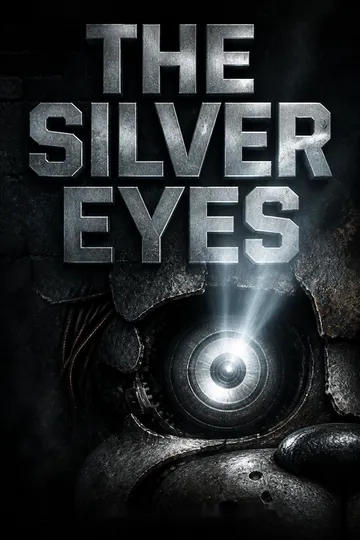
The Silver Eyes receives mixed reviews, with fans of the Five Nights at Freddy's franchise generally enjoying it more than newcomers. Many praise the book's atmosphere and creepy elements, particularly the descriptions of the animatronics. However, critics point out issues with pacing, character development, and writing quality. Some readers find the story confusing or inconsistent with the game's lore. Despite these flaws, many still consider it an entertaining read, especially for younger audiences and FNAF enthusiasts.
People Also Read
Characters
Charlie
A daughter returning homeAt seventeen, Charlie is observant, capable, and more comfortable solving practical problems than describing her feelings. She has grown up away from Hurricane under the care of her aunt15, keeping painful childhood memories at a distance rather than asking what they mean. Her father’s3 mechanical toys remain central to her understanding of family: they represent his ingenuity and his attempt to comfort her, but also the unnerving boundary between living and lifelike. Charlie is attentive to other people’s needs, yet often waits for someone else to notice her distress. Returning to her old friends gives her a reason to face the past, and her courage comes less from fearlessness than from acting while frightened.
John
The careful childhood friendJohn was Charlie’s1 thoughtful childhood companion and still tends to listen before he speaks. He is an aspiring writer, attentive to details others dismiss, and willing to admit when memory has failed him. His affection for Charlie1 is persistent but cautious; he offers practical help and companionship without assuming he has a claim on her. As a child, he was fascinated by Charlie’s father’s3 mechanical toys, which gives him a particular connection to the world she is trying to understand. John’s greatest strength is not certainty but patience: he takes Charlie’s1 fragmented memories seriously while helping her distinguish recollection from inference.
Henry
Inventor and grieving fatherHenry is Charlie’s1 father and a gifted inventor who builds the restaurant’s animatronics as well as small mechanical companions for his daughter1. Absorbed in his work, he can seem distant even when he is physically present. His tenderness often takes material form: a toy, a repaired mechanism, or a carefully maintained tool. To Charlie1, he remains both a source of safety and an elusive figure whose private burdens she cannot fully read. The contrast between his loving inventions and the dangerous machinery he creates defines her complicated attachment to him. Henry’s history shapes the friends’ memories of Freddy’s and the questions they bring back to Hurricane.
Michael Brooks
The absent childhood friendMichael is the charismatic boy whose disappearance brings his old friends back to Hurricane. He drew with unusual skill, enjoyed inventing games, and had a knack for making his companions want to join whatever he was doing. The memorial and scholarship in his name reveal how strongly his absence has shaped the people who knew him, even after they moved away and built separate lives. Michael exists in the story through photographs, remembered adventures, and the gaps in his friends’ knowledge. His importance rests not only on the mystery surrounding him, but on the ordinary warmth his friends still associate with his presence.
Sammy
Charlie's lost twinSammy is Charlie’s1 twin brother, present in her earliest memories of their family and the small diner where their parents worked. Charlie1 remembers the children as inseparable, sharing play, sleep, and a private language before she was old enough to understand how quickly a life can change. His place in her story is shaped by memory’s gaps: she has kept his name and much of his existence beyond conscious thought. Sammy represents a family bond that Charlie1 must recover before she can understand why her childhood ended as it did.
Marla
The fiercely devoted friendMarla is warm, expressive, and difficult to ignore. As a child she kept the friendship alive through frequent letters, and as a young woman she still approaches people with generous confidence. Her love for her younger half-brother Jason10 makes her protective to the point of bossiness, especially when she fears he is in danger. Marla’s emotional openness helps the old group reconnect, but it also leaves her visibly vulnerable when she cannot protect the people she loves. She is quick to comfort others and slower to admit when she needs comfort herself.
Jessica
The polished skepticJessica is tall, stylish, and socially assured, with an analytical streak that makes her quick to challenge supernatural explanations. She has moved to New York and hopes to study ancient civilizations, drawn to the ways people live across time. Her polished appearance can make her seem intimidating, but her wit and candid stories reveal a more playful, imperfect person. Jessica is practical under pressure and often helps organize the group, although fear can make her retreat into sharpness. Her skepticism is not indifference; she wants claims to withstand scrutiny because she knows how easily fear can distort what people see.
Carlton
The town's restless jokerCarlton has stayed in Hurricane and uses humor to deflect discomfort, entertain his friends, and keep control of a room. Beneath the jokes, he is observant and loyal, especially in his memories of Michael4. He can appear careless, but his teasing is often a way to make awkward situations bearable. Carlton’s relationship with his father11 is affectionate yet complicated by Clay’s11 tendency to interpret trouble as one of his son’s pranks. His humor does not make him fearless; it gives him something to do when fear would otherwise leave him helpless.
Lamar
The steady achieverLamar is a tall, composed friend who has earned early admission to Cornell and seems more settled than his old companions expect. His calm manner makes him a useful presence in tense situations, though he can be dryly skeptical when others reach for supernatural explanations. He is attentive to Marla6 and patient with Jason10, offering the boy companionship without making a show of it. Lamar’s confidence is practical rather than boastful; he tends to assess what needs doing and help with it. His changed circumstances remind the reunited friends that their childhood group did not stand still while they were apart.
Jason
The youngest witnessJason is Marla’s6 eleven-year-old half-brother, impatient with being treated as a child and eager to explore Freddy’s for himself. He has no clear memories of the restaurant, yet he notices changes in the drawings that the older friends miss. His curiosity pulls him toward danger, while his determination helps him act when the others cannot reach him. Jason resents his sister’s6 supervision but depends on her more than he likes to admit. His perspective gives the group a necessary counterpoint: he encounters the restaurant without the older teenagers’ nostalgia, and so sees its strangeness more directly.
Clay Burke
The police chief and fatherClay is Carlton’s8 father and Hurricane’s police chief, a good-humored man whose instincts are shaped by years of investigating the town’s child disappearances. He wants to protect his son8 and initially reaches for the explanation he knows best: Carlton8 has staged a prank. Beneath that reflex is a serious investigator who understands the limits of evidence and the cost of a failed case. Clay believes the law must protect the innocent, even when that means a guilty person may escape punishment. His authority offers the teenagers an adult ally, but his past decisions remain part of the mystery they are trying to solve.
Betty Burke
The unsparing motherBetty is Carlton’s8 mother and a county district attorney. Controlled and brisk in ordinary situations, she becomes forceful when she believes her son8 is in danger. Unlike Clay11, she refuses to explain away what happened at Freddy’s as another of Carlton’s8 elaborate jokes. Her legal training and maternal fear combine into a direct insistence on action. Betty is not easily soothed by authority, including her husband’s11, and her resolve helps move the search forward when the adults are tempted to wait.
Dave Miller
The unsettling night guardDave presents himself as the security guard assigned to the abandoned mall. Thin, tired-looking, and oddly watchful, he gives the teenagers the impression of someone who knows more about the building than he admits. His uniform grants him a modest authority over their trespassing, but his manner makes that authority feel personal. Dave appears fascinated by Freddy’s and its machinery, and his willingness to enter the restaurant with the group blurs the line between helpful guide and unwelcome intruder. He is a deliberately difficult figure to read, unsettling Charlie1 before she has a clear reason to distrust him.
William Afton
Henry's former business partnerWilliam Afton was Henry’s3 partner in the restaurant venture and a familiar presence in the old photographs and police records. The contrast between the two men is striking: Henry3 appears inward and absorbed by invention, while Afton presents himself as a confident businessman. His past connection to the restaurants makes him important to the history Charlie1 and her friends are trying to reconstruct. The details of his work and his relationship with Henry3 remain obscured for much of the story, leaving the teenagers to compare scattered records with their childhood memories.
Aunt Jen
Charlie's practical guardianAunt Jen raised Charlie1 after Henry3 died, teaching her self-reliance and keeping the old family home intact. Her advice favors practical caution and living in the present, which helps Charlie1 function but also leaves painful questions unspoken. Jen’s care is steady rather than demonstrative, and her decision to preserve the house becomes an unspoken part of Charlie’s1 return.
Officer Dunn
The young local officerDunn is a young officer who encounters the teenagers after they flee Freddy’s. He is skeptical of their account and tries to restore order by treating the incident as ordinary trespassing. His response reflects the town’s instinct to avoid believing that the old danger has returned.
Plot Devices
Spring-lock costumes
Machines worn as disguisesHenry’s3 suits can function either as costumes worn by people or as frameworks for animatronic parts. Spring locks hold the metal mechanisms back, but even a small movement can release them. Henry3 warns Charlie1 and Sammy5 about the danger when they are children; years later, that lesson allows Charlie1 to free Carlton8 without triggering the suit. The same mechanism becomes central to the danger posed by the yellow rabbit and to Charlie’s1 final confrontation with Afton14.
Fragmented childhood memories
Clues hidden in recollectionCharlie’s1 memories return as disconnected sensory impressions: a song, a train-like rumble, a tree, a pantry, and the feel of costumes in a dark closet. Rather than serving as a reliable record from the start, memory becomes a process she must test against places, photographs, and other people’s accounts. Its gradual return reveals Sammy’s5 place in her childhood and leads her to Fredbear’s Family Diner.
Freddy’s sealed rooms
A past enclosed in placeThe mall is built around Freddy Fazbear’s Pizza, leaving the restaurant preserved behind walls and a concealed door. Its rooms retain the drawings, tables, toys, and animatronics of the children’s past. Hidden corridors, control rooms, and a roof space make the building a physical mystery, while its sealed entrances turn exploration into a trap. The unchanged restaurant also tests whether the friends can return to childhood memories without repeating the danger that ended them.
Changing children's drawings
A warning in crayonJason10 finds drawings of Bonnie and a child that appear to change positions, gradually forming a sequence in which the rabbit takes the child. The images foreshadow the animatronics’ threat and establish Jason10 as a witness whose perceptions the older teenagers are inclined to dismiss. Because the drawings are simple and childlike, their changing story makes the restaurant’s violence feel connected to the children who once filled it.
The yellow bear
A presence between worldsThe yellow bear appears first in John’s2 memory of the night Michael4 disappeared, then in Charlie’s1 recovered memory of Sammy’s5 abduction, and later in photographs and Freddy’s itself. Unlike the stage animatronics, it seems to move by its own will. The group eventually recognizes Michael’s4 presence in it, and the other animals stop their attack. The bear links the two childhood tragedies while suggesting that the children’s presence may survive inside the figures.
FAQ
Synopsis & Basic Details
What is The Silver Eyes about?
- Grief-stricken friends reunite: Ten years after a tragedy at Freddy Fazbear's Pizza, Charlie and her childhood friends return to their hometown for a memorial, stirring up painful memories and a desire to confront their past.
- Unearthing buried secrets: The group decides to revisit the abandoned Freddy Fazbear's Pizza, leading them to uncover hidden secrets and unsettling truths about the restaurant's history and the events that led to its closure.
- Confronting a haunted legacy: As they delve deeper into the mystery, they realize the animatronics are more than just machines, and they must confront a sinister force connected to the restaurant's dark past to find closure.
- The story is a mystery: The story follows Charlie and her friends as they try to solve the mystery of what happened to their friend Michael and the other children who disappeared at Freddy Fazbear's Pizza.
Why should I read The Silver Eyes?
- Nostalgic horror blend: The book combines elements of childhood nostalgia with a chilling horror narrative, creating a unique and unsettling reading experience that explores the dark side of familiar places.
- Character-driven exploration: The story delves into the psychological complexities of its characters, exploring their individual traumas and how they cope with a shared tragic past, making them relatable and compelling.
- Intriguing mystery unfolds: The mystery surrounding Freddy Fazbear's Pizza and the missing children gradually unravels, keeping readers engaged with suspenseful twists and turns as the characters uncover hidden truths.
What is the background of The Silver Eyes?
- Small-town tragedy backdrop: The story is set in the fictional town of Hurricane, Utah, a location haunted by the unsolved disappearances of children, creating a palpable atmosphere of grief, suspicion, and unease.
- 1980s setting significance: The story takes place ten years after the initial incidents, grounding the narrative in the cultural context of the 1980s, with references to arcades, music, and fashion that enhance the nostalgic horror.
- Animatronics and robotics context: The story is set in a world where robotics and animatronics are advanced, but not perfect, creating a sense of unease and the potential for these machines to be both entertaining and dangerous.
What are the most memorable quotes in The Silver Eyes?
- "Sometimes I feel like I remember every inch of it... But sometimes it's like I hardly remember it at all. It's all in pieces.": Captures fragmented memory: This quote highlights Charlie's struggle to reconcile her fragmented memories of Freddy's, reflecting the unreliable nature of memory and the impact of trauma on recall.
- "Things that act alive but aren't.": Defines uncanny valley: This quote encapsulates the unsettling nature of the animatronics and the broader theme of blurring the lines between life and artificiality, contributing to the story's horror.
- "We're all exactly the same as we were. I mean we're totally different and older and everything. But we're the same.": Highlights enduring bonds: This quote speaks to the enduring power of childhood friendships and the way shared experiences can bind people together, even after years of separation and change.
What writing style, narrative choices, and literary techniques does Scott Cawthon use?
- First-person limited perspective: The story is primarily told from Charlie's point of view, creating a sense of intimacy and allowing readers to experience the mystery through her eyes, while also limiting knowledge and building suspense.
- Foreshadowing and suspense: Cawthon uses subtle foreshadowing and a gradual build-up of suspense to create a sense of unease and anticipation, hinting at the dark secrets lurking beneath the surface of the story.
- Nostalgic and descriptive language: The author employs vivid descriptions of the setting and characters, evoking a sense of nostalgia and immersing readers in the world of the story, while also highlighting the contrast between the past and present.
Hidden Details & Subtle Connections
What are some minor details that add significant meaning?
- Theodore's halting speech: Symbolizes broken promises: Theodore's broken "I - ou - lie -" message foreshadows the broken promises and shattered innocence that permeate Charlie's past and the events at Freddy's.
- The three grooves in the ground: Hints at surveillance: The grooves near the workshop foreshadow the presence of security cameras and surveillance, hinting at a hidden layer of observation and control within Freddy's.
- The jointed metal elbow joint: Foreshadows animatronic construction: The elbow joint found outside the workshop foreshadows the animatronic nature of the characters and the mechanical horrors that await the group inside Freddy's.
What are some subtle foreshadowing and callbacks?
- Carlton's hiding spot: Foreshadows his capture: Carlton's childhood habit of hiding under the same table at Freddy's foreshadows his later capture and confinement within the animatronic suit, highlighting a recurring theme of entrapment.
- John's childhood nose injury: Symbolizes lingering connection: John's mention of his nose still hurting when it rains, a result of a childhood incident with Charlie, subtly reinforces their enduring connection and the lasting impact of their shared past.
- Jessica's funeral experience: Foreshadows animatronic horror: Jessica's description of the unsettling feeling of looking at a dead body that appears alive foreshadows the uncanny nature of the animatronics and the blurring lines between life and death.
What are some unexpected character connections?
- Clay Burke and Henry's past: Reveals shared history: The revelation that Clay Burke knew Henry and investigated the original disappearances adds depth to his character and highlights the long-lasting impact of the tragedy on the town.
- Lamar and Marla's anagram names: Subtly hints at deeper bond: The fact that Lamar and Marla's names are anagrams of each other subtly hints at a deeper connection between them, foreshadowing their growing attraction and shared understanding.
- John's knowledge of Charlotte's name: Symbolizes intimate connection: John's childhood use of "Charlotte" and subsequent avoidance of it symbolizes a deeper, more intimate connection with Charlie that he both cherishes and hesitates to fully embrace.
Who are the most significant supporting characters?
- Aunt Jen's influence: Provides Charlie stability: Aunt Jen, though not physically present, is a significant supporting character whose lessons in self-reliance and practicality shape Charlie's actions and decisions throughout the story.
- Clay Burke's authority: Represents law and order: Clay Burke, as the police chief and Carlton's father, represents the authority and responsibility of the adult world, grappling with the legacy of the past and the safety of the present.
- Jessica's organizational skills: Drives the group's actions: Jessica's organizational skills and determination to uncover the truth make her a crucial supporting character, driving the group's exploration and providing a sense of order amidst the chaos.
Psychological, Emotional, & Relational Analysis
What are some unspoken motivations of the characters?
- Charlie's avoidance of the past: Protects her from pain: Charlie's unspoken motivation is to avoid confronting the trauma of her past, using a strategy of denial and detachment to protect herself from the pain and grief associated with Michael's disappearance and her father's death.
- John's desire for connection: Seeks to rekindle romance: John's unspoken motivation is to reconnect with Charlie on a deeper level, rekindling their childhood connection and potentially pursuing a romantic relationship, as evidenced by his attentiveness and shared memories.
- Carlton's need for validation: Seeks to prove himself: Carlton's unspoken motivation is to prove himself and gain validation from his friends, particularly in light of his past as the "weird kid" and his current lack of direction in life.
What psychological complexities do the characters exhibit?
- Charlie's survivor's guilt: Struggles with responsibility: Charlie exhibits survivor's guilt, feeling responsible for the events that transpired at Freddy's and struggling with the weight of her father's legacy and the loss of her brother and friends.
- John's intellectual insecurity: Masks vulnerability: John displays intellectual insecurity, masking his vulnerability with sarcasm and a need to be perceived as the clever one, particularly in the presence of Lamar's academic achievements.
- Carlton's performative humor: Hides deeper anxieties: Carlton's performative humor and constant joking serve as a defense mechanism, hiding his deeper anxieties and insecurities about his place in the world and his inability to move beyond his childhood town.
What are the major emotional turning points?
- The diner reunion: Triggers emotional flood: The reunion at the diner serves as a major emotional turning point, triggering a flood of memories and emotions for Charlie and her friends, forcing them to confront their shared past and the unresolved trauma of Michael's death.
- Discovering Freddy's is still standing: Ignites a desire for answers: The discovery that Freddy Fazbear's Pizza is still standing, hidden beneath the mall, ignites a desire for answers and a determination to uncover the truth about what happened there, setting the stage for the group's exploration and confrontation with the past.
- John reveals what he saw: Changes the course of the story: John's revelation about seeing someone in a mascot suit the night Michael disappeared is a major emotional turning point, shifting the focus of the story from nostalgia to a more urgent quest for justice and closure.
How do relationship dynamics evolve?
- Charlie and John's rekindled bond: Moves from friendship to romance: Charlie and John's relationship evolves from a childhood crush to a deeper, more complex connection, as they support each other through their shared trauma and navigate the possibility of a romantic relationship.
- The group's shared trauma: Strengthens their bond: The group's shared trauma and the events at Freddy's strengthen their bond, creating a sense of camaraderie and mutual understanding that helps them cope with the horrors they face.
- Marla and Jason's sibling dynamic: Reveals protective instincts: Marla and Jason's sibling dynamic is explored, revealing Marla's fierce protectiveness of her younger brother and Jason's struggle to assert his independence and be taken seriously.
Interpretation & Debate
Which parts of the story remain ambiguous or open-ended?
- The nature of the animatronics' sentience: Leaves room for interpretation: The extent to which the animatronics are truly sentient or simply programmed to mimic life remains ambiguous, leaving room for interpretation and adding to the story's unsettling atmosphere.
- The true nature of the "happiest day": Raises questions about afterlife: The meaning of Dave's statement that the children are having "their happiest day" raises questions about the nature of their afterlife and whether they are truly at peace or still trapped in a cycle of torment.
- The long-term impact on the characters: Suggests lasting trauma: The story's ending leaves the long-term impact of the events on the characters open-ended, suggesting that they will continue to grapple with their trauma and the memories of Freddy Fazbear's Pizza for years to come.
What are some debatable, controversial scenes or moments in The Silver Eyes?
- Charlie's decision to use the spring locks: Raises ethical questions: Charlie's decision to use the spring locks on Dave is a controversial moment, raising ethical questions about the use of violence and whether the ends justify the means.
- The romanticization of violence: May be seen as problematic: The story's depiction of violence, particularly in the final confrontation, may be seen as problematic by some readers, who may question whether it is glorified or used to shock rather than explore deeper themes.
- The lack of focus on other victims: May be seen as insensitive: The story's primary focus on Michael's death and Charlie's trauma may be seen as insensitive to the other victims and their families, who are largely absent from the narrative.
The Silver Eyes Ending Explained: How It Ends & What It Means
- Dave's defeat and the spirits' release: Symbolizes justice and closure: Dave's defeat and the release of the children's spirits symbolize a sense of justice and closure for the characters, allowing them to finally confront their past and move forward.
- The animatronics reclaim Dave's body: Highlights cyclical nature of violence: The animatronics dragging Dave's body away highlights the cyclical nature of violence and the idea that the past can continue to haunt the present, even after the initial conflict has ended.
- Charlie's decision to leave Hurricane: Represents a new beginning: Charlie's decision to leave Hurricane represents a new beginning, a chance to escape the shadow of Freddy Fazbear's Pizza and create a future free from the trauma of her past.
Five Nights at Freddy's Series

Download PDF
Download EPUB
.epub digital book format is ideal for reading ebooks on phones, tablets, and e-readers.








