

Key Takeaways
Grow through a repeatable system of helpfulness, not high-pressure selling
Expertise is only half. Bunnell opens with a gap familiar to many professionals: one senior partner estimated 50,000 hours spent mastering his field, but only seven hours learning business development. In a crowded market, doing excellent work is not enough. Professionals must also find the people who need their expertise and help those people recognize its value. Bunnell calls this combined role the seller-expert. His answer to sales anxiety is to treat business development as a learnable craft, built through deliberate practice rather than innate charm.
Help before you pitch. In an early meeting with a skeptical executive, Bunnell faced a blunt rejection. Instead of pushing a service, he offered to share ideas his team had developed for her organization. Her curiosity replaced some of her resistance, and the conversation produced concrete follow-ups. The goal is a buying experience in which the client feels heard and important, not cornered.
The useful shift is ethical as well as practical: selling becomes a way to make relevant help visible, not a license to persuade someone into a poor fit. That framing can reduce the shame many experts attach to business development. It also creates a clear test of integrity: if the proposed help does not serve the buyer, the professional should not manufacture a need. The book’s optimism about practice is persuasive, though expertise in a service does not automatically make someone skilled at diagnosing whether that service is appropriate.
Schedule small growth actions before client work crowds them out
Consistency beats rescue missions. The business development paradox is a recurring cycle: professionals seek work, become too busy to seek more, then scramble when the pipeline dries up. The Snowball System aims to replace those bursts with regular, manageable effort. Bunnell recommends choosing three Most Important Things, or MITs, for business development each week, placing them on the calendar, and reviewing what happened before selecting the next three. For many established seller-experts, he suggests 200 to 400 annual hours on business development as a starting minimum, not a universal quota.
Make the routine easier. Begin with a personal reason for growing, choose a consistent time and place, and attach the work to a reliable cue. A small immediate reward can help the routine stick. A weekly review then turns intention into visible progress and course correction.
This system treats attention as a scarce resource rather than assuming professionals can summon willpower on demand. The weekly MIT limit also forces a useful distinction between consequential work and the endless list of tasks that merely feel urgent. The approach is strongest when the chosen actions are genuinely controllable, such as arranging a useful conversation. A calendar can protect time, but it cannot make a misjudged action valuable. Regular review matters because the routine should adapt to results, not become another ritual maintained for its own sake.
Pick a narrow client promise that makes the right buyers choose you
Choose whom to serve. Targeting means identifying which clients are valuable fits, rather than treating every paying prospect as equally worthwhile. Bunnell recommends weighing factors such as budget, timing, strategic potential, and working compatibility. This helps expose opportunity cost: a demanding, poorly matched client can consume the time needed to find a better one. In his own early career, his team ended a punishing engagement after a client repeatedly made urgent demands and failed to show up. The organization later brought the team back to serve other parts of the company.
Make the promise memorable. Positioning explains why a particular buyer should choose you over competitors, internal solutions, or doing nothing. Bunnell advises building the message around three concise benefits, informed by client needs, buyer preferences, competitors, your strengths, and the confidence to make a bold claim. Support each benefit with evidence.
A well-defined market position is a resource allocation decision, not merely a slogan. It tells colleagues whom to introduce and helps a buyer understand why a specialist may be safer than a broad generalist. The advice to narrow focus is especially valuable when a professional is tempted to say yes to work that blocks better opportunities. Still, specialization can exclude worthwhile adjacent work or overfit to a market that changes. A gradual transition, with existing revenue protected while new outreach becomes more focused, is more prudent than treating a niche as an irreversible identity.
Build trust with steady, tailored value, especially after the first meeting
Reliable follow-through counts. A polished introduction cannot compensate for a missed promise. Bunnell illustrates this with Peter, who won over a skeptical prospect in their first meeting, then failed to follow up as promised. His silence reinforced the prospect’s existing distrust. The alternative was a sequence of timely, useful actions: answer open questions, share a relevant resource, make a helpful introduction, and call when promised. Trust accumulates through repeated kept commitments and can be damaged quickly by a broken one.
Focus your attention. The Protemoi List is a short list of people whose goodwill could meaningfully affect the business, including clients, prospects, and referral partners. The Greek term means first among equals. Pair the list with an Asset List of useful articles, ideas, introductions, and other resources, then personalize and share them regularly. Relationships develop from first contact toward advocacy, but the next helpful action depends on the relationship’s current stage.
The emphasis on follow-through corrects a common imbalance: professionals often prepare intensely for the first conversation and then leave the fragile relationship to memory. A small system for recording promises and relevant personal details can make attentiveness more dependable without making it less sincere. There is a boundary to manage, however. Persistent contact is not inherently generous. If every resource quietly serves a sales agenda, recipients may experience it as pressure. Useful outreach should be relevant, proportionate, and easy to decline.
Translate your expertise into the buyer's preferred way of thinking
Preferences shape reception. Whole Brain Thinking, associated with the Herrmann Brain Dominance Instrument, describes four broad preferences: analytical attention to evidence, practical attention to process, relational attention to people, and experimental attention to possibilities. It measures preferences, not ability, and many people show more than one. The practical lesson is to notice what a buyer emphasizes and adapt: lead with evidence for someone focused on results, a dependable process for someone focused on execution, human effects for someone focused on people, or strategic possibilities for someone focused on the future.
Listen for clues. Bunnell also describes five contributors to likeability: common ground, regular contact, mutual help, a healthy balance of affirmation and constructive honesty, and distinctive personal gestures. A brief, curious introduction can give the other person a reason to ask questions. In conversation, listen more than you speak and offer enough detail to keep the exchange alive.
The model is useful as a communication checklist because it reminds experts not to assume that their favorite proof is everyone else’s favorite proof. It also encourages attention to the buyer’s language rather than reliance on a memorized pitch. The categories should be treated as prompts, not personality diagnoses. People shift preferences by context, and important decisions often involve several stakeholders. A broad explanation that includes evidence, execution, human consequences, and future value can be safer than prematurely assigning one style to a buyer.
Give prospects useful work before asking them to buy the bigger solution
Demonstrate value first. A give-to-get is a bounded service or product offered to a prospect to create a useful experience and open a path to paid work. It should be manageable for the provider, genuinely valuable to the prospect, and connected to a sensible next project. Examples include a brief diagnostic that identifies a problem, a planning session that surfaces priorities, or an introduction to a peer who has faced a similar challenge. The offer is not a free version of the entire engagement. It should reveal the problem and the provider’s capability without giving away the full solution.
Build a sequence. Bunnell’s typical path moves from an introductory conversation to a give-to-get, then a small paid project, and finally larger work. Each step lets both sides test fit and build confidence. A prospect should also invest some attention, such as providing information or inviting the right colleagues.
The strongest feature of this method is that it replaces claims about competence with a small experience of competence. That can help a buyer assess fit when services are hard to evaluate in advance. The guardrail is the boundary between generosity and unpaid labor. A carefully scoped offer should specify what the prospect receives, what the provider is investing, and what conversation follows. If the prospect repeatedly accepts free work but shows no interest in a paid next step, the professional should redirect effort rather than interpret endless giving as relationship building.
Use several lead channels, then qualify buyers before investing heavily
Build a lead portfolio. The book rejects both generic, relentless cold outreach and reliance on one familiar tactic. Instead, select three to five approaches suited to your market, skills, available time, and need for results. Options include asking trusted clients for specific introductions, reconnecting with friends, customized direct outreach, referral partnerships, events, speaking, webinars, and writing for publications prospects actually read. A conference that once produced no leads generated twelve commitments for give-to-get meetings after the professional planned whom to meet, what to ask, and what useful next step to offer.
Check the opportunity. Before investing substantial effort, assess whether the prospect has money, decision authority, a timely need, and genuine motivation. These checks prevent a promising conversation from being mistaken for a viable project. Track both the time spent on each lead channel and the results, then adjust the portfolio.
Thinking in portfolios is a sound response to uncertainty: one channel may create a few strong connections, while another creates broader awareness. Tracking time alongside outcomes also helps prevent a popular activity from disguising poor returns. Yet lead attribution is often messy. A referral, article, and conference conversation may all contribute to one decision, so simplistic channel rankings can mislead. The more useful question is not which tactic claims credit, but which combination of activities reliably creates qualified conversations without consuming disproportionate effort.
Co-create the project in stages, so the final contract holds no surprises
Move with the buyer. The Opportunity List records each live possibility, its current stage, and the next action. In a real buying process, the professional first listens and learns, then develops the buyer’s interest in a possible solution, works with the buyer to shape the project, and finally secures approval. Co-design the goals, the delivery path, the people involved, and the commercial terms. This takes the buyer’s knowledge seriously and tests commitment before a large proposal is written.
Avoid expensive guesses. Bunnell once led a team that spent more than 100 hours preparing a proposal worth over a million dollars. The client had wanted help designing a much smaller project and rejected the proposal as a mismatch. On pricing, discuss money early, connect fees to value, and exchange any concession for something in return. Ask for the next small commitment rather than waiting passively for a final yes.
Co-creation reduces the risk that a proposal becomes a polished answer to the wrong question. It also gives the buyer meaningful influence over scope, which can make later approval feel like a continuation rather than a surprise. But participation should be real, not a technique for manufacturing commitment. Buyers need room to disagree, compare alternatives, and stop. The book’s advice to trade concessions rather than discount reflexively is useful, provided the exchange remains transparent and does not turn every cooperative request into a negotiation game.
Plan each important client relationship beyond the work already sold
Look past the current contract. Existing clients often associate a provider with the service they already purchased, while the provider assumes future needs will generate a call. A client plan counters both habits. Assess the relationship honestly, describe a desired future state, choose one to three strategic priorities, and translate them into actions for the next 90 days, each with an owner and deadline. For a major relationship, this can reveal overlooked decision makers, business units, and future needs.
Make meetings advance the plan. Prepare one clear goal, explain why the meeting matters to the client, anticipate changes in time or attendees, prepare questions, personalize the discussion, and bring only necessary materials. Regular client reviews should spend little time recounting the past and most of their time deciding what to do next. Advice sessions and peer groups can also deepen relationships while creating value for several clients at once.
The client plan makes relationship growth less dependent on a single champion or a lucky moment. It also forces a team to distinguish existing revenue from unrealized potential, a distinction that can be uncomfortable but strategically important. A plan is not a warrant to expand the account regardless of need. The client’s priorities may change, and a smaller relationship can be the right outcome. Periodic review should test whether the proposed growth still benefits the client, not merely whether the provider has completed its internal action list.
Turn team growth into shared rituals, leading measures, and visible wins
Coordinate capable people. A team of talented experts can still pull in different directions without a shared strategy, clear responsibilities, and regular communication. Bunnell recommends building the plan together, agreeing on a few priorities, and coaching one another with specific feedback and genuine recognition. Track actions that precede revenue, such as business development time, completed MITs, useful offers made, and qualified relationships advanced, alongside lagging results such as sales.
Measure what moves. In one business process outsourcing team, recorded business development time grew from 109 hours in the first month to 883 in the eighth. The share of requested meetings accepted rose from 54% to 96%, and new contracts in the later four-month period averaged twice the number in the first four. New work eventually filled capacity, requiring the team to pause its growth program. Small wins, coaching, and forward-looking reviews helped sustain participation.
The case demonstrates a central management insight: measurement can reveal a bottleneck that revenue reports conceal, such as service demands crowding out growth work. Team involvement in choosing measures also makes the numbers more intelligible and actionable. However, metrics can invite gaming if volume is rewarded without quality. The team’s decision to track accepted meetings as well as requests is a useful corrective. Measures should be reviewed for unintended effects, and recognition should reward thoughtful client value, not activity performed merely to improve a dashboard.
Analysis
The Snowball System is best understood as an operating design for relationship-based growth, not a collection of sales lines. Its narrative begins with a technically trained actuary confronting the expectation that expertise alone would bring opportunity. The answer is to turn business development into a second craft: identify a market, create a useful first experience, earn trust through dependable follow-through, and manage opportunities with deliberate next steps.
The book’s strongest feature is how it connects the external experience of the buyer to the internal habits of the professional. A buyer-centered conversation is difficult to sustain if outreach happens only during quiet periods. The personal calendar, short task list, contact priorities, opportunity tracking, client plans, and team reviews form a continuity mechanism. Their value is cumulative. Each piece reduces the odds that a relationship or commitment disappears when work becomes hectic.
The approach also reframes persuasion as service without pretending that commercial interests vanish. The provider wants revenue; the buyer wants a problem solved. A bounded give-to-get can make those interests visible and test whether they align. Co-created scope, early price discussion, and clear next steps further reduce costly mismatches. The system is most ethical when generosity is specific, the buyer retains meaningful choice, and free work has a defined boundary.
Several claims deserve careful handling. A memorable model of thinking preferences can prompt adaptation, but it should not become a rigid label for a person. Contact frequency can build familiarity, but repeated messages are not automatically useful. Activity measures can support learning, yet they can also reward volume without judgment. The book occasionally presents research findings as practical rules of thumb; readers should preserve the distinction between a useful heuristic and a universal law.
Overall, the system’s promise is not effortless growth. It is less dependence on panic, memory, and charisma. Its central discipline is modest: consistently do a small number of useful, trackable things for the right relationships, then learn from what happens.
Glossary
Snowball System
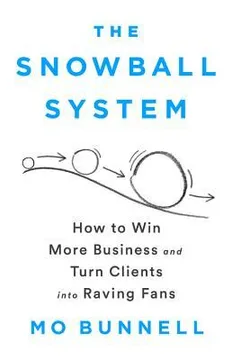
Repeatable relationship-led growthBunnell’s integrated approach to business development. It combines target-client selection, clear positioning, relationship investment, lead generation, opportunity management, client planning, and team routines. Consistent helpful actions create momentum: satisfied clients may return, deepen the relationship, or refer others. The system aims to make growth steadier and less dependent on occasional bursts of outreach.
seller-expert
Expert who develops businessA professional who combines specialist service delivery with responsibility for attracting clients and growing existing relationships. The term covers consultants, lawyers, account managers, and independent service providers, among others. The seller-expert must learn business development as a distinct skill alongside the expertise for which clients pay.
Whole Brain® Thinking
Four thinking preferencesA communication model associated in the book with Ned Herrmann’s Herrmann Brain Dominance Instrument. It groups preferences into analytical, practical, relational, and experimental modes. The model concerns how people may prefer to communicate, learn, and solve problems, not what they are capable of doing. Bunnell uses it to help professionals present value from more than one perspective.
Protemoi List
Priority relationship listA deliberately limited list of people whose relationships could strongly influence a professional’s business. It may include current clients, prospects, referral sources, strategic partners, and influential colleagues. Each entry records the relationship’s current stage and a concrete next action. The name comes from a Greek term meaning first among equals.
R+
Positive reinforcing interactionBunnell’s shorthand for an interaction that positively reinforces a person’s experience or expectations. Examples include arriving prepared, delivering useful information, making a relevant introduction, or keeping a promise. Repeated positive experiences can strengthen a relationship, while a broken commitment may undermine trust. The term is used as a practical reminder to make interactions valuable.
R-
Negative reinforcing interactionBunnell’s shorthand for an interaction that reinforces a negative impression. Missing a promised follow-up, wasting someone’s time, or offering generic work after claiming to understand a client can create an R- experience. The book argues that negative events can weigh heavily in relationships, making reliable follow-through especially important.
give-to-get
Bounded value-first offerA limited service or product offered to a prospect to provide real value, demonstrate the provider’s expertise, and create a sensible route to paid work. It should be manageable to deliver, useful to the recipient, and connected to an appropriate next project. It is not meant to provide the full solution for free.
gravitas model
Conversation-deepening question guideA framework for expanding a professional conversation beyond surface-level discussion. It considers time, from past experience to future possibility; perspective, from broad strategy to specific detail; and connections, from people and activities already involved to those missing. Questions across these dimensions can reveal context and help identify useful next steps.
$ in the ATM?
Opportunity qualification checkA mnemonic for testing whether a potential project merits significant investment. It asks whether money is available, whether the contact has authority, whether the timing is appropriate, and whether the buyer is motivated. The questions help distinguish genuine opportunities from conversations that lack a path to action.
Opportunity List
Track of active opportunitiesA record of situations where a professional needs a decision or commitment to move forward. It can include prospective client work, speaking invitations, or valuable introductions. For each item, the list notes the current stage and the next useful action, helping prevent opportunities from stalling or slipping from memory.
Download PDF
Download EPUB
.epub digital book format is ideal for reading ebooks on phones, tablets, and e-readers.








