

Key Takeaways
Use balance as a map, not a substitute for diagnosis
Health has many inputs. Tierra treats health as an interaction among body, mind, food, surroundings, and habits. His central premise is that a remedy works best when it addresses the conditions that helped produce illness, rather than only quieting a symptom. He also frames illness as an invitation to reflect and change. That idea can encourage attention to neglected routines, but it should not imply that people cause or deserve their diseases.
A broad lens, not a test. The book offers an organizing philosophy rather than a clinically validated way to diagnose disease. New or serious symptoms still require qualified medical assessment. Reflection on stress or diet can complement that assessment, not replace it.
The whole-person perspective is valuable because health is shaped by interacting biological, social, and behavioral factors. Modern public health makes a similar point when it studies how food access, stress, and living conditions influence disease risk. The distinction that matters is between exploring those influences and declaring them the cause of a particular illness. A spiritual interpretation can help some people make meaning, but it becomes harmful if it turns disease into evidence of personal failure. The strongest use of Tierra's framework is as a prompt for curiosity and collaboration with clinicians, not as a verdict.
Match herbs to the pattern, while treating energetics as a hypothesis
A traditional sorting tool. Tierra uses Yin and Yang as paired qualities for describing patterns such as cold and hot, internal and external, or weak and excessive. In his approach, an herbalist considers both the person's constitution and the current symptoms, then chooses herbs and foods intended to counterbalance the pattern. For instance, the book describes echinacea as energetically cool and suggests pairing it with a warming herb for some people who seem not to respond well to it.
Not a laboratory measure. These classifications come from traditional medical systems. They may help organize observation, but they do not establish that a person's illness has been correctly identified or that a particular herb will work. The book's energetic vocabulary should be read as a model for practitioners, not a replacement for medical diagnosis or evidence about a specific plant.
Classification systems are useful when they make practitioners notice features they might otherwise ignore. In that sense, energetic language can function like a clinical checklist: Is the person chilled, feverish, depleted, or unusually tense? Its weakness is that labels can feel explanatory even when their predictive power has not been tested. Contemporary pharmacology instead asks which compounds are present, at what dose, and with what measurable effects. The two approaches need not be enemies, but traditional categories earn trust by generating testable predictions. Without that step, a neat pattern can become a story that confirms itself.
Learn the plant before trusting a remedy
Start with botanical literacy. Tierra calls a simple, local approach Simpling: learning a small number of herbs, especially those familiar in one's region, rather than jumping immediately into a vast catalogue of formulas. He recalls asking local people about useful plants while living in an Indian village, where gota kola was common. The anecdote illustrates that plant knowledge is situated in a place and often depends on listening to people who already know it.
Identification comes first. The book also urges care in harvesting: know the species, avoid polluted sites, and leave most of a plant intact. This is not a safe invitation to self-prescribe. Lookalike plants can be poisonous, and a plant's potency can vary with species, growing conditions, harvest, and storage. Learning from a book alone is not enough to establish safe use.
This is one of the book's most durable insights: plant knowledge is not just a list of claimed benefits. It includes identification, ecology, preparation, and the accumulated knowledge of a community. Ethnobotany likewise treats local expertise as meaningful evidence, while also asking how knowledge can be documented without stripping it from its cultural context. The practical limit is clear. Familiarity does not guarantee safety, and a common plant can still interact with medication or be misidentified. Ecological respect and clinical caution belong together: neither reverence for nature nor confidence in tradition makes a plant harmless.
Make food and daily habits part of the treatment plan
Food is central here. Tierra argues that herbal treatment is unlikely to last if a person's diet and routine continue to undermine it. He favors a pattern built around whole grains, beans or other protein, vegetables, and modest amounts of other foods. He gives a rough daily balance of 20-30 percent grains, 20-30 percent protein, and 30-40 percent vegetables, and describes simple foods such as rice porridge, miso soup, and kicharee, a rice and bean dish.
Keep the useful, question the rigid. The book's food advice reflects its Yin and Yang framework, including preferences for cooked foods and seasonal eating. Those ideas are not universal nutritional rules. Whole foods and a sustainable routine can be sensible goals, but needs vary with health conditions, culture, access, and personal preference. A restrictive diet or fast should not be adopted as treatment without professional guidance.
The emphasis on food recognizes a basic truth: medicines operate within lives, not in isolation. A person who cannot afford the recommended ingredients or prepare elaborate meals cannot simply will their way into compliance. The grain, bean, and vegetable dishes in the book are memorable partly because they make nourishment concrete rather than abstract. Still, the author's precise ratios and energetic explanations should not be mistaken for consensus nutrition guidance. Dietary patterns that support one person may not suit another, especially in illness. The useful principle is to make sustainable eating part of care, ideally with advice tailored to the individual.
Combine herbs for complementary roles, not because more means stronger
Formulas have assigned jobs. Tierra distinguishes a primary herb, selected for the main desired action, from smaller supporting ingredients intended to stimulate, ease spasms, soothe tissues, or moderate the formula. For acute problems, he suggests that the main herbs make up most of a formula, roughly 70-80 percent by weight. For long-term conditions, he favors gentler combinations that reflect the person's overall condition. Licorice appears repeatedly as a harmonizing ingredient in his examples.
Complexity raises the stakes. The book presents this as a way to reason about herbal combinations, not as a universal recipe. Each plant may have several active constituents, and adding herbs can add interactions as well as potential benefits. Readers should not use the percentages or formulas as a do-it-yourself prescribing system. A qualified clinician needs to consider the exact species, preparation, dose, medical history, and medicines involved.
The formula model has an intuitive strength: it asks what each ingredient contributes, rather than treating a blend as a mysterious whole. That resembles combination design in pharmacology, where researchers look for complementary action, redundancy, and adverse interactions. But a rationale is not proof of synergy. A mixture can be harder to study, harder to standardize, and more difficult to connect to a side effect than a single ingredient. Tierra's framework is most useful as a set of questions for a trained practitioner: What is the intended role of each herb, and what evidence supports including it? More ingredients should mean more scrutiny, not more confidence.
Preparation changes an herb, so route and identity matter
Different methods extract differently. The book distinguishes an infusion, in which delicate leaves or flowers steep in hot water, from a decoction, in which tougher roots or bark simmer longer. It also describes external preparations such as compresses and poultices, plus tinctures and syrups. The underlying lesson is that a plant is not a single interchangeable product: its part, preparation, and route of use can change what reaches the body.
Recipes are not safety guarantees. Tierra gives many detailed procedures, but precision in preparation does not prove that a treatment is effective or suitable. Products can also vary in concentration, quality, and contamination. Even a common kitchen herb can be inappropriate in a particular circumstance. Treat the book's methods as historical reference material, not instructions to treat a disease at home. Ask a pharmacist or qualified clinician about products, interactions, and safe use.
Preparation is a serious scientific question, not mere kitchen detail. Heat, water, alcohol, and extraction time can change which compounds are present, which helps explain why evidence for one preparation cannot automatically be transferred to another. This also makes vague claims about an herb especially difficult to evaluate: Was it the same plant part, product, dose, and route used in the research? The book is right to draw attention to these variables. Its procedural confidence, however, can make homemade treatments seem more reliable than they are. Reproducibility and safety testing matter as much as craft.
Natural does not mean safe, especially at medicinal doses
Potency demands respect. Tierra warns that herbs differ widely in strength. The book names risks involving excessive doses, pregnancy, essential oils, and plants such as aconite, poke, and pennyroyal. It also discusses comfrey's pyrrolizidine alkaloids, compounds associated with liver harm, while disputing how much concern they warrant. That disagreement itself is a reason for caution, not reassurance. A plant can contain both useful and harmful substances.
Safety is individual. Products may interact with prescription drugs, vary in concentration, or be incorrectly identified. Children, pregnant people, and people with chronic conditions need particular care. The book's advice to consult health professionals is more important than its repeated claims that properly used herbs are generally safe. Do not treat a traditional use, a small dose, or a natural label as proof of safety.
The book's extensive catalog is also a catalog of risk, even when its own confidence sometimes outruns its warnings. Modern toxicology emphasizes that risk depends on dose, route, duration, product quality, and the person taking the substance. Those variables explain why a food plant, concentrated extract, and essential oil cannot be treated as equivalent. A particularly useful habit is to bring every supplement and herbal product to a clinician or pharmacist, who can check for interactions and help interpret labels. Respect for traditional knowledge is compatible with demanding strong safety evidence, especially when pregnancy, children, or serious disease are involved.
Use herbs to support cancer care, never as a replacement
The cancer chapter overreaches. Tierra proposes dietary changes, herbal formulas, topical escharotic pastes, and procedures such as enemas as cancer treatments. He also describes dramatic recoveries and asserts that conventional care has major shortcomings. These are claims in the book, not established evidence that the methods cure cancer. Some suggested practices can cause injury, interact with treatment, or delay care that has been shown to improve outcomes.
Keep supportive care distinct. Nutritious food, symptom management, and emotional support can matter during cancer care, but they do not replace oncology treatment. Anyone considering herbs or supplements during cancer treatment should discuss them with the oncology team first. Some products may affect drug metabolism, bleeding, or treatment toxicity. The book's cancer recommendations should not be followed as a treatment plan.
The chapter's whole-person concern is understandable: cancer affects appetite, energy, fear, family life, and a patient's sense of agency. Those concerns deserve attention alongside tumor-directed treatment. The dangerous leap is from the reasonable claim that lifestyle and supportive care matter to the unsupported claim that a botanical regimen can control or cure cancer. Anecdotes cannot establish efficacy, and a treatment that visibly damages tissue is not thereby selectively destroying cancer. A better use of the chapter is to prompt questions about nutrition, symptom relief, and emotional support that can be discussed openly with an oncology team.
Treat magnet therapy as an unproven claim, not a pain cure
A bold late addition. The revised edition presents magnets as a treatment for pain and inflammation, describing different strengths and orientations and reporting relief in the author's practice. It cites surveys in which many users said magnets helped. Those reports explain why the therapy attracted interest, but they are not controlled proof that magnets caused the improvement.
Don't let relief claims replace care. Pain can change for many reasons, including natural fluctuation, expectation, and concurrent treatment. The chapter itself warns against use with pacemakers and certain implanted metal parts, and during pregnancy. Because the book's proposed mechanism and effectiveness are not established by the evidence it presents, readers should not rely on magnets to diagnose or treat a condition. Persistent or severe pain merits appropriate medical evaluation.
The magnet chapter illustrates a recurring challenge in alternative medicine: a vivid personal experience can be sincere and still fail to separate treatment effects from expectation, timing, or other care. Large self-report surveys can generate hypotheses, but without comparison groups and careful outcome measurement they cannot reliably establish efficacy. That does not make pain relief an unimportant goal. It means the claim should be tested with designs that account for placebo effects and symptom variability. The sensible editorial stance is open curiosity paired with proportionate confidence, especially when a therapy might distract from investigating the cause of pain.
Analysis
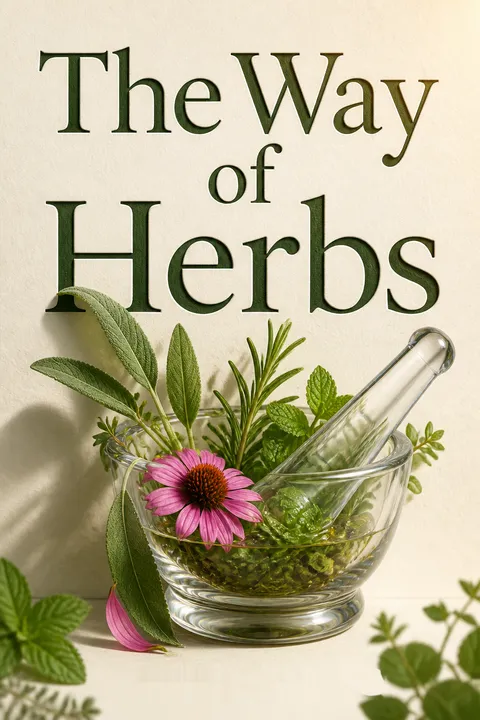
The Way of Herbs is a hybrid: part practical reference, part traditional-medicine primer, part personal philosophy, and, in its revised form, a collection of increasingly ambitious therapeutic claims. Its central intellectual move is synthesis. Tierra tries to place Western plant knowledge inside a traditional framework of energetic balance, then connect that framework to diet, preparation, and modern biochemical language. The appeal is coherence: a reader is encouraged to ask not only what symptom is present, but what sort of person, pattern, and context surrounds it.
That coherence is also the book's principal epistemic risk. Traditional categories, clinical anecdotes, laboratory findings, and dramatic patient stories appear in close proximity, although they do not carry equal evidentiary weight. The vocabulary of chemistry can lend scientific authority to claims that the cited material may not establish. The cancer and magnet chapters are especially consequential because they move from broad ideas about support and balance to treatment claims that could change life-or-death decisions. A contemporary reader should not accept those claims as medical guidance.
The book remains valuable as a historical document of the late twentieth-century herbal renaissance and as a portrait of an integrative ambition: learn from local plant traditions, observe the whole person, and take diet and preparation seriously. It also contains useful reminders about plant identity, variable potency, and the possibility of toxicity. But it is not a reliable stand-alone manual for diagnosis, dosing, or treatment. Its best legacy is a set of questions for careful practitioners and curious readers, not a prescription to self-treat. The crucial distinction is between respecting a tradition and treating each of its claims as proven. Herbal products can be pharmacologically active, which is precisely why safety, evidence, and coordination with qualified care matter.
Review Summary
Readers highly praise The Way of Herbs as a comprehensive and invaluable reference for herbal medicine. Many appreciate its thorough information, usefulness for beginners, and integration of Chinese and Western approaches. Some readers find it essential for daily use and formulation. Critics note outdated information, lack of illustrations, and occasional scientific skepticism. Most reviewers recommend it as an excellent resource for those interested in herbology, though some suggest it's more advanced than expected. Overall, the book is well-regarded for its depth of knowledge and practical applications in herbal medicine.
People Also Read





Glossary
Yin and Yang
paired qualities for pattern-readingA traditional framework of complementary, changing qualities that Tierra uses to classify bodily patterns, foods, and herbs. Examples include cool and warm, internal and external, or weak and excessive. In the book, treatment aims to counterbalance a perceived pattern. These categories belong to a traditional medical model and should not be mistaken for laboratory measurements or a substitute for medical diagnosis.
Simpling
simple use of familiar herbsTierra's term for a relatively simple approach to herbal practice, emphasizing familiarity with a small number of herbs rather than dependence on a large catalogue of complex formulas. Its principles include learning about locally available plants and recognizing how mild herbs are used in traditional practice. The approach requires accurate identification and does not make unsupervised use safe.
Alterative
traditional gradual restorative categoryA traditional herbal category for substances believed to gradually improve the body's general condition, especially by supporting elimination and changing the state of the blood. Tierra applies the term to herbs used for a wide range of chronic complaints, infections, and skin problems. It is a historical functional label, not a standardized modern diagnosis or proof that an herb treats those conditions.
Tonic
traditional strengthening categoryA class of herbs that the book describes as supporting or strengthening particular organs or bodily functions. Tierra distinguishes nourishing tonics from more stimulating ones and presents tonic use as relevant to recovery, chronic weakness, and maintenance. The category covers many different plants and actions, so the label alone cannot establish effectiveness, safety, or suitability for a particular person.
Healing crisis
claimed temporary symptom flareTierra uses this term for a temporary worsening of symptoms that he interprets as the body releasing accumulated toxins during natural treatment. The book presents this as a recognized feature of some healing traditions. Worsening symptoms can also signal an adverse reaction or a serious disease progression, so they should not automatically be interpreted as evidence that a treatment is working.
Signature formula
individualized multi-herb blendTierra's name for a customized mixture of herbs selected to address several aspects of a person's chronic condition. The formula is meant to combine herbs with different functions and to act gently rather than pushing the body strongly in one direction. Because combinations can produce interactions and variable effects, this concept is best understood as practitioner vocabulary, not a do-it-yourself dosing method.
FAQ
What's The Way of Herbs about?
- Herbal Healing Focus: The Way of Herbs by Michael Tierra delves into the use of herbs for healing, blending traditional knowledge with modern herbal science.
- Holistic Health Approach: It emphasizes a holistic view of health, considering the balance between body, mind, and spirit, and their interaction with diet and herbal remedies.
- Practical Guidance: The book offers practical advice on using various herbs, including preparation methods, dosages, and specific ailments they can address.
Why should I read The Way of Herbs?
- Comprehensive Resource: It serves as a thorough guide for anyone interested in herbal medicine, suitable for both beginners and experienced practitioners.
- Integrative Knowledge: The book combines insights from Western herbalism, Traditional Chinese Medicine, and Ayurveda, providing diverse perspectives.
- Personal Experience: Michael Tierra shares his clinical experiences, adding depth and authenticity to the information presented.
What are the key takeaways of The Way of Herbs?
- Balance is Essential: Health is seen as a reflection of balance within the body and with the environment, crucial for effective healing.
- Energetics of Herbs: The book categorizes herbs as Yin or Yang, affecting their use in treatment based on their energetic properties.
- Diet and Herbs: Emphasizes that diet plays a critical role in health and should complement herbal treatments for optimal results.
What are the best quotes from The Way of Herbs and what do they mean?
- "All healing comes from within.": Highlights the belief that the body has an innate ability to heal itself, with herbs supporting this process.
- "It is a mistake to reach for a remedy before taking the time to acknowledge the basic cause of our sickness.": Stresses the importance of understanding root causes rather than just treating symptoms.
- "The path of the herbalist is a cultivated attitude towards nature.": Reflects the philosophy that herbalism involves a respectful relationship with nature.
How does The Way of Herbs define the energetics of herbs?
- Yin and Yang Classification: Herbs are classified as Yin (cooling, moistening) or Yang (warming, stimulating), impacting their treatment use.
- Impact on Treatment: This classification helps practitioners choose the right herbs based on the patient's condition, ensuring alignment with their energetic needs.
- Holistic Understanding: Understanding energetics allows for a nuanced approach, considering overall balance rather than just symptoms.
What are some common herbs mentioned in The Way of Herbs?
- Rosemary: Known for anti-inflammatory properties, used for headaches and as a hair tonic.
- Dill: Effective for colicky stomachaches in children and aiding digestion in adults, noted for calming effects.
- Echinacea: Emphasized for immune-boosting properties, effective in treating infections and inflammatory conditions.
What dietary advice does The Way of Herbs provide?
- Balanced Diet: Advocates for a diet rich in whole grains, vegetables, and moderate protein, emphasizing nutritional balance.
- Avoid Processed Foods: Advises against excessive consumption of refined carbohydrates and processed foods, which can cause imbalances.
- Seasonal Eating: Encourages eating seasonal and locally sourced foods to align with the body's natural rhythms and enhance health.
How does The Way of Herbs address specific ailments?
- Targeted Treatments: Includes sections on treatments for specific ailments, detailing which herbs to use and preparation methods.
- Holistic Perspective: Treatments consider not just physical symptoms but also emotional and spiritual health aspects.
- Case Studies: Shares case studies and personal experiences to illustrate herbal treatment effectiveness for various conditions.
What precautions does Michael Tierra recommend when using herbs in The Way of Herbs?
- Proper Identification: Stresses the importance of correctly identifying herbs, as some can be toxic if misused.
- Dosage Awareness: Warns against using herbs in insufficient or excessive amounts, which can lead to ineffective treatment or adverse effects.
- Consultation Recommended: Advises consulting healthcare professionals, especially for those with pre-existing conditions or pregnant individuals.
How can I start using herbs based on The Way of Herbs?
- Begin with Local Herbs: Start by identifying and using herbs that grow locally, as they are often best suited for common ailments.
- Experiment with Simple Preparations: Try making herbal teas or infusions with mild herbs to get accustomed to their flavors and effects.
- Gradual Learning: Explore more complex preparations and combinations as confidence grows, paying attention to body responses.
How does The Way of Herbs integrate Eastern and Western herbal practices?
- Cultural Perspectives: Combines philosophies of Eastern and Western herbal traditions, offering a comprehensive view of herbal medicine.
- Holistic Approach: Emphasizes a holistic approach considering physical, emotional, and spiritual health, common in Eastern practices.
- Practical Applications: Provides practical applications from both traditions, including preparation methods and specific herb uses.
What are some preparation methods for herbs mentioned in The Way of Herbs?
- Infusions: Made by steeping herbs in hot water, typically used for delicate parts like leaves and flowers.
- Decoctions: Involves simmering tougher plant parts, such as roots and barks, in water for a longer period.
- Tinctures: Concentrated herbal extracts made by soaking herbs in alcohol or vinegar, explained for long-term storage and potent use.
Download PDF
Download EPUB
.epub digital book format is ideal for reading ebooks on phones, tablets, and e-readers.








