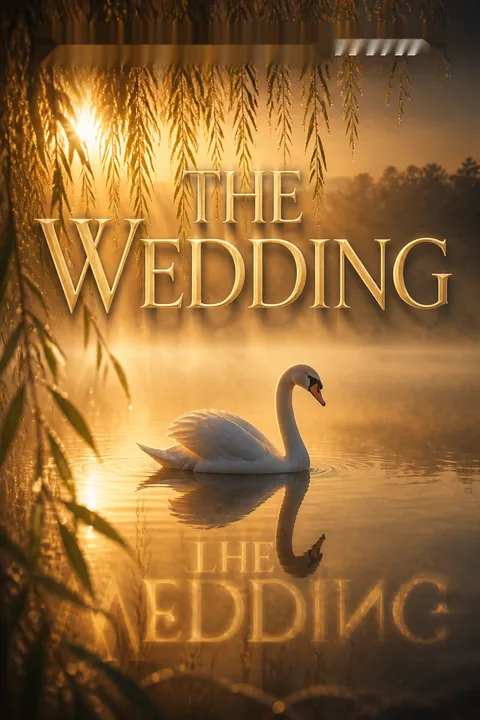


Plot Summary
Prologue
In autumn 2003, estate lawyer Wilson Lewis wonders whether a man can change. His answer begins with a small failure: on the evening of his twenty-ninth wedding anniversary, he forgets the date while his wife, Jane, waits with gifts.
Her tears expose what he has failed to notice for years. Wilson still loves her, but he can no longer assume that she feels loved in return. He begins this account looking back at the moment his marriage stopped seeming secure, and at the long, deliberate effort that followed.
The opening turns an ordinary lapse into a test of Wilson's self-understanding. He has measured himself by reliability, work, and fidelity, yet Jane's hurt shows that those virtues have not necessarily reached her as care. His question about change is therefore practical, not philosophical: can a man who has mistaken good intentions for intimacy learn to act differently? The retrospective frame also creates a quiet suspense. Wilson knows the marriage will face a reckoning, but not yet whether devotion, once neglected, can be made legible again.
Two Weeks in New York
In the weeks after the anniversary, Jane continues her routines but no longer seems at ease beside Wilson. She proposes visiting their son Joseph in New York alone, already holding a ticket and planning to stay for a fortnight. Wilson agrees, then struggles through a quiet house while she is away.
Joseph asks him why he forgot the anniversary and makes clear that the omission hurt his mother. When Jane returns, she says little about the visit, but Wilson senses how unhappy she remains. He begins to see that the forgotten date was not an isolated mistake. Their children have left home, their days have grown separate, and the marriage they once trusted now feels held together by habit.
Jane's trip makes emotional distance visible as an action: she chooses time with Joseph without Wilson, and he cannot convert his concern into a conversation that reaches her. Joseph's blunt question gives the injury a witness outside the marriage, while Wilson's inability to answer shows how readily he has treated affection as self-evident. The empty house matters because parenthood once supplied a shared agenda; without it, the couple must choose one another deliberately. The trip does not threaten the marriage through a dramatic rupture. It exposes how little contact remains beneath its settled routines.
Noah's Second Courtship
Worried about Jane, Wilson visits Noah Calhoun, her elderly father, at Creekside care facility. Noah has spent years reading the story of his courtship to his wife Allie, who had Alzheimer’s; on rare lucid days, she seemed to fall in love with him anew. Noah explains that reading mattered to him as well, because it let him court her again.
Wilson recognizes what he has avoided: lasting love needs repeated acts, not merely the private certainty that one feels it. He decides to court Jane again, although he has no idea what she once found attractive in him. The decision gives him a direction, but his first attempts will have to contend with the habits that made the two of them strangers.
Noah offers no formula for romance. His example instead changes Wilson's model of marriage from possession to practice: loving someone does not exempt a person from continuing to address them. Reading to Allie is both devotion and self-preservation, a ritual that gives Noah a role when memory has eroded their shared past. Wilson hears this as an invitation to act, but his uncertainty about what Jane once saw in him signals that the problem is deeper than a shortage of gestures. He must learn to attend to her as a person, not as a permanent feature of his life.
Rain, a Stray Dog, First Love
Wilson first meets Jane in 1971, when she serves him coffee at a Durham diner. After weeks of silent admiration, he walks her to her car through a downpour, and Jane's warmth draws him back.
Their first date nearly vanishes when they stop to rescue a lost dog from a freezing alley; the owner returns for it, but their dinner reservation is gone, so they share pizza instead. Jane's kindness and easy conversation open a life Wilson has kept carefully contained.
Later, when he tries to protect himself from a nine-month separation by discussing the odds of their relationship failing, Jane hears rejection. He finally admits he loves her, and she tells him she feels the same. They marry soon after, though Wilson's insistence on a courthouse ceremony becomes a regret Jane carries.
The stray dog gives Wilson an early lesson in Jane's moral priorities: she will interrupt a polished plan to help a vulnerable creature, and he discovers that joining her matters more than preserving his reservation. Their courtship also establishes the miscommunication that will persist into marriage. Wilson translates fear into statistics; Jane hears the emotional meaning beneath his careful language. His eventual confession works because he stops arguing about probability and risks plain speech. The courthouse wedding, shaped by his pride and religious uncertainty, then plants a lasting asymmetry: he considers the practical decision settled, while Jane remembers the celebration she never received.
An Empty House Between Them
Wilson builds a successful law career and provides for their family, while Jane raises Anna, Joseph, and Leslie and carries most of the household's emotional labor. Wilson misses games, performances, and family time, often assuming that his steady income and faithful presence are enough.
The children grow up, then leave home; Jane redecorates while Wilson buries himself in work, and neither names the loneliness between them. After deciding to try again, he begins cooking, walking before dawn, and listening more closely.
He loses weight and quietly gathers photographs for an anniversary gift. Noah suffers a serious stroke that spring, and Wilson supports Jane through the hospital vigil. Her gratitude gives him a first glimpse that attention, rather than grand declarations, may begin to repair their bond.
The marriage's deterioration is cumulative rather than spectacular. Wilson's provision is real, but it also becomes a moral alibi: because he works for the family, he assumes the family has received enough of him. Jane's domestic competence hides the cost of that arrangement, while the children keep the couple busy enough not to confront their changed relationship. The empty nest removes that cover. Wilson's new routines matter because they are repeated and embodied, yet his support during Noah's illness is especially revealing: care becomes credible when it responds to Jane's actual burden rather than to Wilson's wish to be praised.
Anna's Eight-Day Wedding
Eight days before Wilson and Jane's thirtieth anniversary, their eldest daughter, Anna, announces that she and Keith want to marry quickly. Keith is leaving for medical residency, Anna is moving to Raleigh, and they want Noah to attend while his health allows.
Anna imagines a small civil ceremony; Jane wants a proper wedding, complete with guests and photographs. Wilson sees that the disagreement touches Jane's own courthouse wedding, which she accepted to accommodate his pride, finances, and discomfort with a church ceremony.
He proposes a compromise: keep Anna's date, but let the family help make the day larger. When Anna agrees, Wilson suggests Noah's neglected house and rose garden as the venue. Jane is moved by the idea, and the wedding becomes a shared project.
Anna's decision does more than create a logistical emergency. It reopens a private imbalance in her parents' history: Jane once yielded the wedding she wanted, and now she is determined that her daughter not lose hers. Wilson's compromise marks a change in his role. Rather than defer to Jane or dismiss her expectations as impractical, he helps translate them into action. The choice of Noah's property also binds generations together. A place associated with Jane's parents' enduring marriage can host Anna's future, while its neglected condition quietly mirrors Wilson and Jane's own need for renewed attention.
The Rose Garden Reopens
Wilson takes responsibility for the wedding's practical obstacles. He books a sought-after photographer, secures the Chelsea restaurant as caterer, arranges Joseph's flight, and persuades a large landscaping crew to revive Noah's overgrown rose garden.
He also organizes cleaning, repairs, rentals, music, and the removal of the house's furniture. Jane and Anna search for dresses and flowers, and Jane's excitement grows as each unlikely arrangement falls into place. At home, Wilson cooks, remembers their first date, and joins Jane for an evening walk.
Their conversation is still tentative, but laughter returns in brief, startling flashes. The frantic preparations give them a common purpose, and Wilson begins to understand that his willingness to spend time and money is itself a form of apology.
Wilson's competence has often been directed toward work, where problems can be itemized and solved. Here he applies those same skills to a relationship, but the difference is the person for whom the labor is done. The restored garden is not a substitute for conversation; it is a visible expression of attention, made possible by asking other people to help. Jane's renewed delight also shows that romance, for her, includes anticipation and shared memory, not simply expensive spectacle. Their cautious banter suggests that trust is returning unevenly. A successful week cannot erase decades, but it can create evidence that Wilson is capable of behaving differently.
Noah Falls Before the Vows
Before the wedding, Noah falls near the pond at Creekside and hits his head. Jane's siblings gather anxiously at the hospital, where doctors report that he is conscious and likely to recover. Noah asks specifically for Wilson to visit first. In private, he explains that he wants Wilson to feed the swan that has stayed at the pond since Allie died.
Noah believes the bird is Allie returned to him, a belief his children and doctors regard as delusion. He says it was beside him when he woke after the fall, then asks Wilson whether he believes. Wilson cannot honestly say yes, and Noah is disappointed. Still, Wilson agrees to care for the swan while Noah is hospitalized, accepting the task without pretending certainty.
The hospital separates Noah's inner world from the family's understandable fear. His request makes Wilson the person trusted to hold a belief that others dismiss, not because Wilson shares it, but because he can listen without ridiculing Noah. Wilson's honest uncertainty preserves an important distinction between compassion and agreement. He does not claim knowledge he lacks, yet he accepts responsibility for the swan. The scene also places him beside Noah in a new way: the older man has long served as Wilson's guide to marriage, but now Wilson must offer practical care in return. Affection here means neither correction nor surrender, but staying present.
Bread for the Swan
At the pond, Wilson tears Wonder Bread into pieces as Noah usually does, but the swan initially refuses to eat. Wilson talks aloud, telling the bird that Noah is recovering and will return. The swan finally feeds, leaving Wilson unsettled by how naturally he has addressed it.
That evening at the Chelsea, Jane challenges his willingness to indulge Noah's belief. Wilson explains that he is helping because Noah asked and because the bird depends on his care. He then names the years he put work ahead of Jane and the children, including missed events and broken promises.
Jane does not excuse everything, but she explains why she chose him: he listened, worked hard, and respected the family life she wanted. Their candid exchange makes apology something shared rather than performed.
The swan scene turns Wilson's abstract uncertainty into a small act of responsibility. He does not have to decide whether the bird is Allie before he can feed it; the need in front of him is enough. This practical mercy parallels his emerging understanding of marriage. At dinner, Wilson finally gives Jane an account of his failures without converting them into a defense, and she responds with her own history of choosing him. Their exchange is not a clean absolution. It restores complexity: Jane can recognize his virtues while still naming what his absence cost her.
A Kiss on the Driveway
After doctors release Noah, Wilson finds the house and garden taking shape, while Jane and Anna finally locate dresses. Noah tells Wilson that the five-heart rose garden began as a gift to Allie during a difficult pregnancy.
After their young son John died, the flowers became painful for Allie, but she never asked Noah to remove them. Jane is named Anna's matron of honor, an unexpected honor that leaves her deeply moved. At the pond, Wilson tells Jane how much he loves her, and she leans into him.
Later they order pizza, laugh together, and talk without rushing to fill every silence. Jane then asks why Wilson has changed so suddenly. He promises that he is trying to become a more attentive husband, not hiding an affair or chasing a passing mood.
The recovered garden carries both tenderness and grief. Its beauty began as an intimate gift, but the death of John altered what that beauty meant; love does not preserve objects from pain, it changes their meaning over time. Jane's role in Anna's wedding affirms a bond with her daughter that Wilson had sometimes failed to notice. Their renewed affection is therefore not simply romantic revival. It grows from family recognition, shared labor, and Wilson's willingness to speak plainly. Jane's suspicion that he may be having an affair is a measure of how unfamiliar sustained attention has become, and also a sign that she is watching closely.
Thirty Years in an Album
On the evening before the anniversary, Wilson sends Jane through a sequence of candles, rose petals, gifts, and a blindfolded limousine ride to Noah's restored home. He has prepared the property as a private preview of the wedding and arranged dinner by candlelight. Upstairs, Jane finds a handmade album filled with photographs gathered from friends and family.
Beside each image, Wilson has written what he remembers about the moment and what he should have said about her. The album makes his apology specific: it records not only milestones, but his attention to Jane across their life together. She reads his letter, then joins him downstairs. They dance, kiss, and make love, rediscovering a tenderness they had both feared was gone.
The album is powerful because Wilson does not ask Jane to trust a promise detached from evidence. He has sought photographs from the people who shared their history, then paired each image with a personal recollection. This turns memory from a private possession into a collaborative record, one that gives Jane a place in the story Wilson had too often narrated around his career. The elaborate evening could have become another performance of romance, but the written reflections keep it accountable to their actual past. Their intimacy matters not as proof that all wounds have vanished, but as a renewed willingness to approach one another.
The Missing Swan
The next morning, Noah discovers that the swan has disappeared from the pond. He refuses food and snaps at his children, angry that they treat the loss as ordinary wildlife behavior rather than as the departure of someone he loves. Wilson recognizes that Noah is also afraid his children see him as confused and diminished. Jane and Kate return to his room, and he apologizes for lashing out.
Before they leave, Noah gives Wilson and Jane his worn copy of Walt Whitman's Leaves of Grass, the book he and Allie read together for decades. He wants them to keep reading it rather than leave it as a relic. That evening, the children arrive, tour the restored house, and share dinner with Noah, making the family gathering feel whole again.
The swan's absence tests Noah's belief more painfully than the family's skepticism did. What he fears is not only losing the bird, but losing authority over his own experience as his children interpret his distress for him. His apology to them shows that grief has not erased his capacity to recognize their care. Giving away Whitman shifts the burden of remembrance: the book is not meant to certify a perfect marriage but to remain in use. The family dinner then counterbalances loss with ordinary fellowship. Memory survives here through shared reading, meals, and the willingness to keep making room for one another.
The Bride Changes Gowns
On Saturday, Joseph tells Wilson that Jane arrived in New York the previous year distraught and had considered staying away; he had doubted his father could change. Watching Jane's happiness during the week has altered his view. At Noah's house, Anna appears in a dress matching Leslie's instead of her bridal gown.
She reveals that she and Keith are not marrying that day. The rushed wedding plans were a cover for a ceremony Wilson has secretly arranged for Jane and himself, correcting the courthouse wedding she never wanted. Wilson asks Jane to marry him again.
Her astonishment gives way to understanding, and she accepts. Noah escorts his daughter down the aisle, and the couple renews their vows before their children, friends, and family. Wilson's private plan becomes a public promise witnessed by the people who know them best.
Anna's reversal transforms the wedding from a favor to a daughter into a deliberate repair between spouses. The disguise works because Jane has been allowed to participate in the preparations without knowing their final purpose; her labor, excitement, and maternal role were real, not fabricated. Joseph's changed judgment supplies a second witness to Wilson's transformation, grounding the emotional reveal in observable behavior. The ceremony also revises the couple's history without pretending to erase it. Wilson cannot give Jane a different first wedding, but he can acknowledge the loss and make a new vow in the presence of the family their earlier choices created.
A Swan at the River
The reception lasts until midnight, with dinner, piano music, family toasts, and hours of dancing. Jane tells Wilson that it is the happiest night of her life. After most guests leave, Noah slips away from the house. Wilson finds him near the river, speaking softly toward the water.
Noah believes the swan came for the wedding, and Wilson is ready to dismiss the idea until the bird glides into view, its black chest marking unmistakably visible in the moonlight. Wilson accepts what he sees without claiming to understand it.
The return gives Noah a private reunion and leaves Wilson with a mystery rather than a proof. In the epilogue, he looks back on the year and recognizes that the marriage remains a daily practice, not a problem solved once and for all.
The swan's return brings the novel's two forms of uncertainty together. Wilson has learned to change through choices he can name and repeat, while Noah's experience remains outside rational verification. The scene does not force a single explanation: the bird may be ordinary, miraculous, or meaningful because grief has made it so. What matters is that Wilson no longer needs to discredit Noah in order to remain honest. The wedding's public vows and this quiet, almost private apparition offer different kinds of testimony. One is chosen and witnessed; the other is received, fragile, and impossible to settle.
Epilogue
Later that autumn, Wilson considers the wedding and the year of work that preceded it. He concludes that people can change, though the effort does not end with a ceremony or a grand gesture. He understands that he has often underestimated what a year of sustained attention can accomplish, and that love can be renewed after long disappointment.
Romance remains difficult for him, but he intends to keep trying. The swan's appearance still resists explanation; Wilson can live with that uncertainty while holding on to what Noah taught him about tending love.
The epilogue refuses to treat the wedding as a magical cure. Wilson's change is real precisely because it remains unfinished: he has learned practices of attention, but he knows he must continue choosing them. The novel's final answer to his opening question is therefore conditional. A person can change, not by becoming someone else, but by revising the habits through which other people experience him. The unresolved swan preserves a different kind of openness. Wilson can accept an event he cannot explain without confusing faith with certainty, just as he can love Jane without assuming she will always feel loved automatically.
Analysis
The Wedding treats marriage not as a stable feeling but as a relationship whose evidence must be renewed. Wilson has loved Jane for decades, yet his private certainty has not reliably reached her. His transformation begins when he recognizes the gap between intention and impact, then makes that recognition practical through listening, cooking, apology, time away from work, and a carefully prepared celebration. The novel distinguishes a grand gesture from a durable change by making the gesture depend on months of altered behavior.
The story also examines how family roles can both bind and obscure a couple. Raising three children gave Wilson and Jane common purpose, but it allowed them to postpone attention to each other. Anna's wedding returns them to family life while forcing them to confront the wedding Jane once surrendered. Their effort to give Anna a celebration becomes a way to repair that earlier imbalance, though the final surprise remains Wilson's choice to acknowledge what he failed to give his wife.
Noah provides a counterpoint to Wilson. His devotion is visible in years of reading, gardening, and returning to the pond, but his belief about the swan cannot be verified. Wilson's eventual openness does not require him to adopt Noah's explanation. Instead, the novel suggests that care can precede certainty: Wilson feeds the bird because Noah asked, just as he learns to attend to Jane before he can know whether she will respond. The book's emotional argument rests on repeated acts, not perfect understanding. Its ending leaves room for mystery while making the work of love unmistakably concrete.
Review Summary
People Also Read


Characters
Wilson Lewis
The belated romanticWilson is a New Bern estate lawyer, husband to Jane, and father to Anna, Joseph, and Leslie. Raised by reserved parents, he trusts work, reliability, and practical provision more readily than emotional expression. That reserve is not a lack of feeling; it is a habit of treating private devotion as if it were already visible to others. His dry humor and careful attention to detail make him dependable, but also allow him to postpone difficult conversations. The story follows him as he recognizes that his intentions cannot substitute for the daily actions by which a spouse feels valued. His effort to understand Jane requires vulnerability, not merely planning.
Jane Lewis
The generous truth-tellerJane is Wilson's wife and the emotional center of their family. Warm, sociable, and openly expressive, she builds relationships through conversation, practical care, and the rituals that make people feel remembered. She raised their three children, maintained a wide circle of friends, and carries vivid memories of her parents' affectionate marriage. Her romantic expectations are not simply a taste for ceremony; gestures matter to her because they make love visible and shared. Jane can be patient with Wilson's reserve, but that patience has limits, especially when his work repeatedly takes precedence. Her directness allows her to name disappointment while remaining capable of humor, tenderness, and hope.
Noah Calhoun
The old model of devotionNoah is Jane's elderly father, an artist's husband, and a resident of Creekside care facility. A former builder and avid reader, he is playful, stubborn, and deeply attached to the places and rituals he shares with his family. His long marriage has shaped Jane's understanding of romance and gives Wilson a lived example of continued courtship. Noah's health and memory worry his children, who sometimes struggle to distinguish his independence from risk. He meets that concern with humor and an insistence on dignity. His relationship with Wilson is unusually candid, allowing the younger man to ask questions he has avoided asking himself.
Allie Calhoun
The artist at the centerAllie is Noah's wife and Jane's mother, a painter whose work and family history remain present in the Calhoun home. Her warmth, faith, and appetite for beauty helped shape the affectionate household in which Jane grew up. Allie's relationship with Noah is the great example against which Jane measures romance, though their marriage, like any long partnership, also carries grief and strain. Her paintings of the rose garden preserve a changing record of what the garden meant to her. Even when she is not physically present in the action, her choices and memories influence how her family interprets love.
Anna Lewis
The unconventional eldestAnna is Wilson and Jane's eldest daughter, a newspaper writer with creative ambitions and a habit of making decisions on her own terms. She is thoughtful and private, often harder for Wilson to read than her sisters, yet she shares a deep bond with Noah. Her plans with Keith reflect a preference for simplicity over traditional display. Anna's independence can frustrate Jane, whose hopes for a daughter's wedding are more elaborate, but their disagreement grows from affection rather than hostility. Anna is perceptive about her parents' marriage and attentive to the emotional needs that Wilson has often failed to notice.
Joseph Lewis
The candid middle childJoseph is Wilson and Jane's son, a sociologist who works with people facing domestic abuse in New York. Empathetic, intellectually curious, and blunt when he believes honesty is needed, he shares less with his father than either would like. His concern for Jane makes him willing to challenge Wilson rather than protect him from discomfort. Joseph's reserve is not indifference; it often conceals a careful moral scrutiny of the people he loves. His close relationship with Noah offers a warmer, more relaxed contrast to the strained communication he has sometimes had with Wilson.
Leslie Lewis
The family's bright heartLeslie is Wilson and Jane's youngest daughter, a lively biology student preparing for a career in veterinary medicine. She is generous, sociable, and quick to notice when someone might feel excluded. Her easy affection recalls Jane's warmth, while her interest in animals connects with the family's history of small acts of care. Leslie is close enough to both parents to help them without making their difficulties the center of every conversation. Her romantic streak and enthusiasm make her a natural ally in family celebrations.
Keith
Anna's steady partnerKeith is Anna's partner, a considerate medical trainee preparing to begin an orthopedic residency. Wilson sees him as composed and respectful, and Noah recognizes the kindness he shares with Anna. Keith supports Anna's preference for a low-key marriage while also accepting the family's involvement in the plans. His steadiness gives Anna room to be unconventional without making their relationship feel uncertain.
Kate
Jane's protective sisterKate is Jane's sister and one of Noah's daughters. She is attentive to her father's health and often takes a practical role when the family faces a crisis. Her closeness with Jane gives the sisters a shared language of care, though their concern can sometimes become hovering. Kate's presence reflects the family culture of showing love through concrete help.
Harvey Wellington
The trusted ministerHarvey is a local pastor and longtime neighbor of the Calhoun family. His home stands beside Noah and Allie's property, and he has known Jane since she was young. Quietly perceptive, he listens without forcing a confession and understands how care for a place can resemble care for a relationship. His familiarity with the family makes him a trusted presence in both private history and public ceremony.
John Peterson
The family pianistJohn Peterson is a piano teacher and performer whom Jane encouraged early in his career. He plays at the Chelsea restaurant and is a familiar part of the family's social world. His music gives their gatherings a sense of continuity and occasion.
Henry MacDonald
The accommodating catererHenry owns the Chelsea restaurant and is Wilson's longtime acquaintance. He uses that friendship to help make a last-minute reception possible, bringing professional skill to the family's improvised plans.
Nathan Little
The garden restorerNathan is a gifted landscaper and Wilson's friend. He understands the neglected rose garden's structure and leads the crew that makes the property ready for a wedding.
Dr. Barnwell
The family physicianDr. Barnwell treats Noah and is trusted by the Calhouns and Wilson. His measured updates help the family navigate Noah's hospital stay without offering false certainty.
David Calhoun
Noah's practical sonDavid is one of Noah and Allie's children and Jane's brother. He responds to family emergencies with practical offers of help, including attention to the grounds at Creekside.
Jeff Calhoun
Noah's concerned sonJeff is Noah and Allie's son and Jane's brother. He joins the family in worrying over their father's health and looks for practical ways to keep him safe.
John Calhoun
The remembered youngest childJohn was Noah and Allie's youngest son and Jane's brother. His memory is woven into the meaning of the rose garden and the family's private history of grief.
Grayson
Kate's grounded husbandGrayson is Kate's husband, a farmer whose quiet, practical manner complements the family's more openly emotional crises. He stands with the Calhouns when Noah is hospitalized.
Lynn
David's supportive wifeLynn is David's wife and part of the extended family gathered around Noah. Her presence during the hospital crisis reflects the quiet support offered by the siblings' spouses.
Debbie
Jeff's supportive wifeDebbie is Jeff's wife and one of the family members who joins the vigil for Noah. She helps sustain the family's shared presence during an uncertain wait.
Plot Devices
The forgotten anniversary
The marriage's alarm bellWilson's missed twenty-ninth anniversary gives a concrete form to a much older pattern of neglect. Jane's hurt is not caused by a date alone; it reveals that Wilson has mistaken fidelity and provision for sufficient evidence of love. The lapse pushes him to question how Jane experiences their marriage, seek Noah's counsel, and begin a deliberate effort to change. Its ordinary scale matters: the story's crisis grows from a mistake that could seem trivial to an outsider but carries accumulated meaning for the person who has repeatedly waited to be noticed.
The wedding preparations
Courtship in practical formAnna's hurried wedding gives Wilson a reason to devote sustained attention to Jane while appearing to solve a family problem. By arranging the venue, caterer, photographs, music, and restoration of Noah's property, he learns to respond to Jane's hopes rather than dismiss them as impractical. The preparations also draw the family into a shared project and let Jane experience the excitement of planning a celebration she once missed. Their eventual double purpose is a major revelation, so the device is a spoiler.
The photograph album
A written record of attentionWilson gathers photographs from family and friends, then writes memories and reflections beside them. The album converts a lifetime of shared images into a specific apology: it shows that he has begun looking closely at Jane, their history, and the moments his work caused him to overlook. It also answers his earlier inability to write a letter about why he loves her. The album's role in the anniversary surprise reveals the depth of Wilson's plan, making this device a spoiler.
Noah's swan
Grief made visibleThe swan that visits Noah at Creekside becomes a focus for his grief and his conviction that Allie has found a way back to him. His children interpret that belief as a sign of mental decline, while Wilson tries to care for the bird without claiming certainty about what it means. Its refusal to eat for Wilson, disappearance before the wedding, and return at the river keep the question open. The swan links the novel's practical account of marital repair to its more mysterious meditation on memory and continuing love.
The rose garden
A landscape of changing memoryNoah's garden begins as an expression of care for Allie, then becomes bound to the family's grief after the loss of their son John. Its overgrown state parallels the neglect Wilson recognizes in his own marriage; restoring it creates the setting for Anna's wedding and Wilson's private anniversary evening. The concentric hearts suggest romantic devotion, but Noah's story complicates that image: a loving gesture can carry pain as well as beauty. The garden gives the family a shared place where past and present meet.
The Notebook Series


About the Author
Other books by Nicholas Sparks









Download PDF
Download EPUB
.epub digital book format is ideal for reading ebooks on phones, tablets, and e-readers.








