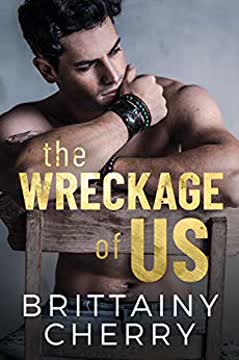
Plot Summary
Dirt Roads and Dreams
Hazel Stone's life in the rural town of Eres, Nebraska, is defined by poverty, hardship, and the constant threat of her abusive, drug-dealing stepfather, Charlie. Her mother, Jean, is pregnant and addicted, leaving Hazel to shoulder adult responsibilities far too young. Desperate to escape, Hazel dreams of a better life and a future where she and her soon-to-be sibling are safe. She seeks work at Eres Ranch, run by the formidable Big Paw, determined to earn enough to break free. The town's dirt roads and endless fields mirror Hazel's longing for something more, setting the stage for a story about hope, grit, and the pursuit of dreams against all odds.
Colliding Worlds
Hazel's new job at the ranch brings her face-to-face with Ian Parker, Big Paw's grandson and the town's local rock star. Their first encounter is anything but smooth—Hazel interrupts Ian in a compromising moment, and he's less than thrilled to be her trainer. Despite their differences—Hazel's guarded, goth exterior and Ian's cocky, womanizing reputation—they're forced to work together. Their clashing personalities spark both irritation and intrigue, and as they labor side by side, a reluctant respect begins to form. The collision of their worlds marks the start of a slow-burning connection neither expected.
Shelter in the Storm
When Charlie and Hazel's mother kick her out, Hazel is left homeless, wandering the town with nowhere to go. Rejected by her ex, Garrett, she ends up squatting in an abandoned shed on the ranch. Ian discovers her there and, despite his gruffness, offers her a place to stay in his house. Hazel's pride battles her desperation, but the need for safety wins out. The arrangement is awkward, but it plants the seeds of trust. For the first time, Hazel experiences the possibility of stability, even as she struggles to accept help and fears the strings that might be attached.
Unlikely Roommates
Living together, Hazel and Ian navigate a minefield of boundaries and vulnerabilities. Hazel's independence clashes with Ian's protective instincts, but their forced proximity reveals hidden depths. Ian's past—parents lost to addiction, a heart hardened by abandonment—mirrors Hazel's own wounds. They share late-night confessions, music, and moments of unexpected tenderness. The house becomes a fragile sanctuary, and their friendship deepens into something more. Yet, both are haunted by the fear of needing someone who could leave, and the risk of opening their hearts feels as dangerous as the world outside.
Building Trust, Breaking Walls
Hazel proves herself at the ranch, earning respect through grit and determination. Ian, initially skeptical, becomes her staunchest supporter. Their banter softens into genuine care, and they begin to heal each other's scars. Hazel helps Ian with his music, her raw honesty breathing new life into his lyrics. Together, they create songs that capture their pain and hope. As they grow closer, the walls they've built to protect themselves start to crumble. But trust is fragile, and the ghosts of their pasts threaten to undo the progress they've made.
Family Ties and Fractures
Hazel's sense of responsibility for her mother and unborn sibling intensifies as Jean's situation worsens. When Charlie's violence escalates, Hazel is forced to act, calling the police in a desperate attempt to save her mother. The fallout is devastating—Jean is arrested, and Hazel is left to care for her newborn sister, Rosie. The burden of family weighs heavily, and Hazel's dreams of escape are put on hold. Meanwhile, Ian's own family history resurfaces, and both must confront the ways their parents' choices have shaped them. The ties that bind are both a source of pain and a call to courage.
The Cost of Survival
Hazel's struggle to provide for Rosie and herself is relentless. She juggles work, school, and motherhood, all while fending off Charlie's threats and manipulation. The shame of her family's reputation and her own perceived failures gnaw at her self-worth. Ian, now on the cusp of musical success, faces his own moral dilemmas—balancing ambition with loyalty, and resisting the industry's pressure to become someone he's not. Both Hazel and Ian are forced to make sacrifices, questioning what they're willing to give up for survival, and what they refuse to lose.
Music, Muses, and Meaning
Music becomes the lifeline that binds Hazel and Ian. Hazel's poetic soul and Ian's talent fuse into songs that capture the rawness of their lives. Their creative partnership is electric, and the band, The Wreckage, begins to attract attention beyond Eres. Yet, the music industry's demands threaten to erode their authenticity. As they chase their dreams, Hazel and Ian must decide what success means—and whether it's worth the cost if it means losing themselves or each other. Their art is both a refuge and a battleground for their deepest fears and desires.
Love in the Wreckage
Hazel and Ian's relationship deepens into love, marked by passion, vulnerability, and the terror of losing what they've found. Their first night together is both a culmination and a beginning—a moment of joy shadowed by the knowledge that happiness is fragile. The world outside their bubble is full of threats: Charlie's looming presence, the pressures of fame, and the scars of abandonment. Yet, in each other, they find a sense of belonging neither has ever known. Their love is messy, imperfect, and fiercely real—a light in the wreckage of their pasts.
Sacrifice and Separation
Charlie's return and escalating threats force Hazel into an impossible choice. To protect Rosie, Ian, and the ranch, she breaks Ian's heart, ending their relationship and pushing him away. The separation is agonizing for both. Ian spirals into self-destruction, numbing his pain with alcohol and losing his creative spark. Hazel, isolated and overwhelmed, clings to her responsibilities, sacrificing her own happiness for the safety of those she loves. Their love story seems doomed, a casualty of circumstances beyond their control.
Haunted by the Past
Both Hazel and Ian are haunted by the ghosts of their families—addiction, abandonment, and cycles of trauma. Ian's parents reappear, seeking money rather than reconciliation, deepening his wounds. Hazel's mother, from prison, expresses regret and a desire for redemption. The past refuses to stay buried, and both must confront the ways it shapes their present. With the help of found family—Big Paw, Holly, and their friends—they begin to break the cycle, finding strength in vulnerability and the courage to seek closure.
The Weight of Secrets
Hazel finally confides in Ian about Charlie's threats and the real reason for their breakup. The truth, once spoken, loses some of its power, and together they devise a plan to end Charlie's hold over their lives. With the support of Big Paw and the community, they gather evidence and ensure Charlie's arrest. The weight of secrets lifts, replaced by relief and the possibility of a future unshadowed by fear. Trust, once broken, is painstakingly rebuilt, and Hazel and Ian rediscover the power of honesty and partnership.
Breaking Points
Just as hope returns, tragedy strikes—Holly, Ian's beloved grandmother, falls gravely ill. The family rallies together, facing the possibility of loss with courage and love. The ordeal tests everyone's resilience, but also brings them closer, reminding them of what truly matters. In the face of grief, Hazel and Ian find solace in each other, their love deepened by shared pain. The experience cements their commitment to living fully, loving fiercely, and never taking a single day for granted.
The Power of Found Family
The bonds forged through hardship prove unbreakable. Hazel, Ian, Rosie, and their circle of friends and family create a new kind of family—one chosen, not just given. The ranch becomes a haven, a place where broken people find healing and purpose. Hazel's mother returns, seeking forgiveness and a second chance. Together, they build a life rooted in compassion, hard work, and hope. The power of found family transforms their world, offering redemption and the promise of new beginnings.
Fighting for Forever
With Charlie gone and the past confronted, Hazel and Ian fight for their future. They refuse to let fear or circumstance dictate their happiness. The band, now free from toxic management, reclaims its artistic integrity, and Hazel and Ian's love story becomes a testament to resilience. They learn that forever isn't a guarantee—it's something you fight for, day after day. Their journey is marked by setbacks and triumphs, but through it all, they choose each other, again and again.
Coming Home
Hazel and Ian's story comes full circle as they find peace in the place they once longed to escape. The ranch, once a symbol of hardship, becomes a home filled with laughter, music, and love. Rosie thrives, Hazel pursues her education, and Ian balances fame with fidelity to his roots. Together, they honor the legacy of those who helped them—Big Paw, Holly, and the community that never gave up on them. Coming home is not about geography, but about finding where you truly belong.
Healing and Hope
Time brings healing and growth. Hazel's mother, now clean, becomes part of the family she once lost. Hazel and Ian prepare for marriage and the arrival of their own child, embracing the future with hope. The wounds of the past are not forgotten, but they no longer define them. Through forgiveness and hard-won wisdom, they create a life rich in meaning and connection. Their story is a testament to the power of second chances and the enduring strength of love.
Until Always
Years later, Hazel and Ian's love endures—tested, weathered, and stronger for it. Surrounded by family and friends, they celebrate milestones, honor those they've lost, and continue to build a legacy of kindness and courage. Their journey, once marked by wreckage, is now defined by resilience and joy. "Until always" becomes their promise—a vow to keep choosing each other, no matter what. Their story is a reminder that even in the aftermath of ruin, love can rebuild, restore, and last forever.
Characters
Hazel Stone
Hazel is the heart of the novel—a young woman forged in hardship, defined by her loyalty, and driven by a relentless hope for something better. Raised in poverty by an addicted mother and terrorized by her stepfather, Hazel's life is a daily battle for survival. Her sense of responsibility is both her strength and her burden; she sacrifices her own dreams to care for her family, especially her baby sister, Rosie. Hazel's guarded exterior hides a poetic soul and a deep capacity for love. Her journey is one of learning to accept help, trust others, and believe she is worthy of happiness. Through her relationship with Ian, she discovers vulnerability is not weakness, and that true family can be chosen as much as inherited.
Ian Parker
Ian is a study in contrasts: a small-town bad boy with rock star dreams, haunted by the abandonment of his addicted parents. His swagger and sarcasm mask a deep well of pain and a fear of being left behind. Music is his salvation, but also a source of pressure and self-doubt. Ian's journey is about breaking down the walls he's built to protect himself, learning to trust, and finding the courage to love fully. His relationship with Hazel is transformative—she becomes his muse, his anchor, and his mirror. Through her, Ian confronts his past, reclaims his sense of self, and learns that real strength lies in vulnerability and connection.
Big Paw (Harry Parker)
Big Paw is the backbone of Eres—a formidable ranch owner whose gruff exterior hides a deep well of love and wisdom. He is both a mentor and a father figure to Hazel and Ian, offering tough love, second chances, and unwavering support. Haunted by regrets over his own family's struggles, Big Paw is determined to break the cycle of pain for the next generation. His actions are guided by a fierce sense of responsibility and a belief in redemption. Through his guidance, both Hazel and Ian learn the value of hard work, honesty, and the power of found family.
Holly Parker (Grams)
Holly is the emotional center of the Parker family—a woman whose kindness, faith, and resilience inspire everyone around her. She offers Hazel the motherly love she's been denied, and her unwavering belief in the goodness of people is a beacon in dark times. Holly's own history of overcoming abuse and hardship gives her a unique empathy for Hazel's struggles. Her illness becomes a crucible for the family, reminding them of the fragility of life and the importance of cherishing every moment. Holly's legacy is one of love, forgiveness, and the quiet strength that holds families together.
Jean Stone
Jean is a tragic figure—once full of dreams, now lost to addiction and abuse. Her choices have devastating consequences for Hazel, but her love for her daughters remains, however flawed. Jean's journey is one of regret, loss, and the slow, painful path to redemption. Through prison, she finds clarity and a desire to make amends. Her eventual return to the family is a testament to the power of forgiveness and the possibility of change, even after years of pain.
Charlie Riley
Charlie is the novel's primary antagonist—a manipulative, violent drug dealer whose presence looms over Hazel's life. He represents the generational cycles of addiction, poverty, and abuse that the characters struggle to escape. Charlie's threats and control force Hazel into heartbreaking choices, and his eventual downfall is a hard-won victory for the family. He is a reminder of the darkness that can take root in broken systems, and the courage required to break free.
Rosie Stone
Rosie, Hazel's baby sister, is both a burden and a blessing—a vulnerable life that Hazel fights to protect at all costs. Rosie's presence forces Hazel to grow up quickly, but also gives her a reason to hope and to heal. She becomes the glue that binds the found family together, a symbol of second chances and the possibility of a future untainted by the past.
Garrett
Garrett is Hazel's on-again, off-again boyfriend and Charlie's nephew. Initially self-serving and unreliable, he is nonetheless a product of his environment—caught between loyalty to family and his own moral compass. Garrett's eventual decision to help Hazel, even at personal cost, marks a turning point in his character. He embodies the struggle to break free from toxic legacies and the possibility of unexpected redemption.
The Wreckage (James, Marcus, Eric)
James, Marcus, and Eric are more than Ian's bandmates—they are his brothers, his support system, and his reality check. Each brings a unique energy: James the peacemaker, Marcus the comic relief, Eric the tech genius. Together, they weather the storms of ambition, fame, and personal loss. Their loyalty to Ian and, eventually, to Hazel, is unwavering. The band's journey mirrors the central themes of the novel: the power of chosen family, the importance of authenticity, and the courage to fight for what matters.
Leah Scout
Leah is Hazel's first true friend in Eres—a beacon of kindness, optimism, and unwavering support. Her friendship helps Hazel break out of her isolation and believe in the possibility of connection. Leah's presence is a reminder that even in the bleakest circumstances, there are people willing to stand by you. She is the embodiment of hope, laughter, and the healing power of friendship.
Plot Devices
Dual Narration and Alternating Perspectives
The novel employs a dual narrative structure, alternating between Hazel and Ian's points of view. This device allows readers to experience the story's emotional arc from both sides, deepening empathy and understanding. The alternating perspectives highlight the ways trauma, love, and hope are experienced differently, yet can lead to shared healing. The structure also builds tension, as secrets and misunderstandings are revealed to the reader before the characters themselves confront them.
Found Family and Cycles of Trauma
A central device is the contrast between biological and chosen family. Both Hazel and Ian are shaped by the failures of their parents, but find solace and strength in the community that forms around them—Big Paw, Holly, the band, and friends. The novel explores the difficulty of breaking generational cycles of addiction and abuse, using the motif of "found family" as both a lifeline and a source of hope. The ranch, the band, and the home they build together become symbols of what's possible when people choose each other.
Music as Metaphor and Catalyst
Music is both a literal and metaphorical device throughout the novel. It serves as a means of self-expression, a bridge between Hazel and Ian, and a path to healing. The process of writing, performing, and fighting for authentic music mirrors the characters' struggle to find their own voices and live truthfully. Lyrics and songwriting sessions are woven into the narrative, providing insight into the characters' inner lives and the evolution of their relationship.
Secrets, Sacrifice, and Revelation
The plot is driven by secrets—Hazel's about Charlie's threats, Ian's about his parents, and the unspoken fears that keep them apart. The withholding of truth leads to sacrifice and heartbreak, while confession and vulnerability pave the way for reconciliation. The device of forced separation, followed by revelation and reunion, heightens the emotional stakes and underscores the theme that love requires both courage and honesty.
Redemption and Second Chances
The narrative is structured around cycles of loss and renewal. Characters are given opportunities to make amends, to forgive, and to start over—whether it's Jean's recovery, Garrett's help, or Hazel and Ian's reunion. The motif of "coming home" recurs, both literally and figuratively, as characters return to the people and places that shaped them, determined to build something better. The story insists that no one is beyond redemption, and that healing is possible, even after the worst wreckage.
Analysis
The Wreckage of Us is a deeply emotional exploration of trauma, healing, and the transformative power of love. At its core, the novel asks what it means to break free from the cycles of pain we inherit, and whether it's possible to build a future unburdened by the past. Through Hazel and Ian's intertwined journeys, the story examines the cost of survival—how pride, shame, and fear can isolate us, and how vulnerability and trust can set us free. The novel's use of music as both metaphor and lifeline underscores the importance of authentic self-expression and the courage to fight for one's dreams. Ultimately, the book is a celebration of found family—the people who choose us, stand by us, and help us become our best selves. It's a reminder that even in the aftermath of ruin, love can rebuild, restore, and last forever. The lessons are clear: healing is messy but possible, forgiveness is a gift we give ourselves, and the bravest thing we can do is keep our hearts open, even when the world tries to break us.
Last updated: