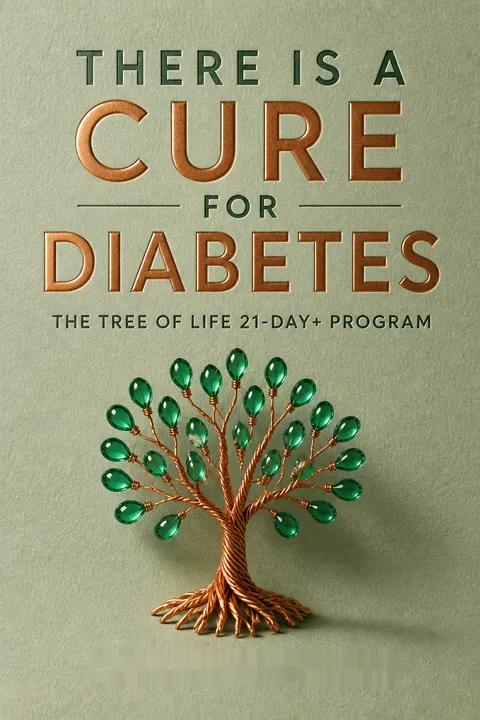


Key Takeaways
Use lifestyle to challenge Type 2, but treat the book’s cure claim cautiously
The central argument. Gabriel Cousens argues that Type 2 diabetes can be reversed by changing the conditions that promote it: diet, inactivity, stress, and other lifestyle factors. He frames this as a shift from a harmful “Culture of Death” toward a health-supporting “Culture of Life,” built around plant foods, movement, and personal commitment.
A necessary distinction. The book’s argument is not the same as proof that diabetes has been cured. Its clinical claims rest mainly on a small group of participants, testimonials, and the author’s experience. The book itself says its program is not medical advice and urges physician supervision. Anyone with diabetes should make treatment changes with their clinician, not use this summary to alter medication.
The book is strongest when it treats daily habits as consequential rather than incidental. Its language of cure is much less secure than its case for prevention and improved glucose control. That distinction matters: a condition can respond dramatically to lifestyle without every person being cured, or without the underlying risk disappearing. The book’s urgency can motivate change, but careful wording protects readers from confusing hope with a guarantee.
Treat genetic risk as susceptibility, not an inevitable sentence
Genes meet environment. Cousens argues that inherited risk does not act alone: diet and lifestyle influence whether that risk becomes disease. He points to populations whose diabetes rates rose after shifts toward processed foods and less active lives. His example is the Pima communities: the book contrasts a reported diabetes prevalence of up to 51 percent among Arizona Pimas with about 6 percent among Tarahumaras who maintained more traditional diets and lifestyles.
A broader lens. Cousens calls the harmful pattern the “Culture of Death,” encompassing refined foods, inactivity, stress, and environmental concerns. Its opposite, the “Culture of Life,” is his name for choices and conditions that support health. These are moral and social frames, not medical diagnoses; the contrast is meant to shift attention from individual blame to the surrounding food environment.
The population comparisons make a valuable point: biology does not operate in a vacuum. A community’s food supply, economic options, and daily routines can shape health patterns across generations. At the same time, group differences cannot establish that diet alone explains them; the book’s own examples include many possible influences. The most useful reading is neither fatalistic nor blame-oriented: risk can be shaped, while responsibility is shared by individuals, institutions, and the conditions that make healthier choices possible.
Choose carbohydrate quality and fiber over blanket fear of carbohydrates
Not every carbohydrate behaves alike. Cousens opposes refined sugar and flour, but distinguishes them from fiber-rich complex carbohydrates such as beans, vegetables, and some grains. The book argues that fiber can slow glucose absorption, helping reduce sharp rises in blood sugar. It cites a small study of eight people with insulin-dependent diabetes: average blood glucose was lower during a higher-fiber period than during a low-fiber period, while other parts of the diet and insulin dosage were held steady.
His food plan is stricter. The proposed early phase also excludes many sweet foods and limits fruit until glucose measures improve. That is the author’s protocol, not a universal prescription. The practical lesson is to distinguish minimally processed, fiber-rich foods from sugary drinks and refined products, then personalize choices with a qualified clinician.
This distinction counters a common dietary oversimplification: treating all carbohydrate-containing foods as equivalent. Food structure and fiber affect how quickly nutrients are absorbed, while the whole meal and a person’s treatment also shape the response. The book’s specific exclusions, especially its broad restrictions on fruit and grains, go beyond that general principle. Readers can retain the useful focus on food quality without assuming that the strictest version is necessary or suitable for every individual.
Track insulin demand as well as the glucose number
Two related measures. The glycemic index estimates how much a food raises blood glucose. The book also discusses the insulin index, which estimates the insulin response to a food. Cousens uses this distinction to argue that some protein-rich animal foods can prompt a substantial insulin response even when they contain little carbohydrate. The author therefore rejects the idea that carbohydrate content alone predicts a food’s metabolic effect.
Use the concepts carefully. These indices are tools for comparing foods under test conditions, not complete guides to an individual meal or a treatment plan. Cousens also places heavy emphasis on fasting blood sugar, proposing a preferred range of 70 to 85. That target is the book’s own standard, not a reason to self-diagnose or change medication. Interpret glucose results with a health professional.
The two-index distinction encourages a more complete question than “How much sugar is in this food?” It directs attention to the body’s response, not merely a nutrient label. But a single index cannot capture portion size, preparation, mixed meals, individual physiology, or medication effects. The strongest use of these measures is as explanatory models, not rigid rules. A personal glucose record, interpreted in context, is more useful than treating one number as a universal verdict.
Make regular movement part of glucose management
Muscles use circulating glucose. Cousens explains that working muscles can take up glucose and become more responsive to insulin. The book cites research suggesting that a brisk half-hour walk each day was associated with a lower risk of developing Type 2 diabetes. It also highlights a study in which men who watched more than 19 hours of television weekly had a substantially higher diabetes risk than men who watched fewer than 3 hours.
Start with a repeatable routine. The program promotes enjoyable, moderate activity, including walking, swimming, and strength-building, rather than making exercise an all-or-nothing test. The book also links stress hormones with blood sugar and includes meditation and yoga in its approach. For people using insulin or glucose-lowering medication, changes in activity can affect glucose levels, so treatment and monitoring should be discussed with a clinician.
This section joins physiology to the design of a day: muscles are not only for fitness, and long stretches of sitting are not metabolically neutral. A modest routine may be more sustainable than an ambitious plan that repeatedly collapses. The book’s broader prescription also recognizes that stress and activity interact. Exercise is not a replacement for medical treatment, and its effects differ between people, but it is a practical lever that can be adjusted and monitored.
Never treat Type 1 diabetes like lifestyle-driven Type 2
The distinction is fundamental. In Type 1 diabetes, the body produces little or no insulin because insulin-producing pancreatic cells have been damaged. In Type 2, the body often becomes resistant to insulin before insulin production declines. Cousens discusses both conditions, but the book’s strongest claim of reversal concerns Type 2. It also recounts a participant diagnosed with Type 1 who reduced insulin during the program, presenting the case as extraordinary.
Do not copy that protocol. A person with Type 1 must not stop insulin because of a diet, fast, supplement, or anecdote. The book’s own medical disclaimer says major dietary changes and fasting require physician supervision. Any adjustment to insulin or other diabetes medication needs direct guidance from the treating medical team, with appropriate glucose monitoring.
The book’s inclusion of Type 1 stories makes this warning especially important. A testimonial can show what one person experienced, but it cannot establish that another person can safely repeat the same course. Type 1 and Type 2 share some complications and lifestyle considerations, yet they are not interchangeable conditions. Clear distinctions help readers preserve the potentially useful nutrition discussion without mistaking it for permission to withdraw essential treatment.
Read the program’s dramatic results as preliminary evidence, not proof
What the book reports. Cousens presents results from 11 participants in a pilot program. He says participants stopped diabetes medications within four days and describes large changes in fasting glucose and other blood tests over roughly three to four weeks. One participant’s fasting glucose reportedly fell from around 300 to 88 within several days. These accounts help explain why the author was convinced the program deserved further study.
What the results cannot establish. The cases were not a randomized controlled trial. The group was small, the intervention combined many changes at once, and the book acknowledges the need for a larger study. These reports cannot determine which element caused the changes, how reliably others would respond, or whether benefits persist. The book’s numbers should be understood as author-reported preliminary observations, not a guarantee of cure.
The pilot stories have narrative force: a rapid change in a frightening clinical picture is hard to ignore. Yet the same intensity makes careful evaluation essential. Without a comparison group and a larger sample, changes cannot be confidently attributed to one part of the program, and selected cases may not represent typical outcomes. The book does deserve credit for labeling its evidence preliminary and calling for more research. That admission should guide the reader’s confidence more than the title’s certainty.
Do not assume juice fasting or supplements are safe diabetes treatments
An intensive intervention. The Tree of Life 21-Day+ Program begins with at least seven days of green-juice fasting, then teaches a strict plant-based diet and lifestyle changes. For people seeking more weight loss, the book describes “Juice Feasting,” a longer liquid-diet approach that may last 30 to 92 days. It also recommends numerous supplements, herbs, and detoxification products. These are descriptions of the author’s system, not instructions to attempt it independently.
Medical oversight matters. Fasting and major dietary changes can affect blood glucose and medication needs. The book advises consulting a physician and remaining under medical supervision, and that caution is essential. Readers should not start a prolonged fast, stop medication, or add supplements based on the book alone. A clinician who knows the person’s diagnosis, medication, and health history should guide any significant change.
The program’s intensity is part of its appeal: it offers a clear break from old routines and a structured environment for change. But intensity is not evidence of safety or superiority, particularly when blood sugar-lowering medication is involved. The book’s own disclaimer provides an important boundary that its confident cure language can obscure. The practical insight is to borrow the structure and commitment only where a clinical team can make the approach safe and appropriate.
Design for the return home, not just the first three weeks
The challenge is maintenance. Cousens says that changing food habits is harder when a person returns to familiar routines, social expectations, and convenient processed foods. The program therefore includes follow-up support, cooking instruction, and a gradual transition to its longer-term cuisine. Its “Four Means to Get Your Greens” offers four formats: eat greens, blend them into soup, make a smoothie, or juice them. The aim is to make the dietary pattern workable across different schedules.
Access affects adherence. The book acknowledges that fresh foods can cost more than calorie-dense processed options, though its optimism about affordability is stronger than its evidence. A useful plan accounts for budget, cooking time, family needs, and local availability. Tracking progress and arranging ongoing clinical follow-up are also essential, especially when medication has changed.
This is where the book moves beyond a menu and toward implementation. Knowledge rarely survives unchanged when someone returns to work, family meals, and the local supermarket. Multiple preparation options reduce friction, while follow-up can turn a short burst of motivation into a durable routine. The book’s approach can still be resource-intensive, and its promise that nearly anyone can afford the shift deserves scrutiny. A sustainable plan must fit real constraints, not merely ideal conditions.
Analysis
There Is a Cure for Diabetes is a thesis-driven health book wrapped in a moral narrative. Its central proposition is that diabetes reflects a broader pattern of processed food, inactivity, stress, and social conditions, and that a strict live-food plant-based program can reverse that pattern quickly. The book moves from pandemic statistics to proposed mechanisms, then to an intensive 21-day intervention, participant stories, and recipes. This structure makes the argument vivid, but also merges levels of evidence that should remain separate: population associations, biological hypotheses, clinical experience, and controlled trials.
Its most durable contribution is the insistence that lifestyle, food access, and daily movement matter, and that a diagnosis should not become an excuse for fatalism. The distinction between refined carbohydrates and fiber-rich foods is useful, as is the attention to activity, stress, and ongoing support. Its weakest move is converting these general insights into a near-universal claim of cure. Eleven uncontrolled cases, with multiple simultaneous interventions and limited follow-up, cannot establish efficacy, safety, or durability. Nor can an anecdote of reduced medication show that the same response is likely for others.
The medical distinction between Type 1 and Type 2 is not a detail. Type 1 requires insulin, and stopping it can be life-threatening. For Type 2, substantial lifestyle change can improve glucose control, reduce medication needs, and, for some people, produce remission. Remission is not equivalent to a guaranteed permanent cure: risk can return, and continued monitoring matters. The book’s fasting and supplement protocols therefore require more than a general disclaimer. They should not be attempted as substitutes for evidence-based care or without direct clinical supervision.
The most responsible reading preserves the book’s motivational core while rejecting its certainty. Treat food quality, movement, and supportive routines as meaningful tools. Treat the title’s cure claim, the proposed fasting regimen, and the dramatic case reports as claims requiring stronger evidence, not as permission to stop treatment.
Review Summary
There Is a Cure for Diabetes receives mixed reviews. Many praise its comprehensive information on reversing diabetes through diet, citing positive results. Critics note its dense, technical writing and questionable claims about curing Type 1 diabetes. Some find the raw food approach extreme, while others appreciate the lifestyle change. Readers value the book's extensive research and citations, but some question the lack of a control group. Overall, it's seen as informative but potentially challenging to implement, with a 4.01/5 rating from 171 reviews on Goodreads.
Glossary
Culture of Death
Harmful lifestyle and food systemCousens’s name for a personal and social pattern he associates with diabetes and other chronic illness. It includes refined foods, animal and processed fats, inactivity, stress, and environmental pollution. The phrase is a moral and cultural frame used by the author, not a clinical diagnosis or a standard medical term.
Culture of Life
Health-supporting way of livingCousens’s alternative to the Culture of Death. It describes his proposed pattern of plant-based eating, movement, stress reduction, and care for the wider environment. In the book, the phrase combines a dietary program with spiritual and ethical commitments. It is the author’s organizing concept, not a formal medical framework.
Tree of Life 21-Day+ Program
Intensive lifestyle interventionCousens’s structured program for people with diabetes. It begins with a period of green-juice fasting, followed by instruction in a strict plant-based diet, food preparation, and lifestyle changes. The program also includes psychological and spiritual sessions and follow-up support. The book presents it as a way to reverse diabetes, but its reported outcomes come from a small, uncontrolled pilot group.
Juice Feasting
Extended nutrient-rich juice regimenA long-term liquid-diet practice described in the book, using large quantities of fresh vegetable and green juices, alongside supplements and activity. Cousens and research assistant David Rainoshek describe it as a continuation for people seeking further weight loss or recovery from complications. The proposed duration is 30 to 92 days. It is an intensive intervention, not a general self-care recommendation.
Zero Point Process
Psychological and spiritual courseA four-day course included in the Tree of Life program. Cousens describes it as helping participants examine emotional habits, food-related behaviors, and beliefs that may obstruct change. Its teachings also involve spiritual ideas about identity and self-understanding. The book presents it as support for adopting new habits, but does not provide controlled evidence that this process independently treats diabetes.
Seven Stages of Disease
Model of disease progressionA framework attributed in the book to John Tilden. Its stages are enervation, toxemia, irritation, inflammation, ulceration, induration, and fungation. Cousens uses the sequence to interpret chronic illness as progressive deterioration and proposes that health can be restored by moving backward through the stages. It is the book’s theoretical model, not an established clinical staging system for diabetes.
Glycemic index
Food-related glucose response measureA measure used to compare how much a particular food raises blood glucose under specified testing conditions. Cousens uses it to distinguish foods he considers high in blood-sugar impact from lower-impact choices. The book emphasizes that the index does not describe every aspect of a food’s effect, including its influence on insulin or its role in a mixed meal.
Insulin index
Food-related insulin response measureA measure discussed in the book for comparing the insulin response associated with foods, including foods that contain little carbohydrate. Cousens uses it to argue that glucose response alone does not capture all metabolic effects of eating. Like the glycemic index, it is a comparison tool rather than a complete guide to individual treatment or a substitute for clinical monitoring.
FAQ
What's There Is a Cure for Diabetes about?
- Diabetes Reversal Focus: The book offers a comprehensive approach to reversing Type-2 diabetes through dietary and lifestyle changes, emphasizing a plant-based, live-food diet.
- Cultural Context: It discusses the global diabetes pandemic, linking it to modern dietary habits and advocating for a shift to a "Culture of Life."
- Practical Program: Introduces the Tree of Life 21-Day+ Program, which includes green juice fasting and lifestyle changes to achieve optimal health.
Why should I read There Is a Cure for Diabetes?
- Empowering Information: It provides knowledge that diabetes can be reversed, empowering individuals to take control of their health.
- Success Stories: Includes numerous success stories from program participants, serving as motivation for readers.
- Holistic Approach: Combines scientific research with holistic practices, offering a well-rounded perspective on health.
What are the key takeaways of There Is a Cure for Diabetes?
- Dietary Changes: Emphasizes a plant-source, live-food diet low in refined carbohydrates and high in phytonutrients.
- Lifestyle Modifications: Stresses the importance of regular exercise, stress management, and avoiding toxins.
- Mindset Shift: Encourages a shift in consciousness regarding health, promoting the idea that individuals can choose life and health over disease.
What is the Tree of Life 21-Day+ Program?
- Structured Healing Plan: A 21-day plan including a green juice fast and transition to a live-food diet to reverse diabetic symptoms.
- Focus on Nutrients: Guides participants to consume nutrient-dense foods that stabilize blood sugar levels.
- Support and Follow-Up: Offers ongoing support to help maintain health improvements long-term.
What are the main dietary recommendations in There Is a Cure for Diabetes?
- Plant-Based Focus: Advocates for a diet high in organic, live foods that regulate blood sugar levels.
- Avoidance of Processed Foods: Recommends eliminating processed foods high in trans fats and refined carbohydrates.
- Inclusion of Specific Foods: Highlights anti-diabetogenic foods like bitter melon, garlic, and sea vegetables.
How does [Book Title] address the psychological aspects of diabetes?
- Mindset and Beliefs: Emphasizes changing one’s mindset about diabetes, encouraging the belief that it is curable.
- Emotional Well-Being: Discusses the connection between emotional health and diabetes, including stress management strategies.
- Empowerment Through Knowledge: Aims to empower readers with information and success stories to take charge of their health.
What are the best quotes from There Is a Cure for Diabetes and what do they mean?
- “Diabetes is not a fixed sentence...”: Encourages hope and action by underscoring that diabetes can be reversed.
- “The Culture of Death creates...”: Suggests that unhealthy lifestyles lead to deeper issues beyond physical health.
- “What we eat and how we live...”: Emphasizes the connection between diet, lifestyle, and genetic expression.
How does [Book Title] define insulin resistance?
- Metabolic Dysfunction: Describes insulin resistance as a condition where cells do not respond effectively to insulin.
- Causes and Effects: Outlines factors like a diet high in refined carbohydrates and stress that contribute to insulin resistance.
- Reversibility: Emphasizes that insulin resistance can be reversed through dietary changes and lifestyle modifications.
What role do phytonutrients play in diabetes management according to [Book Title]?
- Nutritional Powerhouses: Phytonutrients help regulate blood sugar levels and provide antioxidant properties.
- Gene Expression: Influence gene expression, turning on anti-diabetic genes and turning off those promoting disease.
- Sources of Phytonutrients: Encourages consuming a variety of colorful fruits and vegetables for maximum health benefits.
How does [Book Title] suggest managing stress in relation to diabetes?
- Stress as a Contributing Factor: Identifies stress as a significant contributor to insulin resistance.
- Mindfulness and Relaxation: Recommends practices like meditation and yoga to reduce stress levels.
- Holistic Approach: Emphasizes managing stress as part of a broader lifestyle change.
What are the long-term benefits of following the Tree of Life 21-Day+ Program?
- Sustained Health Improvements: Participants often experience lasting improvements in blood sugar levels and overall health.
- Prevention of Complications: Helps prevent long-term complications associated with diabetes.
- Empowerment and Knowledge: Empowers individuals with the knowledge and tools to maintain their health independently.
Download PDF
Download EPUB
.epub digital book format is ideal for reading ebooks on phones, tablets, and e-readers.








