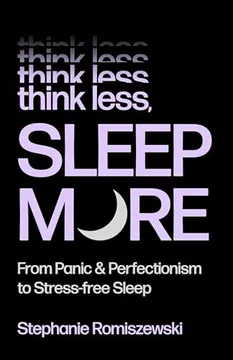


Key Takeaways
Stop treating sleep as a test; ordinary nights are often uneven.
Unbroken sleep is not the standard. The book opens with people who wake briefly, take time to fall asleep, or shift around during the night. These patterns can all occur in normal sleep. Sleep cycles repeat roughly every 90 to 110 minutes, and brief awakenings are common, even when sleepers do not remember them. A restorative night is not necessarily eight uninterrupted hours or a perfect morning.
Sleep changes with life. Before electric light and industrial schedules, people often followed flexible rhythms, including two-part sleep. Pregnancy, ageing, illness, stress, and changing schedules can also alter sleep. The practical lesson is not to dismiss persistent problems, but to stop treating every variation as evidence that the body has failed.
The distinction between variation and disorder is valuable because people often mistake a measurable difference for a defect. It also reflects a broader problem in health culture: once a biological process becomes trackable, its ordinary fluctuations can feel like performance failures. The useful counterweight is functional impact. A few remembered awakenings are not, by themselves, a diagnosis, but severe daytime sleepiness, unsafe sleep behaviours, or persistent distress deserve attention. Normalizing variation should reduce needless alarm, not become a reason to ignore symptoms that interfere with life.
Build sleep pressure by being awake, then anchor it with daylight.
Two systems govern sleep. Sleep drive, also called the homeostatic process, builds as time awake accumulates, partly through adenosine. Circadian rhythm is the body's roughly 24-hour timing system, strongly influenced by light. One creates increasing pressure to sleep; the other helps set when sleepiness and alertness arrive. When these systems work together, sleep is more likely to feel natural.
Daytime behaviour matters. The book's central shift is from asking how to force sleep at night to supporting the mechanisms that shape it across the day. Morning light signals the body clock that daytime has begun. A regular wake time, movement, and reasonably consistent daily cues can reinforce that signal. The point is not to recreate ancestral life, but to give modern bodies clearer timing cues.
This model replaces vague advice to relax with a more useful account of timing and accumulated pressure. It also offers a systems perspective: sleep is not a button, but an outcome of interacting processes. That makes small daytime cues more intelligible than a long list of bedtime rituals. Still, light and schedules are not equally controllable for everyone. Shift workers, caregivers, and people with circadian disorders may need individualized support, rather than being told that routine alone should solve the problem.
Treat sleep scores as guesses, not verdicts on your health.
A wearable estimates, it does not read your brain. Consumer trackers generally infer sleep from movement and heart-rate signals, unlike clinical studies that measure brain activity. The book reports that these devices can be less than 50 percent accurate at identifying sleep stages. They may also misread quiet wakefulness as sleep or turn ordinary stage variation into a worrying score.
The score can change the experience. A person who wakes feeling well may see a low rating and begin the day convinced they are exhausted. The book calls anxiety about achieving ideal tracker results orthosomnia. A teacher named Mei became preoccupied with her reported REM sleep, then changed her habits in ways that made her sleep less stable. She improved after focusing on routine rather than nightly metrics.
This is a clear case of measurement reactivity: a measure does not merely describe behaviour when people use it to judge themselves. Similar dynamics appear in education and workplaces, where targets can displace the underlying goal. Sleep data may help someone notice broad patterns, but nightly scores invite false precision because they compress context into a single number. A sensible boundary is to use tracking only when it answers a specific question, and stop if the information increases worry or overrides how the person actually feels.
Anchor your morning before you optimize your bedtime.
Start with getting up. The book argues that a reasonably consistent wake time provides a strong daily cue for the circadian rhythm. Getting out of bed matters more than lying awake at the same hour. Morning light, even outdoors on a cloudy day, helps reinforce the cue; movement can make the transition to alertness easier. Regular meal timing can add another signal of daytime structure.
Suli's experience makes the strategy concrete. She had chronic broken sleep and already followed an elaborate evening routine. She began rising at a consistent time, walking her dogs in the morning, and easing off the pressure to perform bedtime correctly. Over the following months, she reported moving from roughly an hour of sleep to five or six, then around six or seven. Her case illustrates the approach, not a guaranteed outcome for everyone.
The morning-first strategy is memorable because it moves attention from a moment that cannot be commanded, falling asleep, to actions that can be repeated. In behavioural terms, a stable cue may help organize many downstream habits at once. The book is strongest when it presents this as a foundation rather than a cure-all. A fixed wake time can be impractical or inappropriate for some schedules and conditions, so consistency should be adapted to the person's real obligations and health needs.
Recover from rough nights with rhythm, not repayment.
Sleep is not an hourly bank account. After lost sleep, the body may prioritize particular stages through selective rebound, rather than repaying every missing hour. That is why an all-nighter does not necessarily require a twelve-hour night to restore balance. The book distinguishes sleep deprivation, when circumstances limit the chance to sleep, from insomnia, when sleep remains difficult despite an opportunity to rest.
Overcorrection can prolong the problem. Frequent lie-ins, long or late naps, and going to bed much earlier than sleepiness may weaken sleep pressure or shift body timing. The suggested response is to keep a dependable wake time and go to bed when genuinely sleepy, rather than merely fatigued or worried. A poor night may call for a gentler day, but not necessarily a wholesale schedule change.
The bank metaphor challenges a common accounting error: more time in bed does not automatically produce better sleep. The distinction between sleepiness and fatigue is especially useful, since exhaustion can arise from illness, pain, stress, or many other sources. The advice requires nuance, however. Short-term recovery after real sleep restriction can involve extra sleep, and some people have medical reasons to nap. The principle is to avoid reflexive compensation, not to deny the body's need for recovery or override clinical guidance.
Remove the deadline from wakefulness before it becomes panic.
Fear can keep the system alert. A person awake at night may begin calculating the hours left, predicting a ruined day, and treating sleep as urgent. The book describes how this worry can heighten arousal, making rest less likely and reinforcing the fear that sleep is fragile. The original trigger might be work stress or noise; after repeated bad nights, the fear of being awake can become a problem in its own right.
Lower the pressure, not force sleep. Avoid clock-checking, which turns wakefulness into a countdown. If frustration rises, try a quiet activity away from the bed or sit elsewhere in the room. Reading, gentle audio, or a prepared low-stimulation activity can make wakeful time feel less like failure. These tools aim to reduce anxiety, not guarantee immediate sleep.
The account captures a paradox familiar from anxiety more broadly: monitoring for a state can make that state harder to reach. Trying to force sleep resembles trying to force another automatic process, such as breathing, into conscious control. The useful intervention is therefore a change in the relationship to wakefulness, not another technique to pass or fail. That said, persistent insomnia is not simply a mindset error. Biological, psychological, and environmental factors can coexist, and prolonged problems merit evidence-based care.
Strengthen sleep itself instead of chasing every trigger.
A trigger can outlast its cause. Noise, pain, stress, medication, or an overactive bladder may begin a period of disrupted sleep. But once the brain expects interruption, removing the original trigger may not immediately restore the previous pattern. The book calls this sleep sensitivity: increased alertness to sounds or changes after repeated broken sleep. One client's bladder problem was treated, yet frequent waking continued.
Work on the pattern as well as the cause. The author's approach, called reverse-engineering sleep, treats sleep disruption as something that may need direct attention, not merely as a symptom of another problem. A steadier sleep baseline, built through consistent daily cues and reduced pressure, can make disruptions less dominant. This is not a reason to ignore medical causes. Treat an active trigger when possible, while also addressing the learned wakefulness that may remain.
The distinction between initiating cause and maintaining mechanism is central to many areas of behavioural medicine. A pain flare, for example, may start a cycle that persists through vigilance and disrupted routines even after the flare eases. This framing gives people more than one route to improvement. It also guards against the opposite mistake: assuming every persistent sleep problem is learned. The strongest version of the argument is additive, addressing medical triggers and conditioned responses together rather than choosing one explanation.
Use sleep tools for comfort, not as substitutes for treatment.
A tool's value depends on its job. Earplugs may help in a noisy room, a light box may provide a useful daytime cue, and a calming story may ease mental chatter. But a supplement, weighted blanket, or tracker should not be expected to repair every sleep problem. The book notes that a meta-analysis found melatonin shortened sleep onset by an average of about seven minutes, and that evidence for many popular supplements is limited or mixed.
Know when self-help is not enough. Chronic insomnia, defined in the book as difficulty sleeping at least three nights weekly for three months despite opportunity, with meaningful daytime impact, may need targeted care. Cognitive behavioural therapy for insomnia, or CBT-I, is identified as the evidence-based treatment. Breathing pauses, dangerous sleepwalking, or persistent excessive daytime sleepiness are reasons to seek medical assessment. Do not change prescribed medication without medical advice.
The distinction between comfort and treatment prevents a common consumer trap: believing that buying a sleep aid is equivalent to addressing a disorder. It also avoids the unhelpful claim that every tool is worthless. A device can be worthwhile if its benefits are real to the user, even when it does not alter sleep biology. The crucial safeguard is the book's clinical boundary. A reassuring philosophy cannot diagnose sleep apnoea, restless legs, or chronic insomnia, and people with persistent impairment need access to qualified care.
Judge good sleep by resilient days, not flawless nights.
A good sleeper can have a bad night. The book contrasts Bip, who tracks, calculates, and reorganizes life around sleep, with Sally, who keeps a fairly steady routine but does not interpret every unusual night as a crisis. Sally still notices fatigue and adjusts when needed, yet she does not automatically cancel plans or declare the day lost. Her example reframes success as functioning and recovery, rather than perfect sleep architecture.
Put sleep back in context. A sleep contribution exercise asks readers to list other influences on a day, such as pain, relationships, food, weather, movement, and work. This can reveal how much daytime wellbeing depends on factors besides sleep. The AWAKE Mindset gathers the book's broader stance: accept normal variation, keep daytime rhythms supportive, avoid chasing sleep, and assess rest by how life is going.
This reframing resembles resilience models in psychology, where success means adapting to disturbance rather than preventing every disturbance. It also restores proportion: sleep matters, but it is not the sole cause of mood, concentration, or energy. The approach is most credible when it does not turn acceptance into self-blame. People should not be told to simply think differently when a disorder or illness is present. Resilience can include seeking treatment, changing conditions, and allowing a difficult day to be difficult.
Analysis
The book's most useful move is not a new sleep hack, but a change in what counts as the problem. It separates ordinary variation from persistent impairment, then shows how fear, monitoring, and compensatory habits can turn a temporary disruption into a recurring struggle. Its practical centre is a shift in attention: support the timing systems through a stable morning, build sleep pressure by spending the day awake, and stop treating bedtime as a performance that must be executed perfectly.
That argument is persuasive because it gives readers agency without promising direct control over sleep. The morning routine is a concrete alternative to trying harder at night, and the examples of tracker-driven worry show how information can reshape the experience it claims only to measure. The book also makes a valuable distinction between being tired and being sleepy, and between a lack of opportunity to sleep and difficulty sleeping despite opportunity.
Its confidence occasionally runs ahead of its own nuance. The insistence that most short-term disruptions should be left alone, or that consistency is the dominant remedy, may fit some readers but not every shift worker, new parent, person in pain, or patient with a circadian or respiratory disorder. Claims about risks of short sleep, medication effects, and recovery should be interpreted carefully, because sleep duration and health are complex and cannot be reduced to one universal rule. The appendix partly corrects this by naming conditions that need assessment and treatment.
The strongest synthesis is therefore neither perfectionism nor passive acceptance. It is proportionate response: establish useful rhythms where possible, avoid making a bad night more alarming than it is, and seek clinical help when symptoms are persistent, dangerous, or seriously impairing daily life. The book's memorable promise is freedom from sleep as a nightly exam, not immunity from sleep problems. That distinction lets its humane message coexist with medical reality.
Glossary
Sleep drive
Pressure to sleepAlso called the homeostatic process, sleep drive is the biological pressure to sleep that builds during waking hours and dissipates during sleep. The book links this pressure partly to adenosine accumulation. Staying awake long enough helps create the conditions for sleep, while frequent naps or extended time in bed may weaken or shift that pressure.
Circadian rhythm
Body's daily timing systemThe circadian rhythm is the body's roughly 24-hour internal timing system. It influences sleep and wakefulness, as well as processes such as mood, digestion, and body temperature. Light is a major cue for aligning it with the day. In the book's practical approach, a regular get-up time and morning light help reinforce this timing.
Selective rebound
Prioritized sleep recoverySelective rebound describes the body's adjustment of sleep stages after sleep loss or particular demands. Rather than repaying every missing hour, the brain may allocate more time to stages it needs, such as deep sleep after physical strain or REM after emotional or mental demands. The book uses this to challenge the idea that lost sleep must be repaid hour for hour.
Sleep sensitivity
Learned alertness to disruptionSleep sensitivity is the increased tendency to wake or become alert to noises, sensations, or changes after sleep has been repeatedly disrupted. A trigger such as pain or an overactive bladder may start the problem, but heightened vigilance can persist after the trigger improves. The term emphasizes that some patterns of light sleeping can be learned and may be changeable.
Reverse-engineering sleep
Treat the sleep pattern directlyReverse-engineering sleep is the author's approach of addressing persistent sleep disruption as a problem in its own right, rather than assuming it will disappear when an original trigger is removed. It focuses on strengthening a stable sleep baseline and reducing learned wakefulness, while recognizing that relevant medical causes may also need attention.
Orthosomnia
Anxiety over ideal sleep dataOrthosomnia refers to sleep problems or heightened anxiety associated with trying to achieve ideal sleep metrics, often through a tracker or wearable. A person may become preoccupied with scores or estimated sleep stages and alter habits in response, even when the data is uncertain. The term captures the possibility that monitoring intended to help can become part of the problem.
Sleep baseline
Usual foundation for sleepA sleep baseline is the relatively stable pattern of daily behaviours and expectations that supports sleep across time. In the book, it is strengthened chiefly through a regular wake time, morning light, movement, and less pressure to force sleep. It is not perfect sleep every night, but a foundation that may make disruptions easier to tolerate.
AWAKE Mindset
Flexible approach to sleepThe AWAKE Mindset is the book's named framework for reducing sleep perfectionism. It combines accepting normal variation, keeping a consistent wake time, avoiding efforts to force sleep, maintaining supportive daytime routines, and judging sleep by its effect on daily functioning rather than by a perfect score or flawless night.
Penn State cohort studies
Sleep and health cohort researchThe Penn State cohort studies discussed in the book examined sleep duration, insomnia, and health outcomes. The author emphasizes findings involving people who had both objectively short sleep and chronic insomnia, arguing that those results should not be simplified into a universal claim that every short night is dangerous. The studies are presented as a caution against ignoring sleep quality and study context.
Download PDF
Download EPUB
.epub digital book format is ideal for reading ebooks on phones, tablets, and e-readers.








