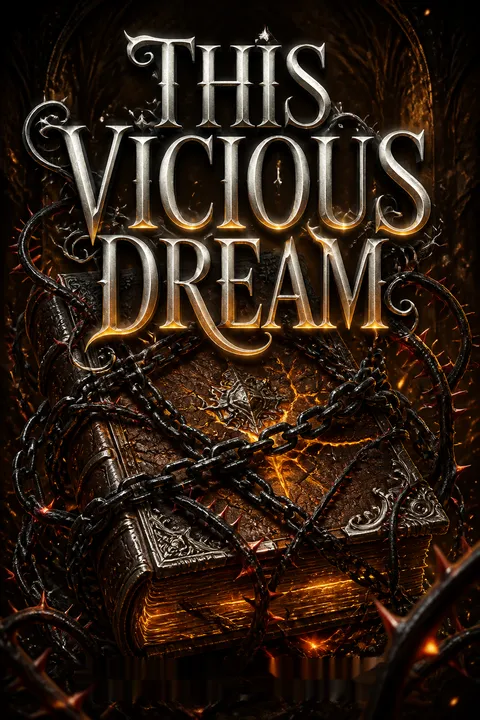


Plot Summary
A Child for the Grimoire
Three years before she wakes in the tower, Madinia Farrow fights beside the pirate crew that took her in. Queen Vicana’s enforcer, Kyldare, attacks their ship in a storm, demanding the location of a powerful grimoire. When his soldiers seize Carosa, the cook’s eight-year-old daughter, Madinia agrees to surrender herself if the crew is spared.
She makes Kyldare order his men off the ship, then leaves without looking back, trusting captain Daharak to survive and find her. Kyldare immediately searches her for the book. Madinia claims she has misplaced it, so he knocks her unconscious and takes her away, leaving the grimoire hidden and the pirates’ fate uncertain.
Madinia’s first defining choice is a bargain made under duress, but it is not simple self-sacrifice. She calculates that her own life is the only currency Kyldare values enough to release a child and halt the slaughter. Her decision preserves her moral agency while placing her in extreme danger. The scene also establishes a painful contradiction that will shape her: she longs to be left alone, yet she repeatedly binds herself to other people’s safety. The hidden grimoire gives that contradiction political weight. By accepting capture without surrendering its location, Madinia protects people she may never see again, at a cost she cannot yet measure.
The Thorn Tower Opens
Three years later, Madinia is awake but paralyzed in a tower, able to sense the thorn garden outside and kill intruders through it. Kyldare returns with soldiers, expecting his captive to remain helpless. Instead, Madinia’s borrowed power weakens the spell binding her body. As his men climb the tower, she throws herself from a window; the thorns catch her and lower her to the ground.
They tear through the soldiers while Kyldare escapes. A traveler named Calysian finds her nearby. He recognizes Madinia from a life she cannot remember, though she does not know him. After a flash of memory reveals that he is searching for a book, he insists she help him find it. Madinia refuses his claim that he rescued her.
The tower makes captivity bodily as well as political: Madinia can perceive, judge, and plan, but cannot act until the power she has borrowed gives her a narrow opening. Her escape is therefore neither a miraculous rescue nor a clean recovery. She uses the landscape she cultivated from inside her prison, turning the garden into a defense that answers her will. Calysian’s arrival introduces a second form of uncertainty. He recognizes her, but her missing memories make his knowledge impossible to verify. Their first bond is not trust or attraction. It is mutual need, with each mistaking the other for a possible route to freedom.
The Book Beneath Memory
Madinia travels with Calysian toward a town, trying to recover memories of Daharak and the people she left behind. A dream recalls an earlier meeting with Calysian and Prisca, the hybrid queen, but he admits he wants the same unknown object Kyldare sought. Madinia realizes he may use her to reach it.
She secretly poisons his stew with moonshade weed, cuffs him with the fae-iron chains taken from her tower, and leaves with his cloak. On the road, she recovers memories of her war against King Regner and understands what she hid: one of three grimoires, a book whose power helped Regner enslave a continent. Madinia used it to restore stolen magic, then concealed it in this kingdom to keep it from Vicana and Calysian.
Madinia’s escape from Calysian repeats her earlier bargain in a sharper, more self-protective register. She trusts her suspicion more than his assurances, then uses intimacy and poison as tactical tools rather than surrendering control. The recovered history complicates the object she protects: the grimoire has been used to liberate people and to dominate them, so its moral meaning depends partly on who can wield it. Madinia’s memory loss is also a chosen defense, not simply a wound inflicted on her. That choice once helped keep the book safe, but now deprives her of context and makes every relationship vulnerable to mistrust.
A Seer Names Calpharos
In Kolegrift, Madinia seeks a seer, Shaena, hoping for news of her friends and a way to evade Calysian. Shaena explains that a god named Calpharos split his memories, power, and soul among three grimoires, which call to him across the world. Madinia recognizes that Calysian is the dark god searching for her book.
Shaena’s young daughter, Fliora, then warns Madinia that Kyldare has soldiers waiting in the Aelstow Forest. Shaena’s vision leaves her incapacitated, and Madinia departs with the coins Shaena presses into her hand. Soon afterward, Kyldare’s men kill Shaena and her helper, Laysa, for refusing to reveal Madinia’s route. Fliora escapes and sets out to find her.
Shaena’s revelation changes the stakes from a pursuit over one concealed book to a struggle over a divided divine being and the power that could restore him. Madinia’s fear is not abstract: she has felt the grimoire alter her, and now knows its owner may be capable of devastating the world. Fliora’s warning makes prophecy practical, but also costly. Shaena’s visions give Madinia useful information while exposing the seer’s household to violence. The deaths of Shaena and Laysa sharpen the moral burden on Madinia, who must decide whether her survival strategy can coexist with responsibility for people drawn into her path.
The Captor's Trap
Calysian catches Madinia near the city and chains her again, insisting he will protect her while he takes her to the grimoire. Madinia leads him toward a territorial troll, forcing him to spend much of his power killing it. She then steers him into an ambush by Kyldare’s soldiers. When Calysian’s ward begins to fail, Madinia feigns terror until he unlocks her chains.
She uses her restored magic to attack the soldiers, then slips into the forest while they turn on Calysian. Fliora finds her there, covered in blood and grieving. The girl explains that Kyldare’s men killed her mother and Laysa after Madinia left. Before Madinia can escape alone, Fliora insists her mother had sent her to find her.
Madinia turns Calysian’s promise of protection into an opening, exploiting the same imbalance of power he used to restrain her. The sequence shows her tactical intelligence, but it also makes the cost of her escape unmistakable: Fliora’s family has been targeted because Madinia left. Her guilt is not proof that she caused the violence, yet she feels responsible because she can trace a route from her choices to the girl’s loss. Fliora’s insistence on joining her interrupts Madinia’s preferred story of self-sufficiency. The child is not merely another person to protect. She is a witness who refuses to let Madinia decide, alone, what the danger means.
The Girl Chooses Madinia
Madinia takes Fliora to her aunt Yalanda in Ferelith, hoping to leave the girl somewhere safe. Yalanda reveals that her family foresaw Madinia’s arrival and that Vicana has spent years searching for her, her ship, and the grimoire’s hiding place.
As Calysian catches up, Madinia chooses to work with him rather than let Vicana claim the book. She explains that Vicana’s conquest of Telanthris is already destroying villages and displacing families.
Calysian finally admits what Madinia suspects: he is Calpharos, the ancient god whose lost memories and power are in the grimoires. He wants his missing self and revenge, while Madinia fears what he will become. They agree to travel together, with Madinia watching him and ready to stop him if he turns against the world.
Yalanda’s revelation gives Madinia a reason to act that is larger than either her personal revenge or Calysian’s restoration. Vicana’s campaign reproduces the machinery of Regner’s rule: conquest disguised as rightful claim, followed by the erasure of people’s homes and histories. Madinia recognizes that pattern because she has already lived through it. Her alliance with Calysian is therefore reluctant and conditional, not a surrender of judgment. She chooses the danger she can monitor over the danger Vicana represents, while reserving the right to oppose her companion. The relationship begins to shift from mutual exploitation toward cooperation, but never loses its underlying contest over who gets to decide what power is for.
A Village Refuses Vicana
Traveling west, Madinia and Calysian cross occupied territory where Vicana’s soldiers have razed villages and taken homes. When an innkeeper warns that another attack is coming, Madinia refuses to leave the villagers to face it alone.
She challenges Calysian to care about people beyond his search for the book. He kills the soldiers who enter the village, buying its residents time to flee or regroup. The act changes how he looks at the ruined homes around them.
On the road, Eamonn, Calysian’s shapeshifting companion, rejoins them and helps scout the advancing regiments. Madinia keeps collecting unusual stones for Daharak, a small act of hope that preserves her belief her friend is alive. Calysian promises to help search for the pirates after the grimoire is found.
The village is a test of whether Calysian can respond to suffering that does not directly threaten his goal. Madinia does not ask him to become benevolent in the abstract; she makes him confront specific people whose homes and livelihoods are being taken. His decision to fight is limited, but it marks a shift from detached observation toward responsibility. Madinia’s stones perform a different kind of resistance. By saving them for Daharak, she refuses to let Kyldare’s claim that the pirates are dead become the only story available. Her hope is not certainty. It is a repeated, material gesture against despair.
Blightmere's Hungry Waters
In Blightmere, the swamp’s water and wildlife threaten both riders and horses. Eamonn’s enormous bird form drives off a serpent before it can strike Calysian. Later, Sorrowflies bite Madinia and trap her in memories of terror; Calysian carries her through their nesting ground by making her focus on him and their shared moments.
The serpent attacks again as they near the grimoire’s hiding place, and Calysian uses the power reaching through Madinia to wound it. Their growing intimacy is evident, but so is the danger of his influence: each surge of borrowed power brings him closer to the distant, merciless presence of Calpharos. They find Kyldare and his witch, Bridin, at the enormous tree that has grown around the concealed grimoire.
Blightmere externalizes the characters’ emotional hazards. Its predators punish distraction, while the Sorrowflies turn remembered trauma into a physical threat. Calysian’s care helps Madinia survive, but the same closeness lets him draw on her connection to the grimoire without her informed consent. Their developing intimacy therefore cannot be separated from questions of power and choice. The swamp also tests Calysian’s self-image: he wants to recover himself, yet the first taste of that power makes him less able to recognize Madinia as a person rather than a conduit. The approaching tree concentrates these tensions. The book they seek is both a possible restoration and a force already shaping what they become.
The First Grimoire Returns
Madinia draws Kyldare’s soldiers toward the swamp while Calysian reaches the tree and tears open its bark. The grimoire vanishes into him, releasing a burst of power that makes Calpharos’s colder self take control. As he turns on Bridin, Kyldare fires a poisoned arrow into Madinia’s chest. Calysian regains himself only when he sees her fall, then carries her toward Nyrridor while Eamonn finds a healer, Heava.
The arrow has punctured her lung, and Heava must remove it and burn away infection. Calysian stays beside Madinia through several days of fever and recovery instead of pursuing the next grimoire. Once she can travel, he takes her to the docks to search for Daharak’s crew, but no one there has seen them.
The first grimoire’s return is both victory and warning. Calysian recovers power, but the transformation strips away his ordinary attentiveness until Madinia’s injury breaks through it. His failure to shield her is not erased by the fact that he carries her to safety. It becomes a defining measure of what restoration may cost. Madinia’s survival depends on Heava’s practical skill and Calysian’s decision to remain, tying divine-scale conflict to intimate care. The dock search then reverses the momentum of the quest. Calysian has found a piece of himself, but Madinia has not found her people, and the book’s power has made her more—not less—afraid of the man who now holds it.
Haldrik's Hidden Vow
During Madinia’s recovery, Haldrik, a former pirate from Daharak’s crew, joins the journey. He later admits he told Kyldare where to find the pirates, believing the enforcer would take only Madinia.
Bound by a blood vow to Vicana’s people, he has also kept a strange stone near Calysian; its influence weakens Calysian’s resistance to his darker nature. Haldrik tries to kill Madinia, but she fights back and kills him. Asinia, Demos, and Rythos arrive soon afterward, explaining that Prisca had searched for Madinia for years.
Their return breaks Madinia’s certainty that everyone abandoned her. Eamonn helped locate them. Together, they learn Calysian has gone ahead toward another grimoire, and Madinia reunites with him before the group separates to search for Daharak.
Haldrik’s betrayal hurts because it exploits the exact vulnerability Madinia is trying to conceal: her fear that she is disposable to anyone she loves. His excuse, that he expected Kyldare to spare the crew, cannot undo the deaths or make his choice harmless. The stone adds another layer of betrayal by showing that Calysian’s changing behavior was being manipulated, not simply caused by the grimoire. Madinia’s friends’ arrival offers a counterweight to both revelations. Their search demonstrates that her expectation of abandonment was understandable after three years of captivity, but not accurate. Accepting their care requires her to revise a survival belief that once kept her emotionally protected.
A Leash Fails
Asinia, Demos, and Rythos consider how to stop Calysian if another grimoire erases his humanity. Rythos tries to use his power on Calysian, but Calysian resists, attacks him, and makes clear he will not be controlled. The attempt fractures the group’s trust. Asinia and the others leave to search for Daharak, while Madinia continues with Calysian.
On the journey, a supernatural quake tears open the ground and nearly throws Madinia into a chasm. Calysian saves her, then uses the earth against pursuing soldiers, revealing that another god is interfering. Soon after, Kyldare approaches with an offer to help them evade Vicana’s forces. Madinia and Calysian chain him and use the offer to gain a route through the waiting regiments.
Rythos’s failed intervention raises a difficult ethical problem: protecting the world may require restraining Calysian, but using power on him risks reproducing the coercion Madinia has endured. The failed test offers no workable safeguard and leaves her more isolated with the person she may eventually have to oppose. The earthquake intensifies that uncertainty by proving a second divine force is active, while Calysian’s ability to affect the land suggests his power is returning unpredictably. His rescue of Madinia complicates her fear without resolving it. She can trust his immediate care and still believe his eventual restoration may make him dangerous.
Kyldare's False Alliance
Kyldare says his goddess sent him to help, but he withholds the full plan until Madinia and Calysian force him to wear the chains that suppress his power. He reveals that Vicana has positioned regiments to seize the next grimoire and that Bridin is waiting among them.
Madinia pretends to accept Calysian’s plan to cooperate with Kyldare, then uses a staged fire and the chains to capture him. Calysian helps complete the deception. Madinia offers Kyldare to Bridin’s soldiers in exchange for passage, knowing the witch will punish him for betrayal.
The bargain clears their route without killing another regiment. Calysian honors Madinia’s personal vengeance, but she remains hurt that he initially chose to work beside the man who imprisoned and tortured her.
Madinia’s plan converts the instruments of her captivity into a means of controlling the men who used them against her. She does not forgive Kyldare or rely on Calysian’s judgment; she makes a separate decision and uses his cooperation once she sees it. Calysian’s willingness to let her hand Kyldare over matters because it recognizes that the harm was hers to answer, not his to appropriate as a lover or protector. Yet their strategic success does not erase the emotional injury. Madinia’s continued distrust is not a failure to appreciate his help. It is a measure of how deeply coercion has taught her to treat promises as provisional.
A Lover Leaves at Dawn
At an inn in Aghalon, Calysian and Madinia spend a night together, and Madinia plans to tell him she has recovered memories he should know. He leaves before dawn with their horse, Hope, to reach the second grimoire without her.
Eamonn gives Madinia a tonic brought by Fliora, and its effects unlock a past life: she was once an acolyte who loved Calpharos, until the goddess Anarthys killed her. Eamonn explains that their siblings later cursed him and Calpharos, leaving Calpharos without his memories and power.
Madinia rides after him, reaching the ancient temple as he takes the second book. Before its power fully overtakes him, she burns his connection to the third grimoire and makes it her own. Vicana arrives, and Madinia recognizes her as Anarthys reborn.
The past-life revelation reframes Madinia and Calysian’s attraction as a bond older than either understands, but it does not make their present choices inevitable or safe. Madinia’s decision to pursue him comes after he leaves her, so the revelation arrives amid fresh rejection rather than romantic fulfillment. At the temple she acts against the expected reunion: instead of guiding Calysian toward wholeness, she takes control of his access to the last grimoire. This reverses the power relation between them and gives her a way to slow his transformation. Seeing Vicana as the goddess who killed her earlier self joins political conquest to intimate history, while making vengeance feel both personal and dangerous.
The Pirate Fleet Returns
Madinia flees the temple before Calpharos can reach her, then rides back to Aghalon with Eamonn. At the docks, she finds Fliora, Asinia, and Daharak, who has survived and returned with her people.
The reunion answers Madinia’s longest fear, but there is no time to settle into it: Calpharos races toward the ship, demanding that she stop. Asinia fires a crossbow bolt, which he catches, while Daharak’s crew raises its wards and pulls away from the dock. Madinia keeps her link to the third grimoire, leaving Calpharos unable to locate it without her.
From the departing ship, she sees him standing with Fox and understands that he will pursue them. The book ends with the lovers separated, and Madinia’s new knowledge making her both his bond and his obstacle.
The reunion with Daharak and Madinia’s friends resolves the opening wound of imagined abandonment, but it arrives beside a new separation. Madinia is no longer alone, yet her recovered community cannot erase the choice she has made to withhold the final grimoire from Calpharos. The ship’s departure turns escape into a decision with consequences: she protects the world from an unchecked restoration while leaving the person she loves behind. Her link to the book gives her leverage, but also binds her fate to Calpharos’s pursuit. The ending denies a simple romantic resolution. Madinia has reclaimed connection and agency, but must now live with the danger created by both.
Analysis
This Vicious Dream builds its central conflict around a question of restoration: when a person has been divided by betrayal, does becoming whole necessarily make them better? Calysian experiences the grimoires as missing pieces of himself, and that longing is real. Yet the first book’s return repeatedly threatens the human qualities he has built during centuries without memory. His recovery is therefore not a simple cure. It may restore his power while reviving the rage that once made him dangerous.
Madinia offers a counterpoint to Calysian’s hunger for the past. Her memories are painful, and at first she believes forgetting might protect her. But the people she remembers, and the harms she survived, give her a reason to act beyond self-preservation. Her defining strength is not emotional detachment, despite her insistence that she needs no one. It is her ability to keep choosing responsibility while recognizing the cost of that choice. Her suspicion is both a survival skill and a barrier she must decide when to lower.
The book treats power as relational rather than purely magical. Calysian draws on Madinia without fully telling her; Kyldare uses the threat to others as leverage; Vicana’s conquest turns land into an instrument of rule. Against these forms of control, trust is never a vague virtue. It is a decision about who gets access to someone’s body, memories, power, and future. Madinia and Calysian repeatedly protect each other, then wound each other through secrecy and fear. Their attraction does not solve that conflict, and the final separation makes clear that love cannot substitute for consent or sound judgment.
The ending leaves the central moral problem unresolved. Madinia has found her friends and preserved the link to the last grimoire, but Calpharos is more powerful and determined to pursue her. The book’s hope lies not in a promise that power will become harmless, but in Madinia’s insistence that no one, not even the person she loves, is beyond accountability.
Review Summary
This Vicious Dream received largely positive reviews, with readers praising its fast-paced plot, complex characters, and engaging romance. Many appreciated the return to the Kingdom of Lies world and Madinia's character development. The book features strong world-building, intense action, and witty banter between the main characters. Some readers noted it works best when read after the Kingdom of Lies series. While a few found the pacing off or the plot overwhelming, most eagerly anticipate the sequel due to the cliffhanger ending.
Characters
Madinia Farrow
The Thorn-Bound SurvivorA sharp-minded hybrid woman with fire magic, Madinia survives by trusting her own judgment before anyone else’s. Years at court taught her to read people and turn appearance, silence, and anger into tools. She wants independence, yet repeatedly risks herself for children, friends, and strangers whose suffering resembles her own. Her guardedness is not a lack of feeling. It is a practiced defense against betrayal, grief, and the expectation that she should make herself useful to be kept. As she recovers her memories, Madinia must decide whether protecting others can include accepting their care, and whether love can exist without surrendering the freedom she fought to regain.
Calysian
The Missing-Memory SeekerAn imposing, unnervingly graceful traveler, Calysian has spent centuries searching for the piece of himself he cannot remember. His confidence and teasing manner conceal a deep disorientation: he knows he is missing something essential but has no history to explain the loss. He is used to pursuing goals alone and expects others to adapt to his plans. Madinia challenges that certainty, forcing him to respond to ordinary people and their immediate needs rather than treating the world as a route to his answer. His capacity for tenderness is real, but so is the danger of what he seeks, leaving his desire for wholeness in tension with the consequences of recovering it.
Eamonn
The Shifting CompanionCalysian’s shapeshifting companion appears in animal forms, speaks with dry humor, and repeatedly scouts or intervenes when danger closes in. He knows far more about Calysian’s past than he can initially explain, and his loyalty is shaped by centuries of watching over someone who cannot remember their shared history. Eamonn is protective but not neutral: he steers events according to what he believes Calysian needs, sometimes withholding information from Madinia as well. His impatience with her resistance masks grief and fear. He wants to restore his own lost life, yet his bond with Calysian makes that hope inseparable from the fate of the world.
Daharak
The Pirate CaptainA capable pirate captain who once offered Madinia a place among her crew, Daharak leads through hard-earned authority rather than display. She has suffered serious losses and carries responsibility for the people who depend on her. Her bond with Madinia is affectionate but unsentimental: she recognizes the younger woman’s desire to flee attachment and challenges it without trying to own her choices. Daharak’s habit of collecting unusual stones gives Madinia a quiet reminder of their shared life at sea.
Prisca
The Hybrid QueenThe ruler of the hybrid kingdom, Prisca helped lead the resistance against Regner and became a trusted friend to Madinia. She is warm, socially perceptive, and persistent in reaching people who try to keep their distance. Her hopefulness can irritate Madinia, but it is not naïveté: Prisca understands that lasting political change depends on people choosing to care for one another.
Asinia
The Unflinching FriendAsinia fought beside Madinia against Regner and understands the guardedness that war leaves behind. Her warmth is paired with directness: she can comfort Madinia, but she will also tell her when distrust has become a way of refusing love. Her relationship with Demos reflects a steadier kind of intimacy than Madinia expects, and her friendship offers a path back to community without demanding that Madinia become less formidable.
Demos
The Queen's ProtectorA powerful fighter and trusted protector of Prisca, Demos is practical, disciplined, and alert to threats that sentiment might obscure. His history under Regner’s rule makes him wary of tyrants and concentrated power. He cares deeply for Asinia, and his steady presence helps anchor the group when plans become dangerous.
Rythos
The Persuasive FaeA charismatic fae with a formidable ability to influence others, Rythos is sharp, irreverent, and capable of taking serious risks for his allies. His power makes trust complicated: even a well-intended intervention can feel like coercion. He and Madinia share a history of bickering and reluctant cooperation, while his ease with people contrasts with her habitual suspicion.
Kyldare
The Queen's EnforcerVicana’s right hand, Kyldare is a calculating pursuer who treats people as leverage in his hunt for the grimoire. He combines patience with cruelty, using threats, magic, and captivity to force others into choices. His fixation on Madinia is not respect; it is an attempt to prove that he can control someone who repeatedly refuses to yield.
Bridin
The Black WitchBridin is Kyldare’s witch, a practitioner who gains power through sacrifice and can detect or manipulate magical forces. She is patient enough to build spells that outlast a battlefield and ruthless enough to use people as ingredients. Her magic makes her a threat beyond the soldiers she supports.
Vicana
The Expanding QueenQueen Vicana seeks territory, resources, and the grimoires that could increase her power. Her forces occupy villages and take fertile land, while her public claims of rightful rule conceal the practical value of the territory she covets. She is a political threat even before the full scale of her ambitions is known.
Fliora
The Young SeerShaena’s daughter, Fliora is a perceptive child who has inherited a limited form of her family’s sight. She is frightened by loss but stubborn about carrying out what she believes her mother wanted. Her courage does not make her invulnerable, and Madinia’s effort to protect her becomes a test of whether the older woman can accept a child’s agency.
Shaena
The Stricken SeerA seer with unusually powerful visions, Shaena speaks plainly and expects Madinia to face dangers she would rather avoid. Her foresight gives the pursuit a larger context, but it exacts a physical cost and cannot make outcomes certain. She is Fliora’s mother and a member of a family trained in witchcraft.
Yalanda
The Witch AuntFliora’s aunt, Yalanda lives quietly in Ferelith while preserving the practical knowledge of her witch family. She is protective of her niece and alert to dangers that others miss. Her home, with its herbs, tools, and ritual supplies, reflects a life built around keeping old skills alive.
Haldrik
The Quiet PirateA reserved former member of Daharak’s crew, Haldrik is older than most of the pirates and carries himself with a weary, unassuming manner. His quietness once made him a source of comfort to Madinia after nightmares. He wants a life beyond war and the sea, though his past choices complicate the idea that leaving conflict behind is the same as escaping its consequences.
Heava
The Skilled HealerA direct, capable healer in Nyrridor, Heava treats Madinia’s nearly fatal arrow wound with difficult but necessary care. She does not promise what she cannot guarantee, and her competence gives the travelers a chance to continue.
Lonn
The Knife-Fighting MentorOne of Daharak’s pirates, Lonn trains Madinia in close combat and helps her learn to read an opponent’s movements. His practical instruction remains with her long after they are separated.
Carosa
The Captive ChildThe cook’s young daughter aboard Daharak’s ship, Carosa is brave and quick-thinking under pressure. Her capture forces Madinia into the bargain that begins the story.
Carix
The Fallen PirateA member of Daharak’s crew, Carix is among the people whose easy companionship helps Madinia feel at home aboard the ship. His presence represents the ordinary life the crew tried to build amid war and pursuit.
Laysa
Fliora's ProtectorA woman close to Shaena and Fliora, Laysa helps care for the seer and shields the child when danger reaches their home. Her protective instinct gives Fliora a chance to survive.
Anarthys
The Demanding GoddessA goddess served by a community of acolytes, Anarthys expects devotion and obedience. Her authority rests on the belief that worship gives her rightful claim over those who serve her.
Plot Devices
The Three Grimoires
Divided power and memoryCalpharos placed pieces of his knowledge, power, and soul into three books before his siblings could strip them from him. The grimoires call to him and to those connected with them, while their power can alter the people who use it. The first book helped Regner enslave a continent before Madinia used it to restore stolen magic. Its history makes possession morally uncertain: it can release people from oppression or magnify a ruler’s ability to dominate. Each recovery strengthens Calysian, but also increases the risk that the person Madinia knows will give way to something colder.
Fae-Iron Chains
Powerless captivityChains made with fae iron drain magic from humans, hybrids, and fae, preventing captives from relying on their usual abilities. Kyldare uses them to control Madinia, and she later carries them as a weapon against him. The cuffs also change the balance between Madinia and Calysian: she can render him powerless with them, while their removal lets her recover the magic held in reserve. Their repeated use makes the same object signify both coercion and tactical resistance.
Madinia's Memory Gaps
A past deliberately hiddenMadinia chose to suppress her memories so Kyldare could not extract the grimoire’s location. The lost years before her capture also obscure her friendships, the war against Regner, and her earlier connection to Calysian. Memories return through dreams, danger, and the tonic Fliora obtains, changing what Madinia believes about herself and the people around her. The process is not a clean restoration: remembering brings grief and shame alongside useful knowledge, forcing her to decide whether the truth is worth the pain it reopens.
Seers and Visions
Warnings with a costShaena and Fliora receive visions that offer Madinia crucial information about the hunt and the dangers ahead. Their sight is not a reliable map of a fixed future: choices can change what comes to pass, and powerful visions can leave the seer physically depleted. The visions guide characters toward decisions without removing uncertainty. They also carry a personal cost, as Shaena’s knowledge draws violence to her family and Fliora must act on what she has inherited while still grieving.
The Soul-Link
A bond that carries powerMadinia’s connection to Calysian’s power allows her to draw on it and, later, to sense and redirect his link to the third grimoire. The bond is connected to their earlier history, though neither initially understands its full meaning. It grants Madinia unusual leverage over a god, but also ties her decisions to the restoration she fears. The link turns intimacy into both a source of connection and a battlefield: Calysian can use it without her knowledge, while Madinia can use it to keep him from reaching the final book.
FAQ
Synopsis & Basic Details
What is This Vicious Dream about?
- A Fierce Protagonist's Ordeal: This Vicious Dream plunges readers into the harrowing journey of Madinia Farrow, a powerful hybrid woman captured and brutally imprisoned by Kyldare, Queen Vicana's ruthless enforcer. Her survival hinges on a dark, borrowed power and her unyielding will to protect a mysterious grimoire.
- A Fated, Wary Alliance: After three years of magical paralysis and torment, Madinia escapes her thorned prison, only to form a reluctant alliance with Calysian, an enigmatic, ageless being driven by a centuries-long quest for a stolen artifact. Their shared, dangerous pursuit of the grimoire forces them into a partnership fraught with mistrust and undeniable attraction.
- A World on the Brink: As Madinia and Calysian navigate a war-torn continent, battling soldiers, monstrous creatures, and their own fractured pasts, they uncover a deeper conspiracy involving ancient gods, forgotten memories, and a looming threat that could shatter their world. The story is a high-stakes race against time to secure the grimoire before it falls into the wrong hands.
Why should I read This Vicious Dream?
- Deep Psychological Exploration: Readers should delve into This Vicious Dream for its unflinching portrayal of trauma and resilience, particularly through Madinia's complex psychological journey. The novel offers a raw, honest look at how extreme suffering shapes a character, making her defiance and vulnerability equally compelling.
- Intricate World-Building & Lore: Stacia Stark crafts a rich, layered fantasy world steeped in ancient myths, cursed gods, and diverse magical abilities. The gradual unveiling of Calysian's true identity and the intricate history of the grimoires provides a captivating backdrop for the high-stakes plot, appealing to fans of epic fantasy.
- Compelling, Morally Gray Characters: The book excels in its character development, presenting protagonists and antagonists alike with nuanced motivations and shifting moralities. The dynamic between Madinia and Calysian, marked by intense chemistry and constant power struggles, offers a fresh take on the enemies-to-lovers trope, making their evolving relationship a central draw.
What is the background of This Vicious Dream?
- Post-War Continent & Hybrid Persecution: The story is set on a continent still reeling from a devastating war initiated by King Regner, who manipulated humans into sacrificing their magic to fight the fae. This historical context explains the persecution of hybrids like Madinia, whose inherent magic couldn't be stripped, leading to their branding as "corrupt" and subsequent hunting.
- Ancient Divine Conflict: The core conflict is rooted in an ancient betrayal among gods, specifically Calpharos (Calysian) and his siblings. His power and memories were fragmented into three grimoires, scattered across continents, setting the stage for his centuries-long amnesiac quest and the looming threat of his vengeful awakening.
- Political Instability & Resource Wars: Queen Vicana's kingdom of Sylvarin is depicted as expansionist and resource-hungry, encroaching on Telanthris territory for fertile farmland and iron ore. This political backdrop, fueled by Vicana's ambition and her alliance with a black witch, provides immediate, tangible stakes for the characters beyond the divine machinations.
What are the most memorable quotes in This Vicious Dream?
- "It's not bravery. It's a very particular kind of cowardice. It's the refusal to be abandoned, even through death.": This quote, from Madinia's opening internal monologue, immediately establishes her core trauma and motivation, revealing her deep-seated fear of abandonment that underpins her fierce independence and self-sacrificing nature. It's a powerful insight into Madinia Farrow's motivations.
- "You think you can find those memories again? Then you can wander the mortal lands until you do. But don't worry, brother. We won't make you wander alone.": Spoken by Calpharos's siblings as they curse him, this line encapsulates the cruel irony of his centuries-long amnesia and the profound loneliness that drives his quest. It highlights the themes in This Vicious Dream of divine betrayal and existential longing.
- "I am the dark god. I don't complete last wishes or answer deathbed pleas. If you want something done, you'll have to live and see to it yourself.": Calysian's harsh declaration to a dying Madinia reveals his struggle with his emerging godhood and his desperate, almost selfish, desire for her to survive. It's a pivotal moment that underscores his complex character and the raw, unconventional nature of their bond.
What writing style, narrative choices, and literary techniques does Stacia Stark use?
- Dual Protagonist Structure & Intimate Pacing: Stacia Stark employs a dual first-person perspective, alternating between Madinia and Calysian, which creates immediate intimacy and allows readers deep access to their internal struggles and unspoken thoughts. This choice builds suspense by revealing each character's secrets and vulnerabilities to the reader before they are known to the other, enhancing the psychological tension.
- Visceral Sensory Detail & Emotional Intensity: The prose is rich with sensory details, particularly focusing on Madinia's experiences of pain, fear, and the raw power of her fire, making her trauma palpable. Stark frequently uses strong verbs and evocative imagery to convey intense emotional states, from Madinia's cold fury to Calysian's simmering rage and burgeoning desire, immersing the reader in their volatile inner worlds.
- Subtle Foreshadowing & Mythic Allusion: The narrative is woven with subtle hints and allusions to ancient myths and prophecies, particularly concerning Calysian's true identity and Madinia's past life. This technique creates a sense of fated destiny and deepens the lore, rewarding attentive readers who piece together the clues before major revelations, contributing to the overall This Vicious Dream analysis.
Hidden Details & Subtle Connections
What are some minor details that add significant meaning?
- Madinia's Thorns' Sentience: The thorns surrounding Madinia's tower are not merely a magical defense but exhibit a disturbing, almost whimsical sentience, "hungry for blood" and creating "whimsical arrangements of heads and limbs." This detail subtly reflects Madinia's own fraying sanity and the dark power she's channeling, blurring the line between her and the monstrous defenses she employs, hinting at the symbolism in This Vicious Dream of corruption.
- Calysian's Horse's Behavior: Fox, Calysian's stallion, consistently displays human-like intelligence and a strong personality, snapping at stablehands, nudging Calysian, and even showing irritation. This seemingly minor detail subtly foreshadows Eamonn's true nature as a shapeshifting companion, hinting that Calysian's closest "animal" companion is far more than he appears, a clever piece of subtle foreshadowing.
- The Blightflower Petals' Significance: Yalanda's possession of blightflower petals, used to induce past-life memories, is a crucial detail that directly enables Madinia's pivotal revelation. This seemingly innocuous detail in a witch's kitchen becomes the key to unlocking the central mystery of the narrative, highlighting the interconnectedness of seemingly disparate elements in the This Vicious Dream plot.
What are some subtle foreshadowing and callbacks?
- Kyldare's "God-Touched" Nature: Kyldare's unexpected resilience and his "temporary gift from my goddess" are subtle hints that he is not merely a powerful human or fae, but "god-touched." This foreshadows the later revelation of Creas, the goddess of memory, being Calpharos's sister and Kyldare's patron, establishing a deeper, unseen layer of divine manipulation.
- Calysian's Unnatural Grace & Strength: Early descriptions of Calysian's movements, such as his "unnatural grace" and effortless strength, subtly foreshadow his true identity as a god. These details, initially attributed to his large size or fighting prowess, become significant callbacks once his divine nature is revealed, reinforcing the idea that his power was always just beneath the surface.
- Madinia's Recurring Dream of Abandonment: Madinia's initial "cowardice" of refusing to be abandoned, and her later dream of being "forgotten and abandoned" in the tower, subtly foreshadows the ultimate betrayal by Calysian at the end. This recurring emotional wound is a callback to her deepest fears, highlighting the cyclical nature of her trauma and the difficulty of true trust.
What are some unexpected character connections?
- Haldrik's Fae Heritage and Insidious Power: Haldrik, initially presented as a simple, kind pirate, is unexpectedly revealed to be half-fae with a powerful ward and an insidious ability to sow doubt. This connection is surprising because his "ordinary" demeanor and quiet nature completely mask his true capabilities, making his betrayal even more shocking and personal for Madinia.
- Yalanda's Acolyte Past and Betrayal: Fliora's aunt, Yalanda, is revealed to have been an acolyte of Anarthys (Vicana) in Madinia's past life, and the one who betrayed Madinia to the goddess. This connection is unexpected as Yalanda initially appears as a sympathetic figure, highlighting the deep-seated nature of the divine conflict and the pervasive reach of Anarthys's influence across lifetimes.
- Eamonn's Role as a Manipulative Guardian: Eamonn, initially seen as Calysian's loyal, often comedic, animal companion, is unexpectedly revealed as Calpharos's twin brother, cursed to animal forms. His actions, from guiding Fliora to Madinia to encouraging Madinia's intimacy with Calysian, are revealed to be calculated manipulations aimed at restoring his brother, adding a layer of moral ambiguity to his seemingly benevolent assistance.
Who are the most significant supporting characters?
- Fliora: The Innocent Catalyst: Fliora is significant not just for providing the tonic that unlocks Madinia's past memories, but as a symbol of the innocent lives caught in the gods' conflicts. Her personal tragedy (losing her mother due to Madinia's presence) forces Madinia to confront the real-world consequences of her actions and the broader stakes beyond her personal vengeance.
- Haldrik: The Mirror of Betrayal: Haldrik's character is crucial as he embodies the theme of betrayal and the corrupting influence of fear and self-preservation. His actions mirror Kyldare's initial betrayal and serve as a painful reminder of Madinia's deep-seated trust issues, forcing her to confront her own capacity for ruthlessness. His fae power of doubt is a subtle yet potent force.
- Eamonn: The Hidden Hand of Fate: Beyond his role as Calysian's twin, Eamonn acts as a hidden agent of fate, subtly guiding events and characters towards a predetermined outcome. His curse and inability to directly intervene or reveal the truth highlight the limitations even gods face, making his manipulative actions a necessary evil in his quest to restore his brother. His presence constantly reminds the reader of the larger, divine game at play.
Psychological, Emotional, & Relational Analysis
What are some unspoken motivations of the characters?
- Madinia's Fear of Vulnerability: Beyond her stated desire for freedom, Madinia's deepest unspoken motivation is a profound fear of vulnerability and abandonment. Her "ice-cold heart" and "prickly" demeanor are defense mechanisms, a direct result of a lifetime of betrayal and loss, making her push away those who get too close, even Calysian. This is a key aspect of Madinia Farrow's motivations.
- Calysian's Craving for Connection: Despite his arrogance and predatory nature, Calysian's unspoken motivation is a deep-seated loneliness and a craving for genuine connection. His centuries of amnesiac wandering have left him emotionally starved, which is why he's so drawn to Madinia's fire and why her moments of unexpected tenderness affect him so profoundly, even as he struggles to understand these mortal emotions.
- Kyldare's Insecurity and Need for Control: Kyldare's sadism and obsession with breaking Madinia are rooted in his own deep insecurity and a desperate need for control. His "cowardice" is not just physical but psychological; he needs to dominate and humiliate others to feel powerful, especially after being bound by Vicana and his goddess. His actions are a projection of his own internal weakness.
What psychological complexities do the characters exhibit?
- Madinia's Trauma-Induced Self-Sabotage: Madinia exhibits complex psychological responses to trauma, including self-isolation, a tendency to push away affection, and a belief that she is "unlovable." Her internal conflict between her desire for connection and her ingrained defense mechanisms leads to self-sabotaging behaviors, such as her deliberate cruelty towards Calysian when he gets too close, a core element of Madinia Farrow's psychological complexities.
- Calysian's Dual Nature & Identity Crisis: Calysian grapples with a profound identity crisis, torn between his emerging godhood (Calpharos) and the "mortal" persona he has inhabited for centuries. This duality manifests as unpredictable mood swings, moments of chilling detachment, and a struggle to reconcile his ancient, vengeful self with the human emotions he develops for Madinia, making his journey a compelling exploration of self-discovery.
- Bridin's Power-Hungry Desperation: Bridin, the black witch, is a complex antagonist driven by a desperate hunger for power and a desire to reclaim what Calpharos's power took from her. Her willingness to sacrifice others, even children, highlights the corrupting influence of unchecked ambition and the psychological toll of serving a tyrannical queen, showcasing the dark side of magic and ambition.
What are the major emotional turning points?
- Madinia's Choice to Save Carosa: Madinia's decision to sacrifice herself to save Carosa, the cook's daughter, is an early emotional turning point. It establishes her inherent compassion and willingness to protect innocents, even at immense personal cost, setting the stage for her later choices to protect the world from Calpharos and Vicana.
- Calysian's Reaction to Madinia's Near-Death: When Madinia is shot by Kyldare, Calysian's immediate, visceral horror and his desperate efforts to save her mark a significant emotional turning point for him. It reveals the depth of his feelings for her, overriding his god-like detachment and his primary quest for the grimoire, demonstrating that his humanity is not entirely lost.
- Madinia's Past-Life Revelation: Drinking Fliora's tonic and reliving her past life as Calpharos's soulmate is a monumental emotional turning point for Madinia. This revelation recontextualizes her entire relationship with Calysian, her trauma, and her purpose, forcing her to confront a destiny she never imagined and deepening her internal conflict.
How do relationship dynamics evolve?
- From Captor/Captive to Wary Allies: The relationship between Madinia and Calysian initially evolves from a dynamic of captor (Kyldare's proxy) and captive to one of wary, mutually beneficial allies. Their shared goal of finding the grimoire forces cooperation, gradually eroding their initial mistrust through shared dangers and unexpected moments of vulnerability.
- Push-Pull of Attraction and Distrust: Their dynamic is characterized by a constant push-and-pull between intense physical attraction and deep-seated distrust. Madinia's fear of abandonment and Calysian's struggle with his emerging godhood create a volatile, passionate, and often frustrating dance, where moments of intimacy are often followed by emotional withdrawal or strategic manipulation.
- Soulmate Bond vs. Personal Agency: The revelation of their soulmate bond fundamentally alters their relationship, adding a layer of fated connection that clashes with Madinia's fierce independence and Calysian's quest for vengeance. Their dynamic becomes a struggle between destiny and free will, as Madinia fights to maintain her agency while Calysian grapples with the implications of their shared soul. This is a central relationship dynamic explained in the novel.
Interpretation & Debate
Which parts of the story remain ambiguous or open-ended?
- The Full Extent of Divine Powers: While Calpharos's powers are immense, the exact limitations and capabilities of the other gods (Creas, Anarthys, Eamonn) remain somewhat ambiguous. The narrative hints at their vast influence and ancient conflicts, but the full scope of their abilities and the rules governing their interactions are not fully detailed, leaving room for future exploration.
- The Fate of the Third Grimoire: Madinia successfully severs Calpharos's link to the third grimoire and establishes her own connection, but its ultimate fate and purpose remain open-ended. The identity of the warrior who holds it and the implications of Madinia's new link are left for the next book, creating suspense about its role in the final conflict.
- The Nature of Calpharos's Vengeance: While Calpharos vows vengeance against his siblings, the precise nature and extent of this revenge are ambiguous. The narrative raises the question of whether he will destroy the world in his rage or if Madinia's influence can temper his wrath, leaving the ultimate outcome of his awakening open to interpretation and debate. This is a key This Vicious Dream ending explained element.
What are some debatable, controversial scenes or moments in This Vicious Dream?
- Madinia's "Garden of Thorns": Madinia's creation of a "graveyard" of thorn-wrapped bodies outside her tower, and her "whimsical arrangements of heads and limbs," is a controversial moment. While born of extreme trauma and self-preservation, her enjoyment of their deaths ("His screams are music to my ears") challenges her portrayal as a sympathetic protagonist, sparking debate about the morality of her actions and the psychological toll of her imprisonment.
- Calysian's Manipulation and Chaining of Madinia: Calysian's repeated manipulation of Madinia, including chaining her with fae iron and using her as a "conduit" for his power without her full consent, is highly debatable. Despite his stated intentions to protect her or retrieve his grimoire, these actions raise questions about his moral compass and whether his means justify his ends, especially given Madinia's history of imprisonment.
- Rythos's Attempt to "Leash" Calysian: Rythos's attempt to use his power to "snare" Calysian, with Madinia's reluctant consent, is a controversial scene. It forces readers to confront the ethical dilemma of using dangerous magic to control a powerful being, even if for the "greater good." The scene highlights the tension between protecting the world and respecting individual agency, especially when that individual is a god.
This Vicious Dream Ending Explained: How It Ends & What It Means
- Calpharos's Awakening & Madinia's Strategic Betrayal: The story culminates with Calysian claiming the second grimoire, fully awakening as Calpharos, the dark god, and becoming consumed by his ancient rage. In a desperate, pre-planned move, Madinia uses her soulmate link to sever Calpharos's connection to the third grimoire and claim it for herself, effectively preventing his full power from being unleashed and making herself the sole key to his complete restoration.
- Reunion with Lost Allies & A New Threat: Madinia escapes Calpharos with the timely arrival of Daharak and her pirate crew, along with Asinia, Demos, and Rythos, confirming that her "found family" had indeed been searching for her. This reunion offers a glimmer of hope and a renewed sense of purpose, but it also establishes Madinia as a direct threat to Calpharos, who vows to hunt her down, setting up a high-stakes chase for the next book.
- The Cycle of Vengeance Continues: The ending leaves the world on the brink of a divine war, with Calpharos seeking vengeance against his siblings (including Vicana/Anarthys) and Madinia now holding the key to his ultimate power. It signifies that the cycle of betrayal and retribution is far from over, and Madinia's choice to protect the world means she must confront her soulmate, leaving the fate of their bond and the world hanging in the
About the Author
Other books by Stacia Stark


Download PDF
Download EPUB
.epub digital book format is ideal for reading ebooks on phones, tablets, and e-readers.








