

Key Takeaways
Treat recovery as part of training, not leftover time between workouts
The athlete’s puzzle. Brendan Brazier began pursuing professional Ironman racing as a teenager. He noticed athletes with similar training plans could progress very differently, and turned his attention from workouts to recovery, especially food. During one training period, he slept poorly as mileage increased. The next year, despite training as much as 40 hours a week, he gained about a pound weekly. Cutting back on food made fatigue and weight gain worse. He came to see excessive training strain and inadequate nourishment as part of the problem.
Food became his experiment. After a rough first attempt at a plant-based diet, he spent years testing meals against how quickly he could recover. He built a plan around whole plant foods and went on to race professionally. His personal experience supplies the book’s narrative engine, although it does not establish that the same diet will produce the same results for everyone.
What's striking is the shift from adding effort to improving the conditions that make effort useful. Exercise science describes training as a stress followed by recovery and adaptation, so a workout is not automatically beneficial just because it is hard. The story also illustrates why performance is a poor proxy for health: a driven athlete can keep training while accumulating strain. The personal experiment is vivid and motivating, but it is not a controlled trial. Individual results can reflect training load, sleep, total energy intake, genetics, and many other factors alongside food choices.
Remove stress with no payoff before demanding more willpower
Three kinds of strain. Brazier sorts stress into three categories. Uncomplementary stress is strain that brings no useful return, such as persistent worry or a poor diet. Complementary stress is a manageable challenge that prompts adaptation, with exercise as the main example. Production stress is the strain involved in pursuing an achievement, such as a demanding race or work project. These categories distinguish harmful overload from effort that serves a purpose.
Protect the useful effort. The point is not to eliminate every challenge. It is to reduce avoidable burdens so the body and mind have more capacity for chosen goals. Brazier argues that nutritional stress is a major source of uncomplementary strain. His broader estimate that diet accounts for roughly 40 percent of average North American stress is his claim, not a universal measure established by the book’s personal examples.
This framework resembles the distinction in stress research between manageable challenge and chronic strain. It is useful because it asks what a stressor costs and what it produces, rather than treating all discomfort as bad. That distinction also connects to behavioral economics: people have limited attention and energy, so reducing needless friction can make valued work more sustainable. The categories are a practical lens, not clinical diagnoses. Stressors can also be mixed: a demanding job may provide purpose and income while still harming sleep or health, depending on control, support, and duration.
Judge food by what nourishes you, not calories alone
The net-gain idea. Brazier uses net gain to describe the usable nourishment left after food is digested and absorbed. He argues that refined foods can deliver plenty of calories while offering comparatively little of the nutrients needed for repair and normal function. In his view, nutrient-dense whole foods can satisfy hunger with less digestive burden and provide energy for other tasks.
Build from plants. His suggested daily pattern is roughly 45 percent fibrous vegetables, 20 percent fruit, 20 percent legumes, seeds, and pseudograins, 10 percent oils, nuts, and avocado, and 5 percent starchy vegetables and whole grains. These proportions are a guide across time, not a rule for every plate. Brazier reports eating about 30 percent fewer calories than before while feeling more energetic, but that is his personal result, not a guaranteed effect.
The strongest part of this argument is its attention to food quality and satiety, which calorie totals alone do not capture. Fiber-rich foods often take longer to eat and can help people feel full, while minimally processed dietary patterns are associated with better health. Yet the phrase net gain is not a standardized nutrition measure, and digestion is not simply wasted energy. Calories still matter for body weight, while adequate total energy matters for training and recovery. The useful lesson is to consider both nourishment and intake, rather than treating either as the whole story.
Build meals around plants, and deliberately cover vegan nutrition needs
A plant-based foundation. The Thrive Diet centers leafy and fibrous vegetables, fruit, legumes, seeds, nuts, pseudograins such as quinoa and buckwheat, and small amounts of whole grains and starchy vegetables. Brazier particularly values hemp and flax for protein and fats, greens for variety and micronutrients, and sea vegetables as mineral-rich additions. He favors foods that are minimally processed and often raw or gently cooked.
Quality needs planning. The book presents this approach as broadly nourishing and says supplements are generally unnecessary. That assurance needs qualification. Its own appendix notes that vitamin B12 is difficult to obtain from plant foods, and its reliance on chlorella or nutritional yeast is not a dependable substitute for a verified B12 source. A fully plant-based diet should deliberately address B12 and other nutrients according to individual needs.
The pattern’s emphasis on vegetables, legumes, fruit, nuts, and seeds is more important than any single fashionable ingredient. Dietary variety is a sensible way to broaden nutrient intake, and replacing some animal foods with plant foods can improve both fiber intake and meal diversity. But a plant-based label does not guarantee nutritional adequacy. Vitamin B12 deserves particular attention because reliable sources for people eating no animal foods generally require fortified foods or supplements. Iron, calcium, iodine, omega-3 fats, and total protein may also warrant planning, especially for athletes or people with specific health needs.
Stop borrowing energy from caffeine and sugar as a daily strategy
A short boost, then a bill. Brazier calls the tiredness that follows stimulation biological debt. In his account, coffee and refined sweets can briefly lift energy, then contribute to fatigue and renewed cravings. Repeating the cycle can make a person increasingly reliant on quick stimulation rather than satisfying meals and rest.
Recalibrate gradually. Recalibration is his term for reducing familiar stimulants so the body becomes less dependent on them. He recommends easing into changes rather than abruptly removing every usual food. Fatigue or irritability may occur during the adjustment, and he advises choosing a relatively calm period to begin. The goal is not to treat every source of caffeine or sugar as dangerous, but to stop using them as routine substitutes for nourishment, sleep, or recovery.
The borrowing metaphor captures a familiar experience: caffeine can mask sleepiness without replacing sleep, and highly palatable snacks can make quick eating easy. Habit research also suggests that reducing reliance on a cue and reward loop often works better when a practical replacement is available. The nuance is that caffeine's effects vary by dose, timing, and person, and it can be used without inevitably producing a crash. Gradual reduction can also make withdrawal more manageable. Persistent fatigue deserves attention as a possible sign of inadequate sleep, under-fueling, illness, or other causes, not just a need to eat differently.
Match workout fuel to the effort, then make recovery food easy
Fuel depends on the session. Brazier separates exercise into short, intense efforts, moderate sessions, and longer, lower-intensity endurance work. He favors easily digested carbohydrate before or during demanding exercise, with some fat and protein for longer, less intense activity. For extended workouts, he suggests taking fluids regularly and adding food when the session lasts more than about two hours. These are his sports-nutrition guidelines, not universal prescriptions for every athlete.
Make recovery practical. He recommends a simple carbohydrate-rich snack soon after hard exercise, followed by a more complete meal. Smoothies and soft foods feature prominently because they are easy to prepare and consume when tired. His larger point is that the body needs food after training; deliberately skipping it to lose weight may undermine recovery and the next session. For ordinary activity, the recipes are optional, not a requirement.
This section’s lasting value is its focus on matching fueling to the task and making post-exercise eating convenient. Sports nutrition does support adjusting carbohydrate and fluid intake to workout duration and intensity, though exact needs vary with body size, conditions, goals, and what was eaten beforehand. The book’s precise timing rules and claims about a narrow recovery window are more confident than the evidence warrants. For many recreational exercisers, an adequate daily diet matters more than a specialized drink or snack. Hydration also needs balance: both inadequate fluid and excessive water intake can create problems.
Add better meals first, then let old habits lose their place
Make change manageable. Brazier warns that a sudden overhaul can add stress and be hard to sustain. His suggested entry point is to add nourishing foods before banning familiar ones: perhaps one smoothie, then more greens or a daily salad, followed by further adjustments as they feel manageable. He offers a 12-week meal plan as a template, with three meals and three snacks each day, but says readers can borrow individual meals rather than follow it rigidly.
Notice what works. He recommends a training and nutrition journal to record meals, exercise, intensity, and how the body feels. Over time, patterns may emerge between food, energy, and performance. The book also stresses choosing enjoyable exercise and resting when needed. The plan is meant to support a life, not turn eating and training into another source of pressure.
This is a strong behavior-change strategy because it lowers the cost of starting. Adding a useful option can be easier than relying on prohibition, and a journal can turn vague impressions into testable observations. The key is to track lightly: excessive recording can heighten anxiety or create false certainty from small fluctuations. A diary cannot isolate diet from sleep, mood, workload, or illness, but it can help someone ask better questions. The emphasis on enjoyment matters too. A theoretically ideal routine that feels punitive is unlikely to survive ordinary life.
Choose more direct plant foods to shrink the diet’s resource footprint
Follow the food chain. Brazier connects personal nutrition to food production. Growing crops for people to eat directly generally avoids the extra steps of growing feed, raising animals, and processing animal products. He argues that this makes plant-based eating less demanding on land, water, and fossil fuels, especially when foods are minimally processed.
Spend with intention. The book cites estimates that food production uses a large share of North American energy and that a shift toward plant-based eating could reduce oil use substantially, potentially by up to 30 percent. These are the book’s estimates, not figures that should be read as a precise forecast for every household. Brazier also urges readers to support growers using practices that protect soil and limit chemical inputs, including local producers who may not have organic certification.
The underlying principle is robust: moving food through fewer production stages often reduces resource demands, and food choices can influence agricultural markets. The book’s economic lens is useful because it gives everyday purchasing a collective dimension. Still, environmental impact depends on what is grown, where, how, and with which farming practices. A plant-based diet is not automatically low-impact if it relies on resource-intensive products or long supply chains, while some animal agriculture has different land-use contexts. The strongest practical takeaway is to consider the whole production system, not treat a dietary label as an environmental score.
Keep the useful food principles, but question claims about pH and enzymes
Separate practice from explanation. The book presents raw foods, intact food enzymes, and alkaline-forming meals as ways to reduce bodily stress. It also links acidity to conditions including weak bones and disease. Its practical recommendations to eat more whole foods and vegetables can stand on their own, without accepting every biological explanation offered for them.
Know the limits. Brazier’s claims that diet meaningfully changes blood pH or that food enzymes are needed to digest food go beyond what the body’s physiology supports. The body tightly regulates blood pH, and digestive processes break down most food proteins, including enzymes. The book’s advice should therefore be treated as a personal nutrition program, not as medical treatment or proof that raw foods prevent disease. People with health conditions should seek qualified clinical guidance.
This distinction protects the book’s practical strengths from its weakest scientific claims. A diet rich in minimally processed plant foods can support health without requiring a theory that food acidity shifts blood pH or that enzymes in meals survive digestion and perform special work. Those explanations can make an ordinary food pattern sound like a detox protocol, obscuring more established factors such as overall dietary quality, sufficient energy, sleep, and medical care. Respectful skepticism does not require rejecting the recipes or the recovery focus. It means judging each claim by evidence rather than by how compelling the mechanism sounds.
Analysis
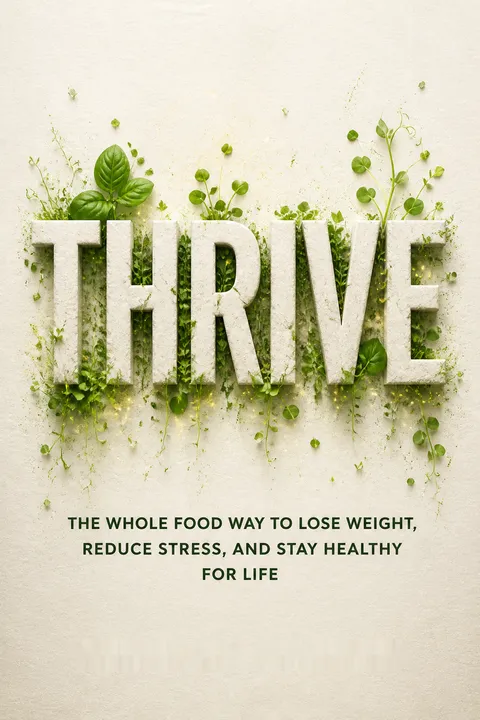
Thrive is part athlete’s origin story, part food philosophy, part cookbook, and part environmental argument. Its clearest organizing idea is that recovery deserves as much attention as training. Brazier’s progression from frustrated experimentation to a plant-centered routine gives the book a coherent narrative, while his stress categories translate that narrative into a usable decision tool: reduce strain with no return, preserve worthwhile challenge, and support adaptation with adequate food and rest. The book is most persuasive when it turns broad intentions into repeatable practices. Add a nutrient-rich meal rather than begin with strict prohibition. Keep convenient snacks available. Choose activity that can be sustained. Notice how eating, training, and sleep relate. Its recipes and 12-week plan make the philosophy concrete, although the plan’s many specialty ingredients and frequent meal preparation may be impractical for some readers.
Its weakest point is the confidence of its physiological explanations. The text treats cortisol as a near-universal link between stress and weight gain, presents dietary acidity as a driver of systemic disease, and gives food enzymes a central digestive role. These claims are not equally supported. Blood pH is tightly controlled by the body, and the value of eating whole plants does not depend on a theory that food can substantially alkalize blood. Likewise, enzymes in food are generally digested rather than functioning as a special reserve for the body. The book’s assertions about detoxification, biological age, and supplements also require caution, especially for people with medical conditions or a fully plant-based diet.
The most durable reading is neither wholesale acceptance nor dismissal. Keep the emphasis on food quality, adequate recovery, gradual change, and ecological awareness. Treat specific health promises and mechanistic explanations as claims to evaluate, not as established medical conclusions. That approach preserves the book’s practical insight while avoiding the mistake of confusing an appealing personal framework with universal evidence.
Review Summary
Thrive receives mixed reviews, with many praising its nutritional insights and recipes for vegan athletes. Readers appreciate Brazier's focus on plant-based diets for optimal performance and recovery. However, some criticize the lack of scientific citations and the complexity of recipes. The 12-week meal plan is seen as impractical by some due to time-consuming preparation and expensive ingredients. Despite these criticisms, many readers find value in the book's approach to whole foods, stress reduction, and athletic performance, particularly for those interested in veganism and endurance sports.
People Also Read







Glossary
Nutritional stress
Strain associated with foodBrazier uses nutritional stress to mean strain he attributes to foods that are nutrient-poor, heavily processed, or difficult for the body to digest and use. He also includes the absence of nutrient-rich foods in the diet. The term is central to his argument that food choices can affect recovery and overall stress, although the book’s estimates of its contribution are not universal clinical measurements.
Net gain
Usable nourishment after digestionNet gain is Brazier’s term for the usable nourishment he believes remains after food has been digested and absorbed. Foods that he considers nutrient-dense and easy to digest have a higher net gain, while refined foods that supply calories with relatively little useful nourishment have a lower net gain. It is a guiding idea in the book, not a standardized nutrition calculation.
High net-gain foods
Nourishing, minimally processed foodsHigh net-gain foods are the foods Brazier prioritizes because he believes they deliver substantial usable nutrition without requiring excessive digestive effort. His examples include vegetables, fruit, legumes, seeds, nuts, pseudograins, and selected whole grains. He generally favors foods that are minimally processed and often raw or gently cooked. The phrase expresses his dietary philosophy rather than a formal scientific classification.
One-step nutrition
Nutrients ready for useOne-step nutrition is Brazier’s label for nutrients he considers already close to a form the body can use. He gives simple carbohydrates, amino acids, and fatty acids as examples, contrasting them with starch, protein, and fat that must be broken down first. The concept supports his preference for fruit, seeds, and other whole foods, though it simplifies how digestion and metabolism work.
Biological debt
Fatigue after stimulationBiological debt is Brazier’s term for the fatigue he says follows a temporary energy lift from stimulants such as coffee or refined sugar. He describes repeated stimulation as a cycle in which a short-lived boost is followed by tiredness and renewed reliance on quick energy. The term is a metaphor in the book, not a medical diagnosis.
Recalibration
Reducing reliance on stimulationRecalibration means reducing stimulating foods, especially caffeine and refined carbohydrates, so a person becomes less accustomed to their effects. Brazier argues that this can make natural foods feel more energizing and reduce cravings. He recommends making changes gradually because abrupt dietary shifts may bring temporary discomfort. The term names a transition strategy in his program, not a clinically defined bodily reset.
Uncomplementary stress
Strain without useful returnUncomplementary stress is Brazier’s category for strain he considers harmful without producing a worthwhile benefit. He places persistent worry, poor nutrition, and other burdens in this category. His dietary program is intended chiefly to reduce this kind of stress, freeing resources for recovery and chosen goals. The category is a practical framework, not a formal psychological or medical diagnosis.
Complementary stress
Challenge that supports adaptationComplementary stress is Brazier’s term for a manageable challenge that prompts the body to adapt and grow stronger. Regular exercise is his main example: exertion breaks down tissue, and recovery allows rebuilding. In his framework, the challenge is beneficial only when the body has enough time and nourishment to recover. Excessive or poorly supported training can instead become harmful strain.
Production stress
Strain from pursuing achievementProduction stress is the strain Brazier associates with pursuing a meaningful result, such as preparing for a race, completing a project, or resolving a difficult problem. Unlike uncomplementary stress, it has a potential payoff, although it may still be taxing. He recommends reducing other burdens when undertaking demanding work so that the effort remains manageable.
Primary-source foods
Plants eaten directlyPrimary-source foods are plant foods grown for people to consume directly. Brazier contrasts them with animal products, which require crops to be grown as feed before the animal or its products reach human diets. He uses the distinction to argue that plant-centered eating can reduce resource use by avoiding some stages of food production.
Biological age
Recent cellular renewalBrazier defines biological age as the time since the body’s most recent cellular regeneration. He argues that exercise and nutrient-rich food can support renewal, while chronic stress and refined foods can impede it. The book uses the term to express a view of aging as partly responsive to lifestyle, but it is not a precise measure of a person’s age or health.
FAQ
What's Thrive: The Whole Food Way to Lose Weight, Reduce Stress, and Stay Healthy for Life about?
- Focus on Nutrition: The book emphasizes a whole food, plant-based diet to enhance athletic performance and overall health.
- Stress and Health: It explores the connection between stress and health, aiming to reduce nutritional stress through nutrient-dense foods.
- Environmental Impact: Brendan Brazier discusses the environmental benefits of a plant-based diet, advocating for sustainable food choices.
Why should I read Thrive by Brendan Brazier?
- Comprehensive Health Guide: It offers practical advice on implementing a whole food diet for improved health.
- Athletic Insights: The book is beneficial for athletes seeking to enhance performance and recovery, with relatable advice from Brazier's experiences.
- Sustainable Living: It inspires readers to adopt a sustainable lifestyle through informed food choices.
What are the key takeaways of Thrive?
- Nutritional Stress Reduction: Emphasizes reducing nutritional stress with nutrient-dense foods for better health.
- Importance of Recovery: Highlights recovery as a crucial part of athletic training, with the Thrive Diet designed to speed it up.
- Holistic Health Approach: Encourages integrating diet, exercise, and stress management for optimal health.
What is the Thrive Diet?
- Whole Food Focus: Centers on raw and low-temperature cooked foods that are nutrient-dense.
- Alkaline-Forming Foods: Promotes foods that maintain a balanced pH in the body for vitality.
- One-Step Nutrition: Advocates for foods that provide nutrients in a form the body can use directly.
How does the Thrive Diet reduce stress?
- Minimizing Nutritional Stress: Eliminates processed foods, replacing them with whole, nutrient-rich options.
- Hormone Balance: Helps regulate cortisol levels, improving stress management.
- Enhanced Recovery: Designed to speed up recovery, reducing physical stress on the body.
What are some staple foods in the Thrive Diet?
- Vegetables and Legumes: Rich in nutrients and fiber, forming the diet's foundation.
- Seeds and Pseudograins: High in protein and nutrients, easily digestible.
- Fruits and Healthy Fats: Encourages fruits for natural sugars and antioxidants, and nuts and seeds for healthy fats.
What are some exercise-specific recommendations in Thrive?
- Pre-Exercise Nutrition: Recommends simple carbohydrates like bananas for quick energy.
- Post-Exercise Recovery: Emphasizes nutrient-rich foods for recovery, like a carbohydrate-protein drink.
- Hydration Strategies: Provides homemade sports drink recipes to replenish electrolytes.
How does the Thrive Diet impact the environment?
- Sustainable Choices: Promotes a plant-based diet that requires fewer resources.
- Energy Efficiency: Focuses on primary-source nutrition to reduce energy use in food production.
- Support for Organic Farming: Encourages choosing organic foods to promote healthier ecosystems.
What are some common food sensitivities addressed in Thrive?
- Wheat and Gluten: Suggests eliminating these to check for adverse reactions.
- Dairy and Soy: Highlights these as common allergens that may cause digestive issues.
- Corn and Peanuts: Advises mindfulness of these potential irritants.
What are the best quotes from Thrive and what do they mean?
- “Reduce Biological Age”: Promotes health and vitality through nutrition to slow aging.
- “Nutritional Stress Effects”: Stresses the impact of diet on stress levels and well-being.
- “Physical Deviation as Stress”: Reminds that gradual changes in diet and lifestyle are necessary for adaptation.
What is the Thrive Diet's approach to fats and oils?
- Healthy Fats Focus: Promotes high-quality, cold-pressed oils like hemp and flaxseed.
- Avoiding Trans Fats: Warns against low-quality oils with trans fats.
- Cooking Guidelines: Provides advice on which oils to heat and consume raw.
How does Thrive address the concept of nutrient timing?
- Timing Importance: Discusses how nutrient timing affects performance and recovery.
- Pre- and Post-Exercise: Recommends specific snacks for optimal performance and recovery.
- Daily Meal Structure: Encourages a structured plan with meals and snacks to maintain energy.
Download PDF
Download EPUB
.epub digital book format is ideal for reading ebooks on phones, tablets, and e-readers.








