

Key Takeaways
Treat toxicity as a pattern of harm, not a permanent diagnosis
Look for repeated effects. Glass calls someone toxic when their behavior persistently undermines another person's dignity, confidence, or wellbeing. Her quiz asks readers to notice emotional, behavioral, physical, and communication changes around a particular person, such as feeling tense, avoiding contact, or leaving conversations depleted. A few yes answers are a prompt to examine the relationship, not a clinical verdict.
Keep the label relational. Glass stresses that a person who is unbearable to one person may be perfectly fine with another. She gives the example of friends who each find different traits intolerable, from loudness to moodiness. The useful question is not whether someone is bad in general, but whether a repeated pattern is harmful to you, and whether addressing it changes anything.
What's useful here is the shift from judging character to observing effects and patterns. That resembles a functional approach in psychology: identify what happens before and after an interaction, rather than assuming a fixed personality explains everything. The relational framing also resists turning a catchy label into a diagnosis. Still, discomfort alone is not proof of mistreatment. A mismatch in temperament, a stressful season, and coercive behavior are different problems. Repeated disrespect, fear, or control deserves more weight than a single awkward conversation.
Take hurtful words seriously, then answer them without becoming them
Words can linger. Glass argues that insults, ridicule, and dismissive remarks can shape how people see themselves long after a conversation ends. She recounts a child with cerebral palsy who asked classmates to stop mocking her speech and movement, and a woman who calmly answered an intrusive stranger's insult about her decision to use a sperm bank. The second response preserved her dignity without returning the cruelty.
Watch the inner echo. Glass calls repeated self-insults “poison brain food ”: self-denigrating talk that can make harsh judgments feel familiar and true. She describes a client who frequently criticized her own body, making others feel permitted to join in. Replacing self-attack with accurate, non-contemptuous language does not guarantee success, but it changes what a person rehearses and invites others to treat them with respect.
The insight connects interpersonal communication with social learning: people absorb not only what others say, but which judgments a group treats as acceptable. Naming a boundary can interrupt that process without requiring a perfect comeback. The distinction between impact and intent matters too. A careless remark can wound even when it was not meant to; repair begins by acknowledging the effect, not litigating whether the speaker meant harm. At the same time, negative self-talk is not the sole cause of low confidence, and changing phrasing should not be mistaken for a cure for deeper distress.
Do not mistake a toxic person's motive for a fact you know
Separate behavior from explanation. Glass often attributes cruelty to jealousy, insecurity, or low self-esteem. For instance, she describes a friend who responded stiffly to news of another woman's pregnancy, and a woman whose friends preferred her before she gained confidence and improved her appearance. These stories illustrate how another person's success can unsettle someone, but they cannot establish what that person privately felt.
Act on what is observable. Notice the actual conduct: Was the remark demeaning? Is support consistently withheld? Does the person undermine a decision or apologize and change? Glass's broader lesson is that approval is not a reliable measure of worth. Some people may resent success, while others are distracted, stressed, or simply incompatible. A boundary can be justified by repeated behavior without claiming certainty about the hidden motive.
This is where the book's memorable stories need the most careful reading. Jealousy is a plausible explanation for some sabotage, but attributing it too readily risks the fundamental attribution error: treating another person's conduct as proof of character while overlooking circumstances. The stronger practical model is to distinguish observation from inference. “They took credit for my work” is verifiable; “they did it because they envy me” may not be. This distinction does not excuse harm. It makes a response more precise and less dependent on amateur mind-reading.
Choose the lightest response that can restore respect and safety
Regulate before replying. Glass's toolkit includes a deliberate breath to lower immediate tension, humor to deflect an insult, direct confrontation to name unacceptable behavior, and calm questions to expose an assumption. She tells of an attorney who reflected a colleague's shouting back as barking, then proposed a more civil exchange. The colleague changed his manner. Another client used questions to clarify a date's reluctance rather than spending days blaming herself.
Use judgment, not a script. Kindness, mirroring, private fantasy, and ending contact are also options in Glass's toolkit. They are not interchangeable. Humor may work among equals but humiliate someone; mirroring may clarify a tone or provoke escalation. A simple sequence is to pause, name the behavior, ask what is happening, and leave if the interaction becomes unsafe.
The toolkit's strength is its range: it offers more than silent endurance or explosive retaliation. A pause before speaking is consistent with emotion-regulation approaches that create time between arousal and action. Yet the book sometimes treats yelling and sharp retorts as liberating. Emotional release can feel satisfying without resolving a conflict, and confrontation can raise risk when the other person is volatile. A useful decision rule is proportionality: choose a response that protects safety and makes the boundary clear, not one that wins the exchange.
Match your response to the power the other person holds
Context changes the cost. The book sorts difficult relationships by role: parent, partner, neighbor, boss, coworker, professional, or service worker. A person who depends on a job may not be able to confront a boss as freely as a customer can challenge a rude salesperson. Glass recommends quieter coping strategies around bosses when keeping the job matters, and more direct communication with coworkers when sabotage needs to be addressed.
Choose protection first. Her advice varies with the stakes: document workplace incidents, ask professionals clear questions, seek legal channels when appropriate, and disengage from abusive family members when contact is damaging. These are not failures of courage. They recognize that authority, money, housing, and physical safety shape what options are realistic. A technique that works between equals may be dangerous when one person controls the other's livelihood or security.
This role-based approach anticipates a central idea in conflict resolution: communication is shaped by power, not just personality. A calm question can open dialogue between peers, while a written record or outside support may be more useful when one party controls employment or access to care. The book's practical caution is valuable, though its categories cannot capture every institutional context. Harassment, discrimination, and intimate partner abuse may require specialized support rather than a better conversational tactic. Safety planning is not the same as winning an argument.
Stop rescuing people when your help sustains their destructive pattern
Care needs limits. Glass describes Alex, who housed his brother Walt after Walt's financial and marital troubles. As Walt stayed, Alex felt increasingly depleted, argued more with his wife, and gained weight. Guilt had kept him from asking his brother to leave. After a direct conversation and practical help with moving, Alex reported that the atmosphere at home improved. The story illustrates the cost of becoming someone's permanent caretaker.
Support without surrender. Glass recommends compassion, honest limits, and, when efforts fail, stepping back. That does not mean abandoning someone at the first sign of struggle. It means asking whether the help is wanted, whether it enables harmful behavior, and whether the helper is being harmed. With addiction, mental illness, or crisis, boundaries can coexist with professional care and practical support; they need not become punishment or contempt.
The story resonates with caregiving research and family-systems thinking: one person's coping strategy can reorganize an entire household. A boundary may protect the helper while returning responsibility to the person who must act. But the language of “rescuing” can oversimplify illness or economic hardship, and distress should not automatically be read as manipulation. The more useful test is whether support increases agency and safety, or entrenches a pattern that harms everyone. Compassion is not measured by unlimited access to another person's time, money, or home.
Leave when repeated harm survives honest attempts to change it
History is not a contract. Glass tells of a man who realized, after twenty years of criticism from his wife, that loyalty to the length of a relationship was keeping him in ongoing misery. Her point is not that every painful relationship must end, but that shared history does not make sustained abuse acceptable. The book calls complete disengagement the “Unplug Technique,” its strongest option when other approaches have failed or contact remains damaging.
Make the decision carefully. Before leaving, consider whether the person recognizes the harm, whether behavior changes, and whether contact can be made safer. In some relationships, reduced contact or structured communication is more feasible than total separation. Where there is violence or credible danger, prioritize safety and appropriate professional or legal support. The measure is not whether the other person deserves another chance; it is whether staying is safe and sustainable.
The permission to leave a harmful relationship can be especially important where family duty or sunk costs disguise ongoing harm as loyalty. In decision science, past investment is not by itself a reason to continue paying future costs. Still, disengagement is not a universal solution: co-parenting, financial dependence, and caregiving can make contact unavoidable. In those cases, boundaries may need to be specific and supported by other people or institutions. The book's strongest principle is not impulsive severance, but refusing to treat endurance as proof of love.
Rebuild trust through accountability, apology, and new behavior
Repair takes two people. Glass recounts Terrance's letter to his estranged father, in which he described the lasting effects of his childhood and asked what had driven his father's behavior. After a difficult conversation, they rebuilt a relationship. Another client heard his mother acknowledge that she had harmed him and apologize, words he had wanted for decades. These stories show how naming past injury can open a door, when both people are willing to engage.
An apology is a beginning. Glass advises taking responsibility, avoiding blame and sarcasm, and setting new rules for how to speak to each other. Reconnection should be gradual, with room for either person to decline. Forgiveness, in this account, means releasing the hold of resentment, not pretending nothing happened. Trust depends on repeated conduct after the apology, not on one emotional conversation or the pressure to restore the old relationship.
The distinction between forgiveness and forgetting is psychologically useful: a person can release some bitterness while retaining clear memory and boundaries. Research on relationship repair likewise emphasizes accountability and changed behavior, not merely expressions of regret. The stories also show the value of curiosity about a parent's history, but explanation should not erase responsibility. Nor does an apology create an obligation to reconcile. Repair is best understood as an invitation that the harmed person may accept, reshape, or refuse.
Audit your own behavior before calling someone else the problem
Notice your side of the pattern. Glass warns that moods and mannerisms affect other people too. She describes Marlene, whose long period of disappointment had become visible as a persistent sour mood. Her brother told her how that presentation affected others; Marlene began making efforts to engage more positively, found work through a conversation, and later formed a relationship. The lesson is not to fake happiness, but to notice when distress is shaping interactions and limiting choices.
Turn reflection into action. Glass's Toxic Image Inventory asks readers to examine communication, posture, grooming, and other first-impression cues. Her broader self-inventory compares present circumstances, desired circumstances, and practical steps. Appearance checklists can reinforce narrow or ableist standards, so focus first on behaviors you can change: listening, tone, respect, and follow-through. Recovery also includes rest, social connection, meaningful activity, and support when self-help is not enough.
The self-audit usefully counters a one-sided story in which every conflict is caused by someone else. Social psychology shows that interaction is reciprocal: facial expression, tone, and attention can shape the response received. But Marlene's story should not imply that optimism alone overcomes unemployment, disability, grief, or other structural barriers. The inventory is most defensible when used to identify controllable communication habits, not to rank bodies or stigmatize difference. Self-reflection should widen agency, not turn every setback into personal blame.
Analysis
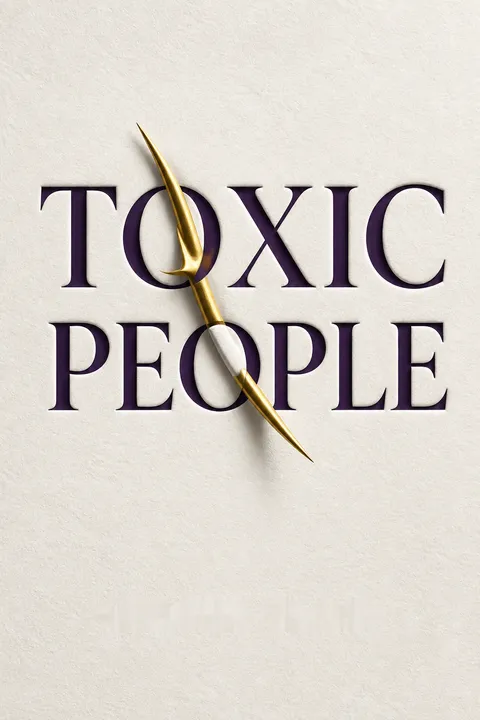
Toxic People is a story-rich self-help manual organized around recognition, response, and repair. Its central contribution is practical permission: readers may take the emotional effects of disrespect seriously, communicate a boundary, and leave a relationship that repeatedly damages them. Rather than recommending one universal escape hatch, Glass offers a range of responses, from breathing and questioning to confrontation, compassion, and disengagement. She also turns the lens back on the reader through self-inventory and advice about rebuilding life after conflict.
The book's thirty “Toxic Terrors” are vivid mnemonics, not validated psychological categories. Their comic naming makes recognizable habits memorable, but risks turning people into caricatures and encouraging readers to infer motives. Glass frequently explains cruelty through jealousy or low self-esteem. Such explanations can foster empathy, yet the anecdotes cannot establish another person's inner cause. The more durable method is to describe observable conduct and its consequences.
The evidence is chiefly case stories from the author's practice, anecdotes, and informal surveys. These can illuminate possibilities, but they do not establish that suppressed anger causes cancer, heart disease, or tumors. The book's medical claims should not be treated as diagnosis or causal proof. Likewise, intense yelling, hostile humor, or revenge fantasies may feel relieving for some, but can also escalate conflict; careful selection matters.
Written in 1995, the book sometimes treats appearance, gender roles, and social conformity as more objective than they are. Its most useful lessons survive those limits: harmful patterns deserve attention, motives remain uncertain, communication should fit the power dynamics, and boundaries can protect both dignity and safety. The strongest reading is neither “everyone difficult is toxic” nor “endure because they are family.” It is to observe, respond proportionately, seek help where needed, and judge repair by changed behavior.
Review Summary
Toxic People receives mixed reviews. Some praise it as insightful and helpful for identifying and dealing with difficult people, while others criticize it as simplistic, judgmental, and outdated. Positive reviewers found the book humorous and practical, appreciating its strategies for coping with toxic individuals. Critics felt the advice was unrealistic, the categorizations too broad, and some content offensive. Several readers noted the book's potential usefulness for writers creating villainous characters. Overall, opinions varied widely, with ratings ranging from 1 to 5 stars.
People Also Read




Glossary
Toxic Terrors
Thirty difficult behavior patternsGlass's name for thirty recurring styles of interpersonal behavior, including habitual put-downs, gossip, bullying, avoidance, and control. The categories are descriptive labels drawn from the author's client stories, not formal diagnoses. A person may fit more than one type, and the same behavior may affect different people differently.
Tension-Blowout Technique
A deliberate breathing pauseA breathing exercise Glass recommends when anger or irritation rises. The person inhales, briefly holds the breath while focusing on the upsetting interaction, then exhales forcefully as a symbolic release. Its intended purpose is to interrupt an immediate reactive response and regain composure. It should be done gently, stopping if it causes dizziness or discomfort.
Humor Technique
Use humor to deflect hostilityA response to an insult or tense exchange that uses an amusing remark to reduce pressure, preserve dignity, or end the interaction. Glass presents both self-directed humor and pointed comebacks. The approach depends on context: humor can defuse a mild slight, but sarcasm or mockery may intensify conflict or embarrass someone.
Stop-the-Thought Technique
Interrupt repetitive negative thinkingA mental interruption Glass uses when a painful interaction keeps replaying. The person notices the recurring thought, names a stop signal, and may replace it with a more supportive statement. The aim is to limit rumination and redirect attention. It is a self-help exercise, not a substitute for treatment when intrusive thoughts or distress persist.
Mirror Technique
Reflect behavior back clearlyA method of making another person aware of their conduct by briefly reflecting its tone, words, or manner. For example, someone might imitate a raised voice so the speaker can hear how it sounds. The aim is immediate recognition, not prolonged ridicule. Because imitation can be perceived as mockery, it is safest when used selectively.
Direct-Confront Technique
State the boundary plainlyA direct verbal response that names an action as unacceptable and explains its effect or what needs to change. Glass recommends speaking clearly and with controlled confidence rather than remaining silent or hinting. It can support honest communication, but the setting and power relationship matter. It is not advisable when confrontation could create danger.
Calm Questioning Technique
Clarify claims through questionsA way to respond to a troubling remark by asking a calm sequence of questions about what the speaker means, knows, or intends. The process can expose assumptions, reveal missing information, or clarify a relationship. Its purpose is inquiry rather than cross-examination. Questions should remain respectful and should stop if the exchange becomes unsafe or coercive.
Give-Them-Hell-and-Yell Technique
Express anger forcefully in wordsGlass's term for openly voicing intense anger, sometimes with profanity, to make a boundary unmistakable or release pent-up emotion. She explicitly distinguishes verbal expression from physical violence. Because shouting can escalate a volatile situation and may carry workplace or relationship consequences, it should not be treated as a default conflict strategy.
Give-Them-Love-and-Kindness Technique
Respond with deliberate compassionA response that uses a calm tone, warmth, and non-hostile language toward someone behaving badly. Glass suggests that hostility may reflect pain or insecurity and that kindness can lower defensiveness. Compassion does not require accepting abuse, excusing harm, or remaining in danger. It can be paired with a clear boundary and limits on contact.
Vicarious-Fantasy Technique
Release anger through imaginationA private imaginative exercise in which a person pictures a harmless, exaggerated form of revenge to express anger without carrying it out. Glass suggests using drawings, imagery, or comic scenarios. The essential distinction is between fantasy and action. If violent thoughts feel difficult to control, professional support is more appropriate than rehearsal.
Unplug Technique
End or reduce contactGlass's term for emotionally detaching from, or ending contact with, a person when other efforts have failed or continued interaction is harmful. The degree of disengagement may vary from reduced communication to no contact. The technique is a boundary, not a punishment, and may require practical planning when family, work, caregiving, or safety issues make separation complicated.
Toxic Image Inventory
Review outward communication cuesA checklist Glass designed to examine how presentation may affect first impressions. It covers clothing, grooming, hygiene, body language, facial expression, vocal delivery, and communication habits. Its useful application is to notice controllable cues, such as listening and tone. Some items reflect dated or narrow appearance norms and should not be treated as standards of human worth.
poison brain food
Repeated self-denigrating languageGlass's phrase for habitual insults a person directs at themselves, such as calling themselves stupid or unattractive. She argues that repeated self-criticism can become part of one's self-image and may invite others to echo it. The concept highlights the importance of self-talk, though such language is one influence among many on self-esteem.
FAQ
What's Toxic People: 10 Ways Of Dealing With People Who Make Your Life Miserable about?
- Understanding Toxic Relationships: The book by Lillian Glass delves into the dynamics of toxic relationships and their impact on mental health.
- Types of Toxicity: It categorizes toxic individuals into thirty distinct types, such as the Cut-You-Downer and the Angry Pugilist, each with unique harmful behaviors.
- Practical Techniques: Offers ten techniques to handle toxic people, empowering readers to reclaim emotional well-being and improve interactions.
Why should I read Toxic People by Lillian Glass?
- Personal Empowerment: Equips readers with tools to identify and manage toxic relationships, fostering personal growth and resilience.
- Real-Life Applications: Includes relatable examples and case studies, making the content applicable to everyday situations.
- Improved Relationships: Learning to navigate toxic interactions can enhance personal and professional relationships, leading to a more fulfilling life.
What are the key takeaways of Toxic People?
- Identifying Toxic Individuals: Recognizing signs of toxic behavior is crucial for mental health protection, with a quiz provided to help identify toxic people.
- Understanding Motivations: Many toxic behaviors stem from jealousy and insecurity, helping readers empathize with underlying issues.
- Effective Coping Strategies: Ten techniques, such as the Tension-Blowout Technique and Humor Technique, offer practical ways to manage toxic interactions.
What are the best quotes from Toxic People and what do they mean?
- “Hell is other people.”: Highlights the profound impact toxic individuals can have on emotional well-being, suggesting relationships can create distress.
- “You can’t please everyone...”: Emphasizes self-acceptance and prioritizing personal happiness over seeking approval from toxic individuals.
- “The more I see of you...”: Reflects that prolonged exposure to toxic behavior can lead to resentment, reinforcing the need for boundaries.
What is a toxic person according to Toxic People?
- Definition of Toxicity: A toxic person undermines self-esteem and happiness through negative comments or actions, found in various roles like family or coworkers.
- Impact on Well-Being: They can cause emotional distress, anxiety, and even physical health issues due to the stress they create.
- Variety of Types: Glass identifies thirty types of toxic people, each affecting you differently, emphasizing that toxicity is not one-size-fits-all.
What are the ten techniques for handling toxic people in Toxic People?
- Tension-Blowout Technique: Involves controlled breathing to release tension and regain emotional balance when dealing with toxic individuals.
- Humor Technique: Using humor to defuse toxic situations while maintaining composure, turning negative interactions into lighter moments.
- Direct-Confront Technique: Encourages directly addressing toxic comments or behaviors, asserting boundaries, and expressing how actions affect you.
How can I identify toxic people in my life using Toxic People?
- Toxic People Quiz: Glass provides a quiz to assess feelings and reactions to specific individuals, identifying those who may be toxic.
- Emotional Symptoms: Feeling drained, anxious, or unhappy after interactions can indicate toxicity.
- Behavioral Patterns: Note patterns of disrespect, criticism, or manipulation that may signal toxic behavior.
What are the thirty types of toxic terrors mentioned in Toxic People?
- Diverse Categories: Includes types like the Cut-You-Downer, Chatterbox, and Silent but Deadly Volcano, each with unique harmful traits.
- Understanding Their Impact: Recognizing these types helps understand specific ways they affect life and relationships, allowing for targeted coping strategies.
- Examples and Characteristics: Each type is described with examples and characteristics, making identification easier.
How does Toxic People suggest dealing with the anger and hurt from toxic relationships?
- Acknowledging Feelings: Recognize and validate feelings of anger and hurt as a natural response to toxic behavior.
- Using Techniques: Techniques like the Tension-Blowout and Give-Them-Love-and-Kindness help process and release negative emotions.
- Moving Forward: Empower yourself to move on from toxic relationships by setting boundaries or choosing to disengage entirely.
What is the significance of understanding the motivations behind toxic behavior in Toxic People?
- Empathy and Insight: Understanding that toxic behavior often stems from jealousy and insecurity can foster empathy.
- Reducing Personal Impact: Recognizing their actions are more about their issues than yours reduces the emotional impact on your life.
- Improving Interactions: This insight helps navigate interactions more effectively, using techniques to manage responses and maintain well-being.
What is the Unplug Technique in Toxic People?
- Definition of Unplugging: Involves cutting off all contact with a toxic person to protect mental health, prioritizing self-care.
- When to Use It: Recommended when other communication methods fail or when toxic behavior is too damaging.
- Emotional Release: Allows releasing the emotional burden associated with the toxic relationship, focusing on healthier connections.
How can I apply the techniques from Toxic People in my daily life?
- Practice Regularly: Incorporate techniques into daily interactions at work, home, or social settings for better management of toxic behaviors.
- Reflect on Your Experiences: After using a technique, reflect on the outcome to improve future approaches.
- Seek Support: Consider guidance from a therapist or support group for additional strategies and encouragement in navigating toxic relationships.
Download PDF
Download EPUB
.epub digital book format is ideal for reading ebooks on phones, tablets, and e-readers.








