

Key Takeaways
Treat positivity as support only when it leaves room for reality
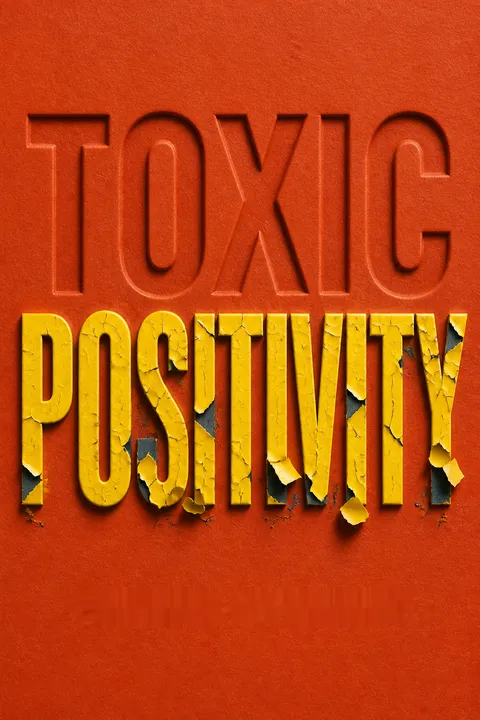
The test is room. Toxic positivity is the denial or dismissal of difficult feelings through forced optimism. Imagine losing a job and telling a friend you are frightened, only to hear that unemployment is a wonderful chance to grow. The friend may mean well, but the timing closes off the response you actually need: someone listening while you take in what happened.
Hope needs honesty. The problem is not feeling grateful, hopeful, or optimistic. It is treating those feelings as mandatory, or implying that sadness proves a person is failing. A more helpful kind of positivity makes space for the hardship and for hope, without demanding that one cancel the other. Context matters: timing, the listener, and the subject all shape whether encouragement helps.
What's striking is that the distinction is less about positive versus negative words than about whether a response preserves the other person's agency. In counseling and conflict mediation, accurate reflection often lowers defensiveness because it signals that the speaker has been heard before anyone proposes a solution. Optimism can then function as an invitation rather than an instruction. The limit is that validation alone may not meet every need: someone facing an immediate practical crisis may want concrete help. Asking what would be useful keeps compassion from becoming another script.
Let optimism expose problems instead of requiring employees to hide them
A pleasant surface can conceal trouble. Goodman traces American positive thinking through the New Thought movement and its promise that inner beliefs could control outcomes. That promise can offer hope, but it can also turn hardship into an individual's supposed failure of attitude. In a modern workplace, Alissa's firm expects cheerfulness while staff face punishing hours and harassment. Her manager answers a request for support by reminding her that others would want her job. The message protects the mood of the office, not the employees.
Dissent is useful information. The book connects forced harmony with groupthink, a pressure to agree that suppresses criticism and alternative ideas. Complaints can identify a broken process, a customer problem, or unsafe conditions. A workplace can welcome optimism while asking leaders to listen, respond to concerns, and distinguish problem-solving from pointless repetition.
This workplace example links emotional norms to information quality. In organizational psychology, psychological safety describes whether people believe they can raise concerns without humiliation or punishment. A cheerful culture without that safety can make problems harder to detect, not less real. The useful question for a manager is not whether a complaint sounds upbeat, but whether it points to evidence that deserves investigation. At the same time, dissent is not automatically accurate or constructive. Leaders need fair ways to examine claims and follow through, rather than simply relabeling all criticism as insight.
Name the emotion before trying to solve or suppress it
Start with the body. Goodman distinguishes an emotion, the body's and brain's response to an event, from a feeling, the conscious recognition of that response. Someone who has learned to push feelings away may notice a tight chest or racing thoughts without knowing whether the experience is fear, anger, or grief. Alissa, overwhelmed at work and disconnected from her emotions, begins by noticing bodily sensations and then finding words for them.
Label before acting. Naming an emotion can make it easier to understand what is happening and choose a response. The book describes research in which participants who put feelings into words showed less activity in a brain area associated with emotional distress. Suppression may help briefly, but relying on it continually can intensify distress and strain health and relationships. Movement, writing, crying, or talking with a trusted person can help a feeling run its course.
This approach resembles interoception, the capacity to notice signals from inside the body, and emotion regulation research that separates recognizing a state from acting on it. The pause creates a small gap between sensation and behavior, a useful advantage when fear or anger pushes for an immediate reaction. Still, body signals are not self-interpreting: a racing heart can have multiple causes, and labels can be shaped by culture and experience. The practice is not a diagnostic shortcut. It is a way to approach experience with curiosity, and professional support may be important when sensations feel overwhelming.
Use gratitude and affirmations only when they feel truthful and chosen
Believability beats bravado. Repeating a sweeping affirmation can backfire when it clashes with how someone sees themselves. Goodman recommends making statements flexible, realistic, and supported by behavior. Someone who cannot honestly claim to love their body might aim first to treat it with respect. Body neutrality offers another alternative: a person need not adore their appearance to recognize their body as part of living and moving through the world.
Gratitude is not a gag. The book finds that regular gratitude practices can support emotional and social well-being, but evidence for direct physical-health benefits is limited, and gratitude is not a substitute for mental-health care. During a crisis, first acknowledge the problem, address urgent needs, and regain some calm. Perspective and appreciation may come afterward. Both distress and gratitude can be true at once.
The strongest insight here is the difference between a practice that broadens attention and one that polices emotion. Flexible language also resembles graded goal-setting: a believable next step is more usable than a declaration that feels false. This matters in body image, where demands for constant self-love can reproduce the same appearance-focused scrutiny in friendlier language. Gratitude research is heterogeneous, and small average benefits do not establish a universal prescription. A journal may help one person notice support; another may experience it as pressure. Choice and fit are essential parts of the intervention.
Ask what kind of help is wanted before trying to fix the pain
Listen before advising. Goodman tells of Alex, a boy with advanced cancer whose mother repeatedly steered their conversations toward hope. Her intentions were loving, but Alex was frightened and could not openly share that fear with her. Their story shows how encouragement can isolate someone when it blocks honest conversation. A useful first question is simple: does this person want listening, advice, or practical help?
Support is a practice. The book's approach begins with curiosity, seeks to understand the person's experience, validates that experience without requiring agreement, and responds with empathy. A friend grieving a death might need someone to hear a memory, check in later, or bring food, not explain what the loss is supposed to mean. Support also requires limits: a helper can care deeply while saying they lack the capacity to help right now.
The distinction between intent and impact is especially valuable because it turns a failed attempt at comfort into information about the relationship, rather than a verdict on someone's character. Communication research similarly treats listening as an active process of checking understanding, not merely waiting for a turn to speak. The approach also guards against the helper's urge to relieve their own discomfort by offering quick advice. Yet no single response works for everyone. Asking permission and accepting a person's answer, including a request for privacy, makes this guidance adaptable rather than prescriptive.
Let complaints reveal needs, then decide whether to vent or act
Complaining carries information. A complaint can release frustration, seek sympathy, test whether others share a concern, or press someone to change. Sam comes to therapy to talk through what is bothering him; when the therapist interrupts with advice, he feels cut off. The exchange shows why it helps to ask what a person wants before treating every complaint as a request for solutions.
Give the complaint a direction. The book distinguishes major concerns, such as grief or discrimination, from everyday irritations, while emphasizing that the person decides what matters. To complain effectively, clarify what is wrong, what outcome is wanted, and who can help bring it about. If a problem cannot be changed, radical acceptance means acknowledging the facts without approving of them. Repeating the same complaint without relief, connection, or action can signal a loop rather than useful processing.
Complaints can function as informal feedback systems: they show where expectations, needs, and actual conditions diverge. That makes them relevant beyond private relationships, especially when the person hearing the complaint has power to correct a problem. The useful distinction is not simply positive versus negative speech, but whether expression clarifies a need or keeps someone circling without relief. Even a repetitive complaint may reflect a genuine constraint rather than poor coping. The listener should avoid assuming that a solution exists, and the speaker may need support before deciding whether action is possible.
Never make illness a test of someone's attitude or worth
Optimism is not a cure. Goodman argues that hope can help people cope with illness, but positive thinking does not guarantee recovery, and negative thinking does not explain every disease. Research linking optimism and health does not establish which causes which. Alex's story makes the human cost plain: his mother's insistence on a better outcome made it harder for him to speak honestly about his fear as his cancer worsened.
Look beyond mindset. Health is shaped by medical access, living conditions, stress, social support, and other factors. The book cites estimates of 133 million Americans with chronic disease and 61 million with disabilities, underscoring that many people live with conditions that do not simply disappear. Calling illness a battle can also imply that someone who dies or remains disabled did not try hard enough. Believe people, ask what they need, and do not promise an outcome you cannot know.
This section moves the discussion from interpersonal tact to medical ethics. False reassurance can impair informed decisions, while blame can turn an already difficult diagnosis into a moral judgment. The broader frame of social determinants of health is useful because it directs attention to resources and conditions, not just personal behavior. Nuance matters: optimism, social connection, and stress management can be valuable parts of coping, but their value does not make them cures. Respectful care holds both truths: hope can sustain people, and outcomes remain partly beyond individual control.
Build a meaningful life around values, not a permanent happy mood
Values provide direction. Goodman contrasts a happiness-driven life, organized around avoiding discomfort, with a value-driven life, organized around what matters. A person who values family might choose attentive time with loved ones, even when tired or distracted. Values are not fixed rules or finished goals; they are guideposts that can change as circumstances change. Acceptance and Commitment Therapy calls the ability to stay present with difficult experience while acting toward what matters psychological flexibility.
Improvement needs an off switch. A constant hunt for flaws to fix can make wellness another performance. The book advises breaks from self-help and self-improvement, not abandonment of growth. It also notes that fantasy can help someone endure a period when action is impossible or clarify what they want, but it does not replace planning. WOOP offers a more grounded route: identify a wish, its hoped-for outcome, likely obstacles, and a plan.
Values offer a more stable compass than mood because moods fluctuate and are not always under voluntary control. This is consistent with Acceptance and Commitment Therapy, which emphasizes meaningful action alongside unpleasant internal experience, rather than waiting to feel ready. The self-help warning is equally important: insight can become an endless optimization project that postpones ordinary living. But values can also be inherited or imposed, so reflection should include whose priorities are being served. A value is useful when it helps guide chosen behavior, not when it becomes one more standard for judging the self.
Analysis
Toxic Positivity is best understood not as an argument against optimism, but as a critique of optimism used to close conversation, assign blame, or protect institutions from change. Its central ethical test is whether a positive response makes room for the facts and the person's emotional experience. That test unifies the book's therapy stories, workplace examples, medical cases, and discussion of discrimination.
The narrative method makes the argument memorable. Alex's illness shows the relational cost of hope that cannot tolerate fear. Alissa's workplace shows how cheerfulness can act as a management tool, redirecting attention from workload and harassment to employees' attitudes. The book's movement from private self-talk to public systems is important: forced optimism can burden individuals while leaving conditions untouched. The practical alternatives, naming feelings, asking what support is wanted, and making complaints purposeful, convert critique into behaviors readers can try.
The most useful balance is that positivity remains valuable when it is freely chosen, credible, and responsive to context. Gratitude and optimism can support some people, but their effects are not universal, and the book itself cautions against treating correlational health findings as proof of cure. Likewise, emotional expression is not automatically helpful in every setting; privacy, safety, culture, and boundaries matter. A person need not disclose everything to be authentic, nor must every listener become a counselor.
One productive tension is the book's categorical phrase that there are no negative emotions. Emotions can be functional signals without being accurate descriptions of external reality, and some emotional responses may become entrenched or impairing. The practical point is stronger than the absolute wording: distress is not a moral defect, and suppressing it is not a reliable path to well-being. The book's lasting contribution is a shift in the question. Instead of asking how to force a bright outlook, ask what the emotion indicates, what the person needs, what conditions can change, and what value deserves action even when happiness is absent.
Review Summary
Toxic Positivity receives mostly positive reviews, with readers appreciating its insights on the harmful effects of forced positivity. Many find it validating and eye-opening, praising the author's clear explanations and practical advice. Readers value the book's critique of the self-help industry and its emphasis on allowing space for all emotions. Some note repetitiveness in the content, but overall, reviewers recommend it as an important read for understanding the complexities of emotional well-being and improving interpersonal relationships.
People Also Read




Glossary
Toxic positivity
Forced optimism that dismisses painA pattern of denying or minimizing difficult emotions by insisting on a positive outlook. It can appear in self-talk, advice, workplaces, health settings, or responses to injustice. Positivity becomes harmful when it shames people for distress, pressures them to find a silver lining, or replaces attention to their real needs and circumstances.
WOOP
A goal-planning methodA goal-setting method organized around Wish, Outcome, Obstacle, and Plan. A person identifies what they want, imagines the desired result, anticipates barriers, and decides how to respond. Unlike visualization alone, WOOP joins a positive goal with realistic obstacles and a concrete plan for action.
Just-world bias
Belief that outcomes are deservedThe assumption that people generally receive outcomes that match their actions or character, so good things happen to good people and bad things to bad people. The belief can provide an illusion of control, but it can also lead observers to blame people for illness, loss, or other hardships they did not cause.
Spiritual bypassing
Using spirituality to avoid painUsing spiritual beliefs or practices to sidestep unresolved emotional pain, unmet needs, or difficult personal issues. In the book, it describes positivity framed as faith that can discourage people from addressing anxiety, identity conflicts, or material barriers. Spirituality may still provide hope and community when it does not require denial.
Body neutrality
A less judgmental view of the bodyAn approach that allows someone to regard their body without demanding constant love or positive feelings about its appearance. It emphasizes the body as part of how a person moves through life, while recognizing its capacities and limits. Body neutrality makes room for changing feelings without treating them as personal failure.
Radical acceptance
Acknowledging unchangeable factsA distress-tolerance skill associated with Dialectical Behavior Therapy. It means recognizing current facts that cannot be changed, even when they are painful or unfair. Acceptance is not approval, resignation, or agreement. It reduces the additional suffering caused by fighting the existence of reality and can help a person choose what to do next.
Psychological flexibility
Acting with awareness despite discomfortThe ability to stay aware of present feelings and bodily sensations, including uncomfortable ones, without letting avoidance dictate every decision. In Acceptance and Commitment Therapy, flexibility supports action guided by personal values. It does not mean enjoying pain or accepting harmful treatment; it means making room for experience while choosing how to respond.
Groupthink
Consensus that suppresses dissentA group pressure toward agreement that discourages members from expressing disagreement or evaluating alternatives. In a workplace, a demand for constant positivity can make employees conceal concerns to appear cooperative. This can leave important problems unexamined and limit learning, creativity, and organizational change.
Negativity bias
Greater attention to negative informationThe tendency for negative events or information to command stronger attention and memory than neutral or positive material. The book uses this idea to explain why people cannot simply choose to notice only the good. The bias can help people detect threats, though it can also magnify perceived dangers.
Emotional suppression
Trying to hide or push away feelingsAn emotion-regulation strategy in which a person attempts to conceal, deny, or push away an emotional experience. Used occasionally, it may help someone get through a demanding moment. Used as a habitual response, it can consume effort, make emotions harder to process, and affect well-being and relationships.
FAQ
What's "Toxic Positivity: Keeping It Real in a World Obsessed with Being Happy" about?
- Exploration of Positivity's Dark Side: The book delves into the concept of toxic positivity, which is the overgeneralization of a happy, optimistic state across all situations, leading to the denial and invalidation of genuine human emotions.
- Personal and Professional Insights: Whitney Goodman, a licensed psychotherapist, combines her personal experiences and clinical expertise to illustrate how toxic positivity can be harmful rather than helpful.
- Cultural Critique: It critiques the societal obsession with positivity and happiness, highlighting how this can perpetuate harmful stereotypes and suppress authentic emotional expression.
- Practical Guidance: The book offers practical advice on how to process emotions healthily, support others effectively, and live a more authentic life.
Why should I read "Toxic Positivity: Keeping It Real in a World Obsessed with Being Happy"?
- Understand Emotional Complexity: It helps readers understand the complexity of emotions and the importance of acknowledging all feelings, not just the positive ones.
- Improve Relationships: The book provides insights into how to support others genuinely, improving personal and professional relationships.
- Challenge Societal Norms: It encourages readers to challenge societal norms that prioritize happiness over authenticity, promoting a more balanced and realistic approach to life.
- Practical Tools: Readers gain practical tools and strategies to navigate their emotions and support others, fostering a healthier emotional environment.
What are the key takeaways of "Toxic Positivity: Keeping It Real in a World Obsessed with Being Happy"?
- Balance Emotions: Embrace a balance of emotions, recognizing that both positive and negative feelings are valid and necessary for personal growth.
- Avoid Toxic Positivity: Understand the dangers of toxic positivity, which can invalidate real emotions and experiences, leading to feelings of isolation and shame.
- Effective Support: Learn how to support others effectively by listening, validating their feelings, and avoiding dismissive platitudes.
- Live Authentically: Strive to live authentically by acknowledging and processing emotions rather than suppressing them in favor of forced positivity.
What is toxic positivity according to Whitney Goodman?
- Definition: Toxic positivity is the overemphasis on positive thinking, which can lead to the denial and invalidation of genuine emotions and experiences.
- Harmful Effects: It can cause individuals to feel ashamed of their negative emotions, leading to emotional suppression and isolation.
- Cultural Pervasiveness: The concept is deeply ingrained in society, often perpetuated by self-help culture, social media, and well-meaning but misguided advice.
- Alternative Approach: Goodman advocates for a more balanced approach that acknowledges the full spectrum of human emotions.
How does Whitney Goodman suggest we process emotions?
- Label Emotions: Start by identifying and labeling your emotions to understand what you're feeling and why.
- Feel Fully: Allow yourself to experience emotions fully, without judgment, to process them effectively.
- Healthy Expression: Use healthy outlets like journaling, talking to a trusted friend, or engaging in creative activities to express emotions.
- Balance and Acceptance: Practice acceptance of all emotions, recognizing that they are a natural part of the human experience.
What are some practical tips from "Toxic Positivity" for supporting someone?
- Listen Actively: Focus on listening without interrupting or offering unsolicited advice, showing genuine interest in their feelings.
- Validate Feelings: Acknowledge and validate their emotions, letting them know it's okay to feel what they're feeling.
- Avoid Platitudes: Steer clear of dismissive phrases like "just be positive" or "look on the bright side," which can invalidate their experience.
- Offer Presence: Sometimes, just being present and offering a supportive space is more valuable than trying to fix the problem.
How does "Toxic Positivity" address the impact of societal norms on mental health?
- Critique of Positivity Culture: The book critiques the societal pressure to maintain a positive outlook, which can lead to emotional suppression and mental health issues.
- Impact on Marginalized Groups: It highlights how toxic positivity can perpetuate discrimination and invalidate the experiences of marginalized groups.
- Challenge Norms: Goodman encourages readers to challenge these norms and embrace a more authentic and inclusive approach to emotions.
- Promote Well-being: By acknowledging the full range of emotions, individuals can improve their mental health and overall well-being.
What are some of the best quotes from "Toxic Positivity" and what do they mean?
- "You Deserve More Than Just Good Vibes": This quote emphasizes the importance of experiencing and validating all emotions, not just the positive ones.
- "Stop Chasing Happiness and You May End Up a Little Happier": It suggests that the relentless pursuit of happiness can be counterproductive, and finding contentment in the present moment can lead to genuine happiness.
- "Being Human Means Making Space for the Positive, the Negative, and Everything in Between": This highlights the necessity of embracing the full spectrum of human emotions for a balanced and fulfilling life.
- "Toxic Positivity Is Denial": This quote underscores the idea that toxic positivity involves denying real emotions, which can be harmful to mental health.
How does Whitney Goodman propose we handle gratitude in a healthy way?
- Balance with Validation: Goodman suggests balancing gratitude with validation of negative emotions, ensuring that gratitude doesn't become a tool for emotional suppression.
- Avoid Forced Gratitude: She warns against forcing gratitude in situations where it feels inauthentic, as this can lead to feelings of shame and inadequacy.
- Regular Practice: Incorporate gratitude into daily life in a way that feels natural and supportive, rather than obligatory.
- Acknowledge Complexity: Recognize that it's possible to feel grateful and still experience negative emotions, allowing for a more nuanced emotional experience.
What role does "Toxic Positivity" suggest positivity should play in our lives?
- Balanced Approach: Positivity should be balanced with the acknowledgment of negative emotions, allowing for a more authentic and healthy emotional life.
- Supportive, Not Dismissive: Positivity should support emotional well-being without dismissing or invalidating genuine feelings and experiences.
- Context Matters: The timing, audience, and context of positive statements are crucial in determining whether they are helpful or harmful.
- Encourage Growth: Positivity can encourage growth and resilience when used appropriately, without overshadowing the reality of difficult emotions.
How does "Toxic Positivity" address the intersection of positivity and discrimination?
- Perpetuation of Inequality: The book discusses how toxic positivity can perpetuate discrimination by invalidating the experiences of marginalized groups.
- Silencing Dissent: It highlights how positivity is often used to silence dissent and maintain the status quo, preventing meaningful change.
- Call for Inclusivity: Goodman calls for a more inclusive approach that acknowledges and addresses systemic issues rather than dismissing them with positivity.
- Empowerment Through Awareness: By raising awareness of these dynamics, individuals can work towards more equitable and supportive environments.
What is Whitney Goodman's perspective on the pursuit of happiness?
- Questioning the Pursuit: Goodman questions the societal obsession with the pursuit of happiness, suggesting it can lead to dissatisfaction and emotional suppression.
- Focus on Fulfillment: She advocates for focusing on fulfillment and living in alignment with personal values, rather than chasing an elusive state of happiness.
- Embrace Complexity: Embrace the complexity of emotions and experiences, recognizing that happiness is not the only or ultimate goal.
- Redefine Success: Redefine success and well-being in terms of authenticity, connection, and personal growth, rather than constant positivity.
Download PDF
Download EPUB
.epub digital book format is ideal for reading ebooks on phones, tablets, and e-readers.








