Plot Summary
Shattered Dreams, Stolen Lives
Rose Capulet's world is shattered by violence and betrayal. Once in love with Roman Montague, she is forced into a nightmare marriage with Darius Blumenfeld after Roman's supposed death. Her daughter, Lara, is her only solace as she endures daily abuse and manipulation. The story opens with Rose trapped in a gilded cage, haunted by memories of love and loss, and tormented by the men who control her fate. The pain is visceral, the hope nearly extinguished, and the only thing keeping her alive is the promise she made to protect her child at all costs.
The Cage of Power
Darius, the ambitious and sadistic Governor, uses Rose as a tool to boost his public image and secure his re-election. She is paraded before the press, forced to play the role of the perfect fiancée and mother, while armed guards ensure her compliance. The world sees a fairy tale, but inside the mansion, Rose and Lara are prisoners. Darius's cruelty is relentless, and Rose's every move is watched. The suffocating control and the constant threat to Lara's safety drive Rose to the edge, fueling a quiet, simmering rage beneath her forced smiles.
Masks and Manipulation
Rose learns to wear masks, feigning affection for Darius and playing the role of the dutiful partner. She endures sexual violence and psychological torment, all while plotting to keep Lara safe. The public adores her, blind to her suffering. Darius's manipulation extends to the media, spinning every tragedy to his advantage. Rose's only moments of peace are in dreams of Roman, whose memory is both a comfort and a source of agony. The line between reality and performance blurs, and Rose's sense of self begins to fracture.
Daughter and Devil
Lara, Rose's daughter, is the last remnant of hope. But even she is not safe from Darius's malice. He resents Lara as a living reminder of Roman and seeks to break her spirit. When Lara is abused by her tutor, Rose's maternal fury erupts—she kills the man with her bare hands, crossing a line that changes her forever. The act is both a moment of empowerment and a harbinger of further punishment, as Darius retaliates by sending Lara away to boarding school, severing the last bond that kept Rose anchored.
The Price of Survival
With Lara gone, Rose's world collapses further. She is subjected to more violence and humiliation, including forced removal of her birth control to ensure Darius's legacy. The trauma is relentless, and Rose's only comfort is the hope that one day she will be reunited with her daughter. She learns that survival sometimes means submission, and that every act of compliance is a calculated move to protect Lara. The cost is her own body and soul, but Rose refuses to let her suffering be in vain.
The Funeral and the Coffin
Roman's funeral is a grotesque spectacle, with Darius delivering a eulogy that mocks Rose's pain. The official story is a tragic accident, but Rose knows the truth—Roman was murdered to clear the path for Darius. In a moment of despair, Rose is violated atop Roman's coffin, a final act of desecration that cements her hatred and resolve. The experience is shattering, but it also marks the birth of a new, colder Rose—one who will one day seek vengeance for every indignity suffered.
Breaking and Becoming
Rose's spirit is battered but not broken. She learns to channel her pain into determination, vowing to become as ruthless as her enemies. The abuse continues, but each act only hardens her resolve. She becomes a master of pretense, using her beauty and charm as weapons. The world still sees a princess, but inside, Rose is becoming a villain forged by necessity. She stores every injury, every insult, as fuel for the day she will strike back and reclaim her life.
The Governor's Game
Darius's grip on Verona tightens as he rigs the election and consolidates his criminal empire. He controls the police, the press, and the underworld, trafficking in drugs, organs, and people. Rose is forced to participate in public charades, her every move scrutinized. But beneath the surface, resistance is brewing. Roman, thought dead, is alive and gathering allies in the city's shadows. The stage is set for an uprising, and Rose's secret hope is rekindled by a message that Roman is coming for her and Lara.
The Uprising Ignites
Roman, with the help of the Storm Crows biker gang and other outcasts, launches a series of attacks on Darius's infrastructure. Water supplies are poisoned, power is cut, and the city descends into chaos. The people of Verona, long complacent, begin to rise up. Rose, emboldened by the knowledge that Roman is alive, starts to fight back from within, passing information to the resistance. The violence escalates, and the lines between hero and villain blur as both sides commit atrocities in the name of freedom.
Blood on the Snow
The battle for Verona turns brutal. Friends and family are lost—Ty, Rose's cousin and reluctant ally, is tortured and executed for helping the resistance. Sofia, Roman's sister, is rescued from sexual slavery but left deeply traumatized. Rose is forced to kill again, this time her own father, in a cathartic act of revenge. The snow outside the family estate is stained with blood, symbolizing the cost of survival and the transformation of Rose from victim to avenger.
The Last Betrayal
As the resistance closes in, Rose's mother, Carla, is revealed as the architect of much of her suffering. Carla's obsession with power and her incestuous relationship with Darius are exposed, along with the horrifying truth that Darius is Rose's biological father. The revelation is devastating, compounding Rose's trauma and sense of violation. Yet, it also brings clarity—her enemies are not just men, but the very system and family that raised her. Rose's final act is to ensure her mother faces justice, breaking the cycle of abuse.
The Cabin of Secrets
The last battle takes place in a remote, booby-trapped mountain cabin. Darius, deranged and desperate, lures Rose into a final showdown. He drugs her, attempts to rape her, and gloats over his supposed invincibility. But Rose, drawing on every lesson of pain and survival, fights back. Roman and the resistance arrive, and in the chaos, Rose delivers the killing blow to Darius, ending his reign of terror. The victory is pyrrhic—Rose is left physically and emotionally shattered, but finally free.
The Final Reckoning
With Darius dead and Carla in custody, the city begins to heal. Hastings, the new Governor, offers Rose a chance at redemption, clearing her of all charges and annulling her forced marriage. The truth about the city's corruption is exposed, and those responsible are brought to justice. Roman and Rose, both marked by their ordeals, are finally able to claim each other openly. The past cannot be erased, but the future is theirs to shape.
After the Storm
The aftermath is a time of reckoning and slow healing. Rose, Roman, Lara, and Sofia move into a new home, trying to rebuild their lives. The scars of trauma linger—nightmares, guilt, and shame—but together, they begin to find moments of peace. Therapy, love, and the simple joys of family life offer hope. The city, too, starts to recover, with new leadership and a commitment to justice. The storm has passed, but its lessons remain.
Healing in the Light
Rose and Roman's relationship is tested by the weight of their shared trauma, but their love endures. They learn to trust, to touch, and to find pleasure again. Lara, once broken, blossoms in the safety of her parents' love. Sofia, though still haunted, begins to reclaim her agency. The family creates new memories—holidays, birthdays, and quiet moments of happiness. The darkness recedes, replaced by the light of hope and the promise of a better future.
A Family Reborn
With their enemies vanquished and their secrets laid bare, Rose and Roman marry in a quiet ceremony, surrounded by those who matter most. They claim their identities, their love, and their right to happiness. The past is not forgotten, but it no longer defines them. Together, they build a home filled with laughter, resilience, and the determination to protect what they have fought so hard to regain.
The Past Buried, The Future Claimed
As the story closes, Rose reflects on the journey from victim to survivor to avenger. The city of Verona is changed, but so is she. The legacy of pain is transformed into one of strength and love. The family celebrates Roman's birthday, a symbol of renewal and the life they have reclaimed. The past is finally buried, and the future—though uncertain—is theirs to claim, together.
Characters
Rose Capulet
Rose is the heart of the story—a woman forged in the crucible of abuse, betrayal, and loss. Once a naive heiress, she is transformed by trauma into a fierce protector of her daughter and, ultimately, a ruthless avenger. Her relationships are complex: she is Roman's lover and Lara's mother, but also the pawn and victim of her own family. Rose's psychological journey is one of survival at any cost, learning to weaponize her beauty and pain. Her development is marked by the loss of innocence, the embrace of her own darkness, and the eventual reclamation of her agency and identity.
Roman Montague
Roman is Rose's soulmate and the catalyst for the uprising. Presumed dead, he returns from the shadows to wage war against Darius and the corrupt system. Roman is driven by love, guilt, and a burning need for justice. His relationships—with Rose, Lara, and his sister Sofia—are defined by loyalty and sacrifice. Roman's psychological arc is one of redemption, as he confronts his own failures and learns to balance vengeance with compassion. He is both a savior and a man haunted by the violence he must commit.
Darius Blumenfeld
Darius is the embodiment of power corrupted. As Governor, he wields absolute control over Verona, using Rose as a trophy and tool. His relationship with Rose is one of domination and violation, fueled by jealousy and a twisted sense of entitlement. Darius's psychological makeup is that of a narcissist and predator, shaped by his own family's legacy of abuse. His ultimate revelation as Rose's biological father is the final, devastating betrayal. Darius's downfall is both a personal and political reckoning.
Lara
Lara is the child at the center of the storm, the product of Rose and Roman's forbidden love. Her presence is both a source of vulnerability and strength for Rose. Lara's journey mirrors her mother's—she is traumatized by abuse and separation, but ultimately finds healing in the safety of her family. Her innocence is a reminder of what is at stake, and her resilience offers hope for the future.
Sofia Montague
Sofia is Roman's sister and a secondary protagonist whose suffering at the hands of Otto and Darius is a parallel to Rose's. Her journey is one of survival, addiction, and the struggle to reclaim agency. Sofia's relationship with Ben and her complicated feelings for Koen add depth to her character. Her arc is about finding her voice and seeking vengeance, setting the stage for her own story beyond the main narrative.
Carla Capulet
Carla is Rose's mother and the mastermind behind much of the family's suffering. Her obsession with power and her incestuous relationship with Darius reveal a woman willing to sacrifice anything—including her own children—for status. Carla's psychological profile is that of a narcissist and manipulator, whose actions are driven by envy, resentment, and a warped sense of entitlement. Her eventual downfall is a necessary act of justice.
Ty
Ty is Rose's cousin, initially complicit in the family's schemes but ultimately a reluctant ally. His love for Sofia and his guilt over past actions lead him to betray the Capulets and aid the resistance. Ty's arc is one of redemption and sacrifice, culminating in his torture and execution. His death is a turning point for Rose, marking the loss of her last familial connection and the final severing of old loyalties.
Ben
Ben is Roman's best friend and Sofia's unrequited love. He is a steady presence throughout the chaos, providing support and protection to those he cares about. Ben's psychological journey is one of quiet suffering, as he grapples with his inability to save Sofia and his own feelings of inadequacy. His loyalty is unwavering, and his actions are motivated by love and a sense of duty.
Koen Diaz
Koen is the leader of the Storm Crows and a key figure in the uprising. His alliance with Roman is born of shared enemies and a desire for vengeance. Koen's relationship with Sofia is complex, marked by mutual recognition of pain and a potential for healing. He represents the possibility of justice outside the law, and his presence challenges the boundaries between hero and villain.
Hastings
Hastings is the interim Governor who steps in to restore order after Darius's fall. He is pragmatic, shrewd, and committed to justice, but also aware of the political realities of Verona. Hastings's relationship with Rose and Roman is one of cautious alliance—he offers them protection in exchange for cooperation. His psychological profile is that of a survivor in his own right, navigating the treacherous waters of power with a clear-eyed sense of purpose.
Plot Devices
Dual Narrative and Shifting Perspectives
The novel employs a dual narrative, alternating between Rose and Roman's perspectives. This structure allows readers to experience both the internal and external battles—Rose's psychological torment and Roman's revolutionary campaign. The shifting viewpoints create tension, deepen empathy, and highlight the interconnectedness of personal and political struggles. The use of dreams, flashbacks, and hallucinations blurs the line between reality and memory, immersing readers in the characters' fractured psyches.
Foreshadowing and Symbolism
Recurring symbols—blood, snow, cages, and mirrors—foreshadow key events and reflect the characters' emotional states. The snow, stained with blood, becomes a metaphor for innocence lost and the cost of survival. The recurring motif of cages and locked rooms underscores the theme of imprisonment, both literal and psychological. Foreshadowing is used to build suspense, hinting at betrayals and revelations that will upend the characters' lives.
The Cycle of Abuse and Revenge
The plot is driven by cycles of abuse, betrayal, and revenge. Each act of violence begets another, and the characters are forced to confront the legacy of their families. The narrative structure mirrors this cycle, with moments of hope repeatedly dashed by new betrayals. The eventual breaking of the cycle—through acts of vengeance, justice, and forgiveness—is the story's central arc.
The Mask and the Performance
Characters are constantly forced to perform—Rose as the perfect wife, Darius as the benevolent leader, Roman as the avenger. The motif of masks and performance is both a survival strategy and a source of psychological tension. The narrative explores the cost of living a lie and the liberation that comes from reclaiming one's true self.
The Uprising as Catalyst
The uprising is both a literal and metaphorical device, representing the characters' fight for freedom and the city's reckoning with its own corruption. The revolution is messy, violent, and morally ambiguous, forcing characters to confront the limits of justice and the price of survival. The uprising catalyzes the final confrontations and the possibility of a new beginning.
Analysis
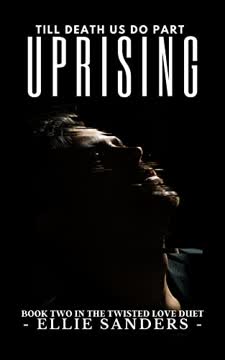
Ellie Sanders' Uprising is a harrowing, unflinching modern retelling of Romeo and Juliet that transforms the classic tale of doomed love into a dark epic of survival, trauma, and revolution. The novel interrogates the nature of power—how it corrupts, how it is wielded through violence and manipulation, and how it can be reclaimed by those who have been most oppressed. At its core, the story is about the cost of survival in a world where every system—family, government, society—is complicit in abuse. Rose's journey from victim to avenger is both a personal and political awakening, challenging the reader to consider the limits of forgiveness and the necessity of vengeance. The novel does not shy away from the realities of trauma, nor does it offer easy redemption. Instead, it insists that healing is possible only through truth, justice, and the forging of new bonds. The lessons are clear: survival is an act of rebellion, love is a form of resistance, and the past must be confronted—no matter how painful—if the future is to be claimed. In the end, Uprising is a testament to the resilience of the human spirit and the transformative power of hope, even in the darkest of times.
Last updated: