Plot Summary
Hurricane's Unexpected Survivors
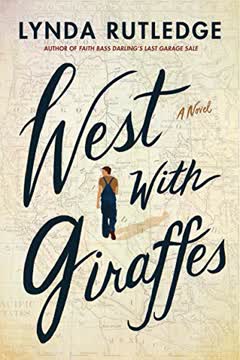
In 1938, a devastating hurricane batters the eastern seaboard, leaving chaos and death in its wake. Amid the wreckage, two young giraffes miraculously survive a harrowing sea journey, their crates battered but intact. Their arrival at New York Harbor is a spectacle, drawing the attention of a seventeen-year-old orphan, Woodrow "Woody" Nickel, who has just lost his family to the Dust Bowl. The giraffes, destined for the San Diego Zoo, become a symbol of hope and wonder in a world otherwise marked by loss and hardship. Woody, drawn to their gentle majesty, sees in them a chance for redemption and a new beginning, setting the stage for an extraordinary cross-country journey.
Orphan's Flight and Fate
Woody's life is shaped by tragedy: the Dust Bowl claims his family, and a violent confrontation with his father leaves him an orphan and fugitive. Fleeing west, he is battered by the hurricane and left with nothing but a fierce will to survive. When he stumbles upon the giraffes' arrival, he is captivated by their resilience. Driven by desperation and a flicker of hope, Woody follows the giraffes to the quarantine station, determined to attach himself to their fate. His journey is not just physical but emotional, as he seeks to outrun his guilt and find a place where he belongs.
Giraffes on American Roads
The giraffes' cross-country trek is orchestrated by Riley Jones, the gruff, enigmatic "Old Man" tasked with their safe delivery. After a series of mishaps, including the loss of his original driver, Jones reluctantly allows Woody to join as driver and caretaker. Together, they navigate a battered America, encountering curious townsfolk, skeptical authorities, and the ever-present threat of disaster. The giraffes, towering and vulnerable, become both cargo and companions, their well-being dependent on the fragile alliance between Woody and Jones. The road is long, the dangers real, but the journey forges an unlikely bond between man, boy, and beast.
The Old Man's Test
Jones is a man of strict principles, intolerant of liars and thieves, yet he senses something in Woody—a rawness, a need for redemption. As they travel, Jones tests Woody's mettle, challenging his skills and his honesty. Woody, desperate to prove himself, lies about his age and abilities, but his genuine care for the giraffes begins to win Jones over. The Old Man's own past is shadowed by secrets and regrets, and through Woody, he finds a chance to atone for his own failures. Their relationship, fraught with tension and grudging respect, becomes the emotional core of the journey.
Red-Haired Pursuit
Augusta "Red" Lowe, a fiery, ambitious photojournalist, shadows the giraffe convoy in her green Packard, determined to capture their story for Life magazine. Her presence is both a complication and a comfort, especially for Woody, who is smitten by her independence and beauty. Red's pursuit is driven by her own need for meaning and escape from a troubled marriage. Her interactions with Woody and Jones are marked by flirtation, rivalry, and moments of genuine connection. As the journey progresses, Red's secrets and vulnerabilities come to light, deepening the emotional stakes for all involved.
Bonds Forged in Hard Times
The road west is a crucible, testing the limits of endurance and compassion. Woody, Jones, and Red face a gauntlet of challenges: mechanical breakdowns, hostile towns, racial prejudice, and the ever-present threat to the giraffes' fragile health. Along the way, they encounter a cast of characters—kind strangers, would-be thieves, and fellow travelers—each leaving a mark on their journey. The giraffes, with their serene presence, become a source of wonder and healing, drawing out the best in those who care for them. Bonds of friendship, love, and loyalty are forged, even as the past continues to cast its shadow.
Perilous Crossings
The journey is punctuated by moments of peril: treacherous mountain passes, flash floods, and near-fatal accidents. Each crisis forces Woody and Jones to confront their fears and make difficult choices. The giraffes' survival often hangs by a thread, their vulnerability a constant reminder of the stakes. Red's involvement becomes both a blessing and a curse, her actions sometimes saving the day, other times complicating matters. Through it all, the trio learns the true meaning of courage and sacrifice, discovering that survival is not just about strength, but about trust and compassion.
Lions, Lions Everywhere
Not all dangers are natural. The travelers are pursued by those who would exploit the giraffes for profit or spectacle, including a sinister circus owner and his henchmen. Encounters with cruelty—both human and animal—test the group's resolve and morality. The giraffes, symbols of innocence and grace, inspire acts of mercy and defiance. Woody, haunted by his own violent past, is forced to confront the darkness within himself, choosing again and again to protect rather than destroy. The journey becomes a meditation on the thin line between predator and protector.
The Cost of Mercy
As the journey nears its end, the physical and emotional toll becomes apparent. Girl, the female giraffe, suffers a worsening injury, her survival uncertain. Woody is wracked by guilt over past and present failures, fearing that his actions may doom the very creatures he loves. Jones, too, is forced to reckon with his limitations and the ghosts of his past. Red's dreams are shattered by loss and betrayal, yet she finds unexpected strength in the bonds she has formed. Acts of mercy—sometimes costly, sometimes redemptive—define the final leg of the journey, as each character seeks forgiveness and a measure of peace.
Dust, Flood, and Fury
The American landscape itself becomes a character, its beauty and brutality shaping the travelers' fate. Dust storms, floods, and the relentless sun test their endurance, while the scars of the Great Depression and Dust Bowl linger in every town and face they encounter. The journey is a microcosm of a nation in transition, struggling to hold onto hope amid hardship. Through it all, the giraffes remain a beacon of wonder, their survival a testament to the resilience of life and the power of compassion.
The Giraffe's Secret
In the quiet moments between crises, Woody discovers the true secret of the giraffes: their ability to inspire awe, humility, and healing. Their presence transforms those around them, breaking down barriers of fear and mistrust. Woody, once a lost and angry boy, finds purpose and belonging in their care. Jones, hardened by loss, softens in their company, rediscovering his capacity for love. Red, adrift and wounded, finds in the giraffes a reason to hope and a path to forgiveness. The journey becomes not just a race against time, but a pilgrimage toward self-discovery and grace.
The End of the Road
The convoy finally reaches San Diego, the giraffes' safe arrival celebrated as a triumph against the odds. The journey's end is bittersweet: the travelers must part ways, their lives forever changed by what they have shared. Woody, now a man, must choose between staying with the giraffes or seeking out Red, whose own journey is unresolved. Jones, his mission complete, faces his own mortality with a sense of peace. The giraffes, once symbols of vulnerability, become icons of hope for a nation in need of wonder. The story's end is not an ending, but a beginning—of new lives, new stories, and new possibilities.
Homecoming and Farewell
Years later, Woody reflects on the journey that defined his life. The world has changed: the giraffes are gone, the people he loved have passed on, and he is left with memories and regrets. Yet the story endures, a testament to the power of love, friendship, and the enduring magic of animals. Woody's final act is to record his story, hoping that it will reach those who need it most—a new generation facing its own challenges and losses. In the end, the journey is not just about survival, but about the stories we leave behind and the lives we touch along the way.
Stories That Remain
In his final days, Woody entrusts his story to the world, believing that stories have the power to heal, inspire, and preserve what is most precious. The tale of the hurricane giraffes becomes a metaphor for all that is fragile and beautiful in the world, a reminder that even in the darkest times, wonder and kindness can prevail. As Woody's story finds its way to those who need it, the legacy of the giraffes—and the people who loved them—lives on. The journey ends, but the story remains, a beacon of hope for generations to come.
Characters
Woodrow "Woody" Wilson Nickel
Woody is a seventeen-year-old Texan orphan, scarred by the Dust Bowl and a violent confrontation with his father. His journey is both literal and metaphorical: fleeing his past, he latches onto the giraffes' cross-country trek as a chance for salvation. Woody is resourceful, stubborn, and deeply wounded, his guilt and anger often at odds with his innate compassion. Over the course of the journey, he transforms from a desperate, self-loathing boy into a man capable of love, sacrifice, and forgiveness. His bond with the giraffes and his evolving relationships with Jones and Red are the crucible in which his character is forged. Woody's story is one of survival, atonement, and the search for belonging.
Riley Jones ("The Old Man")
Jones is the keeper charged with delivering the giraffes safely to San Diego. He is a man of strict principles, intolerant of dishonesty and weakness, yet beneath his gruff exterior lies a deep well of empathy and regret. His own past is marked by loss and disappointment, and he sees in Woody a reflection of his younger self—a chance to make right what once went wrong. Jones's relationship with Woody is complex: part mentor, part adversary, part surrogate father. His devotion to the giraffes is both professional and personal, a testament to his belief in the redemptive power of caring for something greater than oneself. Over the journey, Jones confronts his own limitations and finds peace in the bonds he forms.
Augusta "Red" Lowe
Red is a young, ambitious photojournalist, driven by a need to prove herself in a world that underestimates women. Her pursuit of the giraffes is both professional and personal—a quest for a story that will give her life purpose and escape from a stifling marriage. Red is bold, intelligent, and fiercely independent, yet her bravado masks deep insecurities and a broken heart. Her relationship with Woody is charged with longing and mutual recognition, each seeing in the other a kindred spirit. Red's journey is one of self-discovery, as she learns to reconcile her dreams with the realities of love, loss, and mortality.
Girl (the female giraffe)
Girl is the more vulnerable of the two giraffes, her journey marked by injury and the constant threat of death. Her resilience in the face of adversity becomes a touchstone for the humans around her, inspiring acts of courage and compassion. Girl's suffering and recovery mirror the emotional journeys of Woody, Jones, and Red, her survival a testament to the power of care and connection. She is both a literal and symbolic presence, embodying the fragility and wonder of life.
Boy (the male giraffe)
Boy is the steadier of the pair, his calm presence a source of comfort and stability. He forms a special bond with Woody, responding to his care with trust and affection. Boy's actions at key moments—protecting Red, calming Girl—are pivotal, demonstrating the profound impact animals can have on human lives. He is a reminder of the possibility of innocence and grace, even in a world marked by violence and loss.
Percival Bowles (the circus owner)
Bowles is the primary human antagonist, a circus owner who sees the giraffes as a means to profit and notoriety. He is manipulative, ruthless, and emblematic of the darker side of human nature—the impulse to exploit and destroy what is beautiful and rare. Bowles's pursuit of the giraffes adds a layer of danger and urgency to the journey, forcing the protagonists to confront not just external threats, but the moral choices that define them.
Moses and the Jackson Family
The Jacksons are a Black family who aid Woody and Jones when their journey is imperiled in the segregated South. Moses, the eldest son, and Big Papa, the patriarch, organize their extended family to help the travelers, demonstrating resourcefulness, strength, and generosity. Their actions are a quiet rebuke to the racism and injustice of the era, offering a vision of community and mutual aid. The Jacksons' presence is a reminder of the interconnectedness of all who struggle and hope.
Belle Benchley ("The Boss Lady")
Benchley is the director of the San Diego Zoo, orchestrating the giraffes' journey from afar. Though she appears only briefly, her influence is felt throughout, embodying the possibility of female leadership and the transformative power of vision and determination. She is a symbol of what can be achieved through perseverance and compassion, her legacy extending beyond the story's end.
Earl (the original driver)
Earl is Jones's original driver, whose unreliability and cowardice nearly doom the journey. His abandonment of the group is a catalyst for Woody's rise, highlighting the importance of character and commitment. Earl's failures serve as a foil to Woody's growth, illustrating the consequences of selfishness and fear.
The Giraffes (as a pair)
Together, Boy and Girl are more than animals—they are the heart of the story, their journey a metaphor for survival, hope, and the possibility of grace. Their presence draws out the best in those around them, challenging humans to rise above their limitations and prejudices. The giraffes' survival is both a literal and symbolic victory, a testament to the enduring power of wonder and love.
Plot Devices
Framing Narrative and Memory
The story is framed as the memoir of Woody Nickel, written in his final days as an old man in a VA hospital. This device allows for a reflective, confessional tone, blending past and present, memory and regret. The narrative is colored by Woody's awareness of mortality and the desire to leave something meaningful behind. The use of memory as both a blessing and a curse—haunted by trauma, yet sustained by moments of beauty—gives the story emotional depth and resonance.
Road Trip Structure
The cross-country trek provides a natural structure for episodic adventure, character development, and thematic exploration. Each stop along the way introduces new challenges, characters, and moral dilemmas, mirroring the internal journeys of the protagonists. The road trip is both a physical and spiritual passage, a crucible in which identities are tested and forged.
Animal Symbolism and Anthropomorphism
The giraffes are not merely cargo; they are living symbols of innocence, vulnerability, and the possibility of redemption. Their reactions, needs, and suffering drive the plot and the characters' growth. The subtle anthropomorphism—attributing intention, emotion, and even wisdom to the giraffes—invites readers to see them as fellow travelers, not mere beasts.
Foreshadowing and Repetition
The narrative is rich with foreshadowing: recurring nightmares, references to past violence, and the ever-present threat of disaster. Repetition of motifs—storms, floods, animal suffering—reinforces the themes of survival and the cost of mercy. The story's cyclical structure, returning to the beginning in the end, underscores the persistence of memory and the enduring power of story.
Interplay of Fact and Fiction
The novel is rooted in real events—the 1938 hurricane, the Dust Bowl, the San Diego Zoo's history—yet it weaves these facts into a tapestry of fiction. The use of historical detail grounds the story, while the imaginative reconstruction of characters and events allows for emotional truth and thematic exploration. The interplay between what is remembered, what is invented, and what is lost is central to the novel's meaning.
Analysis
West With Giraffes is a luminous meditation on survival, compassion, and the redemptive power of wonder. Set against the backdrop of the Great Depression and the Dust Bowl, the novel uses the improbable journey of two giraffes as a lens through which to examine the human condition. At its heart, the story is about the ways in which trauma and loss can be transformed by acts of kindness, courage, and connection. The giraffes, both fragile and majestic, become symbols of all that is precious and endangered in the world—reminding us that the fate of the vulnerable is bound up with our own. Through Woody's eyes, we see the possibility of redemption, the necessity of forgiveness, and the enduring importance of stories—both those we inherit and those we create. The novel's lessons are as relevant today as they were in 1938: that empathy is a form of resistance, that beauty can survive even in the harshest times, and that the stories we tell—and the lives we touch—are the true measure of our legacy.
Last updated:
Review Summary
West with Giraffes is a beloved historical fiction novel based on the true story of two giraffes transported across America in 1938. Readers praise the heartwarming tale, engaging characters, and vivid depiction of Depression-era America. Many found it emotionally impactful and educational. The story is narrated by 105-year-old Woody, recounting his youthful adventure. While most reviewers highly recommend the book, a few criticize the writing style or find it repetitive. Overall, it's considered a captivating, well-researched novel that appeals to animal lovers and history enthusiasts alike.





