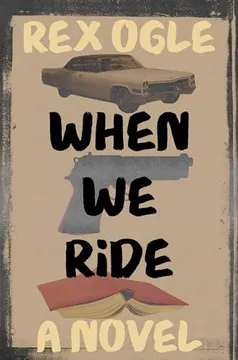


Plot Summary
Prologue
Diego Benevides is pinned against a wall while armed men search for money Lawson owes their supplier. A gun presses against Diego’s head; another is aimed at Lawson. The danger has a history, and Diego’s thoughts race back through the rides, favors, and compromises that brought him here.
The opening turns an ordinary favor into a question of complicity: how did a boy driving his friend around become a hostage in a drug debt? Its borrowed time structure also makes every earlier choice feel newly charged. Diego’s danger is not a random interruption but the consequence of loyalties that have slowly narrowed his options. The frame invites readers to watch affection and risk accumulate together, while withholding the outcome long enough for friendship itself to become suspenseful.
Brothers Across the Street
At seventeen, Diego works exhausting shifts bussing tables and studies because his mother, who supports them through two cleaning jobs, wants him to become the first in their family to attend college. His closest friend, Lawson Pierce, lives across the street.
They became brothers as children after both fathers left, and Lawson defended Diego from a bully. Now Lawson sells marijuana at school and asks Diego for rides in María Carmen, the aging Cadillac Diego’s mother gave him.
Diego refuses to deal, but accepts Lawson’s gas money, telling himself the friendship and the cash can stay separate. The more Lawson earns, the more Diego sees the gap between his worn clothes and Lawson’s flashy new ones, and the harder it becomes to pretend the money means nothing.
Diego’s ambition is not simply personal advancement. His mother has made education a family project, and every grade carries the weight of their limited money and history. Lawson’s cash offers a competing kind of security, immediate and visible, while Diego’s route promises only a distant possibility. Their childhood bond makes refusal feel like abandonment, so Diego begins by accepting money rather than drugs. That distinction gives him a moral boundary, but also lets him avoid asking whether his help already makes Lawson’s business easier.
The First Uncomfortable Ride
Lawson brings Diego to Christina’s cramped, smoky house to collect marijuana, promising the stop will be brief. Diego waits among baggies, a bong, and people who treat his schoolbooks as a joke; when Christina receives a tense call about money she owes Trent, he senses that the business reaches beyond Lawson’s small hand-to-hand sales.
Back in the car, Diego angrily points out that Lawson wasted his time. Later, Lawson offers him forty dollars for driving. Diego calls it drug money, and Lawson tears the bills in half rather than keep cash Diego rejects. Diego gathers the pieces and searches for tape at home. The gesture does not erase his objection. It shows how quickly their affection turns a practical boundary into a test of loyalty.
The Christina visit enlarges Diego’s understanding before he is ready to act on it. The dealer’s house is not an abstract risk but a lived environment of dependency, debt, and other people’s control. Yet Diego’s protest focuses on lateness and money, concerns he can safely name. Lawson’s destruction of the bills makes refusal emotionally costly: Diego must either accept the cash or wound a friend who feels rejected. Their bond is genuine, but it also becomes the mechanism through which Diego’s limits are negotiated away.
One Hit, Then More
At Lawson’s eighteenth-birthday party, Diego finally takes a puff from a joint, partly because he has long wondered what being high feels like and partly because Lawson asks as a birthday favor. They eat breakfast late at Waffle House, then lie on the Cadillac beneath the stars.
Lawson admits he envies Diego’s discipline and says he might quit smoking marijuana. The next morning he is high again, and his short attempt to stop lasts only when Diego challenges him to prove he can.
Lawson later shows Diego rolls of cash hidden in a shoebox and rejects the idea of leaving dealing. At another party, Diego sees Lawson selling cocaine and learns that Lawson’s girlfriend, Lori, is using it too. When Diego objects, Lawson insists their brotherhood does not make Diego his father.
The birthday scene briefly reverses their usual roles. Lawson sees Diego’s disciplined future as a kind of strength, while Diego’s single experiment lets him feel the ease and belonging he has watched others enjoy. Their honesty under the stars is real, but it does not produce change: Lawson’s next-day relapse reveals the distance between wishing and choosing. Cocaine then changes the moral scale of the friendship. Diego can no longer treat Lawson’s work as harmless teenage rule-breaking, even as Lawson defends his autonomy by excluding Diego from the authority of a parent.
Christmas Divides the House
Lawson arrives at Diego’s house for their Christmas movie tradition visibly high. Diego’s mother, a recovering alcoholic, refuses to let drugs into her home. Diego chooses Lawson and leaves with him, abandoning the holiday meal his mother prepared.
They find an open Chinese restaurant, but Diego soon returns home alone and discovers his mother has gone out. She calls from a bar, and Diego drives her home, helps her through a night of vomiting, and tucks her into bed as she begs him not to repeat her past.
The next day Lawson thanks him for choosing him and gives him five hundred dollars toward college. Diego accepts the gift despite knowing where the money came from. After days of silence, he and his mother reconcile, and he offers to drive her to recovery meetings.
The holiday forces Diego to confront a painful symmetry: Lawson needs him, but so does his mother. Choosing Lawson does not protect either person. His mother’s relapse makes her history immediate rather than merely cautionary, while Lawson’s gift places the cost of his illegal work directly in Diego’s college fund. Diego can neither reject the money without rejecting Lawson nor accept it without compromising his clean distinction between their lives. Reconciliation with his mother begins through practical care, especially transportation, echoing the same form of loyalty that has become dangerous with Lawson.
A Deal for School
After Lawson complains that school offers him no future, Diego promises to keep driving him only if he attends class, studies, and tries to graduate. Lawson agrees and begins working beside Diego in the library and cafeteria, even reading a novel Diego has already finished.
Meanwhile, Diego’s mother secretly relapses with whiskey, but lets him help pour it away and resumes attending recovery meetings. At school, Principal Villalobos tells Diego he ranks twelfth in the senior class and urges him to protect his prospects. Diego learns that Lori, despite her parties, ranks second.
Seeing her achievement complicates his belief that constant work is the only path to success. At a party, Diego drinks vodka for the first time and gets soaked in a pool. His brief wish to fit in leaves his mother frightened and his own carefully guarded identity less certain.
The ride bargain is Diego’s first attempt to convert love into a structure that might help Lawson. It offers accountability without pretending Diego can control his friend. At the same time, Diego’s mother’s relapse exposes the limits of his role as caretaker: he can assist her recovery, but cannot guarantee it. Lori’s academic success unsettles Diego’s equation of sacrifice with achievement, and his own drinking shows that self-control is also a response to fear. His actions are not a simple triumph of discipline; they reveal how much pressure he carries while trying to keep everyone else steady.
Trent Takes Control
When Diego and Lawson find Christina gone, Lawson loses his regular supplier. Soon after, a tattooed man drags Diego from his car and searches him at Trent’s house. Trent explains that Lawson must now sell twice as much, and places a gun on the table to make clear that refusing is not an option.
Lawson says he has to support his mother and pay rent, then asks Diego to keep driving him. Diego agrees, provided Lawson tells him nothing about the business. Their unspoken pact lets Diego pretend ignorance while he continues to provide the car.
Lawson’s drug dealing expands beyond marijuana and cocaine to pills and hallucinogens. When Diego discovers the hidden supply, Lawson admits Trent ordered him to carry it. Neither boy can see a safe way out.
Trent’s gun changes Lawson’s dealing from an entrepreneurial choice into coerced labor, but the coercion does not absolve the harm or remove Diego’s agency. Lawson’s financial responsibility for his household is real; so is the threat that makes refusal dangerous. Diego responds by creating a fiction of ignorance, a compromise that reduces immediate conflict while binding him more tightly to the risk. The story refuses the comfort of a clean moral division: both boys are trapped by unequal circumstances, yet their choices still have consequences for one another.
The Stop on the Road
After Lawson is beaten by rival dealers who steal his cash and supply, he returns to dealing because he must repay Trent. His relationship with Lori continues, and Diego grows closer to Vanessa, who respects his caution without mistaking it for fearlessness.
One night, police pull over María Carmen. Diego believes Lawson is carrying drugs and nearly confesses as an officer searches the car, but the supply is concealed in Lawson’s clothing. The officers find nothing and order them home.
Lawson treats the escape as proof they are safe; Diego feels the arrest that almost happened as a warning. He tells Lawson he cannot keep risking his future. When a college acceptance letter arrives, Diego shares the news with Lawson, but cannot yet say that their rides must end.
The traffic stop makes Diego’s abstract fear bodily: he shakes, imagines arrest, and understands that a clean search is not the same as innocence. Lawson’s protection of him is sincere, but it relies on luck and concealment rather than safety. The contrast between the police search and Diego’s college acceptance sharpens the divergence in their futures. Yet the good news does not free him. His reluctance to set a final boundary shows that success can intensify guilt when it means moving toward a life his closest friend may not share.
No More Rides
Diego finally tells Lawson he will not drive him while he is carrying drugs. Lawson argues that the money keeps him and his mother housed, but Diego holds to the limit. Lawson continues dealing from his home, and Lori breaks up with him, explaining that she must protect her own future.
When Lawson erupts in the hallway, Diego steps between him and a teacher, hoping to calm him. Lawson punches Diego instead, then refuses the principal’s order to return to class and leaves school, convinced graduation was never possible for him.
Diego’s separation from Lawson costs him the daily jokes and companionship that made school bearable. His mother calls Lawson a bad friend, but Diego insists that Lawson is family, even as he recognizes that love cannot make the rides safe.
The boundary is not a revelation that Diego has stopped loving Lawson. It is the first time he refuses to make that love function as logistical support for a dangerous business. Lawson experiences the refusal as abandonment because transportation has become part of his survival system, while Diego sees continued help as a risk to the future he has worked toward. The punch gives physical form to a conflict both have avoided naming. Lawson’s departure from school turns their private disagreement into a public rupture, leaving Diego to hold grief and self-protection at once.
The Last Ride
At graduation, Diego receives his diploma while his mother cheers, and glimpses Lawson near the exit. Later, at a party, they reconnect. Lawson admits he wants a quieter future like the farm he once dreamed about and apologizes for putting Diego at risk.
Diego accepts a ride home after Lawson insists he is carrying nothing. At Lawson’s house, Trent and two armed men burst inside demanding money and drugs. Trent threatens to shoot Lawson or Diego. When Lawson attacks him, the tattooed guard turns his gun toward Lawson.
Diego throws himself between them and is shot in the chest. As Lawson presses his hands against the wound, Diego makes him promise to leave town and try to live differently. The dealer and his men flee, leaving Lawson holding the friend who has repeatedly protected him.
The reunion offers no easy restoration. Diego and Lawson can acknowledge their love and regret, but neither can undo the network of debt that has reached their home. Diego’s final choice fulfills the childhood language of brotherhood in its most literal and devastating form. The act is loving, but it is not presented as a solution to Lawson’s life or a vindication of his choices. The promise Diego extracts shifts the story’s remaining moral burden to Lawson: survival now demands more than remorse.
Westbound Without Diego
After Diego dies, Lawson drives west through the Texas landscape with a duffel bag, food from a gas station, and cash hidden in a shoebox. He cannot stay in the town where Trent remains and Diego’s mother lives across the street. The empty road gives him no clear destination, only distance from the streets and choices that shaped his old life.
He remembers the farm dream he once described to Diego, with a home, a wife, children, and a dog, and wonders whether that future could still exist. Lawson understands that Diego believed in him, and that Diego paid for the time Lawson took to change. He drives on hoping, without certainty, that he can become someone his friend would have been proud of.
Lawson’s departure is a beginning without reassurance. The money in the shoebox can finance escape, but cannot purchase absolution or guarantee transformation. His farm dream gathers the book’s scattered alternatives to the drug economy: useful work, a home, and relationships not organized around fear or exchange. Yet those images remain imagined, not achieved. Ending on the road preserves the ethical difference between promising change and living it. Diego’s belief gives Lawson a direction, but the work of becoming worthy of that belief belongs to Lawson alone.
Analysis
When We Ride makes transportation its central moral image. Diego’s Cadillac carries Lawson across town, but every journey also carries Diego closer to a business he wants to remain separate from. The car is at once a gift from a loving mother, a tool for Diego’s education and work, and an instrument that makes Lawson’s dealing possible. The tension is not resolved by declaring one boy good and the other bad. Diego has options Lawson lacks, including academic standing and a college acceptance; Lawson feels responsible for a household with little money and faces direct coercion from Trent. Their differences are real, but so is the affection that keeps them together.
The novel is especially attentive to how care can be distorted by unequal need. Lawson’s requests sound small because each is only a ride, a favor, or a promise to study. Their cumulative effect is larger: Diego becomes responsible for risks he did not choose, while Lawson comes to treat help as proof of brotherhood. Diego’s eventual refusal is therefore an act of care that feels like betrayal to both of them. The book does not simplify that pain into a lesson about choosing oneself. Diego protects his future, but he cannot make Lawson safe through love, rules, or sacrifice.
Their mothers shape the boys’ ideas of adulthood. Diego sees his mother’s recovery as a reason to stay controlled and dependable. Lawson sees his own mother’s financial hardship as a reason to earn money immediately, whatever the danger. Both are trying to protect family, yet the pressure to become providers narrows their sense of what choices are available. The ending leaves Lawson’s transformation uncertain. His dream of farming offers an image of a life built through patience and care, but it remains a possibility he must choose, not a promise the story can make for him. Diego’s education opens a way forward for one friend; his death forces the other to decide whether he will follow it.
Review Summary
When We Ride is a powerful novel-in-verse about two friends on diverging paths. Diego strives for college while Lawson deals drugs. Readers praise Ogle's masterful storytelling, emotional impact, and exploration of themes like loyalty, addiction, and socioeconomic struggles. The book is lauded for its relatability, important messages, and ability to resonate with young adults. Many reviewers were deeply moved, describing it as heartbreaking yet essential reading. The verse format enhances the narrative, making it a quick but profound read that lingers long after finishing.
Characters
Diego Benevides
The careful future-seekerSeventeen-year-old Diego is a Mexican American student who studies relentlessly, works at a diner, and helps his mother keep their household afloat. His father left when he was young, and Lawson, the neighbor who defended him, became the brother he never had. Diego’s habits of reading, saving, and avoiding alcohol reflect both ambition and a fear of repeating his mother’s past. He wants college not as an escape alone, but as proof that their family’s effort can open another path. His loyalty is deep and practical: he gives rides, helps at home, and tries to guide Lawson. Learning where care ends and complicity begins is his central struggle.
Lawson Pierce
The charming risk-takerLawson is Diego’s childhood friend and chosen brother, a charismatic teenager whose confidence makes him popular and effective at selling drugs. His father is gone, and his mother struggles to pay rent, leaving Lawson convinced that he must provide for their household. He values loyalty intensely and protects Diego, but also expects Diego’s help even when the danger grows. Lawson’s humor, generosity, and flashes of self-awareness coexist with failing grades and a readiness to dismiss long-term consequences. He is not merely a reckless foil to Diego: his choices are shaped by poverty, masculine pressure, and the immediate rewards of dealing, even as he remains capable of imagining a different life.
Diego’s mother
The hard-working believerDiego’s mother works two cleaning jobs and spends Sundays at church and recovery meetings. She is a recovering alcoholic whose earlier drinking contributed to the family’s fracture, and she fears Diego will inherit the same struggle. Her insistence on college comes from having missed that opportunity herself, though she does not always see the financial and emotional burden her hopes place on him. She gives Diego her old Cadillac, takes on bus travel so he can use it, and repeatedly urges him to build a future beyond their neighborhood. Her love is both fierce and fallible, rooted in effort rather than ease.
Lori
The ambitious girlfriendLori is a wealthy, academically accomplished student who dates Lawson and moves comfortably through parties. Her polished life can make Diego feel that success comes more easily to people with money and support. She also has her own pressures, including a demanding father and the expectation that she excel. Lori cares about Lawson, but worries about his drug use and tries to persuade Diego to intervene. Her character complicates simple judgments about privilege: she has resources Diego lacks, yet achievement and family pressure weigh on her too.
Vanessa
The thoughtful new connectionVanessa is Lori’s friend and Diego’s classmate. Their shared interest in books gives Diego a connection beyond Lawson’s orbit, and her kindness at parties helps him feel less like an observer. Vanessa recognizes Diego’s academic strengths without reducing him to them. Her presence hints that he can form relationships and enjoy his peers while remaining true to his own boundaries.
Trent
The armed supplierTrent supplies drugs through Christina and exerts control over the people who sell for him. He uses debt, escalating demands, and the threat of violence to make refusal dangerous. His presence reveals that Lawson’s business is not an independent hustle but part of a hierarchy where the people with the least power bear the most immediate risk.
Christina
Lawson’s local supplierChristina is Lawson’s marijuana connection and a link between his school-level sales and Trent’s larger operation. Her cluttered, smoky home and anxious dealings suggest a life already shaped by addiction and debt. She provides Lawson access to supply, while her role also exposes Diego to the danger surrounding his friend.
Principal Villalobos
The cautious mentorPrincipal Villalobos recognizes Diego’s academic promise and tells him he ranks twelfth in his senior class. She warns him that Lawson’s choices could interfere with his future. Her concern is sincere, but Diego resists the implication that friendship can be judged only by its risks.
Plot Devices
María Carmen
A moving line of loyaltyDiego’s aging Cadillac, inherited from his mother, gives him access to work, school, and independence. It also becomes the means by which Lawson reaches buyers and suppliers. Every ride turns a private friendship into a practical contribution to Lawson’s dealing, even when Diego refuses to touch the drugs. The car’s failing parts and Diego’s rituals of care reflect how much he depends on it, while its passenger seat becomes a recurring place where the boys can speak honestly or avoid the truth. The vehicle makes the central conflict tangible: Diego can love Lawson and still decide where he will drive him.
The rides
Help that becomes complicityLawson’s repeated requests for transportation organize the story’s relationship and its moral pressure. At first Diego sees the rides as ordinary care between brothers. As Lawson’s business grows, the same favor connects Diego to drug houses, hidden supplies, and police scrutiny. Diego tries conditions, including requiring Lawson to study, but school effort cannot make dangerous cargo safe. Refusing the rides eventually becomes the clearest boundary Diego can set. The device keeps the conflict concrete: each trip asks whether loyalty means showing up regardless of cost, or whether a friend must sometimes stop helping in the way that friend demands.
Books and school
A map toward another lifeDiego’s reading and academic work represent a future built through patient effort rather than quick money. He shares stories with Lawson, uses books to explain ideas, and measures his progress through grades and college applications. Lawson initially dismisses school, then briefly studies under Diego’s encouragement, making education a fragile point of connection between them. The books also give the boys a language for lives they cannot yet imagine: transformation, social control, moral compromise, and the possibility of tending a different kind of future. School offers Diego a path, but it cannot by itself rescue Lawson or undo the material pressures shaping him.
Download PDF
Download EPUB
.epub digital book format is ideal for reading ebooks on phones, tablets, and e-readers.








