


Plot Summary
The Client in Green Eyes
At twenty-five, Elle James has a respected legal job and a steady arrangement with William Harper, her old law-school friend, but their weekly dinners leave her feeling absent from her own life. Her routine shifts when William brings his client, mixed martial arts fighter Nico Hunter, to Elle’s small firm.
Nico wants to escape an endorsement deal with a company linked to child labor, and Elle sees a possible route through a legal precedent she once studied. His refusal to profit from the company catches her attention; his direct gaze unsettles her more. When Nico asks whether she and William are a couple, their conflicting answers expose the truth Elle has avoided: they have never defined what they are.
Elle’s dissatisfaction is not caused by a villainous partner or a failing career. Her life is orderly and objectively successful, which makes her unease harder to justify and easier to suppress. Nico’s entrance creates pressure precisely because he asks a question that her existing arrangement depends on leaving unanswered. The legal dispute also establishes a revealing contrast: Elle’s expertise can identify an ethical opening in a seemingly airtight contract, while her personal life remains governed by habit. Her first movement toward change begins as professional attention, then becomes recognition of her own passivity.
The Fight She Remembers
After meeting Nico, Elle recognizes him as the fighter she watched thirteen months earlier with her twelve-year-old stepbrother, Max. Nico’s opponent died after a clean strike, and Elle remembers the fighter’s stunned grief more vividly than the crowd or the fallen man. The memory returns with the force of an old wound, yet she accepts Nico’s invitation to dinner.
He takes her by motorcycle to his warehouse home, cooks for her, and talks about growing up among three brothers. His warmth complicates the fear attached to his public image. At her apartment, he leaves without pressing for sex, and Elle turns back to kiss him. The choice exhilarates her, but also makes clear that she is crossing a line she has long kept in place.
Elle’s memory directs attention away from the spectacle of violence and toward the person who must live with its consequences. That emphasis helps explain why Nico’s guilt attracts her before she understands its source. At the same time, the book distinguishes attraction from recklessness: Nico creates room for Elle to choose, and her return for the kiss is her first deliberate act of desire rather than compliance with an established routine. The scene begins a shift from watching life at a safe distance to participating in it, though her revived nightmares show that emotional movement also brings buried pain closer.
The Safe Choice Ends
A text from Nico makes Elle admit what her careful lists cannot: William is kind, but she does not want the relationship she has been maintaining. She ends their arrangement and drives to Nico’s loft, only to find his sister-in-law Lily arriving with groceries. Elle assumes she has interrupted a date and tries to leave, until Nico explains the family connection and brings her inside.
He takes her to dinner, then sends wildflowers after she returns to work. The gestures are small, but they contrast with the emotional distance of Elle’s old routine. When she accepts Nico’s invitation to stay over, she begins a relationship in which she wants both physical closeness and the uncertainty that comes with being known.
The breakup matters less as a rejection of William than as Elle’s refusal to confuse suitability with desire. William has done nothing wrong, so ending the arrangement requires her to take responsibility for her own lack of feeling. Her awkward encounter with Lily briefly exposes how vulnerable this new choice makes her: Elle has acted without guarantees and immediately imagines she has misread Nico. His simple clarification allows her to stay, but does not erase the risk. The flowers and overnight invitation mark a change from keeping intimacy scheduled and contained to permitting another person to occupy ordinary spaces in her life.
A Contract Worth Losing
Elle uses her research and a sharply worded legal letter to persuade Nico’s sponsor to release him from the child-labor-linked endorsement deal, even though leaving costs him a substantial advance and millions in future payment. The decision confirms that his principles are not a pose.
Their relationship deepens as Elle sees him cook, meet his large family, and train Vinny, a troubled teenager Nico is trying to keep focused and in school. Before their first night together, Elle tells Nico she witnessed the fight that ended his opponent’s life.
Nico is shaken, but she stays, and their intimacy becomes an act of trust rather than escape. Meanwhile, Preach, Nico’s longtime trainer, keeps pressing him to return to competition; for the first time, Nico admits he may be ready.
The sponsor dispute gives ethical conviction a tangible price: Nico does not merely express concern about exploitation, he accepts financial loss to avoid lending his name to it. Elle’s work turns legal knowledge into a form of care, while her disclosure about the fight makes clear that care cannot depend on hiding difficult facts. Nico’s response matters because he neither denies the past nor makes Elle responsible for soothing him. The parallel between his mentoring of Vinny and his own dependence on Preach suggests that strength in this story is relational. The fighter who appears self-sufficient is sustained by people who keep showing up.
The Terms Turn Crooked
As Nico prepares for a qualifying bout, a proposed championship contract troubles him: it offers unusually high pay, makes Preach financially liable if Nico withdraws, and lets the organizers name Nico’s opponent only a week before the fight. Elle agrees to inspect the terms.
During a joint deposition, she and William fall back into their effortless professional rhythm; afterward, William kisses her and suggests their relationship could resume. Elle does not accept the invitation, but Nico sees her with William at a bar and marks his place beside her with a possessive greeting.
Their jealousy forces them to discuss the old friendship and the boundaries of their new relationship. Nico keeps training, while Elle studies the contract and realizes the organizers may be using his loyalty to Preach as leverage.
The contract’s danger lies in how it converts affection into financial pressure. By tying Preach’s livelihood to Nico’s participation, the organizers exploit a bond that has helped Nico survive his worst period. The legal language therefore echoes the emotional conflict: both test whether relationships can remain freely chosen under pressure. William’s kiss complicates matters without turning him into a simple antagonist. He represents a familiar life Elle could return to, while Nico’s jealousy exposes his own fear of losing her. Elle’s legal scrutiny and insistence on naming their boundaries show her becoming more direct in both courtroom and private life.
The Cage Takes Its Price
Nico wins his first bout after thirteen months away, but Elle sees that he has held back rather than risk hurting his opponent. Afterward, Preach confronts him, and Nico withdraws from Elle, training through the night until his hands bleed. When she tries to help, he tells her she cannot fix him and calls himself a murderer because the earlier fight ended in a man’s death.
Elle leaves in tears. At her family’s lakeside cabin, her memory returns to the night her father beat her mother and Elle, twelve years old, shot him to stop him. Nico finds her there, but she tells him they are too different and does not let him stay. His victory has reopened both their wounds instead of resolving them.
The first comeback bout separates public success from private recovery. Nico can win and still remain governed by the fear that another strike will make him irredeemable. His rejection of Elle is an attempt to control shame by excluding the person whose judgment matters most, but it repeats the isolation that has kept him stuck. The reveal of Elle’s childhood reframes her empathy: she is not merely compassionate toward guilt, she has lived inside it. Yet shared pain does not automatically create intimacy. Her decision to leave Nico at the cabin insists that understanding must be met by willingness, not only by similarity.
A Past Kept Silent
Nico drives to the cabin to apologize, but Elle refuses his attempt to restart their relationship, believing he would judge her if he knew what she had done. Back in the city, she meets William for a client dinner.
Nico sees them together, leaves without confronting her, then realizes he is surrendering the relationship out of fear. He goes to Elle’s apartment and asks for another chance. She lets him in. The next day, she tells him the whole truth: her father repeatedly abused her mother, and Elle killed him while trying to stop a final attack.
Nico listens and holds her instead of withdrawing. For the first time, Elle lets someone share the burden she has carried alone, and Nico accepts that his own guilt does not make him incapable of loving her.
This reconciliation depends on a distinction between confession and absolution. Elle does not tell Nico her history because she expects him to declare her innocent; she tells him because concealment has made closeness conditional. Nico’s earlier certainty that he is beyond forgiveness had made him unable to receive help, while Elle’s silence was organized around the same fear of being seen and condemned. Their exchange does not erase either act or its consequences. Instead, it replaces private self-sentencing with mutual witness. The scene’s emotional force comes from the risk of disclosure and the practical response to it: Nico stays present.
The Lake Holds Them
Nico brings Elle to Preach’s remote lakeside house, where there is no electricity or phone service and no easy way to retreat into work. He explains that the place once held happy memories with his family, but later became tied to his grief after the fatal bout. Together, they return pleasure to the setting, and Nico tells Elle he loves her. She answers without hesitation.
He also accepts that she has helped him move forward, while Elle begins to speak openly about her past instead of treating it as a sealed compartment. Their relationship settles into daily life: shared meals, time with Nico’s family, and Elle’s visits to Vinny and the gym. The lake becomes a chosen place to remember without letting memory dictate the future.
The remote house functions as more than a romantic refuge. Its lack of phones and electricity interrupts the habits both characters use to avoid stillness, making attention to one another unavoidable. Nico’s return also changes the meaning of a place he had associated with collapse. Rather than replacing painful memory with a perfect new one, he adds another experience to the same landscape. Elle’s developing openness follows a similar pattern: she does not erase her past, but stops treating it as proof that she must remain emotionally distant. Their love is presented as a shared practice of making room for difficult histories.
The Brother's Name
The promotion finally names Nico’s championship opponent: Trevor Crispino, brother of the fighter whose death still haunts Nico. The crowd’s reaction tells Elle that this is no ordinary matchup, and Preach confirms the organizers are selling a grudge fight.
Elle searches for a legal way out, but the contract is binding and its penalties would hurt both Nico and Preach. She cannot persuade Nico to withdraw. Before the bout, she brings her friends and family to support him, including Max and Vinny, who idolize the fighter.
Nico tells Elle that she has already helped him more than the fight can. Still, when Trevor enters the cage, Nico must face a man whose resemblance to his brother turns a sporting contest into a test of whether guilt will again take control.
The opponent’s identity makes the contract’s earlier oddities legible: the promotion is not simply arranging a title contest, but packaging unresolved grief as entertainment. Trevor is placed at a structural disadvantage, while Nico is forced to confront the person most likely to reactivate his shame. The legal trap matters because it prevents Elle from solving the crisis through the skill that has helped her before. Her remaining agency is relational: she can accompany Nico, but cannot choose for him. The family gathered around the cage expands the stakes beyond fame or a belt, making the fight a public encounter with private history.
The Last Round
Nico begins strongly, but when Trevor falls in the second round, the sight triggers the memory of the earlier fight. Nico stops protecting himself, and Trevor lands blow after blow. In the final round, Trevor pins Nico down while the arena watches in silence.
Elle climbs onto her seat and shouts for him to get up. Nico sees her, breaks free, and fights with renewed force. He knocks Trevor unconscious in the closing seconds. The paramedics confirm Trevor is alive, but Nico cannot celebrate.
Backstage, photographers and ring attendants crowd him while he withdraws into shock. Elle takes him home, where he remains sleepless and distant. The victory has secured his championship, but its emotional cost leaves both of them facing another stretch of uncertainty.
The decisive shift occurs before Nico wins: he recognizes Elle and chooses to act rather than accept punishment. Her shout does not magically cure his trauma or make violence harmless; it interrupts the fatal logic that he deserves to suffer. The fight’s choreography makes this distinction visible. Nico first freezes when Trevor falls, then responds when connection breaks through his self-condemnation. Trevor’s survival prevents the scene from repeating the earlier tragedy, but it does not grant Nico immediate relief. The novel resists treating a championship belt as psychological closure. Public triumph and private distress occupy the same moment.
Forgiveness Is Chosen
After the fight, Nico shuts everyone out, and Elle eventually leaves rather than force him to accept care. She asks Trevor to visit him. Trevor explains that his brother’s medical condition made the fatal outcome possible and that the family does not blame Nico; he also admits the championship fight gave him a chance to establish himself.
Nico begins to see that self-punishment is not owed to the dead. At Elle’s grief-support meeting, he speaks openly about the fight and recognizes that no one else can grant the permission he has been withholding from himself. He finds Elle there, and they reunite. His recovery begins not with certainty that he deserves peace, but with the decision to stop treating pain as a sentence.
Trevor’s visit supplies information Nico could not generate through remorse alone: the other family’s understanding and the medical context of the earlier death. Yet the novel avoids making this a clean absolution. Nico’s crucial recognition comes at the support meeting, where he understands that he has been enforcing his own isolation. Speaking publicly turns guilt from an unanswerable private loop into something he can share and examine. Elle’s choice to leave and later meet him there also matters. She offers support without accepting the role of rescuer, leaving Nico responsible for taking the next step himself.
Epilogue
Six months later, Nico opens a women’s self-defense center inside his gym, working with a battered-women’s shelter and asking Elle to help teach. The project gives their shared history a practical consequence: he cannot undo what happened to her, but he can help women build ways to protect themselves.
They marry after Nico proposes privately, then honeymoon in Kauai, where Elle sees his shadow joined to hers rather than chasing her. Their life continues through family dinners, training, and new fights that no longer define them only by past pain. Elle’s mother gradually becomes able to attend celebrations, while Nico remains champion and builds a future around the people who helped him return to himself.
The epilogue gives recovery a visible form without suggesting that a loving relationship cancels trauma. Nico’s self-defense center converts his helplessness about Elle’s childhood into useful work, but its purpose is forward-looking rather than reparative fantasy. The marriage similarly formalizes a bond they have already built through disclosure, boundaries, and daily care. The image of their joined shadows answers Elle’s opening fear of being followed by the past: the shadow remains, but it no longer belongs to her alone or dictates where she can go. The later scenes emphasize repetition and community, not a single miraculous cure.
Analysis
Worth the Fight treats recovery less as the disappearance of memory than as a change in how memory governs action. Elle and Nico each carry an event they believe defines their moral identity. Elle protects herself by keeping her childhood history unspoken; Nico treats the consequences of a fight as proof that he should withdraw from the cage and from intimacy. Their parallel is meaningful, but the novel does not make their experiences interchangeable. Elle’s disclosure can help Nico feel less alone, yet he still has to choose whether to accept that help. Likewise, Nico’s love does not absolve Elle; it gives her a relationship in which she can be known without being reduced to her worst moment.
The story also questions the cultural appeal of turning pain into spectacle. The promotion converts Nico’s guilt and Trevor’s family connection into a profitable grudge match, while the audience first cheers and then falls silent when Nico stops fighting back. The championship’s commercial logic cannot account for the emotional consequences borne by the people inside the cage. The contract’s clauses make that exploitation concrete: financial penalties bind Nico through his loyalty to Preach, and a late opponent announcement allows the organization to shape the conflict for attention.
Against that machinery, the novel offers forms of care grounded in action. Elle researches contracts, brings Nico to family gatherings, and eventually asks him to share the truth. Nico cooks, trains Vinny, and builds a self-defense center with the battered-women’s shelter. These gestures matter because they turn recognition into responsibility. Their ending does not promise that the past can be undone. It suggests that the past becomes less absolute when people can speak about it, accept help, and build something useful in its wake.
Review Summary
Worth the Fight received mixed reviews, with many praising the chemistry between Nico and Elle and the emotional depth of their backstories. Readers enjoyed Nico's alpha male persona and the steamy romance scenes. Some found the writing style lacking and the plot predictable. Critics noted shallow characterization and overuse of clichés. Overall, fans of MMA fighter romances appreciated the balance of heat and heart, while others felt it fell short of expectations. The book's themes of forgiveness and overcoming past trauma resonated with many readers.
Characters
Elle James
The careful risk-takerElle is a young lawyer at a small firm who is good at noticing the opening in a contract and less practiced at recognizing what she wants. Her orderly routines and long-standing arrangement with William keep her emotions manageable, but they also leave her feeling detached from her own life. She is observant, dryly funny, and protective of the people she loves, with a habit of converting painful feelings into work. Her development depends on learning that honesty is not the same as surrendering control. She moves toward intimacy by making choices she cannot fully predict, while retaining the intelligence and independence that first drew Nico to her.
Nico Hunter
The guarded championNico is a celebrated mixed martial arts fighter whose intimidating physique and reputation conceal a thoughtful, attentive man. Raised by a single mother alongside three brothers, he values loyalty and tends to express care through practical acts, from cooking to mentoring young fighters. His confidence in the cage contrasts with his difficulty living alongside guilt and uncertainty. Preach’s long mentorship and Nico’s care for Vinny reveal how much he depends on chosen family, even when he resists help. Nico is drawn to Elle because she is direct, clever, and emotionally alive; his challenge is to accept support without mistaking vulnerability for weakness.
William Harper
The dependable old friendWilliam is Elle’s former law-school classmate and longtime friend, a polished attorney from a family of lawyers. He prizes professional stature, courtesy, and predictability, and his ease with clients makes him effective in the world he has inherited. His relationship with Elle is built on genuine affection and shared work, though their familiar arrangement avoids difficult questions about desire. William is neither careless nor cruel; his appeal is precisely that he offers a stable life. His presence helps clarify that a good person can still be the wrong partner when comfort has replaced emotional connection.
Regina
Elle's candid anchorRegina is the receptionist at Elle’s firm and her closest friend, known at work for her warm manner and unexpectedly sultry phone voice. She reads Elle with unusual accuracy and refuses to let politeness obscure what her friend is feeling. Her own history of grief gives her hard-won insight into the cost of keeping pain private. Regina can tease, cajole, and offer blunt advice, but her support is never abstract: she accompanies Elle through difficult moments and protects the confidence Elle has entrusted to her.
Preach
The veteran trainerPreach is Nico’s longtime trainer, mentor, and steady presence at the gym. He understands Nico’s habits well enough to challenge him, and his bluntness is balanced by a deep, almost parental loyalty. Preach trains fighters, runs a demanding gym, and offers refuge at his remote lake house. His confidence in physical discipline sometimes leads him to believe that pushing through is the answer, even when Nico’s struggle is emotional. He represents both the strength and limits of mentorship: he can prepare Nico’s body and stand by him, but he cannot do the inner work in his place.
Vinny
The young fighterVinny is a thirteen-year-old boy Nico trains after school. His home life is unstable, and fighting has already caused trouble at school, but he is energetic, competitive, and hungry for direction. Nico gives him structure through workouts and coaching, while Nico’s family offers additional support. Vinny’s devotion to Nico is visible in the shirt he makes for a fight and in the intensity with which he watches from the stands. His story shows that discipline and belonging can offer a young person alternatives without pretending that a difficult home disappears.
Lily
Nico's teasing sister-in-lawLily is married to Nico’s older brother Joe and works in Nico’s gym business. She is warm, playful, and quick to notice when Nico is behaving differently around Elle. Her teasing helps make his growing attachment visible to the people closest to him, while her easy welcome gives Elle a first glimpse of the Hunter family’s affectionate chaos. Lily is perceptive without being intrusive, and her humor softens the blunt advice the family gives Nico.
Joe Hunter
Nico's blunt older brotherJoe is Nico’s oldest brother, a family man who is comfortable teasing Nico and confronting him directly. Their banter carries the ease of a close-knit family that has argued and made up for years. Joe understands how much the cage matters to his younger brother, but he does not confuse encouragement with gentleness. He and Lily help introduce Elle to the wider family, whose noisy affection contrasts with the controlled reserve she has built around herself.
Trevor Crispino
The rival with a stakeTrevor is a fighter whose place in the championship contest is shaped by his family connection to Nico’s past. He is ambitious and understands that a high-profile bout can establish his name, even when the promotion sells it as personal revenge. Trevor’s perspective complicates Nico’s assumptions about what the fight means to the other side. He is not simply a symbol of danger; he has his own career to build and his own understanding of the loss surrounding the contest.
Frankie Crispino
Trevor's fighter brotherFrankie is Trevor’s older brother and a fellow fighter whose history intersects with Nico’s. His connection to the championship dispute gives the contest personal weight for both families. He also provides a window into the way fighters admire one another beyond the rivalries staged for an audience.
Max
Elle's eager stepbrotherMax is Elle’s twelve-year-old stepbrother and an enthusiastic MMA fan. His excitement persuades Elle to attend the fight where she first sees Nico compete. He later watches Nico alongside Vinny, revealing the shared admiration that helps bind their families.
Sarah
Nico's devoted nieceSarah is one of Nico’s young nieces, a confident Girl Scout who adores her uncle. She eagerly introduces Elle to her friends and draws Nico into a public appearance he might otherwise avoid. Her uncomplicated affection reveals the gentle, playful side of him.
Elle's mother
A mother rebuilding safetyElle’s mother is a loving but complicated presence in her daughter’s life. Their conversations carry the residue of a painful family history, and she wants Elle to speak openly about what happened. Her own vulnerability makes contact difficult for Elle, even when affection remains. She represents the possibility of connection that trauma can strain without entirely destroying.
Elle's stepfather
The retired police officerElle’s stepfather is a retired police officer who works security at sporting events. He gives Elle and Max tickets to an MMA championship, setting up their first view of Nico in the cage. His steady presence connects Elle’s family life with the public world of fighting.
Leonard Milstock
Elle's old-school bossLeonard is the seventy-five-year-old senior partner at Elle’s small law firm. Untidy, stubborn, and devoted to his daily sausage-and-peppers sandwich, he gives Elle substantial responsibility and trusts her with important clients. His heart procedure briefly forces her to carry more of the practice. Their affection is expressed through teasing and practical concern rather than sentimentality.
Elle's father
A violent family patriarchElle’s father is a once-loving parent whose drinking and violence transform the atmosphere of her childhood home. His conduct shapes the fear and secrecy that Elle carries into adulthood. The contrast between the family she remembers and the home she later endures remains central to her understanding of safety.
Plot Devices
The Weiland Precedent
An ethical exit routeElle once studied a case involving an athlete whose sponsor changed after a merger. Its moral-clause reasoning gives her a way to challenge Nico’s endorsement deal when the manufacturer’s connection to child labor makes the contract morally unacceptable to him. She uses the precedent to frame a public reputational risk, persuading the company to release Nico without a lawsuit. The device establishes Elle’s professional ingenuity and gives the romance an early act of concrete cooperation: her legal work supports a choice that costs Nico money but preserves his principles.
The MMA Cage
A test of controlThe cage is Nico’s workplace, public identity, and arena for unresolved guilt. His earlier bout ended in a death, leaving him unable to separate winning from the possibility of causing harm. His return to competition tests whether physical training can restore confidence, while the later title fight makes his memories physically immediate. The cage also shapes Elle’s relationship to violence: she first enters it as a frightened spectator, then returns to support Nico. It is both a literal sporting enclosure and the setting where the characters must decide whether fear will dictate their next action.
Elle's Returning Memories
Trauma breaks the silenceElle’s vivid memory and recurring nightmares make the past an active force rather than distant background. The sound of the gunshot and the remembered assault return when she is emotionally unsettled, revealing how much she has kept contained. Her delayed disclosure to Nico is not a mystery to solve so much as a measure of how carefully she has protected herself from judgment. Once she shares the story, her memories remain real, but no longer entirely private. The device connects her fear of being seen as monstrous with Nico’s own self-condemnation, allowing each to recognize the other without erasing their different histories.
The Championship Contract
A rigged emotional wagerThe championship contract includes an unusual penalty for Preach and delays naming Nico’s challenger until shortly before the fight. Those terms first appear as legal concerns, then reveal how the promotion can bind Nico through his loyalty to his trainer and manufacture a high-selling grudge match. Elle examines the clauses but cannot find a way to release him without serious financial harm. The contract converts private relationships into leverage and prevents the crisis from being solved by legal cleverness alone. It forces Nico to choose how he will meet the fight, while Elle must support him without controlling his decision.
The Grief Circle
A place to speakThe community grief meetings are where Elle first finds Regina and learns that private suffering can be shared without immediate judgment. Elle keeps her own story hidden there for years, using the group’s presence as support while avoiding disclosure. When Nico eventually attends, he speaks about his guilt in front of others and recognizes that he has been preventing himself from moving forward. The meetings provide neither a legal verdict nor a magical cure. Their function is to give painful experience a social form, making it possible for each character to be heard without requiring another person to declare the past erased.
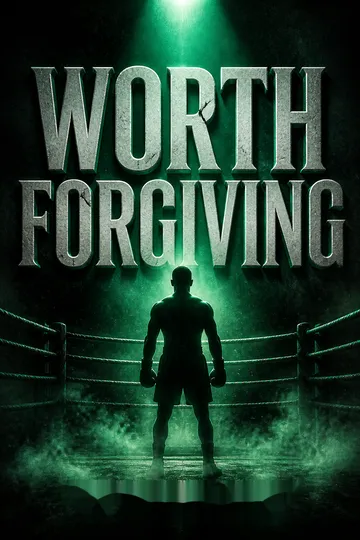
MMA Fighter Series Series
About the Author










Download PDF
Download EPUB
.epub digital book format is ideal for reading ebooks on phones, tablets, and e-readers.








