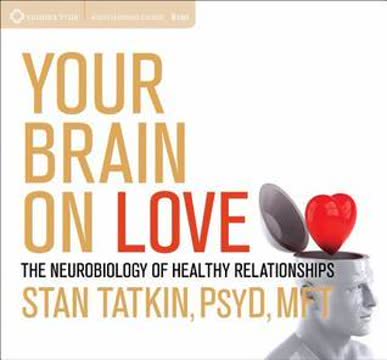
Key Takeaways
1. The Couple Bubble is Your Relationship's Foundation.
Our relationship is more important than my need to be right, your performance, your appearance, what other people think or want, or any other competing value.
Prioritize the partnership. Many couples approach relationships with an "autonomy first" mindset, prioritizing individual needs over the couple's well-being. This often leads to loneliness and conflict, as seen with Jenny and Bradley, who constantly blamed each other. In contrast, a "mutuality first" approach, exemplified by Greta and Bram, fosters a protective "couple bubble" where both partners feel safe, cherished, and accepted.
Mutual guarantees. The couple bubble is a mutually constructed intimate environment that implicitly guarantees unwavering commitment and support. It means agreeing to:
- Never leave or purposely frighten each other.
- Relieve distress, even if you caused it.
- Prioritize the relationship above all competing values.
- Be the first to hear important news.
Rewire for security. Our early childhood experiences shape our relational wiring. If we experienced consistent love and care, we tend to become "anchors" in adulthood. If not, we may develop insecurities that lead us to avoid closeness or harbor ambivalence. The couple bubble offers a chance to rewire these dysfunctional tendencies by consciously choosing to put "we come first" and making explicit agreements to protect each other's safety and security.
2. Understand Your Brain's Wiring: Primitives vs. Ambassadors.
Arguably, though, the brain is wired first and foremost for war, rather than for love.
Survival first. Our brains are primarily wired for survival, making us prone to "war-like" reactions when threatened. These ancient, fast-acting parts of the brain, called "primitives," prioritize immediate safety over nuanced understanding. They operate on a "shoot first, ask questions later" credo, leading to quick escalation of conflict, as seen in Darius and Shenice's explosive arguments.
Meet your brain's diplomats. Fortunately, we also possess more evolved, social parts of the brain, called "ambassadors," which are wired for love and peace. These diplomats include:
- Smart Vagus: Calms us down, enables social engagement.
- Hippocampus: Helps with memory, context, and accurate recall of events.
- Insula: Fosters empathy and self-awareness of body sensations.
- Right Brain: Specializes in nonverbal cues like facial expressions and tone.
- Left Brain: Handles verbal communication, logic, and detailed explanations.
- Orbitofrontal Cortex: The moral and empathic center, capable of talking primitives down.
Ease the primitives. When primitives like the amygdalae (threat detectors) and hypothalamus (stress response) take over, they trigger fight, flight, or freeze responses, shutting down rational thought. Learning to identify these primitive reactions in yourself and your partner is the first step. By consciously engaging your ambassadors—taking deep breaths, modulating your voice, or offering a friendly gesture—you can ease the primitives and prevent love from turning into war, keeping the relationship alive.
3. Know Your Partner's Relational Style: Anchor, Island, or Wave.
Most partners audition for relationships fully unaware of who they are and how they are wired to relate in a committed couple universe.
Stable relational styles. Despite claims of ignorance, each person has a stable relational style, largely set in early childhood, that dictates how they approach intimacy and dependency. These styles influence everything from physical proximity to emotional expression. Understanding these styles is crucial for effective partnership.
Three primary styles:
- Anchor (Secure): Like Mary and Pierce, anchors are secure, adaptable, and resilient. They value mutual respect, easily give and receive affection, and are comfortable with both togetherness and separation. They had caregivers who were attuned and responsive, fostering a strong sense of self-worth.
- Island (Insecure-Avoidant): Like Chiana, islands prioritize alone time, often confusing it with true independence. They may deny dependency needs, struggle with emotional expression, and avoid conflict or past issues. Their early experiences likely involved unresponsiveness or dismissiveness from caregivers, leading to a fear of intrusion.
- Wave (Insecure-Ambivalent): Like Jaden, waves are preoccupied with fear of abandonment and ambivalence about closeness. They alternate between seeking intense connection and pulling back, often due to unresolved past injustices. Their childhood may have involved inconsistent affection, leading to a deep-seated fear of rejection.
Acceptance, not change. The goal isn't to change your partner's fundamental wiring, but to understand and accept it. Trying to force a partner to be different will only increase insecurity. Instead, use this knowledge with compassion to support their growth. By being "unapologetically yourself" while ensuring your partner's safety, and encouraging them to do the same, you foster an environment where both can gradually become more secure, regardless of their initial style.
4. Become an Expert: Please and Soothe Your Partner's Core Vulnerabilities.
Partners who are experts on one another know how to please and soothe each other.
Identify core vulnerabilities. Every person carries a handful of deeply rooted vulnerabilities from childhood that, when triggered, make them feel bad. These aren't numerous; typically, there are only three or four. For example, Simon's fear of abandonment and Peggy's belief she has to do everything alone stemmed from their difficult childhoods. Not knowing these "bad things" leaves couples like them constantly pushing each other's buttons.
Discover the antidotes. Just as there are specific triggers for distress, there are specific "antidotes" that can reliably please and uplift your partner. These are the "three or four things that make your partner feel good." Paul, for instance, knew Barbara's vulnerability around loss and self-worth, so he consistently affirmed her as a mother and expressed his unwavering commitment. This isn't about generic compliments; it's about targeted affirmations that address their specific "missing pieces" from childhood.
Mutual management. Being an expert means being a "competent manager" of your partner's emotional state, much like a parent soothes a child. This involves:
- Rapidly repairing damage by acknowledging distress and offering specific comfort.
- Proactively preventing problems by regularly providing positive affirmations.
- Observing your partner's reactions to gauge effectiveness, rather than asking.
This mutual expertise creates a powerful attraction, making each partner indispensable and fostering a secure couple bubble where self-esteem and self-worth are continually reinforced by the other.
5. Master Launchings and Landings: Rituals for Connection.
Your partner has the perfect opportunity now to have that secure base again, or for the very first time…with you!
Crucial transitions. The daily transitions from sleep to wake ("launchings") and wake to sleep ("landings") are critical for emotional well-being and relationship health. Many individuals struggle with these times, experiencing heightened depression or anxiety. A partner can serve as the best antidepressant or antianxiety agent by providing a secure, soothing presence during these transitions.
Synchronize your rhythms. Couples with disparate sleep-wake patterns, like night owl Noah and early bird Isabella, often experience increased arguments and decreased quality time. While individual circadian rhythms exist, making an effort to coordinate sleep schedules or at least create shared rituals can significantly improve relationship satisfaction. Rebecca and Vince, despite busy lives, prioritize putting their children to bed together, then enjoying quiet time before sleep, and waking together.
Intentional rituals. Simple, consistent rituals can transform these transitions into moments of connection:
- Bedtime rituals: Gazing into each other's eyes, reading aloud, gentle touch, expressing gratitude, or even shared orgasms.
- Morning rituals: Lounging together, sharing coffee, discussing the day, or mutual affirmations.
- Reunion rituals: The "Welcome Home Ritual" involves embracing until relaxed, making eye contact, and releasing tension before engaging in other tasks.
These rituals, even brief ones, fill your partner's "tank" with security and confidence, ensuring they feel connected and supported, whether launching into the day or landing back home.
6. Be Each Other's Primary Go-To Person: 24/7 Availability.
I submit to you that the most powerful sustenance available to us is another person who’s interested and who cares.
The ultimate tether. In a complex world, having one person you can always count on—your "go-to person"—provides unparalleled sustenance and security. This adult tethering should be symmetrical, meaning both partners are equally available and reliant on each other. Marsha and Brian initially struggled, each confiding in outsiders, until Marsha's crisis pushed them to realize the need for a deeper, exclusive connection.
A mind to know mine. A secure relationship thrives on complete openness, where partners share everything without reservation. This means no "private compartments" for money, secrets, or even fleeting attractions. Eden and David exemplify this, sharing even "weird" thoughts or workplace flirtations, fostering trust and preventing jealousy. This shared mental space acts as an "auxiliary brain," allowing partners to collaboratively solve problems and support each other more effectively than either could alone.
The 24/7 agreement. A core tenet of the couple bubble is a literal 24/7 hotline to each other. This means being cheerfully available at any time, for any reason—from a minor itch to a major anxiety. This "high maintenance" approach, though counter-cultural, signifies a willingness to go the extra mile for mutual benefit. It reinforces the profound assurance that you are not alone and have an unwavering tether to your most important person, fostering deep security and love.
7. Protect Your Couple Bubble: Integrate Outsiders Wisely.
If you and your partner are unified and secure with one another, your children, extended family, guests, and even pets will naturally attune to you.
The threat of the third. Humans are fundamentally creatures of twosomes, and any "third" – be it a person, object, or task – can intrude on the couple bubble. Couples who handle thirds poorly often marginalize their partner, creating "unholy alliances" with outsiders. This can lead to feelings of betrayal and insecurity, turning neutral elements into sources of conflict.
Strategic inclusion. A strong couple bubble allows for healthy integration of outsiders, amplifying positive aspects of the relationship. This requires:
- Making your partner number one: Consistently reminding them they are your priority.
- Unified front: Presenting a united stance, especially with in-laws or children. Perry and Landa, for example, plan strategies for family gatherings, using subtle signals and controlling seating to maintain their solidarity against potential stressors.
- Mutual support: Neither partner should be left feeling like a "third wheel." When children, like Suzanne and Klaus's, pit parents against each other, it destabilizes the couple. Perry and Landa, however, maintain their bubble by supporting each other in parenting, even using humor to diffuse tension.
Fidelity beyond sex. Infidelity, whether sexual or emotional, is the most obvious breach of the couple bubble. It includes sharing secrets with outsiders, excessive flirting, or prioritizing pornography over your partner. A secure couple views fidelity as synonymous with protecting their mutual safety and security. Landa's early confession of a transgression, and Perry's subsequent trust, allowed them to build a stronger, more resilient bond, demonstrating that honesty and repair can overcome even significant breaches.
8. Learn to Fight Well: Win-Win Solutions, Not War.
I can honestly say that if you learn to fight well, you and your partner will be happier together, and your relationship will feel more secure.
Fighting is inevitable, mastery is key. No relationship is free of conflict; in fact, a lack of fighting can be suspicious. The goal isn't to avoid fights, but to "fight well," transforming potential destruction into strengthening the couple bubble. This means engaging your ambassadors to manage your primitives, ensuring that conflict leads to mutual understanding and deeper connection, not lasting damage.
Strategies for smart fighting:
- Wave the flag of friendliness: Use a friendly smile, touch, or reassuring tone to de-escalate mounting distress, engaging the smart vagus and orbitofrontal cortex.
- Stop the "blah-blah-blah": When arguments devolve into endless accusations or rehashing old grievances, recognize that primitives are in control. Stop speaking, condense your point, and communicate briefly and sweetly.
- Stay in the play zone: Approach conflict with a spirit of playfulness, where no one is a loser. This requires trust in the relationship's resilience and a willingness to relax your guard, knowing both partners will emerge intact.
- Read your partner: Maintain continuous eye contact and close proximity during discussions to accurately gauge emotions and intentions, preventing misunderstandings that digital communication often exacerbates.
Negotiate for mutual wins. Smart fighting aims for win-win solutions, where both partners feel good about the outcome. This involves:
- Fair negotiation: Like Donna and Sean, openly discuss desires and find compromises that feel meaningful and worthwhile for both, even if not perfectly symmetrical in the moment.
- No sweeping under the rug: Address difficult topics directly and quickly, even if uncomfortable, to prevent grudges from forming.
- Transform bad memories: Actively work to repair injuries and convert negative experiences into positive ones before they become entrenched in long-term memory.
By fighting smart, couples ensure their ambassadors remain in charge, fostering a thriving relationship where conflict strengthens, rather than erodes, their bond.
9. Rekindle Love Up Close: The Power of Eye Contact and Near Senses.
Lust is at a distance, but love is up close.
Don't confuse lust and love. Many couples, like Viktor and Tatiana, mistakenly rely on distant gestures or extravagant experiences to rekindle romance, failing to address the underlying lack of intimacy. Lust often thrives on novelty and distance, appealing to our primitives' appraisal of superficial familiarity. True love, however, is cultivated and rekindled through close, personal engagement.
The ambassadors' appraisal. When we engage in close proximity (within 2-3 feet), our "near senses" become active, allowing our ambassadors to truly appraise a partner:
- Close-up visual stream: Focuses on the fine muscles of the face, kaleidoscopic skin tone, and the dancing pupils of the eyes.
- Smell: Detects subtle neuroendocrine scents of friendliness or arousal.
- Touch: Brief or sustained physical contact.
- Implicit sense perceptions: The indescribable energetic connection.
The magic of mutual gaze. The eyes, miraculously immune to aging, offer a direct window into a partner's essence and nervous system. Sustained eye contact, or "moments of meeting," can lead to profound relaxation, safety, and here-and-now engagement. It reintroduces a sense of "stranger-ness" and novelty, preventing dulling familiarity and reigniting the sparks of love, as Kent and Sandra discovered after 25 years.
Overcoming aversion. Islands and waves may struggle with close-up interactions. Islands, like Judd, might develop an aversion to close gazing or touch due to childhood misattunement, leading to feelings of irritation or shame. Waves, like Consuela, might crave closeness but perceive rejection, leading to withdrawal or seeking validation elsewhere. However, with a "competent manager" partner and intentional practice, these aversions can be overcome. By consciously engaging in eye contact and other near senses, partners can short-circuit primitive defenses and rewire their brains for a more loving, intimate response, even when tensions are low.
10. Your Partnership is Your Healthiest Investment.
Our relationships with others, and especially our primary committed relationship, strongly influence our allostatic load, by either reducing or increasing it.
The cost of hidden stress. Life's adaptations accumulate as "allostatic load," a physiological price paid across cardiovascular, autoimmune, inflammatory, and metabolic systems. Unacknowledged relationship stress, like the constant threats and contempt between Ralph and Lorraine, significantly increases this load, leading to depression, anxiety, and physical illnesses. Many couples deny relationship stress, creating a blind spot that undermines their health.
Love's healing power. A secure, committed partnership is a powerful antidote to allostatic load, actively reducing stress and promoting healing. This is because intimate connection triggers the release of beneficial neurochemicals:
- Oxytocin: The "bonding hormone," released through touch, eye contact, and orgasm, reduces stress and fosters feelings of connection and trust.
- Vasopressin and Endorphins: Also released during intimacy, these contribute to well-being and pain reduction.
Intentional healing practices. To leverage your partnership for optimal health and happiness, actively engage in practices that foster connection and reduce stress:
- Touch: Regular hugs, hand-holding, and massage.
- Eye Contact: Sustained mutual gaze to release oxytocin and deepen connection.
- Sex: Orgasms are powerful stress reducers and bonding agents.
- Play: Rough-and-tumble play, humor, and shared fun.
- Sleep: Co-sleeping, when secure, can reduce stress and improve sleep quality.
- Food: Sharing meals and eating together.
- Shared Meaning: Cultivating common purpose, values, and rituals.
By consciously investing in these aspects of your relationship, you transform it into a powerful healing force, ensuring both partners live happier, healthier, and more resilient lives.
Last updated:
Similar Books