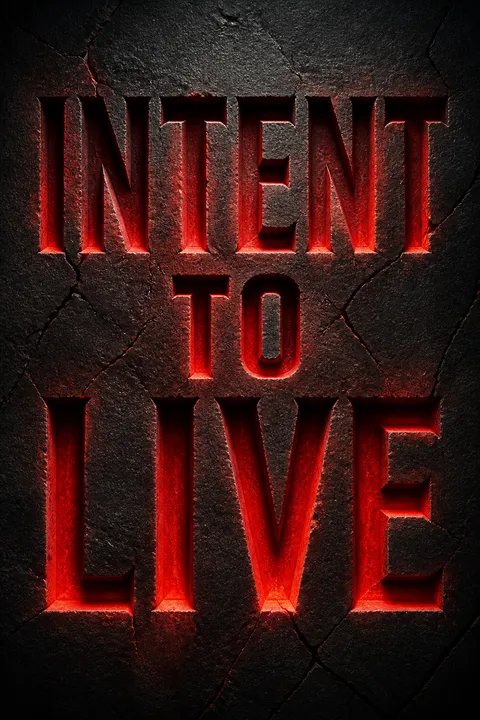


Key Takeaways
Use technique to make the audience forget there is technique
Craft serves aliveness. Larry Moss’s aim is not to make actors display emotion, but to build performances that feel like people living through events. As a boy, he watched James Dean in East of Eden and felt he was seeing a life, not a performance. That experience set the book’s central standard: acting should carry an audience into a character’s world.
Talent needs tools. Moss was told he could not sing or act, yet training helped him turn flashes of ability into repeatable skill. Script study, imagination, voice, and physical work are not academic extras. They help an actor work when confidence, mood, or instinct alone is unreliable.
The distinction between showing emotion and creating believable behavior is the book’s most useful premise. It resembles the way skilled musicians practice mechanics so performance can feel unforced. The audience reads more than tears or volume: attention, timing, and physical response help make an invented situation credible. The approach also guards against a common trap, mistaking personal intensity for artistic success. Emotional force matters, but only when it serves the scene and the writer’s design.
Treat the script's facts as bedrock, then interpret above them
Start with evidence. Given circumstances are the facts the script establishes about a person, their history, and the immediate situation. Moss compares the actor’s task to detective work: collect what the text makes certain before deciding what it means. Reading only one’s own scenes can hide crucial information about relationships, history, or events that shape the character’s behavior.
Creativity needs limits. In The Seagull, a student actor made Treplyev attack Nina before his suicide, hoping to refresh the role. Moss argues the choice contradicted the scene: Chekhov gives Treplyev vulnerability and suppressed pain, not an attack Nina could ignore. The actor’s boldness did not deepen the play because it broke the facts supporting it. Interpretation begins after careful reading, not instead of it.
This is a strong model of disciplined invention. In design and science, creativity becomes useful when it responds to constraints rather than pretending they do not exist. A script’s facts function similarly: they narrow the field enough to make a choice legible. Still, facts do not always settle meaning. Stage directions, omissions, and unreliable speech can leave genuine ambiguity. The actor’s job is not to eliminate that ambiguity, but to make a defensible interpretation that remains answerable to the text.
Give every scene a want connected to the character's deepest need
Map the desire. An objective is what a character wants in a scene. A superobjective is the larger desire that drives the whole story and gives the smaller wants direction. Moss calls the linked desires a system of wants. An actor should identify both the immediate goal and the deeper need beneath it, then find the emotional reason that makes the need urgent.
Look beneath anger. In Death of a Salesman, Biff’s attacks on his father can look like simple hostility. Moss reads them as actions driven by a need for love and a wish to save the family. In A Streetcar Named Desire, Blanche’s attempts to charm, blame, or seduce serve her larger pursuit of safety. The desire gives each scene a spine and connects behavior across the play.
A layered account of motivation helps actors avoid flattening conflict into a single emotion. In psychology, people often pursue concrete goals as a way to protect deeper needs such as belonging, safety, or status. That distinction makes contradictory behavior easier to understand: a person can lash out while still seeking connection. The framework is most valuable as a working hypothesis, not a license to diagnose characters with certainty. Multiple needs can coexist, and the text should determine which one is active in a given moment.
Turn resistance into specific behavior, not a display of emotion
Play the method. An intention is what a character actively does to overcome an obstacle and pursue an objective. It is more playable than a general instruction such as be angry or be charming. Moss suggests choosing precise verbs that direct behavior toward another person, then watching how that person responds. A tactic that fails may require a new one.
Try a different tactic. When Martha wants George to engage with her, mocking or baiting him may work better than simply announcing that she feels neglected. In Cat on a Hot Tin Roof, Maggie uses humor, seduction, complaint, and pressure to get through Brick’s resistance. These behaviors are not ends in themselves. They are attempts to change the other person and move the scene.
The emphasis on observable action turns vague emotional direction into a testable choice. It also builds a bridge between analysis and improvisation: an actor can prepare tactics, then adjust according to the partner’s response. This resembles strategic interaction in negotiation, where a person selects a move, observes the result, and updates. One caution is that a list of verbs can become mechanical if the actor performs the label rather than pursuing the need. The behavior has to arise from the relationship, not from a vocabulary exercise alone.
Make the cost of failure concrete before calling the stakes life or death
Specify the loss. Stakes are what a character stands to gain or lose, and how far they will go to get what they want. Saying that a situation is life or death is not enough. The actor must understand what those words mean to this person and what actions the script shows them taking.
Respect the difficulty. When students asked why Hamlet did not simply kill Claudius, Stella Adler had them try to stab a carcass, confronting them with the physical difficulty of violence. The exercise made Hamlet’s hesitation more tangible. Comedy also depends on serious stakes: in Plaza Suite, parents’ desperation to make their daughter’s wedding happen becomes funny because, to them, social standing and money are genuinely on the line.
Specific stakes give behavior weight without requiring melodrama. The carcass exercise is especially revealing because it turns an abstract moral question into a physical action with resistance. That kind of rehearsal can deepen empathy by making the cost of an act harder to dismiss. At the same time, a visceral exercise is not the only route to understanding violence, and it may not suit every performer. Research, imagination, and discussion can also establish the character’s risk while preserving an actor’s psychological safety.
Build inner pictures vivid enough to change what your body does
Give words a world. Inner imagery means the pictures, sounds, sensations, and memories an actor experiences while speaking. Moss argues that images should be specific enough to affect the voice, attention, and physical behavior. They can come from the script, from imagination, from personal memory, or from an imagined situation that creates a needed response.
Imagine beyond autobiography. In Winterset, Mio describes visiting his imprisoned father as a small child. An actor can build the rain, the prison, and the father’s appearance rather than forcing a personal memory that does not fit. For a different tool, Moss describes Rod Steiger imagining stage blood as his daughter’s blood. Such emotional triggers can help access feeling, but the image must support the scene rather than pull attention away from it.
Sensory detail gives actors something concrete to attend to, and it can produce behavior without requiring them to manufacture an emotion directly. This aligns with embodied approaches to cognition, in which perception and bodily response are closely linked. The distinction between imagination and autobiography is important: artistic truth need not be a literal memory. Yet emotional triggers can touch painful material. The technique is most responsible when actors choose freely, stop when overwhelmed, and seek appropriate support rather than treating distress as proof of good work.
Make relationships evolve, including the ones characters deny
Track the changing bond. Moss asks actors to define what another person means to the character at the start of each scene, then notice when that meaning changes. A spouse can shift from trusted partner to suspected betrayer; a stranger can become a confidant. Characters also have relationships with themselves and with people who never appear in the script.
Fill the human gaps. In Lobby Hero, actors Amy Pietz and Aaron MacPherson developed specific histories for the unseen people shaping the scene. Pietz imagined private tenderness with a partner who seemed untrustworthy to others. MacPherson linked his character’s loneliness to his father’s disappointment. Their preparation gave small lines and pauses personal meaning. In-character improvisation can similarly explore a relationship’s past without changing the written scene.
This method treats relationships as dynamic systems rather than fixed labels. That is psychologically persuasive: the same person can feel safe, humiliating, desirable, or dangerous as new evidence arrives. Imagined backstory can also create the emotional continuity that a short script cannot spell out. The risk is overbuilding, especially when invented history starts competing with the text. The most useful additions are selective: they clarify a choice, alter behavior, or make a relationship more specific without becoming a private novel the audience cannot see.
Let place, objects, and sensation shape the character's physical life
Make the body specific. Moss groups physical choices into destination, business, and gesture: where and how a character moves, what they do with their hands or surroundings, and what meaningful physical action reveals their inner life. Weather, work, class, and setting should affect those choices. A character’s body is not decoration added after the emotional work.
Use the world around you. For As Good as It Gets, Helen Hunt found that a waitress’s energy belonged in her feet, which helped generate a distinctive walk for Carol. Cold, heat, drunkenness, or pain can likewise shape breathing, pace, and posture. Objects also need history: a watch, a uniform, or a prop becomes meaningful when the actor knows what it represents to the character.
The book’s insistence on physical specificity counters an overly verbal model of acting. Environments and objects constrain movement, while movement can make an inner state visible without explanation. The idea also transfers beyond performance: people often behave differently in a hospital, workplace, or family home because spaces carry social expectations and memories. Still, physical choices should not be treated as universal symbols. A gesture means what it means in context, and an actor should test whether it clarifies the character rather than merely calling attention to itself.
Prepare meticulously so each performance can still surprise you
Plan, then respond. Moment to moment means staying alert to what is happening now, rather than mechanically repeating a rehearsal choice or anticipating a line. Moss treats preparation and spontaneity as partners: analysis gives the actor a map, while listening lets the actor respond to the scene as it unfolds.
Let the partner change the plan. In Meisner’s Repeat exercise, actors observe and repeat objective details about each other, learning to notice real shifts rather than inventing reactions. In performance, the same attentiveness allows a new impulse to emerge. When Kim Stanley’s scene partner accidentally dropped an apple, she incorporated it into their intimate exchange. The unexpected moment worked because she was present and the action fit the relationship. A spontaneous choice still needs to serve the text.
This is a practical answer to the false choice between control and freedom. Improvisational skill often depends on deep preparation, because familiarity with the material frees attention for new information. The tennis analogy in the book captures that responsive quality: anticipate possibilities, but do not decide the next move before the other person acts. Spontaneity is not automatically truthful, however. The actor’s impulse can reflect ego, distraction, or habit. Listening, shared timing, and fidelity to the scene help distinguish discovery from novelty for its own sake.
Keep training, and make your own material when roles don't arrive
Treat craft as a job. Moss urges actors to keep developing voice, body, emotional range, and script analysis instead of relying on early success or waiting for a director to solve every problem. Stage work offers sustained practice: actors must carry a role through long scenes and complete performances, often eight times each week.
Create your opening. The Story exercise turns a personally significant memory into a performed piece, with the actor playing the people involved. Pamela Gien used a childhood memory of life under apartheid to develop The Syringa Tree, a one-person play in which she portrayed many characters. The lesson is not to exploit pain, but to take creative responsibility: actors can develop material, rehearse it, seek feedback, and build work rather than waiting passively to be chosen.
The book connects artistic ambition to both apprenticeship and agency. Deliberate practice matters because performance requires coordinated skills, not just inspiration; creating material also changes the actor from applicant to maker. The example of Gien shows how a private memory can become a public account through craft, editing, and collaboration. That transformation deserves care: autobiographical material can affect families and communities, and painful experience does not automatically make compelling art. Selection, structure, and consent matter as much as courage.
Analysis
The Intent to Live is a craft manual shaped by memoir, case study, and classroom instruction. Its central claim is that believable acting comes from combining close reading with emotional imagination, physical behavior, and active attention to partners. Rather than treating technique as the enemy of spontaneity, Moss presents preparation as what makes spontaneity safe and specific. His repeated examples, from a student misreading Treplyev to the performers working on Lobby Hero, make abstract principles visible as choices with consequences.
The book is unusually useful because its tools are operational. An actor can ask what the script establishes, what the character wants, what blocks that want, what action might change the other person, and what sensory or physical detail makes the situation real. The concepts also reinforce one another. A vivid image can deepen a relationship; that relationship can clarify stakes; the stakes can shape an intention and its physical expression. The result is a coherent working method rather than a bag of tricks.
Its limits are also worth recognizing. Moss writes with a teacher’s conviction, sometimes presenting techniques as near necessities when actors differ in temperament, training, and access to memory. Emotional triggers and autobiographical exercises can be powerful, but they are not substitutes for therapy, and intense feeling is not a reliable measure of artistic truth. His term blood memory is most useful as a prompt to research cultural history and speech, not as a literal biological inheritance. The book’s strongest safeguard against misuse is its insistence that every choice answer to the text, the partner, and the scene. Its lasting lesson is not to perform a method, but to use methods that help an imagined life become behavior the audience can believe.
Review Summary
The Intent to Live receives overwhelmingly positive reviews, with readers praising its thought-provoking content and practical advice for actors. Many find it inspirational, life-changing, and applicable beyond acting. Reviewers appreciate Moss's conversational style, personal anecdotes, and thorough script analysis techniques. The book is recommended for both experienced and novice actors, as well as writers and directors. Some readers note its value in personal growth and overcoming creative barriers. A few criticisms mention repetitiveness and outdated references, but overall, it's highly regarded as an essential resource for acting and creativity.
People Also Read





Glossary
Given circumstances
Facts established by the scriptThe established facts about a character, their past, and the situation in a scene. These may include location, relationships, prior events, physical conditions, and what the character knows. They provide the evidence on which an actor builds interpretation. A choice may be imaginative, but it should not contradict facts the script makes clear.
Superobjective
The story-wide driving desireThe central desire that propels a character through a play or film. Individual scene objectives connect to it, giving the character’s separate actions a larger direction. It should be specific and emotionally justified, not merely a broad ambition. A character may achieve one superobjective and develop a new one as their circumstances change.
Objective
What a character wants nowA character’s goal in a particular scene, such as winning affection, gaining information, or securing help. The objective gives the actor a reason to act and helps connect the scene to the character’s larger desire. It is not simply an emotion or topic. The actor pursues it through behavior directed toward someone or something.
Intention
An action used to get a wantAn active behavior a character uses to overcome an obstacle and pursue an objective. An intention might involve persuading, teasing, warning, comforting, or provoking another person. The actor tests whether the tactic affects the other character, then may adjust. It describes how the character acts, rather than naming a feeling the actor should display.
Inner imagery
Sensory pictures inside the mindThe internal pictures and sensory impressions an actor builds while speaking or acting. Images may come from details in the script, imagination, or personal experience. When vivid and relevant, they can affect attention, voice, and physical behavior, giving lines a particular inner life. The actor prepares this imagery so it supports the scene rather than distracting from it.
Emotional trigger
A cue that releases feelingA chosen memory, imagined circumstance, sensory detail, or physical action that helps an actor access an emotion required by a scene. Triggers can be personal or invented, and should connect to the character’s situation. Moss recommends building a personal collection of usable triggers, while recognizing that actors need to choose material that they can handle safely.
Moment to moment
Responding freshly in the presentA way of performing that emphasizes genuine attention to what is happening now. The actor listens, notices the partner’s behavior, and responds rather than simply repeating a planned effect. Preparation supplies a foundation, but the performance remains open to change. This keeps a scene alive without granting permission to ignore the script or the character’s circumstances.
Blood memory
Cultural history informing a roleMoss’s term for the inherited and learned cultural context that can shape a character’s language, accent, behavior, and view of the world. It refers to history, family background, and place, not a literal biological mechanism. Actors use research and observation to understand those influences and avoid reducing a culture to a generic accent or stereotype.
Story exercise
Turning memory into performanceA process in which an actor recalls a significant event, reconstructs it through sensory details, tells it to a partner, and then stages it by playing the people involved. The exercise can reveal performance and writing abilities and may develop into a larger work. Its purpose is creative exploration, not a demand that actors expose every painful experience.
Animal exercise
Borrowing specific animal behaviorAn acting exercise in which a performer studies an animal’s movement, breathing, alertness, and physical habits, then adapts selected qualities to a human role. The animal is not a caricature to imitate wholesale. Its behavior provides a source of physical choices that can help make a character distinctive when the choices remain connected to the script.
FAQ
What's The Intent to Live about?
- Comprehensive Guide: The Intent to Live by Larry Moss is a detailed guide for actors, focusing on enhancing their craft through various techniques and tools.
- Acting Techniques: It covers essential aspects of acting, including script analysis, emotional triggers, and character interpretation.
- Personal Insights: Moss shares his personal journey and experiences, offering insights into the emotional and psychological aspects of acting.
- Practical Exercises: The book includes exercises like the "System of Wants" and "Memories of Home" to help actors connect with their characters.
Why should I read The Intent to Live?
- Expert Guidance: Written by renowned acting coach Larry Moss, the book offers valuable insights from his extensive experience.
- Holistic Approach: It combines technical skills with emotional depth, essential for creating authentic performances.
- Practical Tools: Readers gain practical tools and exercises that can be immediately applied to their acting work.
What are the key takeaways of The Intent to Live?
- Given Circumstances: Understanding the "given circumstances" of a character is crucial for shaping their actions and reactions.
- Superobjective and Objectives: Identifying a character's superobjective and scene objectives is vital for driving the performance.
- Emotional Triggers: Using emotional triggers and inner imagery can evoke genuine emotions, making performances more relatable.
What is the "System of Wants" exercise in The Intent to Live?
- Identifying Wants: This exercise encourages actors to list their daily wants, helping them understand their character's motivations.
- Character Connection: By recognizing their own wants, actors can draw parallels to their characters, embodying roles authentically.
- Active Engagement: It promotes active engagement with the character's objectives, enhancing the portrayal of desires.
How does Larry Moss define "given circumstances" in The Intent to Live?
- Foundation of Performance: Given circumstances are the irrefutable facts about a character and their situation, provided by the writer.
- Importance of Text: Thoroughly reading the text is necessary to understand these circumstances, informing character behavior.
- Example from Hamlet: Moss uses Hamlet to illustrate how given circumstances shape a character's actions.
What are "superobjective" and "objectives" in acting, according to The Intent to Live?
- Superobjective Defined: The superobjective is the character's overarching goal or dream driving their actions throughout the play or film.
- Scene Objectives: Each scene has specific objectives that connect to the superobjective, representing what the character wants to achieve.
- Example of Nixon: Moss explains Nixon's superobjective to become the most revered president, with each scene reflecting this goal.
How can I find emotional triggers for my acting according to The Intent to Live?
- Personal Experiences: Identify personal memories that evoke strong emotions, using them as emotional triggers during performances.
- "As If" Technique: Imagine scenarios that could provoke the desired emotional response, even if they haven't happened in real life.
- Physical Gestures: Incorporate physical gestures that align with the emotional state to trigger necessary feelings authentically.
What is the "moment before" concept in The Intent to Live?
- Definition of Moment Before: Refers to the time immediately preceding a character's entrance into a scene, establishing emotional state and intentions.
- Impact on Performance: Creating a specific moment before enhances character authenticity and emotional depth.
- Practical Application: Visualize character experiences leading up to the scene, including physical sensations and emotional triggers.
How does The Intent to Live address physicality in acting?
- Physical Life Creation: Creating a character's physical life through destination, business, and gesture conveys emotional state and intentions.
- Sensory Connection: Physicality should connect to sensory experiences, allowing emotional expression through the body.
- Examples from Performances: Moss provides examples illustrating how physical choices impact character portrayal.
What are the best quotes from The Intent to Live and what do they mean?
- "Good actors are good detectives.": Emphasizes understanding a character's backstory and motivations for effective acting.
- "Every scene is about love.": Reflects the idea that all interactions stem from a desire for connection, underscoring the emotional core of acting.
- "Where you are is who you are.": Highlights the significance of place in shaping a character's behavior and emotional state.
How does The Intent to Live address the differences between stage, screen, and TV acting?
- Medium-Specific Techniques: Discusses how acting techniques vary across mediums, requiring adaptation in performances.
- Rehearsal Processes: Outlines differences in rehearsal time and processes between theater, film, and television.
- Vocal and Physical Choices: Highlights how vocal and physical choices must be tailored to the medium, with film often requiring subtler expressions.
How does The Intent to Live encourage actors to find their unique voice?
- Personal Exploration: Encourages exploring personal experiences and emotions to inform performances, leading to authentic expression.
- Diverse Techniques: Offers various techniques and exercises for discovering individual styles.
- Rejecting Comparison: Emphasizes rejecting comparisons to other actors, celebrating each actor's unique voice and perspective.
Download PDF
Download EPUB
.epub digital book format is ideal for reading ebooks on phones, tablets, and e-readers.








