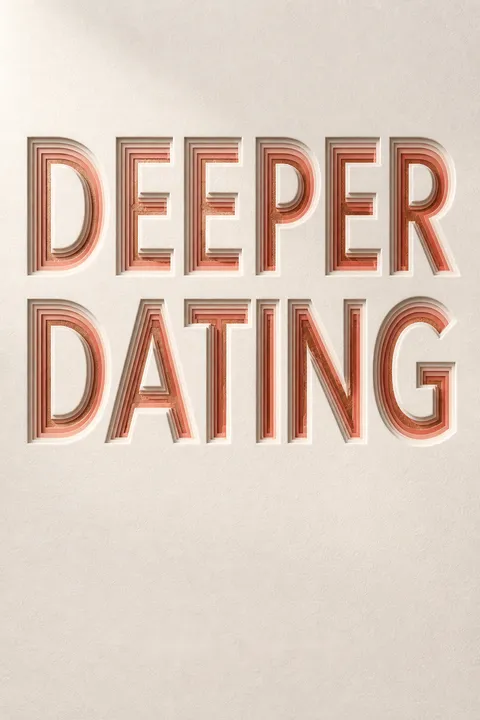


Key Takeaways
Stop marketing yourself; build intimacy by leading with your Core Gifts.
A different dating map. Page argues that lasting love depends less on improving your packaging than on expressing the qualities that make you most deeply yourself. He calls these Core Gifts: sensitive, defining parts of a person that feel joy, hurt, and connection intensely. They are not talents or polished strengths. Kindness, tenderness, honesty, or a strong need for closeness might be gifts, even when someone has learned to hide them as embarrassing flaws.
The author’s turning point. Page spent years trying to get fitter and more confident. Those efforts brought more dates and sex, but not more intimacy. Therapy helped him recognize his tenderness and sensitivity as central qualities rather than defects. He eventually met a loving partner at fifty-one. The book’s central wager is that accepting and sharing such qualities helps people recognize compatible partners, while also making self-criticism less dominant.
This reframes dating from impression management to discernment: the goal is not to appeal to everyone, but to make compatibility visible. That is a useful correction to a culture that can treat a person like a profile to optimize. The idea also has a limit. Authenticity is not a guaranteed magnet, and a cherished trait can still be expressed poorly or meet someone who is simply incompatible. Its practical value lies in pairing self-respect with judgment, not in promising that vulnerability will always be rewarded.
Read your strongest feelings as clues to the self you keep hiding.
Find the center. Page maps intimacy as three zones. The Gift Zone is where someone notices and compassionately holds an authentic feeling, whether it is joy, grief, or longing. The Zone of Protection offers distance through distraction or emotional numbness. The Zone of Disconnection is the painful isolation that can follow prolonged withdrawal. The aim is not to feel everything at full volume, but to move a little closer to honest feeling with care.
Joy and hurt both point inward. Page asks readers to notice what fills their hearts and what repeatedly wounds them. His young son grieved intensely after the family cat died. Rather than shame the depth of his sadness, Page understood it as evidence of how deeply his son could bond. A short pause to name a feeling, then meet it with compassion, is offered as a daily route back toward connection.
The map gives people a practical alternative to labeling themselves needy, cold, or oversensitive. Emotion is treated as information to investigate, not an order that must be obeyed. That distinction matters: sadness can reveal what someone values, but it can also reflect exhaustion, trauma, or depression. The book acknowledges the need for professional support when distress is severe. Its strongest use is as a gentle noticing practice, not a diagnostic tool or a reason to romanticize suffering.
Turn defenses into boundaries by tracing the wound back to its gift.
Follow the pattern. Page calls the link between defenses, pain, and sensitivity the Gift-Wound-Defense Matrix. A defensive move often protects a hurt, and the hurt often concerns a quality the person deeply values. Recognizing that chain can replace self-condemnation with a more useful question: what matters here, and how can it be protected without attacking or disappearing?
Lisa’s remote-control moment. Lisa felt rejected when her boyfriend focused on fixing a remote instead of cuddling. Her familiar response was anger and withdrawal. Beneath that defense was fear that her need for closeness was shameful. She named her longing and asked for contact directly. Her boyfriend responded warmly, and she felt closer to him. The gift was not the anger itself, but her capacity to care deeply about intimacy. The book also insists that gifts need maturity: generosity, for example, may need limits, and passion needs skillful expression.
This framework resembles a useful therapeutic move: translate a reaction into the need or value beneath it, then choose a response that protects the relationship and the self. It can make conflict less mysterious. But explaining a defense does not excuse harmful conduct, and identifying a gift beneath anger does not make every angry interpretation accurate. The important addition is the boundary: the feeling deserves attention, while the behavior still requires responsibility.
Choose the people who honor your gifts, not the ones you must persuade.
Two kinds of pull. Page distinguishes attractions of inspiration, which feel warm and make room for mutual care, from attractions of deprivation, which leave someone chasing attention, reassurance, or basic respect. A deprivation relationship can be intensely compelling because affection arrives inconsistently, much like an unpredictable reward. That intensity can be mistaken for proof of love.
Meryl’s difficult choice. Meryl loved Jeff’s confidence, generosity, and brilliance, but he also criticized her, kept control of the relationship, and dismissed her concerns as oversensitivity. The relationship contained real joy, yet its recurring pattern diminished her. She eventually left. Page does not claim that healthy partners never disappoint each other. He distinguishes ordinary hurts, which both people are willing to repair, from sustained dishonesty, cruelty, manipulation, or unwillingness to take responsibility. A useful test is whether care and respect are consistent enough to build on.
The distinction is valuable because it asks readers to evaluate a relationship by its recurring effects, not only by chemistry or isolated good moments. The comparison to unpredictable rewards helps explain why an unstable bond can feel unusually gripping. Still, no label should replace observing specifics. A rough patch is not automatically deprivation, and a warm beginning does not guarantee safety. The practical question is whether both people can acknowledge harm, change behavior, and contribute to repair.
Use your dating history to identify what your longing is trying to repair.
Old stories shape new choices. Page uses myth of lost love for the private story a person develops about why needed love was absent in childhood, what that absence says about their worth, and how they must protect themselves. The story can keep operating in adult relationships without being consciously chosen. A child who learns that vulnerability brings ridicule may later hide it, then feel drawn to people who also dismiss it.
Debbie’s tender heart and temper. As a child, Debbie showed her aunt a dead butterfly and was laughed at. She responded with fury. Later, she recognized a pattern: her tenderness was often met with shame, and anger became a preemptive defense against being humiliated again. Her history helped explain why she chose partners who could not honor vulnerability. Page suggests looking for repeated patterns in past relationships, then asking which valued quality was neglected or demeaned. The point is understanding the pattern, not blaming former partners or oneself.
This account gives childhood experience a specific role: it supplies expectations about what closeness costs and how to avoid that cost. That can help people see repetition without concluding that they are doomed to repeat it. The caution is against treating a single childhood memory as a complete explanation. Adult attraction has many influences, and retrospective stories can become overly neat. Patterns are best used as hypotheses to test against present behavior, not as verdicts about a person’s future.
Date for inspiration, then give quieter attraction room to grow.
Chemistry is not fixed. Page describes attraction as a spectrum rather than a switch. Someone may not create overwhelming desire at first, yet warmth, admiration, trust, and physical interest can deepen with connection. He points to research in which strangers built closeness through increasingly personal conversation and positive attention. He also draws on Mark and Sarah, whose relationship began with friendship and little immediate physical attraction. Over time, their bond and sexual desire grew into a lasting partnership.
Make room without forcing a feeling. Page is not advising readers to date people they find entirely unattractive or to promise feelings they do not have. The suggestion is to notice a genuine spark, stay curious, and allow time for it to develop. Shared activities, affection, honest disclosure, and attention to what is appealing can help. If attraction does not grow, ending things kindly is fair to both people. No one owes a relationship simply because the other person is good.
This challenges the assumption that immediate intensity is the only reliable signal of romantic potential. It also offers a more active model of attraction: connection can shape desire, rather than merely reveal a finished preference. That is a possibility, not a guarantee. The distinction between a small spark and no attraction at all matters, as do consent and honest communication. Patience is useful when it reflects curiosity, but not when it becomes pressure to override a clear no.
Make bravery practical: show warmth, ask directly, and screen the response.
Turn principles into behavior. Page’s dating advice favors kindness over calculated distance. Show interest when it is genuine, pay attention to how connection feels rather than only scoring a date, share something meaningful, and ask about the other person’s passions. His “squinting” advice means not letting a minor style or appearance issue obscure someone’s character. It does not mean overlooking cruelty, disrespect, or other important warning signs.
Choose better settings. Page urges readers to use friends and family for introductions, attend groups connected to their interests, and approach everyday encounters with more openness. Online, he recommends a thoughtful profile and moving toward a real conversation rather than endless anonymous messaging. Before an event, set an intention that defines success by an action, such as approaching someone or staying kind, rather than by getting a date. The point is to practice being oneself while noticing who responds with mutual interest and respect.
These suggestions shift dating from passive selection to active participation. An intention can make a disappointing event useful by measuring courage or attentiveness instead of romantic outcome. Kindness also functions as a filter when it is freely expressed, not deployed as a tactic to earn affection. Directness should remain calibrated to context: interest can be clear without being intrusive, and a respectful response to rejection is part of the same practice.
When affection vanishes around an available partner, wait out the Wave.
A sudden retreat may be fear. Page calls the Wave of Distancing a temporary pullback from a caring, available person, often expressed as irritation, boredom, fault-finding, or lost desire. He suggests that closeness can activate fear because the other person may reach parts of the self that feel most vulnerable. The resulting impulse to flee can feel like a definitive truth, even when affection returns after some space.
Pause, then reassess. Danny doubted his relationship with Jill during a period when his feelings had faded. A friend reminded him that he had previously described loving her and that she cared for him. The reminder helped him reconnect with his appreciation. Page advises taking space without punishing or provoking the partner, avoiding pressure to escalate commitment, and talking through real conflicts. The Wave is not proof that a relationship is right. If attraction stays absent, or the partner is harmful, leaving may be the honest choice.
Naming a transient state can prevent a temporary emotional shift from becoming an irreversible decision. The idea is especially useful when someone notices a familiar cycle of desire for unavailable people and retreat from available ones. Yet the concept must not be used to dismiss intuition or keep someone in a damaging relationship. The key is to observe what changes after the initial surge passes, while remaining attentive to compatibility, safety, and repeated conduct.
Spend five quiet minutes listening for the next honest step.
Guidance, not prediction. Page calls emotionally resonant nudges Guiding Insights. They may point toward a conversation, a new activity, a needed boundary, or a change that seems unrelated to dating. They do not promise a future partner or a guaranteed outcome. His five-minute practice is to sit quietly, name the longing for love, and repeat words or a prayer that feel personally meaningful. Notice what feelings or ideas arise, write them down, and consider one concrete action.
A life-changing nudge. After seeing a film about care, Page noticed a strong desire to become a father. He followed that insight, adopted his son from Cambodia, and later met his partner through an event for their children. The story illustrates how an inner prompt can widen a life rather than simply solve the problem of finding a date. Page recommends support from trusted people as these insights become actions.
The practice gives longing a place to be heard instead of buried beneath daily tasks or dating tactics. It can support reflection by turning a vague wish into a next step that can be examined. Inner conviction, however, is not proof that a choice is wise or divinely directed. A sound approach treats an insight as a proposal: consider its consequences, compare it with reality, and seek counsel when the decision carries significant risk.
Practice AHA: name the feeling, honor its worth, then act wisely.
A three-part conversation with yourself. Page’s AHA technique means authenticity, honoring, and action. First, identify what is actually being felt. Next, ask why that feeling makes sense and what important value it touches. Finally, choose a response that respects both people involved. The process is designed to avoid two extremes: suppressing a feeling until resentment builds, or acting it out through blame and attack.
Jennifer speaks up. When Douglas repeatedly changed plans, Jennifer felt angry and guilty for caring so much about punctuality. She recognized that reliability was a core value, then told him what the changes meant to her while also acknowledging his kindness and effort. He listened and apologized. Their conversation turned a recurring source of resentment into a chance for greater understanding. AHA does not guarantee agreement. It helps make a concern specific enough to discuss and lets the other person’s response provide useful information.
The method’s strength is its sequence: feeling first, interpretation second, action third. That pause can reduce the chance of confusing an emotional reaction with the whole truth of a situation. It also protects against the opposite mistake, dismissing a concern in the name of being easygoing. The approach works best when honoring includes the other person’s perspective, while still allowing a firm boundary if the same hurtful behavior continues.
Build desire through safe touch, honest fantasy, and shared attention.
Desire can deepen through intimacy. Page calls the distinctive qualities that shape a person’s erotic and romantic life their sexual Core Gifts. Two questions help uncover them: what creates desire, and what feels emotionally moving during sex? He encourages partners to explore affection, touch, fantasy, eye contact, and new shared experiences at a mutually comfortable pace. The aim is not to manufacture passion, but to give a real spark the chance to develop alongside trust.
Tenderness and lust can meet. Janet’s feelings for Patricia deepened while she cared for Patricia during an illness. A quiet moment of touch and attention brought affection and sexual desire together. Page argues that many people keep tenderness and eroticism in separate compartments, though honest communication can help partners explore both. He stresses that fantasies need not be acted on, and that nobody should pressure themselves into sex or a relationship. If desire does not grow, kindness and honesty remain essential.
This view treats sexuality as relational communication, not just technique or spontaneous chemistry. Attention, trust, and curiosity can make familiar touch feel more intimate, while sharing desire can reduce the distance between fantasy and partnership. The emphasis on mutual pacing is crucial: erotic exploration should expand choice, not become a program for persuading oneself to want more. A healthy sexual connection includes room for desire, limits, uncertainty, and refusal.
Analysis
Deeper Dating is a relationship guide built around a single reversal: the qualities people often hide to become more desirable may be the very qualities that make intimacy possible. Its structure moves from self-understanding to partner selection, then to dating behavior and erotic connection. Stories from Page’s therapy practice and his own life give the advice an emotional through-line. The author begins as someone who pursued attention while fearing the vulnerability of being known, and argues that love became more possible as he learned to respect his own tenderness and choose more carefully.
The book’s most useful conceptual move is treating repeated pain as information. A person can ask what a recurring attraction, defensive reaction, or hurt says about what matters to them, then decide what action would protect that value. This avoids two common traps: condemning oneself for having needs, and treating every feeling as an unquestionable fact. The distinction between deprivation and inspiration also gives readers a practical lens for assessing consistency, generosity, and repair rather than relying only on intensity.
Its strongest claims need careful boundaries. Core Gifts are an evocative lens, not a clinical diagnosis, and childhood patterns do not explain every attraction. The examples and research cited support possibilities, but they cannot guarantee that honoring vulnerability changes desire or produces a partner. Some claims about attraction growing, arranged marriage, or the frequency of distancing are broader than individual cases can establish. Page’s better practical safeguards are his insistence on discernment, mutuality, professional help when needed, and permission to leave when attraction or respect is absent.
The book is therefore most persuasive as an education in relational attention, not a formula for finding a soulmate. It asks readers to notice what nourishes them, express it with skill, and observe whether another person can meet them there. Its deeper promise is not control over love’s timing. It is greater agency over the patterns, settings, and choices through which love becomes more possible.
Review Summary
Deeper Dating receives overwhelmingly positive reviews for its insightful approach to relationships. Readers appreciate the concepts of Core Gifts, attractions of inspiration versus deprivation, and the emphasis on authenticity. Many found the book life-changing, offering practical advice for building meaningful connections. Some critics noted repetitiveness and occasional vagueness, but most praised the book's wisdom and transformative potential. Readers particularly valued the focus on self-discovery and the encouragement to embrace vulnerability in dating. Overall, it's highly recommended for those seeking genuine, lasting relationships.
People Also Read








Glossary
Core Gifts
Deep sensitivities and valuesPage’s term for the defining parts of a person that feel love, joy, and hurt most intensely. Core Gifts are not necessarily talents or conventional strengths. They may appear as tenderness, honesty, generosity, or a need for connection, and can be mistaken for flaws when they have been shamed or poorly protected.
Gift Zone
Compassionate contact with selfThe state in which a person is in contact with authentic feelings and meets them with care. It can include joy, longing, sadness, or anger. Page presents it as the inner starting point for intimacy, because recognizing one’s experience with compassion makes it easier to express needs and connect with others.
Gift Theory
Gifts beneath woundsPage’s approach to understanding intimacy through a person’s most sensitive qualities. It proposes that recurring joy and pain can reveal Core Gifts, and that honoring those gifts can inform choices in relationships. Rather than treating vulnerability only as a problem to fix, Gift Theory asks what valuable human concern may lie beneath it.
Gift-Wound-Defense Matrix
Map from reaction to valueA framework linking defensive behaviors to the wounds they protect, and those wounds to the underlying gifts or values that matter deeply. A person who withdraws, attacks, or people-pleases can examine what hurt is being guarded and what valued quality lies beneath it, then seek a more skillful way to protect that quality.
Attractions of inspiration
Attraction grounded in mutual careA Page term for romantic or interpersonal attraction marked by warmth, respect, integrity, and a sense that both people can be themselves. Such relationships may still involve conflict and effort, but the work is not mainly about winning basic care or proving one’s worth. Their attraction can begin quietly and deepen through connection.
Attractions of deprivation
Compelling attraction with recurring hurtA Page term for attraction to someone whose behavior repeatedly leaves a person feeling unseen, insecure, or forced to earn affection. The pull can be especially strong when care arrives unpredictably or alternates with criticism and withdrawal. Page advises examining these patterns rather than treating intensity as evidence that a relationship is healthy.
Myth of lost love
Story explaining early unmet loveThe private account a person develops about why needed love was missing, what that absence means about their worth, and how they must protect themselves. Page suggests that this story can shape adult defenses and partner choices. Recognizing it may reveal how someone learned to hide a valued quality or expect it to be rejected.
Wave of Distancing
Temporary retreat from closenessPage’s name for a period when someone pulls away from a caring, available partner through boredom, irritability, fault-finding, or a seeming loss of attraction. He interprets it as a possible response to vulnerability, not automatic proof that the relationship is right. It should be considered alongside compatibility, safety, and whether attraction returns.
Guiding Insights
Inner prompts toward a next stepPage’s term for personally resonant thoughts or feelings that suggest a meaningful action. They may emerge during reflection, a moving experience, or an ordinary moment. They are not predictions or guarantees. The suggested practice is to notice them, write them down, and consider whether an action fits one’s values and circumstances.
AHA technique
Feel, honor, actA three-step process whose name stands for authenticity, honoring, and action. First, identify the actual feeling. Then recognize why it makes sense and what important value it touches. Finally, act in a way that respects both oneself and the other person. Page uses the technique to address conflict without suppressing feelings or acting them out.
Source of Self
Inner source of love and meaningPage’s flexible, spiritual term for the deep source from which a person’s love, humanity, and sense of meaning arise. It does not require belief in a deity. His practices invite readers to connect with this source through reflection, prayer, meditation, or personally meaningful words, then listen for guidance without expecting a guaranteed answer.
FAQ
1. What is Deeper Dating by Ken Page about?
- Core focus on authentic intimacy: Deeper Dating by Ken Page is a guide to finding meaningful, lasting love by embracing your authentic self and dropping superficial dating games.
- Four-stage journey: The book is structured as a step-by-step course, leading readers from self-discovery to cultivating deep, lasting relationships.
- Integration of psychology and spirituality: Page combines psychotherapy insights with spiritual practices, such as meditation and intuition, to help readers connect with their "Source of Self."
- Practical tools and exercises: The book offers actionable exercises, micro-meditations, and real-life stories to help readers apply its principles.
2. Why should I read Deeper Dating by Ken Page?
- Focus on self-acceptance: Unlike traditional dating advice, Ken Page’s method centers on self-acceptance, emotional availability, and authentic connection.
- Proven, inclusive approach: The book draws on decades of psychotherapy experience and is designed for people of all ages, backgrounds, and orientations.
- Addresses real dating challenges: It tackles issues like fear of intimacy, self-sabotage, and the frustration of modern dating, offering practical solutions.
- Workbook format: With exercises and partner activities, it encourages active participation and personal growth.
3. What are the key takeaways from Deeper Dating by Ken Page?
- Lead with your Core Gifts: Embracing your deepest sensitivities and authentic qualities is the foundation for attracting healthy love.
- Distinguish healthy vs. unhealthy attractions: Learning to recognize "attractions of inspiration" versus "attractions of deprivation" is crucial for relationship success.
- Intimacy is a journey: The search for love is a process of self-discovery, courage, and ongoing growth, not a numbers game.
- Love heals and liberates: Relationships of inspiration help heal old wounds and allow you to become your fullest self.
4. What are the Core Gifts in Deeper Dating by Ken Page and why are they important?
- Definition of Core Gifts: Core Gifts are your unique, deeply sensitive qualities that inspire both joy and pain, forming the heart of your authentic self.
- Not just talents: They are not skills or talents, but essential aspects of your personality that drive intimacy and self-expression.
- Foundation for intimacy: Honoring and expressing your Core Gifts leads to deeper connection and attracts relationships of inspiration.
- Discovering your gifts: The book provides exercises and suggests using feedback from trusted friends (Gift Circles) to uncover these gifts.
5. How does Deeper Dating by Ken Page define "Attractions of Inspiration" and "Attractions of Deprivation"?
- Attractions of inspiration: These are relationships that honor your Core Gifts, foster growth, and are characterized by kindness, generosity, and emotional availability.
- Attractions of deprivation: These involve partners who are unavailable or hurtful, triggering old wounds and leading to pain and loneliness.
- Key principle: The book’s central advice is to commit to relationships of inspiration and break free from cycles of deprivation.
- Recognizing patterns: Exercises help readers identify and shift away from unhealthy attraction patterns.
6. What is the "Gift-Wound-Defense Matrix" in Deeper Dating by Ken Page?
- Matrix explained: This model shows that beneath every defense is a wound, and beneath every wound is a Core Gift.
- Path to healing: Understanding this matrix helps you identify your defenses, the wounds you protect, and the gifts you need to honor.
- Practical application: The book uses real-life examples to illustrate how reframing wounds as gifts can transform your relationships.
- Portal to self: At the heart of every gift is a connection to your deepest self, which is essential for intimacy.
7. How does Deeper Dating by Ken Page describe the "Zones of Intimacy"?
- Three concentric zones: The book uses a target diagram: Zone 1 (Gift Zone) is your authentic self, Zone 2 (Zone of Protection) is a safer but less authentic version, and Zone 3 (Zone of Disconnection) is where you feel isolated.
- Movement toward authenticity: The goal is to live more in the Gift Zone, embracing vulnerability and compassion.
- Self-awareness tool: Recognizing which zone you inhabit helps you understand your emotional state and guides you toward deeper intimacy.
- Practical exercises: The book provides tools to help you move from protection or disconnection into authentic connection.
8. What are the seven skills of deeper dating according to Ken Page?
- Kindness and generosity: Genuine kindness is a powerful attractant and helps filter for the right partner.
- Letting your interest show: Openly expressing interest is an act of bravery and self-acceptance, countering the "hard to get" myth.
- Focusing on connection quality: Tune into your emotional and bodily feelings of connection rather than relying on checklists.
- Bravery and discrimination: Approaching new people, sharing passions, and fiercely protecting your vulnerability are key skills.
9. What is the "Wave of Distancing" in Deeper Dating by Ken Page and how should it be handled?
- Definition: The Wave of Distancing is a phenomenon where you push away a caring, available partner due to fear of intimacy, often feeling sudden boredom or irritation.
- Why it happens: It’s an unconscious protective mechanism to guard your vulnerability and is usually temporary.
- Handling the Wave: Don’t panic or flee; instead, take gentle space, maintain goodwill, and seek gratitude for your partner’s qualities.
- Restoring connection: Discuss fears with trusted friends or therapists and work through conflicts openly to deepen intimacy.
10. How does Deeper Dating by Ken Page recommend finding love in today’s world?
- Start with your network: Leverage friends, family, and social connections for introductions to potential partners.
- Look everywhere: Be open to meeting people in everyday situations, not just through dating apps or events.
- Attend values-based events: Join groups or activities aligned with your passions and values to meet like-minded people.
- Use online tools wisely: Create authentic profiles and combine online dating with real intimacy skills for better results.
11. What is the AHA technique in Deeper Dating by Ken Page and how does it build intimacy?
- Authenticity: Connect with your true feelings in the moment, even if they are uncomfortable.
- Honoring: Validate and appreciate your feelings without judgment, recognizing their worth and meaning.
- Action: Take wise, honest action based on your authentic feelings, such as communicating needs or setting boundaries.
- Impact: Practicing AHA fosters self-love, mutual respect, and deeper intimacy in relationships.
12. How does Deeper Dating by Ken Page address sexual and romantic attraction and passion?
- Attraction spectrum: Attraction ranges from low to intense, and midrange attractions often have the best potential for lasting love.
- Educating attraction: You can cultivate and deepen attraction by focusing on emotional intimacy, shared passions, and physical turn-ons over time.
- Sexual Core Gifts: Embracing both your wildness and tenderness in sex enriches relationships and fosters deeper connection.
- Patience and pacing: The book encourages going slowly in physical intimacy, allowing desire to build naturally for healthier passion growth.
Download PDF
Download EPUB
.epub digital book format is ideal for reading ebooks on phones, tablets, and e-readers.








