

Key Takeaways
Make walking an experiment, not another step-counting obligation
Walking is more than exercise. Annabel Streets began driving to nearby errands and spending her days at a desk. As her body grew stiff and sore, and her mood worsened, she returned to walking. The shift was not simply about getting more steps: changing routes, weather, pace, company, and attention turned walking into an ongoing source of discovery. A walk could be a commute, a conversation, a way to notice a city, or a chance to be alone outdoors.
Variety keeps it alive. The book is arranged as 52 weekly invitations, from a slow stroll to a night hike, a map walk, or a walk with a picnic. Its central proposition is practical: walking can support health while also connecting people to place, other people, and their own senses. The aim is not a perfect routine, but a richer relationship with moving on foot.
What's distinctive is the book's shift from quantity to experience. Step counts can make movement measurable, but measurement is not the same as motivation; a walk that feels like another task can be easy to abandon. Treating each outing as an experiment gives attention a fresh target and makes repetition less monotonous. This also fits a broader principle of behavior design: activities are more sustainable when they are rewarding in the moment, not only valuable for distant health outcomes. The framework is inviting, though its abundance of options could overwhelm a reader. A simple starting point is to change one feature of a familiar walk.
A brief or slow walk still counts when life gets difficult
Short bouts matter. After her father died, Streets struggled to make time or energy for exercise. A study of 411 adults found that a 12-minute bout of brisk exercise changed more than 80 percent of the measured metabolites, small molecules that reflect bodily processes. The results do not mean every short walk produces the same clinical benefit, but they challenge the idea that movement is worthwhile only when it is long or intense.
Adjust instead of stopping. A slow daily walk can be a useful option during recovery, pregnancy, older age, or a difficult stretch of life. The book also describes research in which five minutes of light walking each hour interrupted some effects of prolonged sitting. The pace can change with the person and the day. If brisk movement is not possible, a gentle walk or a short movement break still offers a way out of extended stillness.
This is a strong antidote to all-or-nothing exercise thinking. Public-health advice often translates activity into weekly targets, which can make a disrupted schedule feel like failure. The book instead highlights multiple useful doses: a brief brisk walk, a slow stroll, or small interruptions to sitting. These are not interchangeable prescriptions, and the metabolite study measures short-term changes rather than proving long-term disease prevention. Still, the behavioral lesson is solid: lower the threshold for beginning, and preserve the habit through changing circumstances. The best pace is not a moral test. It is a choice shaped by purpose, health, and capacity.
Use the clock: morning light and post-meal strolls do different work
Morning light sets timing. Light helps coordinate circadian rhythms, the body's roughly 24-hour pattern of sleep and wakefulness. Streets recommends going outdoors within an hour of waking, even on a cloudy day, because outdoor light is generally stronger than indoor lighting. Morning light helps the body become alert and supports the timing of sleep-related hormones later in the day.
After meals, walk gently. A 10-minute stroll after eating can help moderate the rise in blood glucose, the sugar circulating in the blood after a meal. In a study of people with type 2 diabetes, short walks after meals were more effective for post-meal glucose than one daily 30-minute walk, with the clearest effect after dinner. These are different tools, not a demand to walk at every ideal time. The useful principle is to match the walk to the body's immediate needs.
Timing makes walking less abstract: a walk can be a cue for waking, or a practical response to a meal. This connects movement to chronobiology, the study of biological timing, and to metabolic health. It also avoids a common mistake in wellness advice, treating every activity as if it had the same effect regardless of when it happens. The evidence is not a guarantee that a morning walk will cure poor sleep or that a post-meal stroll replaces diabetes care. Its value is as a low-cost, repeatable support. People with different work schedules, climates, or medical needs may need different routines.
Train the walk itself with better form, hills, and carried weight
Form changes the effort. Walking looks automatic, but it coordinates balance, muscles, joints, and attention. The book describes how long hours sitting and restrictive footwear can contribute to stiff hips, a slumped posture, and a flat, heavy foot strike. Walking with an upright head, relaxed arm swing, and a smooth roll through the foot may make movement feel more fluid. Comfortable shoes matter too, especially when terrain or distance changes.
Add varied demands gradually. Hills recruit muscles differently from flat ground; a backpack increases the effort of walking; jumping and changes of direction place more impact on bones. Walking backwards also challenges balance and coordination, but should be tried only on a safe, clear surface. These variations are not a single workout plan. They are ways to make walking more physically varied, with intensity and risk adjusted to the walker.
The book usefully presents walking as a skill, not merely a calorie-burning activity. Gait, footwear, slope, and load all change how the body distributes effort. This echoes a general training principle: adaptation depends on the demands placed on the body, so varied movement can develop capacities that flat, unweighted walking may not challenge. Yet more demanding is not automatically better. Claims about particular shoes or techniques should not override individual comfort, disability, injury history, or professional advice. The practical emphasis on gradual progression is essential. A walker need not jump, go barefoot, or carry a pack to gain from improving comfort and posture.
Let landscapes recruit your senses, not just your legs
Nature changes the walk. The book connects woodland, rivers, coastlines, rain, and soil with varied sensory experiences. A review covering studies from 20 countries and more than 290 million people linked time in green spaces with health benefits, while research on forest walks found reductions in stress markers such as cortisol. Being beside water may also feel restorative: its steady flow offers a predictable pattern with enough movement and change to hold attention.
Mechanisms are still emerging. Trees release aromatic compounds called phytoncides, wet earth has a distinctive smell, and moving water can generate airborne ions. The book discusses these as possible contributors to how outdoor environments affect mood and the body, not as settled explanations. A practical test requires no special equipment: notice the smell after rain, the sound of a stream, or the contrast between a forest path and a street.
The sensory approach is more persuasive than treating nature as a single medicinal ingredient. A woodland walk combines movement, sound, visual complexity, fresh air, and a break from screens, so several influences may operate at once. That complexity is a strength for experience and a challenge for science: it is difficult to isolate which feature caused a measured change. The book sometimes gives emerging mechanisms considerable space, and readers should distinguish plausible hypotheses from established effects. The simpler conclusion remains valuable: choosing a greener or waterside route can make movement feel more absorbing, which may itself help people return to it.
Make navigation and novelty part of the workout for your brain
Use your own bearings. Phyllis Pearsall, who later created the London A-Z map, once navigated Paris by building a mental picture of the city. The story illustrates how actively noticing landmarks and routes can make a place memorable. The hippocampus, a brain region involved in memory and spatial navigation, is engaged as people learn new environments. The book suggests carrying a paper map, choosing an unfamiliar route, and using landmarks, sounds, and smells to keep track of where you are.
Novelty can aid learning. In one experiment cited in the book, students who walked for 10 minutes before studying recalled 25 percent more words than students who did not take that walk. Other experiments found that walking backwards could improve recall, though it demands care and the evidence is not a reason to do it unsafely. The point is to let movement and active attention support learning, rather than outsourcing every decision to a phone.
Navigation is a rare cognitive task that joins perception, memory, and action in real time. A phone can make travel easier, but constant turn-by-turn guidance also removes some opportunities to build an internal map. The book's advice is not to reject technology, but to use it selectively: plan enough to stay safe, then do some of the orienting yourself. The memory findings are intriguing, yet one small study cannot establish that walking will improve every kind of learning. The strongest practical claim is narrower: unfamiliar routes invite closer attention, and attention is a prerequisite for remembering a place.
Choose company or solitude to match what your mind needs
Walking supports different kinds of connection. A group walk can make movement easier to sustain and create room for conversation, companionship, and a shared experience of place. Streets describes research in which regular group walkers reported less stress and depression. Small exchanges also matter: a smile or greeting can help people feel acknowledged, while picking up litter can add a visible sense of purpose to a walk.
Solitude has its own value. A solo walk allows the walker to set the pace, stop freely, and give undivided attention to the surroundings or to private thoughts. The book presents chosen solitude as potentially restorative, not the same as unwanted isolation. Neither format is best for everyone. A walk with friends may help during a lonely period; walking alone may be preferable for reflection. Safety, confidence, and personal preference should shape the choice.
This distinction avoids collapsing social connection and solitude into competing prescriptions. Humans need relationships, but they also benefit from chosen time away from social demands. Walking is unusually flexible because it allows both conversation and silence, with less pressure than face-to-face settings. Group walks may also improve adherence simply by creating a recurring commitment and a welcoming social ritual. Still, belonging is not guaranteed: a group can feel exclusionary, and solitude can deepen distress when it is not chosen. The value lies in matching the form of the walk to the need, rather than assuming that every outing should be either social or solitary.
Turn the walk into a creative practice, not empty mileage
Movement can loosen thought. Research cited in the book found that 81 percent of participants generated more ideas while walking on a treadmill than while seated. The author also describes walking meetings, improvised dancing, and singing as ways to disrupt habitual thinking. These practices make a walk more than transport: movement becomes part of how attention and ideas develop.
Attention can be trained outdoors. Sketching a scene requires close observation, from its shapes to its light and texture. Walking meditation uses the rhythm of steps and breath as an anchor for attention, while singing or dancing adds play. None requires talent or a polished result. A person can draw one small detail, notice each step for a few minutes, or add a playful movement. The common thread is active engagement with the walk instead of moving on autopilot.
The creative examples point toward embodied cognition: thinking is influenced not only by abstract reasoning but also by movement, sensory input, and the body's changing state. A walking brainstorm may work partly because it interrupts the familiar setting in which a problem has become stuck. Sketching adds a second benefit by directing attention outward, while meditation offers a way to return attention when it wanders. These activities are not guaranteed to produce insight, and treadmill walking may not suit complex tasks requiring precise typing. Their larger contribution is permission to experiment with how the body participates in thought.
Walk through weather and darkness to rediscover the world nearby
Conditions change perception. Rain intensifies the smell of soil and plants, while wind changes the sound and physical effort of a route. Cold can make a familiar landscape look newly open, and a night walk reveals sounds and shapes hidden by daylight. During a 1994 power outage, many Los Angeles residents saw the Milky Way for the first time, a reminder of how artificial light can erase ordinary wonders from view.
Seek novelty safely. Streets argues that weather need not automatically cancel a walk, but discomfort is not a virtue and exposure should be sensible. Choose appropriate clothing, footwear, routes, and company. Claims about moon phases and human behavior are mixed, so a full moon is best treated as an invitation to notice the night, not as a proven health intervention. The aim is to let changing conditions refresh attention and make familiar surroundings feel less familiar.
This final invitation captures the book's resistance to convenience as the only criterion for going outdoors. A different condition can create novelty without requiring a distant destination, and novelty often makes attention more alert. That is a compelling case for occasional rain, wind, or darkness, especially for people whose walks have become repetitive. It should not be confused with a mandate to endure dangerous weather or ignore mobility needs. The distinction is between manageable discomfort and avoidable risk. The night-sky story also points beyond individual wellness: dark skies are a shared environmental resource, not merely a backdrop for exercise.
Analysis
The book's organizing insight is that walking is not one activity with one purpose. It is a platform that can combine exercise, attention, navigation, social contact, daylight, nature, and play. That breadth explains why a collection of 52 experiments works better than a single prescription: readers can choose a walk that fits a particular day, body, or mood. The practical message is not that every walk must be optimized, but that changing one condition can make movement more inviting and more observant.
Its scientific case is deliberately expansive, and the evidence deserves to be read in layers. Some claims rest on broad reviews or controlled studies, while others come from small samples, animal experiments, or early hypotheses about mechanisms such as airborne ions and plant compounds. A short-term biomarker shift is not the same as proof of long-term prevention, and an association between green space and health does not isolate nature from income, neighborhood design, or other factors. The book is most convincing when it presents walking as a low-cost practice with several plausible benefits, rather than as a treatment for particular diseases.
The strongest contribution is cultural as much as medical. Streets challenges the idea that walking is only a chore, a step target, or a route between destinations. Her many modes provide a vocabulary for adapting movement to real life: brief or slow when energy is low, purposeful when a trip must be made, attentive when the mind is restless, and social or solitary by choice. Accessibility remains crucial. Weather, safety, disability, time, and walkable public space shape who can act on the advice. The book's larger public-health implication is therefore not just to motivate individuals, but to make everyday walking safer and more possible.
Review Summary
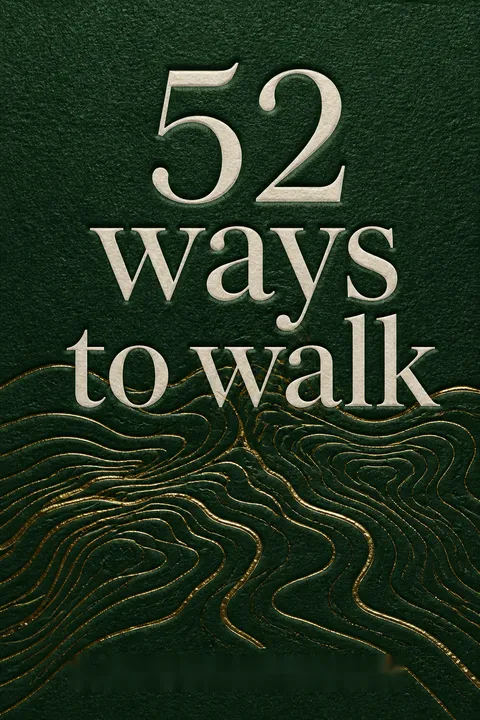
52 Ways to Walk receives mostly positive reviews, praised for its informative and motivational content on the benefits of walking. Readers appreciate the diverse walking suggestions, scientific insights, and accessible writing style. Many find it inspirational for enhancing their walking routines. Some criticisms include repetitive content and questionable scientific claims. The book is seen as particularly valuable for those seeking to establish a walking habit or add variety to existing walks. Overall, it's regarded as a comprehensive guide to the physical and mental health benefits of walking.
People Also Read


Glossary
Afghan walking
Breath-synchronized walkingA walking technique described by French researcher Édouard Stiegler after observing Afghan nomads. The walker coordinates nasal breathing with steps, using repeated patterns of inhalation, exhalation, and sometimes brief breath holds. The method is intended to make breathing steady and movement economical, particularly on long walks or climbs. The specific rhythm can be adjusted to the terrain and the walker.
shinrin-yoku
Forest bathingA Japanese practice of spending attentive time in woodland, often by walking slowly and noticing the forest through the senses. Research discussed in the book associates forest visits with changes in stress markers, blood pressure, and immune measures. The term describes the experience of taking in a forest environment, rather than a specific exercise intensity or a medical treatment.
optic flow
Visual motion cuesThe changing pattern of visual information that reaches a moving person as the surrounding scene appears to stream past. During a forward walk, optic flow helps the brain judge direction and movement through the environment. The book connects broad visual scanning while walking with calmer attention, while close, narrow focus is more typical of screen work or reading.
attention restoration theory
Nature refreshes attentionA theory that some natural environments help restore directed attention, the effortful concentration used for tasks. The book explains that settings with both regularity and variation, such as a river's steady flow combined with changing reflections, can hold interest without demanding constant effort. This may help explain why time in natural settings can feel mentally restorative.
psychogeography
How places affect feelingA way of exploring how the physical character of a place affects people's feelings and behavior. In the book, it is associated with wandering through a city without a fixed destination, attending to the emotional response prompted by streets, buildings, and unexpected encounters. The practice values exploration over efficient travel from point A to point B.
le dérive
Unplanned urban wanderingA drifting walk through an urban area without a set route or practical destination. The walker follows curiosity and observes how different parts of the city shape perception and feeling. The book presents this as a way to encounter unfamiliar streets and revive attention, while emphasizing that getting lost should be planned with personal safety in mind.
deep walking
Attentive, exploratory walkingA slow, attentive way of walking that treats a familiar route as an opportunity for discovery. It may involve closely observing plants, architecture, sounds, patterns, or local history. The idea is to move beyond walking merely to reach a destination and instead engage with the surroundings. The book uses looking for repeating natural patterns, including fractals, as one example.
fractal
A repeating patternA pattern that repeats at different scales, often in complex forms found in nature. Examples discussed in the book include branching leaf veins, ferns, clouds, and waves. Researchers cited by the author propose that certain fractal patterns can be visually calming and may support attention. The book encourages noticing them during walks, while treating specific claims about their effects as research in progress.
incidental activity
Movement built into errandsPhysical activity accumulated as part of ordinary tasks and journeys, rather than scheduled as a separate exercise session. Walking to work, a shop, or an appointment are examples. The book argues that these purposeful trips can make movement easier to fit into daily life, often without setting aside a special time or traveling to a gym.
petrichor
Earthy smell after rainThe distinctive smell released when rain falls on dry ground. The book describes it as a mixture of scents from soil and plants, including compounds that become airborne as raindrops disturb surfaces. The word is especially associated with the earthy fragrance following a dry spell. Noticing petrichor is offered as one way to use smell as part of a walking experience.
FAQ
What's 52 Ways to Walk about?
- Exploration of Walking: 52 Ways to Walk by Annabel Streets explores the diverse benefits of walking, focusing on its positive effects on physical and mental health. The book offers a year-long journey with a different walking method for each week.
- Scientific Insights: Streets combines personal stories with scientific research to show how walking can improve well-being, creativity, and social connections. Each chapter aims to inspire readers to find joy in walking.
- Practical Guidance: The book provides practical tips and exercises, encouraging readers to try various walking styles, such as walking in the cold, barefoot, or with a purpose.
Why should I read 52 Ways to Walk?
- Health Benefits: Streets highlights how regular walking can prevent chronic diseases, improve mood, and enhance cognitive function. She cites studies showing reduced risks of heart disease, diabetes, and some cancers.
- Variety of Approaches: With 52 different walking methods, readers can discover new ways to incorporate walking into their lives, keeping the practice engaging and fresh.
- Connection to Nature: The book emphasizes the importance of connecting with nature through walking, which can foster appreciation for the environment and promote mental clarity.
What are the key takeaways of 52 Ways to Walk?
- Walking is Essential: Streets argues that walking is a fundamental human activity that has been neglected in modern life. She encourages readers to make walking a vital part of their daily routine.
- Mind-Body Connection: Walking enhances both physical health and mental well-being, with scientific evidence supporting its benefits. Movement can trigger positive changes in the brain and body.
- Diverse Experiences: Each chapter introduces a unique walking experience, such as "Walk in the Cold" or "Walk With a Dog," encouraging exploration of different environments and conditions.
What are some specific walking methods mentioned in 52 Ways to Walk?
- Walk in the Cold: Embrace winter walks for health benefits like improved metabolism and mental clarity. Cold exposure can be invigorating and refreshing.
- Walk With a Map: Navigating with a paper map enhances memory and spatial awareness. This method encourages deeper engagement with surroundings.
- Walk With a Dog: Increases physical activity and improves mental health. The bond with a pet encourages more frequent and longer walks.
How does 52 Ways to Walk address mental health?
- Mood Enhancement: Walking can improve mood and reduce anxiety and depression symptoms. Even short walks can lead to immediate mental well-being improvements.
- Mindfulness and Presence: Walking encourages mindfulness, allowing connection with surroundings and presence in the moment. This practice can enhance emotional resilience and reduce stress.
- Social Connections: Walking fosters connections with others, whether through group walks or casual encounters. This sense of community can further enhance mental health.
What scientific studies are referenced in 52 Ways to Walk?
- Health Impact Studies: Streets references studies linking regular walking to reduced risks of chronic diseases like heart disease and diabetes. Exercise could prevent millions of premature deaths annually.
- Cognitive Function Research: Walking improves cognitive function and memory. Studies show better recall of information after walking.
- Mental Health Research: Exposure to nature and walking significantly reduce stress and improve mental health. Walking in nature lowers anxiety and depression levels.
How can I incorporate the advice from 52 Ways to Walk into my daily life?
- Set Walking Goals: Establish specific goals, like a certain number of steps daily or trying a new walking method weekly. This helps create a routine and prioritize walking.
- Experiment with Different Styles: Try various walking styles, such as different weather conditions or purposes. This keeps walking fresh and exciting.
- Engage with Nature: Explore parks, forests, and green spaces. Connecting with nature enhances the walking experience.
What are some common excuses for not walking, and how does 52 Ways to Walk address them?
- Weather Concerns: Streets highlights benefits of walking in rain or cold, suggesting these experiences can be invigorating and refreshing.
- Time Constraints: Even short walks are beneficial. Streets encourages incorporating walking into daily routines, like during lunch breaks or after dinner.
- Boredom with Routine: Explore new paths, try different styles, and engage senses to make walking more enjoyable.
How does 52 Ways to Walk promote environmental awareness?
- Reducing Pollution: Walking instead of driving reduces air and noise pollution. Streets encourages considering the environmental impact of transportation choices.
- Connection to Nature: Walking in natural settings fosters appreciation for the environment. This connection can inspire advocacy for preserving green spaces.
- Community Engagement: Participate in community walking events or litter-picking walks. This promotes responsibility for local environments and increases environmental awareness.
What are some unique walking experiences suggested in 52 Ways to Walk?
- Climb Hills: Embrace hill walking to engage different muscle groups and gain a sense of accomplishment. It enhances physical fitness and mental resilience.
- Walk With a Pack: Walking with a backpack transforms a simple walk into a more strenuous experience. It improves endurance and strength while fostering adventure.
- Take a Silent Stroll: Walking in silence enhances self-reflection and connection with nature. It leads to greater clarity of thought and appreciation for the environment.
How does 52 Ways to Walk incorporate scientific research?
- Evidence-Based Claims: Streets supports recommendations with studies demonstrating walking's benefits on health. This research adds credibility and encourages taking walking seriously.
- Cognitive Benefits: Walking improves cognitive function and memory. Regular walking leads to better brain health and reduced cognitive decline risk.
- Physical Health Studies: Research shows walking's effects on cardiovascular health, weight management, and fitness. This helps readers understand tangible benefits.
How can 52 Ways to Walk enhance my daily routine?
- Integrating Walking into Life: Streets provides advice on incorporating walking into daily activities, like commuting or errands. This makes walking a seamless part of life.
- Mindful Walking Practices: Practice mindfulness while walking to enhance experience and promote mental clarity. This leads to a fulfilling walking practice.
- Social Walking Opportunities: Walking with friends or family strengthens relationships and creates shared experiences. Making walking social enhances motivation and enjoyment.
Download PDF
Download EPUB
.epub digital book format is ideal for reading ebooks on phones, tablets, and e-readers.








