Plot Summary
Shadows and Spiders
Lori, a Shadow huntress, is plagued by memories of monstrous spiders and the venom that nearly killed her. As she prepares for her best friend's secret wedding, an army of grim reapers led by the enigmatic Winter King, Elio, invades the Shadowlands. Lori's world is one of constant vigilance, where every shadow could hide a threat. The arrival of the reapers signals not just danger, but the beginning of a new, deadly game. Lori's loyalty to her friends and her own survival instincts are tested as she faces the chilling presence of the Winter King, whose power and indifference are as legendary as his beauty. The stage is set for a collision of past trauma and present peril.
The Winter King Arrives
The Winter King, Elio Lightbringer, is more than a myth—he is death incarnate, his arrival freezing the very ground he walks on. Lori's hatred for him is personal; he once sent a reaper for her father's soul, leaving her with a wound that never healed. As Elio's army marches through the Shadowlands, Lori's fear is matched only by her determination to protect her friends. The tension between them is palpable, a mix of dread and fascination. Elio's indifference is a mask for deeper wounds, and his presence is both a threat and a promise of change. The encounter sets the tone for a story where love and death are inextricably linked.
A Deadly Proposition
Seth Devine, a charming and dangerous Fae prince, approaches Lori with a proposition: infiltrate the Winter King's deadly Yule pageant in exchange for saving her brother from execution. Seth reveals Lori's uncanny resemblance to Iris, the Winter King's first wife, and suggests using this to their advantage. The plan is fraught with risk—Elio is rumored to kill his brides, and the pageant is a spectacle of beauty and death. Lori's motivations are tangled: loyalty to her brother, a thirst for revenge against Morrigan (the witch behind the spiders), and a longing for purpose. The deal is struck, setting Lori on a path that will test her identity and her heart.
Vows and Intrusions
As Lori helps her friend Nell prepare for her wedding to the Shadow King, the ceremony is overshadowed by the presence of reapers and the looming threat of violence. Seth's arrival disrupts the fragile peace, and secrets are exchanged in hushed tones. The wedding itself is a blend of mortal and Fae traditions, blood and vows binding Nell and Damian together. Lori is reminded of her own loneliness and the dangers that come with love in a world ruled by power and magic. The celebration is a brief respite before the storm, a moment of beauty in a landscape of betrayal and fear.
Into the Yule Pageant
Disguised as a Spring seed, Lori is thrust into the Yule pageant—a brutal competition where mortal women vie for the Winter King's hand and a chance at immortality. The pageant is a spectacle of masks, gowns, and hidden agendas. Lori must navigate rivalries, sabotage, and the ever-present threat of elimination. Her resemblance to Iris draws attention, but also suspicion and danger. The other contestants are both allies and adversaries, each with their own secrets and ambitions. The pageant is not just a contest for a crown, but a battle for survival, where every smile hides a knife.
Masks and Mirrors
The Winter King's castle is a labyrinth of secrets, where mirrors are portals and masks are shields. Lori struggles to maintain her cover, learning the rules of Fae society and the deadly politics that govern the pageant. Elio is a distant, haunted figure, his heart frozen by loss and duty. The castle itself is a character—cold, beautiful, and full of ghosts. Lori's encounters with Elio are charged with tension, each interaction peeling back layers of pain and longing. The past and present collide as Lori uncovers the truth about Iris and the curse that haunts the Winter King.
The Ghost of Iris
Lori's resemblance to Iris is more than skin deep—it is a mystery that binds her fate to Elio's. Through visions and dreams, Lori glimpses Iris's tragic story: a love that ended in betrayal and death, a curse that dooms every queen of Winter. The glass coffin in the garden is a constant reminder of what awaits the winner of the pageant. Elio is tormented by memories of Iris, unable to move on, while Lori is caught between her own desires and the legacy of a woman she never knew. The past is a prison, and only by confronting it can Lori hope to survive.
Blind Dates, Blurred Truths
The pageant's first challenge is a series of blind dates, where Elio must choose brides based on personality alone. Lori's honesty and wit set her apart, but her bluntness nearly costs her everything. The encounter is a battle of words and wills, each trying to see past the other's defenses. Elio is drawn to Lori's candor, but the pain of his past makes him wary. The blind dates are a microcosm of the larger game—appearances deceive, and the truth is always just out of reach. The stakes are life and death, and every word matters.
Dancing with Death
The Yule ball is a dazzling display of beauty and power, where alliances are forged and broken on the dance floor. Lori's presence in Iris's wedding dress shocks Elio, triggering a violent confrontation that exposes old wounds. The public spectacle is a mask for private pain, and the dance becomes a metaphor for the push and pull between Lori and Elio. The pageant is revealed as a farce, a ritual sacrifice dressed up as romance. Lori's survival depends on her ability to navigate the treacherous currents of court life, where every step could be her last.
The King's Curse
The truth of the Winter King's curse is laid bare: every year, he must marry, and every year, his bride dies. The curse is both punishment and protection, a cycle of love and loss that has left Elio hollow. Lori's growing feelings for him are complicated by the knowledge that to win is to die. Elio is both victim and executioner, trapped by duty and haunted by guilt. The curse is a living thing, feeding on hope and devouring happiness. Only by breaking the cycle can either of them find peace.
Carnival of Survival
The pageant moves to Snowhaven, where the brides face a series of brutal challenges disguised as carnival games. Lori's resilience and cunning are tested as she survives sabotage, near-drowning, and the machinations of her rivals. The carnival is a microcosm of the larger struggle—a fight for survival in a world that values beauty over life. Elio's intervention saves Lori, but also deepens the bond between them. The games are a crucible, forging alliances and exposing weaknesses. The line between play and peril is razor-thin.
Kisses and Consequences
The next challenge is a kissing booth, where passion becomes a weapon. Lori and Elio's kiss is electric, breaking through the barriers of pain and fear. The chemistry between them is undeniable, but it also marks Lori as a target. The public nature of their connection puts both at risk, and the consequences are immediate. Rivals plot, secrets unravel, and the stakes are raised. The kiss is both a promise and a threat—a moment of vulnerability in a world that punishes love.
Avalanche and Betrayal
As the pageant moves to the Frost Peaks, an avalanche—both literal and metaphorical—threatens to destroy everything. The Gray Man, a mysterious and powerful enemy, launches an attack that exposes the fragility of the Winter King's rule. Lori's courage is tested as she risks her life to save Elio and her friends. Betrayals come to light, and the true nature of the threat facing Wintermere is revealed. The avalanche is a turning point, shattering illusions and forcing Lori and Elio to confront their feelings and their fate.
The Gray Man's Storm
The Gray Man, wielding forbidden magic and commanding the Tidecallers, challenges Elio for control of Wintermere. The battle is fierce, blending swordplay, sorcery, and the raw power of the elements. Lori's intervention turns the tide, but the cost is high. The Gray Man's motives are personal, rooted in old wounds and a desire for vengeance. The storm he unleashes is both a physical and emotional trial, forcing Lori and Elio to rely on each other in ways they never expected. The enemy is not just outside, but within.
Lovers and Enemies
In the aftermath of the battle, Lori and Elio give in to their desire, their lovemaking a desperate attempt to find solace in each other. The boundaries between love and hate blur, as both are haunted by the ghosts of the past and the uncertainty of the future. Their connection is both a source of strength and a vulnerability, exposing them to new dangers. The intimacy they share is a double-edged sword, offering hope but also deepening the curse that binds them. The line between lover and enemy is razor-thin.
The Poisoned Heart
Lori's victory in the pageant is short-lived, as the true nature of the curse is revealed: Iris's soul, trapped and vengeful, possesses the body of every Winter Queen. Lori must fight not just for her life, but for her very self, as Iris's influence grows stronger. The battle is as much internal as external, with love, guilt, and rage warring for control. Elio is forced to confront his own role in the tragedy, and the couple must seek help from unlikely allies to break the cycle. The heart is both poisoned and the key to salvation.
The Queen's Crown
Against all odds, Lori becomes the Winter Queen, her love for Elio and her own strength offering a chance to break the curse. The wedding is both a triumph and a trial, as enemies lurk in the shadows and the threat of possession looms. The ritual of the solstice is a moment of transformation, where love and magic intertwine. Lori's acceptance of her role is both an act of courage and a leap of faith. The crown is heavy, but it is also a symbol of possibility—a chance to rewrite the story.
The Curse Devours
Even as Lori and Elio celebrate their victory, the curse is not fully broken. Iris's presence lingers, a reminder that some wounds do not heal easily. The struggle for identity and agency continues, with love as both weapon and shield. The story ends on a note of hope, but also uncertainty—the battle is won, but the war is not over. The curse devours, but it also creates the conditions for change. The future is unwritten, and the only certainty is that love and death will continue to dance.
Characters
Lori (Lorisha Pari Singh)
Lori is a Shadow huntress marked by trauma, loss, and a fierce loyalty to those she loves. Her journey is one of survival and self-discovery, as she is thrust into the deadly politics of the Fae courts. Lori's resemblance to Iris, the Winter King's first wife, is both a blessing and a curse, drawing her into a web of intrigue and danger. Psychologically, Lori is driven by a need to protect her found family and redeem her own sense of worth. Her relationship with Elio is fraught with tension—love, hate, and the ever-present threat of death. Over the course of the story, Lori evolves from a reluctant participant to a queen willing to fight for her own destiny, even as she battles the literal and figurative ghosts of the past.
Elio Lightbringer (The Winter King)
Elio is the immortal, tormented ruler of Wintermere, burdened by a curse that dooms every woman he marries. Outwardly cold and indifferent, Elio's true self is revealed through his grief, guilt, and longing for connection. His love for Iris ended in tragedy, and every subsequent marriage is both a penance and a necessity for the survival of his kingdom. Elio's psychological landscape is shaped by loss and the weight of duty, making him both a victim and an agent of suffering. His relationship with Lori is transformative, forcing him to confront his own capacity for love and the possibility of redemption. Elio's development is a slow thaw, as he learns to hope again—even as the curse threatens to devour him.
Iris Lovatt
Iris is the original Winter Queen, whose death set the curse in motion. Her presence haunts both Elio and Lori, manifesting as visions, dreams, and ultimately possession. Iris's story is one of love turned to bitterness, her betrayal and death leaving a wound that festers in the heart of Wintermere. Psychologically, Iris is a study in resentment and longing, her inability to move on trapping her—and those who follow—in a cycle of pain. Her relationship to Lori is complex: both rival and twin, she is the shadow that must be confronted and integrated for healing to occur.
Seth Devine
Seth is a Fae prince with his own agenda, using charm and cunning to navigate the dangerous politics of the courts. His proposition to Lori sets the main plot in motion, and his motivations are a mix of self-interest and genuine care for his missing brother. Seth's psychological makeup is that of a survivor—adaptable, resourceful, and morally ambiguous. His relationship with Lori is both partnership and rivalry, and his development is marked by moments of vulnerability that reveal a deeper longing for connection and justice.
Morrigan Quinn
Morrigan is the antagonist whose creation of soul-sucking spiders and manipulation of blood magic threaten the stability of the Fae world. Her motivations are rooted in power and revenge, and her actions are both personal and political. Psychologically, Morrigan is a study in ambition and resentment, her willingness to use others as pawns making her a formidable foe. Her relationship to Lori is adversarial, but also mirrors Lori's own struggles with agency and identity.
Damian Sombra (The Shadow King)
Damian is the ruler of the Shadowlands and a father figure to Lori. His own curse and history with Morrigan add layers of complexity to his role as ally and guide. Psychologically, Damian is marked by regret and a desire to atone for past mistakes. His relationship with Lori is one of mutual respect and care, and his development is tied to his willingness to trust and empower others.
Sarafina (Sara)
Sarafina is the royal chief of staff for Wintermere, responsible for the pageant and the safety of the kingdom. Her history as a former reaper and her loyalty to Elio make her both a confidante and a gatekeeper. Psychologically, Sara is pragmatic and compassionate, her actions guided by a desire to protect and serve. Her relationship to Lori and Elio is one of support and quiet strength, and her development is marked by moments of vulnerability and courage.
Daisy Sinclair
Daisy is a fellow contestant in the Yule pageant, initially a rival but ultimately an ally to Lori. Her journey is one of growth and self-acceptance, as she navigates the dangers of the competition and the complexities of friendship. Psychologically, Daisy is resilient and resourceful, her snark masking a deep need for belonging. Her relationship with Lori evolves from antagonism to solidarity, and her development is a testament to the power of empathy and courage.
The Gray Man (Luther)
The Gray Man is a powerful, masked figure leading the Tidecallers in their assault on Wintermere. His motivations are deeply personal, rooted in loss and a desire to upend the established order. Psychologically, he is driven by pain and a sense of injustice, his actions both destructive and tragic. His relationship to Elio and Lori is that of nemesis, and his development is a dark mirror to their own struggles with fate and agency.
Ayaan (Foxtail)
Ayaan is Lori's brother, whose imprisonment and threatened execution drive much of her early motivation. His involvement with forbidden magic and the rebel cause complicates the moral landscape of the story. Psychologically, Ayaan is both naive and brave, his actions forcing Lori to confront the limits of loyalty and the cost of sacrifice. His relationship to Lori is central, grounding her in family and the stakes of the larger conflict.
Plot Devices
The Curse
The central plot device is the curse that dooms every Winter Queen to die, trapping Elio in a cycle of marriage and loss. The curse is both literal and metaphorical, a manifestation of unresolved trauma and the consequences of betrayal. It shapes the narrative structure, with each new queen repeating the pattern of hope and despair. The curse is foreshadowed through visions, dreams, and the ever-present threat of death, and its unraveling is the key to the story's resolution.
Doppelgänger Motif
Lori's resemblance to Iris is more than coincidence—it is a plot device that explores questions of identity, agency, and the inheritance of trauma. The motif is used to blur the lines between past and present, self and other, love and obsession. It allows for narrative twists (visions, possession) and deepens the psychological stakes, as Lori must confront not just external enemies, but the internal legacy of another woman's pain.
The Pageant Structure
The Yule pageant provides a framework for the story, structuring the plot around a series of challenges, eliminations, and public spectacles. The pageant is both a literal contest and a metaphor for the ways women are pitted against each other in systems of power. It allows for the introduction of rivals, allies, and plot twists, and serves as a crucible for character development and thematic exploration.
Foreshadowing and Visions
Lori's visions of Iris's life and death are a key plot device, providing both exposition and emotional resonance. The visions foreshadow the dangers ahead, reveal hidden truths, and create dramatic irony as Lori and the reader piece together the mystery of the curse. The use of dreams and supernatural insight blurs the boundaries between reality and memory, heightening the sense of fate and inevitability.
Possession and Duality
The device of possession—where Iris's soul inhabits Lori's body—serves as both a literal and symbolic conflict. It externalizes the struggle for agency, the inheritance of trauma, and the difficulty of breaking free from the past. The duality of light and dark, self and other, is explored through this device, culminating in a battle not just for survival, but for identity and autonomy.
Ritual and Sacrifice
The rituals of the Fae—weddings, solstice rites, blood magic—are plot devices that drive the action and raise the stakes. Each ritual is a moment of transformation, where characters are tested and fates are decided. The theme of sacrifice runs throughout, with characters forced to choose between love and duty, self and other, life and death.
Analysis
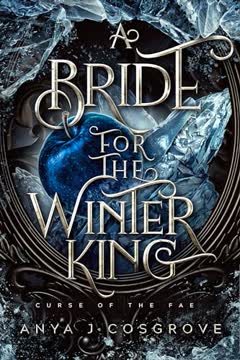
A Bride for the Winter King is a dark, lushly imagined romantasy that uses the trappings of fairy-tale and reality TV to explore the cyclical nature of trauma, the inheritance of pain, and the possibility of redemption through love. At its heart, the novel is a meditation on agency: how do we break free from the stories written for us by others—by family, by fate, by the wounds of the past? The curse that haunts Elio and his queens is both a literal enchantment and a metaphor for the ways we are trapped by grief, guilt, and the expectations of power. Lori's journey is one of self-assertion, as she learns to claim her own story even as she is haunted—sometimes literally—by the ghosts of those who came before. The novel interrogates the costs of survival in a world that commodifies beauty and love, and it refuses easy answers: love is both salvation and risk, and the past cannot be erased, only confronted and integrated. The ending, with its promise of hope but refusal to offer simple closure, is a testament to the complexity of healing and the ongoing work of breaking curses—personal, familial, and societal. The story's blend of romance, horror, and political intrigue makes it a compelling reflection on the power of choice, the dangers of repeating history, and the courage required to forge a new path.
Last updated:
Review Summary
A Bride for the Winter King receives mixed reviews averaging 4.08/5 stars. Fans praise the strong FMC, dark MMC, engaging world-building, and spicy romance. The plot follows Lori entering a deadly pageant to marry the cursed Winter King Elio. Positive reviews highlight the compelling characters, mystery, and page-turning twists. Critics cite confusing writing, plot inconsistencies, rushed romance bordering on insta-love, and jarring modern elements like reality TV in a fantasy setting. Several reviewers question the logic behind magical rules and character motivations, though many still found it addictive and better than book one.