

Key Takeaways
Treat brokenness as something to repair, not a verdict on your worth.
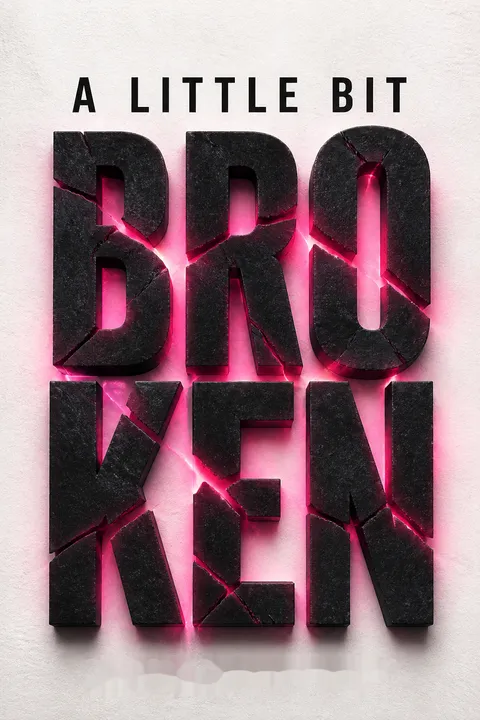
A repair, not a verdict. When Roz breaks a Cobra Commander action figure, his father repairs it with melted plastic from a Bic pen. The arm sits crooked, but the toy works again. His father’s lesson becomes the memoir’s central image: damage does not automatically make a person beyond repair. The goal is not to become untouched or flawless. It is to find a way forward with the parts that remain.
Imperfect fixes still count. Roz keeps his father’s cardigan and an old wallet containing a birth certificate his father trimmed to fit. The fixes are imperfect, even funny, but they carry care. The book is not a repair manual. Its story shows how a person can be hurt, make harmful choices, and still build a life that holds love, work, and family.
What's compelling is that repair here means restored usefulness, not a return to an imaginary, undamaged past. That is close to how rehabilitation works in many fields: recovery is often measured by renewed function and connection, not by erasing every trace of injury. The metaphor also resists perfectionism, which can make any scar feel like evidence of failure. Its limit is worth keeping in view: some injuries require professional care, and not everything can be fixed by grit or affection. The memoir's strongest implication is that care can create possibilities without pretending damage never happened.
Notice when survival strategies keep protecting you from the life you want.
Protection has a cost. At nine, Roz is sexually abused by an older family friend. For years, he remembers the event but holds it at a distance, as if it happened to someone else. He connects that experience with later difficulty trusting people, hiding his Tourette syndrome, and trying to take up less space. His account is personal, not a claim that one event explains every later struggle.
Pain became a way to feel. As a teenager, he secretly burned himself. He describes the ritual as a way to escape numbness and feel something, not as a bid for attention. On television, he masks facial tics with cigarettes, gum, and sunglasses. These strategies help him get through the day, yet they also keep his distress invisible, even to people who might have helped.
The memoir makes an important distinction between a coping behavior's immediate function and its long-term cost. Trauma-informed practice often asks what a behavior once made possible before judging it as irrational or self-defeating. That framing can reduce shame and make change more realistic. At the same time, a memoir cannot establish a clinical cause for every later behavior, and readers should not treat Roz's account as a diagnostic template. The useful question is narrower: what does a repeated strategy help someone avoid feeling, and what opportunities does that avoidance now block?
Let family love be real without pretending family always gets it right.
A home can hold stories. Roz remembers long dinners where the family traded jokes, secrets, and everyday dramas. His father, a veteran with a violent and neglected childhood, became a gentle parent and stopped drinking after entering recovery. He made space for his sons to talk, creating a kind of safety he had not known himself.
Care can still be imperfect. When thirteen-year-old Roz begins a relationship with a much older woman, his parents let her visit and try to keep him close, even as they struggle to understand the risks. In another family story, Roz lies for years about attending a Bruce Springsteen concert, hiding the truth that his father's affair had shattered the household that summer. Love, loyalty, secrecy, and mistakes coexist. The memoir neither makes his parents villains nor treats good intentions as a guarantee of good outcomes.
This portrait avoids the tidy family story in which a loving home prevents all harm. Family systems can offer real protection while also passing down silence, confusion, or ineffective responses to danger. The dinner table matters not because it solves every problem, but because it gives family members a dependable place to belong. The memoir also shows how children may preserve a parent’s image by keeping painful facts secret. That loyalty can be understandable and costly at once. A nuanced view of family allows gratitude and criticism to occupy the same room.
Stop auditioning for love by becoming whoever someone else expects.
A borrowed identity feels safer. At thirteen, Roz pretends to be seventeen to impress Missy, an older woman he meets at a teen club. He lies to his family, even persuading them to treat his older brother as the younger sibling. Missy is aging out of a group home, but Roz is too young and too invested in the relationship to understand her life clearly. She eventually disappears, leaving him unsure whether she may have been pregnant.
The pattern outlasts the relationship. Roz later recognizes how often he became the person a partner seemed to want. In college, he invents a persona for telephone chat lines and builds intimacy while hiding his real life. The performance brings attention and connection, but not the security of being known. He learns to confuse acceptance with successful impersonation, a habit that makes honest intimacy harder.
People often adapt to gain belonging, especially when they lack power or fear rejection. Social psychology describes this as impression management, but the memoir gives it a sharper emotional consequence: the performed self can become so practiced that genuine preference is difficult to recognize. The account also matters because it makes clear that a child’s apparent participation does not erase the adult's responsibility in an age-unequal relationship. The strategy may have helped Roz feel wanted in the moment. It could not give him the reciprocal knowledge that lasting intimacy requires.
Pain relief can become another trap when nobody names the risk.
Endurance hid an emergency. In his early twenties, Roz walks to work with severe chest pain and difficulty breathing, then produces a radio show before going to the emergency room. Almost all of his right lung has collapsed. After surgery, his left lung collapses too. He is prescribed Percocet for months and is told that pain treatment makes addiction unlikely. When the pills run out, he becomes violently ill, only later understanding that he is experiencing opioid withdrawal.
Keeping up was not recovery. Roz had a habit of hiding illness, working through pain, and avoiding the possibility of disappointing anyone. That same instinct kept his medical crisis private until it became impossible to ignore. His Tourette syndrome is also diagnosed around this period, but he walks away without pursuing follow-up care. The memoir shows how a capable person can look functional while serious needs go unaddressed.
The episode illustrates why addiction cannot be reduced to weak character: pain, access to medication, medical reassurance, and concealment all shape the risk. Public-health research on substance use likewise emphasizes the interaction of individual vulnerability and systems of care. The memoir is especially effective in showing that outward competence can conceal medical danger. It should not, however, be read as evidence that prescribed pain medication inevitably leads to addiction. The lesson is to discuss dependence openly, review risks with clinicians, and seek help when use or symptoms change.
Grief needs presence, not a performance of strength or proper timing.
Avoidance can look composed. When Roz's father is dying of mesothelioma, Roz pulls away. He misses calls and does not follow through on promises to speak with his father. After his father's death, he returns to work and tries to look appropriately sad, while privately feeling vacant. He believes he is preparing himself for the loss, but later understands that guilt and fear are also keeping him away.
The final choices are hard. Roz and his brother sign a do-not-resuscitate order when doctors can do no more. In his last private moment with his father, Roz offers the familiar birthday, holiday, and bedtime words that used to make his father happy. His grief does not follow a neat sequence. The memoir urges readers not to rehearse an imagined perfect goodbye, but to call the people they love while there is still time.
The book's account counters the idea that grief has one visible, socially approved shape. Bereavement research describes highly variable responses, and a person who appears calm may still be suffering or may not yet have access to the loss emotionally. Roz's regret about missed calls is moving, but it should not become a new standard for grieving families: illness, distance, conflict, and exhaustion complicate contact. The actionable point is not to manufacture a perfect final scene. It is to make ordinary contact possible before loss turns an everyday call into an imagined test.
Choose the person who makes honesty safer, not reinvention easier.
Being seen changes the stakes. Roz meets Katherine while he is struggling with grief, a failing marriage, and a new job. He tells her painful parts of his story early, and she listens without treating him as a project. Still, he hides their relationship for a long time, worried about judgment and the hurt he might cause his former wife.
Love is a choice, not a cure. After a damaging relationship and months apart, Roz and Katherine reunite. They discover that each has independently gotten a small heart tattoo in the same place. Roz sees the coincidence as extraordinary, but the relationship rests on something less magical: honest conversation, patience, and his decision to stop running. When Katherine tells him she is pregnant, he breaks down crying, releasing emotions he had spent years holding back.
Katherine's response models support without control: she allows Roz to move at his own pace while still speaking her own truth. That balance resembles secure attachment, where closeness offers a base for greater honesty rather than demanding instant transformation. The matching tattoos make a memorable story, but coincidence is not evidence of destiny. The more durable foundation is how the couple communicates and acts. The memoir's account also resists the fantasy that a partner can repair another person alone. Love may make vulnerability safer, but the work remains the individual's responsibility.
Build joy with your hands, and let ordinary play count.
Make something beyond work. As an adult, Roz finds steadiness in cooking, tending his lawn, learning practical skills, and spending time with his family. He encourages readers who feel stuck to choose an activity that requires both attention and effort, such as making food or building something, and to keep going through early failures. The point is not a side business or public achievement. It is the private satisfaction of becoming capable at something.
Play becomes a family inheritance. Roz and Katherine buy a neglected country home that had been described as a teardown. Instead of demolishing it, they repair it and fill the property with family rituals: playing in the grass, running through a sprinkler, and singing in the rain. This echoes his father's dream of a home in the country. Repairing the house becomes a way to carry forward the spirit of his father's dream, not to recreate his father.
Hands-on activities can reconnect attention, bodily sensation, and visible progress, a useful counterweight to work that produces endless digital inputs but few tangible outcomes. The memoir's emphasis on practice also sidesteps the pressure to monetize every interest. Yet creative activity is not a substitute for treatment when someone is in crisis, and not everyone has the time, money, or physical capacity for a craft. Its larger point is accessible: worthwhile pleasure need not be impressive. Shared play and small acts of making can give a day texture and help relationships grow.
A bigger paycheck cannot compensate for a life built around loneliness.
Ambition has a hidden price. After building a career in radio and television, Roz receives an offer for a syndicated morning show in Orlando, with a possible salary of $250,000 to $275,000 a year. He turns it down without pursuing a formal offer. The money could have transformed his family's finances, but he cannot bear the thought of leaving his brother, who has long been his anchor, or facing the loss of his father alone.
Success is relational. Roz later builds a national radio show with Mocha while continuing his television work. He describes the value of a successful radio program not as personal fame, but as the closeness listeners can feel with its hosts. His career is also marked by overwork and interviews he later regrets. The story does not make every sacrifice wise; it asks what success is worth when it pulls someone away from the relationships that make life livable.
The Orlando decision is not simply a lesson to reject money for family. It reveals the difference between a chosen value and a fear that constrains choice. Behavioral research on well-being often finds that relationships matter deeply, but that does not mean every relocation or ambitious move is a mistake. The useful test is whether a decision expresses commitment or avoids an intolerable feeling. Roz's story gives the reader permission to count belonging as a real cost in career planning, while leaving room to question when fear is making the decision.
Ask for help before endurance becomes another way to hide.
The first attempt was incomplete. While his father is dying, Roz goes to therapy for a single session. He rehearses what to say, minimizes his distress, and tries to seem like a manageable patient. The therapist suggests regular appointments, but Roz leaves and does not return. He is afraid that speaking openly will make feelings real, invite judgment, or leave him owing someone.
Help is not a debt. Roz later argues that toughness should not be measured by how much pain a person can conceal. His father's advice was to seek help after a serious mistake, rather than punish himself indefinitely. The memoir does not claim that asking once solves everything. Its final idea is more practical: survival may require going through painful memories with support, making room for emotion, and building a life that includes purpose, love, and ordinary joy.
The distinction between disclosure and recovery is crucial. A first therapy session can feel uncomfortable or unproductive, especially when a person arrives performing rather than speaking freely. That does not mean therapy has failed; fit, trust, timing, and treatment approach matter. Nor should persistence with one clinician be treated as a moral test. The memoir's account is valuable because it shows avoidance in action, including the fear of becoming a burden. A more useful standard than heroic endurance is whether available support makes the next honest step more possible.
Analysis
This memoir is built around a contradiction: Roz is good at telling stories and bad at telling the truth about himself. His humor, flamboyant clothes, radio voice, and ability to become the person another person wants are gifts, but they also help him avoid being seen. The narrative repeatedly puts public performance beside private cost: a television host conceals Tourette tics, a skilled employee works through a collapsed lung, and a man who gives advice cannot ask for it himself.
The father provides the book's moral center, though not an uncomplicated one. He is loving and resourceful, a veteran and recovering alcoholic, a father who changes the pattern of violence he inherited, and a man whose affair becomes a family secret. Roz's recollections do not settle into a simple verdict. They show how a family's care can be genuine while its choices remain imperfect, and how a child may protect a parent by turning painful events into stories that can be safely repeated.
The book's repair metaphor is strongest when it does not promise restoration. Roz's father fixes a toy with a crooked arm; Roz's later life does not erase abuse, addiction, grief, or regret. It grows around them. The memoir also offers a useful caution about autobiographical meaning. Looking backward can reveal patterns, but it can also make a life seem more causally tidy than it felt while being lived. Roz generally acknowledges uncertainty, especially around memory and Missy's disappearance, which helps preserve that complexity.
The ending does not present a universal recovery formula. Katherine, fatherhood, creative work, family dinners, and a repaired country home give Roz reasons to participate in life, but they do not imply that love alone heals trauma. The most transferable idea is smaller and more demanding: stop treating concealment as proof of strength, let other people help, and make room for practices that reconnect attention, body, and relationship. The memoir's value lies less in a polished transformation than in showing how a person can remain unfinished and still become more honest, more present, and more able to care.
Review Summary
A Little Bit Broken receives mostly positive reviews, with readers praising its raw honesty, emotional depth, and engaging storytelling. Many found it relatable, funny, and heartbreaking. Readers appreciated Weston's vulnerability in sharing his struggles with addiction, grief, and mental health. Some critics felt the book was self-indulgent or lacked focus. Overall, readers connected with Weston's journey of self-discovery and resilience, finding inspiration in his ability to overcome challenges and find success despite his past.
People Also Read




Glossary
the stack
Buried, unspoken experiencesRoz's metaphor for the private accumulation of painful memories, shame, fear, and other experiences he avoids discussing. He imagines these matters as stored away inside him while he continues functioning in public. The stack is not a formal therapeutic model, but it describes how concealment can preserve distress rather than resolve it.
Mom Restraint
Calm parental crisis responseRoz's humorous name for the composed, practical way his mother responds when a child is hurt or frightened. Rather than escalating the child's panic, she calmly guides the child to assess the problem. The phrase contrasts her steady approach with the more alarmed, impulsive reaction he associates with fathers.
Cry Corner
A refuge from work distressThe nickname for a semi-private, unused desk area at Roz's television workplace. Staff members went there to cry or recover from the show's toxic atmosphere. The name captures how a workplace can normalize distress by giving employees a small place to hide it instead of addressing its cause.
opportunity hunter
Someone prepared for openingsRoz's description of his decision to pursue opportunities and make himself ready for them, rather than prioritize money. The phrase follows a frightening period of illness and hospitalization. It expresses ambition and a willingness to learn, though the memoir also shows how relentless work can become a way to avoid emotional pain.
great friend
Support in a personal crisisRoz's distinction between being reliable at routine social obligations and being present when someone's life falls apart. He may forget birthdays or leave events early, but sees himself as the person friends can call during bereavement, divorce, job loss, or other crises. The term describes a particular style of friendship, not a complete measure of one.
Tourette syndrome
A disorder involving involuntary ticsA neurological disorder involving sudden, repetitive, unwanted movements or vocalizations. Roz describes his own tics as mostly facial and involving his eyes and neck. He spent much of his adult life masking them in public and on television, sometimes using cigarettes, gum, or sunglasses to manage or conceal them.
FAQ
What is A Little Bit Broken: A Memoir by Roz Weston about?
- Deeply personal memoir: The book chronicles Roz Weston’s journey through grief, addiction, mental health struggles, and personal growth, revealing the hidden battles behind his public persona as a TV and radio personality.
- Themes of brokenness and healing: Weston explores what it means to feel “broken,” the obsession with becoming “fixed,” and the reality that “it never gets better, but it does get easier.”
- Family, trauma, and legacy: The memoir delves into his childhood, family dynamics, early career, and relationships, including difficult topics like molestation, self-harm, and his father’s illness and death.
- Purpose and hope: Weston writes to leave a legacy for his daughter and others who feel broken, offering hope, survival strategies, and a message of embracing vulnerability.
Why should I read A Little Bit Broken: A Memoir by Roz Weston?
- Raw and honest storytelling: The memoir provides an unfiltered look at mental health, addiction, and trauma, making it relatable and deeply human.
- Unique perspective on Tourette’s: Weston shares his experience managing Tourette syndrome in the public eye, breaking stereotypes and increasing awareness.
- Inspiration for resilience: His journey from self-harm and addiction to becoming a loving father and successful media personality offers hope to anyone facing personal challenges.
- Challenging stigma: The book encourages readers to embrace vulnerability and challenges societal norms around masculinity, brokenness, and healing.
What are the key takeaways from A Little Bit Broken: A Memoir by Roz Weston?
- Vulnerability is strength: Weston emphasizes that “without vulnerability there’s no intimacy,” encouraging openness despite fear of embarrassment or judgment.
- Grief and healing are non-linear: The memoir shows that pain may not disappear, but managing it becomes more bearable over time, and grief includes complex emotions like guilt.
- Brokenness is not ruin: The book challenges the stigma around being “broken,” showing it as part of the human experience and a path to growth.
- Support and perseverance matter: Survival requires fighting, seeking help, and relying on family and friends, rather than isolation or denial.
How does Roz Weston describe his experience with Tourette syndrome in A Little Bit Broken: A Memoir?
- Subtle and misunderstood tics: Weston’s Tourette syndrome involves sudden, repetitive facial and neck movements, not the stereotypical vocal outbursts.
- Coping in public: He masked his tics for nearly twenty years using strategies like smoking, chewing gum, and wearing sunglasses to hide symptoms.
- Physical and emotional toll: The tics caused discomfort, pain, and a constant internal battle, leading to headaches and blurred vision.
- Secrecy and stigma: Weston kept his diagnosis private for years, fearing judgment and misunderstanding, which added to his internal struggle.
What role does family play in Roz Weston’s life as described in A Little Bit Broken: A Memoir?
- Father’s complex influence: His father, a Vietnam veteran and recovering alcoholic, was a gentle, present figure who taught resilience and compassion despite a troubled past.
- Brother’s quiet support: Weston’s brother Richard was a protector and confidant, noticing Roz’s tics early and providing steady support.
- Family as safe haven: Family dinners were a source of laughter and storytelling, shaping Weston’s love for connection and narrative.
- Parental challenges: The memoir reveals his parents’ struggles and fears, especially during Roz’s turbulent teenage years and addiction.
How does Roz Weston portray his relationship with his father in A Little Bit Broken: A Memoir?
- Deeply loving and complex: His father was hardworking, protective, and more than his job, leaving a lasting impact on Roz’s values and resilience.
- Impact of illness and loss: His father’s mesothelioma diagnosis and decline forced Roz to confront mortality and the pain of unfinished stories.
- Legacy and inspiration: The father’s strength, love, and approach to “fixing” things inspired Roz’s own journey toward self-acceptance and healing.
- Symbolic stories: The “unfinished story behind the Roadrunner” nickname reflects the mysteries and legacies parents leave behind.
How does A Little Bit Broken: A Memoir by Roz Weston address grief and loss?
- Personal and non-linear grief: Weston describes skipping stages of grief, feeling guilt, and forcing himself to accept his father’s death while denying the pain.
- Isolation and numbness: After his father’s passing, he felt vacant and disconnected, isolating himself emotionally and physically.
- Therapy and self-awareness: Though initially resistant, therapy helped him begin to understand his pain, even if he wasn’t ready to fully embrace it.
- Support from friends: Reconnecting with old friends and receiving honest compassion helped him face the reality of loss.
What insights does Roz Weston share about addiction and self-harm in A Little Bit Broken: A Memoir?
- Addiction as coping: Weston became addicted to opioids after surgery, describing the fog and secrecy of managing pain with pills.
- Self-harm for control: He used burning as a ritual to feel emotions and regain control, not as punishment but as a compulsion and meditation.
- Turning point in recovery: A friend’s intervention marked a painful but pivotal moment in his journey to stop self-harming.
- Importance of seeking help: Weston stresses the need to exhaust all options for help and highlights the dangers of hidden addiction and self-harm.
How did Roz Weston’s career in media develop according to A Little Bit Broken: A Memoir?
- Early start in radio: Weston began working at a major rock radio station in high school, gaining experience that helped him enter college and the industry.
- Breakthrough opportunities: He interned on The Howard Stern Show, becoming Stern’s first Canadian intern, which opened doors in media.
- Balancing roles and struggles: He built The Roz & Mocha Show and worked on Entertainment Tonight Canada, all while battling personal demons and toxic work environments.
- Unique career choices: Weston turned down lucrative offers to prioritize personal connections and stability, negotiating contracts to work in both radio and TV.
What is the significance of Katherine and family in A Little Bit Broken: A Memoir by Roz Weston?
- Transformative love: Katherine represents hope, healing, and unconditional love, helping Roz move past guilt and self-destruction.
- Building a new legacy: Their relationship leads to the birth of their daughter, Roxy, symbolizing new beginnings and the continuation of family legacy.
- Patience and acceptance: Katherine’s patience and support teach Roz to embrace joy, vulnerability, and the possibility of happiness.
- Shared journey of growth: Their partnership is central to themes of forgiveness, growth, and overcoming life’s challenges together.
What advice and methods does Roz Weston offer for those struggling with pain or brokenness in A Little Bit Broken: A Memoir?
- Write it all down: Weston recommends writing every thought, memory, and feeling as a way to process and heal, a practice he adopted while writing the memoir.
- Embrace vulnerability: He encourages breaking the silence around shame and pain, sharing even the hardest parts of life.
- Survival over self-improvement: The focus is on survival and perseverance, not on clichéd self-improvement, for those who still have fight left in them.
- Seek help and connection: Weston’s story underscores the importance of asking for help, leaning on loved ones, and finding purpose beyond pain.
What are the best quotes from A Little Bit Broken: A Memoir by Roz Weston and what do they mean?
- “It never gets better, but it does get easier.” This central mantra acknowledges that while pain may persist, coping becomes more manageable over time.
- “Broken and fixed aren’t words we’re supposed to use to describe people.” Weston challenges the stigma of brokenness, emphasizing that it’s a universal human experience, not a permanent state.
- “Nothing was ever ruined for him. Everything got a second chance. Even if that thing was me.” Reflects his father’s approach to life and inspires Roz’s journey toward self-acceptance and repair.
- “Freedom is simple. It’s two things: the ability to confidently tell someone ‘No’ and have it be respected, and the willingness to walk away from anything without hesitation or fear.” Defines Weston’s personal sense of freedom and empowerment after years of struggle.
Download PDF
Download EPUB
.epub digital book format is ideal for reading ebooks on phones, tablets, and e-readers.








