


Plot Summary
Prologue
An old prophecy warns that a Night King’s child may rise against him, while a mortal beneath his sky will see him fall. It foretells repeated reversals of power, a body that cannot be claimed by death, and a choice that might alter the outcome.
The poem offers no names for the coming threat, but its images of inheritance, mortality, and returning enemies frame the danger waiting beyond the apparent defeat of Karnon.
The prophecy makes ancestry feel less like a family history than a force that can reach forward and seize the living. Its mortal witness complicates the usual hierarchy between fae power and human vulnerability: the human is not merely caught beneath the king’s sky, but positioned to recognize what the king cannot. The promised returns and reversals also train the reader to distrust apparent endings. The story’s conflicts are not resolved simply because a body falls or a ruler wins; inherited violence keeps finding new forms.
Wings Made in Captivity
After surviving Karnon, the dead King of Fauna, Callie wakes to black wings, golden scales, and claws she cannot hide. She is Callypso Lillis, usually called Callie, a human siren whose glamour works on mortals but not on fae. Now living in Desmond Flynn’s Kingdom of Night, she has no easy way back to Earth or her best friend, Temper.
Des, her long-lost lover and fae king, says they are soulmates, though Callie cannot feel the bond others describe. Her new body unsettles her, and her fear of being undesirable interrupts their first attempt at intimacy. When she admits she wants the changes gone, Des uses one of her unpaid favors to order her into training.
Callie’s body makes the aftermath of captivity visible, but her sharper wound is the loss of control over what those changes mean. She fears that her altered appearance will define her before she can define herself. Des responds with a task rather than reassurance, which is both his characteristic form of care and a reminder that care from a king can still carry coercive weight. Their uncertain bond makes intimacy less a settled refuge than a negotiation between desire, vulnerability, and power.
A Bog in the Throne Room
Des brings Callie into his throne room to meet a Fauna messenger, where the gathered court applauds their arrival. The messenger throws down four severed heads and demands that Des abdicate and pay for Fauna’s losses after Karnon’s death. Des refuses, then summons a living nightmare called the bog, which consumes the messenger while subjecting him to his worst fears.
Callie cannot watch and leaves the court. On the balcony, she admits Des frightens her but says his actions have not changed her feelings. He explains what the bog does, then agrees he would take her home if she asked. Callie cannot yet return to Earth as she is, so they go inside and begin sharing the years they spent apart.
The court scene separates Callie’s emotional loyalty from moral approval. She loves Des without pretending that his violence is harmless, and her decision to leave the room preserves her ability to judge what she has witnessed. Des, for his part, does not excuse the bog’s cruelty; he names it plainly. Their private conversation offers a fragile counterweight to public terror, but it also establishes that love will not make their worlds ethically identical.
The Children Name a Father
A nightmare returns Callie to Karnon’s ruined throne room and leaves her convinced that the danger surrounding his victims has not ended. She asks Des to take her back to the nursery, where the children born from the captive soldiers behave as one watching presence.
One warns that their father is coming. Callie notices that none of them has the animal traits common among Fauna fae, so she concludes Karnon cannot be their father. Des then shows her survivor testimonies: seven women said Karnon assaulted them, and those same seven reported pregnancies.
The evidence appears to contradict Callie’s observation, leaving the children’s true parentage unsettled. The surviving women’s accounts also revive Callie’s investigative instincts, pushing her to keep examining the prison’s aftermath.
The nursery turns the aftermath of violence into an evidentiary problem that cannot be solved by the obvious suspect. Callie trusts what she sees in the children, while the testimonies point toward Karnon; neither kind of evidence is easy to dismiss. Her professional habit of comparing accounts becomes a way to reclaim agency after being a victim herself. The children’s prophecy also links the private trauma of the prison to a threat still active in the wider political world.
A Flight Bought in Beads
At the royal library, Callie finds a history claiming Des was born in a royal harem, but he tells her the account is wrong and does not explain further. When she admits she wants to see his realm, he spends two of her favor beads to take her flying. Des makes her step off a high balcony, then guides her through the fall until her wings catch the air and she begins to fly.
They reach Phyllia, the Land of Dreams, where buildings shift when ignored and wishes can take physical form. Des shows her its cafes and the statue of two lovers, then points across a bridge toward Memnos, the Land of Nightmares. He postpones that visit, keeping this trip focused on Callie’s first exhilarating experience of flight and his world.
Flight changes the meaning of the wings before their physical reality changes. What Callie first experiences as an obstacle becomes a skill she can acquire, though Des’s reckless teaching makes trust part of the lesson. The favor beads keep intimacy tied to debt, yet this particular debt buys access to a world she once only imagined. The boundary at Memnos matters too: Des does not hide danger, but he chooses when to introduce it.
Barbos, Arestys, Lephys
In Barbos, the City of Thieves, Callie meets Phaedron, Des’s former gang leader and longtime friend, who welcomes her into their rough circle. Des buys her a pair of moon-marked daggers, giving her a weapon she can carry herself. On Arestys, the poor island where Des grew up, he shows her the caves where he and his mother lived and the crater where she died.
He cannot yet explain his father’s part in that loss. Their final stop is Lephys, the City of Lovers, where Des takes Callie to a glowing pool beneath a waterfall. They make love, then settle together in a cave. Callie’s wings no longer feel only like evidence of damage; flying and fighting have made them a source of strength.
The tour reveals Des through places rather than a single confession. Barbos shows the friendships and criminal world that shaped his ease with danger; Arestys exposes the poverty and grief beneath his royal authority. Callie’s growing acceptance of her body happens alongside these disclosures, not because Des tells her what to feel, but because she experiences what her new body can do. Their closeness deepens, while his silence about his father remains a deliberate boundary.
Temper Burns Through
Back in Somnia, Des shows Callie a list of vanished soldiers; several men disappeared even after Karnon’s death, while the women’s abductions have stopped. Before they can follow the clue, a magical blast collapses a portal.
Callie recognizes the source as Temperance Darling, her best friend and fellow investigator, who has arrived in the Otherworld with a frightened Fauna guide. Temper’s nearly limitless sorceress power is consuming her judgment. Callie lands in the fire and tells her that Des is her soulmate, not a captor.
Temper extinguishes the flames and embraces her. Fauna soldiers demand Temper’s arrest, but Des protects her and offers to pay for the damage. Malaki argues that the Night Kingdom must attend Solstice to prevent political tensions from turning into war, and Des agrees to bring both women.
Temper’s arrival makes friendship an active force rather than a remembered comfort. She risks herself to reach Callie, but her power carries a psychological cost: loyalty can become dangerous when it feeds the very force that threatens to consume her. Callie meets that danger by trusting Temper instead of overpowering her. Des’s protection of Temper also signals a change in his use of authority, though the need to attend Solstice makes clear that private loyalty cannot insulate a king from political consequences.
An Arrow at the Procession
Des prepares Callie and Temper for Solstice, a gathering hosted by the Flora Kingdom where laws can differ sharply from those of Night. During the Night Kingdom’s public procession, a Fauna archer fires at Callie. Des catches the arrow, pursues the attacker to a rooftop, and kills him in front of the crowd.
The procession then crosses into Flora, where Callie meets Queen Mara Verdana and her consort, the Green Man. Mara greets Des warmly but initially treats Callie as an accessory to the king. Callie keeps her siren power close as the court welcomes the Night delegation. Her arrival has drawn attention, but the attack makes the stakes unmistakable: being Des’s mate puts her at the center of old kingdom rivalries.
The arrow converts the abstract protection of a king into a public act with political cost. Des saves Callie, then answers the threat with lethal force, ensuring that their relationship is legible to both allies and enemies. Callie’s position is more complicated: the court sees her as a human with unusual power, not yet as an equal. The procession therefore stages a conflict between personal belonging and public status, a tension that Solstice will repeatedly exploit.
Flowers Hide the Brands
At the opening feast, Callie and Temper notice the raised leaf-shaped brands on the wrists of human servants. The Green Man confirms that humans are enslaved in Flora, despite the celebration’s language of renewal and welcome.
He dances with Callie, calls humans slaves, and treats her beauty and supernatural power as the reasons she is exceptional. Callie leaves him unsettled, not flattered. The next day, two Night soldiers are missing, and Des reports further disappearances across the other kingdoms.
In the sacred oak grove, Callie finds blood seeping from tree trunks. The Green Man says servants speak of a specter visiting the sleeping women, and names the feared figure as the Thief of Souls. The festivities have become a crime scene disguised as a garden.
The branded wrists puncture Solstice’s polished story of fellowship. Callie’s discomfort is not merely personal offense; she recognizes that the same society that celebrates her as a novelty reduces other humans to property. The Green Man’s language makes that hierarchy explicit. Blood in the oaks then gives the festival’s beauty a second, more sinister meaning. The Thief of Souls enters first as rumor, a name attached to a pattern of disappearances no kingdom has managed to stop.
The Sun Has Her Face
At a later Solstice ball, the King of Day, Janus Soleil, enters in a blaze of light. Callie recognizes him as the man who took her from Des’s home and delivered her to Karnon. Des attacks Janus, and the gathering erupts until Mara invokes Flora law and separates them. Janus denies the abduction and later claims he has an alibi, but Callie remains certain of what she saw.
She asks Des why he could not find her sooner. He explains that their soulmate bond is incomplete because human and fae magic do not fully mesh; he sensed her only when her suffering became intense enough. The revelation wounds their sense of security. Callie must face the possibility that love alone cannot give them the effortless connection other mates share.
Janus’s entrance turns Callie’s memory into a political accusation, but the scene refuses easy certainty: his denial and claimed alibi complicate what she knows without erasing her experience. The incomplete bond deepens that uncertainty on an intimate level. Des’s inability to find her was not indifference, yet the explanation cannot undo the days she spent captive. Their relationship must now hold both devotion and a real structural vulnerability, rather than treating soulmate status as a guarantee of safety.
Lilac Wine's Dangerous Gift
The Green Man’s remarks about heirs make Callie realize she and Des have been having unprotected sex, and she fears she may be pregnant before they have discussed a future. Des says he wants children with her but does not force an answer. At a later gathering, Mara offers Callie lilac wine, an elixir that can make a mortal immortal and complete a human-fae bond.
Des refuses to let her drink it without choosing, admitting he has imagined giving it to her but knows that would violate her consent. When Mara later accuses Des of taking the missing soldiers, he swears he is innocent in exchange for a fifty-year alliance with Flora. Callie supports the oath, though the evidence against him still troubles her.
Lilac wine concentrates the novel’s central problem of consent inside a seemingly loving gift. Immortality would preserve Callie and complete the bond, but it would also change her body and future irreversibly. Des’s restraint matters precisely because his power could make the decision for her. Meanwhile, the accusation against him shows how easily intimate trust can be pressured by political evidence. Callie’s choice to support his oath is an act of trust, not proof that every uncertainty has disappeared.
Callie Takes the Lash
During Mara’s public hearing, a human servant is accused of having sex with a fairy soldier. The woman says he raped her, but Mara orders her lashed and the pregnancy terminated if she is carrying a child. Callie steps between the servant and the headsman; when Mara refuses to stop the punishment, Callie covers the woman with her own body. The first blows break Callie’s wings.
Des arrives before the next strike, stops the headsman, and forces the soldier to admit the rape. He breaks the offender’s limbs and carries Callie away. Temper heals her injuries. Though her friends urge her to leave Flora, Callie refuses to run, deciding that the kingdom must see a human resist its laws. Soon after, the rapist and Mara’s consorts disappear.
Callie’s intervention turns her experience of captivity into a refusal to let another woman be punished for an assault committed against her. The cost is physical and immediate: her wings, once a source of pride, are broken by the institution she challenges. Des answers through vengeance, while Callie’s choice to remain seeks a broader consequence than retaliation. The disappearance of the rapist and the queen’s consorts complicates that distinction, leaving open whether Des has begun dispensing justice outside the law.
The Oak Coffins Open
After another nightmare warns her that the Thief is reaching into her sleep, Callie returns to the sacred grove with Night guards. A tree’s vines seize one soldier and draw him into its trunk. Callie and the others cut him free, then hack into a bloodied oak and uncover a long-missing Fauna soldier cocooned inside. The trees are not simply bleeding; they contain the vanished men.
Des arrives and recognizes that the pattern points toward someone with access to Flora’s protected forest. Callie follows the trail to the Green Man, who speaks as though he remembers the Fauna prison and the transformations there. His words and shifting appearance expose him as the Thief of Souls, the force behind the disappearances and the sleeping victims.
The trees transform a vague supernatural mystery into a material system of concealment. Callie’s willingness to break a protected tree, an act the court would consider sacrilege, makes recovery possible because she places a person’s life above the symbol that hides it. Her investigative strength is practical, not omniscient: she acts on evidence others have refused to disturb. The Green Man’s exposure also reveals the danger of treating political titles as reliable identities; the court has mistaken proximity for knowledge.
Father in the Forest
The Thief reveals that he has used living bodies to hide himself, including Karnon and the Green Man. As Callie fights him, Des arrives and recognizes another figure as Galleghar, his father, whom he believed dead. Galleghar attacks Des while the Thief turns on Callie. She wounds the Thief with her dagger, but he stabs her in the abdomen and tears the blade through her body.
Des breaks away from his father to reach her, while Galleghar snaps Des’s wings and sends them falling through the trees. Callie refuses to wait for rescue: badly injured, she drives her dagger into the Thief’s heart. He appears to die, but warns that the conflict is not finished. Callie collapses as Des reaches her.
The climax collapses family history and present danger into one violent landscape. Des’s father is not just a private wound returned, but an active opponent whose power can physically disable him. Callie’s attack on the Thief is an assertion of agency under conditions designed to make her helpless, yet it cannot protect her from mortal injury. The Thief’s parting warning denies the satisfaction of a clean victory: the body may fall, but the system of threat remains unresolved.
A Bond Paid in Blood
Callie is dying, and Des first tries to save her by erasing the favors she still owes him. The beads on her bracelet disappear, but the bargain’s magic rebounds before it can heal her. With no other way to keep her alive, Des fetches the lilac wine and pours it into her mouth, using magic to make her swallow.
The wine heals her wound and completes the bond between their powers, but it also makes Callie immortal without her consent. When she wakes, her wings, scales, and claws are gone; she discovers she can call up her scales through the new bond. Des admits what he did. Callie now has a living connection to him, but she has also become vulnerable to the Thief’s magic.
Des’s decision is both rescue and violation. His fear of losing Callie is inseparable from the instinct to take control, and the wine preserves her life by overriding the choice he had previously promised to respect. The completed bond repairs one vulnerability while creating another: Callie gains immortality and shared magic, yet the enemy can now reach her in ways he could not before. Survival is therefore not a return to safety, but a transformation with moral and strategic costs.
The Coffins Begin to Crack
The epilogue shows the kingdoms leaving Flora with their recovered soldiers while Mara mourns her mate, missing consorts, and dying oaks. In four lands, the women in glass coffins remain motionless, and the unnatural children watch as if waiting for a signal. Then the signs of change begin: fingers move, muscles twitch, a coffin fractures, an oak splits, and one child smiles.
Thousands of eyes open together. The image does not explain what has awakened the captives or what the children are preparing to do. Instead, it reverses the apparent stillness of the prison and makes clear that Callie and Des have not ended the larger crisis by defeating the Thief.
The epilogue refuses to let recovery be mistaken for resolution. The soldiers have been found, but the women and children remain part of a wider mechanism that is only beginning to move. Its synchronized awakening makes individual captivity feel like one coordinated event, even though the cause is still unknown. The final reversal echoes the prophecy’s warning about repeated rises and falls: the immediate antagonist may have been struck down, but the conditions that produced the crisis are still active.
Epilogue
The kingdoms leave Flora carrying their recovered soldiers, while Mara mourns her consort, her missing harem, and her ruined trees. Across four lands, women still lie in glass coffins and the strange children remain watchful.
Then the coffins crack, an oak splits, and the children stir. Thousands of eyes open at once. The captives are neither fully dead nor awake, but something has changed, and the danger Callie and Des faced is clearly not over.
The ending converts the story’s scattered mysteries into a collective alarm. The women’s sleep, the children’s unnatural awareness, and the trees’ role as prisons now appear related, but their governing force remains unknown. By showing awakening rather than explaining it, the epilogue preserves uncertainty as an active threat. Callie’s survival has resolved the immediate crisis of her mortal wound, not the fate of the other victims; the emotional relief of reunion is deliberately shadowed by unfinished responsibility.
Analysis
The novel makes the body its most concrete record of power. Callie’s wings and scales are imposed on her, yet training and flight let her turn those changes into capacities she can claim. Her choice to shield an enslaved woman extends that recovery beyond self-image: she uses the body others might classify as monstrous to interrupt a punishment designed to protect the powerful. The story’s moral pressure comes from this gap between survival and justice. Des can protect Callie with overwhelming force, but his methods often resemble the coercive systems she resists. His love is not presented as automatically virtuous; it is tested by whether he can honor her choices when fear tells him to seize control.
The bargain motif gives that test a formal shape. Favors are counted, promises become binding, and even immortality arrives with a price. The magic rewards literal agreements, while emotional life depends on what no contract can guarantee: consent, trust, and the willingness to disclose painful truths. Callie and Des’s incomplete bond is therefore more than a supernatural obstacle. It exposes the fantasy of perfect romantic access, since devotion cannot substitute for communication or prevent harm.
Political spectacle reinforces the same theme. Solstice celebrates renewal while its courts preserve human slavery, and Mara’s polished hospitality masks a willingness to punish the abused. Callie’s investigative attention repeatedly pierces these performances, locating evidence in testimony, brands, and trees that bleed. The mysteries are not isolated puzzles; they reveal how institutions hide violence by deciding which bodies count as people and which signs deserve notice.
The ending resists a conventional restoration. Callie survives, the bond is completed, and the immediate enemy appears defeated, but Des has altered her future without permission and the Thief’s threat remains. The awakening coffins widen the story’s scope again. Love grants Callie a reason to live, but it does not absolve either lover from the consequences of power, nor does it close the case that brought her into the Otherworld.
Review Summary
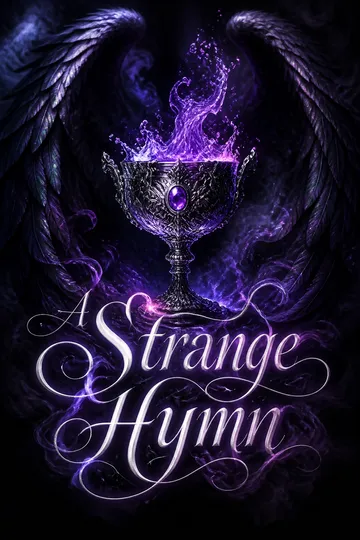
A Strange Hymn receives mixed reviews, with ratings ranging from 1 to 5 stars. Many readers praise the character development, world-building, and romance between Callie and Des. However, some find the pacing slow and the plot predictable. Critics note a lack of progress in the main mystery and excessive focus on fashion and romance. Fans appreciate the darker tone and deeper exploration of the Fae world. The book's ending generates excitement for the next installment, though some readers express frustration with unanswered questions and cliffhangers.
People Also Read



Characters
Callypso Lillis (Callie)
The stubborn siren investigatorCallie is a human siren, a private investigator whose glamour can influence mortals but not fae. She approaches frightening events as cases to be examined, gathering testimony and comparing details even when her own trauma makes the evidence painful to face. Years of defending herself have taught her to hide vulnerability behind wit and defiance; life beside Des forces her to practice a more exposed kind of trust. Her altered body complicates her sense of identity, but she increasingly measures herself by what she chooses and does, not by whether she looks human. Her loyalty to Temper and instinct to protect other victims keep her from making her safety the only measure of what is right.
Desmond Flynn (Des)
The secretive Night KingDes is the ruler of the Kingdom of Night, known on Earth as the Bargainer for his talent at turning favors into binding debts. He is charismatic, perceptive, and deeply practiced at withholding information; his tenderness toward Callie exists alongside a capacity for spectacular violence. Power is not an abstraction for him, but a tool he uses to protect his people, settle insults, and shape situations before others can resist. His history has made control feel safer than dependence, even when he wants emotional closeness. Callie challenges that instinct by demanding truth and insisting that love cannot be reduced to possession. His devotion is genuine, but the story keeps testing whether it can honor her agency.
Temperance Darling (Temper)
Callie's fiercely loyal sorceressTemper is Callie’s closest friend and investigative partner, a sorceress whose formidable magic can overwhelm her conscience when she draws on too much of it. She masks fear and tenderness with irreverence, and her loyalty often arrives in reckless, unmistakable form. Her bond with Callie is built on years of mutual recognition: each knows what it means to be treated as dangerous or difficult. Temper resists being managed by powerful people, but she will temper her own anger when Callie asks her to trust.
Malaki
Des's steadfast Lord of DreamsMalaki is Des’s oldest friend, a powerful fae with an eyepatch and a history forged in the same criminal brotherhood as the Night King. He understands both Des’s personal habits and the political obligations that come with ruling, which makes him a practical counterweight to his friend’s impulses. Malaki is loyal without being merely obedient; he warns Des when protection of Callie risks damaging the kingdom. His growing connection with Temper brings him into the orbit of Callie’s closest relationship.
Mara Verdana
The calculating Queen of FloraMara rules the Flora Kingdom with charm, appetite, and a sharp understanding of political leverage. She can turn hospitality into a test and generosity into a public argument, especially when dealing with Callie, whose human identity unsettles the assumptions of the court. Mara’s authority depends on the kingdom’s laws and symbols, including its sacred groves, and she treats challenges to those symbols as challenges to her rule. Her fluency in power makes her dangerous, but also more complex than a simple antagonist.
The Green Man
Flora's elusive consortThe Green Man is presented as the consort of Mara and a figure of the Flora court. His close association with the kingdom’s plant life gives him a distinct place in its rituals and politics. He notices Callie’s discomfort when other fairies ignore it, but his attention is difficult to read as kindness, curiosity, or appetite. Through him, Callie encounters the court’s casual assumptions about human status and the way power can hide behind courteous manners.
Janus Soleil
The radiant King of DayJanus rules the Kingdom of Day and carries the authority of a monarch whose arrival changes the temperature of every room. His bright appearance and public reputation for truth contrast with Callie’s deeply disturbing memory of him. He is politically cautious, willing to deny accusations and invoke evidence when challenged. His presence gives Callie a powerful figure to confront, while his dealings with Des expose the old rivalry between Night and Day.
Phaedron
Des's rough-edged old friendPhaedron led the Angels of Small Death, the criminal brotherhood Des joined as a young man. He is blunt, boisterous, and affectionate in the rough language of someone accustomed to danger rather than courtly manners. His welcome to Callie makes visible a part of Des’s past that the palace does not explain. Phaedron also offers Callie an outsider’s warning about fae customs and the possessive instincts that can accompany mating.
Aetherial
A survivor from Karnon's prisonAetherial is a Day Kingdom soldier who endured Karnon’s prison and later resumes her place among Janus’s guards. Her survival gives Callie a rare connection to someone who understands the captivity without needing its details explained. Aetherial is direct, observant, and prepared to question what she hears about the kings she serves. Her presence helps bridge Callie’s personal memories with the larger investigation.
Karnon Kaliphus
The fallen King of FaunaKarnon was the ruler of Fauna whose imprisonment and abuse of soldiers set the story’s central mystery in motion. He combines the authority of a king with the volatility of a man feared by his own court. Callie’s memories of him are not simple: his cruelty is undeniable, but his behavior sometimes appears divided between tenderness and calculated harm. His death ends his reign, yet the surviving victims and unexplained enchantments ensure that his influence continues to shape events.
Larissa
Des's resourceful motherLarissa was a scribe who raised Des in the caves of Arestys, where poverty and isolation shaped his earliest understanding of danger. She taught him to fight and to restrain the temper that could expose him to greater harm. Des remembers her as a teacher and confidante, though he reveals her history only in fragments. Her choices help explain why he values secrecy, self-command, and survival.
Galleghar Nyx
A threat from Night's pastGalleghar is a figure tied to the old royal history of the Kingdom of Night and to the violence that shaped Des’s childhood. He carries himself with the confidence of someone who believes power is an inheritance and other people are instruments. His knowledge of Night magic makes him difficult to anticipate, while his connection to Des gives their conflict an intimate charge beyond the struggle between rulers.
The Thief of Souls
The hidden soldier takerThe Thief of Souls is the name attached to the disappearances of fae soldiers and the unnatural sleep affecting women across the kingdoms. The figure works through concealment, borrowed appearances, and magic that makes witnesses doubt what they have seen. The Thief’s methods turn the victims’ bodies into part of the mystery, which forces Callie to investigate both the missing people and the stories rulers tell about them.
Jerome
The attentive royal librarianJerome works in the Night Kingdom’s library and helps Callie navigate its unfamiliar texts. His dry humor and practical assistance make him a small but welcome point of steadiness in a palace built around secrecy and ceremony.
Plot Devices
The Bead Bracelet
A debt made visibleEach bead on Callie’s bracelet represents a favor she owes Des, turning their history into a tangible ledger. Des can invoke the debt to make a task binding, while Callie can negotiate the terms or challenge the price. The beads give intimacy a distinctly political texture: affection and obligation occupy the same wrist. Their eventual use also makes the device central to the difference between asking someone to live and having the power to save them.
The Incomplete Mate Bond
Love without easy accessCallie and Des are soulmates, but human and fae magic do not fully combine while she remains mortal. The flaw prevents Des from simply tracking her when she is abducted and limits their ability to share power. It complicates the familiar fantasy of a bond as a perfect safeguard: their love does not automatically grant knowledge, safety, or control. Lilac wine can complete the connection, making the bond both an emotional promise and a consequential magical mechanism.
Siren Glamour
A voice that compels mortalsCallie’s siren power lets her influence earthly beings through her voice, but it does not work on fae. In the Otherworld, glamour therefore gives her limited leverage rather than an all-purpose solution. She can use it to protect a human servant or command attention, yet the court’s laws and powerful opponents remain beyond its reach. The limitation keeps Callie dependent on judgment, physical skill, and alliances, while making her moments of influence sharper and more ethically charged.
The Sleeping Victims
A mystery preserved in bodiesWomen lie in glass coffins while their children behave as a collective, unsettling presence. Their preserved bodies give the investigation a visible record of harm, but their silence withholds the explanation Callie needs. Missing soldiers and blood seeping from sacred oaks extend the same mystery into new forms. These images lead Callie to connect the disappearances rather than accept the kingdoms’ separate explanations, and they preserve the danger even after an apparent culprit is defeated.
Prophecy and Nightmares
Warnings that resist closureThe opening prophecy forecasts a mortal beneath the Night King’s sky and a ruler who may rise and fall more than once. Callie’s nightmares echo voices connected to her past and to the still-active threat, eventually suggesting that someone can reach into her sleep. Together, prophecy and dreams make foreknowledge unreliable: they point toward danger without explaining its identity or outcome. They also ensure that apparent victories remain provisional, a structure reinforced by the epilogue’s awakening coffins.
The Bargainer Series


About the Author
Other books by Laura Thalassa



Download PDF
Download EPUB
.epub digital book format is ideal for reading ebooks on phones, tablets, and e-readers.








