


Plot Summary
Prologue
At the announcement party for Garrison Media’s public-relations contest, Livvy Savoie stands beside Gareth Blackwater, a grim reaper whose presence unsettles and attracts her in equal measure. A protective spell fails to blunt his aura, and a magical link accidentally exposes his sexual fantasy of her.
Livvy answers by making clear that she will not surrender control. Then the judges name both of them, along with the quiet warlock Willard Thompson, as finalists who must work together. Their rivalry now has a deadline, a shared project, and an attraction neither can dismiss.
The opening turns the romance’s central tension into an immediate bodily problem: Livvy wants Gareth, but she resists the loss of control his magic seems to provoke. The accidental vision makes desire reciprocal before either character is ready to admit it, while the contest forces proximity without granting intimacy. Their work is ostensibly collaborative, yet its prize keeps them rivals. This structure lets attraction develop through negotiation rather than simple surrender, and makes control both a magical danger and a question of trust.
Three Rivals, One Cause
At their first work session, the finalists compare causes: Livvy wants public acceptance and magical help for werewolves, while Willard wants vampire blood dens regulated. Gareth proposes a foster program for supernatural orphans, explaining that children placed with human families may have to hide their powers without anyone who understands their changing bodies or magic.
Livvy realizes she has never considered what such isolation means, and Willard agrees the children’s need is most urgent. The three choose Gareth’s cause, giving their contest a purpose beyond the prize. Richard Davis, the company liaison, tries to steer the discussion, but Gareth invokes the contest rules to keep the decision in the team’s hands.
The cause selection establishes the book’s moral center through a concrete comparison of needs, not a vague appeal to charity. Livvy and Willard are not made callous for proposing other causes; they simply lack Gareth’s firsthand knowledge. His insistence reframes competition as a chance to direct institutional attention toward children otherwise unseen by both human and supernatural systems. Richard’s attempted influence also foreshadows the way professional authority can conceal personal power. The team’s first act of cooperation depends on respecting procedure, a form of protection that will later prove inadequate against someone willing to abuse it.
A Campaign Takes Shape
Willard builds a clean campaign website with donation links, event listings, and space for accounts from adults who grew up in human foster care. Gareth writes the appeal and uses his software to identify supernatural donors and target likely supporters across the SuperNet.
Livvy arranges interviews with a witch, a warlock, and a werewolf, then turns their experiences into campaign material. Their methods complement one another: Willard gives the cause a home online, Gareth supplies reach, and Livvy makes the stories legible to an audience.
As they work, Gareth and Livvy trade barbs and test each other’s intelligence. Their professional collaboration succeeds before either is willing to call their personal attraction anything more than rivalry.
The campaign’s technology is not a miraculous fix; it is a way to make neglected testimony visible and actionable. Each finalist contributes a distinct form of labor, which quietly challenges the contest’s winner-takes-all framing. Gareth’s data skills can amplify voices, but the interviews give those numbers human consequence. Livvy’s organizing translates empathy into a public invitation rather than treating compassion as an end in itself. Their growing respect is similarly practical: they notice one another’s competence before they risk emotional trust.
Davis Enters the Picture
After Richard touches Livvy too familiarly at work, Gareth challenges him and later finds Livvy at the Cauldron to warn her that Richard is dangerous. Gareth identifies him as an Enforcer, a witch or warlock capable of stripping another supernatural’s powers, and admits that his own grim instincts register something deeply wrong in him.
Livvy questions Gareth’s earlier accusation that she had used magic to manipulate judges; he confesses it was a lie meant to hide his attraction. At dinner, she asks why he needs the contest. Gareth explains that his parents died when he was seven and that foster homes left him isolated from anyone who understood his emerging magic. Livvy sees the cause as personal, not convenient.
Gareth’s warning matters because it is both protective and compromised: he sees a real threat, but his possessiveness and attraction shape how he delivers the message. Livvy does not simply accept his authority; she demands honesty about his own conduct first. His account of childhood gives the orphan campaign emotional specificity, while his controlled manner shows how disclosure can be difficult even when the facts are spoken plainly. Their trust begins not with a rescue but with mutual scrutiny. Richard’s status as an Enforcer makes his apparent entitlement especially dangerous, because the power to protect a community can also be used to dominate it.
The Brat Club Kiss
At the eighties-themed Brat Club, Livvy discovers that Gareth owns the venue and that his polished, distant manner does not prevent him from moving beautifully on the dance floor. He approaches her while she dances, and their teasing gives way to a kiss. Gareth takes her to his office, where they explore each other sexually, but neither has a condom, so they stop short of intercourse.
During the encounter, Gareth uses precise telekinesis to restrain and touch her, revealing a control over magic that surprises her. Afterward, he admits that grims conceal dangerous abilities and that he is more powerful than most. When his inner darkness surges, he abruptly leaves, making their first intimacy as unsettling as it is exhilarating.
Their first sexual encounter advances intimacy while preserving a boundary, a useful counterpoint to the aura-driven sense that their attraction is irresistible. The missing condom forces a pause that neither can magic away. Gareth’s telekinesis offers a glimpse of how control can be delicate rather than merely coercive, but his sudden withdrawal shows that his power carries costs he has not explained. Livvy experiences the encounter as chosen pleasure; Gareth experiences the same closeness as a risk to the carefully managed self he presents to the world.
The Photo Shoot Shadow
At the team’s pin-up photo shoot, Livvy poses in a spiderweb-patterned swimsuit while Willard manages the live stream. Richard attends and leers at her; Gareth tests him with a pointed remark and recognizes that Richard’s interest goes beyond flirtation. When Richard photographs Livvy without permission, Gareth damages his phone and retreats to the dressing area to regain control of his anger.
Livvy finds him there, and Gareth explains that grims carry a sentient darkness that feeds on corruption, power, blood, and death. He warns her not to be alone with Richard. She promises to avoid him, sensing that Gareth’s warning is not merely professional jealousy. The contest has acquired a threat that their public-facing campaign cannot address.
The photo shoot converts the campaign’s use of glamour into a test of who controls the image. Livvy can pose confidently for a charitable event, but Richard treats that visibility as permission to consume her with his gaze and camera. Gareth’s response protects her privacy, yet his barely contained rage reveals that protection is entangled with the darkness he fears. His confession gives Livvy a partial map of the danger without the full history. She must decide whether to trust a man who is both a source of safety and a power she does not understand.
Family Makes Its Claim
A family meeting reveals that Evie is expecting triplets and that the Savoie sisters are rearranging their homes so Evie and Mateo can raise the babies in the family house. Livvy offers to move into the carriage house, then admits to Violet that she has fallen for Gareth and wants to know more about his grim nature. Meanwhile, Gareth visits his Aunt Lucille, who finally brings her late husband’s urn inside.
She recognizes Gareth’s feelings for Livvy and urges him to trust love rather than obey a code built around secrecy. Gareth also worries that his younger cousin Sean may be developing grim powers without control. He leaves with a new purpose: to open himself to Livvy and guide Sean before his abilities become dangerous.
The Savoie household gives Livvy a living model of belonging, one built from practical care: rooms are reassigned, a nursery is planned, and no one is left to manage alone. Gareth’s visit to Lucille offers a contrasting but complementary family bond, one that names the emotional defenses he has mistaken for self-sufficiency. Sean’s emerging abilities extend the theme of inheritance beyond romance: power requires guidance, not shame or secrecy. By deciding to let Livvy closer, Gareth accepts that protection cannot mean controlling every risk from behind a locked door.
The Office Corner
After Livvy proposes a wet-shirt fundraiser featuring the Blood Moon werewolves, Richard corners her alone in the office. He touches her despite her objections and reminds her that, as an Enforcer, he can strip her magic. Her fear disrupts her ability to compel him to stop. Gareth arrives and uses his own power to force Richard back to his office, then struggles to keep his lethal anger in check.
Livvy insists they postpone reporting the incident until the contest is finished, fearing that an inquiry will derail their campaign. Gareth reluctantly agrees to continue working off-site. At his home, Livvy meets his three-legged dog Queenie, and the team begins planning the fundraiser away from Richard’s reach.
Richard’s assault exposes the weakness in a system that relies on an abused person to report misconduct while the abuser controls both status and access to power. Livvy’s magic is usually an extension of her confidence, but fear interrupts that resource, making the threat bodily rather than abstract. Gareth’s intervention is effective, yet his desire for immediate retaliation could endanger both him and their cause. Livvy’s decision to delay reporting is strategic, not forgiveness. The move to Gareth’s home creates temporary safety while sharpening the ethical question of what the team owes the public and to one another.
Black Silk, Open Hands
As the team plans at Gareth’s house, attraction finally outweighs Livvy’s hesitation. She asks him to bind her, offering trust in exchange for the openness he has withheld. Before restraining her, Gareth carefully shaves her, turning preparation into an unexpectedly intimate act; then he ties her wrists with her own red scarf and checks that she can stop him.
Their first intercourse follows, with Livvy choosing submission without giving up her agency. She discovers that yielding can be a deliberate choice rather than defeat. Afterward, their tenderness continues instead of ending with sex. Gareth is shaken by how fully she trusts him, and Livvy understands that her offer has changed their relationship beyond a contest-time affair.
The scene reframes power exchange as negotiated authorship. Livvy does not become passive; she chooses a form of vulnerability that disrupts her habit of leading every encounter. Gareth, meanwhile, must receive trust rather than seize it, and the careful preparation matters as much as the erotic act. Her boundaries make the intimacy possible. The red scarf becomes an object that can signify restraint without erasing consent, a distinction that will matter when Gareth later fears that his darkness has crossed a line.
A Grimlock’s Inheritance
After they make love, Gareth answers Livvy’s questions about grims. He explains that their line began with an Enforcer who used blood magic in an attempt to raise the dead; the warlock’s vampire wife killed him, and the black magic entered their unborn child. Some descendants inherited extraordinary abilities and became grimlocks, a rare class that includes Gareth.
Their darkness is a living force they must learn to contain. Gareth confirms he has killed someone, but Livvy tells him she will hear the details when he is ready and refuses to define him by inherited evil. Gareth recognizes her as his mate, a bond grims know instinctively. He asks her to stay, and Livvy chooses a future with him despite the risks of his secrets.
The origin story makes the grim condition an inheritance of violence, not a moral verdict on every descendant. Gareth’s fear is less that Livvy will learn a fact than that she will treat ancestry as destiny. Her response separates responsibility from contamination: she does not deny the danger, but insists that his choices matter. Naming her as his mate gives the bond supernatural certainty, yet it does not replace consent; Livvy still chooses to stay. The scene shifts secrecy from a communal rule into a personal question of whether intimacy can survive truthful knowledge.
A Database for Wolves
Ruben, the vampire overlord, and Jules ask Gareth to build a voluntary registry tracking werewolves who receive Violet’s charmed tattoos. The information could help them persuade the High Witch Guild to admit werewolf clans into supernatural councils, so Gareth agrees to work without a fee.
He and Livvy also plan a live stream from the St. Patrick’s Day parade as the campaign’s final event. At Sunday dinner, the Savoie family welcomes Gareth; Evie and Mateo announce their marriage, and Isadora and Devraj announce their engagement.
Clara’s interest in Gareth’s cousin Henry becomes harder to miss, while Henry begins confronting the magic he has long avoided. The cause widens, and Gareth starts to experience community as more than a source of danger.
The database creates a productive tension between care and surveillance. Gareth understands registration as a tool his own people accept, but werewolves have reason to distrust systems designed by others. Making the program voluntary and linking it to access to Violet’s stabilizing tattoos gives the information a service purpose rather than a policing one. The family dinner supplies a social counterpart to this political work: belonging is enacted through invitations, celebrations, and shared plans. Gareth’s expanding circle makes the campaign’s argument personal. Recognition is not only a seat at a council; it is the chance to participate in ordinary communal life.
The Pack Takes the Stage
The Blood Moon pack performs at Livvy’s wet-shirt fundraiser, drawing a large crowd and helping present werewolves as neighbors rather than threats. The event raises substantial support for supernatural orphans, while Gareth’s targeted promotion brings the campaign a much wider online audience.
Richard appears and offers a false apology, then hints that reporting him could damage Livvy’s contest prospects. Gareth confronts him, but Livvy keeps the exchange professional and refuses to let him provoke another outburst.
Once Richard leaves, Gareth asks for an exclusive relationship, and Livvy accepts. Their private attraction has become a public commitment, while the campaign’s success gives them a reason to finish the final parade project before confronting GMC.
The fundraiser uses spectacle strategically: the werewolves choose how to present their bodies, and the public’s attention becomes money and visibility for children. That distinction matters because Richard has treated Livvy’s appearance as an invitation, while the performers control their own show. His apology is another attempt to define the story in his favor, but Livvy refuses to accept his framing. Gareth’s request for exclusivity shifts protection away from possessive implication toward an agreement between partners. They now have something shared to defend, both emotionally and institutionally.
The Beast Is Welcomed
Before the parade fundraiser, Gareth lets his dark essence emerge during an intensely rough, consensual encounter in a courtyard. Its smoke-like tendrils restrain and stimulate Livvy as he loses ordinary control; afterward, she is exhausted and falls unconscious.
Gareth carries her home convinced he has abused her and expects her to leave. When Livvy wakes, she remembers the encounter and tells him she chose it, though they agree to leave time between such experiences.
She asks about the violence in his past, and Gareth describes how a vampire named Dennis repeatedly attacked him as a child and threatened another foster child. When Dennis endangered the boy, Gareth’s darkness killed him in self-defense. Livvy tells Gareth she loves him, and he returns the confession.
The scene deliberately places consent under pressure without pretending that intensity removes the need for care afterward. Gareth’s panic reveals how strongly he equates his capacity for violence with inevitable harm; Livvy’s account of her own choice challenges that equation, while her soreness prevents the aftermath from becoming consequence-free. His childhood confession explains why control became a survival strategy and why the monster’s emergence frightens him. Love does not cure the darkness or erase the past. It gives Gareth a relationship in which fear can be spoken and boundaries can be negotiated.
Magic Stolen at GMC
On parade day, Willard realizes he left his handwritten notes at GMC, so Livvy detours to retrieve them while the team prepares the live stream. Richard has secretly glamoured Willard into sending her alone. In the empty office, he uses his Enforcer power to strip Livvy’s magic, then threatens and attacks her.
Gareth arrives at the building after realizing she is missing; he traces at supernatural speed, breaks into the office, and pulls Richard away with his dark essence.
The monster begins crushing Richard’s bones, but Livvy pleads with Gareth to stop before the crime becomes an unlawful execution. Gareth leaves Richard alive but badly injured, holds Livvy as she shakes, and calls Jules and Ruben to take charge. The planned broadcast gives way to an assault investigation.
The attack is the convergence of every earlier warning: Richard’s authority, his interest in Livvy, and Gareth’s dangerous protective capacity. He uses the very power entrusted to an Enforcer to remove her ability to defend herself, turning public duty into private coercion. Gareth’s arrival saves her, but his violence nearly repeats the pattern he fears in himself. Livvy’s plea interrupts the monster without denying what Richard did. Her agency persists even after magic is stolen, expressed through the choice that prevents Gareth from crossing a legal and moral boundary.
Three Ghosts Give Testimony
At trial, Richard denies responsibility and blames Livvy for encouraging him. Gareth adds accusations that Richard murdered three women, including his own teenage niece. Henry, a grim with a dormant ability to summon the dead, calls the victims into court; each identifies Richard, and their testimony proves the killings.
The jury condemns him, and Gareth carries out the sentence. Livvy does not watch, but lets Gareth take her away once it is done. The GMC contest concludes with the three finalists sharing the prize, while Gareth directs his portion to Livvy and Willard.
Their campaign has raised $75,603 and brought the supernatural foster program before influential leaders. Richard’s violence is answered publicly, and the couple can turn toward a life no longer organized around his threat.
The courtroom transforms hidden knowledge into accountable evidence. Richard’s attempt to make Livvy responsible for his actions repeats the coercion of the office, but the victims’ testimony makes his private narrative impossible to sustain. Henry’s power, once a source of fear and avoidance, becomes a means of restoring voices that violence tried to erase. Gareth’s execution satisfies the supernatural court’s sentence, though Livvy’s refusal to witness it marks a boundary between justice and spectacle. The shared prize also counters the contest’s competitive premise: collective work, not individual victory, produces the campaign’s lasting result.
Epilogue
Five months later, Evie gives birth to two boys and a girl, and Gareth watches the Savoie family gather around the newborns. Livvy introduces him to her parents, who welcome him warmly.
When Clara hands Gareth a baby, she hints that he and Livvy will someday raise daughters of their own, including through adoption. For a man who once believed family belonged to other people, the crowded hospital room offers a new picture of home: children surrounded by safety, affection, and many willing arms.
The ending answers Gareth’s childhood deprivation with a scene of abundant, ordinary care. The babies are not symbolic substitutes for the children he could not protect; they are actual new lives welcomed by a functioning family. Livvy’s parents make that welcome explicit, extending her family to him rather than asking him to prove he deserves a place. Clara’s mention of adoption carries the orphan campaign into the couple’s future without turning charity into a cure for trauma. Gareth’s hope rests on participation: he can help build the kind of home he once lacked.
Analysis
The novel pairs a workplace romance with a campaign about supernatural children, but its two plots are joined by a shared question: who gets protection, and who is expected to provide it? Gareth’s foster-care history gives him a private reason to build an institution that the wider community has failed to create. Livvy’s organizing turns that knowledge into interviews, events, and political access. Their work treats empathy as a practice, not a feeling: someone must collect testimony, create a website, gather money, and persuade powerful groups to act.
The romance’s central negotiation concerns control. Livvy is accustomed to directing relationships, while Gareth has made control a defense against grief, abuse, and an inherited force capable of real harm. Their intimacy becomes meaningful when each can state limits and trust the other to respect them. The book does not equate desire with consent or supernatural bonding with automatic compatibility. Livvy’s choices remain active, and Gareth’s power does not excuse him from listening. His fear after the encounter with his darkness shows that being accepted does not erase accountability.
Richard’s abuse provides the inverse model. He treats authority as entitlement, uses magic to remove Livvy’s ability to resist, and later tries to make her responsible for his conduct. Against that private coercion, the story sets public systems: contest rules, a supernatural court, Aura testimony, and political guilds. These institutions are imperfect, but they can work when evidence and shared responsibility constrain individual power. Henry’s return to his magic makes that principle personal: a feared ability can serve repair when someone chooses to use it responsibly.
The ending links chosen family, institutional change, and domestic hope without suggesting that love alone solves structural neglect. Gareth gains a family by accepting care, while the campaign begins work that will outlast the contest. The babies embody a future supported by many hands, precisely the kind of security the supernatural foster program seeks to extend to children who might otherwise grow up alone.
Review Summary
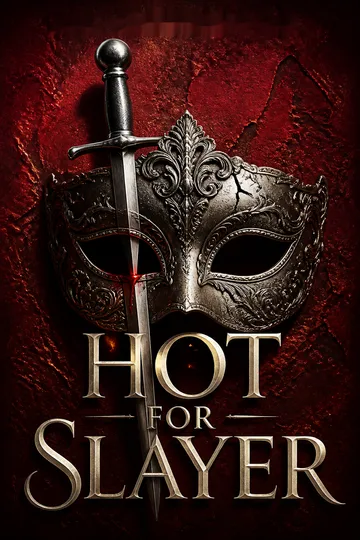
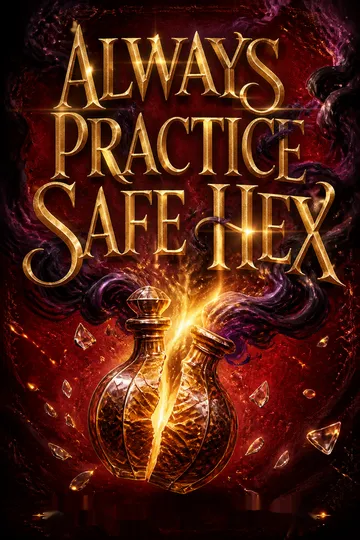
Always Practice Safe Hex is the fourth book in the Stay a Spell series, following witch Livvy Savoie and grim reaper Gareth Blackwater. Readers praise the sizzling chemistry, steamy scenes, and character development. The book explores grim reaper lore and powers, adding depth to the paranormal world. While some found it darker than previous installments, most enjoyed the enemies-to-lovers romance and family dynamics. The story balances humor, romance, and supernatural elements, making it a favorite for many fans of the series.


Characters
Lavinia Savoie
The persuasive campaignerKnown as Livvy, Lavinia is an Influencer witch, a gifted public-relations organizer, and one of the Savoie sisters who help lead New Orleans’s supernatural community. She likes to take charge, uses humor to test people, and is accustomed to choosing partners whose needs she can anticipate. Gareth unsettles that pattern because his intelligence and reserve resist easy management. Her warmth is practical: she interviews foster-care survivors, builds fundraisers, and gives others room to act. Livvy is attracted to power but not blindly impressed by it; she asks questions, sets boundaries, and chooses vulnerability when she judges it safe.
Gareth Blackwater
The guarded grimlockGareth is a wealthy technology entrepreneur and a rare, exceptionally powerful grimlock, a grim reaper with abilities beyond those of most supernaturals. He prizes information, order, and self-control, habits shaped by early loss and a childhood without dependable protection. His cold manners conceal fierce loyalty to the few people he trusts, and his work for supernatural orphans grows from personal knowledge of their isolation. Livvy attracts him because she can challenge his assumptions without diminishing his abilities. He must learn that control can protect others, but also keep him from receiving the care and intimacy he wants.
Willard Thompson
The quiet strategistWillard is a healer and a finalist in the GMC contest. Socially awkward but observant, he contributes the campaign website and proposes the live parade coverage. His care for vulnerable people is concrete, rooted in concern about unsafe vampire blood dens. Livvy’s encouragement pushes him toward public-facing work without pretending that confidence comes easily.
Richard Davis
The powerful liaisonRichard is GMC’s polished liaison and an Enforcer, a designation that gives him the power to strip other supernaturals of their abilities. He is skilled at appearing professional while treating status as permission to intrude. His interest in Livvy and resentment of Gareth complicate the contest’s workplace structure. Richard represents the danger of authority without accountability, especially when those around him are expected to protect their careers by staying quiet.
Henry Blackwater
The troubled cousinGareth’s cousin, Henry is a grim whose anxiety and avoidance have distanced him from his own abilities. He works for vampire overlord Ruben and is protective of his younger brother Sean. His attraction to Clara brings out awkward tenderness beneath his scowl, while his loyalty to Gareth makes him willing to face difficult demands. Henry’s arc turns on whether he can regard his magic as something he can use responsibly rather than a burden to shut away.
Clara Savoie
The emotional readerClara is a gentle-seeming Aura witch whose sensitivity to emotion makes her unusually perceptive about her sisters and their relationships. She is warm, perceptive, and more mischievous than her sweet manner suggests. Clara recognizes that Livvy’s dating habits leave little room for an equal, and she encourages her to take the risk of being challenged. Her interest in Henry draws her toward someone whose guardedness contrasts with her openness.
Aunt Lucille
Gareth’s trusted mentorLucille is Gareth’s aunt and a grim whose agoraphobia keeps her close to home. She gave Gareth the patient instruction he needed to understand and contain his power, and her house remains one of his few places of safety. Her frank affection lets her challenge the secrecy and emotional isolation he treats as necessities. Lucille’s bond with her late husband and her care for Gareth show how love can persist alongside grief, fear, and eccentric habits.
Violet Savoie
The tattooing SeerViolet is a Seer witch, Livvy’s sister, and the maker of charmed tattoos that help werewolves manage their violent instincts. Bold, teasing, and loyal, she uses her visions to guide the family but knows that she cannot foresee every danger. Her work gives the werewolf campaign a practical foundation and helps shift the pack’s relationship with the wider supernatural community.
Jules Savoie
The coven’s EnforcerJules is the eldest Savoie sister and a powerful Enforcer responsible for supernatural order in New Orleans. Her practical authority is tempered by a deep sense of duty to her family and community. She helps turn the werewolf cause into a political campaign and supports Livvy when workplace danger threatens the contest. Jules carries the burdens of leadership carefully, though her relationship with vampire overlord Ruben tests the boundaries between public responsibility and private desire.
Evie Savoie
The generous sisterEvie is one of the Savoie sisters, known for helping others before herself. Her relationship with the werewolf Mateo brings her into the pack’s orbit, and her warmth helps create a bridge between communities. Her family relies on her generosity, while her loved ones rally around her needs in return.
Mateo Cruz
The devoted werewolfMateo is a werewolf, an artist, and Evie’s partner. His gentler temperament coexists with an intensely protective wolf side that grows more pronounced around the people he loves. He supports the Savoies’ efforts to improve werewolves’ standing while remaining proud of his pack identity. His relationship with Evie brings his loyalty and possessiveness into the center of the family’s life.
Nico Cruz
The pack’s musicianNico is Mateo’s cousin and a werewolf who sings at the Cauldron. His easy humor and affection for Violet make him a visible link between the Blood Moon pack and the Savoie family. He helps the pack take part in public events, showing a community-minded side that contradicts the suspicion often directed at werewolves.
Ruben Dubois
The vampire overlordRuben leads the New Orleans vampires and operates the Green Light, a regulated blood-host venue. Resourceful and composed, he values order but also recognizes that the supernatural community’s institutions can exclude those who need support. He partners with Jules on werewolf recognition and approaches Gareth for technical help, making him an influential ally in the campaign.
Isadora
The Savoie family healerIsadora is a healer and a close member of the Savoie family circle. Her calm presence and restorative magic offer practical comfort when others are injured or overwhelmed. Her relationship with Devraj is marked by tenderness and mutual admiration, and her way of caring provides a quieter counterpoint to the family’s louder personalities.
Devraj
The vampire romanticDevraj is Isadora’s devoted partner and a vampire whose warmth contrasts with the formality of his supernatural status. He is affectionate, playful, and comfortable within the Savoie family. His relationship with Isadora offers Livvy another example of intimacy built through visible care and mutual commitment.
Sean Blackwater
The reckless younger cousinSean is Henry’s younger brother and Gareth’s cousin. His strong telekinetic abilities and appetite for mischief concern the older grims, who suspect he needs guidance. He is impulsive and irreverent, but his closeness to Henry gives him a family willing to intervene before youthful power becomes a lasting harm.
Clarissa Baxter
The regional witch leaderClarissa is a senior Enforcer and president of a major coven guild. She combines political authority with a concern for fair procedure, and her influence gives the foster-care campaign a route toward institutional action.
Victor Garrison
The contest’s sponsorVictor is president of Garrison Media and sponsor of the public-relations contest. He sets the rules that require the finalists to choose and execute a campaign together, giving their rivalry a shared structure and public purpose.
Queenie
Gareth’s three-legged dogQueenie is Gareth’s small rescue dog. Her cheerful presence softens his carefully ordered home and gives Livvy an easy point of connection with him beyond work, magic, and attraction.
Plot Devices
The GMC PR contest
Forced teamworkThe contest makes Livvy, Gareth, and Willard collaborate on a supernatural cause while competing for a prize. Its rules require the finalists to choose their campaign together, creating a practical reason for repeated meetings. The deadline structures the fundraising events, and the contest’s public visibility gives the foster-care issue a path toward broader supernatural attention. Richard’s position as liaison also places a powerful, compromised authority figure inside the team’s workplace.
Grim darkness
Power under restraintGrims carry a sentient dark essence that responds to corruption, power, blood, and death. Gareth has learned to contain his through training and mental discipline, but emotional pressure can bring it to the surface as smoke-like tendrils and overwhelming force. The darkness makes his protective instincts physically dangerous and connects his personal history to the origin of his kind. Its emergence tests whether power can be acknowledged, bounded, and used without becoming the very violence Gareth fears.
Influence and nulling
Magic as consentLivvy’s Influencer magic can persuade others, while Richard’s Enforcer ability can remove supernatural powers. The contrast turns a professional dispute into a question of bodily autonomy: Livvy’s power falters when she is frightened, and Richard can deliberately take it away. Gareth also uses mental links and telekinesis, which require the lovers to distinguish chosen intimacy from intrusion or force.
Violet’s charmed tattoos
A bridge to recognitionViolet’s permanent magical tattoos help werewolves better control their inner wolves. Their practical effect gives Jules and Ruben a basis for arguing that werewolves can participate safely in wider supernatural institutions. Gareth’s voluntary registry would help identify who has received the tattoos and who still needs them, turning an intimate magical craft into a potential tool for community access.
Henry’s spirit-summoning
The dead testifyHenry has a rare ability to open a passage and call spirits into the living world. His long avoidance of that magic makes its return costly, but it provides testimony that living witnesses and ordinary records cannot supply. At trial, the spirits identify Richard as their killer, transforming suspicion into proof. The device also makes Henry’s recovery of his abilities part of a larger struggle to restore voices silenced by violence.
Stay a Spell Series


About the Author
Other books by Juliette Cross


Download PDF
Download EPUB
.epub digital book format is ideal for reading ebooks on phones, tablets, and e-readers.








