

Plot Summary
The Brownie and the Darkroom
At a charity gathering in France, nine-year-old Lenora Astalis shares a stolen brownie with Vaughn Spencer, a strange, sharp-minded boy she finds both fascinating and cruel. Years later, at Carlisle Prep, twelve-year-old Lenora enters the darkroom and discovers Vaughn with Professor Harry Fairhurst in a sexual situation.
She flees, but Vaughn follows her to the girls' dormitory, makes clear that he knows she saw, and threatens her into silence. Lenora keeps the secret. The memory binds them before either can name what happened: she believes Vaughn is dangerous, while he mistakes her silence for fear and obedience.
The brownie gives their connection an unexpectedly tender origin, but the darkroom turns intimacy into a problem of power and interpretation. Lenora sees evidence without understanding its full context; Vaughn reads her silence as submission, a misreading that will govern their early encounters. His threat makes secrecy feel like a bond even as it isolates him. The scene also plants the book's central question: whether a person can be seen accurately when shame has taught them to perform a role.
A Mother Goes Missing
Soon after the Carlisle encounter, Lenora's mother dies suddenly of cardiac arrest. Lenora responds by burying herself in art, choosing to build a stronger self rather than let grief define her. When her father, Edgar, and older sister, Poppy, move to Todos Santos, California, Lenora stays in England at Carlisle Prep, where her work and childhood memories remain.
Years later, Edgar insists she join them for senior year at All Saints High. Lenora arrives with black hair, piercings, and dark clothes, hoping to keep Vaughn away. Instead, she finds him in her new school, still admired, feared, and impossible to ignore.
Lenora's transformation is not a simple rejection of grief. Art gives her a way to shape what cannot be repaired, while her decision to remain at Carlisle preserves a life still connected to her mother. The move to California disrupts that self-protective arrangement. Her dark clothes are a chosen signal, but classmates read them as an invitation to ridicule. Lenora arrives believing she has outgrown her fear of Vaughn; his presence tests whether resilience means freedom from the past or the ability to meet it differently.
The Poolside Internship War
Vaughn watches Lenora's routine, copies a key to the Astalis house, then confronts her while she swims alone. Their old antagonism sharpens when they discover they both want one of two prestigious Carlisle internships, which promise a chance to exhibit at Tate Modern. Lenora is applying to develop her own assemblage work; Vaughn wants the position for reasons he will not explain.
He tells her the winner may choose an assistant, making her potential role beneath him part of the contest. Lenora refuses to be intimidated and insists Carlisle is still her territory. Their rivalry now has a concrete prize, and Vaughn's claim over her begins to mingle with artistic competition.
The pool scene converts childhood intimidation into an adult contest with professional consequences. Vaughn still assumes that access, wealth, and reputation give him control, while Lenora refuses the role of frightened witness. Their competing artistic ambitions also complicate the romance: each can recognize the other's talent, but neither is ready to acknowledge it without turning recognition into a weapon. The assistant position makes hierarchy personal. Lenora might lose not only the opportunity she has earned toward, but also control over how she works.
A Dare in the Janitor Room
At lunch, Vaughn insults Lenora in front of the popular students and then leads her toward Alice Hamlin, who is dating Jason. He expects Alice to perform a public sexual favor for him. Lenora intervenes by offering to do the same with Jason, hoping to spare him humiliation and show Vaughn she will not simply submit.
When she realizes how frightened and uncomfortable she is, Vaughn abruptly stops the encounter and sends Alice and Jason away. Alone, he challenges Lenora over her schooling and ambitions, then kisses her. She bites his lip hard enough to draw blood. The kiss is less a confession than a new rule: each can hurt the other, and neither wants the game to end.
The scene exposes the coercive theater of Vaughn's social power, but also shows Lenora's attempt to redirect it toward someone more vulnerable. Her intervention is brave and reckless, not a clean triumph: she risks her own boundaries to resist his humiliation of Jason. Vaughn's sudden protection complicates his cruelty without absolving it. The bloody kiss gives them a language of reciprocal injury, one that feels more honest to both than ordinary tenderness. Yet their shared appetite for provocation can blur the difference between consent, control, and retaliation.
Poppy's Poolside Betrayal
Poppy's place among All Saints' popular students collapses when Knight Cole ends their relationship and rumors turn her into a target. At a party, Arabella Garofalo and Alice pressure Poppy to reveal whether Lenora is involved with Vaughn. When Poppy refuses, Soren holds her underwater. Lenora knocks him down with a pool pole, pulls Poppy out, and gets her safely home.
The attack makes Poppy abandon her new friends and accept that California was never the refuge she hoped it would be. Later, Arabella, Alice, and Soren corner Lenora in the girls' locker room, injure her, and demand Vaughn's secret. Lenora refuses to betray it, even while she is being hurt.
The sisters respond to their mother's death in opposite ways. Poppy tries to secure belonging through agreeableness; Lenora protects herself with defiance and withdrawal. The pool assault reveals the cost of Poppy's strategy, while Lenora's rescue gives their relationship a decisive, physical form of loyalty. Her later refusal to expose Vaughn is not proof that he has earned trust. It is an ethical boundary she maintains under pressure. The book distinguishes her silence from submission, even as the people around her repeatedly confuse the two.
The Prize and the Wound
Lenora submits a carefully made skull assembled from vintage tin cans, but the Carlisle board awards Vaughn the internship despite his unfinished sculpture. Edgar offers Lenora the assistant's position, and she reluctantly accepts because it still keeps her close to the art world she wants. Vaughn leaves a bag of rubbish at her door as a taunt.
In the final week of school, he arrives at her house badly cut and bleeding. Lenora cleans and stitches his side rather than let him refuse medical care, and they kiss while she works. The moment unsettles them both: Vaughn's body is plainly vulnerable, and Lenora's anger no longer prevents her from wanting him.
The internship decision wounds Lenora because it confirms an old fear that her father sees Vaughn more clearly than he sees her. Her acceptance is not surrender to Vaughn; it is a choice to protect her own artistic future despite him. The stitching scene reverses their earlier dynamic. Lenora handles a needle with practiced care while Vaughn must accept help, making his physical vulnerability visible without curing his emotional evasions. Art, injury, and touch converge, but neither character can yet distinguish desire from the contest that brought them together.
Fire Beneath the Attic
On the last day of school, Vaughn publicly lets Arabella perform a sexual favor while Lenora watches, turning her jealousy and humiliation into a spectacle. At the Astalis family's farewell party, Arabella claims Lenora exposed Vaughn's secret, then knocks over a flaming lamp in a yard soaked with alcohol. The fire spreads as guests flee and police arrive.
Lenora is trapped in the attic after her key falls into the pool. Vaughn initially believes she betrayed him, but he climbs onto the roof, breaks through her window, and catches her when she jumps. He hides her from the police and firefighters. Lenora leaves for England knowing he saved her, but also believing he still sees her as a liar.
The fire literalizes the danger of their private history becoming public, but the immediate crisis does not erase the injury that precedes it. Vaughn acts while still believing Lenora betrayed him, so his rescue reveals an attachment deeper than his declared mistrust. Lenora's refusal to beg preserves her agency, though it leaves her exposed to his judgment. Their escape creates a painful contradiction: he protects her body while refusing to believe her account. The contradiction becomes a durable source of longing and resentment.
Carlisle's Unwanted Pairing
Back at Carlisle, Lenora reunites with her childhood friend Rafferty Pope and learns Arabella has become his assistant. Vaughn returns for his own internship, keeps his sculpture hidden in a locked cellar, and intrudes on Lenora's private life. After she wounds his throat with a small knife, he admits that physical intimacy with other people has never worked for him as it does with her.
They agree to kiss and touch, with Lenora demanding that he stop seeing other girls. She refuses to give him sexual favors if he will not offer her pleasure in return. Their arrangement makes room for desire, but Vaughn still treats openness as a threat, and Lenora still doubts that he can want her without trying to own her.
The bargain is an early attempt to make desire legible through rules. Lenora asks for reciprocity and exclusivity, insisting that intimacy cannot be reduced to service on Vaughn's terms. Vaughn's unusual response to her exposes a capacity for connection he has hidden behind public sexual bravado. Yet their agreement remains precarious because he frames possession as protection and she avoids naming attachment. They are negotiating consent more honestly than before, but still use performance and threat to approach feelings neither trusts.
A Birthday Turns Hostile
Fairhurst blackmails Vaughn with fabricated evidence tying Vaughn's mother, Emilia, to a cocaine-smuggling scheme. Vaughn secretly secures money from his trust and destroys the files, weakening Fairhurst's hold. On Lenora's birthday, Arabella claims that she is sleeping with Edgar and that Vaughn knew. Lenora believes her, gets dangerously drunk, and ends her arrangement with Vaughn.
He takes her to a hidden chamber beneath the castle rather than let her make the accusation in front of everyone, but he does not persuade her to trust him. In the days that follow, Vaughn retaliates against Fairhurst by exposing and destroying his leverage. Lenora and Vaughn are now separated just as their secrets become more dangerous.
The birthday crisis links two kinds of coercion: Fairhurst's attempt to control Vaughn through his mother, and Arabella's attempt to control Lenora through scandal. Vaughn acts strategically against the first threat but fails to anticipate how silence will intensify Lenora's distrust. Her drunkenness makes the confrontation less controlled, not less meaningful; the accusation strikes a real wound in her relationship with Edgar. The hidden chamber briefly shelters them from public scrutiny, but secrecy has ceased to feel protective. It now resembles the structure that kept Vaughn's abuse unspoken.
The Statue Between Them
Lenora discovers that her own assemblage resembles Vaughn, with a paper heart and a crown of thorns, and tears it apart in distress. She later chains Vaughn to her headboard and asks Pope to kiss her in front of him, forcing Vaughn to confront the humiliation he inflicted on her. Vaughn apologizes for the public sexual displays and for bringing Arabella into her life, then agrees to let Lenora see his hidden work.
After Pope leaves, Vaughn destroys the damaged sculpture in a jealous outburst, but admits Lenora's art hurts because it is better than his. In the cellar, their anger gives way to sex. Vaughn then learns how to pleasure her, turning their contest into a first, awkward act of mutual care.
Lenora's sculpture makes her unconscious attachment tangible before she can admit it, and destroying it becomes an attempt to regain control over what it reveals. Her staged kiss with Pope is retaliatory, but it also tests whether Vaughn can acknowledge the harm he caused. His apology matters because it is specific, not because it instantly repairs their dynamic. The sexual encounter that follows shifts the terms of their relationship: Vaughn accepts pleasure as something to give, not merely a performance to receive. Care begins here, but it remains entangled with jealousy and damage.
The Secret Under the Crown
After Lenora's attempt to provoke him, Vaughn tells her that Fairhurst abused him beginning when he was eight, using threats and the family's reputation to keep him silent. Lenora realizes that what she saw in the darkroom was not the secret she imagined; Vaughn's cruelty and public sexual performances grew from years of shame and control.
He confesses that his plan is to kill Fairhurst and leaves before she can stop him. Lenora hangs posters around Carlisle encouraging students to identify the abuse they endured. The posters are damaged, but Fairhurst's smiling authority becomes easier to challenge. Her act is not a rescue of Vaughn; it creates public space for victims to speak for themselves.
Vaughn's confession changes the meaning of earlier scenes without making his later cruelty harmless. His public sexual behavior appears as a strategy for controlling the terms of touch, while his private avoidance of intimacy reflects the violation that shaped him. Lenora responds not by demanding a tidy confession or promising to cure him, but by making his abuser's authority visible to others. The posters transform private shame into a collective question of credibility. Vaughn, however, still believes violence is the only justice he can personally trust.
A Father Takes the Blade
Lenora confronts Arabella and learns that Edgar's affair was with Arabella's mother, Georgia, not with Arabella herself. Arabella has been punishing the Astalis family because the affair helped fracture her own, and Lenora recognizes how grief and resentment shaped both of them.
Edgar admits his affair and his failure to stay emotionally present; he also reveals that he awarded Vaughn the internship partly to bring the two young artists together.
Meanwhile, Vaughn reaches Fairhurst intending to kill him, but Baron Spencer arrives and takes the weapon from his son. Baron forces Fairhurst to die in a staged suicide, preventing Vaughn from becoming a murderer. Emilia later discovers what happened and grieves for the pain her son carried alone.
The revelations replace a simple villain triangle with a chain of adult failures whose consequences fall on young people. Arabella's cruelty remains harmful, but its motive becomes intelligible; Edgar's remorse matters only after he names the damage and accepts Lenora's anger. Vaughn's father also chooses action, yet his solution is morally compromised: he protects his son by committing a killing and disguising it. The sequence distinguishes understanding from absolution. Family loyalty can interrupt a destructive inheritance, but it cannot make violence clean or undo years of silence.
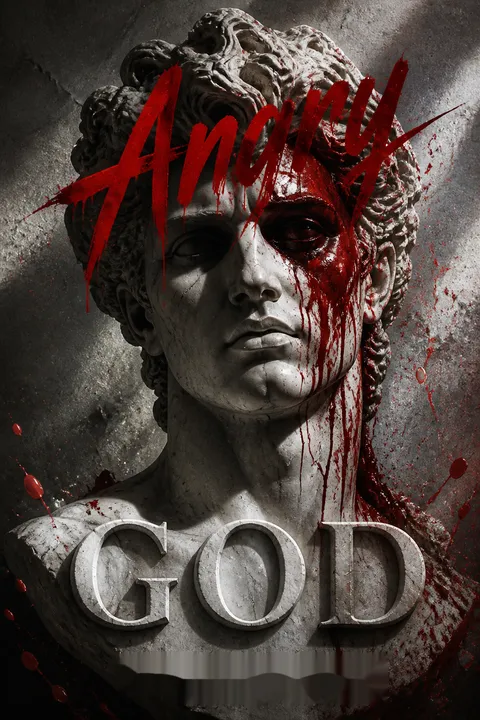
Tate Modern's Angry God
Vaughn withdraws from the internship, giving Lenora the Tate Modern exhibition he believes her work deserves. At the exhibition, her assemblage, Angry God, draws a crowd; its metal face, thorn crown, and bleeding paper heart preserve the turmoil she has transformed into art. Vaughn does not appear, and his letter explains that he left because he feared his plan for Fairhurst would ruin Lenora's future.
Later, she finds him waiting at her childhood home beside a large sculpture he made of them as children, intertwined and unable to separate. Vaughn admits he could not kill Fairhurst and chose Lenora over revenge. She accepts him, and they begin again without pretending their history was innocent.
The exhibition resolves the artistic rivalry by letting Lenora stand in her own right, not as Vaughn's assistant or his reward. Her sculpture turns the story's images of blood, metal, and thorns into a public work that can be interpreted without reducing her to trauma. Vaughn's paired sculpture answers it privately, representing connection as both refuge and entanglement. His decision not to kill Fairhurst does not erase what happened; it changes what he will carry forward. Their reunion depends on truth and choice, rather than the coercive inevitability Vaughn once called possession.
Epilogue
Two years later, Vaughn proposes to Lenora in their home in Corsica, using a ring built around her mother's engagement ring. Lenora agrees, and they elope in London with close family and friends. A year later, while living in Todos Santos, they discover they are expecting twins.
Vaughn, who once believed intimacy meant surrendering control, meets the news with nervous joy and asks whether he will be enough as a father. Lenora reassures him that his capacity to love her is already proof of what he can give their children.
The ending does not present marriage or parenthood as a cure for trauma. Instead, it shows Vaughn and Lenora building a life through repeated, ordinary acts of trust: sharing a home, work, travel, and decisions about family. His fear of failing as a father echoes the childhood in which adults failed to protect him, but he can now voice that fear rather than turn it into control. Lenora's changed desire for children also marks growth without erasing her earlier self. Their future is chosen, not owed.
Analysis
Angry God treats cruelty as both a defense and a form of miscommunication. Vaughn performs domination because control seems safer than being recognized as vulnerable; Lenora adopts an image of indifference because grief has taught her that attachment invites loss. Their attraction is compelling precisely because it does not automatically make their behavior healthy. The story repeatedly places consent and power under pressure, especially when public humiliation, possessiveness, and retaliation masquerade as intimacy. Lenora's demands for reciprocity, pleasure, and truth gradually shift the relationship away from Vaughn's unilateral rules. Art supplies a second language: discarded metal, stone, blood, and thorns make feelings visible before either character can admit them. The work also critiques institutions that protect prestige at the expense of young people, from Carlisle's compromised internship process to Fairhurst's authority. Yet it is cautious about easy justice. Vaughn's father intervenes to prevent his son from killing Fairhurst, but kills Fairhurst himself and stages the death, replacing private revenge with another exercise of power. The resolution therefore rests less on perfect repair than on changed choices. Vaughn stops short of the act that would define his future, Lenora claims her artistic opportunity, and both accept that love cannot erase the past. It can, however, make them answerable to one another without reducing either person to a wound.
Review Summary
Angry God received mixed reviews from readers. Many praised the angst, chemistry, and complex characters, particularly Vaughn Spencer. However, some found the plot predictable and the relationship development lacking. Controversial elements included explicit sexual content and themes of child abuse. Fans of LJ Shen's writing style and enemies-to-lovers trope generally enjoyed the book, while others felt it didn't live up to expectations. The book's dark themes and intense emotions were both praised and criticized, with some readers finding it captivating and others feeling it was too extreme.
People Also Read

Characters
Lenora Astalis
Reluctant assemblage artistLenora is Edgar's younger daughter and Poppy's sister, a gifted artist who makes sculptures from discarded materials. Her mother's death leaves her wary of attachment and reluctant to ask her father for attention, so she often turns grief into work rather than conversation. Her dark clothes and sharp humor are partly armor, but she is neither passive nor unfeeling: she protects Poppy, refuses to expose Vaughn's secret, and increasingly insists on boundaries of her own. Lenora's strength lies less in invulnerability than in her ability to keep choosing what kind of person she will be when anger gives her easier options.
Vaughn Spencer
Sculptor behind a maskVaughn is an exceptionally talented sculptor and the son of Baron and Emilia Spencer. His wealth and beauty make him powerful at school, while his contemptuous persona keeps others from expecting tenderness. He uses provocation, sexual performance, and control to avoid vulnerability, and he is especially unsettled by Lenora because she does not respond to him as an audience would. His artistic discipline coexists with impulsive cruelty and a private history he cannot easily name. Vaughn's central struggle is learning that protecting someone is not the same as owning them, and that a life defined by revenge still leaves him bound to the person who harmed him.
Edgar Astalis
Artist father, distant guardianEdgar is a celebrated sculptor, the head of Carlisle Prep, and the father of Lenora and Poppy. He loves his daughters but often communicates through provision and opportunity rather than emotional attention. His admiration for Vaughn's work deepens Lenora's sense that she must compete for his notice, while his decisions about the internship shape the young artists' futures. Edgar's artistic vision is expansive; his parenting is less assured. He can mistake a child's independence for evidence that she needs nothing, and his eventual willingness to acknowledge his failures is essential to rebuilding trust with Lenora.
Poppy Astalis
The family's tender bridgePoppy is Lenora's older sister, a sociable, conventional young woman who hopes that kindness and popularity can protect her from loss. After their mother dies, she tries to become the dependable daughter and avoids showing distress to Edgar. Her romance with Knight brings her into the social hierarchy of All Saints High, where she initially fails to see how its cruelty reaches Lenora. Poppy is not malicious; her blind spots come from wanting acceptance and fearing further abandonment. Her bond with Lenora remains a source of care, expressed through presence, comfort, and small gifts rather than grand declarations.
Arabella Garofalo
A rival with sharp edgesArabella is a wealthy All Saints student who is fiercely protective of her status and resentful when newcomers disrupt the social order she understands. She targets Lenora and Poppy through gossip, humiliation, and escalating intimidation. Her confidence is performative, masking insecurity about beauty, desirability, and the stability of her family. Arabella's fixation on Vaughn and Knight reflects a culture in which access to powerful boys is treated like territory. She is capable of real harm, but her behavior also emerges from a damaged home life and a desperate wish to make someone else feel the disorder she cannot control.
Harry Fairhurst
The celebrated gatekeeperHarry is Edgar's cousin, a famous painter, professor, and influential figure at Carlisle Prep. His career gives him authority over young artists and access to the institutions that shape their prospects. He is cultivated, charming, and skilled at presenting himself as a generous mentor, while his ambition and appetite for control complicate that public image. Harry's closeness to the Astalis family makes his influence particularly difficult to question. He functions as a reminder that artistic prestige can conceal abuses of power when institutions value reputation more than the people within them.
Baron Spencer
Vaughn's formidable fatherBaron is a wealthy, feared businessman and Vaughn's father. He is blunt and intimidating, but his devotion to Emilia and their son is unwavering. He recognizes Vaughn's guardedness more readily than most people do, even when he cannot make his son accept help. Baron believes family means taking responsibility for one another, a conviction that can make his protection as forceful as his power.
Emilia Spencer
The family's compassionate centerEmilia is Vaughn's mother, a successful painter and art patron whose warmth contrasts with the Spencers' intimidating reputation. She supports her son's artistic life without demanding that he become easier to understand. Her generosity toward young artists reflects a belief that care should open doors rather than control what people make once they enter.
Rafferty Pope
Lenora's artistic confidantRafferty, usually called Pope, is Lenora's childhood friend and a gifted painter at Carlisle. He offers warmth, humor, and companionship without asking her to perform normality. His interest in unconventional people can draw him toward dangerous situations, but his loyalty to Lenora is genuine. He gives her a model of closeness that does not depend on intimidation.
Knight Cole
The golden school kingKnight is Vaughn's cousin, best friend, and All Saints High's popular quarterback. Beneath his easy charm, he carries insecurities about belonging and a deep attachment to Luna Rexroth. He can be protective, but his choices also expose how status does not make someone emotionally mature.
Hunter Fitzpatrick
The volatile loyal friendHunter is one of Vaughn and Knight's closest friends, a socially confident student whose recklessness often puts him near trouble. He can act decisively when someone is threatened, but his impulsiveness reflects the same restless bravado that shapes the boys' wider circle.
Alice Hamlin
A queen bee's accompliceAlice is one of Arabella's allies at All Saints High. She uses gossip and social pressure to defend her position, treating other students as entertainment or competition. Her choices help turn ordinary school cruelty into coordinated harassment.
Soren Kayden
The party's dangerous enforcerSoren moves within Arabella and Alice's circle and uses his size and aggression to intimidate others. He represents the physical threat behind the school's supposedly playful social rituals, especially when no adult is watching.
Alma Everett-Hodkins
Carlisle's discerning judgeAlma is a former museum curator and one of Carlisle Prep's founders. She evaluates the students' work with an eye for originality and craft, and her opinion offers Lenora meaningful artistic recognition.
Luna Rexroth
Knight's absent-minded belovedLuna is Knight's childhood friend and the person he has long loved. Quiet and selectively mute, she is often away from All Saints, yet her bond with Knight shapes his choices and Vaughn's teasing.
Georgia Garofalo
Arabella's troubled motherGeorgia is Arabella's mother, whose marriage and personal struggles become a source of turmoil for her family. Her choices have consequences that the younger characters struggle to understand and manage.
Dominic Maples
A Carlisle studentDominic is a senior at Carlisle Prep who becomes connected to Fairhurst's private life. His presence brings the school's hidden adult-student power dynamics into view.
Jason
Alice's humiliated boyfriendJason is Alice's boyfriend when Vaughn singles her out for a public sexual favor. He becomes an unwilling participant in the students' cruel spectacle, prompting Lenora to intervene.
Plot Devices
The Darkroom Secret
A silence built on misreadingLenora's childhood glimpse of Vaughn and Fairhurst gives Vaughn leverage over her, but neither child fully understands what the sight means. Vaughn interprets her silence as fear; Lenora carries an incomplete memory and assumes it is simply his shameful secret. That gap shapes their rivalry, his sexual bravado, and Lenora's reluctance to challenge him. When Vaughn later explains what happened to him, the early scene changes meaning without becoming less frightening. The device shows how secrecy can preserve an abuser's control while distorting the relationship between witness and survivor.
The Carlisle Internship
Art made into a contestThe coveted six-month placement at Carlisle Prep promises access to mentors, a salary, studio resources, and a Tate Modern exhibition. It gives Lenora and Vaughn's rivalry a material stake, while the board's decision exposes the influence of family, talent, and manipulation. Lenora's role as assistant initially appears to place her beneath Vaughn, yet it keeps her near the work and community she values. When Vaughn ultimately yields the exhibition opportunity, the internship becomes a measure of whether he can stop treating every relationship as a competition.
Assemblage and Sculpture
Private feeling made visibleLenora builds art from discarded materials, changing objects that other people overlook into something coherent and alive. Vaughn works in stone, shaping beauty through control and exactness. Their contrasting practices externalize their different defenses: Lenora transforms damage, while Vaughn tries to impose mastery on it. Her sculpture of him exposes feelings she has not consciously accepted; his final work makes their bond visible as a shared, inseparable form. The artworks do not solve their conflicts, but they give each a way to communicate what ordinary speech and social performance cannot.
The Castle and Its Ghosts
A past that keeps returningCarlisle Castle's legends, hidden rooms, and history of executions give the setting a physical vocabulary for the characters' buried fears. The secret chamber offers Vaughn and Lenora temporary privacy during a crisis, while the stories of ghosts echo their belief that old experiences continue to direct present choices. The castle is also an art school, so creation and haunting occupy the same corridors. Its atmosphere makes the past feel less like a memory that can be filed away and more like a presence that must be confronted, interpreted, and eventually carried differently.
The Daily Sweets
Care disguised as routineChocolate and brownies first link Lenora and Vaughn during their childhood meeting, then become a repeated, anonymous gesture while they are separated. Vaughn chooses the treats because he remembers Lenora's fondness for them, but he hides the sender's identity rather than risk speaking plainly. The gifts let him offer attention without asking for forgiveness or revealing dependence. When Lenora recognizes their source, the gesture becomes evidence that his private tenderness has persisted beneath his public cruelty. Food works as a small, concrete form of memory, more credible to her than his declarations alone.
FAQ
Synopsis & Basic Details
What is Angry God about?
- Intense Rivalry & Attraction: Angry God explores the tumultuous relationship between Lenora Astalis and Vaughn Spencer, two gifted artists at a prestigious school, marked by intense rivalry, dark secrets, and a powerful, undeniable attraction.
- Haunted Past & Present: Set against the backdrop of a haunted castle, the story delves into their complex pasts, family secrets, and the power dynamics that shape their present.
- Journey of Self-Discovery: It's a journey of self-discovery, as both characters confront their inner demons, navigate betrayal, and ultimately find a path toward healing and love.
Why should I read Angry God?
- Complex Characters: The novel features deeply flawed and complex characters with compelling backstories and motivations, making their interactions and development captivating.
- Intense Emotional Journey: Readers are taken on an emotional rollercoaster, experiencing the highs and lows of a passionate and tumultuous relationship, filled with angst, desire, and vulnerability.
- Exploration of Dark Themes: The story delves into dark themes of power, manipulation, and revenge, while also exploring the transformative power of love and forgiveness, offering a thought-provoking and engaging read.
What is the background of Angry God?
- Artistic & Prestigious Setting: The story is set in Carlisle Castle, a prestigious art school in Britain, creating a unique and atmospheric backdrop that emphasizes the characters' artistic talents and ambitions.
- Family Legacy & Secrets: The characters' family backgrounds, particularly the Astalis family's legacy and the Spencer family's wealth, play a significant role in shaping their identities and motivations, adding layers of complexity to the narrative.
- Cultural & Historical References: The novel incorporates cultural and historical references, such as the haunted reputation of the castle and the artistic traditions of Europe, enriching the story's setting and themes.
What are the most memorable quotes in Angry God?
- "Pale face. Black heart. Golden legacy.": This quote, describing Vaughn, encapsulates his complex character, hinting at his inner darkness, striking appearance, and the expectations placed upon him.
- "You're the gum stuck to the bottom of my boots. You are a fleeting moment no one remembers—unremarkable, unnecessary, and utterly forgettable.": Lenora's cutting words to Vaughn highlight her defiance and the power struggle between them, showcasing her sharp wit and refusal to be intimidated.
- "I could kiss you, and you'd still let me. Because you're still good, and I'm still bad. Nothing has changed. We're still the same kids. Our game is just more dangerous now.": This quote reveals the core of Vaughn and Lenora's dynamic, highlighting their magnetic pull, their shared history, and the dangerous game they play with each other.
What writing style, narrative choices, and literary techniques does L.J. Shen use?
- Dual POV & Internal Monologue: Shen employs a dual point-of-view narrative, allowing readers to delve into the inner thoughts and emotions of both Lenora and Vaughn, creating a rich and intimate reading experience.
- Intense & Provocative Language: The author uses intense and provocative language, creating a sense of tension and desire, while also exploring the characters' vulnerabilities and inner conflicts.
- Foreshadowing & Symbolism: Shen skillfully uses foreshadowing and symbolism, hinting at future events and adding layers of meaning to the story, enhancing the reader's engagement and understanding of the themes.
Hidden Details & Subtle Connections
What are some minor details that add significant meaning?
- The Broken Statue: The recurring image of the broken statue, initially a symbol of Vaughn's artistic prowess, later becomes a metaphor for his broken past and the vulnerability he tries to hide.
- The Color Black: Lenora's consistent use of black clothing and makeup is not just a fashion choice but a symbol of her rebellion, her grief, and her attempt to create a shield against the world and Vaughn.
- The Recurring Music: The specific songs and artists mentioned throughout the book, such as The Smiths and The Cure, reflect the characters' emotional states and add a layer of depth to their personalities and shared experiences.
What are some subtle foreshadowing and callbacks?
- The Jellyfish Incident: Vaughn's childhood fascination with jellyfish, dissecting them to understand their structure, foreshadows his later tendency to dissect and analyze people, particularly Lenora, to understand their inner workings.
- The Brownie Scene: The shared brownie from their childhood foreshadows their later connection and the way they both struggle with control and vulnerability, highlighting the enduring nature of their bond.
- The "Good Girl" Nickname: Vaughn's use of the nickname "Good Girl" from their childhood is a callback to their first meeting and a reminder of the power dynamics and underlying attraction that have always existed between them.
What are some unexpected character connections?
- Edgar & Harry's History: The revelation of Edgar and Harry's shared history and their connection to the Spencer family adds a layer of complexity to the power dynamics at play, highlighting the interconnectedness of the characters' lives.
- Emilia & Harry's Relationship: The reveal of Emilia's past relationship with Harry and her knowledge of his art adds a layer of betrayal and manipulation, showing how deeply intertwined the characters' lives are.
- Knight & Luna's Influence: The seemingly secondary relationship between Knight and Luna serves as a parallel to Lenora and Vaughn's, highlighting the different ways people navigate love and relationships, and how they influence each other.
Who are the most significant supporting characters?
- Poppy Astalis: Lenora's sister, Poppy, serves as a foil to Lenora, highlighting her more conventional approach to life and relationships, while also providing a source of support and love.
- Knight Cole: Vaughn's best friend, Knight, acts as a moral compass and a source of comic relief, while also providing insight into Vaughn's character and motivations.
- Harry Fairhurst: As a mentor and a rival, Harry's influence on both Lenora and Vaughn is significant, highlighting the complexities of the art world and the dark side of ambition.
Psychological, Emotional, & Relational Analysis
What are some unspoken motivations of the characters?
- Vaughn's Need for Control: Vaughn's unspoken motivation is his need for control, stemming from his past trauma and his desire to protect himself from vulnerability, which manifests in his manipulative behavior towards Lenora.
- Lenora's Desire for Recognition: Lenora's unspoken motivation is her desire for recognition and validation as an artist, which drives her to challenge Vaughn's dominance and seek her own path to success.
- Edgar's Fear of Loss: Edgar's unspoken motivation is his fear of loss, stemming from his wife's death, which leads him to favor Vaughn and try to control his daughters' lives, ultimately causing more harm than good.
What psychological complexities do the characters exhibit?
- Vaughn's Trauma & Self-Destruction: Vaughn exhibits a complex mix of trauma, self-destructive tendencies, and a deep-seated fear of vulnerability, which manifests in his manipulative behavior and his inability to form healthy relationships.
- Lenora's Insecurity & Defiance: Lenora's psychological complexities stem from her feelings of inadequacy and her desire to prove herself, leading to a mix of defiance, vulnerability, and a constant need to challenge authority.
- Edgar's Grief & Control: Edgar's psychological complexities are rooted in his grief over his wife's death and his need to control his daughters' lives, which leads to his favoritism towards Vaughn and his inability to connect with Lenora on an emotional level.
What are the major emotional turning points?
- Lenora's Naked Confrontation: Lenora's decision to confront Vaughn naked in the pool marks a turning point in their relationship, as she reclaims her power and refuses to be intimidated by him.
- Vaughn's Confession of Love: Vaughn's confession of love to Lenora, despite his fear of vulnerability, marks a significant emotional turning point, as he acknowledges his true feelings and begins to let go of his need for control.
- The Janitor's Closet Scene: The scene in the janitor's closet, where Lenora is forced to participate in a humiliating act, is a major emotional turning point, highlighting the power dynamics and the characters' vulnerabilities.
How do relationship dynamics evolve?
- Rivalry to Intimacy: The relationship between Lenora and Vaughn evolves from intense rivalry and animosity to a complex mix of desire, vulnerability, and love, as they confront their pasts and their feelings for each other.
- Distrust to Understanding: The relationship between Lenora and her father evolves from distrust and resentment to a fragile understanding, as they both grapple with their past mistakes and their desire for connection.
- Manipulation to Support: The relationship between Lenora and Rafferty evolves from a childhood friendship to a complex bond of support and understanding, as they navigate their individual journeys and the challenges they face.
Interpretation & Debate
Which parts of the story remain ambiguous or open-ended?
- Vaughn's Future: The ending leaves Vaughn's future somewhat open-ended, as it is unclear whether he will fully overcome his past trauma and find lasting peace, leaving readers to wonder about his ultimate fate.
- The Nature of Their Love: The nature of Lenora and Vaughn's love is left somewhat ambiguous, as it is unclear whether their intense connection is a healthy and sustainable relationship or a destructive cycle of passion and pain.
- The True Meaning of Art: The novel leaves the true meaning of art open to interpretation, as it explores the characters' different approaches to creativity and the role of art in their lives, prompting readers to consider their own views on artistic expression.
What are some debatable, controversial scenes or moments in Angry God?
- The Janitor's Closet Scene: The scene in the janitor's closet, where Lenora is forced to participate in a humiliating act, is a controversial moment that raises questions about consent, power dynamics, and the characters' moral compass.
- Vaughn's Public Blow Jobs: Vaughn's public blow jobs are a controversial element of his character, raising questions about his motivations, his treatment of women, and the power dynamics at play in his relationships.
- The Ending: The ending, where Vaughn leaves and Lenora is left to pursue her career, is a debatable moment, as it leaves readers to wonder about the long-term implications of their relationship and whether they will ever truly find happiness together.
Angry God Ending Explained: How It Ends & What It Means
- Vaughn's Departure: Vaughn leaves, choosing to remove himself from Lenora's life, believing he is not good enough for her and that his presence will only bring her harm, highlighting his self-sacrificing nature and his fear of vulnerability.
- Lenora's Triumph: Lenora achieves her dream of exhibiting her art at Tate Modern, showcasing her talent and resilience, and highlighting her journey of self-discovery and empowerment.
- Open-Ended Hope: The ending leaves the future of Lenora and Vaughn's relationship open-ended, suggesting that while they may not be together in the present, their connection is enduring and that they may find their way back to each other in the future, offering a message of hope and the transformative power of love.
All Saints High Series
About the Author




Download PDF
Download EPUB
.epub digital book format is ideal for reading ebooks on phones, tablets, and e-readers.








