

Key Takeaways
Treat autoimmunity as a root-cause investigation, not a verdict.
A different starting point. The book argues that autoimmune illness reflects an interaction among genetic susceptibility, environmental triggers, and a compromised intestinal barrier. Its practical implication is to look beyond the affected organ for factors that may be sustaining inflammation. Epigenetics, the study of how environmental conditions influence gene activity, helps explain why inherited risk need not determine every health outcome.
A personal case, not a guarantee. Kippola developed MS symptoms at nineteen and experienced relapses for decades. After removing gluten and following a gut-healing plan in 2010, her symptoms stopped; later tests showed normal-range antibodies to myelin and fewer brain lesions. Her story motivates investigation, but one person’s improvement cannot establish that gluten caused her MS or that the same approach reverses other cases.
The strongest feature of this framing is its shift from fatalism to testable questions: what exposures, habits, or conditions might be contributing to this person’s illness? That stance can improve conversations with clinicians and give patients a more active role. The limit matters just as much. A plausible biological pathway and a striking personal timeline are not the same as controlled evidence of cure. Root-cause inquiry is most useful when it complements, rather than displaces, proven treatment and careful monitoring.
Use elimination and reintroduction to test food triggers, not guess.
Make it an experiment. The book proposes a 30-Day Food Vacation, its name for a structured elimination diet. It recommends removing common inflammatory foods, including processed products, sugar, gluten, and dairy, and temporarily avoiding additional suspected foods. Keep a simple record of symptoms, sleep, digestion, and energy so changes are easier to notice.
Reintroduce one at a time. After the elimination period, the method is to test small amounts of individual foods over at least two days, recording any response before adding another. Kippola describes her own rapid improvement after cutting out gluten, while another profile recounts symptoms returning when a participant resumed former foods. These experiences illustrate why the book favors observation over assumptions, but they do not prove that every listed food is harmful to everyone.
An elimination diet resembles a small, personal clinical trial: remove a candidate exposure, observe, then reintroduce it. That structure is more informative than permanently banning foods based on symptoms alone. Still, expectation, natural symptom fluctuation, and simultaneous changes in several foods can distort results. A narrower, clinician-guided trial may be safer and easier to interpret, especially for people with nutritional needs, a history of disordered eating, or complex illness. The useful principle is disciplined testing, not maximal restriction.
Support the gut ecosystem without assuming every illness starts there.
A barrier and a habitat. The book presents the intestinal lining as a selective barrier and the microbiome as the community of organisms living in the gut. It uses dysbiosis to mean an imbalance in that community, and intestinal permeability to describe a barrier that allows substances across more readily than normal. The author connects these changes with immune activity and systemic inflammation.
Five restoration steps. The Institute for Functional Medicine’s 5R Gut Restoration Program is presented as a sequence: remove harmful triggers, replace digestive support where needed, reinoculate with beneficial microbes, repair the lining, and rebalance habits that support gut function. The book also emphasizes fiber-rich foods and fermented foods, with gradual increases for people who develop digestive discomfort. It does not follow that every person with an autoimmune diagnosis has a specific gut disorder.
The gut is a genuine interface between diet, microbes, and immune signaling, making this a productive area for research and clinical care. The five-step sequence is useful because it separates different tasks instead of treating probiotics as a universal fix. But the book sometimes moves too quickly from association to cause, especially when it suggests that unexplained symptoms almost always indicate gut trouble. Microbiome findings vary across individuals, and commercial tests do not automatically identify a cause or a treatment.
Investigate infections when symptoms warrant it, rather than treating them by default.
Look for context. The book describes possible links between infections and autoimmune conditions, including Epstein-Barr virus and MS, and Yersinia and Hashimoto’s thyroiditis. It explains molecular mimicry as a proposed process in which immune defenses against a foreign target may also react to similar-looking proteins in the body. These links may help explain why an infection could matter in some cases, but they do not establish that an infection is present in every patient.
A layered example. Toréa Rodriguez’s story describes Hashimoto’s symptoms alongside gut infections, a sinus infection, and reactivated Epstein-Barr virus. Her recovery involved testing, nutrition, stress changes, and practitioner-guided treatment. The book’s practical advice is to seek informed evaluation when symptoms persist, not to assume that antimicrobials are necessary or to self-treat suspected hidden infections.
The infection chapter adds an important possibility to a root-cause assessment: microbes can trigger immune responses, and immune suppression can make some infections harder to control. The difficult clinical problem is distinguishing a meaningful active infection from common past exposure, incidental test results, or nonspecific symptoms. That calls for validated testing and a clinician who can interpret results in context. Broad antimicrobial regimens can have side effects and disrupt the microbiome, so the book’s strongest point is investigation, not indiscriminate bug hunting.
Reduce routine exposures before attempting aggressive detoxification.
Think cumulative, not magical. Total body burden is the book’s metaphor for the combined load of exposures and internal stressors a person must process. The author argues that genetics, exposure, and individual capacity affect vulnerability, and urges readers to reduce avoidable sources rather than try to eliminate every chemical in modern life.
Start with ordinary choices. The book suggests practical changes such as using glass for food storage, filtering drinking water when appropriate, choosing less processed food, and replacing strongly fragranced household products. It also discusses binders and chelation for some heavy-metal exposures, but warns that intensive detoxification can be risky and should involve qualified medical guidance. Exposure reduction is not proof that a toxin caused a particular autoimmune condition, and the book’s broad claims about many chemicals vary in evidential strength.
The cumulative-exposure model is helpful because it directs attention to preventable sources without making any single product seem like a certain cause of disease. It also aligns with the public-health idea that reducing exposure can matter even when an individual risk is difficult to quantify. The caution is to keep risk proportional to evidence: hazard does not equal actual harm at every dose. Expensive testing, supplements, or detox procedures can create new risks and costs, so low-risk substitutions deserve priority over dramatic protocols.
Address stress without turning illness into the patient’s fault.
Stress affects the body. The book distinguishes short-lived stress from toxic, prolonged stress, which can disrupt sleep, digestion, immune regulation, and recovery. It highlights research on Adverse Childhood Experiences (ACEs), a measure of exposure to certain forms of childhood adversity. In the large CDC and Kaiser Permanente study described in the book, 64 percent of participants reported at least one ACE; higher scores were associated with greater risks of several health problems.
Build ways to recover. Kippola links her own symptom flares to stressful periods and recommends practical supports such as sleep, slow breathing, movement, meditation, connection, and therapy for unresolved trauma. The central point is that stress can be one contributor among many. Neither an ACE score nor a stressful history diagnoses the cause of an individual’s autoimmune disease.
This chapter treats emotional well-being as part of physiology rather than a matter of willpower, and it usefully links coping capacity with practical routines and social support. The ACE findings are population-level associations, not a forecast for any one person. That distinction protects readers from a damaging inference: that they caused their illness by worrying, people-pleasing, or failing to heal trauma. Trauma-informed care can support quality of life, but it should not be used to dismiss physical symptoms or delay medical treatment.
Assess hormones as an interacting system, not a single number.
Look for relationships. The book names six hormone patterns it considers especially relevant: high insulin, high cortisol, estrogen dominance, low thyroid function, low vitamin D, and low DHEA. It describes feedback among them: for instance, chronic stress may affect cortisol, while diet and sleep can influence insulin regulation. The author also argues that gut health and environmental exposures can interact with hormone function.
Test before changing treatment. Kippola’s account includes years of hormonal symptoms, later testing, and support from a specialist, including prescribed bioidentical hormones. The book advises reviewing lifestyle factors and getting a broader assessment rather than relying on a single thyroid screening result. Hormones and supplements can have risks, and laboratory values require clinical interpretation; readers should not start, stop, or adjust medication on their own.
The systems perspective helps explain why one symptom, such as fatigue, can have many possible sources and why a single lab result may not tell the whole story. It also supports a sensible order of operations: clarify the problem before adding treatment. Yet the chapter’s target ranges and broad claims about hormone replacement should not be treated as universal standards. Hormone levels vary with age, sex, timing, and medical context, so individualized decisions belong with qualified clinicians.
Track changes, work with clinicians, and never stop prescribed care alone.
Use the framework as a map. F.I.G.H.T.S. is the book’s mnemonic for six areas to investigate: food, infections, gut health, hormone balance, toxins, and stress. It helps organize a complicated search without assuming that every person has the same triggers. Kippola recommends experimentation, symptom tracking, and, when needed, practitioners familiar with complex chronic conditions.
Keep the safeguards. Start with manageable changes and record what changes alongside symptoms. Avoid changing many variables at once when possible, since that makes cause and effect harder to interpret. The book is an educational guide, not a substitute for medical assessment. Autoimmune conditions can cause lasting harm, and prescribed therapies may be essential. Any medication change, intensive elimination plan, supplement regimen, or treatment for suspected infection or toxicity should be discussed with a qualified clinician.
F.I.G.H.T.S. earns its value as a memory aid: it turns a sprawling book into a checklist readers can discuss with a care team. The framework is broad enough to prompt useful questions, but breadth can also encourage endless testing and self-diagnosis. A symptom diary and a limited, prioritized plan are more informative than attempting every intervention at once. The best version of the book’s empowerment message is shared decision-making: patient curiosity, clinical judgment, and standard care working together.
Analysis
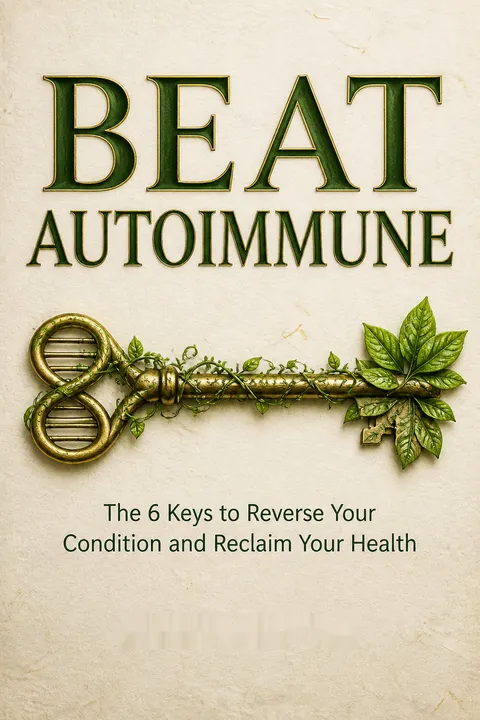
Beat Autoimmune is a health guide built from memoir, expert interviews, research summaries, and practical toolkits. Its narrative engine is Kippola’s account of living with MS symptoms for decades, then experiencing sustained improvement after removing gluten and addressing other possible contributors. The book turns that experience into a six-part search strategy, F.I.G.H.T.S., spanning food, infections, gut health, hormones, toxins, and stress. That structure is memorable because it replaces the vague instruction to live healthier with categories that readers can investigate and discuss with clinicians.
Its greatest strength is motivational and organizational, not proof that autoimmune disease is generally reversible. The author links mechanisms, personal stories, and studies to show why multiple factors may interact. The examples also demonstrate that people can need different combinations of interventions, and that improvement may involve more than one change. The risk is that a compelling biological story can sound more certain than the evidence warrants. Findings about microbiomes, food sensitivities, environmental exposures, and stress often show association or plausible mechanisms, not proof of a specific cause in an individual. A recovery story cannot establish that a given diet or detox protocol caused recovery, nor that it will work broadly.
The book’s practical suggestions vary in evidence and risk. Food tracking, sleep support, stress management, and reducing avoidable exposures are generally more measured starting points than unvalidated tests, extensive restriction, or unsupervised supplements and detoxification. Its central metaphor of investigating roots can help patients ask better questions, but should not turn into self-blame or suspicion of every exposure. The most responsible reading is as a prompt for collaborative, individualized care. Keep effective medical treatment in place, evaluate new interventions carefully, and treat symptom improvement as valuable information rather than automatic proof of disease reversal.
Review Summary
Beat Autoimmune receives mostly positive reviews for its comprehensive information on managing autoimmune conditions through lifestyle changes. Readers appreciate the actionable advice, personal stories, and scientific explanations. Some find the recommendations extreme or overwhelming, but many report health improvements from implementing the book's strategies. Critics note the lack of professional medical credentials and potential alarmism. Overall, reviewers value the book as a helpful resource for those seeking alternative approaches to autoimmune health, though they advise consulting with healthcare providers.
People Also Read




Glossary
F.I.G.H.T.S.
Six root-cause categoriesThe book’s mnemonic for six areas to consider in an autoimmune health investigation: Food, Infections, Gut health, Hormone balance, Toxins, and Stress. It is intended to organize possible contributors and lifestyle changes, not to diagnose a condition or establish that every category is relevant to every person.
30-Day Food Vacation
Structured food elimination trialThe author’s name for an elimination diet lasting at least thirty days. Participants remove common and personally suspected trigger foods, track symptoms and other changes, then reintroduce foods individually and observe responses. The method aims to make delayed food reactions easier to notice. It is an investigative tool, not evidence that every excluded food causes inflammation or disease.
5R Gut Restoration Program
Five-step gut-care frameworkA gut-support framework attributed in the book to the Institute for Functional Medicine. Its five steps are Remove factors that may harm the gut, Replace digestive support when needed, Reinoculate with beneficial microbes, Repair the intestinal lining, and Rebalance habits that support function. The framework organizes possible actions; it does not by itself identify a particular gut disorder or prove that gut treatment will resolve autoimmune disease.
total body burden
Cumulative exposure loadThe book’s term for the combined effect of external exposures and internal stressors that the body must process, alongside a person’s capacity to respond to them. A bucket filling and overflowing is used as a metaphor for this accumulation. The concept encourages reducing avoidable exposures, but it is not a single measurable diagnosis or a precise calculation of disease risk.
exposome
Lifetime environmental exposuresThe full range of environmental exposures that influence health across a person’s life. In the book, this includes factors such as diet, chemicals, infections, stress, and other features of the surrounding environment. The term complements genetics by focusing attention on experiences and conditions that may affect health, while not implying that environment alone determines an individual outcome.
molecular mimicry
Immune mistaken resemblanceA proposed immune mechanism in which a foreign target, such as a microbial protein, resembles a protein in the body closely enough that an immune response may also react to the body’s tissue. The book uses this idea to explain possible links between infections, food proteins, and autoimmune reactions. Similarity offers a biological hypothesis, not proof that a particular exposure caused an individual’s disease.
Adverse Childhood Experiences (ACEs)
Childhood adversity measureA study-based measure that counts exposure before age eighteen to specified forms of abuse, neglect, and household dysfunction. The book describes a ten-question ACE questionnaire and discusses associations between higher scores and increased population-level risks for later health and behavioral problems. A score does not define a person, predict an individual outcome with certainty, or establish the cause of a current illness.
epigenetics
Environment-linked gene activityThe study of changes in gene activity that do not alter the underlying DNA sequence. The book uses epigenetics to argue that factors such as nutrition and other environmental conditions can influence how genes are expressed. This helps distinguish inherited susceptibility from inevitable destiny, but it does not mean that people can control every genetic or disease outcome through lifestyle choices.
Download PDF
Download EPUB
.epub digital book format is ideal for reading ebooks on phones, tablets, and e-readers.








