

Key Takeaways
Treat spiritual practice as training for engaged life, not escape from racial struggle.
Practice belongs here. Angel Kyodo Williams begins from a question larger than finding a new religion: how can people live with more freedom and less fear while racism and other forms of injustice remain real? Raised around Christian traditions and later agnostic, she describes feeling out of place until the openness of a Japanese house led her toward Zen. What she found was not a reason to withdraw from everyday life, but a way to pay attention to it.
Inner work meets public life. Meditation and Buddhist ideas cannot undo the conditions that produce racial harm. They can help people see their reactions more clearly, care for themselves and others, and take action without letting fear or hatred dictate every move. The task is not to become someone else, but to live this life more fully.
The book’s distinctive move is to place contemplative practice inside, rather than above, the daily realities of race, family, work, and activism. That stance resists two familiar traps: treating spirituality as private escape, or treating inner life as irrelevant to political change. The distinction matters. Emotional regulation can support sustained activism, but it cannot replace organizing, policy, or material resources. The strongest reading holds both truths together: personal clarity changes how people participate, while collective structures determine which harms individuals must confront.
Use the four truths to locate suffering without treating it as personal failure.
A map for distress. The book presents the Four Simple Truths as a practical map: discomfort is part of human life; clinging to how things should be adds to it; releasing unnecessary attachment can ease it; and disciplined practice can help. This does not mean every desire is foolish or that people should abandon ordinary pleasures. It means noticing when wanting turns into the demand that reality obey.
Start with what is happening. A rainy day can frustrate someone whose plans depend on sunshine, but the rain itself is not a personal insult. Likewise, grief, illness, conflict, and discrimination are real, while the mind can add isolation by insisting that suffering means something is uniquely wrong with the sufferer. The map begins by making pain recognizable, not shameful.
This framework usefully separates unavoidable pain from the extra distress produced by resistance, self-blame, and rigid expectation. That distinction has echoes in cognitive therapies, which help people examine interpretations without denying the event itself. Its limit must also remain visible: oppression is not simply a mistaken perception, and acceptance should not become a demand that harmed people tolerate injustice. The framework is most ethically powerful when it helps people respond to reality more clearly, including by changing conditions that cause preventable suffering.
Name greed, anger, and ignorance before they make decisions for you.
Three recurring poisons. The Three Serious Poisons are greed, anger, and ignorance, forces that narrow attention and damage connection. Greed includes more than wanting money: it can mean withholding care, treating partners as possessions, or guarding convenience as if no one else matters. Anger becomes especially dangerous when it hardens into hatred and erases another person’s humanity. Ignorance includes both not knowing and refusing to look clearly.
Notice the chain reaction. Williams recounts learning of a partner’s betrayal, drinking to blunt the pain, and then losing control in a confrontation. The point is not that anger itself is forbidden. Anger can alert people to harm. The danger is acting from it without seeing what it is doing. Awareness creates a pause in which a feeling can be acknowledged without being handed the steering wheel.
The three-part lens is memorable because it covers distinct failures of attention: grasping at what one wants, striking out at what frustrates, and misreading what is happening. Contemporary emotion research similarly distinguishes having an emotion from acting under its influence. That distinction avoids the impossible goal of becoming perfectly calm. A useful caution is that anger can be morally informative, especially when it registers injustice. The relevant question is not whether anger appears, but whether it clarifies a response or narrows the person into retaliation.
Borrow strength from teachers, teachings, and community instead of practicing alone.
Three sources of refuge. In Buddhist practice, taking refuge means relying on three resources: teachers, teachings, and community. Teachers include elders, family, and people whose experience offers guidance. Teachings can come through books, music, art, and stories, not only formal instruction. Community offers support and reminds people that hardship is not theirs to carry alone.
A home made by care. During a period of depression and upheaval, Williams attended a silent Zen retreat. A fellow practitioner quietly offered her a tissue, and her teacher urged her to treat herself gently. Nobody tried to fix her or force a conversation. The group’s respectful presence helped her feel accompanied without being crowded. She came to see refuge not as hiding, but as a courageous willingness to receive support and participate in mutual care.
The retreat story shows support working through presence rather than advice. Social support often helps people endure distress not by solving every problem, but by reducing isolation and restoring a sense of belonging. The book also broadens the idea of who can teach: culture’s inherited wisdom need not be limited to formal authorities. Still, communities are not automatically safe or wise. Refuge requires discernment, boundaries, and accountability, especially where power differences make a group’s promised care inconsistent with its actual conduct.
Turn fear into informed action rather than waiting to feel fearless.
Courage includes fear. Williams calls the capacity to act for life and connection the warrior-spirit. It is not aggression, religious status, or a claim to fearlessness. It begins by admitting that action may be difficult, then choosing to engage rather than remain passive. The Bodhisattva Vows, commitments made in Zen practice, give this effort a broad direction: notice others, loosen the grip of craving, stay open to truth, and work toward awakening for everyone.
A firefighter’s example. Williams remembers her father, a New York City fire lieutenant, entering a smoke-filled building, then returning when a radio call suggested someone remained inside. He knew the danger; his action was not ignorance of risk. The call proved mistaken, but the example shows the book’s central distinction: bravery is not the absence of fear. It is awareness joined to purposeful action.
This account makes courage a practice of discernment rather than a personality trait. In decision science, acting under uncertainty often means weighing possible harm, responsibility, and the value of intervention, not waiting for certainty that never arrives. The firefighter story is vivid, but extraordinary risk should not become the standard for ordinary moral action. Many forms of courage are quieter: speaking honestly, seeking help, or refusing complicity. The useful principle is to act with awareness and care, not to romanticize danger.
Judge spiritual practice by whether it reduces harm in daily life.
Ethics before image. The Three Pure Precepts offer Williams’s basic moral foundation: avoid causing harm, cultivate goodness, and direct goodness toward others. They are not presented as a badge of purity or a list for condemning people. They are questions to bring to ordinary choices: what harm might this action create, what would care require, and who else is affected?
Work and self-care count. Right livelihood asks whether a job or source of income contributes to harm, while recognizing that people may have limited choices and need time to change course. The book also argues that caring for one’s health and needs is part of ethical practice, not selfishness. Giving without limits can breed resentment and exhaustion. Sustainable service depends on protecting the person who is doing the serving.
The emphasis on conduct counters the tendency to measure spirituality by identity, ritual, or impressive language. It also links private ethics to economic life, where individual choices can support or resist harmful systems. Yet a moral test applied only to consumers and workers can obscure how constrained their options are compared with those of employers and institutions. The framework works best when personal responsibility is paired with collective efforts to widen people’s choices and hold powerful actors accountable.
Train understanding, conduct, and attention as one connected discipline.
A path in three areas. The Eightfold Path is a Buddhist framework for training wisdom, ethical conduct, and awareness. Williams groups its practices around how people understand and direct their thoughts, how they speak and act, how they earn a living, and how they cultivate effort, mindfulness, and concentration. The word right means something closer to authentic or fitting than obedience to an outside authority.
One skill changes another. A clear understanding can interrupt an assumption about a colleague’s motives. That more careful thought can shape speech, which can prevent a careless remark from becoming a damaging action. The path is not a checklist to complete once. Its elements support one another, and practice means returning to them in daily situations, including routine work, family conflict, and moments when a person has made a mistake.
The framework’s strength is its refusal to isolate meditation from speech, work, and social responsibility. It treats attention as an ethical capacity: what people notice influences what they say, and what they say shapes what they do. This resembles systems approaches in which behavior emerges from interacting habits rather than a single cause. A possible drawback is that the many practices can sound like an expansive self-improvement program. The author’s circular image helps: the point is not mastery as perfection, but repeated correction and return.
Sit to notice thoughts, not to manufacture a serene personality.
Sitting is the method. Zazen is Zen seated meditation. Williams presents it as a way to observe how the mind wanders, not as a trick for becoming blissful or escaping difficult feelings. A simple exercise is to count each inhale and exhale up to ten, then begin again. When attention drifts, return to the first breath. The repeated return is the practice, not evidence of failure.
Make the body workable. Posture can support attention, but painful positions are not a test of spiritual merit. Williams describes several ways to sit, including kneeling and using a chair. She also recommends keeping the eyes partly open and resting attention on the breath. The aim is to create conditions for concentration, then notice experience without immediately turning it into a story about oneself.
The description strips meditation of its commercial image as a shortcut to calm and makes attentional return concrete. Research on mindfulness-based programs suggests that structured attention practices can help some people manage stress, though results vary and meditation is not a cure-all. The book’s practical flexibility is important: an accessible posture is more valuable than an idealized one that causes pain. The broader insight is that noticing distraction creates a small space between thought and response, even when the mind remains busy.
Meet painful parts of yourself gently, then extend that recognition outward.
Acceptance makes room. Lovingkindness means an open, friendly regard for oneself and others, without pretending that every action is acceptable. Williams argues that people have difficulty extending genuine compassion outward while treating their own flaws and pain with contempt. In meditation, a person can notice a thought or feeling, identify it as such, and allow it to be present without immediately obeying or suppressing it.
A memory seen differently. During meditation, Williams recalled sexual abuse by a trusted adult when she was ten. She had carried guilt and confusion for years. By witnessing the memory without blaming the child she had been, she could recognize that the responsibility belonged to the adult. The story shows how gentleness can loosen shame, though it does not suggest that painful memories should be forced or handled alone.
The account powerfully illustrates how self-blame can survive long after the original event, and how a less judgmental perspective can restore moral clarity. Trauma-informed care likewise prioritizes safety, choice, and control over exposure to painful material. Meditation may help some people observe inner experience, but it can also intensify distress, particularly around trauma. The humane implication is not that stillness replaces therapy or trusted support. It is that compassion includes respecting one’s limits while refusing to define a person by what was done to them.
Make anti-racism part of spiritual community, not an optional extra.
Connection must include difference. Williams argues that racism, classism, and exclusion cannot be addressed by private calm alone. Laws matter, but everyday habits and institutions also need to change. She challenges American Buddhist communities to welcome people across race, class, gender, and sexuality, rather than treating inherited norms as spiritually neutral. The goal is not to erase distinct histories or identities, but to resist turning difference into a reason for separation.
Practice becomes public. The book’s call to wake up is both personal and collective: examine the stories people tell about themselves and others, then act in ways that widen access to dignity and belonging. Compassion may take the form of listening, caregiving, speaking against injustice, or changing how a community operates. A spiritual life is measured partly by whether its practice makes room for other people’s freedom.
This is the book’s most demanding social claim: contemplative communities must examine their own composition and power, not merely teach universal ideals. Institutions often reproduce exclusion through routines that appear neutral, so hospitality requires changes in access, representation, and decision-making. At the same time, shared humanity should not flatten unequal histories or imply that everyone faces the same risks. The argument is strongest when connection means solidarity across difference, not a comforting assertion that differences have already disappeared.
Analysis
Being Black joins memoir, Buddhist instruction, and social criticism without treating them as separate projects. Its organizing movement is from distress toward action: the reader encounters ordinary and profound suffering, learns to recognize the habits that intensify it, and receives practices for responding with more attention and care. The autobiographical episodes give the ideas moral weight. A retreat community does not erase the author’s depression, and meditation does not make betrayal harmless. Instead, these scenes show how attention, support, and responsibility can alter what happens next.
The book’s most valuable insistence is that inner freedom and public justice are related but not interchangeable. Meditation may loosen reactive habits; it cannot remove racism by itself. Ethical conduct may shape a person’s job and relationships; it does not guarantee equal access to safe work or supportive communities. This distinction keeps the spiritual framework from collapsing into individual blame. It also makes the call to action more demanding: examine personal reactions, serve others, and challenge institutions that preserve harm.
The teaching is strongest when it presents practice as ordinary and repeatable. Counting breaths, listening before responding, noticing an urge, or accepting help are not spectacular achievements. They are ways of interrupting automatic behavior. That modest scale makes the ideas usable, while the author’s personal disclosures show that the inner material can be difficult. The book’s confidence in meditation should therefore be read alongside a trauma-informed caution: stillness is not equally safe or sufficient for everyone, and support beyond spiritual practice can matter.
A contemporary reader can take the work as an invitation to combine self-compassion with accountability. Compassion without accountability risks excusing harm; accountability without compassion can harden into punishment and exclusion. Williams’s vision asks for neither passivity nor purity. It asks people to become more present to their own lives, more honest about their entanglement with others, and more willing to act in ways that reduce suffering. That combination, rather than a promise of permanent serenity, is the book’s practical measure of awakening.
Review Summary
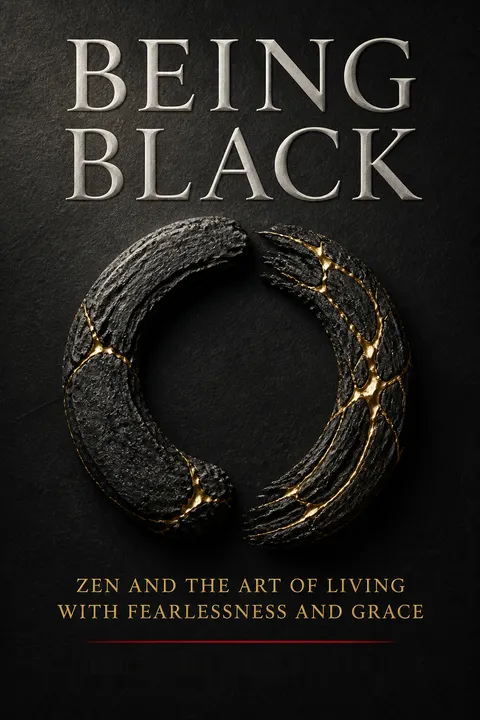
Being Black: Zen and the Art of Living with Fearlessness and Grace receives mostly positive reviews, with readers appreciating Williams' approach to Buddhism and its relevance to people of color. Many found the book thought-provoking and insightful, praising its accessible teachings and personal anecdotes. Some readers wished for more real-life examples of dealing with racism through Buddhist principles. The book is seen as a valuable resource for personal growth and understanding, offering a unique perspective on the intersection of Buddhism and the Black experience in America.
People Also Read







Glossary
Four Simple Truths
Map for understanding sufferingWilliams’s accessible presentation of a Buddhist teaching about human distress. It describes discomfort as part of life, clinging as a source of added distress, release as possible, and disciplined practice as a way toward greater ease. The truths are offered as a practical guide, not as a claim that every painful condition is caused by an individual’s attitude.
Three Serious Poisons
Habits that cloud judgmentGreed, anger, and ignorance, described as forces that obstruct clear seeing and compassionate action. Greed includes possessiveness and withholding, anger becomes harmful when it turns toward hatred or control, and ignorance includes both lack of understanding and deliberate avoidance. The term helps readers notice how habitual reactions can contribute to suffering.
Three Treasures
Sources of support and guidanceTeachers, teachings, and community, which Williams presents as resources people can rely on in spiritual practice. Teachers may include elders and mentors; teachings can appear in books, art, music, or lived experience; community offers belonging and mutual support. Trusting these resources is called taking refuge, not withdrawing from responsibility.
taking refuge
Trusting three sourcesA Buddhist practice of placing trust in teachers, teachings, and community as sources of guidance and support. Williams reframes refuge as an active relationship rather than hiding or weakness. It involves learning from others, receiving help, and contributing to a community that supports its members while remaining accountable.
warrior-spirit
Courageous, compassionate engagementWilliams’s term for a way of living with clear intention, courage, and responsibility for others. It does not mean aggression or absence of fear. It means acknowledging difficulty, staying open to experience, and taking thoughtful action toward reducing suffering. The idea is meant to be usable within different religious traditions or outside formal religion.
Bodhisattva Vows
Commitments to collective awakeningA set of Buddhist commitments that express the intention to work toward awakening and the relief of suffering for all beings. Williams presents the vows as deliberately vast promises that orient daily action, rather than goals one can finish or perfect. They emphasize awareness of others, loosening attachment, learning, and continuing the path.
Three Pure Precepts
Basic ethical commitmentsA Buddhist ethical foundation described by Williams through three commitments: avoid creating harm, cultivate goodness, and direct goodness toward others. She presents these as practical moral reference points rather than institutional rules. They can guide decisions about relationships, work, self-care, and service by asking what actions contribute to harm or well-being.
Eightfold Path
Integrated path of practiceA Buddhist framework of eight interrelated practices grouped by Williams into wisdom, ethical conduct, and awareness. It addresses understanding, thought, speech, action, livelihood, effort, mindfulness, and concentration. The path is not a linear checklist; its elements reinforce one another and can be practiced in ordinary situations.
zazen
Zen seated meditationThe seated meditation practice central to Zen. Williams describes it as a way to cultivate concentration and observe the mind, often by returning attention to the breath when thoughts wander. The practice does not require a single rigid posture or promise instant calm; a chair is a valid option when needed.
oryoki
Formal meal practiceA Zen practice of eating a carefully measured meal in silence, with the aim of taking just enough and paying attention to what is being eaten. Williams recounts discovering that her servings reflected an old fear of not having enough. The practice helped her notice how emotional habits can appear in ordinary choices.
lovingkindness
Open, friendly acceptanceA quality of care that meets oneself and others with openness, without pretending that harmful behavior is acceptable. Williams connects lovingkindness to self-acceptance: people learn to recognize their own strengths, flaws, and painful feelings without condemnation, making it easier to respond compassionately to other people’s suffering.
Download PDF
Download EPUB
.epub digital book format is ideal for reading ebooks on phones, tablets, and e-readers.








