Plot Summary
Prologue: Whistleblower's Dilemma
Erik Wei, chief scientist at Ponce de León Restorative Technology (PDRT), faces a crisis of conscience. The company's revolutionary device, the LINK, is being rushed to market despite not working as promised. Wei confronts CEO Jenna Bernstein, warning her of the ethical and legal dangers. Their tense meeting reveals the high stakes: billions of dollars, medical breakthroughs, and the risk of endangering lives. Wei's decision to blow the whistle sets off a chain of events that will lead to murder, betrayal, and a courtroom drama years later. The prologue establishes the moral ambiguity and high-pressure world of biotech startups, foreshadowing the personal and professional conflicts to come.
The Irish Brawler's Legacy
Patsy "The Irish Brawler" Duggan, once a courtroom legend, now struggles with age and alcoholism. His daughter, Keera Duggan, has inherited his legal prowess and chess-like strategic mind. The Duggan family law firm, once thriving on Patsy's reputation, is now in financial trouble. Keera, a former prosecutor, is thrust into the spotlight as the firm's lead trial attorney. The family's complicated dynamics—sibling rivalries, Patsy's decline, and the weight of legacy—set the stage for Keera's internal and external battles as she takes on high-stakes cases that test her ethics and resolve.
A Not Guilty Verdict
Keera defends a college student accused of rape. Her chess-honed focus and empathy for both victim and accused lead to a "not guilty" verdict. Yet, the emotional aftermath is complex: the acquitted client is wracked with guilt, the victim devastated, and Keera herself haunted by the ambiguity of truth versus legal proof. This chapter explores the moral cost of defense work, the limits of the adversarial system, and the personal toll on those who must live with the consequences of their victories and defeats.
Murder on Capitol Hill
Sirus Kohl, former COO of PDRT and key figure in the company's collapse, is found shot dead in his upscale Seattle home. Detectives Frank Rossi and Billy Ford investigate, quickly learning of Kohl's impending deal to testify against his former partner, Jenna Bernstein, in a federal fraud case. The murder scene is eerily reminiscent of the earlier killing of Erik Wei, raising suspicions of a connection. The investigation's focus on Jenna is immediate, fueled by her past, her missing gun, and her fraught relationship with Kohl.
The Prime Suspect Returns
Jenna, once a biotech wunderkind and now a pariah, turns to the Duggan firm for help. Her arrival reopens old wounds for Keera, who grew up with Jenna and knows her manipulative tendencies. Jenna's calm under pressure, her insistence on innocence, and her demand for Patsy's involvement set up a tense attorney-client relationship. The chapter delves into the psychological chess match between Keera and Jenna, as well as the ethical dilemmas of defending someone you distrust.
The Missing Gun
The investigation zeroes in on Jenna's missing 9mm handgun, the likely murder weapon in both Wei's and Kohl's deaths. Security footage shows Jenna leaving her condo in disguise, walking toward Volunteer Park near the murder scene. Her story—walking for food, leaving her phone behind, using cash—raises more questions than it answers. Keera and her father debate the plausibility of Jenna's account, the risks of obviousness as a defense, and the possibility that Jenna is orchestrating her own narrative to manipulate the legal process.
Family Ties and Old Wounds
Keera's fraught history with Jenna is revealed through childhood stories of rivalry, manipulation, and betrayal. The Duggan family's own secrets—Patsy's alcoholism, debts owed to the Bernsteins, and the scars of growing up with a volatile parent—complicate Keera's feelings about the case. The chapter explores how past traumas and loyalties influence present decisions, and how the search for justice is always entangled with personal history.
The Case Against Jenna
Detectives build a case against Jenna: her proximity to the crime, the missing gun, the damning text messages with Kohl, and her history of deception. The media frenzy and political pressure mount, pushing the prosecutor to file charges. Keera, now lead counsel, must navigate the legal minefield, the court of public opinion, and her own doubts about her client's innocence. The stage is set for a high-profile trial that will test the limits of reasonable doubt.
Chess, Conscience, and Conflict
Keera's approach to law mirrors her chess background: anticipate, sacrifice, and adapt. She wrestles with the ethical burden of defending someone she suspects is guilty, the emotional fallout from past cases, and the challenge of maintaining her own integrity. The chapter highlights the psychological toll of legal work, the blurred lines between right and wrong, and the necessity of fighting for every client—even those you cannot trust.
The Web of PDRT
Interviews with former PDRT employees reveal a culture of secrecy, fear, and manipulation. Jenna and Kohl's relationship was both personal and professional, with blurred boundaries and shifting power dynamics. Employees describe Jenna as charismatic but ruthless, Kohl as doting but ultimately powerless. The company's collapse left a trail of ruined lives, lawsuits, and unresolved grievances. The investigation uncovers potential alternative suspects and motives, complicating the narrative of Jenna as the sole villain.
The Svengali Defense
In flashback, Patsy's defense of Jenna in the Wei trial is revealed: he deploys the "Svengali defense," arguing that Kohl manipulated Jenna into making false representations and possibly into murder. The strategy creates enough reasonable doubt for acquittal, but at the cost of truth and trust. The chapter explores the power of narrative in the courtroom, the malleability of memory and motive, and the ways in which legal defenses can become self-fulfilling prophecies.
The Daughter's Motive
Sirus Kohl's daughter, Adria, is revealed as a key player: fiercely protective of her father, resentful of Jenna, and deeply involved in the company's legal and financial machinations. Her access to company records, her role in orchestrating the deal with the US Attorney, and her immediate suspicion of Jenna after the murder raise questions about her own motives and possible involvement. The chapter plants seeds of doubt about the official narrative and introduces the possibility of a frame-up.
The Walk to Volunteer Park
Security footage and witness accounts reconstruct Jenna's walk from her condo to Volunteer Park on the night of the murder. The route, the disguise, the food truck alibi, and the absence of her phone all seem calculated—either as a cover for guilt or as a deliberate ploy to create plausible deniability. Keera and her investigator, JP Harrison, analyze the evidence, considering both the prosecution's and defense's interpretations. The ambiguity of Jenna's actions becomes central to the case.
The Disguise and the Alibi
The defense seizes on the argument that Jenna's actions were too obvious for a guilty person—why leave such a clear trail if you intended to commit murder? The prosecution counters that the disguise and lack of phone signal intent to conceal. The chapter explores the psychology of alibi construction, the risks of overthinking, and the ways in which both guilt and innocence can be performed for an audience.
The Evidence Mounts
Forensic analysis links the bullets from both murders to the same missing gun. Text messages between Jenna and Kohl suggest motive and opportunity. Yet, the lack of direct evidence—no fingerprints, no DNA, no eyewitness—leaves room for doubt. Keera's cross-examinations focus on the gaps and assumptions in the prosecution's case, while the detectives and prosecutors grapple with the possibility that they are being manipulated by a master strategist.
The Trial Begins
The courtroom drama unfolds: Thompson, the prosecutor, lays out a narrative of premeditated murder; Keera, holding her opening statement in reserve, signals a different approach. The jury is introduced to the key players, the stakes, and the central question: can the state prove guilt beyond a reasonable doubt, or is this another case of a clever defendant outmaneuvering the system? The tension between performance and truth is palpable.
Cross-Examinations and Doubt
Keera's cross-examinations sow seeds of doubt: Adria's access to evidence, the possibility of alternative suspects, the unreliability of circumstantial proof. The defense introduces testimony about the toxic culture at PDRT, the personal vendettas, and the potential for framing. The prosecution's case, while strong, is revealed to rest on a series of inferences and assumptions. The jury is left to wonder: is Jenna a sociopath, a scapegoat, or both?
The Truth on the Stand
In a dramatic turn, Keera forces Jenna to tell the truth on the stand: she admits to lying, manipulating, and making false representations, but denies killing Kohl. She reveals the emotional and psychological chess match with Sirus and Adria, the tangled web of love, betrayal, and revenge. The testimony implicates Adria as the true killer, motivated by hatred, jealousy, and a desire to protect her inheritance. The courtroom is stunned, and the narrative shifts from certainty to ambiguity.
The Real Killer Revealed
With new evidence and confessions, the prosecution pivots: Adria is arrested, and charges against Jenna are dismissed. Jenna faces federal prison for fraud, but escapes a murder conviction. Keera, having navigated the moral labyrinth of the case, reflects on the cost of truth, the limits of justice, and the lessons learned from defending the most difficult clients. The story ends with a sense of hard-won clarity: in law, as in life, the line between guilt and innocence is rarely clear, and the search for justice is always a game of strategy, sacrifice, and self-knowledge.
Characters
Keera Duggan
Keera is the emotional and strategic center of the novel. Raised in the shadow of her legendary father, Patsy, she combines analytical brilliance with deep empathy. Her relationships—with her family, her clients, and her own conscience—are fraught with tension. Keera's journey is one of self-discovery: learning to trust her instincts, set boundaries, and accept the moral ambiguity of her profession. Her psychological complexity is revealed in her struggles with guilt, loyalty, and the desire to both honor and escape her father's legacy.
Jenna Bernstein
Jenna is both victim and villain: a former wunderkind whose ambition, charm, and lack of empathy make her a classic sociopath. She is a master of performance, able to convince juries, investors, and even her own lawyers of her innocence. Yet, her need for control, her inability to form genuine connections, and her history of deception ultimately lead to her downfall. Jenna's relationships—with Sirus, Adria, and Keera—are transactional, driven by self-interest and a relentless pursuit of power.
Patsy Duggan
Patsy, the "Irish Brawler," is a once-great trial lawyer now battling alcoholism and the decline of age. His love for Keera is genuine but complicated by guilt, pride, and the weight of past mistakes. Patsy's influence looms large: his strategies, his ethics, and his failures all shape Keera's approach to law and life. His struggle for redemption mirrors the novel's themes of legacy, forgiveness, and the possibility of change.
Sirus Kohl
Sirus is both a powerful businessman and a vulnerable man undone by love and ambition. His relationship with Jenna is marked by devotion, denial, and ultimately betrayal. As COO of PDRT, he is complicit in the company's fraud, but also manipulated by those around him. His murder is the catalyst for the novel's central mystery, and his legacy is one of both creation and destruction.
Adria Kohl
Adria is fiercely intelligent, loyal to her father, and deeply resentful of Jenna. Her role as general counsel at PDRT gives her access to secrets and power, which she uses to protect her family and, ultimately, to commit murder. Adria's psychological profile is shaped by envy, a need for control, and a willingness to cross moral lines for what she perceives as justice. Her actions reveal the dangers of unchecked ambition and the corrosive effects of hatred.
Frank Rossi
Rossi is the moral compass of the investigation: methodical, empathetic, and open to doubt. His partnership with Billy Ford provides both comic relief and professional rigor. Rossi's interactions with Keera are marked by mutual respect and a shared commitment to truth, even when it is elusive. His ability to question assumptions and follow the evidence wherever it leads is crucial to unraveling the case.
Billy Ford
Ford is Rossi's partner and foil: tall, disciplined, and often cynical. His skepticism about suspects and motives keeps the investigation grounded, while his banter with Rossi adds levity. Ford's psychological insight and attention to detail help uncover the layers of deception at the heart of the case.
Ella Duggan
Ella is the stabilizing force in the Duggan family and law firm. She manages the business, mediates conflicts, and supports Keera through personal and professional crises. Her pragmatism and emotional intelligence provide a counterbalance to Keera's intensity and Patsy's volatility.
JP Harrison
A former detective, Harrison brings street smarts, charm, and a network of contacts to the defense team. His ability to uncover hidden evidence, interview reluctant witnesses, and think outside the box is instrumental in building Keera's case. Harrison's outsider perspective and loyalty to Keera make him a trusted ally.
Walker Thompson
Thompson is a worthy adversary: thorough, resilient, and committed to justice. His experience in the Wei trial makes him cautious but determined. Thompson's willingness to adapt, admit mistakes, and seek the truth—even at personal cost—reflects the novel's theme of integrity in the face of uncertainty.
Plot Devices
Chess as Metaphor for Legal Strategy
The novel uses chess as a central metaphor for legal strategy, psychological maneuvering, and the unpredictability of human behavior. Keera's approach to cases—anticipating moves, sacrificing pieces, adapting to new threats—mirrors her experience as a chess prodigy. The motif underscores the themes of foresight, risk, and the necessity of both defense and attack in the pursuit of justice.
The Svengali Defense
Patsy's use of the "Svengali defense" in the Wei trial—arguing that Jenna was manipulated by Kohl—serves as both a legal strategy and a commentary on the nature of influence, agency, and responsibility. The device blurs the line between victim and perpetrator, raising questions about free will, culpability, and the power of narrative in the courtroom.
Unreliable Narrators and Shifting Perspectives
The novel employs multiple points of view—Keera, Rossi, Jenna, Adria—to create ambiguity and suspense. Testimonies, memories, and evidence are all subject to interpretation, and the reader is constantly invited to question what is real and what is performance. This device heightens the tension and reflects the novel's central concern with the limits of knowledge and the dangers of certainty.
Foreshadowing and Red Herrings
The narrative is rich with foreshadowing—early hints of betrayal, manipulation, and hidden motives—as well as red herrings that mislead both characters and readers. The missing gun, the ambiguous alibi, and the complex web of relationships all serve to keep the outcome in doubt until the final chapters.
Psychological and Familial Motifs
The novel explores the psychological impact of family dynamics—addiction, rivalry, loyalty, and betrayal—on personal and professional choices. The motif of legacy, both in the Duggan and Kohl families, underscores the ways in which the past shapes the present and the difficulty of escaping inherited patterns.
Analysis
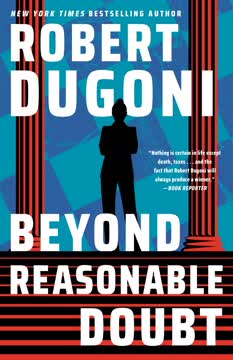
Beyond Reasonable Doubt is a masterful exploration of the gray areas between guilt and innocence, performance and reality, and justice and revenge. Through the lens of a high-profile murder trial, Robert Dugoni interrogates the limits of the adversarial system, the psychological toll of defending the indefensible, and the ways in which personal history shapes professional choices. The novel's use of chess as a metaphor for legal and emotional strategy is both elegant and effective, highlighting the necessity of adaptation, sacrifice, and foresight in the pursuit of truth. The characters are richly drawn, their motivations complex and often contradictory. The plot's twists and reversals—culminating in the revelation of the true killer—underscore the dangers of certainty and the importance of humility in the face of ambiguity. Ultimately, the novel suggests that justice is not a matter of winning or losing, but of striving to see clearly, act ethically, and accept the consequences of our choices. In a world where everyone is playing their own game, the greatest victory may be self-knowledge and the courage to do what is right, even when the outcome is uncertain.
Last updated:
Review Summary
Beyond Reasonable Doubt receives strong praise from readers, averaging 4.36 stars. Most reviewers commend Robert Dugoni's compelling legal thriller featuring attorney Keera Duggan defending childhood nemesis Jenna Bernstein in a murder trial. Readers appreciate the courtroom drama, character development, and unexpected twists, though some found the pre-trial investigation sections slow-paced. Keera's chess-playing background and strategic legal mind resonated with fans. While many felt it didn't quite match the first book's intensity, reviewers still found it gripping and well-crafted, with authentic courtroom scenes and complex characters making it highly engaging.