

Plot Summary
The Empty Wheel Well
After an early surf at Staircases, LAPD detective Renée Ballard finds her badge, service gun, phone, and wallet stolen from her unlocked Defender. She fears reporting the loss will give department critics an excuse to remove her from the Open-Unsolved Unit, so she conceals the theft and investigates on her own.
Searching reports from surf beaches, she spots repeated break-ins at parking areas hidden from the water. Seth Dawson, whose watch and phone were stolen at Topanga, tells her that several surfers were hit together and that he chose the beach through a wave app.
Ballard realizes the thieves may be using the same app to predict where surfers will leave their cars unattended, turning her missing badge into the most dangerous item in a larger haul.
The theft makes Ballard both investigator and compromised evidence holder. Her choice to hide the loss is not simple recklessness: she is protecting a job where she believes she can still do useful work, while also letting fear of institutional punishment dictate her first move. The surf app turns a private ritual into a criminal tool. Ballard reads the pattern because she belongs to the culture being exploited, a reminder that professional insight often begins with intimate knowledge rather than official authority.
A Judge in the Family
At the unit's Monday meeting, retired investigator Paul Masser describes a separate cold-case breakthrough: journals have linked Maxine Russell to a 1997 convenience-store killing, and she may trade testimony against her ex-husband for immunity.
Then lab technician Darcy Troy reports a familial DNA hit in the unsolved Pillowcase Rapist case. A recently arrested young man, Nicholas Purcell, appears likely to be the rapist's son. Online research identifies his father as Jonathan Purcell, the presiding judge of Los Angeles Superior Court.
Ballard orders her team to keep the lead secret and covertly collect DNA from the judge and the woman believed to be his wife. Around the same time, Harry Bosch's daughter, patrol officer Madeline Bosch, asks to join the unit, giving Ballard a second sworn officer if her captain approves.
Two forms of belated evidence arrive at once: a recovering addict's written record and a genetic relationship hidden inside a database. Both make forgotten cases newly actionable, but neither yet tells the whole story. The judge's status raises the cost of ordinary police work, while Maddie's request raises a different question: whether experience can be inherited or must be earned independently. Ballard is drawn toward both risks because she treats procedure as a route to truth, even when the people and institutions involved have reasons to obstruct it.
The Thief's Balcony
Ballard traces a fingerprint from a Red Bull can at a surf overlook to Dean Delsey, a young beachside criminal on probation. Watching Dean's apartment, she sees him drinking and smoking cannabis, then uses the probation violation to force her way inside and cuff him. Dean admits that he and his father, Robert, have been stealing from surfers and taking the goods to a fence called the Lion at the Eldorado hotel.
He reveals that Ballard's wallet and police identification remain in the apartment, so she recovers them, along with Seth Dawson's engraved Breitling watch. Her badge and service gun are gone. Dean says his father delivered the latest haul to the Lion, and gives Ballard access to the changing phone number used to contact him.
Dean is not cracked by a sophisticated interrogation so much as by the vulnerabilities already built into his life: probation, a dangerous father, and possessions he cannot explain. Ballard exploits those pressures to retrieve some of her property, but the recovery is incomplete. The watch gives the theft a human cost beyond police equipment, while the missing badge keeps the investigation open. Her decision to release Dean rather than book him buys a lead, yet also leaves her operating outside the safeguards that might protect both her and the case.
The Lion's Stolen Badge
Using Dean's phone records and a disguised delivery story, Ballard gains entry to the Eldorado room where Lionel Boden, known as the Lion, sorts stolen goods. He confirms that Robert Delsey sold him Ballard's badge and gun. Boden has already sold the badge to a buyer seeking a police credential and a compact machine gun.
Ballard recovers her Glock but learns the badge is now with Thomas Dehaven, a fugitive wanted for killing his ex-wife and taking part in the Capitol attack. Harry Bosch helps Ballard trace Dehaven to a line of campers on the coast. While hiding inside his van, she finds an LAPD SWAT vest and a cache of weapons, then overhears plans for a mass shooting at the Malibu pier on Presidents' Day.
The badge changes meaning as it passes from thief to fence to armed extremist. It is no longer merely Ballard's lost property; it may help its new owner impersonate the very institution he intends to attack. Her private cover-up has brought her into a public threat, and Bosch's presence gives her an ally but not a license to take unnecessary risks. The van's hidden arsenal converts overheard talk into an urgent, imperfect warning. Ballard now has to decide whether protecting her career matters more than preventing a catastrophe.
Eight Faces in Storage
While Ballard and Bosch work the Dehaven lead, Maddie examines a delinquent storage unit once rented by Emmitt Thawyer, a deceased commercial photographer. Inside a file marked Betty, she finds photographs documenting the torture and murder of a woman whose injuries resemble those of Elizabeth Short, the Black Dahlia.
Seven more victim files reveal similarly staged killings. Ballard and Maddie search Thawyer's old Pasadena house and uncover a concealed basement with a floor drain, a concrete pattern matching the photographs, and marks on a support post that correspond to another victim's images.
Luminol glows across the floor, likely reacting to bleach used in cleanup. The photographs suggest that the Black Dahlia killing may have been part of a series.
Maddie's discovery makes the archive literal: the killer preserved victims as images, while the city preserved their names as unsolved files. The photographs provide both evidence and an ethical burden, forcing the investigators to look closely at suffering that earlier systems failed to connect. Ballard's caution about contamination and public disclosure contrasts with Maddie's urgency to recognize what she has found. Their partnership begins to shift from supervisor and applicant toward shared responsibility, though Ballard knows that recognition is only the first step toward a defensible case.
Nicholas's Hidden Beginning
The state DNA results rule out Judge Purcell and his wife as Nicholas's biological parents, despite a birth certificate recorded only two days after his birth. Ballard and Masser confront the judge before he leaves for the holiday weekend.
Purcell explains that a religious family gave them their pregnant teenage daughter, Mallory Richardson's, baby because they had been unable to conceive. A former client in the registrar's office helped make the birth record appear immediate. Mallory never named the father, and she died by suicide about a year after surrendering the child.
Her mother, Robin Richardson, may know more. The revelation redirects the Pillowcase investigation from the judge to Mallory's past, while Ballard's unauthorized surveillance risks provoking a serious departmental backlash.
The false lead is not wasted; it exposes the administrative fiction that concealed Nicholas's origins. The Purcells' arrangement was motivated by longing and a wish to spare a child stigma, but its secrecy now obstructs an investigation into violence. Mallory's silence cannot be treated as proof of consent or protection; it may reflect pressure, trauma, or circumstances the surviving adults never understood. Ballard's willingness to approach the judge without full approval shows her faith in immediate inquiry, while the case reminds her that a correct question can begin with a mistaken answer.
The Beach Lot Ambush
Ballard and Bosch arrange a machine-gun sale with Dehaven, then hand the operation to FBI agent Gordon Olmstead, who plans to use the exchange to identify the wider group. At the Santa Monica beach lot, Dehaven arrives with an accomplice and inspects disabled weapons hidden in beach bags.
He reaches into the van for a handgun when Bosch refuses to release the guns without payment. Olmstead calls the signal, and FBI snipers shoot Dehaven; the driver fires at Bosch before agents kill him too.
Other conspirators are arrested, and the FBI announces that the group planned to attack the crowded Malibu pier. Bosch secretly returns Ballard's badge, which Dehaven wore beneath his clothing. Ballard leaves the scene injured and uncredited, but the planned massacre is stopped.
The operation succeeds in its central purpose, but its violence exposes the distance between a controlled plan and a human body in danger. Ballard's fear for Bosch is sharpened by her knowledge that her concealed theft set the chain in motion. The badge comes back through Bosch's quiet action, not through the official process that should have protected it. The FBI claims the public victory, while Ballard accepts obscurity as the price of keeping her own role from becoming a career-ending scandal.
Mallory's Last Prom
Ballard and Masser visit Robin Richardson in the desert, where she explains that her daughter Mallory had no steady boyfriend and remembers only a senior named Rodney taking her to prom. Richardson lends them Mallory's yearbook.
Ballard and Maddie use it to identify classmates and then find Mallory's friend Jacqueline Todd, who recalls that Mallory stopped talking about the prom and disappeared from school soon afterward. Todd identifies Rodney Van Ness in a prom photograph, along with his close friend Victor Best.
Ballard's team also traces the other boys who shared a hotel room that night. The central question becomes whether someone entered while Mallory was unconscious, and which classmate could be Nicholas Purcell's biological father.
The yearbook turns a family memory into a map of access. Mallory's mother remembers a date, her friend remembers a sudden silence, and the photograph shows who occupied the same social world. None of these details alone proves a crime, but together they narrow the field without pretending to restore Mallory's lost testimony. The investigators must interpret absence carefully: a missing prom photo, an unspoken event, and a pregnancy all invite inference, yet each can also tempt them to substitute a tidy story for evidence.
Four Boys, One Room
In Las Vegas, Ballard and Maddie interview Rodney Van Ness, who first claims not to remember Mallory as his prom date. Confronted with the yearbook, he admits she drank heavily in a hotel room, became sick, and fell asleep while he went downstairs to the dance. He denies fathering her child and agrees to provide a DNA swab.
His account leaves the room accessible to friends Victor Best and Andy Bennett, as well as Taylor Weeks. Back in Los Angeles, the unit matches Shaquilla Washington's 1991 murder to a prisoner, Gerald Grover, and continues building the Black Dahlia cases. Ballard later contacts Victor Best under a reporter's cover; he says he moved to Hawaii in 2003, before the Pillowcase attacks ended.
Van Ness's testimony is morally revealing even if it does not identify the rapist. He describes leaving an incapacitated girl behind, a choice he minimizes as ordinary teenage behavior. Ballard and Maddie resist turning that failure into proof of murder, preserving a distinction between culpability and identity. The room's shared keys create a more difficult investigative geometry: several boys had opportunity, and the eventual case will need more than a genetic match. Meanwhile, the unit's separate success with Grover shows how slow forensic work can still alter a living person's future.
Colleen's Final Call
After Ballard's phone interview with Victor Best, Colleen Hatteras stays behind and secretly records the conversation on her computer. The next day Ballard finds Colleen dead in her home office, her computer and backup drive missing.
West Bureau detectives take the homicide, while Ballard struggles with guilt over having kept Colleen out of fieldwork and over the risks surrounding the case. Using Colleen's password and records obtained by Anders Persson, Ballard finds that Colleen called Andrew Bennett, one of Mallory's former classmates, for nearly half an hour shortly before she died.
Bennett now sells homes in Laguna Beach. The call, along with the stolen computer and Colleen's investigation files, tells Ballard that the suspect has discovered the inquiry and is removing evidence.
Colleen's death turns a collaborative investigation into an intimate reckoning for Ballard. The leader who has insisted on protecting volunteers now has to face the possibility that caution did not protect the person she most wanted to keep safe. Her search of Colleen's account crosses procedural boundaries, but grief and urgency make delay feel like complicity. The missing computer suggests the killer understands the value of investigative information. Colleen's persistence, which Ballard sometimes treated as intrusive, becomes the final clue that directs the case toward Bennett.
The Open House Trap
Ballard follows Andrew Bennett to an open house in Laguna Beach, where she enters before the public arrives and searches his briefcase. She removes the ammunition from a Glock and finds snap ties, then waits as Bennett returns and recognizes that she is connected to Colleen Hatteras.
He accuses Colleen of bringing the investigation upon herself and threatens Ballard with the now-empty gun. Ballard draws her concealed Ruger, forces him down, and restrains him with the ties he brought for victims. West Bureau detectives arrive to take custody.
Subsequent evidence links Bennett to Colleen's murder and the Pillowcase attacks, and he confesses. At the press conference, Ballard credits Colleen's work and accepts responsibility for failing to protect the unit; her colleagues gather around her in grief rather than triumph.
The final confrontation reverses Bennett's intended script: the restraints he prepared for another victim secure him instead. Ballard wins through attention to material detail, but the arrest cannot repair the loss that brought her there. Her public acceptance of responsibility is both an act of loyalty to Colleen and an unusually clear admission of leadership's limits. The case offers prosecution and answers, not restoration. The team's embrace at the press conference makes collective mourning part of the resolution, not an afterthought to the arrest.
A Case Still Waiting
The district attorney twice refuses to clear the Black Dahlia case, first questioning a ninety-two-percent photo comparison and then dismissing independent ear analysis as unreliable.
Ballard's team has matched the images to Elizabeth Short's clothing and identified other victims, including Elyse Ford and Willa Kenyon, but the official file remains open. A newspaper story later exposes the dispute and credits Maddie with the discovery, making it politically difficult for Ballard's captain to remove her from the unit.
In parallel, Ballard's Maui contact finds her mother, Makani, alive after the fires and detained on traffic warrants. Ballard travels to Maui, where the press fallout recedes behind a more personal decision: she is finally going to find the woman who left her.
The book refuses to equate institutional recognition with truth. The evidence can be persuasive to investigators and families while remaining vulnerable to political calculation, leaving the Black Dahlia case factually resolved but administratively unfinished. The public leak becomes a double-edged tool: it pressures officials and protects Maddie's place, but it also exposes the unit's work to spectacle. Ballard's journey to Makani brings the book's two kinds of waiting together, the civic wait for justice and the private wait for an explanation. Neither guarantees reconciliation.
Epilogue
At the Kula Lodge, Ballard wakes to news that the Los Angeles Times has published the Black Dahlia evidence and the district attorney's refusal to accept it. The story names Maddie as the investigator who made the breakthrough, forcing Captain Gandle to abandon his plan to remove her from the unit.
Ballard has already learned that her mother, Makani, is alive and has been released from custody. With a paper map spread across the bed, she traces the route through Maui's up-country to the address Makani gave authorities. She dresses and sets out before she can reconsider, heading toward the woman she has spent years resenting and wondering about.
The ending does not promise forgiveness. Ballard's decision to travel is meaningful precisely because she cannot know what she will find in Makani, or whether an explanation will soften the abandonment she carries. The newspaper leak provides a public answer to one old mystery, while the private one remains open at the moment she chooses to approach it. Gandle's reversal also shows how quickly institutional judgment changes when public credit is at stake. Ballard's most consequential act, however, is not strategic: she stops waiting for someone else to go in her place.
Analysis
The novel builds its central argument through cases that are solved unevenly. Ballard's stolen badge produces an immediate chain of action: she tracks a surf-theft pattern, finds its fence, and uncovers a planned attack. The older investigations move more slowly. Genetic evidence points to a judge who is not the biological father, while an adoption concealed by official paperwork reveals the family history needed to continue. The Black Dahlia investigation produces a persuasive reconstruction but not the institutional recognition Ballard and Maddie seek. In each strand, information becomes useful only when someone tests it against bodies, records, family memory, or physical space.
Waiting is therefore not passive. The families of vanished women wait without knowing whether hope is sustaining them or trapping them. Ballard waits for DNA, for permission, and for news of Makani, while continuing to work because action is the language she trusts. Colleen's death exposes the cost of treating commitment as protection: the unit's shared purpose cannot guarantee the safety of the people who serve it. Ballard's grief also makes her re-evaluate Colleen's intrusiveness as a form of care and her own managerial distance as a possible failure.
The book is skeptical of institutions without making evidence meaningless. A judge's authority does not exempt him from inquiry; a district attorney's authority can still obstruct a well-supported conclusion. The legal process determines what can be officially said, but it cannot erase what the investigators have learned or what families deserve to know. Ballard's final movement toward Makani extends that tension into private life. She cannot compel an apology, just as she cannot make the Black Dahlia case officially closed. She can choose to stop outsourcing the encounter. The novel's hard-won progress lies less in perfect closure than in refusing to let delay become surrender.
Review Summary
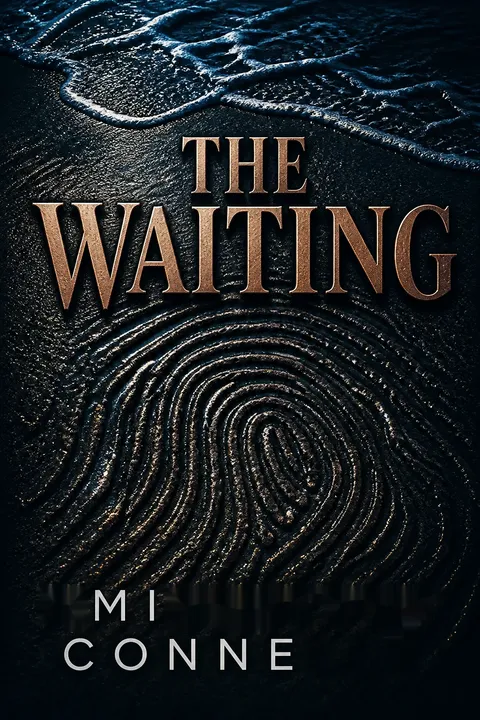
The Waiting receives mostly positive reviews, with readers praising Connelly's storytelling and character development. Many appreciate the focus on Renée Ballard and Maddie Bosch, though some miss Harry Bosch's prominence. The book's multiple plotlines are generally well-received, but a few readers find them disconnected. Critics note political undertones and question some character decisions. Overall, fans of the series enjoy the continuation of the Bosch universe, while newcomers may struggle with the complexity of ongoing storylines.
People Also Read










Characters
Renée Ballard
Cold-case unit commanderA LAPD detective who leads the Open-Unsolved Unit, Ballard is resourceful, stubborn, and deeply invested in cases whose victims were neglected by the system. Surfing gives her a rare interval of quiet; investigative work gives her a way to direct pain outward rather than dwell on her own. She has a sharp eye for patterns and a willingness to improvise, but her fear of losing her position can push her into secrecy and procedural risk. In therapy, she is beginning to examine her father's death, her mother's disappearance, and the guilt she has carried since childhood. Her leadership is defined by care, though she is still learning how to make care compatible with limits.
Harry Bosch
Veteran investigator mentorA retired detective and trusted ally to Ballard, Bosch brings hard-earned experience, patience, and an instinct for the consequences hidden behind a suspect's apparent behavior. He is also the father of Madeline Bosch, though he respects her effort to build a career apart from his reputation. His reserved manner can make affection difficult to read, but he remains fiercely protective of the people he considers his own. Health struggles have not erased his appetite for investigative work. He helps Ballard think through danger without taking the choices away from her, offering a model of loyalty grounded in action rather than reassurance.
Madeline Bosch
Detective in the makingA young LAPD patrol officer and Harry Bosch's daughter, Maddie joins Ballard's unit because she wants experience that can carry her toward detective work. She is observant, ambitious, and capable of challenging Ballard's interpretations, especially when a victim's vulnerability is being minimized. Her curiosity leads her into a major historical case, while the emotional force of what she uncovers tests her composure. Maddie wants to be recognized for her own judgment rather than simply treated as Bosch's daughter. Her work with Ballard offers a practical education in evidence, patience, and the moral weight carried by a police badge.
Colleen Hatteras
Genealogy sleuthA volunteer investigator with expertise in investigative genetic genealogy, Colleen is relentless online and unusually attentive to the emotions surrounding cases. Her children have left home and her marriage has ended, making the unit a place where her skill and energy have purpose. She is intrusive at times, asking questions Ballard would rather avoid, but her persistence also uncovers connections others miss. Colleen wants to do more than trace names and relatives; she wants the forgotten victims and their families to be treated as people still owed attention. The tension between her emotional engagement and Ballard's professional boundaries shapes their working relationship.
Paul Masser
Prosecutor turned investigatorA former prosecutor on the Open-Unsolved team, Masser understands legal procedure and knows how evidence will be challenged in court. He helps Ballard pursue the Purcell lead, verify records, and question witnesses without losing sight of what a jury would need. His measured temperament balances Ballard's urgency, though he shares her appetite for cases with living suspects. He also works to recover justice for victims whose original investigations received little attention.
Anders Persson
Digital investigatorA young software entrepreneur who volunteers with the unit, Anders specializes in locating people who have tried to disappear online. His technical ability complements Colleen's family-history research and the older investigators' field experience. He is eager to help and sometimes willing to cross digital boundaries, which makes Ballard's trust in him both useful and uneasy.
Jonathan Purcell
Presiding superior court judgeThe head of the Los Angeles Superior Court and adoptive father of Nicholas Purcell, Jonathan has spent years protecting the family he and his wife built after struggling to have a child. He is forceful when investigators enter his private life, yet his account reveals a man who accepted secrecy as a form of protection. His position makes every inquiry around him politically delicate.
Nicholas Purcell
Familial DNA linkA young man whose DNA sample, taken after a domestic-violence arrest, creates a crucial lead in the Pillowcase investigation. Nicholas is the son Jonathan and Vivian Purcell raised, though the circumstances of his birth were kept from him. His place in the investigation is genetic and circumstantial; Ballard's team seeks to identify his biological father without treating Nicholas as responsible for another person's crimes.
Andrew Bennett
Laguna real estate agentA former St. Vincent's student who now sells homes in coastal Orange County, Bennett appears in the yearbook trail that Ballard's team follows to understand Mallory Richardson's final school year. His public life as a real estate professional gives investigators a concrete place to begin asking questions. He is one of several classmates whose history must be checked against the evidence rather than accepted at face value.
Thomas Dehaven
Fugitive weapons buyerA fugitive whose search for a police badge and compact machine guns draws Ballard and Bosch into a threat against the Malibu pier. Dehaven travels under an anti-government identity and uses a van as both transport and living space. His interest in weapons makes him a dangerous figure, while the trail he leaves behind forces Ballard to widen a personal theft investigation into a public-safety operation.
Dean Delsey
Probationary beach thiefA young surfer and small-time criminal living near Venice Beach, Dean participates in thefts from surfers with his father. His probation conditions give Ballard leverage when she confronts him, and his resentment of his father's control makes him more willing to provide information. Dean is neither a mastermind nor a reliable guide, but his access to the fencing operation opens the next door in Ballard's search.
Lionel Boden
Stolen-goods fenceKnown as the Lion, Boden runs a small operation from a room at the Eldorado hotel, buying and sorting stolen property. His contacts connect the Delseys' beach thefts to the buyer seeking Ballard's badge and illegal weapons.
Mallory Richardson
Missing student and motherA Pasadena teenager remembered by her mother and school friends as a bright girl who left St. Vincent's after tenth grade. Mallory's prom date and the silence that followed become central clues in the effort to understand Nicholas Purcell's origins. Her story is reconstructed through other people's memories, a yearbook, and the absence of any account from her herself.
Robin Richardson
Mallory's grieving motherMallory's mother lives quietly in the desert after years spent trying to put painful family history behind her. She remembers the adoption arrangement and the senior who took Mallory to prom, then gives Ballard and Masser a yearbook that opens a route into the past. Her recollections are limited, but she cooperates despite the emotional cost of revisiting her daughter's life.
Rodney Van Ness
Prom-night witnessA former St. Vincent's senior who lives in Las Vegas and works in nightlife security. Van Ness is cagey about his school years and initially minimizes his connection to Mallory. His recollection of the prom-night hotel room gives Ballard's team a clearer account of who was present and who could enter.
Makani Ballard
Renée's missing motherRenée's mother, Makani, left her daughter on Maui after the death of Renée's father. The years of separation have left Ballard angry and uncertain whether she wants an explanation or simply to stop waiting for one. The wildfire search makes Makani's absence newly immediate and forces Renée to confront what she has avoided.
Dr. Cathy Elingburg
Ballard's therapistA therapist who helps Ballard examine insomnia, work-related trauma, and the unresolved effects of childhood abandonment. Elingburg asks Ballard to distinguish caring for other victims from using their suffering to avoid her own. Their sessions give the novel a private counterpoint to Ballard's investigative life.
Maxine Russell
Recovering witnessA recovering addict whose sobriety journals contain a record of a robbery that ended in a convenience-store clerk's death. Her changed relationship with her ex-husband gives prosecutors a chance to seek her cooperation.
Tom Laffont
Retired FBI investigatorA retired FBI agent who volunteers with Ballard's unit, Laffont contributes traditional investigative experience and supports surveillance operations. He is practical, loyal, and willing to return whenever a case suddenly becomes active.
Lilia Aghzafi
Retired Metro investigatorA former Las Vegas Metro investigator on the volunteer team, Aghzafi brings decades of police experience and a steady presence to surveillance and case review. She helps the unit turn scattered leads into coordinated work.
Plot Devices
Familial DNA searching
A relative reveals a suspectA DNA sample collected from Nicholas Purcell after an arrest produces a familial match to evidence from the Pillowcase Rapist investigation. The result does not identify the rapist directly, so Ballard must establish who Nicholas's biological parents are. A birth certificate appears to confirm the judge and his wife, but the DNA disproves it and drives the investigation toward the concealed adoption and Mallory Richardson. The technique supplies a powerful lead, not a complete answer, keeping legal verification and family history essential.
Surf forecast application
Predicts where surfers parkThe same wave-prediction app that sends Ballard to Staircases helps her infer how the thieves choose their targets. Reports from different beaches show break-ins where the best surf draws people away from their cars. The technology creates a practical pattern that local jurisdictions have missed, and Ballard uses her own familiarity with surfing to test it against the theft reports.
Thawyer's photograph files
Connects victims across decadesA photographer's abandoned storage unit contains files that document women before and after their murders. The images lead Maddie and Ballard to a basement where the drain, floor, post, and wall patterns match the photographs. One file appears to show Elizabeth Short, while other files help investigators identify missing women. The photographs offer a chilling record but also create evidentiary problems: image comparison, identification, and the absence of surviving witnesses leave the district attorney room to reject the case.
Ballard's stolen badge
Turns theft into public dangerThe badge disappears from Ballard's car with her gun and identification, prompting an off-the-books search that moves through Dean Delsey and the fence Lionel Boden. Once sold to Thomas Dehaven, it becomes a possible instrument of impersonation during a planned weapons acquisition. Recovering it ties Ballard personally to the operation, complicates her relationship with command staff, and gives Bosch a way to return it without exposing her role.
FAQ
Synopsis & Basic Details
What is The Waiting about?
- Personal Quest Ignites Investigation: The Waiting follows LAPD Detective Renée Ballard, whose morning surf is interrupted by the theft of her badge, gun, phone, and wallet. This personal violation propels her into an off-the-books investigation, risking her career to recover her stolen property.
- Cold Cases Intertwine: Simultaneously, Ballard leads the Open-Unsolved Unit, a team of dedicated volunteers and experts, as they pursue a familial DNA lead in the decades-old Pillowcase Rapist case, a notorious serial predator who terrorized Los Angeles.
- Secrets and Justice Unravel: The narrative weaves these threads together, uncovering a complex web of hidden adoptions, political machinations, and a shocking discovery related to the infamous Black Dahlia murder, all while Ballard grapples with her own past trauma and the elusive nature of justice.
Why should I read The Waiting?
- Deep Psychological Exploration: Readers seeking a crime novel that delves into the psychological toll of police work and personal trauma will find Ballard's journey compelling, especially her sessions with Dr. Elingburg and her struggle with abandonment issues. The novel offers a nuanced look at how past wounds shape a detective's relentless pursuit of justice.
- Intricate, Multi-Layered Plot: Michael Connelly masterfully crafts a complex narrative where seemingly disparate cases—a stolen badge, a cold serial rape/murder, and the Black Dahlia—converge, revealing unexpected connections and high-stakes confrontations that keep readers guessing until the very end.
- Timely Social Commentary: Beyond the thrilling plot, the book offers sharp commentary on contemporary issues, including the rise of domestic extremism, the challenges of homelessness, and the pervasive political infighting that often obstructs justice, making it a thought-provoking read for those interested in the societal backdrop of crime.
What is the background of The Waiting?
- Post-Pandemic Social Landscape: The novel subtly reflects a post-COVID world, referencing the "twin ideological earthquakes of the COVID pandemic and the failed insurrection at the U.S. Capitol" (Chapter 15) as factors contributing to the rise of anti-government extremist groups like the "sovereign citizens" encountered by Ballard and Bosch.
- Technological Advancements in Policing: Modern forensic science, particularly familial DNA and genetic genealogy, is central to the cold case investigations, showcasing how technology can unlock decades-old secrets. The use of surf apps by criminals also highlights the double-edged sword of digital tools in contemporary crime.
- Political and Bureaucratic Obstacles: The narrative is steeped in the political realities of the LAPD and the District Attorney's office, illustrating how inter-departmental rivalries and personal ambitions (e.g., Chief Detry vs. DA O'Fallon) can impede the pursuit of justice, especially in high-profile cases like the Black Dahlia.
What are the most memorable quotes in The Waiting?
- "The waiting is the hardest part.": This recurring phrase, attributed to a Tom Petty song (Chapter 25), encapsulates the core theme of the novel, reflecting the prolonged emotional toll on victims' families, detectives, and even Ballard herself as she waits for answers, justice, and personal closure.
- "Dig Down.": Ballard's personal mantra, taken from a Muse song and displayed on a sign in her pod (Chapter 3), symbolizes her relentless determination in both life and investigations, urging her and her team to delve deeper into cases and confront difficult truths.
- "The dead teach the living.": This motto of the California Homicide Investigators Association (Chapter 32), shared by Ballard, underscores the profound responsibility detectives feel towards cold case victims, emphasizing that their stories, even decades later, can still illuminate the path to justice and prevent future crimes.
What writing style, narrative choices, and literary techniques does Michael Connelly use?
- Immersive First-Person Perspective: Connelly primarily employs a close first-person perspective through Renée Ballard, allowing readers deep access to her internal monologues, emotional struggles, and strategic thinking, creating a strong sense of empathy and immediacy. This contrasts with the more detached third-person often used in other Connelly series.
- Propulsive Pacing and Interweaving Plots: The narrative maintains a relentless pace, skillfully interweaving multiple complex investigations—Ballard's personal quest, the Pillowcase Rapist, and the Black Dahlia—each building tension and revealing unexpected connections, ensuring constant engagement and a sense of urgency.
- Symbolic Environmental Descriptions: Connelly uses vivid descriptions of the Los Angeles landscape, particularly the ocean and urban decay, to mirror Ballard's internal state and thematic elements. The contrast between the "reverence" of waiting for a wave (Chapter 1) and the "chaos" of the city (Chapter 16) reflects Ballard's search for peace amidst turmoil.
Hidden Details & Subtle Connections
What are some minor details that add significant meaning?
- The Missing Ruger Boot Gun: The thief's oversight in missing Ballard's seven-shot Ruger boot gun (Chapter 1) is a crucial detail, providing her with a concealed weapon that proves vital in her off-the-books pursuit of the thieves and later in her confrontation with Andrew Bennett, highlighting her preparedness and resourcefulness.
- Breitling Watch Inscription: The specific inscription "To Seth from Dad 12-25-21" on the stolen Breitling watch (Chapter 11) adds a layer of emotional weight to Ballard's personal quest. Its recovery and return to Seth Dawson (Chapter 38) underscore Ballard's deep empathy for victims and her commitment to restoring what was lost, even beyond her own badge.
- "Anal Road Warrior" Joke: Ballard's internal joke about the "Anal Road Warrior" (Chapter 16) while tailing Dehaven's RV, a game she played with her grandmother, is a subtle callback to her past and her relationship with Tutu, momentarily humanizing her in a tense situation and hinting at her coping mechanisms.
What are some subtle foreshadowing and callbacks?
- Colleen's Genetic Tree Discrepancy: Colleen Hatteras's early observation that the "genetic tree" for Nicholas Purcell "didn't connect in any way to the judge" (Chapter 9) subtly foreshadows the eventual revelation that Judge Purcell is not the biological father, setting up the major plot twist and the subsequent shift in the Pillowcase Rapist investigation.
- Ballard's "Short Temper" Warnings: Dr. Elingburg's repeated observations about Ballard's "short temper" (Chapter 36) and her tendency to "overreact" (Chapter 36) subtly foreshadow Ballard's aggressive confrontation with Agent Olmstead and her later, more controlled, but still intense, interactions with Captain Gandle, highlighting her ongoing struggle with emotional regulation.
- The "Road Warrior" RV: The initial mention of the "Road Warrior" RV (Chapter 16) as part of the caravan of extremists subtly foreshadows the later discovery of the LAPD SWAT vest and arsenal within Dehaven's van, hinting at the organized and dangerous nature of the group beyond simple "sovereign citizen" posturing.
What are some unexpected character connections?
- Delsey Father-Son Parallel: The Delsey father-son duo, Dean and Robert, who steal Ballard's badge, unexpectedly mirror the Purcell father-son dynamic. Both involve a son whose actions (Dean's petty theft, Nicholas's domestic violence arrest) inadvertently expose a deeper, more significant criminal or secret involving their father, highlighting a recurring pattern of generational consequence.
- Maddie's Black Dahlia Fascination: Maddie Bosch's deep fascination with the Black Dahlia case, stemming from her father Harry's own interest (Chapter 20), creates an unexpected intergenerational connection to one of L.A.'s most enduring mysteries. This shared interest not only drives Maddie's discovery but also subtly links her to Harry's legacy of pursuing justice for the forgotten.
- Ballard's Maui Contact and Mother: The seemingly minor character of Dan Farley, Ballard's contact on the Maui fire task force (Chapter 5), becomes a pivotal connection in her personal life. His eventual call confirming her mother is alive (Chapter 50) transforms a background detail into a deeply personal and unexpected turning point for Ballard, linking her professional world to her unresolved family trauma.
Who are the most significant supporting characters?
- Dr. Cathy Elingburg: Ballard's therapist, Dr. Elingburg, serves as a crucial sounding board, guiding Ballard through her "vicarious trauma" and "abandonment resentment" (Chapter 35). Her insights provide a psychological framework for Ballard's motivations and emotional complexities, offering a rare glimpse into the detective's inner world and personal growth.
- Dan Farley: The Maui MINT contact, Dan Farley, plays a vital role in Ballard's personal narrative, acting as her sole link to her missing mother. His consistent updates and eventual notification that Makani Ballard is alive (Chapter 50) provide a powerful emotional arc, culminating in Ballard's journey to Maui for a potential reconciliation.
- Mr. Waxman: The manager of Echo Park Storage, Mr. Waxman, is the catalyst for the Black Dahlia breakthrough. His decision to show Maddie Bosch the disturbing contents of Emmitt Thawyer's unit (Chapter 21) directly leads to the reopening of L.A.'s most famous cold case, demonstrating how seemingly minor characters can trigger major plot developments.
Psychological, Emotional, & Relational Analysis
What are some unspoken motivations of the characters?
- Ballard's Control Over Chaos: Renée Ballard's relentless pursuit of her stolen badge and gun, even off-the-books, is driven by an unspoken need to regain control in her life, stemming from her childhood abandonment. The theft represents a loss of control, and her aggressive recovery mission is a way to reassert agency in a world she perceives as chaotic and unpredictable.
- Colleen's Search for Purpose: Colleen Hatteras's obsessive dedication to cold cases, working far beyond her volunteer hours, is an unspoken coping mechanism for her recent divorce and empty nest. Her "relentless at the keyboard" (Chapter 3) nature fills a void, providing her with a sense of purpose and belonging that her personal life currently lacks.
- Judge Purcell's Reputation Protection: Judge Jonathan Purcell's initial reluctance to cooperate and his eventual confession about Nicholas's adoption are motivated by an unspoken desire to protect his family's reputation and his son from the stigma of his biological father's crimes. His actions highlight the lengths to which powerful individuals will go to maintain appearances and shield loved ones from scandal.
What psychological complexities do the characters exhibit?
- Ballard's Abandonment Resentment: Ballard grapples with profound "abandonment resentment" (Chapter 35) towards her mother, which Dr. Elingburg identifies as a core cause of her insomnia and agitation. This complexity is evident in Ballard's internal conflict about seeking her mother, feeling "guilty as hell" (Chapter 35) for not going, yet unable to move past the hurt of being left behind.
- Harry Bosch's Vicarious Protection: Harry Bosch exhibits a complex protective instinct towards Maddie, warning Ballard about the "darkness" (Chapter 11) of police work. This stems from his own career's psychological toll and his desire to shield his daughter from similar trauma, even as he supports her ambition to become a detective.
- Andrew Bennett's Psychopathic Facade: Andrew Bennett, the Pillowcase Rapist, displays classic psychopathic traits, maintaining a charming and successful real estate agent persona while committing horrific crimes. His "flat, dead eyes" (Chapter 55) and lack of empathy, even when confronted, reveal a chilling psychological complexity that allows him to compartmentalize his violent urges from his public life.
What are the major emotional turning points?
- Discovery of Colleen's Murder: The most significant emotional turning point is Ballard's discovery of Colleen Hatteras's murdered body (Chapter 51). This event plunges Ballard into a deep sense of guilt and personal responsibility, transforming the Pillowcase Rapist case from a professional pursuit into a deeply personal mission for vengeance and justice for her fallen colleague.
- Black Dahlia Case Rejection: The district attorney's political rejection of the Black Dahlia case (Chapter 45), despite overwhelming evidence, is an emotional low point for Ballard and Maddie. It highlights the frustrating reality of institutional politics overriding justice, leaving victims' families without official closure and fueling Ballard's cynicism about the system.
- News of Makani Ballard's Survival: Dan Farley's call informing Ballard that her mother, Makani, is alive (Chapter 50) is a profound emotional turning point. It shatters Ballard's long-held assumptions and forces her to confront the possibility of reconciliation or further pain, setting the stage for her personal journey to Maui.
How do relationship dynamics evolve?
- Ballard and Bosch: Co-Conspirators: The relationship between Ballard and Harry Bosch evolves from mentor-mentee to one of deep trust and co-conspiracy. Their collaboration on the Dehaven sting, where Bosch acts as a "tethered goat" (Chapter 28), demonstrates a profound mutual reliance and willingness to bend rules for justice, solidifying their bond beyond professional boundaries.
- Ballard and Colleen: Guilt and Regret: Ballard's relationship with Colleen Hatteras, initially marked by annoyance over Colleen's boundary-crossing, transforms into profound guilt and regret after Colleen's murder. Ballard's self-blame for not adequately protecting her volunteer (Chapter 52) underscores the heavy emotional cost of leadership and the dangers inherent in their work.
- Ballard and Maddie: Mentorship to Partnership: Maddie Bosch's role evolves from an eager volunteer to a respected partner. Ballard's initial skepticism gives way to admiration for Maddie's sharp investigative instincts, particularly in the Black Dahlia case. This culminates in Ballard's strategic efforts to protect Maddie's position on the unit, demonstrating a deep commitment to her development and future.
Interpretation & Debate
Which parts of the story remain ambiguous or open-ended?
- Ballard's Mother's Fate: The novel concludes with Ballard traveling to Maui to meet her mother, Makani, but the outcome of this reunion remains ambiguous. Readers are left to ponder whether it will lead to reconciliation, further pain, or a new understanding of her past, leaving a significant personal arc unresolved.
- Long-Term Impact of Black Dahlia Rejection: Despite compelling evidence, the Black Dahlia case is officially rejected by the DA, leaving its status as "solved" in the public eye but "unclosed" by the justice system. The long-term implications of this political decision on the victims' families and the LAPD's reputation remain open to interpretation.
- Future of the Open-Unsolved Unit: Colleen Hatteras's murder and the subsequent internal scrutiny of the Open-Unsolved Unit leave its future uncertain. While Maddie Bosch's position is secured, the broader question of whether the department will continue to utilize civilian volunteers in cold cases, given the inherent risks, remains an open question.
What are some debatable, controversial scenes or moments in The Waiting?
- Ballard's Off-the-Books Investigation: Ballard's decision to pursue her stolen badge and gun "off the books" (Chapter 1), rather than reporting it, is highly debatable. This choice, driven by fear of career repercussions, leads her to cross ethical lines and engage in unauthorized surveillance and confrontations, raising questions about police accountability and the integrity of her actions.
- Harry Bosch as a "Tethered Goat": The FBI's use of Harry Bosch as a "tethered goat" (Chapter 28) in the sting operation to capture Thomas Dehaven is a controversial tactic. This high-risk strategy, which puts Bosch's life in direct danger, sparks a heated debate between Ballard and Agent Olmstead about the value of human life versus the strategic capture of multiple suspects.
- DA O'Fallon's Political Rejection: District Attorney Ernest O'Fallon's repeated rejection of the Black Dahlia case (Chapter 45), despite strong forensic evidence, is a highly controversial moment. His decision, explicitly linked to political rivalry with Chief Detry, highlights the corrupting influence of politics on justice and sparks outrage from both the police and the public.
The Waiting Ending Explained: How It Ends & What It Means
- Personal Journey to Confrontation: The novel concludes with Renée Ballard flying to Maui, preparing to confront her long-missing mother, Makani, who has been located alive after the wildfires. This signifies Ballard's readiness to finally address her deep-seated abandonment issues and seek personal closure, moving beyond her professional identity to heal old wounds.
- Political Victory for Maddie Bosch: The Black Dahlia case, though officially rejected by the DA, is leaked to the L.A. Times, prominently crediting Maddie Bosch for the breakthrough. This public relations coup forces Captain Gandle to rescind his order to remove Maddie from the unit, securing her position and highlighting the power of media in circumventing political obstruction.
- The Enduring Cycle of "The Waiting": The title's theme, "The Waiting," resonates throughout the ending. While the Pillowcase Rapist is caught and Ballard's badge is recovered, the Black Dahlia case remains officially open, and Ballard's personal quest for reconciliation with her mother is just beginning. This emphasizes that the pursuit of justice and personal peace is an ongoing, often cyclical, process, where answers bring new questions and closure is often elusive.
Harry Bosch Universe Series




















About the Author
Other books by Michael Connelly



Download PDF
Download EPUB
.epub digital book format is ideal for reading ebooks on phones, tablets, and e-readers.








