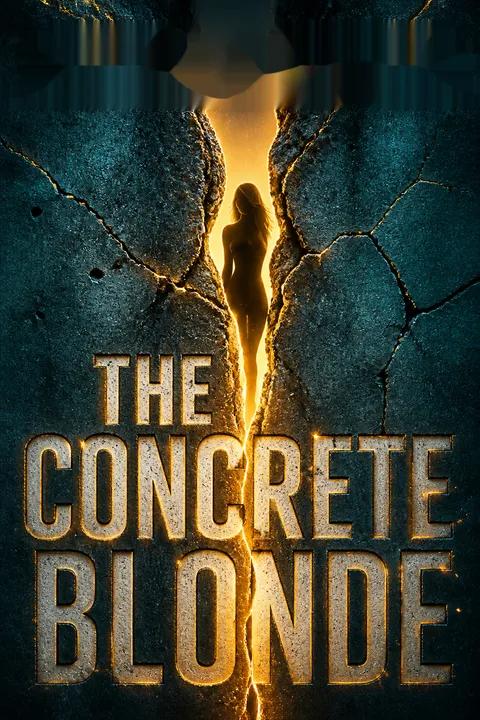


Plot Summary
Church's Shot Returns
Four years earlier, Detective Harry Bosch shot Norman Church in a Silverlake apartment after Church reached beneath a pillow. Bosch believed he had killed the Dollmaker, a serial murderer who strangled women and painted their faces. The dead man's hand had been reaching for a toupee, but evidence in the apartment appeared to connect him to the killings.
Bosch was disciplined for entering alone. Now Church's widow is suing him, and civil-rights lawyer Honey Chandler is portraying the shooting as an execution. During a lunch break in the trial, Bosch's lieutenant summons him to a burned-out pool hall: a note has claimed the Dollmaker is alive and directed police to a woman's body sealed beneath the concrete floor.
The book opens by making certainty itself unstable. Bosch's split-second decision seemed settled by the discovery of cosmetics in Church's apartment, yet the civil trial reopens the moment as both a legal question and a private wound. The new body arrives at the worst possible time, threatening not only Bosch's account of the past but also his ability to defend it. The plot's central pressure therefore comes from competing forms of judgment: the officer's urgent decision, the department's procedural review, and a jury's retrospective scrutiny. Each acts on a different clock, and none can restore the life taken.
The Body Under Bing's
At the ruined pool hall, Bosch finds a body cavity cut into the old foundation. The woman's preserved remains carry familiar marks: a purse strap tightened in a left-handed knot, makeup on her face, pink toenail polish, and a tiny white cross painted on one nail.
That cross had been withheld from the public during the original investigation. The concrete also holds a cigarette packet, though the victim did not smoke. Bosch tells Lieutenant Harvey Pounds and former partner Jerry Edgar that the method resembles Church's, but the note cannot have come from Church, who is dead.
A copycat, an undiscovered accomplice, or a living killer could explain the evidence. The victim's identity and time of death become crucial, and Bosch returns to court with the case unresolved.
The body is both evidence and an accusation. Its preserved details seem to authenticate the old case, while the concealed cross suggests the killer knew information unavailable to ordinary imitators. Yet the cigarette packet points toward a living person who occupied the burial site. Connelly makes forensic recognition double-edged: the more faithfully the victim resembles earlier victims, the more urgently Bosch must ask whether his original certainty was earned or manufactured. The crime scene also resists the neat division between public evidence and private knowledge. A secret once used to protect an investigation may have become a script for another murder.
Chandler's Rogue-Cop Case
In court, Chandler casts Bosch as a policeman who took the roles of judge and jury for himself. She argues that pressure to close the Dollmaker case may have made Church a convenient scapegoat.
Lieutenant Terry Lloyd, who led the task force, confirms that Church was identified only after he died and that the department faced intense pressure to catch the killer. He also admits the suspect profile did not fit Church's age, education, or family life. Bosch watches Lloyd's testimony give Chandler material for doubt.
The new body's discovery hangs over the proceedings, but Bosch's lawyer, Rodney Belk, initially wants to rush the trial rather than investigate its implications. Chandler's opening argument reaches the jury with more force than Belk's procedural defense.
Chandler's strategy works because she shifts attention from the question of whether Church was monstrous to the question of who had authority to decide it. Lloyd's concessions do not prove Bosch framed anyone, but they make institutional pressure visible and expose the gap between a profile and a suspect. Belk's haste reflects the city's preference for containing risk rather than clarifying it. Bosch, meanwhile, experiences the trial as a forced examination of a decision he made in seconds. The courtroom's dramatic imbalance matters: Chandler can narrate the case as a moral story, while Bosch's side initially answers with rules and paperwork.
Makeup, Condoms, Doubt
Church's widow, Deborah, describes a devoted husband who kept a secret apartment to escape marital stress, then suggests the police may have planted the cosmetics found there. Belk exposes that she had denied knowing about the apartment after the shooting, weakening her account. Coroner's analyst Victor Amado explains that makeup from the apartment matched nine victims and that a condom box contained nine used condoms.
He also concedes there was no DNA match to Church. Tests found foreign pubic hair on every victim, but none was compared with Church because his body hair had been shaved. The evidence strongly supports Church's involvement in nine killings, yet the untested samples leave a narrow opening for another perpetrator.
This testimony distinguishes evidentiary strength from evidentiary completeness. The makeup is unusually specific and the condom residue connects Church's apartment to the victims, but the missing biological comparison prevents the case from becoming absolute. Chandler exploits that gap without erasing the weight of the matches. Deborah's shifting account also shows how grief and self-protection can become entangled: she presents an ideal marriage while admitting that Church maintained a hidden space. For Bosch, the crucial fact is not simply that evidence points to Church, but that it points to him selectively. The nine matching cosmetic sets may define a boundary as much as they establish guilt.
Church's Alibi Tape
Church's co-worker produces a dated videotape of a bachelor party, placing Church with a roomful of friends during the eleventh killing. Chandler draws out the evidence, then shows the recording to the jury; Belk's attempt to block it fails.
The tape does not clear Church of every murder, but it gives him a credible alibi for one. Chandler then questions Assistant Chief Irvin Irving about Bosch's conduct and introduces the record of Bosch's mother, Marjorie, who was raped and strangled when he was eleven.
The crime was never solved. Irving admits the department never considered whether that history affected Bosch's shooting of Church. Chandler has now supplied the jury with both a crack in the case against Church and a possible personal motive for Bosch.
The videotape changes the trial from a contest over interpretation into a challenge to the case's basic arithmetic. One murder cannot belong to Church if the recording's date is genuine, and that exception forces Bosch to reconsider the rest. Chandler's move from the alibi to his mother's murder is psychologically precise: she connects his professional action to an old, unresolved loss without having to prove conscious revenge. The two strands expose opposite failures of knowledge. Church's private life escaped his colleagues, while Bosch's private history escaped his own department's review. Public institutions appear to know facts about people yet remain unprepared to interpret what those facts mean.
A Victim Gets Her Name
The plaster impression taken from the body yields usable fingerprints, and Vice detective Ray Mora helps identify the woman as Rebecca Kaminski, known in adult films as Magna Cum Loudly.
Her prints match the impression, her distinctive tattoo is confirmed during autopsy, and a missing-person report shows she disappeared nearly two years earlier. Her film was made after Church had been killed, making him impossible as her murderer. Bosch tracks down her former manager, Tommy Cerrone, who admits Kaminski had gone to a hotel to meet a customer.
Cerrone recalls the same strange phrase and voice from an earlier booking involving Nicole Knapp, another Dollmaker victim. He had suspected the connection but stayed silent. Bosch now has a link between the new murder and an older case.
Naming the victim turns a forensic object back into a person with a career, a manager, and a last appointment. The timeline is more decisive than resemblance: Church cannot have killed someone whose film was made after his death. Cerrone's delayed recognition shows how criminal economies produce both access and silence. He knew enough to notice a pattern but feared the police and protected his own business. Bosch's work is therefore not merely matching methods; it is recovering knowledge from people whose incentives have kept it buried. The case advances when an apparently marginal witness connects a dead woman's final booking to a previous victim.
Two Patterns Emerge
Reviewing the old files, Bosch sees that two victims and the surviving target were adult-film performers who also accepted outcall work. Their injuries were more severe, their makeup was not among the items found in Church's apartment, and their locations and dates no longer fit the larger series.
Separating them from the other nine restores a regular interval between Church's murders. Mora remembers a four-year-old tip from a performer called Gallery, who had seen an unusually reserved man lingering on film sets with two of the victims.
Gallery herself later disappeared. Mora finds four more blonde performers who vanished under troubling circumstances and gives Bosch their names. The possible killer may have copied Church while choosing victims through the pornography business.
The pattern emerges only after Bosch stops treating every victim as interchangeable. The original task force grouped women by vulnerability, but the new comparison notices differences in profession, injury, and access. This is a methodological correction with a moral dimension: classification can reveal a killer, but a broad category can also erase the particular lives within it. Mora's forgotten tip adds a second route into the case, linking the killer's apparent shopping process to film sets and adult advertisements. Bosch's insight does not yet identify the offender; it changes the question from who matched Church to who had the knowledge and access to imitate him.
Bosch Faces the Jury
Chandler introduces the new victim and the anonymous poem into evidence, forcing Belk to call Bosch despite the risk of exposing the ongoing investigation. On the stand, Bosch explains why he went alone to Church's apartment and insists that Church's movement toward the pillow made him fire.
Chandler presses him about his three fatal shootings, his mother's unsolved murder, and a psychological report describing his comfort with deadly force. She then makes him acknowledge that killings continued after Church died.
Bosch says another murderer is using Church's methods, but he cannot disclose more without warning that person. The testimony leaves him publicly exposed and emotionally shaken. Sylvia Moore, the teacher he loves, watches from the gallery and learns more about his childhood than he has told her privately.
Bosch's testimony is a struggle over who gets to define the meaning of violence. He understands the tactical reasons for shooting Church, yet cannot prevent Chandler from placing that act beside his mother's murder and his own emotional reserve. His refusal to reveal investigative details is ethically defensible but legally costly, because the jury sees only the withheld explanation. The courtroom also breaches intimacy: Sylvia learns Bosch's history from opposing counsel, exactly the kind of exposure he has tried to avoid. This scene binds public accountability to private trust. The same guardedness that protects a police investigation may injure the person closest to him.
The Partner's Price
After court, Bosch follows Jerry Edgar to a downtown bar and sees him meeting Chandler. Edgar admits that financial trouble made him accept her money for updates about the new investigation. He insists he gave her little, but the leak has already helped shape the trial.
Bosch tells his former partner to leave the Hollywood homicide squad, then later relents when Edgar admits the betrayal has cost him his self-respect. Meanwhile, Assistant Chief Irving forms a discreet task force and authorizes surveillance of Mora.
Bosch reviews old shift records: Mora was marked sick on the night Nicole Knapp died and left work early before Shirleen Kemp was killed. The timing makes Mora a plausible suspect, so the team watches him while Bosch continues the trial.
Edgar's betrayal is neither a grand conspiracy nor a harmless lapse. It begins in mortgage trouble and becomes a relationship Chandler can exploit, showing how institutional secrets leak through ordinary vulnerabilities. Bosch responds first with punishment, then recognizes that Edgar's shame may already be severe enough. That choice anticipates his later restraint with other compromised people. The parallel investigation of Mora demonstrates the danger of circumstantial pattern-making: work schedules and access create suspicion, but they do not establish guilt. Bosch has just been accused of acting too quickly, yet he is again tempted to convert a persuasive theory into a verdict. The narrative keeps that temptation visible.
Mora's Hidden Room
Mora supplies Bosch with names of missing performers, then goes to a movie while surveillance teams lose track of him. Bosch slips into Mora's house to search for evidence. He finds a camera, blanked videotapes, women's clothing, and equipment arranged around a bed, but no clear proof that Mora is the Follower.
Mora returns and holds Bosch at gunpoint. The last tape Bosch finds shows Mora involved in sexual activity with two underage young people, a serious crime but not the serial murders.
Mora says the surveillance exposed him and names another possible offender: Dr John Locke, the psychologist who advised the task force and researched adult performers. Bosch leaves Mora alive and reports the new lead, but the illegal search complicates any case against him.
Mora's house produces moral evidence without the evidence Bosch came looking for. The recording reveals exploitation, while the blank tapes and sexualized room invite a larger interpretation that the facts cannot sustain. Bosch must distinguish repulsion from proof, a distinction the earlier trial has shown he is capable of losing. Mora's threat reverses the usual police gaze: the investigator is now physically vulnerable inside a suspect's home. His accusation against Locke may be truth, self-preservation, or both. The search also repeats the book's institutional problem in miniature. Bosch's methods may uncover wrongdoing, but an unlawful search can make accountability harder rather than easier.
The Author's Shadow
Mora's accusation points Bosch toward Locke's book on adult performers. Its acknowledgments describe access to sets, and its index includes several women connected to the killings. Locke had also studied the Dollmaker case, giving him access to details the public did not know. Bosch treats this as a strong lead, not proof. At a women's jail, he shows the former survivor, Georgia Stern, Locke's photograph.
She remembers him as a researcher who interviewed performers but cannot identify him as the man who attacked her. Her drug use has left her memory unreliable. The task force looks for Locke, while Bosch recognizes the irony: the expert who helped explain the killer may have helped make the investigation more vulnerable to a false theory.
Locke's professional position makes him a compelling suspect because he bridges two information systems: forensic knowledge and the adult-film world. Yet the same expertise that makes his profile appear persuasive also warns against overconfidence. Georgia's incomplete memory cannot confirm or clear him, and a book's access to performers is not evidence of murder. Bosch has learned that a theory can organize facts while also recruiting them to its cause. The scene's tension lies in the gap between interpretive authority and reliable knowledge. A psychologist can explain patterns, but explanation is not identification, and a traumatized survivor cannot be made to supply certainty on demand.
A Blonde in Danger
At the station, Bosch finds another poem threatening a blonde woman and warning him not to follow. He assumes the target may be Sylvia and rushes to her house, but it is empty. She is visiting the family of Beatrice Fontenot, her student, who died after a drive-by shooting.
Bosch reaches Sylvia by phone and tells her to secure the house; then they leave for a hotel, where he finally gives her more of his history and asks her to stay. Sylvia loves him but says his life of violence may be more than she can bear. She asks for time apart. Bosch stays outside her hotel room through the night, protecting her even as their relationship breaks open under the strain.
The threat turns Bosch's professional danger into intimate fear. He cannot know whether the poem targets Sylvia, but the possibility overrides the habits of emotional distance he has relied on. The trip to the hotel briefly makes refuge possible, yet the conversation there reveals that physical safety cannot repair the deeper cost of his work. Sylvia is not rejecting Bosch's character; she is evaluating the life attached to it. Her choice of distance is an act of self-preservation, not a failure of affection. Beatrice's death sharpens the scene by showing that violence reaches people who were never part of Bosch's investigation.
Two Dollars, One Body
When deliberations resume Monday, Chandler is missing, and Bosch fears the threat poem was meant for her. The jury returns a verdict for Church's widow on the civil-rights claim but awards only one dollar in compensatory damages and one in punitive damages.
Belk calls it a practical win; Bosch cannot take comfort in the arithmetic. He goes to Chandler's home, where police have found her dead. Her killer strangled her with a leather purse strap, painted her face, and added cigarette burns and bite marks.
Locke arrives at the scene and provides an alibi: he was in Las Vegas with a graduate student when Chandler was killed. Bosch finds the poem and envelope hidden in a book in Chandler's office, then realizes she had received a mailed copy before the trial began.
The nominal verdict and the murder create opposing forms of closure. The jury recognizes a civil violation but assigns it almost no financial weight, leaving Bosch neither vindicated nor meaningfully punished. Chandler's death makes the unresolved case immediate and physical. The altered injuries suggest a killer no longer content to repeat a stable ritual, while the hidden envelope offers a new path through the apparent confusion. Locke's alibi weakens one suspect but does not solve the crime. The scene also revisits Chandler's role as a public challenger: her private office becomes the place where the method of her death and the evidence she preserved converge.
The Reporter Unmasked
Bosch studies the envelope and notices it was mailed before the newspaper story that the poem references was published. Reporter Joel Bremmer had written that story, knew the case intimately, smoked Marlboros, and was left-handed. Bosch visits him at home and accuses him of being the Follower.
Bremmer takes Bosch's gun and threatens him, but the weapon has no ammunition; Bosch kept the loaded magazine hidden. He uses Chandler's missing note to explain why Bremmer killed her: she had kept the envelope that exposed his timing. Bremmer's pride draws him into describing his victims and admitting his crimes. Bosch has secretly recorded the exchange. He arrests the reporter and takes him to jail.
The solution depends on a small chronological discrepancy rather than a dramatic forensic revelation. The postmark converts Bremmer's own reporting into evidence against him: he could reference a story before the public had seen it because he controlled its production. Bosch's confrontation is risky because he has no warrant or backup, repeating the cowboying that defined the Church shooting. But this time he engineers a safeguard, hiding the loaded magazine and recording Bremmer's boast. The scene makes authorship a form of power. Bremmer has shaped public accounts of the killings; Bosch turns that same appetite for narrative control into the mechanism of his confession.
Bodies Beneath the Story
Police find Bremmer's storage locker under an alias. Inside are a camera, restraints, weapons, and seven videotapes documenting murders, including Chandler's and Kaminski's, as well as other missing performers.
Forensic comparison links Bremmer to hair recovered from earlier victims, strengthening the case beyond his recorded admission. He agrees to life without parole in exchange for showing investigators where the other women are buried and allowing psychiatric study. Bosch takes time off after the arrest.
Sylvia returns to his house and admits she still loves him, though she knows their life together will remain difficult. They plan a trip to Lone Pine. Bosch does not promise that his past will disappear; he accepts that intimacy will require him to stop treating silence as protection.
The locker supplies material confirmation where the investigation previously relied on inference. The tapes make the victims' final moments into both evidence and a chilling record of the killer's need to preserve his own authorship. Bremmer's bargain trades punishment for recovery of the dead, making justice practical and imperfect rather than clean. The ending does not resolve Bosch's work or erase the damage it causes. Instead, Sylvia's return creates a fragile form of chosen companionship. Bosch has not become fully transparent, but he has learned that withholding everything is itself an action with consequences. The book closes on commitment as risk accepted, not as danger overcome.
Analysis
The Concrete Blonde builds its mystery around the difference between a persuasive explanation and a proven one. Church's apartment appears to close the original case, but the body under Bing's, the alibi tape, and the victim pattern reveal that a correct suspect can still be assigned too many crimes. Bosch's professional strength, decisive observation, also becomes his danger: he can mistake coherence for certainty, especially when a dead man cannot testify. The civil trial makes this weakness public by asking whether a police officer may substitute personal conviction for legal process.
The book also treats institutions as systems of partial knowledge. The task force withholds details to screen out false confessions, yet those details circulate among officers, medical staff, journalists, and researchers. The same secrecy that protects an investigation can give an informed outsider a template. Bremmer's role as reporter and killer sharpens this problem: he does not merely observe the public story but shapes it, then exploits the gap between what he knows and what the police can prove.
The victims' social circumstances matter to the plot, not just its atmosphere. Their work makes them accessible to the killer and easy for institutions to neglect. Rebecca's missing-person report, Cerrone's silence, and Georgia's impaired recollection show how vulnerability can become an evidentiary void. Recovering their identities requires Bosch to listen beyond official files and reconsider categories that once made the victims look alike.
Finally, the novel refuses to make justice synonymous with either a verdict or an arrest. The jury gives Church's widow two dollars, Chandler is murdered, and Bremmer's punishment is tied to locating bodies. Bosch cannot undo these failures. His modest movement toward Sylvia and his decision to forgive Edgar show a different kind of accountability: not absolution, but a willingness to recognize the consequences of his choices and remain answerable to other people.
Review Summary
The Concrete Blonde receives high praise from readers, with many considering it the best in the Harry Bosch series so far. Reviewers appreciate the gripping courtroom drama, intricate plot twists, and deeper character development. The novel's exploration of a past case involving the Dollmaker serial killer, combined with a new investigation, keeps readers engaged. Many highlight Connelly's masterful writing, realistic portrayal of police work, and the book's ability to surprise even seasoned mystery fans. Overall, it's lauded as a page-turner that solidifies Connelly's skill in the crime fiction genre.
People Also Read




Characters
Harry Bosch
The unsparing detectiveA Los Angeles homicide detective, Bosch trusts close observation and decisive action more than bureaucracy. His work has trained him to detach from corpses and to keep his own past sealed away, habits that help him endure crime scenes but strain his relationship with Sylvia. He believes he acted to stop a serial killer when he shot Norman Church, yet the trial and the newly discovered victim force him to test that belief rather than merely defend it. Bosch is stubborn, perceptive, and capable of tenderness, though he often mistakes emotional reserve for protection. His deepest conflict is not simply whether he can solve a case, but whether he can accept scrutiny without surrendering his judgment or shutting out the people who care for him.
Honey Chandler
The relentless civil lawyerChandler represents Deborah Church in a civil-rights suit against Bosch. A polished and formidable trial lawyer, she reads courtroom dynamics closely and builds her case through evidence, timing, and carefully controlled emotion. Her opposition to Bosch is not merely professional theater: she believes police power must be tested even when the accused officer claims to have acted against a monster. Chandler's confidence can look like aggression, but it is also a disciplined refusal to let institutional authority end a question prematurely. She understands that jurors respond to human stories as well as facts, and she makes the consequences for Church's family impossible to ignore. Her role forces Bosch to confront the difference between stopping a threat and having lawful authority to decide guilt.
Sylvia Moore
Bosch's guarded partnerSylvia is a high-school English teacher and the widow of a police officer whose death Bosch once investigated. She and Bosch have built a close relationship, but his secrecy and exposure to violence make her question what a shared life with him would demand. Sylvia brings patience and a capacity for noticing beauty that contrasts with Bosch's defensive cynicism. She does not ask him to abandon his work, yet she insists that love cannot thrive on partial knowledge alone. Her care extends beyond Bosch to her students and their families, grounding the story's violence in the ordinary lives it disrupts. She is compassionate without being passive, and her need for boundaries is as important as her affection.
Joel Bremmer
The crime-beat reporterBremmer is a Los Angeles Times reporter who covered the Dollmaker investigation and later wrote a book about it. He is a familiar presence around the police and courthouse, with access to sources and an instinct for the detail that will hold readers' attention. His professional identity depends on turning hidden events into a public narrative, a skill that places him close to both investigators and the people they pursue. Bosch has worked with him before and understands that a reporter's loyalty to a source has limits. Bremmer's confidence and ambition make him a compelling figure in a story about who controls the public meaning of crime.
Norman Church
The dead suspectChurch is an aerospace engineer whose fatal encounter with Bosch anchors the trial and the renewed investigation. He lived a private life that even people close to him only partly understood, maintaining an apartment under another name. The police connected him to a string of killings through cosmetics, condoms, and other evidence found after his death. His family remembers a husband and father, while the task force remembers a suspect tied to murdered women. Church's place in the story is defined by that collision between public evidence and private familiarity. The question surrounding him forces every character to consider how much can be known about another person, and what consequences follow when a conclusion is reached too soon.
Jerry Edgar
Bosch's former partnerEdgar is a Hollywood homicide detective who once worked beside Bosch and learned much of the job from him. He is sociable, well-dressed, and more attentive to the practical rewards of police work than Bosch thinks a homicide investigator should be. Financial pressure makes him vulnerable to compromising choices, while his long history with Bosch gives those choices personal weight. Edgar can be capable and loyal, but he does not share Bosch's single-minded sense of the work as a calling. Their relationship tests whether professional trust can survive a betrayal and whether punishment is always the only useful response.
Ray Mora
The vice specialistMora is an LAPD vice detective whose expertise lies in the pornography industry. He knows performers, agents, producers, and the informal routes by which women find work, making him a useful source for Bosch's investigation. His religious objects and blunt, often crude manner sit uneasily beside his long exposure to exploitation. Mora is comfortable in a world other officers find distasteful, and that familiarity can make him seem either unusually capable or difficult to read. He helps Bosch understand how a killer might locate victims, while his position within the task force raises questions about access and professional boundaries.
Dr John Locke
The killer-behavior scholarLocke is a university psychologist who advises the Dollmaker task force and studies sexual violence, fantasy, and the development of criminal behavior. He explains how repeated acts can form a personal ritual and why evidence of a killer's tastes may matter as much as his public identity. Locke is intellectually curious and eager to turn case experience into scholarship, sometimes to the point of pushing beyond the boundaries investigators set. He gives Bosch a framework for distinguishing two patterns of killing, but his theories remain interpretations rather than proof. His character embodies both the value and the danger of expertise: a persuasive model can illuminate a case, but it cannot replace verification.
Irvin Irving
The command-level realistIrving is a senior LAPD executive who has long occupied a complicated place in Bosch's professional life. He understands the department's political pressures and can be cautious when a case threatens its reputation. Yet he also recognizes the limits of managerial distance when detectives must make decisions in seconds. Irving's authority allows him to assemble a restricted task force and direct resources toward the renewed investigation. His approach is pragmatic, sometimes defensive, but not reducible to careerism. He represents an institution capable of both constraining its officers and providing the structure needed to pursue a difficult case.
Deborah Church
The grieving widowDeborah is Norman Church's widow and the plaintiff in Chandler's suit against Bosch. She presents her husband as a loving family man and must live with the police department's public portrayal of him as a serial killer. Her grief gives her a powerful stake in the trial, but her changing account of what she knew about Church's apartment complicates her credibility. Deborah is both a person seeking recognition for her loss and a witness whose testimony is shaped by anger, fear, and the desire to protect her family. The trial shows how bereavement does not produce a single, stable version of the past.
Rebecca Kaminski
The missing performerRebecca Kaminski worked in adult films under the stage name Magna Cum Loudly and accepted outcall work. Her disappearance was recorded in a sparse report that received little attention, leaving the people who might have known her with few answers. Her identity emerges through fingerprints, a tattoo, and old industry records rather than through a close relative's account. Rebecca's case exposes the vulnerability of women whose work and circumstances make them easy to overlook. She is not merely the body that restarts Bosch's investigation; her name restores a trace of the person hidden beneath the killer's ritual and the police's classifications.
Georgia Stern
The surviving performerStern is an adult-film performer who escaped an attack attributed to the Dollmaker and helped police create a composite drawing. Years later, addiction and repeated arrests have left her memory and circumstances precarious. She remains difficult to question, not because she is indifferent to what happened, but because time, trauma, and drug use have altered what she can recall. Stern's testimony is valuable yet incomplete, resisting the investigative desire for a clean identification. Her survival shows that escape from an attack does not end its effects, and that witnesses may carry knowledge without being able to deliver it in courtroom-ready form.
Tommy Cerrone
Kaminski's former managerCerrone managed Rebecca Kaminski and other women who accepted outcall bookings. A pimp with a criminal record, he avoids police until Bosch confronts him with the possibility that Kaminski is dead. His business depends on treating women as investments, yet his belated recollection gives Bosch a crucial link between two victims. Cerrone's fear and self-interest explain why he did not come forward earlier.
Judge Alva Keyes
The trial's stern refereeKeyes presides over Bosch's federal civil trial. He enforces courtroom procedure, resists lawyers who use objections as theater, and insists that both sides present their arguments within clear rules. His civil-rights background makes Bosch expect hostility, but Keyes's decisions are driven more by fairness and order than by allegiance to either lawyer. He is a reminder that the court can restrain misconduct while still leaving jurors to judge the evidence.
Rodney Belk
The city attorneyBelk represents Bosch and the city in the civil suit. He knows the law but lacks Chandler's courtroom confidence, and his instinct to move the trial quickly conflicts with Bosch's need to investigate the new victim. Belk's efforts sometimes help, particularly when he exposes weaknesses in Deborah Church's account and draws out forensic details, but he often underestimates Chandler. He embodies the difference between defending a client and controlling the story a jury hears.
Terry Lloyd
The former task-force leaderLloyd led the original Dollmaker task force and supervised Bosch's night squad. On the stand, he defends the investigation while acknowledging its pressure and the mismatch between Church and the suspect profile. His testimony shows how loyalty to a past result can coexist with facts that complicate it.
Victor Amado
The forensic analystAmado coordinated coroner's evidence during the Dollmaker investigation. He explains the makeup comparisons, condom traces, and rape-kit procedures in court, making technical findings understandable to the jury. His careful answers reveal both the strength of the physical links and the limits of what was tested.
Thomas Faraday
The fallen attorneyFaraday is a former lawyer who now lives on the streets near the courthouse and collects discarded cigarettes. Chandler recognizes him as a reminder of what can happen when faith in the legal system collapses. His brief presence links the trial's arguments about justice to a person visibly marked by its consequences.
Beatrice Fontenot
Sylvia's lost studentBeatrice is a gifted Grant High student whose schoolwork earns Sylvia's admiration. She reads widely and has a keen sense of the city around her. Her death in a drive-by shooting brings the violence of Los Angeles into Sylvia's ordinary life and gives Bosch a reason to understand where she has gone.
Plot Devices
The Dollmaker signature
A ritual that links victimsThe killer's repeated method includes strangling women with purse straps, applying their makeup, and painting a small white cross on a toenail. Police keep the cross private during the original investigation so it can distinguish genuine knowledge from false confessions. When the new victim bears the same mark, it suggests that whoever killed her knew the case intimately. The signature first appears to confirm Church's guilt, then becomes evidence that the original case may have concealed more than one killer.
The concrete impression
A tomb becomes evidenceA victim entombed beneath a burned pool hall leaves impressions in the wet concrete. Investigators use the unusually fine mixture to cast part of the body and recover fingerprints, allowing them to identify Rebecca Kaminski. A cigarette packet sealed in the concrete supplies another clue about the killer. The slab transforms a place of concealment into a forensic record, preserving traces that ordinary decomposition and an ignored missing-person report might otherwise have erased.
The poems and envelopes
A killer steers the investigationAnonymous, badly formed poems taunt Bosch and direct police to the buried victim. Their language imitates earlier notes connected to the Dollmaker, encouraging investigators to treat the sender as a copycat or a surviving participant. A separate mailed copy reaches Chandler before the trial, and its postmark exposes a contradiction between the poem's references and the date of publication. The paper trail eventually turns the killer's appetite for attention into evidence against him.
The victim pattern
Differences reveal a second seriesBosch initially treats the eleven Dollmaker victims as one group. Comparing their occupations, injuries, locations, and dates reveals that two murdered performers and the surviving target differ from the other nine. Separating the groups restores a regular interval to Church's killings and points toward an independent offender who selected women through adult films and outcall work. The pattern is a reasoning tool, but it also warns Bosch that broad labels can hide meaningful differences among victims.
Bremmer's videotapes
Trophies become corroborationBremmer records his killings and keeps the tapes, along with restraints, weapons, and other equipment, in a storage locker rented under an alias. The recordings confirm several victims and show that his murders continued after Church's death. They convert Bosch's circumstantial theory and recorded confrontation into a substantial evidentiary case, while also preserving the killer's need to replay and possess the crimes. The tapes make the search for missing women possible, but their existence underscores the human cost of treating violence as a private performance.
FAQ
Synopsis & Basic Details
What is The Concrete Blonde about?
- Detective faces civil trial: LAPD Detective Harry Bosch is sued for wrongful death by the widow of Norman Church, a man Bosch shot and killed four years prior, believing him to be the notorious serial killer known as the Dollmaker.
- Past case reignited: As the civil trial begins, a new body is discovered, buried in concrete, bearing the distinct signature of the Dollmaker, raising the terrifying possibility that Bosch killed the wrong man and the real killer is still active.
- Trial and investigation intertwine: The narrative follows Bosch navigating the intense civil trial, where his past actions and motivations are dissected, while simultaneously pursuing the lead on the new victim and the potential "Follower" killer.
- Search terms: The Concrete Blonde plot summary, Harry Bosch trial, Dollmaker serial killer, Michael Connelly books explained.
Why should I read The Concrete Blonde?
- Deep psychological dive: The novel offers a compelling exploration of Detective Bosch's psyche, examining the toll his work takes and how his past influences his present, particularly under the intense scrutiny of a civil trial.
- Intricate plot layering: It masterfully weaves together a courtroom drama with a complex police investigation, revealing hidden connections and challenging assumptions about justice, truth, and the nature of evil.
- Subtle character analysis: Beyond the main plot, the book provides nuanced portrayals of supporting characters, revealing their hidden motivations and the complex dynamics within the LAPD and the legal system.
- Search terms: Best Harry Bosch books, Psychological thriller analysis, Courtroom drama fiction, Police procedural deep dive.
What is the background of The Concrete Blonde?
- Post-Rodney King Los Angeles: The story is set against the backdrop of early 1990s Los Angeles, grappling with the aftermath of the Rodney King beating and the subsequent riots, which fuels public distrust of the LAPD and provides context for the civil rights lawsuit against Bosch.
- Focus on police accountability: The civil trial highlights contemporary issues of police excessive force and accountability, particularly in high-stakes investigations, reflecting real-world tensions between law enforcement and the community.
- Exploration of urban decay: Descriptions of locations like the riot-burned Bing's pool hall and the seedy areas of Hollywood and the Valley underscore themes of urban decay, societal neglect, and the hidden lives of marginalized individuals.
- Search terms: The Concrete Blonde setting, LAPD in fiction, Los Angeles riots context, Police accountability themes.
What are the most memorable quotes in The Concrete Blonde?
- "Justice, Detective Bosch, is just a concrete blonde.": Honey Chandler delivers this chilling line, suggesting that justice is cold, unfeeling, and ultimately unresponsive, like the statue outside the courthouse or the victim encased in concrete. It encapsulates the novel's cynical view of the legal system's ability to deliver true justice.
- "Whoever fights monsters should see to it that in the process he does not become a monster. And when you look into the abyss, the abyss also looks into you...": Quoting Nietzsche, Honey Chandler uses this in her opening statement to portray Bosch as a man consumed by the darkness he fights, implying he has crossed the line into monstrosity himself. This quote becomes a central thematic question for Bosch throughout the story.
- "The black heart is not worn on the sleeve. The victims who see it usually don't live to talk about it.": Dr. Locke, the psychologist, explains the hidden nature of psychosexual killers, emphasizing how easily they can blend into society and the difficulty of identifying them before they strike, highlighting the challenge faced by the police.
- Search terms: The Concrete Blonde quotes, Meaning of Concrete Blonde quote, Nietzsche quote in fiction, Black heart symbolism.
What writing style, narrative choices, and literary techniques does Michael Connelly use?
- Hard-boiled detective prose: Connelly employs a lean, direct, and often cynical narrative voice, characteristic of the hard-boiled genre, reflecting Bosch's internal state and his view of the world.
- Dual narrative structure: The novel effectively balances the courtroom drama of the civil trial with the active police investigation into the new murder, creating tension and allowing for parallel thematic exploration.
- Subtle foreshadowing and symbolism: Connelly weaves in subtle details, recurring motifs (like the statue of Justice, the abyss, the city itself), and seemingly minor interactions that gain significant meaning later, rewarding attentive readers.
- Search terms: Michael Connelly writing style, The Concrete Blonde narrative, Police procedural techniques, Hard-boiled fiction elements.
Hidden Details & Subtle Connections
What are some minor details that add significant meaning?
- The concrete mix: The coroner's investigator notes that the concrete used to encase the victim was mixed with too much water and small-grain sand, making it like "plaster of paris." This seemingly technical detail is crucial, as it allows for the creation of a mold of the body, including fingerprints, which ultimately helps identify the victim and link her to the Follower.
- The cigarette package: A crumpled Marlboro cigarette package found embedded in the concrete with the victim is initially dismissed as minor debris. However, when the victim is identified and confirmed not to be a smoker, this detail becomes a key piece of circumstantial evidence linking the concrete to the killer, and later, to Bremmer's smoking habit.
- The missing makeup for victims 7 & 11: While makeup from nine victims was found in Church's apartment, the makeup for victims seven and eleven was missing. This seemingly small discrepancy, combined with other evidence, becomes a critical clue suggesting these two victims were killed by someone other than Church, forming the basis of the "Group B" victims.
- Search terms: The Concrete Blonde hidden clues, Subtle details in crime fiction, Forensic details explained, Significance of small objects in plot.
What are some subtle foreshadowing and callbacks?
- The homeless man's reaction: The homeless man outside the courthouse, Tommy Faraday, reacts with "deranged panic" and scurries away when Bosch's pager chirps. Later, Bosch learns Faraday was a lawyer who had a breakdown after a civil rights case ended tragically, subtly foreshadowing the potential devastating impact of Bosch's own trial and the legal system's failures.
- The burn mark on Irving's table: During the task force meeting in Irving's conference room, Bosch notices a cigarette burn mark on the Formica table and quickly hides it. This small detail, a callback to Bosch's own smoking habit and the cigarette found in the concrete, subtly links the themes of hidden mistakes and the difficulty of concealing evidence, even for cops.
- Chandler's use of Hawthorne: Chandler quotes Nathaniel Hawthorne's The Marble Faun in her closing argument, referencing the "chasm of darkness." This literary allusion not only reinforces the theme of the abyss and potential for evil but also subtly foreshadows the location where her own note from the Follower is later found – hidden within that very book.
- Search terms: Foreshadowing in The Concrete Blonde, Literary allusions explained, Callbacks in fiction, Symbolism of fire and burns.
What are some unexpected character connections?
- Tommy Faraday and Honey Chandler: The homeless man outside the courthouse, Tommy Faraday (later "Tommy Faraway"), is revealed to be a former lawyer known to Honey Chandler. His tragic story, triggered by a devastating civil rights trial, provides a surprising personal connection for Chandler and underscores the high stakes and potential for ruin within the legal system.
- Ray Mora and the victims: Detective Ray Mora, the vice expert, is revealed to have had professional contact with several of the Follower's victims through his work in the pornography industry. This connection, initially raising suspicion, later proves crucial in identifying potential additional victims and understanding the Follower's hunting ground.
- Irvin Irving and Bosch's mother: Assistant Chief Irvin Irving reveals to Bosch that he was the reporting officer who found Bosch's mother's body after her murder decades earlier. This unexpected personal connection between Bosch and his long-time bureaucratic nemesis adds a layer of shared trauma and understanding, subtly shifting their dynamic.
- Search terms: The Concrete Blonde character relationships, Unexpected plot twists, Character connections revealed, LAPD internal dynamics.
Who are the most significant supporting characters?
- Honey Chandler: Beyond being Bosch's legal adversary, Chandler is a complex character whose tenacity, skill, and personal history (revealed through her connection to Tommy Faraday) make her a formidable force and, tragically, a target, highlighting the dangers faced by those who challenge the system.
- Dr. John Locke: The psychologist provides crucial insights into the mind of the serial killer, helping Bosch understand the "erotic mold," the concept of a "Follower," and the significance of trophies. His academic perspective contrasts with Bosch's street-level investigation, offering a vital analytical framework.
- Jerry Edgar: Bosch's former partner and loyal ally, Edgar provides essential support in the investigation into the new body and the Follower. His willingness to help Bosch, even when it puts his own career at risk, underscores the theme of loyalty within the police force, contrasting with the betrayal Bosch experiences elsewhere.
- Search terms: The Concrete Blonde supporting characters, Character analysis Honey Chandler, Dr John Locke psychology, Jerry Edgar role.
Psychological, Emotional, & Relational Analysis
What are some unspoken motivations of the characters?
- Bosch's need for validation: While Bosch claims detachment, his intense pursuit of the Follower and his reaction to the trial's verdict suggest an unspoken need for external validation of his actions and his identity as a "good cop" fighting monsters, particularly after the doubt cast by the Church shooting.
- Edgar's financial desperation: Edgar's willingness to leak information to Honey Chandler is driven by unspoken financial desperation due to the real estate market crash and mortgage problems, highlighting how external pressures can compromise professional ethics and loyalty.
- Mora's hidden life: Ray Mora's involvement in creating and watching underage pornography is driven by unspoken, deeply buried psychosexual needs that he attempts to manage through his work in vice and his collection of "trophies," revealing a disturbing duality beneath his professional facade.
- Search terms: Harry Bosch motivation, Character psychology The Concrete Blonde, Unspoken desires in fiction, Police ethics analysis.
What psychological complexities do the characters exhibit?
- Bosch's detached empathy: Bosch displays a complex mix of professional detachment necessary for his work ("looking at bodies was his life's work") and moments of profound empathy, particularly for the victims and those damaged by the system, revealing the internal conflict of a detective hardened by trauma but not entirely devoid of feeling.
- Mora's compartmentalization: Mora exhibits a disturbing ability to compartmentalize his life, maintaining a professional facade as a vice detective while secretly engaging in the very activities he is tasked with policing, demonstrating a profound psychological split.
- Bremmer's arrogance and need for recognition: Bremmer's psychological complexity lies in his extreme arrogance and pathological need for recognition, which drives him not only to commit heinous crimes but also to taunt the police and seek credit, ultimately leading to his downfall.
- Search terms: Psychological analysis Harry Bosch, Character complexity in thrillers, Detective psychology, Serial killer motivations fiction.
What are the major emotional turning points?
- Discovery of the concrete blonde: The emotional turning point for Bosch is the discovery of the new body, which shatters his four-year certainty about the Church shooting and forces him to confront the possibility that he killed an innocent man, triggering intense self-doubt and paranoia.
- Chandler's revelation of Bosch's past: Chandler's introduction of Bosch's mother's unsolved murder and its potential link to his motivations is a major emotional turning point, forcing Bosch to confront deeply buried trauma and the possibility that his actions were driven by personal revenge rather than objective justice.
- Sylvia's decision to leave: Sylvia's request for space and her decision to leave Bosch, driven by the emotional toll of his work and his secrets, is a significant emotional turning point, highlighting the personal cost of his dedication to the job and forcing him to confront the potential loss of his most meaningful relationship.
- Search terms: Emotional arcs in fiction, Character turning points, Impact of trauma in crime novels, Relationship dynamics fiction.
How do relationship dynamics evolve?
- Bosch and Sylvia's fragile connection: Their relationship evolves from a tentative comfort built on shared loss to a crisis point where Bosch's inability to fully open up and the dangers of his work threaten to break them apart, culminating in a hopeful, but still uncertain, reconciliation based on a commitment to honesty.
- Bosch and Edgar's betrayed trust: The dynamic shifts from a mentor-mentee/partner relationship built on trust and loyalty to one of betrayal when Bosch discovers Edgar's leaks to Chandler, leading to a painful confrontation and the dissolution of their professional partnership, though Bosch ultimately shows leniency.
- Bosch and Irving's complex respect: Their relationship, initially characterized by bureaucratic conflict and mutual suspicion, evolves into one of grudging respect and even a form of paternal concern from Irving, particularly as Bosch navigates the trial and the new investigation, revealing a hidden depth to Irving's character.
- Search terms: Relationship dynamics in novels, Trust and betrayal themes, Mentor relationships fiction, Police partnerships fiction.
Interpretation & Debate
Which parts of the story remain ambiguous or open-ended?
- The full extent of Mora's crimes: While Mora is revealed to be involved in creating illegal pornography and potentially exploiting minors, the story leaves ambiguous whether he was selling the tapes commercially or if his activities extended beyond what was shown, leaving the full scope of his depravity open to interpretation.
- The long-term impact on Bosch and Sylvia's relationship: Despite their reconciliation, the ending leaves open whether Bosch can truly overcome his ingrained secrecy and the emotional baggage of his work to build a lasting, healthy relationship with Sylvia, or if the darkness he carries will eventually drive them apart.
- The possibility of other buried victims: While Bremmer confesses to seven victims on tape and leads police to bodies, the story hints at the possibility of other victims, particularly from the earlier period of his activity, leaving the final number and locations of all the Follower's victims potentially unresolved.
- Search terms: The Concrete Blonde ambiguity, Open ending analysis, Unresolved plot points, Character future speculation.
What are some debatable, controversial scenes or moments in The Concrete Blonde?
- Bosch's decision to enter Church's apartment alone: The central controversial moment is Bosch's choice to kick down Norman Church's door without waiting for backup, which is debated throughout the trial. Readers are left to weigh the urgency of potentially saving a life against the procedural violation and the tragic outcome.
- Honey Chandler's courtroom tactics: Chandler's aggressive and sometimes manipulative tactics, such as implying Bosch planted evidence or using his mother's murder to suggest a motive, are debatable. Her methods raise questions about the ethics of legal strategy and the pursuit of victory over truth.
- Bosch's interrogation of Ray Mora: Bosch's illegal entry into Mora's house and his subsequent "interrogation" of Mora, including using the threat of exposing his illegal activities to force a confession about the Follower, is highly controversial, raising significant questions about police misconduct and the lengths to which law enforcement can go to catch a killer.
- Search terms: Controversial scenes in fiction, Police procedure debate, Legal ethics in novels, Character actions debated.
The Concrete Blonde Ending Explained: How It Ends & What It Means
- The Follower is revealed and caught: The novel culminates in the revelation that Joel Bremmer, the reporter covering the case, is the Follower. Bosch, using psychological manipulation and a hidden recording device, tricks Bremmer into confessing his crimes, including the murder of Honey Chandler and several other women.
- Justice is delivered, but imperfectly: Bremmer is arrested and, facing overwhelming evidence (including videotaped confessions and forensic links), agrees to a plea deal: life without parole in exchange for leading police to the buried bodies of his victims and cooperating with psychological study. This ending signifies a form of justice for the victims and their families, but it is imperfect, as Bremmer avoids the death penalty and gains a degree of control over his narrative.
- Bosch finds personal hope: The trial verdict, finding Bosch liable but awarding minimal damages, is rendered largely irrelevant by the capture of the real killer. More significantly, Sylvia returns to Bosch, offering a chance for reconciliation and a future together. The ending suggests that while the fight against evil is ongoing ("The black heart does not beat alone"), Bosch has found a measure of personal peace and hope in his relationship with Sylvia.
- Search terms: The Concrete Blonde ending explained, Who is the Follower in The Concrete Blonde, Joel Bremmer confession, Harry Bosch and Sylvia Moore ending.
Harry Bosch Universe Series










About the Author
Other books by Michael Connelly


Download PDF
Download EPUB
.epub digital book format is ideal for reading ebooks on phones, tablets, and e-readers.








