Plot Summary
Helicopter Memories and Regrets
The novel opens with a harrowing memory: a helicopter ambush in Vietnam, where a young man, thinking of a lost love named Vibiana, faces death. This memory, echoing with regret and longing, sets the emotional tone for the story. The trauma of war, the randomness of survival, and the ache of unfinished love become the backdrop for the central mystery. The name "Vibiana" lingers, a symbol of what was lost and what might have been, foreshadowing the quest for connection and redemption that will drive the narrative. The past's grip on the present is established, and the reader is drawn into a world where old wounds still bleed and the search for meaning is never truly over.
The Billionaire's Secret Request
Harry Bosch, retired LAPD detective now working part-time in San Fernando, is summoned by John Creighton, a former police chief turned security executive. Creighton represents Whitney Vance, a reclusive billionaire with a storied family legacy in California's industrial and aviation history. Vance, now frail and alone, offers Bosch a large sum to meet him privately. The meeting is shrouded in secrecy, with strict instructions and a nondisclosure agreement. Vance's request is simple yet profound: he wants Bosch to find out if he has an heir—a child from a forbidden love in his youth. The stakes are high, not just for Vance's fortune, but for the truth and for the possibility of redemption at the end of a long life.
A Lost Love, A Hidden Heir
In a poignant and confessional meeting, Vance tells Bosch about Vibiana Duarte, a young Mexican woman he loved as a college student in 1950. Their relationship, doomed by class, race, and family pressure, ended when Vibiana became pregnant. Vance's powerful father intervened, and Vibiana vanished. Vance, wracked by guilt and cowardice, never searched for her—until now, as death approaches. He tasks Bosch with finding out if Vibiana had the child, and if so, what became of them. The search is complicated by time, secrecy, and the potential danger to any heir, given the billions at stake. Bosch is moved by Vance's pain and the gravity of the mission, setting out to uncover a story buried for decades.
Cold Cases and New Beginnings
Bosch's life is a balancing act: he works cold cases for the underfunded San Fernando Police Department, finding purpose in bringing justice to forgotten victims. The department is small, the resources thin, but Bosch's experience and tenacity make him invaluable. He is also careful to keep his private investigation for Vance separate from his police work, aware of the ethical and legal boundaries. The narrative weaves Bosch's methodical approach to both the Vance case and his police duties, highlighting his commitment to truth, his respect for the past, and his willingness to bend rules for the right reasons. The sense of time running out—both for Vance and for Bosch's own career—adds urgency to his quest.
The Screen Cutter Emerges
Amidst the search for Vance's heir, Bosch is drawn into a chilling local case: a serial rapist dubbed the "Screen Cutter" is attacking women in San Fernando. The assaults are marked by a distinctive modus operandi—entry through cut window screens, attacks timed to the victims' ovulation cycles, and the use of masks. The case is a stark reminder of the evil that persists in the present, even as Bosch chases ghosts from the past. The investigation is hampered by limited resources, language barriers, and the fear and silence of the community. Bosch's empathy for the victims and his relentless pursuit of the predator reveal his deep sense of justice and his refusal to let any victim be forgotten.
Patterns of Predation
Working with Detective Bella Lourdes, Bosch uncovers the psychological profile of the Screen Cutter: a predator who stalks his victims, learns their routines, and times his attacks with disturbing precision. The assaults are not about procreation but about control, hatred, and ritual. The investigation is painstaking, involving interviews, DNA analysis, and the search for patterns across jurisdictions. The case becomes personal for Bosch, who sees echoes of his own daughter in the victims. The tension between going public to warn the community and working quietly to catch the rapist adds complexity. The narrative explores the psychology of both hunter and hunted, and the toll such cases take on those who pursue justice.
Tracing the Past
Bosch's search for Vance's heir takes him deep into the archives of Los Angeles: vital records, church registries, and the memories of those who lived through the era. He learns that Vibiana died young, a suicide at a home for unwed mothers, but not before giving birth to a son. The child was adopted out, his identity erased by the secrecy of the system. Bosch's detective skills are tested as he sifts through birth certificates, adoption records, and the fading recollections of witnesses. The emotional weight of the story grows heavier as Bosch uncovers the pain and injustice suffered by Vibiana and her child, and the indelible scars left by family, society, and history.
Dead Ends and Discoveries
The search for the heir is fraught with dead ends: sealed adoption records, missing photographs, and the passage of time. Yet Bosch's persistence pays off. He tracks down Abigail Turnbull, a former resident and worker at the home for unwed mothers, who remembers Vibiana and her baby, Dominick. With this lead, Bosch narrows the search, finding a birth certificate and tracing Dominick's life forward. The investigation is a race against time, as Vance's health declines and corporate interests circle, eager to control the fortune. Bosch's empathy for the lost and the marginalized drives him forward, even as the dangers and complexities mount.
The Search for Dominick
Bosch discovers that Dominick Santanello, Vibiana's son, grew up in Oxnard, was adopted by a loving family, and enlisted in the Navy. Tragically, Dominick was killed in Vietnam, his life cut short before he could know his true heritage. Bosch's research leads him to Dominick's grave, his military records, and the memories of those who knew him. The cruel irony that Vance's only child died in a war his company profited from is not lost on Bosch. Yet the story does not end there: clues suggest that Dominick may have left behind a child of his own, and the search for the true heir continues, now spanning three generations.
War, Loss, and Legacy
Through interviews, photographs, and the testimony of Dominick's friends and lovers, Bosch learns that Dominick fathered a daughter, Vibiana Veracruz, with an artist named Gabriela Lida. The story of their brief, passionate love—intertwined with the Chicano movement and the turbulence of the era—adds depth and resonance to the narrative. Bosch's discovery of photographs, DNA evidence, and living witnesses brings the search full circle. The legacy of war, loss, and family secrets is confronted, and the possibility of healing and justice emerges. Bosch's own experiences as a Vietnam veteran add a personal dimension to the quest, as he grapples with the meaning of sacrifice and the hope of redemption.
The Artist's Bloodline
Bosch meets Vibiana Veracruz, an artist living in Los Angeles, and reveals to her the truth of her parentage and the fortune that may be hers. Vibiana is skeptical, wary of the strings attached to such wealth, and mindful of the dangers posed by those who would keep her from claiming her inheritance. DNA tests confirm her lineage, and Bosch, with the help of his half-brother, attorney Mickey Haller, prepares to challenge the corporate powers that control the Vance estate. The narrative explores themes of identity, belonging, and the transformative power of art and truth. The story of the Vance fortune becomes a story of justice for the forgotten and a chance to reshape the future.
The Will and the Web
As Bosch and Haller prepare to assert Vibiana's claim, Whitney Vance dies under suspicious circumstances. A handwritten will, naming Bosch as executor and Vibiana as heir, surfaces, but so do powerful enemies. The corporate board, security operatives, and even Vance's trusted secretary, Ida Forsythe, become entangled in a web of intrigue, betrayal, and murder. Bosch must navigate legal, ethical, and personal minefields, protecting Vibiana and her son from those who would do anything to keep the fortune out of their hands. The battle for the Vance legacy becomes a test of Bosch's integrity, resourcefulness, and courage.
Betrayal in the Mansion
The investigation into Vance's death reveals that Ida Forsythe, his longtime secretary, forged the will and ultimately killed Vance in a moment of panic and greed. Her confession, extracted by Bosch and Haller, exposes the corrosive effects of power, loyalty, and desperation. The duplicity within the mansion mirrors the larger struggles for control and justice. Bosch's ability to see through deception and his commitment to the truth bring closure to the case, but not without cost. The narrative examines the gray areas of morality, the price of secrets, and the limits of forgiveness.
The Screen Cutter's Trap
While the Vance case reaches its climax, the Screen Cutter investigation takes a deadly turn. Detective Bella Lourdes, Bosch's partner, is abducted by the rapist, who is revealed to be Kurt Dockweiler, a former code enforcement officer with access to victims' homes. The tension escalates as Bosch and the department race against time to find and rescue Bella. The narrative shifts into high gear, blending procedural detail with emotional intensity. The dangers of police work, the bonds of partnership, and the resilience of survivors are brought to the fore, as Bosch confronts evil in its most personal and immediate form.
Rescue and Reckoning
Bosch and his team track Dockweiler to his lair, a hidden underground bunker, and rescue Bella in the nick of time. The confrontation is violent and cathartic, with Bosch forced to use deadly force to save his colleague. The aftermath is a mix of relief, trauma, and reflection. The Screen Cutter is brought to justice, but the scars remain for all involved. The narrative honors the courage of survivors and the dedication of those who fight for them. Bosch's own vulnerabilities and regrets are laid bare, but so too is his unwavering commitment to doing what is right, no matter the cost.
Justice and Inheritance
With the Screen Cutter case closed and the truth about Vance's heir established, Bosch helps Vibiana navigate the legal and personal challenges of inheriting a vast fortune. The Fruit Box Foundation is created, using the Vance wealth to support artists and preserve the character of the Arts District. The story comes full circle, as the wounds of the past are acknowledged and the possibility of healing and transformation is embraced. Bosch finds renewed purpose in his work, and the legacy of those lost—Vibiana, Dominick, Vance—is honored in art, memory, and justice.
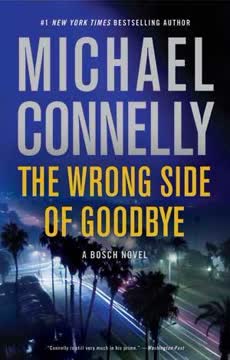
The Wrong Side of Goodbye
The novel ends with a public unveiling of Vibiana's sculpture, "The Wrong Side of Goodbye," a tribute to the lost, the found, and the power of redemption. Bosch, his daughter, and the extended family of survivors and heirs gather to witness the culmination of a journey that began with regret and ended with hope. The emotional arc is complete: the past is faced, the present is transformed, and the future is reclaimed. The story lingers on the lopsided smile—a symbol of resilience, forgiveness, and the enduring human need to connect, to remember, and to say goodbye on the right side of history.
Characters
Harry Bosch
Harry Bosch is a former LAPD detective, now working part-time for the San Fernando Police Department and as a private investigator. Driven by a deep sense of justice and empathy for the forgotten, Bosch is methodical, relentless, and willing to bend rules for the greater good. His own experiences with loss, war, and family estrangement shape his worldview. Bosch's relationships—with his daughter, his colleagues, and his clients—are marked by loyalty, protectiveness, and a willingness to confront uncomfortable truths. Over the course of the novel, Bosch is both investigator and moral center, navigating the complexities of the past and present, and ultimately finding a measure of redemption through his work.
Whitney Vance
Whitney Vance is a reclusive industrialist, heir to a California fortune built on mining, steel, and aviation. Haunted by a lost love and a child he never knew, Vance is frail, isolated, and desperate to set things right before he dies. His request to Bosch is both a confession and a plea for forgiveness. Vance's life is marked by privilege, power, and regret; his inability to defy his father's will leads to decades of loneliness and guilt. Vance's psychological complexity—his need for connection, his fear of betrayal, and his hope for an heir—drives the central mystery and gives the novel its emotional depth.
Vibiana Duarte
Vibiana is the young Mexican woman whose love affair with Vance sets the story in motion. Victimized by racism, classism, and patriarchal control, Vibiana is forced to give up her child and ultimately takes her own life. Though she appears only in memory and testimony, her presence is felt throughout the novel as a symbol of lost potential, injustice, and the enduring power of love. Vibiana's fate is a commentary on the social and cultural forces that silence and erase women, especially women of color, and her story becomes a catalyst for healing and change.
Dominick Santanello
Dominick is the child of Vance and Vibiana, adopted by a loving family but never told the full truth of his origins. He grows up to serve as a Navy corpsman in Vietnam, where he is killed in action. Dominick's life is marked by longing, identity struggles, and a brief, passionate love affair that results in a daughter. His story is one of sacrifice, loss, and the search for belonging. Dominick's legacy is carried forward by his daughter, Vibiana Veracruz, and his memory becomes a touchstone for Bosch's own reflections on war, family, and fate.
Vibiana Veracruz
Vibiana is Dominick's daughter, an artist living in Los Angeles, unaware of her true heritage. Creative, independent, and wary of power, Vibiana is initially skeptical of Bosch's revelations. Her journey from obscurity to potential heiress is fraught with danger, ethical dilemmas, and the challenge of reconciling her past with her future. Vibiana's art becomes a means of processing trauma and honoring her ancestors. Her choices—about money, legacy, and identity—reflect the novel's themes of agency, justice, and the transformative power of truth.
Bella Lourdes
Bella is Bosch's partner in the San Fernando Police Department, a skilled and compassionate investigator. Her work on the Screen Cutter case is marked by empathy for victims and a willingness to take risks. Bella's abduction and survival become a crucible, testing her resilience and the bonds of partnership. Her experience highlights the dangers faced by women in law enforcement and the psychological toll of confronting evil. Bella's recovery and choices about her future add a layer of realism and hope to the narrative.
Kurt Dockweiler
Dockweiler is the Screen Cutter, a former code enforcement officer who uses his position to stalk and assault women. His crimes are marked by planning, ritual, and a deep-seated misogyny. Dockweiler's ability to evade detection is a commentary on institutional blind spots and the dangers of unchecked power. His eventual capture and paralysis are both justice and a grim reminder of the damage he has done. Dockweiler embodies the novel's exploration of evil, complicity, and the need for vigilance.
Ida Townes Forsythe
Ida is Vance's longtime secretary, trusted confidante, and ultimately his murderer. Her actions are driven by a mix of loyalty, resentment, and greed. Ida's ability to forge Vance's handwriting and manipulate events speaks to the dangers of proximity to power and the corrosive effects of long-term subservience. Her confession and downfall are both tragic and inevitable, highlighting the novel's themes of betrayal, justice, and the limits of forgiveness.
John Creighton
Creighton is the former police chief turned security executive, representing both Vance's interests and those of the corporation. Ambitious, manipulative, and ultimately self-serving, Creighton embodies the institutional forces that seek to control outcomes and suppress inconvenient truths. His interactions with Bosch are marked by rivalry, threats, and a grudging respect. Creighton's role in the story is to complicate Bosch's quest and to represent the broader dangers posed by wealth and secrecy.
Mickey Haller
Haller is Bosch's half-brother, a defense attorney known for his street smarts and legal acumen. He provides crucial support in navigating the legal complexities of the Vance inheritance, orchestrating DNA tests, affidavits, and strategic maneuvers. Haller's pragmatism, loyalty, and willingness to bend the rules make him an effective partner for Bosch. His presence adds a layer of legal realism and moral ambiguity to the story, as the pursuit of justice collides with the machinations of power.
Plot Devices
Dual Investigation Structure
The novel employs a dual-plot structure, intertwining Bosch's search for Vance's heir with the hunt for the Screen Cutter. This parallelism allows for thematic resonance—both cases involve hidden truths, the consequences of the past, and the quest for justice. The structure also creates narrative tension, as Bosch must balance competing demands, ethical dilemmas, and personal risks. The interplay between the two investigations highlights Bosch's skills, values, and vulnerabilities, and keeps the reader engaged on multiple levels.
Foreshadowing and Symbolism
The use of memories—especially the opening Vietnam scene—foreshadows the novel's exploration of regret, loss, and the search for redemption. Symbols such as the gold pen, the helicopter, and the lopsided smile recur throughout the story, linking characters and events across generations. The motif of "the wrong side of goodbye" encapsulates the pain of unfinished business and the hope for reconciliation. These devices deepen the emotional impact and invite reflection on the nature of legacy and forgiveness.
Procedural Realism and Detail
The novel is rich in procedural detail: interviews, database searches, DNA analysis, legal maneuvering, and the navigation of bureaucratic obstacles. This realism lends credibility to the narrative and immerses the reader in the world of detectives, lawyers, and survivors. The careful layering of clues, red herrings, and breakthroughs mirrors the actual work of investigation, while the ethical and emotional complexities faced by Bosch and his colleagues add depth and nuance.
Character-Driven Suspense
The plot is propelled not just by external events but by the psychological journeys of the characters. Bosch's empathy, Vance's regret, Vibiana's skepticism, and Bella's resilience all shape the unfolding of the mystery. The dangers faced by the characters—physical, emotional, and moral—create suspense and investment. The narrative structure allows for moments of introspection, confrontation, and catharsis, making the resolution of the cases as much about healing as about justice.
Thematic Interweaving
The novel weaves together themes of family, identity, power, and the long shadow of the past. The search for an heir becomes a search for meaning, connection, and the possibility of change. The pursuit of a serial predator becomes a meditation on evil, resilience, and the costs of vigilance. The resolution of both cases affirms the possibility of justice, even in a world marked by loss and betrayal. The narrative structure, with its echoes and parallels, reinforces these themes and leaves the reader with a sense of closure and hope.
Analysis
The Wrong Side of Goodbye is more than a detective novel; it is a profound exploration of how the past shapes the present, and how the search for truth can bring both pain and healing. Through the intertwined investigations of a lost heir and a present-day predator, Michael Connelly examines the ways in which power, privilege, and prejudice can destroy lives—and how empathy, persistence, and courage can restore them. The novel's structure, with its dual mysteries and rich procedural detail, invites the reader to reflect on the nature of justice: not just as punishment, but as recognition, restoration, and the possibility of redemption. The characters are drawn with psychological depth, their choices shaped by trauma, longing, and the hope for connection. The resolution—artistic, legal, and emotional—suggests that while we cannot undo the wrongs of the past, we can honor the lost, support the living, and build a future on the right side of goodbye. The book's ultimate lesson is that justice is not just about solving crimes, but about giving voice to the silenced, dignity to the forgotten, and hope to those left behind.
Last updated:
Review Summary
The Wrong Side of Goodbye receives overwhelmingly positive reviews (4.34/5 stars), with readers praising Michael Connelly's masterful storytelling. Harry Bosch, now a reserve detective with San Fernando PD and private investigator, works two parallel cases: hunting a serial rapist called the "Screen Cutter" and searching for a billionaire's heir. Reviewers appreciate Connelly's clean, logical plotting, compelling character development, and authentic Los Angeles settings. Mickey Haller's cameo appearance delights fans. Most praise the dual narrative structure and Bosch's evolution, though one reviewer felt the heir case dragged and the serial rapist identity was obvious.
Harry Bosch Universe Series