


Plot Summary
A Bullet Over the Hudson
Before bed, Adam Glossner tucks in his young children, Brooke and Jeremy, then steps onto his balcony overlooking the Hudson. A distant rifle shot kills him before he can react. At dawn, NYPD detective Michael Bennett learns that Glossner is the third person shot from far away in less than a month.
The earlier victims were Marie Ballard, a Queens grandmother, and Thomas Bannon, a Staten Island firefighter. Bennett reaches the Upper Manhattan apartment to find the body beside the French doors and a family suddenly driven from its home.
Glossner’s wife, Victoria, can offer no obvious enemy, though she hints at recent troubles in his business. From the balcony, Bennett sees several buildings with a clear view of the victim, but no obvious firing point.
The opening makes domestic comfort physically vulnerable: Glossner’s private ritual of looking at the river places him in the open, while the architecture around him gives an unseen shooter several possible positions. Bennett’s attention moves immediately from the puzzle of distance to the children left behind, establishing that the investigation is not an abstract contest of skill. Glossner’s wife’s guarded mention of business difficulties is a small but important counterweight to the family’s apparent security. The first question is not simply where the shot came from, but whether the victims have anything in common beneath the lives the city can see.
The Ranger Reads the Street
Bennett’s lieutenant, Harry Grissom, assigns him all three shootings and brings in Rob Trilling, a young NYPD officer with Army Ranger experience. Their first conversation is stiff: Trilling suspects he has been sent as someone to supervise, while Bennett is unsure whether the quiet newcomer understands police investigations.
At Marie Ballard’s Queens home, Trilling identifies a vacant house whose bushes conceal a clear line of fire toward her garden. At Glossner’s building, he traces the shot to an empty apartment across the street, where an open balcony faces the victim’s.
He also earns the trust of Marie’s grieving son, Duane, by listening rather than treating him as a source to be processed. A visit to West Point confirms Trilling’s exceptional rifle discipline, though he was not an Army sniper.
Trilling’s value first appears as a way of seeing: Bennett reads the scene through witness statements and homicide procedure, while Trilling reconstructs the shooter’s body in space. His method is not merely technical. At Marie’s home, he recognizes that Duane needs room to recount his mother’s death, and that attention turns an initially hostile encounter into cooperation. The partnership begins with an imbalance of experience, not competence. Bennett knows the city and its institutions; Trilling knows what a trained marksman considers cover, sightline, and time. Their growing respect depends on each accepting that the other possesses knowledge he cannot supply.
A Fugitive in the Bar
While Bennett’s team tests possible shooters, Trilling continues pursuing Lou Pershing, a violent fugitive he tracked while assigned to an FBI task force. Pershing’s former girlfriend was badly injured by him, and Trilling has taken the case personally.
At a Midtown bar where he expects to find Pershing, two patrons throw a dart at him and provoke a brief fight. In the confusion, his target slips out. Trilling follows him to East Harlem, then enters a room where a gunman points a pistol at him. He disarms the man and discovers he is Albert Craig, not Pershing.
The encounter gives Trilling a lead on William Hackford, Pershing’s associate, whose background includes military contracting and reported sniper training. Trilling passes the name to Bennett, connecting his fugitive work to the homicide investigation.
Trilling’s pursuit of Pershing reveals a personal moral urgency that is both admirable and potentially hazardous. He does not accept that a violent man should remain free simply because the official process has stalled, and he risks acting alone to close that gap. His restraint at the bar and his careful handling of the armed stranger show real tactical control, but the fixation itself foreshadows a difficulty: Trilling can confuse responsibility with the obligation to personally correct every failure. The fugitive thread also supplies a credible investigative bridge to Hackford, making Trilling’s parallel pursuit more than a detour from the sniper case.
Heroin Behind the Shelves
Bennett and Trilling follow the Hackford lead to a Bronx warehouse and enter without a warrant after hearing activity inside. They find women processing heroin, but before they can act, someone fires from the warehouse floor. Trilling pulls Bennett flat, then moves to flank the shooter.
When the gunman hides among tall shelving, Trilling topples one rack into the next and traps him beneath the collapse. Police seize sixteen kilograms of heroin and discover that the five Pakistani women have been coerced into working there.
Trilling argues with federal agents to ensure they are treated as trafficking victims rather than criminals, then explains what will happen at their immigration hearing. Bennett sees that his partner’s care extends beyond victims whose names are already on a homicide file, and invites him to dinner with the Bennett family.
The warehouse makes Trilling’s two strongest capacities visible at once. He can make rapid, physical decisions under fire, and he notices the human beings whom an operation risks reducing to evidence. Bennett is saved by Trilling’s reflex, but the deeper change is that he begins to trust the younger officer’s judgment beyond marksmanship. The five women also sharpen the book’s contrast between formal rescue and actual safety: an arrest does not automatically restore their freedom, and Trilling understands that procedure can reproduce confinement if no one advocates for them. His insistence on their treatment becomes an ethical measure of his policing.
The Bennetts Make Room
At home, Bennett and his new wife, Mary Catherine, tell their ten adopted children that fertility treatment may allow them to have a baby. The children applaud, then Chrissy’s tears briefly alarm her parents before she reveals that she is crying with happiness.
Soon afterward, Trilling joins the household for dinner. He meets the children, hears about their routines, and explains that he is finishing a degree at Columbia while adjusting to NYPD life. Juliana, Bennett’s adult daughter, takes a particular interest in him.
Trilling is more at ease with the family than he is in the squad room, and Bennett begins to see the thoughtful person beneath his formal reserve. When Juliana later invites him to spend time together, Trilling hesitates, aware that a relationship with his partner’s daughter could complicate both work and family.
The Bennett household offers an alternative model of belonging to the institutions Trilling distrusts. Its routines are noisy and imperfect, but decisions are discussed collectively, and Chrissy’s reaction shows that reassurance can make room for complicated feelings instead of demanding instant agreement. For Bennett, family life is not a pause in the plot: it is the standard against which he measures the risks of police work and the care owed to colleagues. Trilling’s comfort at the table exposes how much of his own life is organized around self-containment. Juliana’s interest introduces intimacy as a possibility he approaches cautiously, rather than another mission he can solve by force of will.
The Suspects Take Shape
Bennett and Trilling investigate former service members with rifle skills, including Marine veteran Anton Hobbs. Hobbs refuses to open his door until Trilling slips him a note describing his Ranger service and the deployment they share as a point of understanding. Hobbs speaks with him, and evidence places him elsewhere during two shootings.
The detectives also question Wendy Robinson, a former Army sergeant trained in a special sniper program. Robinson lies about attending City College, but her account of being at a boxing gym during Glossner’s murder is verified.
Bennett and Trilling interview NYPD sniper Joseph Tavarez, now assigned to analysis after a controversial hostage-rescue shot. Tavarez supplies a possible lead in Darnell Nash, his former Army spotter and an FBI analyst. Each interview narrows the field while exposing how easily suspicion attaches to veterans whose skills and histories are not fully known.
This sequence tests the difference between a profile and proof. Military experience, anger, or social withdrawal can make a person look plausible, but Trilling’s conversation with Hobbs shows why context matters: a suspect may respond to recognition before he responds to authority. Robinson’s lie creates a legitimate reason to investigate further, yet her verified alibi prevents character judgments from replacing evidence. Tavarez’s history adds institutional injury to the suspect pool. His removal from field work after a successful shot shows that public scrutiny can punish the very expertise departments cultivate, a grievance that will matter when the case turns toward the people who handle it.
Gus Querva Is Shot
A fourth long-range killing brings Bennett to the Bronx, where community figure Gus Querva has been shot outside his apartment. Trilling arrives late after missing Bennett’s calls, and the victim’s public reputation troubles him: he believes Querva has exploited the neighborhood while using charity work to polish his image.
Bennett questions whether Trilling can investigate someone he already despises. As the team checks the victims’ histories, the clean public portraits fracture. Marie Ballard had misused Housing Authority funds, Thomas Bannon had faced a child-pornography investigation that ended without prosecution, and Glossner’s company had settled securities allegations without an indictment.
Lois Frang’s reporting and Bennett’s inquiries also reveal Querva’s violent and criminal past. Each victim had encountered allegations or evidence of wrongdoing, then escaped a full legal reckoning through a quiet deal or a stalled case.
Querva’s death changes the investigation from a search for a shooter into a question about selective justice. Bennett does not excuse the killings, but the victims’ concealed histories make the media’s simple hero narratives inadequate. The pattern also gives Trilling’s anger a plausible moral target: he has repeatedly seen people evade consequences while ordinary victims bear the cost. Bennett’s challenge is to distinguish explanation from justification, especially when his partner’s opinions align with the emerging evidence. The case now implicates not only the killer’s beliefs but also the institutions whose private compromises may have supplied both motive and information.
The Fifth Shot Lands
While Bennett investigates Querva’s death, a fifth sniper victim appears: Scott Dozier, a young protester recently given probation after trying to set fire to a police car with officers inside. Bennett hears that Trilling had been near the area and remembers his anger at Querva’s public praise.
The concern deepens when the FBI finds an empty .308 casing in the trunk of the car Trilling had used. Trilling has not fired that caliber at an NYPD range for months, and he cannot account for every action during nights when a powerful VA-prescribed sedative leaves him confused.
Bennett learns the medication can prompt complex sleep activities. Internal Affairs sergeant Dennis Wu questions Trilling, who asks for a lawyer, turns over his weapon and credentials, and leaves suspended as a suspect.
The fifth killing converts unease into institutional action. Bennett’s suspicion is not based on one dramatic confession but on a cumulative pattern: Trilling’s anger at Querva, an unexplained absence, a potentially incriminating casing, and a medication that may blur the boundary between sleep and action. The evidence is troubling precisely because each piece admits more than one interpretation. Wu treats that ambiguity as a reason to close the case quickly, while Bennett feels the danger of mistaking a coherent theory for a proven one. His loyalty to Trilling now conflicts with his professional obligation to follow evidence wherever it leads.
Albany Breaks the Theory
Bennett checks the apparent case against records rather than accepting either Trilling’s innocence or Wu’s certainty. Hotel records and a credit-card receipt place Trilling in Albany during Thomas Bannon’s shooting, where he attended a VA retreat.
Building cameras show him entering his apartment on the night Querva was killed and remaining inside until morning. Personnel records also place him in an Internal Affairs interview during the time Dozier was shot. The casing yields no useful prints or DNA, and Trilling’s training history does not explain its presence in the FBI car.
Bennett then learns that Joe Tavarez’s Remington rifle uses the same .308 caliber. He considers whether another skilled officer planted the casing to redirect suspicion, and asks Grissom to help set a trap for whoever is watching the investigation.
Bennett’s best detective work here is a willingness to revise his own judgment. The Albany receipt, apartment footage, and interview time do not prove that Trilling is incapable of wrongdoing; they contradict the specific opportunities that made him the leading suspect. That distinction is crucial. The empty casing, initially persuasive because it fits the weapon caliber, becomes suspicious because it lacks identifying traces and appears in a place accessible to more than one agency. By reopening the question of who benefits from the frame, Bennett shifts from a psychologically compelling suspect to a testable theory about access, surveillance, and deliberate misdirection.
The Decoy Draws Fire
Bennett, Grissom, Trilling, and Internal Affairs build a false memo about a corrupt officer being moved through a lower Manhattan building. A small team watches the site, hoping the killer will take a shot. Trilling spots a man carrying a case into a nearby apartment building, then sees a rifleman on a balcony.
Before the team can move, Tavarez appears beside Bennett’s surveillance car. He has recognized the plan from the memo and an Emergency Service deployment notice, and says he has come to help. The balcony gunman fires through the windshield.
Trilling moves toward the building while Bennett and Tavarez take cover. A second shot strikes Tavarez through the back and chest. He dies before help can reach him, while the shooter escapes. The trap has confirmed an active threat but cost a colleague’s life.
The decoy is designed to make hidden knowledge visible, but the scene demonstrates the danger of testing secrecy in a city where professional networks overlap. Tavarez’s arrival is not proof of guilt: he has independently inferred the operation and comes forward as a fellow officer who knows what it means to be sidelined. His death makes that distinction painfully consequential. Bennett’s plan succeeds in drawing out a shooter but fails to secure the perimeter or protect the people who know about the bait. The emotional cost is not merely procedural failure. A case about institutional distrust has now produced another death inside the institution meant to contain it.
Nash Runs Through Brooklyn
After Tavarez is killed, his wife Cindy confirms that FBI analysts saw the false memo. Bennett and Trilling connect the roster to Darnell Nash, a Marine veteran and Tavarez’s former spotter, who leaves the FBI office as they begin asking questions.
FBI ASAC Robert Lincoln drives Bennett and Trilling after Nash through Manhattan and into a Brooklyn construction site. Nash’s Ford becomes trapped, and he takes a rifle into the unfinished ground. Trilling uses an AR-15 to keep Nash from firing freely while Bennett crosses the exposed site, dodging bullets and warning workers to take cover.
Lincoln is wounded, but Bennett reaches Nash, knocks away his rifle, and wrestles him down. Nash is arrested. He admits shooting the five people he considered protected by failed prosecutions and confesses that he planted the casing to frame Trilling.
Nash’s pursuit turns the story’s central moral claim into physical danger. His reasoning treats punishment as the only reliable form of protection, but the construction site shows what that logic actually produces: workers forced to flee, an officer wounded, and Bennett exposed to a rifle shot. Trilling’s expertise serves the public here because it is coordinated with others rather than exercised as private judgment. Nash’s confession clarifies the frame, yet it does not make his grievance meaningless. His belief grew from real institutional failures; his response transformed those failures into deliberate murder. The distinction between recognizing injustice and claiming the authority to kill is the novel’s sharpest ethical boundary.
Home After the Crosshairs
After Nash is taken into custody, Bennett returns to his family rather than attending the televised press conference. At home, the children celebrate the end of the investigation, while his grandfather Seamus reminds him that every murder leaves a family grieving, whatever the victim’s public reputation.
Mary Catherine later reveals a positive pregnancy test, and Bennett, overcome with happiness, finally shares the news at Jane’s Columbia speech. Jane presents her family of adoptees as proof that difference can coexist with commitment, and the crowded Bennett household embraces Mary Catherine.
Trilling’s own quiet act of care also comes into view: he has given shelter to the five Pakistani women rescued from Hackford’s warehouse and needs help finding them food and support. The case ends with Nash apprehended, the women protected, and both detectives returning to lives built around care.
The resolution refuses to let the arrest stand as the only measure of repair. Nash is captured, but Bennett still has to reckon with the lives harmed by both the crimes and the systems that failed to address them. Seamus’s reminder prevents the family’s relief from becoming a verdict on which victims deserved compassion. Jane’s speech gives the domestic storyline a public language: a family formed through adoption is not unified by sameness but by repeated acts of support. Trilling’s shelter for the trafficked women extends that ethic beyond his own household. After a plot driven by secret files and hidden firing positions, the final measure of character is who makes room for someone vulnerable.
Analysis
Crosshairs builds its thriller around a moral temptation: when courts and agencies fail to punish wrongdoing, can a person claim the authority to supply justice by force? Darnell Nash’s victims are not innocent in the uncomplicated way public memorials suggest. They have histories of fraud, abuse, corruption, or attempted violence, and some have benefited from quiet settlements or weak prosecution. The novel therefore gives the killer a recognizable grievance, then insists that recognition is not absolution. Nash’s shootings do not repair the harms he names. They create new bereaved families, endanger bystanders, and exploit the same institutional failures that first enraged him.
Bennett’s investigation dramatizes a second ethical problem: police work depends on suspicion, but suspicion can harden into a story before evidence supports it. Trilling looks compelling as a suspect because his military skill, anger at impunity, sleep medication, and unexplained gaps seem to fit. Bennett’s choice to revisit records, camera footage, and timelines is more than a procedural correction. It is a refusal to let affection or a tidy theory decide a colleague’s guilt. The planted casing makes that refusal urgent: institutions can generate evidence, but they can also be manipulated by people who understand their routines.
The contrast between Bennett and Trilling is not simply family man against loner. Both are driven by service, and both respond to people who seem abandoned by the system. Bennett works through teams and procedure; Trilling tends to act personally and immediately. Their partnership grows when each learns from the other, but the case exposes the danger of Trilling’s self-reliance and the danger of Bennett’s premature conclusions.
The domestic resolution does not erase the case’s damage. Tavarez is gone, the victims’ families remain, and the women rescued from Hackford need continuing support. Instead, family life supplies the novel’s alternative to vigilante certainty: people accept obligations that cannot be finished with one arrest. Care appears as listening, shelter, food, and the willingness to correct a mistaken judgment. The story’s answer to failed justice is not that institutions always work, but that no single person should become judge, jury, and executioner.
Review Summary
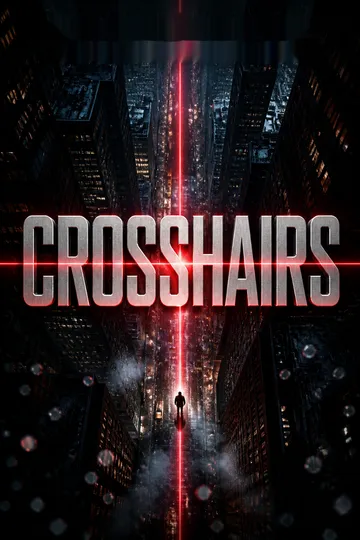
Crosshairs, the 16th Michael Bennett novel, receives mostly positive reviews. Readers praise its fast-paced plot, family dynamics, and the introduction of new partner Rob Trilling. The story follows Bennett's hunt for a sniper while balancing family life. Some criticize predictability and oversentimentality, but most find it an enjoyable, suspenseful read. The short chapters and multiple plotlines keep readers engaged. Overall, fans of the series appreciate the blend of detective work and family scenes, eagerly anticipating the next installment.
People Also Read







Characters
Michael Bennett
Veteran homicide detectiveA seasoned NYPD homicide detective, Michael is also the father of ten adopted children and the new husband of Mary Catherine. He approaches each death with procedural discipline, but his deepest instinct is to imagine the victim’s family living with the loss. That empathy makes him attentive to witnesses and protective of colleagues, yet it also complicates his judgment when Rob Trilling becomes a suspect. Michael’s strength is not certainty but the willingness to test a theory, acknowledge when it fails, and follow new evidence. His busy family life keeps that professional identity from becoming his whole self, even when a case begins to consume his time and attention.
Rob Trilling
Ranger turned NYPD officerA young former Army Ranger from Montana, Rob is an exceptionally disciplined rifleman, a Columbia student, and a quiet police officer still adjusting to civilian life. He trusts clear missions more than organizational politics and can seem remote when he is actually observing closely. His service in Afghanistan has left him with sleep problems and a guarded relationship to his own vulnerability. Rob shows compassion through practical action: he listens to a grieving son, earns a wary veteran’s trust, and advocates for women caught in a trafficking operation. His strong personal sense of duty helps him act courageously, though it can also pull him toward solitary pursuits and make him reluctant to explain himself.
Darnell Nash
Veteran intelligence analystA Marine veteran and FBI analyst, Darnell carries the bodily and psychological costs of an IED injury and relies on the support of fellow veterans. His military connection to Joe Tavarez gives him a place within a close professional network, while his analytical work exposes him to information beyond ordinary street-level policing. He is presented as intelligent, capable, and familiar with the frustrations of returning to civilian life. The story uses his veteran status to complicate easy assumptions about either danger or virtue: service can create bonds and skills, but it does not settle how a person will use them.
Mary Catherine Bennett
Bennett's steady partnerMichael’s wife, Mary Catherine is warm, perceptive, and skilled at reading the shifting needs of a large household. She takes the lead in discussing fertility treatment and recognizes that even happy news may unsettle younger children who are used to their place in the family. Her calm authority balances Michael’s more improvisational parenting, and she can bring the children together without turning every disagreement into a contest. Their marriage is new, but it rests on years of friendship and shared care. Mary Catherine gives Michael a home life that is active and demanding, not a refuge untouched by difficulty.
Joe Tavarez
Sidelined police sniperA former NYPD sniper now working in intelligence analysis, Joe was reassigned after a successful hostage-rescue shot led to public and legal pressure. He remains connected to law enforcement and to fellow veterans, including his wife, Cindy, and former Army spotter Darnell Nash. His experience makes him a useful source on rifle capabilities, while his forced move from field work reveals the emotional cost of being judged for a decision made under pressure. Joe’s professional identity remains closely tied to service, even as the department has placed him behind a desk.
Harry Grissom
Bennett's measured lieutenantHarry leads Manhattan North Homicide with patience and a disciplined sense of responsibility. He assigns Bennett to the linked shootings, secures Trilling’s temporary expertise, and later helps organize a covert operation without letting the pressure from command dictate a careless conclusion. His understated manner makes his approval meaningful and his cautions difficult to ignore. Harry understands the department’s politics but keeps the work centered on evidence and the consequences of getting a case wrong.
Walter Jackson
Squad's database wizardA Manhattan North intelligence analyst, Walter turns names, records, and scattered public information into useful investigative leads. He helps the team research suspects and victims, then preserves media coverage that Bennett later uses to question the polished accounts of the dead. His humor makes the squad room more human, but his most important contribution is intellectual humility: he supplies material and lets the detective decide what it means. Walter is also a devoted father who guards time with his family.
Lois Frang
Persistent crime reporterA reporter for the Brooklyn Democrat, Lois has a reputation for persistence and for asking questions that larger outlets avoid. She coins the Longshot Killer label and presses Bennett for information, but she also challenges the heroic public image surrounding some victims. Her work provides leads that official channels may overlook, while her relationship with Harry Grissom introduces a more personal connection to the police world she covers. Lois understands that a story’s most flattering version may not be its most truthful one.
Wendy Robinson
Former Army sniper traineeA former Army sergeant who completed a program testing women for sniper roles, Wendy is athletic, independent, and wary of authority. She has anger issues and a complicated relationship with her mother, who hopes she will choose a more conventional life. Wendy studies at City College, trains at a boxing gym, and uses intense physical activity to manage anxiety. Her military competence makes her a credible person of interest, but her reasons for withholding information are tied to privacy and self-preservation as well as suspicion.
Juliana Bennett
Bennett's adult daughterOne of Michael’s oldest children, Juliana is an observant young adult who is building her own life while remaining closely connected to the family. She takes an interest in Rob Trilling and is direct about wanting to spend time with him. When Michael cannot explain why the investigation has changed their relationship, she feels the strain without knowing its cause. Juliana’s curiosity and independence make her more than a child to be protected, though Michael continues to feel the pull of a father’s responsibility.
Seamus Bennett
Priest and family anchorMichael’s grandfather is a late-life Catholic priest, former bar owner, and a steady presence in the Bennett household. He babysits, jokes with the children, and guards their confidences, including Jane’s private preparations for a speech. Seamus offers Michael moral perspective without pretending that police work is more important than family life. His affection is mischievous as well as wise, and his reminders help Michael see how easily professional urgency can crowd out the people who depend on him.
Chet Trilling
Rob's devoted grandfatherRob’s grandfather helped raise him and his siblings, offering steadiness in a family shaped by an abusive father. Now living with Rob’s mother and sister, Chet has early memory problems that unsettle the family even when he is having a clear day. Rob’s deep affection for him reveals where the younger officer learned loyalty and practical care. Chet’s condition also gives Bennett a glimpse of the private burdens Rob carries beyond his work.
Darcy Farnan
VA counselor and confidanteDarcy is Rob’s VA counselor, focused on helping veterans adjust to civilian life and avoid isolation. She is warm and quick-witted, but careful about the ethical boundaries of her work. When Bennett seeks information about Rob, Darcy offers general insight without casually betraying a client’s confidence. Her role shows that treatment can depend on trust, patience, and small acts of candor rather than dramatic intervention.
Robert Lincoln
FBI division leaderAn FBI assistant special agent in charge, Lincoln initially embodies Bennett’s distrust of federal bureaucracy. He is condescending about the NYPD and protective of his office’s information, yet his operational skill becomes clear when he joins the pursuit of Nash. Lincoln can set aside rivalry when the danger becomes immediate. His shifting role forces Bennett to distinguish personal irritation from a colleague’s actual capacity to help.
Dennis Wu
Internal Affairs investigatorAn Internal Affairs sergeant, Dennis Wu approaches the case with a sharp eye for procedure and a blunt belief that misconduct must be confronted. He pressures Bennett to treat Trilling as a suspect and pushes for a fast resolution, sometimes mistaking a strong circumstantial theory for a settled case. His friction with Bennett reflects the institutional need for accountability, but also the danger of allowing urgency to outrun verification.
Duane Ballard
Grieving son and witnessMarie Ballard’s son, Duane is protective of his family and angry that police attention seems to shift toward more prominent victims. He initially meets Bennett and Trilling with a baseball bat, then explains how he found his mother in the garden she loved. His distrust is rooted in grief and a perception that the system values some victims more than others. Trilling’s empathy allows Duane to speak without feeling dismissed.
Marie Ballard
Housing worker and motherA longtime Housing Authority employee, Marie raised two children as a single mother and spent her weekends tending her garden. Her family remembers her as generous and dependable. The contrast between that private reputation and the financial allegations later uncovered around her public work complicates the simple image of a blameless victim.
Thomas Bannon
Firefighter and coachA veteran FDNY firefighter, Thomas is remembered by his family as a dedicated public servant who coached Little League on his days off. His extended family is deeply connected to the Fire Department and Staten Island. The strain around questions of his private conduct shows how fiercely relatives may defend a loved one when they fear that an investigation will turn into public condemnation.
Adam Glossner
Hedge-fund family manA hedge-fund manager and father of two, Adam has built a comfortable family life with his wife, Victoria. He is affectionate with his children and tries to make room for small domestic rituals despite the demands of his work. His polished public success conceals business problems that make Bennett look beyond the image of a fortunate family.
Gus Querva
Bronx community activistGus is publicly associated with youth centers and neighborhood improvements, and media coverage presents him as a civic benefactor. Bennett and Lois Frang uncover a harsher history of violence and criminal activity behind that reputation. Gus’s public image becomes a test of how a community, and the police, decide which parts of a person’s past are allowed to matter.
Scott Dozier
Volatile protesterA young man who left Rutgers, Scott has a record of arrests connected to protests, including an attempt to set a police car on fire while officers were inside. His recent probation becomes part of the investigation’s emerging pattern of people who have avoided more serious prosecution.
Louise Bannon
Firefighter's widowThomas Bannon’s widow, Louise is raising two young children while grieving and waiting for the police to provide progress. She is guarded with Bennett because she fears questions about her husband will become an attempt to blame him for what happened. Her close-knit family intensifies that protectiveness.
Plot Devices
The Longshot Pattern
Links distant victimsThe killer’s long-range shots initially seem connected only by the rifle and the victims’ sudden deaths. Each firing position is concealed in ordinary city spaces, from bushes near a Queens garden to an empty apartment across from Glossner’s balcony. Trilling’s skill helps Bennett reconstruct the shooter’s likely location, while the repeated attacks create public fear and draw media attention. The pattern eventually expands beyond ballistics: the victims’ records reveal that each had faced allegations or evidence of serious wrongdoing without a full legal reckoning. The device links crime scenes, motive, and institutional access, while encouraging investigators to mistake an apparent pattern for a complete explanation.
The .308 Casing
Frames the wrong officerAn empty .308 casing found in the trunk of Trilling’s FBI vehicle appears to connect him to the sniper shootings. The caliber matters because it matches a rifle type available to trained marksmen, including NYPD sniper Joe Tavarez. The casing has no useful fingerprints or DNA, and Trilling had not fired that caliber in official training for months. Bennett’s effort to verify its origin turns the apparent evidence against Trilling into a possible planted clue and redirects the investigation toward someone with access to both police operations and the FBI vehicle.
Sleep Medication
Creates uncertainty about memoryRob Trilling receives treatment through the VA for trauma-related sleep problems and takes a strong sedative that can leave users hazy or active without later memory. Trilling explains that he has performed ordinary tasks while apparently asleep, so his account of spending a night in bed cannot, by itself, establish where he was. The medication makes Bennett’s suspicion more credible while also complicating it: a gap in memory is not proof of violence. Building surveillance and time records provide concrete checks where Trilling’s recollections cannot.
The False Police Memo
Baits the hidden shooterBennett’s team circulates a fabricated notice about a corrupt officer being moved through a lower Manhattan building. The memo is designed to reach whoever is monitoring law-enforcement information and give the sniper a tempting target. A small surveillance team watches nearby positions, with Trilling using his rifle expertise to identify a likely shooter. The plan draws fire but does not unfold as intended: Joe Tavarez recognizes the operation and approaches the team, while the actual shooter attacks from a separate position and escapes. The memo exposes how widely operational details can travel inside institutions.
The Bennett Household
Measures care beyond dutyMichael Bennett’s crowded family life repeatedly gives the homicide plot a concrete measure of what violence and institutional neglect cost. His ten adopted children react to the possibility of a new baby, welcome Trilling to dinner, and later gather around Mary Catherine and Jane. The home also contrasts with Trilling’s isolation and makes his reserved kindness visible to Bennett. At the story’s end, Trilling’s care for the rescued women extends that household ethic outside the family, while Michael’s return home confirms that solving the case cannot replace his responsibilities to the people waiting for him.
FAQ
Synopsis & Basic Details
What is Crosshairs about?
- A City Under Siege: A mysterious sniper is terrorizing New York City, targeting seemingly random victims, and Detective Michael Bennett must race against time to stop the killings.
- A Detective's Personal Struggle: Bennett juggles the demands of his job with the complexities of his large family, all while grappling with the possibility that his new partner might be involved.
- Unraveling a Complex Web: The story follows Bennett as he investigates the sniper's motives, uncovers hidden connections between the victims, and confronts the possibility of betrayal within his own ranks.
Why should I read Crosshairs?
- Intense Thriller: The book offers a fast-paced, suspenseful narrative with unexpected twists and turns that keep the reader engaged from beginning to end.
- Complex Characters: The story features well-developed characters, each with their own motivations and secrets, adding depth and intrigue to the plot.
- Exploration of Morality: The book delves into complex themes of justice, morality, and the impact of violence, prompting readers to question their own beliefs and values.
What is the background of Crosshairs?
- Contemporary Urban Setting: The story is set in modern-day New York City, capturing the city's diverse neighborhoods and the challenges faced by law enforcement.
- Post-9/11 Sensibilities: The narrative reflects a post-9/11 awareness of vulnerability and the potential for violence in urban environments, adding a layer of tension and realism.
- Military and Law Enforcement: The book draws on the experiences of military personnel and law enforcement officers, providing insights into their training, mindset, and challenges.
What are the most memorable quotes in Crosshairs?
- "It's just not fair. We had so many plans. We'd been through so much. We were talking about having another baby. How could this have happened?": This quote from Adam Glossner's wife highlights the devastating impact of violence on families and the fragility of life.
- "The military lets you do your job. If you screw up, they tell you. Here, it seems like they dance around issues, and it doesn't help with accomplishing the mission.": This quote from Rob Trilling reveals his frustration with the bureaucracy of the NYPD and his desire for directness and accountability.
- "Love is like a friendship caught on fire.": This quote from Mary Catherine Bennett captures the essence of her relationship with Michael and the passion that fuels their bond.
What writing style, narrative choices, and literary techniques does James Patterson use?
- Fast-Paced and Direct: Patterson employs short chapters and a straightforward writing style, creating a sense of urgency and keeping the reader engaged.
- Multiple Perspectives: The narrative shifts between different characters' viewpoints, providing a multifaceted understanding of the events and their impact.
- Cliffhangers and Twists: Patterson uses cliffhangers at the end of chapters and unexpected plot twists to maintain suspense and keep the reader guessing.
Hidden Details & Subtle Connections
What are some minor details that add significant meaning?
- The Recurring "Appointment": Rob Trilling's frequent "appointments" initially seem like a minor detail, but they later become a source of suspicion and reveal his struggles with PTSD and his need for therapy.
- The .308 Caliber: The specific caliber of the sniper's rifle, .308, becomes a crucial piece of evidence, linking the crimes and eventually leading to the identification of the killer.
- The Security System: The mention of the security system in Trilling's apartment building foreshadows the importance of surveillance footage in uncovering the truth about his actions.
What are some subtle foreshadowing and callbacks?
- Trilling's Military Background: Trilling's military training and expertise in long-range shooting are subtly foreshadowed throughout the story, making him a prime suspect and highlighting his potential for violence.
- The Mention of a "Bad Cop": The recurring mention of a "bad cop" in the media and in conversations between characters foreshadows the possibility of corruption within law enforcement.
- The Importance of Family: The emphasis on family throughout the story foreshadows the importance of family bonds in the resolution of the case and the characters' personal journeys.
What are some unexpected character connections?
- Trilling and the Victims: The connection between Trilling and the victims is initially presented as a coincidence, but it later becomes a key element in the investigation, highlighting the possibility of a personal vendetta.
- Tavarez and Nash: The connection between Joe Tavarez and Darnell Nash, both former military snipers, is a subtle detail that becomes significant when Nash is revealed to be the killer.
- Lois Frang and Harry Grissom: The subtle connection between Lois Frang and Harry Grissom, initially presented as a professional relationship, hints at a deeper personal connection.
Who are the most significant supporting characters?
- Walter Jackson: The squad's criminal intelligence analyst, Walter Jackson, provides crucial information and insights, helping Bennett and Trilling piece together the puzzle.
- Darcy Farnan: Rob Trilling's therapist, Darcy Farnan, offers a glimpse into his struggles with PTSD and his personal life, adding depth to his character.
- Sergeant Jeff Mabus: The ESU sergeant, Jeff Mabus, provides expertise on sniper tactics and helps Bennett understand the challenges of long-range shooting.
Psychological, Emotional, & Relational Analysis
What are some unspoken motivations of the characters?
- Trilling's Need for Justice: Trilling's unspoken motivation is his deep-seated need for justice, stemming from his military experience and his frustration with the legal system.
- Bennett's Desire for Stability: Bennett's unspoken motivation is his desire to protect his family and maintain stability in his personal life, which is constantly threatened by the violence of his job.
- Nash's Sense of Betrayal: Darnell Nash's unspoken motivation is his sense of betrayal by the system, leading him to take the law into his own hands and target those he believes have escaped justice.
What psychological complexities do the characters exhibit?
- Trilling's PTSD: Rob Trilling's struggles with PTSD manifest in his quiet demeanor, his need for control, and his occasional outbursts of anger, highlighting the psychological toll of war.
- Bennett's Internal Conflict: Michael Bennett's internal conflict between his duty as a detective and his desire to protect his family creates a sense of tension and vulnerability.
- Nash's Moral Justification: Darnell Nash's moral justification for his actions reveals a complex psychological state, blurring the lines between right and wrong.
What are the major emotional turning points?
- The Discovery of the Casing: The discovery of the .308 casing in Trilling's car is a major emotional turning point, leading Bennett to question his trust in his partner and creating a sense of betrayal.
- The Visit to West Point: The visit to West Point is an emotional turning point for Bennett, as he gains a new appreciation for Trilling's skills and begins to see him in a different light.
- The Death of Joe Tavarez: The death of Joe Tavarez is a major emotional turning point, highlighting the dangers of the investigation and the personal toll it takes on the characters.
How do relationship dynamics evolve?
- Bennett and Trilling's Partnership: The relationship between Bennett and Trilling evolves from suspicion and distrust to mutual respect and understanding, as they learn to rely on each other's strengths.
- Bennett and Mary Catherine's Bond: The bond between Bennett and Mary Catherine is strengthened by their shared joy over the pregnancy and their mutual support during the investigation.
- Trilling and Juliana's Connection: The subtle connection between Trilling and Juliana adds a layer of complexity to the story, highlighting the challenges of balancing personal feelings with professional responsibilities.
Interpretation & Debate
Which parts of the story remain ambiguous or open-ended?
- The Extent of Nash's Network: The story leaves open the possibility that Darnell Nash may have had accomplices or connections to other individuals or groups, leaving room for future investigations.
- The Future of Trilling's Career: The story does not fully resolve the question of Trilling's future with the NYPD, leaving the reader to wonder if he will be able to overcome the stigma of being a suspect.
- The Long-Term Impact of the Case: The story leaves open the question of the long-term impact of the case on Bennett and his family, as well as the broader community.
What are some debatable, controversial scenes or moments in Crosshairs?
- The Initial Suspicion of Trilling: The initial suspicion of Rob Trilling as the sniper is a controversial moment, highlighting the dangers of jumping to conclusions and the importance of due process.
- The Use of a "Trap": The decision to use a "trap" to catch the sniper is a debatable moment, raising questions about the ethics of law enforcement and the use of deception.
- The Portrayal of the Victims: The portrayal of the victims as having criminal pasts is a controversial element, prompting readers to question the nature of justice and the value of human life.
Crosshairs Ending Explained: How It Ends & What It Means
- Nash's Capture: The ending sees Darnell Nash apprehended, but not before he kills Joe Tavarez, highlighting the tragic consequences of his actions and the dangers of vigilante justice.
- Trilling's Exoneration: Rob Trilling is cleared of suspicion, but the experience leaves him with a deeper understanding of the complexities of law enforcement and the challenges of balancing duty with personal beliefs.
- Bennett's Hopeful Future: Michael Bennett finds solace in his family and the prospect of a new baby, embracing a hopeful future while remaining committed to justice and his community.
Michael Bennett Series Series


About the Author
Other books by James Patterson




Download PDF
Download EPUB
.epub digital book format is ideal for reading ebooks on phones, tablets, and e-readers.








