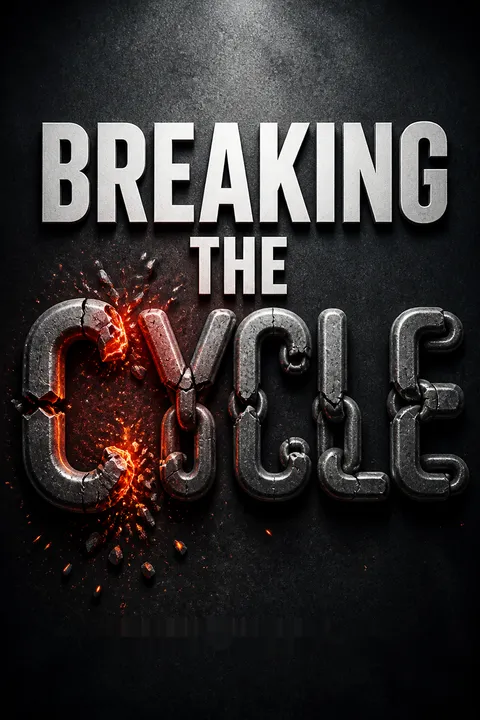


Key Takeaways
Define compulsion by its cost, not by how much sex you want
Look at the damage. Collins defines sexual addiction as sex-related behavior that disrupts ordinary life and seriously strains work, relationships, or family. The distinction is not between having desire and having none. It is between sexual activity that fits into life and a repeated pattern that takes priority despite its consequences.
Bob’s pornography use ended his marriage and sharply limited his contact with his daughter after she unexpectedly saw him acting out. His story is an extreme warning, not a test everyone must fail. The book urges readers to act before a crisis forces the issue. Keeping track of time, secrecy, money, and relationship fallout can make the pattern harder to minimize.
The useful shift is from moral judgment to observable impairment. That gives a reader more practical questions than simply asking whether a behavior is shameful: Is it repeatedly overriding commitments? Is it continuing despite harm? At the same time, the examples should not turn every frequent sexual interest into a disorder. The book’s own definition depends on disruption and distress, a distinction that protects healthy desire from being confused with loss of control.
Trace what the behavior soothes before trying to suppress it
Search for the function. Collins presents compulsive sexual behavior as a coping strategy that can develop around loneliness, shame, rejection, fear, or confusing early experiences. He calls a persistent childhood hurt that shapes later reactions an original emotional wound. The wound need not involve sex, and learning its influence is not the same as blaming parents or excusing harmful choices.
Ryan, raised amid a family façade and little modeled closeness, learned to imitate appearances rather than build intimacy. The book also describes people whose early sexual experiences shaped distorted expectations of relationships. Its history-taking questions ask when a behavior began, what feelings preceded it, and what sex or pornography seemed to provide. The aim is to understand the pattern well enough to choose a different response.
Asking what a behavior does for someone can reveal more than labeling it a bad habit. A private sexual ritual may offer temporary comfort, control, or relief from rejection, even while creating larger problems. That functional view invites compassion without removing responsibility. A caution matters: finding a painful childhood memory does not establish that it caused the behavior. History can guide inquiry, but a neat origin story should not be treated as proof or a required explanation.
Name the inner voice so its demand stops sounding like your identity
Turn on the lights. Collins uses the amphitheater as an image for the mind: different inner voices call from the dark, including one that urges the person toward a familiar sexual behavior. He calls such a temporary mode a subpersonality. It may reflect an old coping pattern, but it is not the whole person.
Zane imagined his inner critic as a character named Looker. In repeated written conversations, he asked what Looker wanted and why. He came to associate the voice with a boyhood pattern of sexual curiosity, which weakened its authority in the present. Collins recommends treating the dialogue as practice, not a magic cure. Naming the voice creates a pause in which a person can examine its promise rather than obey it automatically.
The amphitheater gives an abstract idea a usable shape: a thought can be noticed, questioned, and answered. That can reduce the feeling that an urge is an order or a confession of character. The method is strongest when understood as a reflective exercise, not as proof of separate personalities living inside someone. If self-dialogue intensifies distress or becomes confusing, the exercise may be better explored with a qualified therapist.
Map sensory triggers before they turn into hours of fantasy
Notice the first cue. Collins calls a learned sensory association Blue Sky and High Heels: a sight, sound, smell, place, or other sensation can revive an old sexual pattern before a person consciously recognizes what is happening. He also uses euphoric recall for remembering the pleasurable part of an experience while overlooking its costs.
A blue sky and the sound of heels once brought Collins back to drives to an adult theater. For Darnell, sitting down at a computer to check sports scores often led to pornography. He learned to identify the computer as an early warning, prepare before sitting down, and keep to his intended task. Mapping a trigger means noticing the setting, bodily shift, and first thought, then planning a safer response.
The emphasis on early cues makes the pattern less mysterious. Instead of waiting until an urge feels overwhelming, a person can observe the small transitions that precede it: a location, a device, a sensation, or a familiar excuse. This also helps distinguish an association from a command. The cue may arrive automatically, but its appearance does not prove that acting on it is inevitable. Avoiding risky settings can be sensible; deliberately confronting powerful triggers is not necessary for everyone.
Catch the first excuse, then ask what else you can do
Slow the sequence. First Thought Wrong is Collins’s reminder that an initial thought during an addictive episode may push toward the behavior that has caused trouble before. The Choice Point is the moment when someone can notice that push and choose a response. Asking What Else? prompts a concrete alternative rather than leaving a blank space.
Larry once stood outside a porn shop, felt the pull, and texted a counselor while naming the urge instead of entering. Another client redirected a lunch break away from a strip club and toward an ordinary treat. Collins also recommends HALT, a check for being hurt, angry, lonely, or tired, states that can intensify vulnerability. These tools do not erase desire. They help interrupt the well-worn route from cue to action.
The sequence is memorable because it converts vague resolve into a decision process: notice the thought, identify the choice, and name the next action. That is more actionable than demanding perfect self-control. Still, the word choice should not imply that every episode is equally easy to stop. Strong habits, distress, and environmental access can narrow what feels possible. Support, planning, and treatment may be needed to make alternatives genuinely available.
Pair an urge with a physical cue and a chosen response
Make interruption concrete. Collins’s Red Light Guy is his name for the part of a person that can interrupt an automatic reaction, much as a driver automatically stops at a red light. His practice is to notice sexualizing or objectifying, make a small physical gesture, and direct attention toward a chosen behavior.
Collins used a hand over his heart as a reminder to redirect attention. Evan paired the same gesture with the words Real woman when he caught himself turning strangers into imagined porn performers. The action did not make urges vanish instantly; repeated practice helped him catch the pattern earlier and return attention to his relationship. The useful principle is to choose a discreet cue in advance, attach it to a clear intention, and rehearse it before high-risk moments.
A physical cue can make an intention easier to retrieve when attention is narrowed by arousal or fantasy. It is a small ritual with a practical job: interrupt the sequence and direct behavior elsewhere. Its usefulness depends on rehearsal and fit. A gesture alone cannot treat trauma, severe compulsivity, or relationship damage, and a cue that feels artificial may be abandoned. It should support a broader recovery plan, not stand in for one.
Practice seeing partners as whole people, not fantasy roles
Replace the script with contact. Collins argues that pornography, paid encounters, and elaborate fantasies can turn people into characters designed to satisfy an imagined need. The brief excitement may then crowd out curiosity, mutuality, and connection with people in ordinary life. His alternative is not to reject sexual desire, but to include it within a relationship where each person is known as more than a body or role.
In Collins’s account, Larry moved from hours of porn searching toward low-pressure social activities, met Lisa on a group bicycle ride, and built a relationship through conversation and patience. The book also stresses honesty with loved ones while warning against unnecessary explicit detail that may cause additional harm. Openness should be respectful, accountable, and sensitive to what the partner is ready to hear.
The contrast between fantasy and intimacy is not simply about one kind of sex being virtuous and another being bad. It is about whether the other person is treated as an agent with preferences, boundaries, and a life beyond the encounter. That standard applies in every relationship. Disclosure can help rebuild trust, but it is not automatically healing: timing, consent, and a partner’s needs matter, and couples may benefit from professional support.
Use stillness to hear what your compulsive script drowns out
Create a quiet interval. Collins calls the part of a person that is not identical to thoughts, memories, or compulsive patterns the essential self. His practice of asking What’s Always True? is intended to bring attention back to immediate awareness, often through a few quiet breaths. The claim is not that desire or difficulty disappears, but that a person can observe thoughts without treating them as the whole self.
Collins describes clients who, in moments of silence, recognized wishes for work that felt more meaningful. He encourages readers to ask what else they want from life besides acting out, then take practical steps toward interests, friendships, or work. Stillness is presented as a brief practice rather than a demand to meditate perfectly or remain serene all day.
The language of an essential self gives readers a counterweight to identities built around shame or a single behavior. In practical terms, the exercise can be understood as attention training: pause, notice experience, and avoid reacting immediately. That interpretation does not require accepting a spiritual theory about a fixed inner essence. The distinction matters because quiet awareness can be useful while claims about an unchanging self remain philosophical, not established by the anecdotes offered.
Treat recovery as repeated practice, and a slip as recoverable
Keep returning to the work. Collins warns that reading alone does not change a pattern. He describes writing dialogues, tracking triggers, seeking accountability, and getting professional counseling as parts of sustained effort. If someone slips, he advises against using the lapse as permission to continue. Stop, examine what preceded it, and resume the plan.
The book closes with Warren, an older client who regretted a life spent pursuing sexual encounters while missing intimacy. His plea to warn younger men gives the ending its urgency: secrecy and repeated postponement can make isolation feel permanent. Collins also encourages sharing lessons with others, but not acting as their therapist. Readers facing self-harm thoughts, severe distress, or behavior that risks harm should seek competent professional help.
The closing emphasis on practice counters the fantasy of a single breakthrough. A lapse can provide information about a trigger or a weak point in a plan, but it does not erase prior progress. Peer support and honest conversation can reduce isolation, while boundaries keep informal advice from being mistaken for treatment. The book’s strongest safeguard is its recognition that some problems exceed what a self-help exercise can responsibly manage.
Analysis
Breaking the Cycle is part recovery manual, part memoir, and part collection of counseling vignettes. Its central mechanism is repetition: recognize the trigger, notice the internal story, interrupt the automatic response, and choose a behavior more aligned with intimacy and ordinary life. The recurring images make that sequence memorable. The amphitheater gives inner dialogue a setting; the Red Light Guy turns interruption into a small physical ritual; and What Else? asks the reader to supply a real alternative rather than merely refuse an urge.
The autobiographical frame matters. Collins writes as someone who describes his own compulsive behavior and as a counselor who reports working with clients. Bob’s family rupture and Warren’s loneliness make the costs concrete, while the more mundane stories show that recovery happens in small moments, such as leaving a shop without entering. These case histories offer recognition and motivation, but they are anecdotes, not controlled evidence that each technique works for everyone.
The book’s account of childhood wounds can help readers connect present coping patterns with past experiences, yet it risks making a complex behavior seem to have one discoverable origin. Childhood trauma is neither necessary nor sufficient to explain compulsive sexual behavior. Its spiritual language about an essential self may similarly work for some readers as a useful metaphor for awareness, while others may prefer a psychological description that does not posit an enduring inner essence.
Current clinical practice also requires a distinction the popular label sex addiction can blur. ICD-11 recognizes compulsive sexual behaviour disorder as an impulse-control disorder, not a substance addiction, and distress based solely on moral disapproval is not enough for diagnosis. Frequency alone is not the test. The most durable contribution here is therefore less a universal diagnosis or cure than a set of prompts for examining impaired control, consequences, triggers, and relationships. Because some suggested confrontations could be risky or destabilizing, professional guidance is important when behavior involves danger, trauma, legal concerns, or severe distress.
Review Summary
Breaking the Cycle receives mostly positive reviews for its practical approach to overcoming sexual addiction. Readers appreciate the author's personal experience and the book's blend of psychology and spirituality. Many find the tools and techniques helpful, though some note redundancy. Critics argue it lacks holistic understanding and may be too specific for general readers. The book is praised for its no-nonsense style and ability to create awareness about addiction. Some readers find it triggering or overly dramatic, while others consider it a must-read for those struggling with sexual compulsions.
People Also Read






Glossary
subpersonality
temporary mode of copingA temporary mode of thought and behavior that becomes prominent in a particular situation. In Collins’s account, a subpersonality may urge someone toward a familiar coping behavior, such as pornography when lonely. It can be examined through imagined dialogue, but it is presented as a part or pattern of the person, not a separate identity.
original emotional wound
unresolved early emotional hurtA painful early experience that remains emotionally influential and shapes later reactions or coping strategies. Collins says it does not have to involve sex, and he uses the concept to help readers investigate how older feelings may connect to present behavior. Identifying such a wound is not, by itself, proof that it caused a particular compulsion.
INSO
internalized negative self-objectCollins’s abbreviation for an internalized pattern of anger, fear, shame, or hurt that a child turns against the self when dependent on adults who mistreat or frighten them. In adulthood, the pattern may reappear as automatic reactions or coping behavior. Collins recommends identifying and dialoguing with it, while emphasizing that it can be triggered by nonsexual events.
euphoric recall
pleasure-focused memoryRemembering the gratifying parts of a past experience while losing sight of its negative consequences. Collins applies the term to sexual memories and fantasies that can pull attention away from present relationships and reality. A cue in the environment may revive such a memory, making an old pattern feel desirable again.
Blue Sky and High Heels
recognizing learned triggersCollins’s name for the process by which an ordinary sensory cue, setting, or combination of sensations activates a learned sexual association. His own example joins a blue sky and the sound of high heels with memories of visiting an adult theater. The technique involves identifying personal triggers and preparing a deliberate response.
Choice Point
moment to choose differentlyThe moment when a person notices an impulse or familiar thought and can attempt a different response. Collins presents it as a pause between an urge and acting on it, supported by reminders, dialogue, and planning. It does not imply that resisting every urge is effortless or that professional support is unnecessary.
Red Light Guy
automatic response interrupterCollins’s label for an internal reminder that can interrupt a habitual response and redirect attention toward a chosen action. His method combines noticing an urge, using a small physical cue, and recalling an intention. The name draws on the automatic act of stopping at a red light, but the technique itself requires practice.
First Thought Wrong
question the first impulseA recovery reminder, attributed in the book to comedian Mark Lundholm, that an initial thought during an addictive or emotionally charged moment may lead toward a harmful choice. The reader is encouraged to notice the thought rather than obey it, consider subsequent thoughts, and select a more useful action.
HALT
check vulnerable statesA recovery acronym Collins uses to prompt a check for being Hurt, Angry, Lonely, or Tired. He notes that Hungry may also be used in some versions. The point is to recognize states that may make acting out more likely, pause, and address the underlying need or seek another response.
What’s Always True?
return to present awarenessA question Collins uses to shift attention away from compulsive thoughts, memories, or self-stories and toward immediate awareness. He connects this practice with the essential self, understood as a person’s deeper nature beyond habitual thinking. Readers may use quiet breathing or brief stillness to practice it.
FAQ
What's "Breaking the Cycle" about?
- Overview: "Breaking the Cycle" by George Collins is a guide to overcoming sex addiction, porn obsession, and the associated shame. It provides practical steps and techniques for regaining self-control.
- Personal Experience: The author, a former sex addict, shares his journey and insights, making the book relatable and authentic.
- Target Audience: It is aimed at individuals struggling with sexually compulsive behaviors and those seeking to understand and support them.
- Hopeful Message: The book emphasizes that recovery is possible and offers hope to those feeling trapped by their addictions.
Why should I read "Breaking the Cycle"?
- Practical Guidance: The book offers actionable steps and exercises to help individuals break free from sexually compulsive behaviors.
- Expert Insights: Written by a former sex addict and professional counselor, it combines personal experience with professional expertise.
- Comprehensive Approach: It addresses the psychological, emotional, and behavioral aspects of sex addiction, providing a holistic view of recovery.
- Empowerment: Readers are encouraged to take control of their lives and make positive changes, fostering a sense of empowerment and hope.
What are the key takeaways of "Breaking the Cycle"?
- Understanding Addiction: The book explains how sex addiction and porn obsession develop and the impact they have on individuals and relationships.
- Identifying Triggers: It emphasizes the importance of recognizing and understanding personal triggers to prevent relapse.
- Techniques for Recovery: The book provides various techniques, such as dialoguing with subpersonalities and practicing mindfulness, to aid in recovery.
- Focus on Intimacy: It highlights the value of true intimacy and connection as a healthier alternative to compulsive sexual behaviors.
What are the best quotes from "Breaking the Cycle" and what do they mean?
- "You can’t get enough of what won’t satisfy you." This quote underscores the futility of seeking fulfillment through compulsive behaviors that ultimately leave one empty.
- "How good can you stand it?" This question challenges readers to envision a life of fulfillment and happiness beyond addiction.
- "You are not your mind." This statement encourages readers to separate their true selves from the compulsive thoughts and behaviors driven by addiction.
- "What else?" This simple question prompts individuals to consider alternative actions and choices that lead to positive outcomes.
How does George Collins suggest identifying and dealing with triggers?
- Awareness of Triggers: Collins emphasizes the importance of recognizing personal triggers, such as specific sights, sounds, or situations, that lead to compulsive behaviors.
- Blue Sky and High Heels Technique: This method involves identifying and demystifying triggers to reduce their power over one's actions.
- Mindfulness Practice: By staying present and aware, individuals can catch themselves before acting on impulses, allowing for more conscious decision-making.
- Dialogue with Addict Self: Engaging in internal dialogues helps individuals understand their triggers and develop strategies to counteract them.
What is the "Red Light Guy" technique in "Breaking the Cycle"?
- Automatic Behavior: The "Red Light Guy" represents the part of the mind that performs automatic actions, like stopping at a red light.
- Noticing and Stopping: This technique involves noticing when one is about to engage in compulsive behavior and consciously stopping it.
- Physical Cue: Placing a hand on the heart or using another physical cue can help interrupt the automatic response and redirect energy positively.
- Affirmation: Saying a positive affirmation reinforces the decision to choose a healthier action over the compulsive behavior.
How does "Breaking the Cycle" address the concept of "First Thought Wrong"?
- Initial Impulse: The concept suggests that the first thought or impulse in a triggering situation is often the wrong one, driven by addiction.
- Questioning Thoughts: Readers are encouraged to question their initial thoughts and consider alternative, healthier responses.
- Sticky Notes Reminder: Using reminders like sticky notes with "First Thought Wrong" can help reinforce the practice of questioning initial impulses.
- Humor and Awareness: Recognizing the humor in one's automatic thoughts can reduce their power and promote awareness.
What role does the "Amphitheater" metaphor play in "Breaking the Cycle"?
- Inner Voices: The amphitheater represents the mind, where various subpersonalities or inner voices reside, each vying for attention.
- Turning on the Lights: By illuminating the amphitheater, individuals can identify and dialogue with these subpersonalities, gaining insight into their behaviors.
- Empowerment: Understanding these inner voices allows individuals to take control and make conscious choices rather than being driven by automatic responses.
- Separation from Mind: The metaphor helps readers realize they are separate from their thoughts and can choose which voices to listen to.
How does George Collins suggest transforming negative sexual energy into positive behavior?
- Redirection of Energy: Collins advocates for redirecting the energy used in compulsive behaviors toward positive, constructive activities.
- Physical Cues: Techniques like the "Red Light Guy" involve using physical cues to interrupt negative impulses and refocus energy.
- Affirmations and Intentions: Positive affirmations and setting clear intentions can help reinforce the decision to engage in healthier behaviors.
- Exploration of Interests: Encouraging individuals to explore hobbies and interests provides alternative outlets for energy and creativity.
What is the significance of the "Original Emotional Wound" in "Breaking the Cycle"?
- Foundation of Behavior: The original emotional wound is a childhood event that leaves a lasting impact, influencing adult behaviors and coping mechanisms.
- Healing the Wound: Recognizing and addressing this wound is crucial for breaking free from compulsive behaviors and healing emotionally.
- Dialogue and Understanding: Engaging in dialogues with oneself can help uncover and understand the wound, leading to healing and growth.
- Moving Beyond the Past: By healing the original wound, individuals can stop living in reaction to their history and create a healthier future.
How does "Breaking the Cycle" emphasize the importance of true intimacy?
- Beyond Objectification: The book highlights the difference between objectifying others and experiencing true intimacy and connection.
- Fulfillment and Satisfaction: True intimacy offers deeper fulfillment and satisfaction than compulsive sexual behaviors ever could.
- Building Relationships: The book encourages building genuine relationships based on trust, honesty, and mutual respect.
- Healing Through Connection: Intimacy and connection with others can be powerful tools for healing and overcoming addiction.
What advice does George Collins give for helping others with sex addiction?
- Sharing Experiences: Collins encourages those in recovery to share their experiences and insights with others who may be struggling.
- Non-Judgmental Support: Offering support without judgment can create a safe space for others to open up about their challenges.
- Teaching Techniques: Sharing techniques and strategies that have been helpful in one's own recovery can benefit others on their journey.
- Empowerment Through Helping: Helping others can reinforce one's own recovery and provide a sense of purpose and fulfillment.
Download PDF
Download EPUB
.epub digital book format is ideal for reading ebooks on phones, tablets, and e-readers.








